Why Carrots Need An August Start In North Carolina For Sweet, Crisp Fall Roots
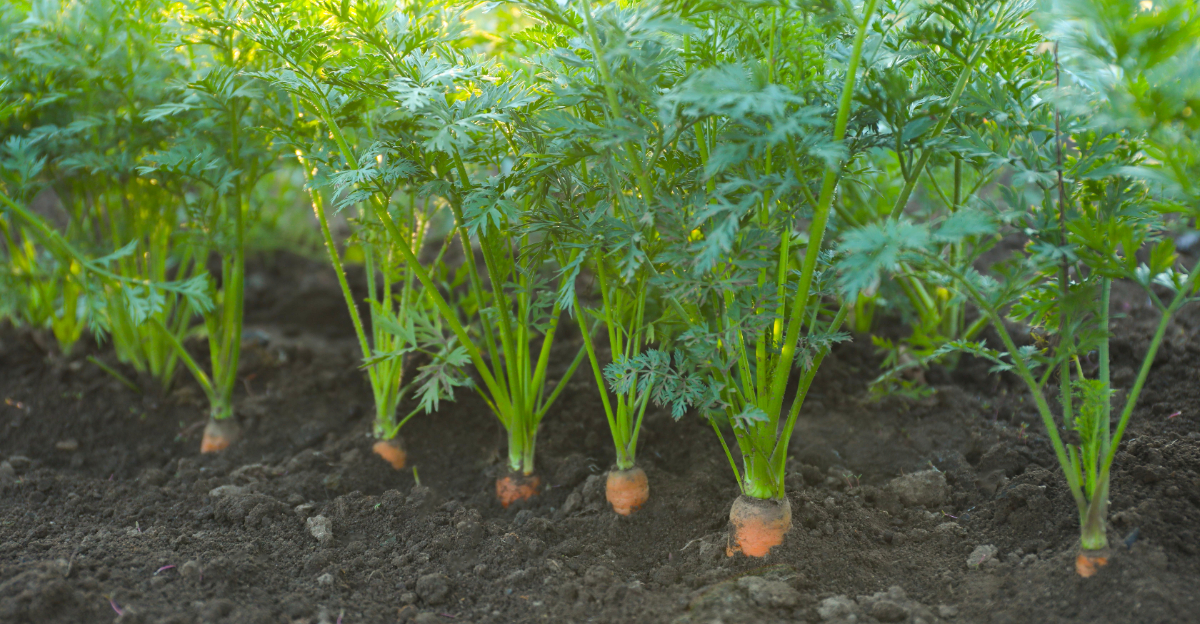
Carrots planted in August have the best shot at developing that sweet, crisp texture North Carolina gardeners look forward to each fall.
Cooler temperatures later in the season encourage carrots to convert starches into sugars, giving roots a noticeably sweeter flavor.
Starting in August allows enough time for root development before the ground cools too much for steady growth. Carrots seeded too late often stay small and underdeveloped, missing that ideal harvest window entirely.
Consistent moisture during germination is especially important, since dry soil can prevent seeds from sprouting evenly. Thinning seedlings early gives remaining roots enough room to grow long and straight.
Mulching helps regulate soil temperature as the weather begins to shift. Getting the timing right now means a much sweeter, crunchier harvest come November.
1. August Provides Enough Time For Roots To Mature
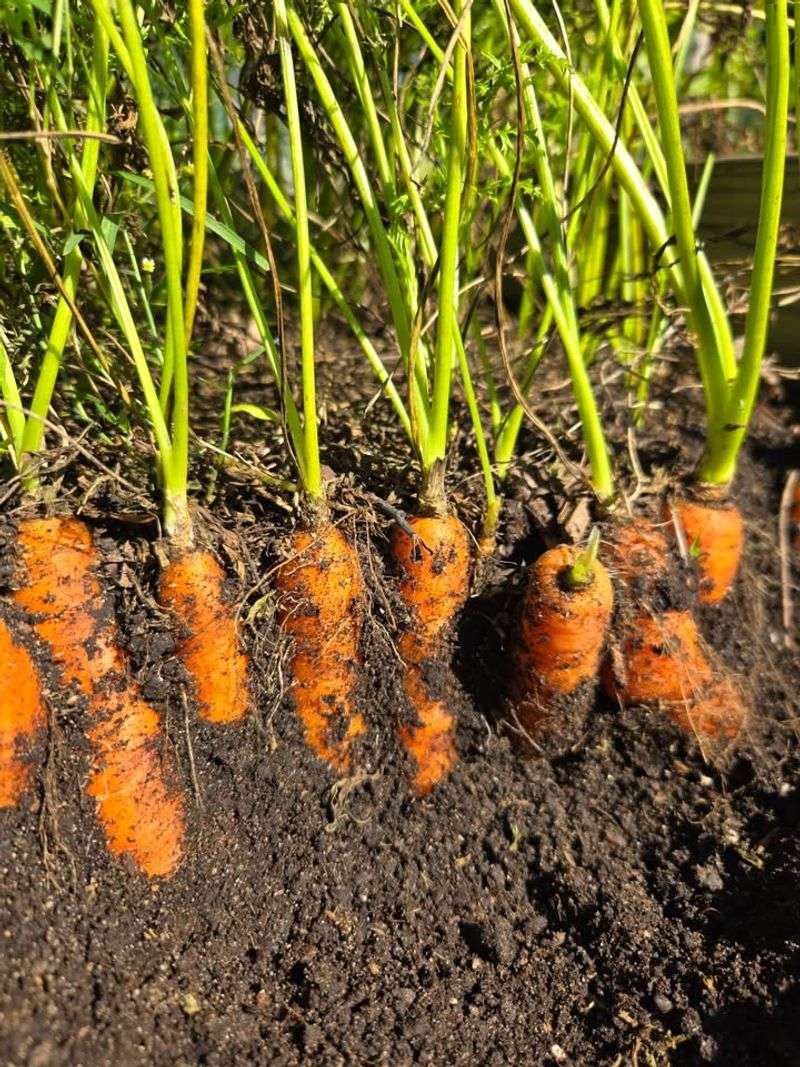
Timing really is everything when it comes to growing carrots in North Carolina. According to NC State planting calendars, most carrot varieties need approximately 75 to 80 days from seed to harvest.
That window matters more than most gardeners realize, and August is the sweet spot that makes it all work.
When you sow seeds in August, you give the foliage and taproots plenty of runway to develop before shorter days and cooler temperatures begin to slow growth.
The plants establish strong leafy tops first, and those leaves fuel the root development happening underground. Without enough time above ground, the roots simply never reach their full size or flavor potential.
Something worth knowing before you sow is that not every carrot variety matures at the same pace. Some shorter varieties like Chantenay or Danvers types may finish closer to 65 to 70 days, while longer Imperator types can push past 80 days.
Always read the seed packet carefully and count backward from your expected first frost date to confirm your planting window.
North Carolina gardeners in the Piedmont region typically experience first frost somewhere around late October into early November, which makes an early to mid-August sowing align beautifully with that timeline.
Starting too late compresses that critical development window, and you end up with thin, underdeveloped roots that never had a fair chance. Give your carrots the full time they need, and they will absolutely deliver at harvest.
2. Fall Weather Matches The Needs Of A Cool Season Crop
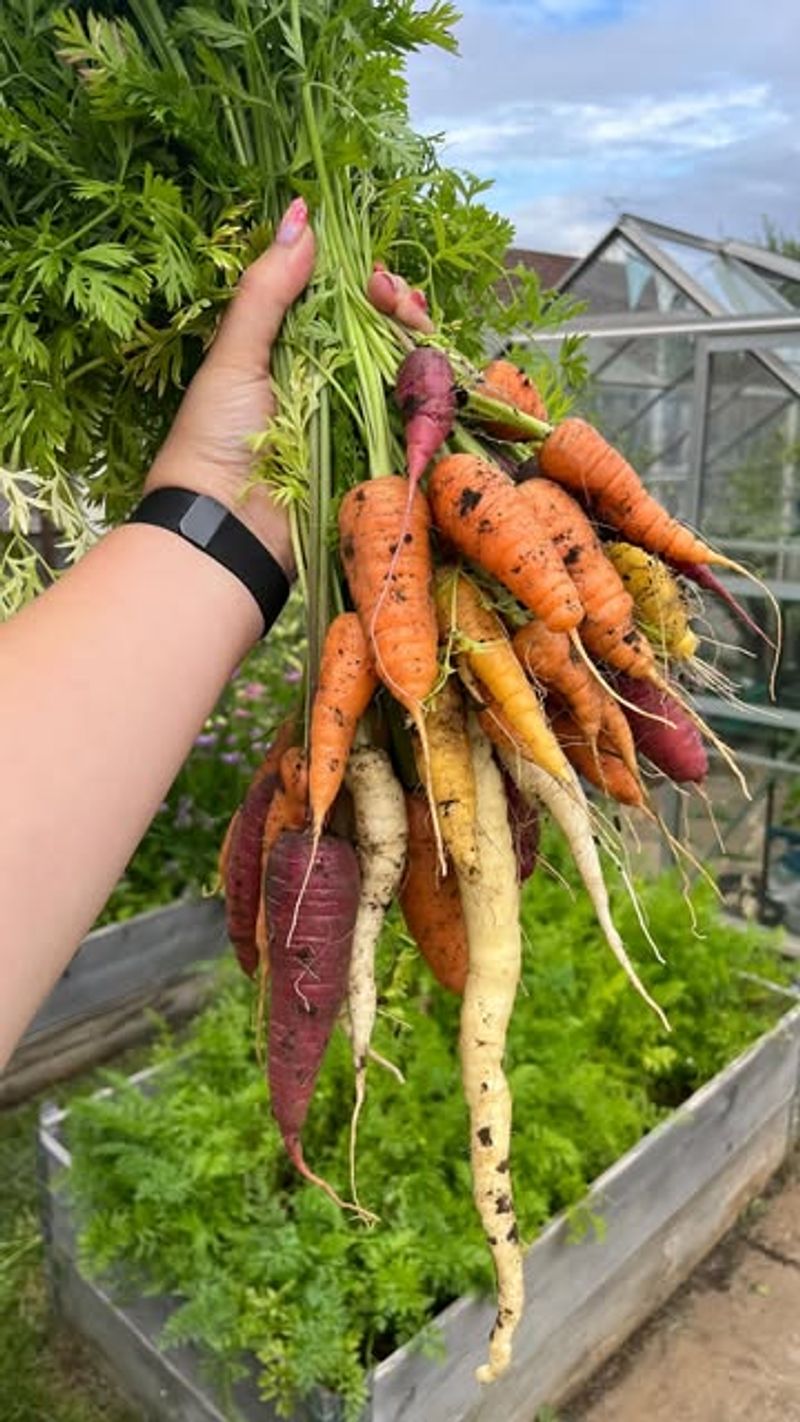
Carrots are cool season vegetables through and through, and they genuinely thrive when temperatures are on the gentler side. When most of their root development happens during mild weather, the quality of those roots tends to be noticeably better.
An August sowing puts that critical development period right in sync with North Carolina’s gradually cooling fall temperatures.
Seedlings that sprout in late summer begin building their root systems just as the scorching heat of July and August starts to ease off. By the time September and October arrive, the plants are actively growing into ideal conditions.
That gradual shift from warm to cool is actually one of the best things that can happen to a developing carrot root.
Your North Carolina Garden Changes Every Week. Your Plan Should Too.
Gardening in North Carolina changes quickly throughout the season. Every Friday you’ll receive a simple weekly plan showing exactly what to plant, prune, fertilize, harvest, and protect so you never miss the right timing.
Prolonged high temperatures are not a carrot’s friend. Intense summer heat can slow root expansion, reduce overall quality, and sometimes contribute to off-flavors that make the harvest disappointing.
Starting in August does not mean the plants avoid heat entirely, but it does mean the most important phase of root development unfolds during much friendlier conditions.
Of course, cool fall weather alone does not guarantee a perfect crop. Soil quality, consistent moisture, proper thinning, and variety selection all play important roles too. Think of fall weather as one very helpful piece of a larger puzzle.
Get the timing right alongside the other fundamentals, and North Carolina’s natural climate becomes one of your greatest gardening advantages for growing crisp, high quality fall carrots.
3. Cooler Conditions Can Support Sweeter Flavor
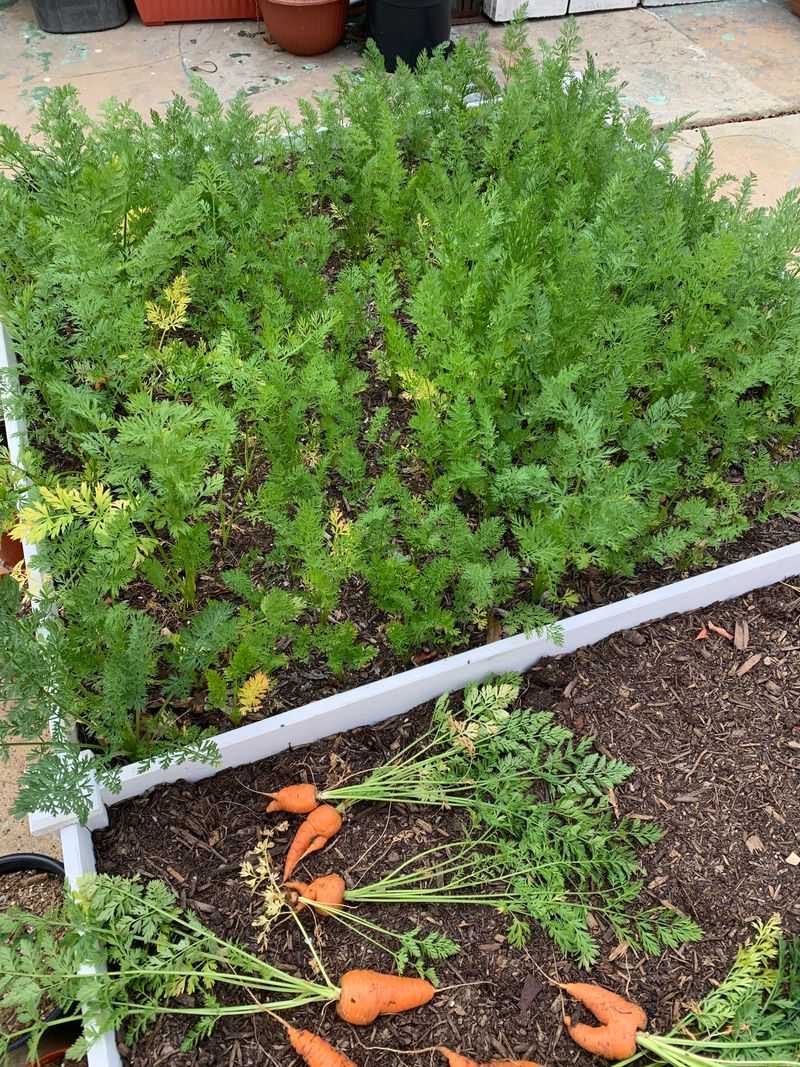
Ask any experienced carrot grower what makes a fall carrot taste so good, and the answer almost always comes back to cooler temperatures.
When carrot roots experience cool conditions as they mature, they can develop a noticeably sweeter flavor compared to roots grown entirely through intense summer heat.
The science behind it involves how the plant manages sugars within the root tissue.
Cool temperatures slow the carrot plant’s metabolism, and in response, the roots tend to accumulate more sugars rather than burning through them quickly.
It is a natural process, and it is one of the most rewarding things about growing fall carrots in a climate like North Carolina’s.
That extra sweetness is not something you can fake with fertilizer or irrigation alone.
That said, flavor is never a guaranteed outcome based on temperature alone. The variety you choose matters enormously since some types are bred specifically for sweetness, while others prioritize size or storage ability.
Soil moisture, overall plant health, and harvest timing all contribute to the final taste as well. A carrot pulled too early may taste starchy, while one left in the ground too long after maturity can turn woody.
The best way to find your personal sweet spot is to sample roots at different stages of development. Pull one at 65 days, another at 75, and compare the flavor and texture side by side.
That kind of hands-on experimentation teaches you more about your specific garden conditions than any guide ever could, and it makes the whole process genuinely fun.
4. August Helps Root Enlargement Occur After Peak Heat
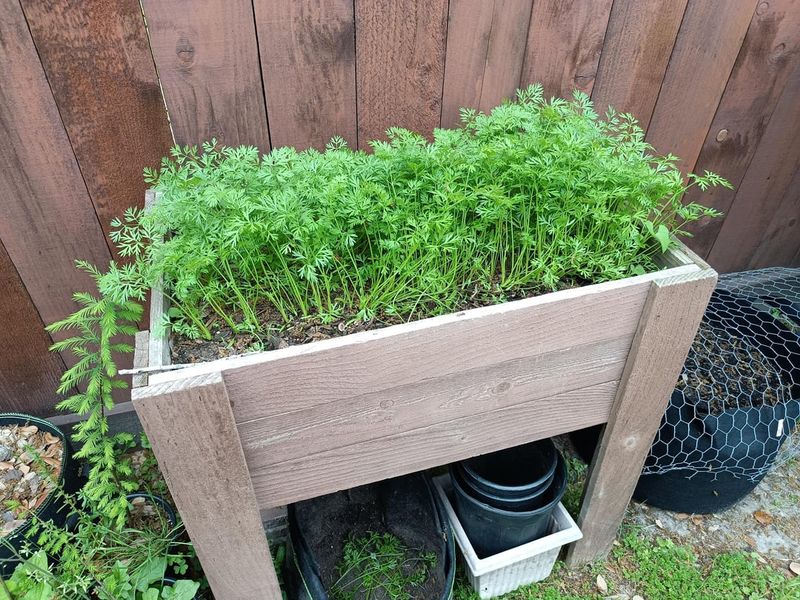
Here is something that catches many first-time carrot growers off guard. The most critical phase of a carrot’s development is not germination or foliage growth.
It is root enlargement, the period when the taproot swells and fills out to become the crunchy, flavorful root you actually eat. Timing that phase correctly makes all the difference in what ends up on your dinner table.
An August start positions that root enlargement phase to happen during early and middle fall, when North Carolina temperatures are much more cooperative. Summer heat can slow root expansion and sometimes push the plant toward producing bitter or less desirable flavors.
By contrast, roots developing in September and October benefit from milder soil temperatures that encourage steady, even growth.
During unusually hot August stretches, North Carolina gardeners can lightly shade the seedbed using a floating row cover or shade cloth to help protect germinating seeds and tiny seedlings from extreme heat.
This simple step can improve germination rates and protect early seedling health during the hottest days. The key word there is lightly, since too much shade can weaken seedlings over time.
Once seedlings have emerged and developed their first true leaves, remove the cover so the plants receive full sunlight. Established carrot plants need good light to fuel the photosynthesis that drives root development.
Think of the shade cloth as a temporary welcome mat rather than a permanent fixture. A brief period of protection early on sets the plants up for strong, healthy growth through the rest of the season.
5. Steady Moisture Supports Firm Crisp Roots
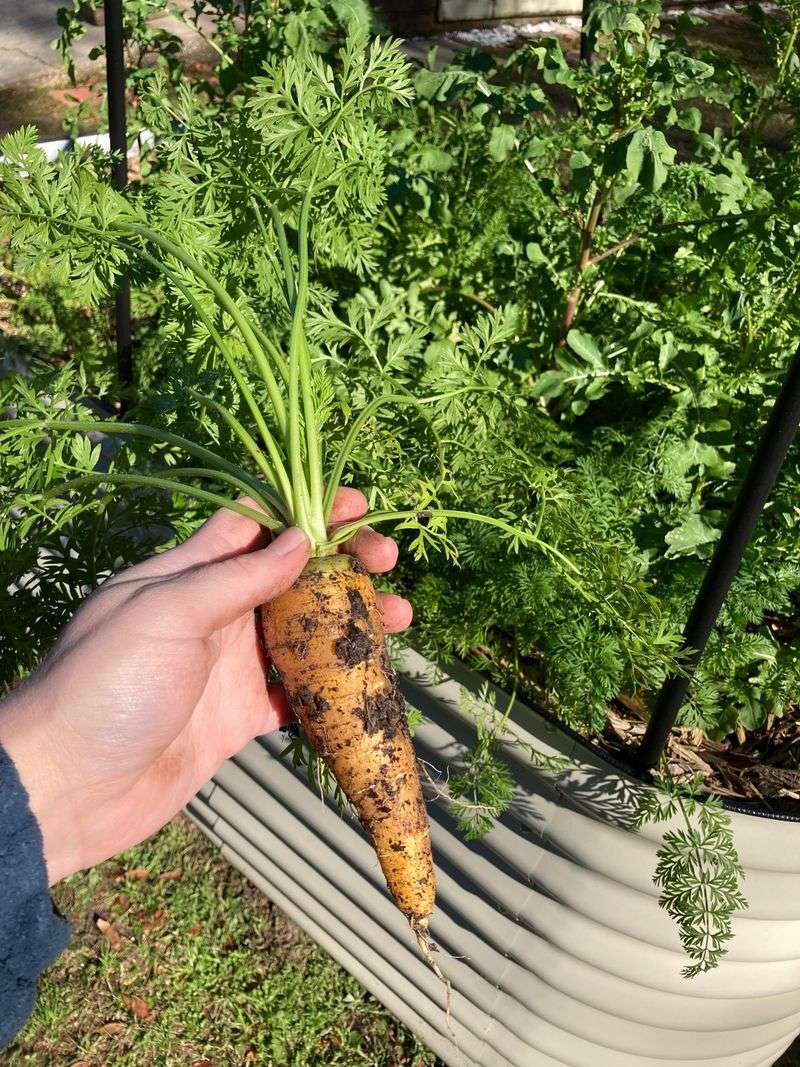
Water management might be the single most underestimated factor in growing great fall carrots.
Getting moisture right from the moment you sow your seeds through the entire growing season directly affects the texture, shape, and flavor of the roots you harvest.
August heat makes this even more challenging because the shallow seedbed can dry out surprisingly fast before seedlings ever establish deeper roots. During germination, the top inch or two of soil needs to stay consistently moist.
Carrot seeds are tiny, and they sit close to the surface, which means even a day or two of dry conditions can interrupt germination and reduce your stand of seedlings significantly.
Gentle, frequent watering during this early phase is far more effective than heavy soaking that compacts the soil surface.
Once seedlings are established and growing, shift to deeper, less frequent watering to encourage roots to chase moisture downward. This encourages straighter, longer root development rather than shallow, stubby growth.
A light layer of organic mulch applied once seedlings are a few inches tall helps retain soil moisture, moderate soil temperature, and reduce the frequency of watering needed through warm fall days.
Alternating between dry and overly wet conditions is particularly damaging to developing carrot roots. That kind of inconsistency can cause cracking, forking, bitterness, and uneven texture throughout the root.
Avoid keeping the soil waterlogged as well, since saturated conditions can lead to rot and poor root quality. Steady and consistent is the goal, not dramatic swings in either direction.
6. Loose Soil Allows Roots To Grow Straight
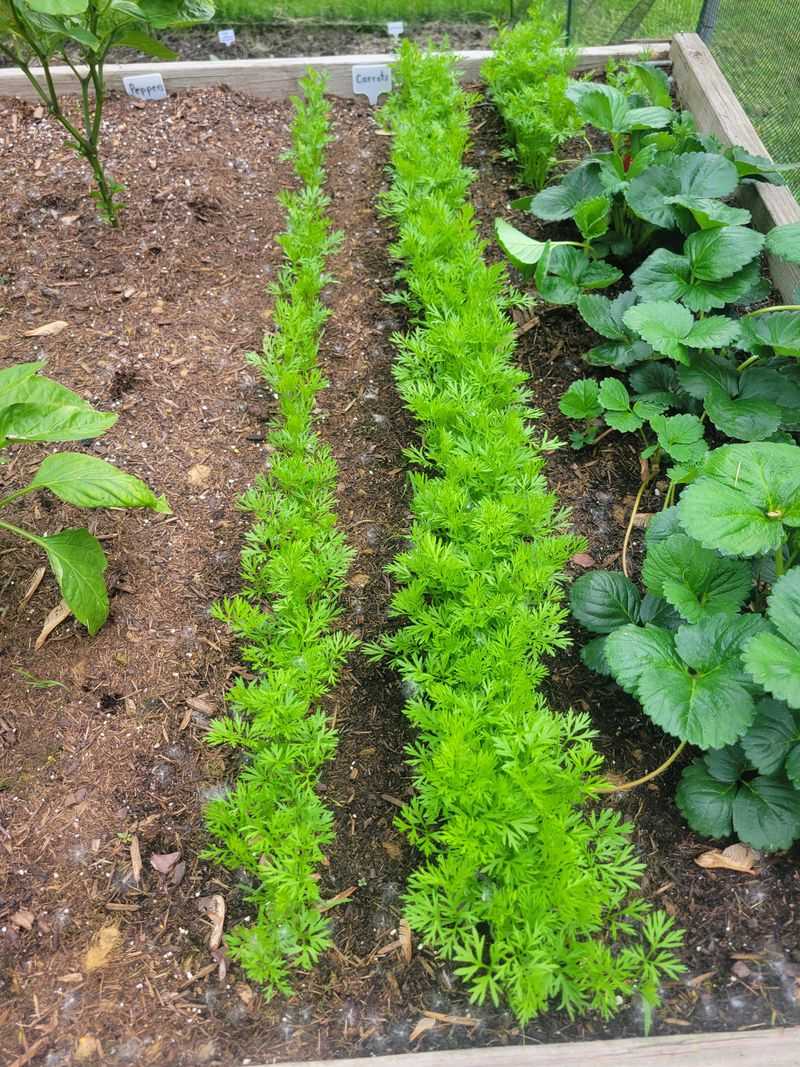
Pull a carrot from poorly prepared soil, and you will immediately understand why bed preparation matters so much. Forked, twisted, stubby, or misshapen roots are almost always the result of soil conditions rather than bad seed.
Carrots need a clear, loose path downward to grow straight and uniform, and that path needs to be created before you ever drop a single seed into the ground.
North Carolina gardens often contend with clay-heavy native soil that compacts easily and resists root penetration.
Stones, undecomposed organic material, and dense clods can all redirect a growing taproot sideways or cause it to split into multiple smaller branches.
Loosening the planting area to a depth of at least 10 to 12 inches, removing stones, and breaking up clods gives roots the open channel they need.
Well-finished compost worked into the bed improves drainage, loosens texture, and adds organic matter that benefits the entire growing season.
The key word is finished, since fresh or partially composted material can cause roots to fork and branch in search of nutrients rather than growing cleanly downward.
Fresh manure in particular is a common culprit behind misshapen carrot crops.
Raised beds are genuinely worth considering for North Carolina gardeners dealing with dense, poorly draining native soil. Filling a raised bed with a custom blend of loosened soil and mature compost creates almost ideal growing conditions for carrots.
The investment in a well-built raised bed pays off year after year, especially when you start pulling long, straight, picture-perfect roots every fall season.
7. Direct Seeding Protects The Developing Taproot
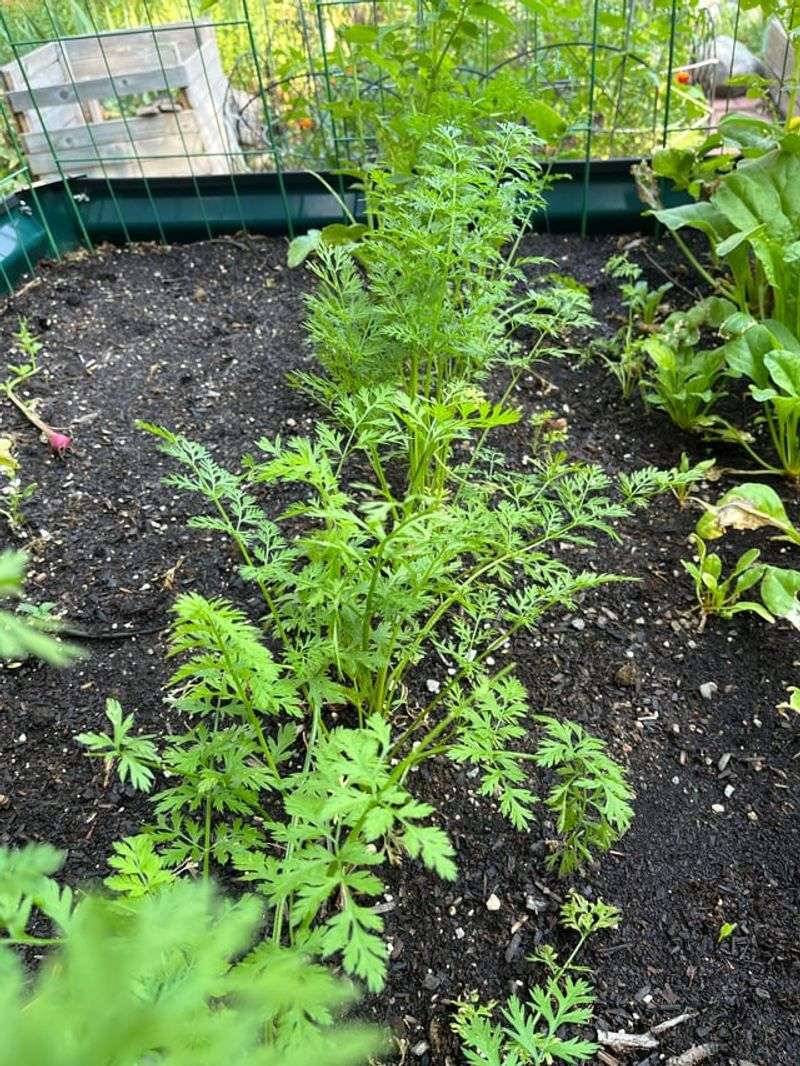
Carrots are not like tomatoes or peppers. You cannot start them indoors in little trays and transplant them to the garden later.
The edible root begins forming very early in the plant’s life, and any disturbance to that developing taproot during transplanting almost always leads to forked, stunted, or damaged roots.
Direct seeding right where the carrots will grow and mature is the only reliable way to go. Sowing directly into the prepared bed sounds simple, but a few details make a big difference in your results.
Carrot seeds are tiny and need only a shallow covering of fine soil, typically about a quarter inch deep or according to the specific instructions on your seed packet.
Pressing the soil gently after sowing ensures good seed-to-soil contact, which is essential for consistent germination.
Even seed distribution is another area where gardeners often struggle. Carrot seeds have a tendency to clump together, leading to overcrowded patches and bare spots in the same row.
Mixing seeds with a small amount of dry sand before sowing can help spread them more evenly. Some gardeners prefer pelleted carrot seeds, which are larger and easier to space accurately right from the start.
Patience is genuinely required during germination since carrot seedlings can take anywhere from 10 to 21 days to emerge depending on soil temperature and moisture.
Once seedlings appear and reach about two inches tall, thin them carefully to the spacing recommended for your chosen variety.
Crowded seedlings compete for water, nutrients, and space, which leads directly to smaller and less flavorful roots at harvest time.
8. Regional Timing Protects The Fall Harvest Window
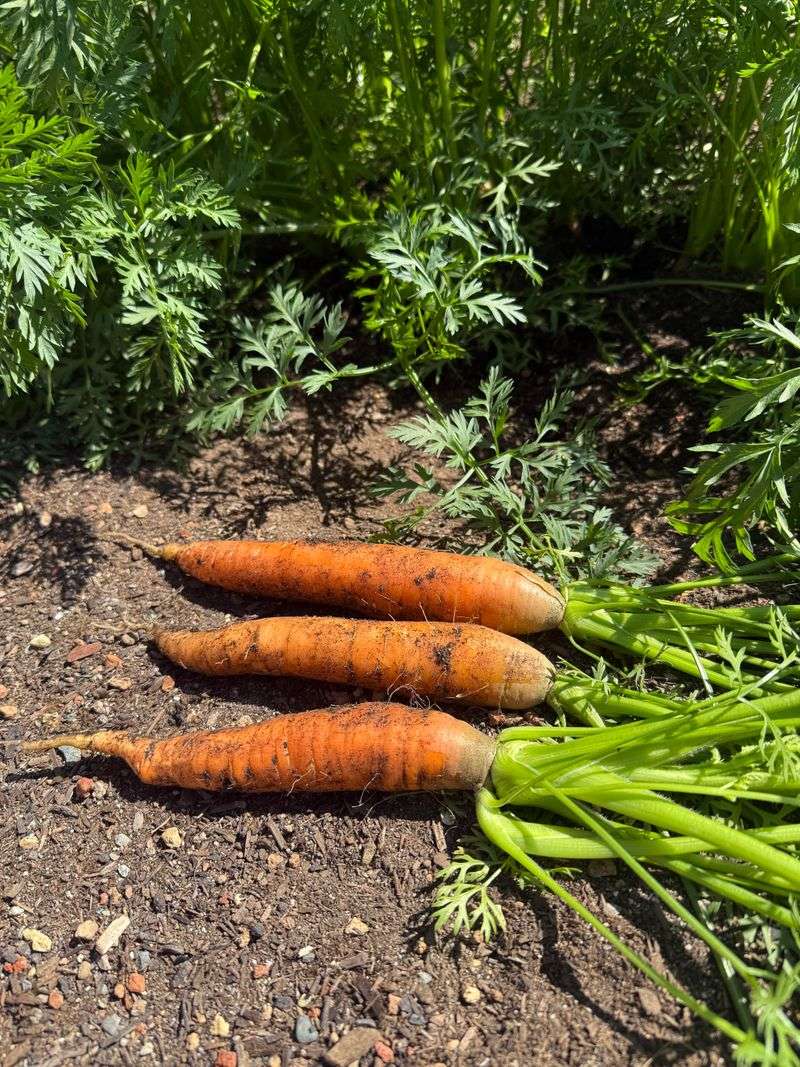
August is not one single magic date that applies equally to every corner of North Carolina.
The state spans a wide range of elevations, climates, and frost dates, and your specific location makes a real difference in when your August sowing should actually happen.
Getting regional timing right protects your harvest window and gives your carrots the best possible growing conditions from start to finish.
In the Piedmont region, vegetables needing roughly 60 to 80 days to mature are commonly planted around August 1st.
That timing aligns well with the Piedmont’s typical first frost window and gives most carrot varieties enough time to develop fully before cold weather interrupts growth.
Many of North Carolina’s most popular vegetable gardening resources, including NC State Extension, are built around this general Piedmont framework.
Western North Carolina gardeners work with a shorter growing season because of higher elevations and earlier first frost dates. Sowing approximately 10 to 20 days earlier than the Piedmont baseline is a common adjustment for mountain region gardeners.
On the other end of the state, the Coastal Plain tends to stay warmer longer, so gardeners there can often push their sowing date back by about 7 to 14 days compared to Piedmont timing. The most reliable approach combines several pieces of information together.
Check your regional planting calendar, confirm your expected first frost date, review the maturity period listed on your seed packet, and consider your current soil temperature before choosing a final planting date.
Soil temperature between 55 and 75 degrees Fahrenheit supports reliable carrot germination. When all those factors line up, your carrots have every advantage they need to produce sweet, firm, and crisp fall roots worth celebrating.