The California Garden Water Test That Helps Prevent Overwatering In Summer
California summers turn gardens into a guessing game. Too little water and leaves crisp at the edges. Too much and roots quietly lose the ability to function, long before wilting gives you a warning.
Overwatering is the mistake most gardeners make without realizing it. Soil that stays soggy for days starves roots of oxygen, and by the time symptoms show up on the surface, the damage below is already done.
There’s a simple test that costs nothing and takes seconds to run. It tells you when your plants are thirsty and when they’d rather be left alone.
Once you know how to read your soil correctly, watering stops being a guessing game. You’ll stop second-guessing your schedule, and your garden will finally get exactly what it needs.
There’s One Simple Test That Tells You Exactly When To Water
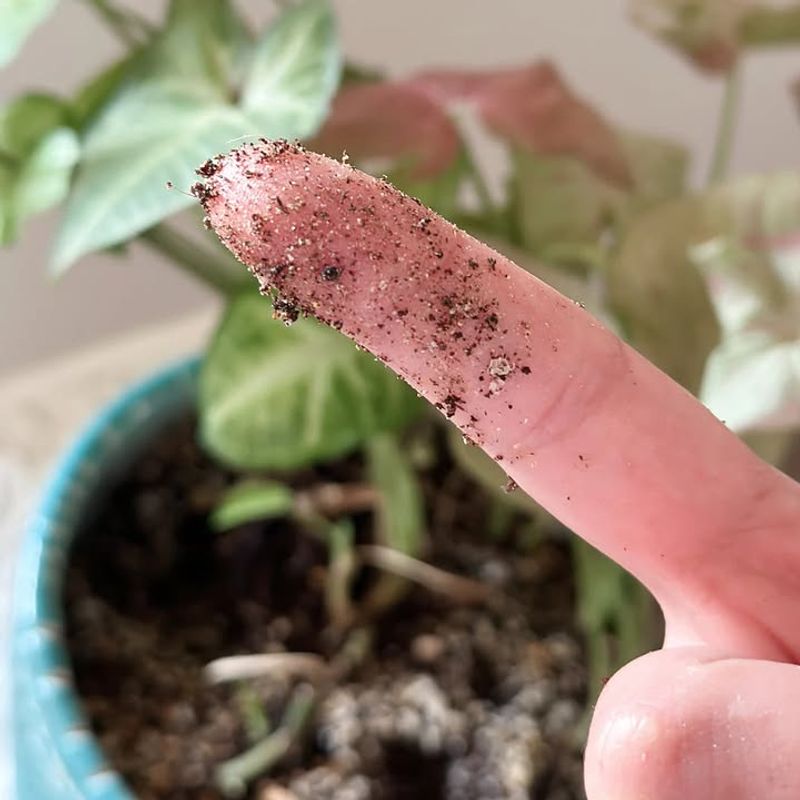
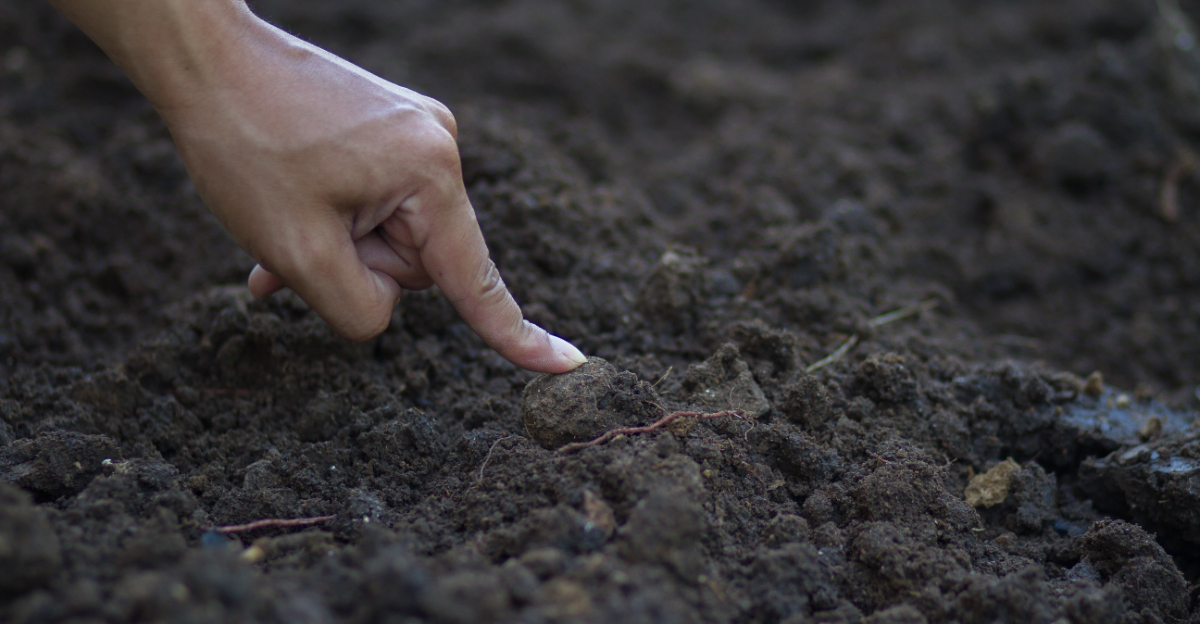
Your finger is the most underrated gardening tool you own. The California garden water test is shockingly simple: push your finger about two inches into the soil and feel what is there.
If the soil feels moist and cool, your plants are fine. If it feels dry and crumbly, it is time to water.
Many gardeners skip this step and water on a schedule instead. Schedules sound smart, but they ignore what the soil is actually doing on any given day.
A hot, windy afternoon dries soil faster than a calm morning does. Your schedule cannot account for that, but your finger absolutely can.
This test works across most soil types and plant varieties. It takes about five seconds and costs nothing to do.
This habit tends to lead to healthier plants and lower water bills over time. That combination is hard to argue with, especially during a dry California summer.
The test also builds a skill that schedules rarely offer: soil awareness. Once you start feeling your soil regularly, you begin to understand how your specific garden holds and releases moisture.
That knowledge is genuinely powerful. It turns guessing into knowing, and knowing saves plants.
No Tools Needed, Just Your Hand
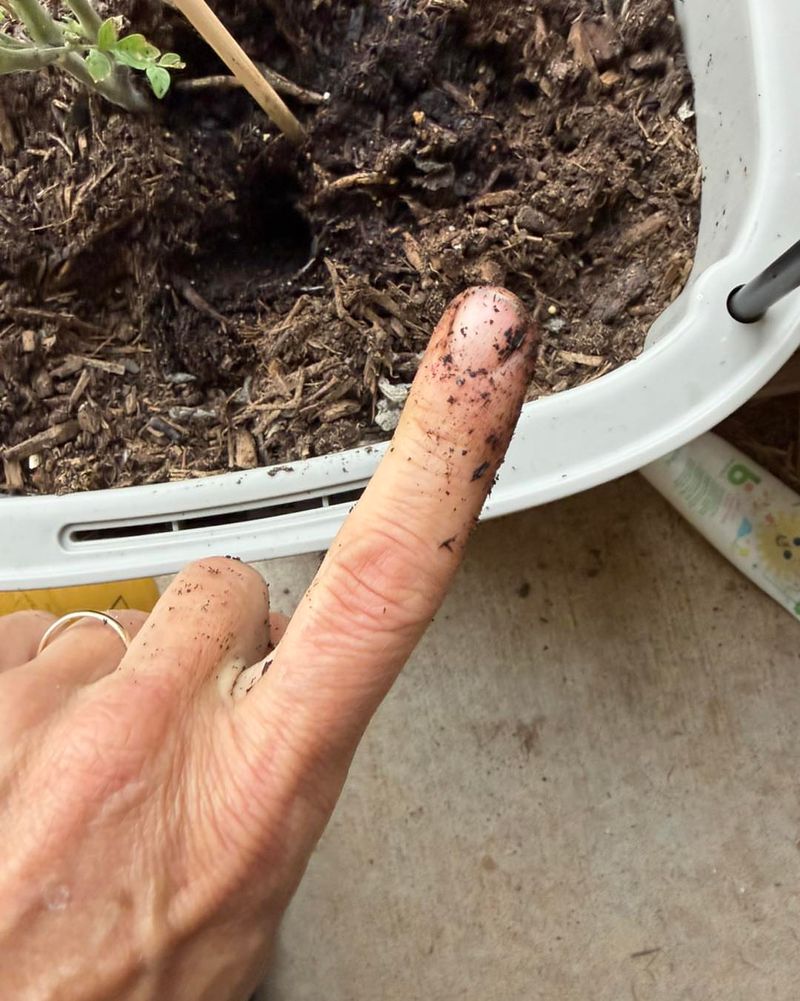
Forget the gadgets for a moment. Your hand gives you instant, honest feedback that most charts or apps rarely replicate.
Press two fingers firmly into the ground near your plant’s base. You are not just touching the surface; you are reaching past it.
Surface soil is often misleading. It can feel bone dry while the deeper layers still hold plenty of water for roots to access.
That is why the two-finger depth matters so much. Roots do not live at the surface; they grow downward where the real moisture is stored.
When your fingers come out clean and dry, the plant is ready for water. When they come out with soil clinging to them, hold off for another day or two.
This approach is especially useful during California’s unpredictable summer heat waves. A single hot weekend can change your watering needs dramatically, and your hand will catch that shift immediately.
There’s nothing to charge, nothing to calibrate, and nothing to figure out. Just press, feel, and decide with confidence.
Your California Garden Changes Every Week. Your Plan Should Too.
Gardening in California changes quickly throughout the season. Every Friday you’ll receive a simple weekly plan showing exactly what to plant, prune, fertilize, harvest, and protect so you never miss the right timing.
Experienced gardeners have used this method for generations. It works because soil speaks honestly to skin in a way sensors and timers often miss.
Trust the feedback your fingers give you. Your garden is counting on you to listen.
Skip The Surface, This Is Where Real Moisture Hides
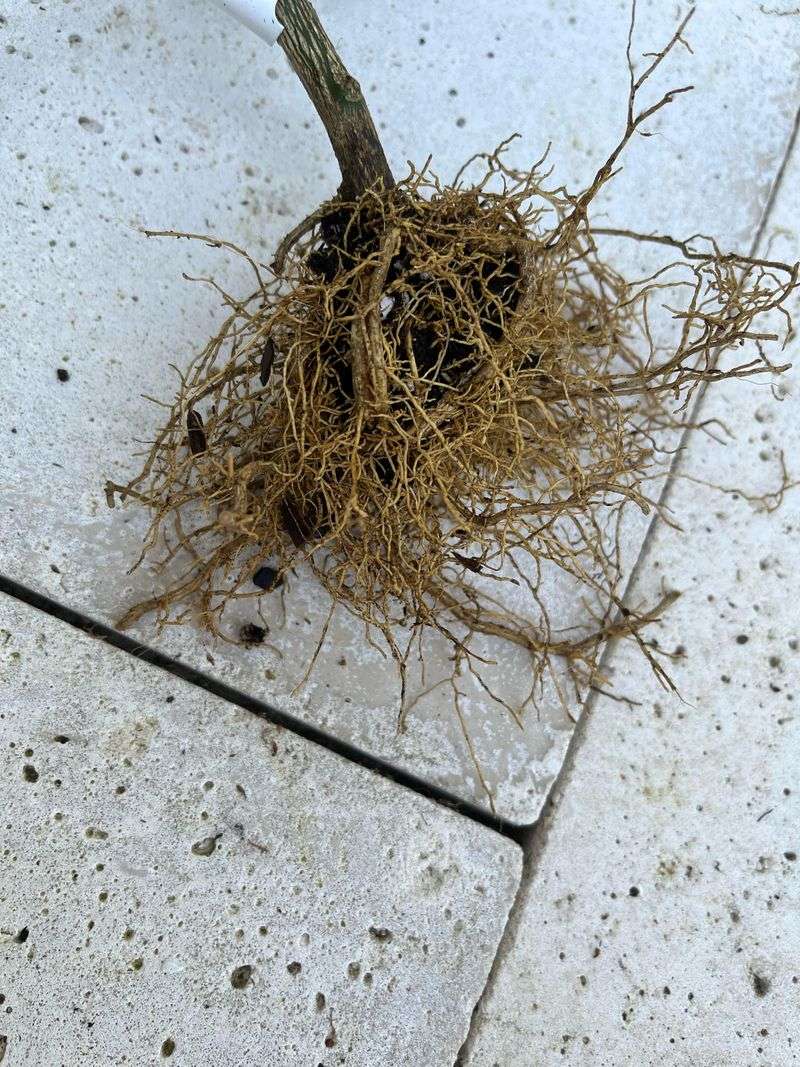
Soil near the top dries out fast, sometimes within hours on a hot day. That dry crust fools gardeners into watering when the plants actually have plenty to drink below.
The real moisture zone sits two to four inches underground. That is where most plant roots actively absorb water and nutrients throughout the day.
When you only check the surface, you are reading the wrong chapter of the story. The roots are not at the top; the answer is not there either.
Push past that dry layer and you will often find cool, damp soil that tells a very different story. That discovery prevents unnecessary watering and protects roots from sitting in soggy conditions.
Overwatered roots lose access to oxygen. They become vulnerable to rot and fungal problems that spread quickly in warm summer soil.
Checking deeper also helps you understand how well your soil drains after you do water it. Fast-draining soil needs more frequent checks; slow-draining soil needs fewer waterings overall.
Sandy California soils drain quickly and dry out fast. Clay-heavy soils hold moisture longer but can become waterlogged if you are not careful.
Knowing where moisture actually hides in your specific garden makes a real difference in how you care for it. The California garden water test rewards the gardener who goes deeper, not the one who glances at the top.
Clay Soil Changes The Rules For This Test
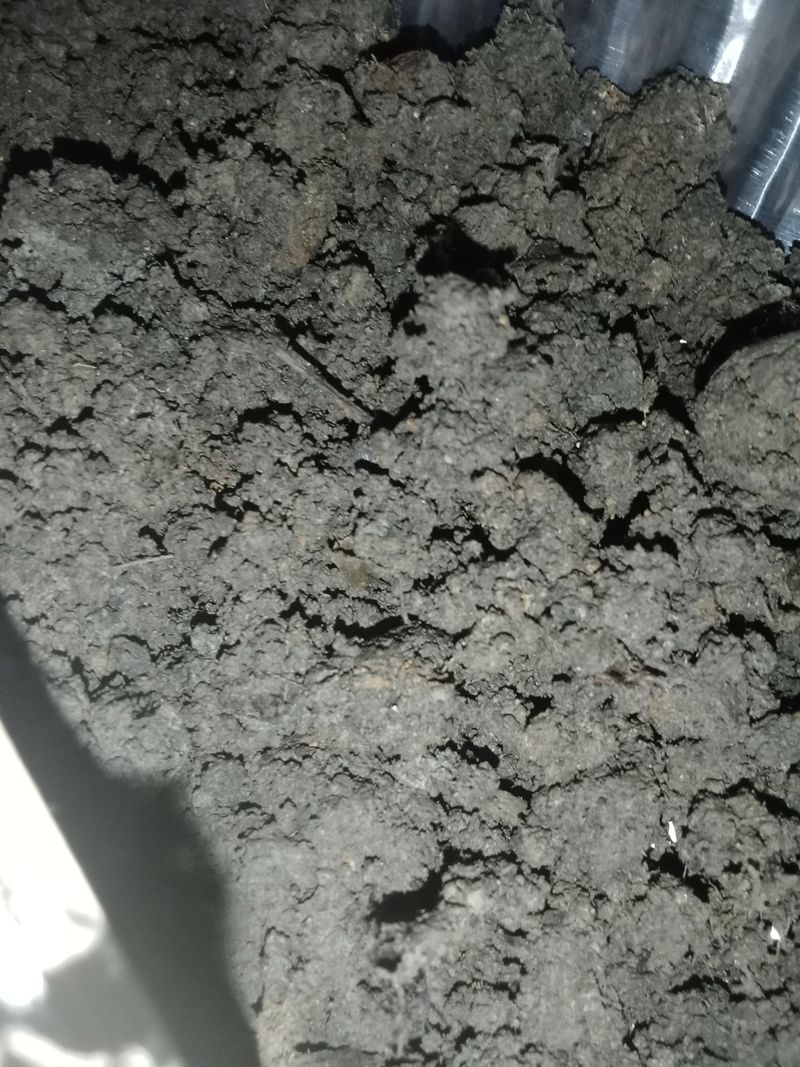
Clay soil plays by its own stubborn rules. It holds water longer than most other soil types, which sounds great until your roots start struggling for air.
When you run the California garden water test on clay, the results can be misleading at first. Clay feels moist almost all the time, even when the surface looks cracked and dry.
That cracking on top is not always a drought signal. Sometimes it just means the clay has dried and contracted at the surface while staying damp several inches below.
Press your fingers into clay soil firmly. If it feels slick or sticks together in a ball, there is still plenty of moisture stored inside for roots to access.
Only water clay soil when it feels firm and crumbly throughout the two-inch depth. Watering before that point creates drainage problems that linger for days.
Roots in waterlogged clay are cut off from the oxygen they need. That stress shows up as yellowing leaves and wilting, which ironically looks like drought stress to an untrained eye.
Many gardeners then add more water, making the problem worse. Knowing your soil type prevents that frustrating cycle from starting.
Amending clay with compost over time improves drainage and makes the finger test more straightforward. For now, go slower and check deeper before reaching for the hose.
Clay soil rewards patience more than any other approach. Give it that, and it will hold moisture beautifully for your plants all summer long.
Native California Plants Need An Extra Layer Of Caution
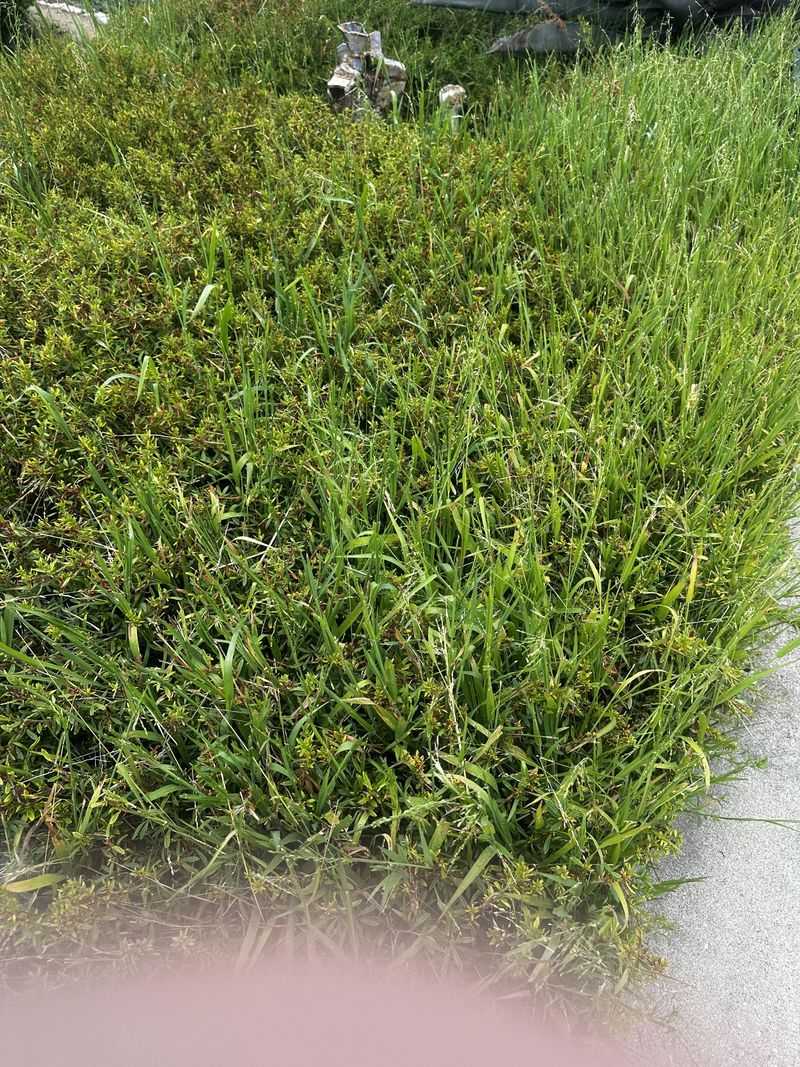
California native plants evolved through centuries of dry summers and almost no rainfall from June through October. They are built for drought, and overwatering them is one of the fastest ways to send them into decline.
When you apply the California garden water test to native plantings, the results should look different than for your vegetable garden. Dry soil is not always a problem for natives; it is often exactly what they prefer.
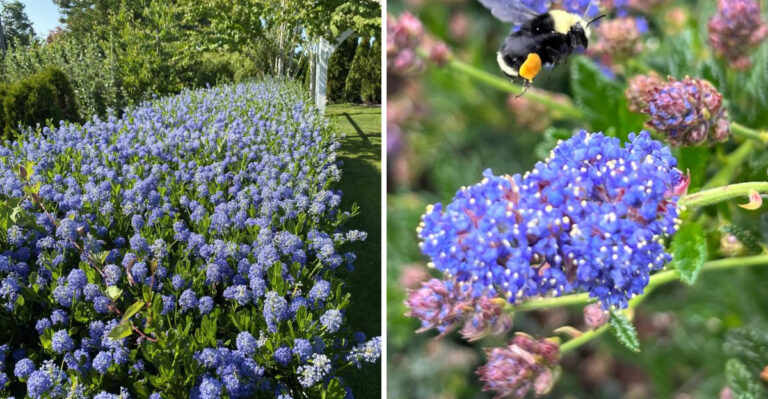
Buckwheat, sage, manzanita, and ceanothus all thrive in conditions that would stress a tomato plant. Giving them frequent summer water can quickly lead to root rot and fungal disease.
For established native plants, check soil moisture only every ten to fourteen days in summer. If the soil still feels slightly cool at two inches, skip watering entirely that week.
Young native plants in their first summer are the exception. They need occasional deep watering until their roots establish fully in the ground.
After the first year, most natives can survive on rainfall alone in coastal areas. Inland gardens may need one or two deep summer waterings during extreme heat.
The finger test helps you stay honest about what your natives actually need versus what your watering instincts tell you to do. Instincts trained on thirsty vegetables tend to overwater drought-adapted plants.
Letting native soil dry out fully between waterings is not neglect. For these resilient plants, it is one of the best forms of garden care.
Tools Exist For Gardeners Who Want More Precision
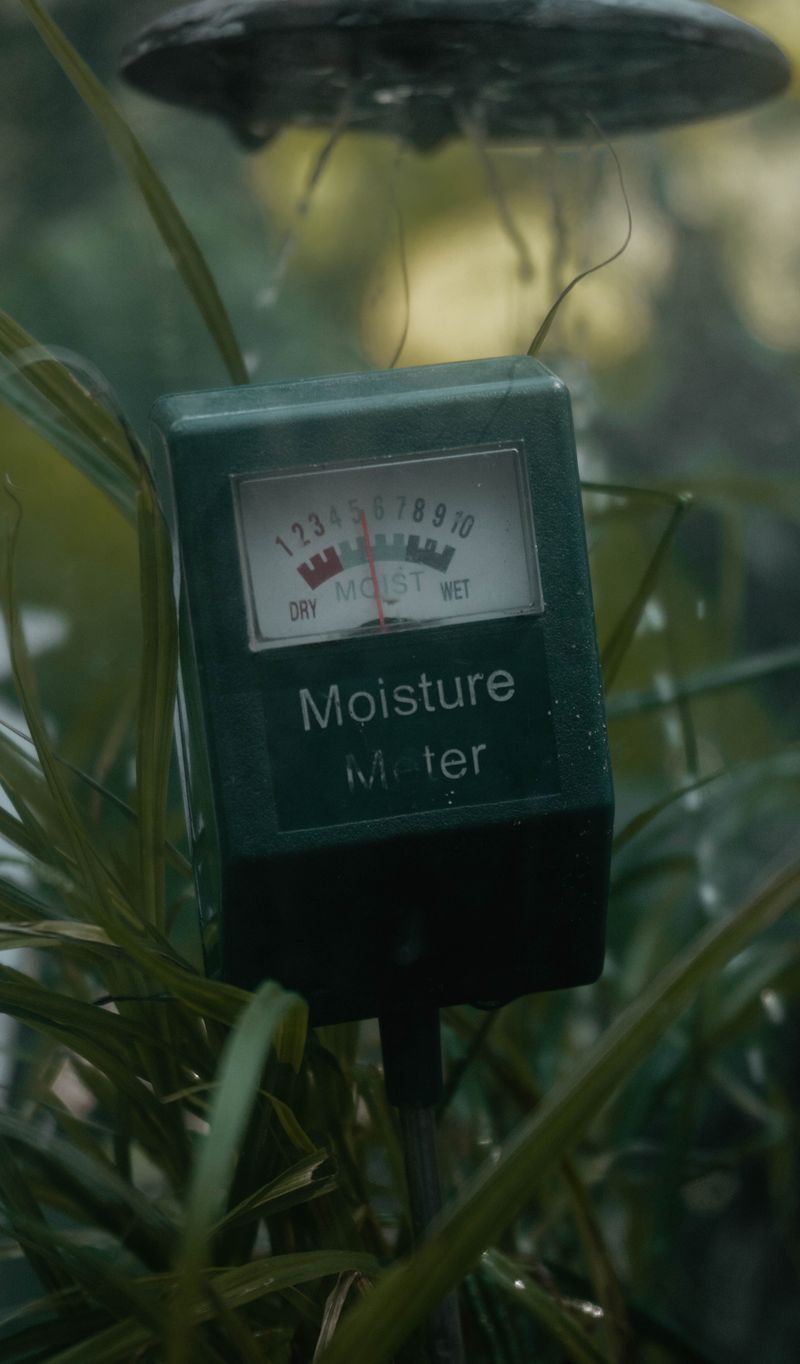
Your fingers are a great starting point, but technology adds a satisfying layer of certainty for gardeners who want exact numbers. Soil moisture meters are inexpensive, widely available, and genuinely useful for larger gardens.
A basic probe meter costs between ten and thirty dollars at most garden centers. You insert the probe into the soil and read a number on a simple dial or screen.
Most meters use a scale from one to ten. Readings in the middle of the scale typically indicate moisture levels most garden vegetables and flowering plants prefer.
Readings below two suggest the soil is dry enough to warrant watering. Readings above seven mean the soil is holding more water than most plants need right now.
These tools are especially helpful for gardeners managing multiple planting zones with different soil types. Switching between sandy beds and clay beds by hand can get confusing; a meter removes the guesswork cleanly.
Smart irrigation controllers take precision even further. They connect to local weather data and automatically adjust watering schedules based on rainfall, temperature, and humidity readings.
Some models even accept soil sensor input directly. That level of automation suits gardeners managing large properties or those who travel frequently during the summer months.
No tool replaces the habit of actually paying attention to your garden. But the right instrument, used alongside the California garden water test, makes smart summer watering noticeably easier.