What Causes California Ceanothus To Collapse After A Few Years
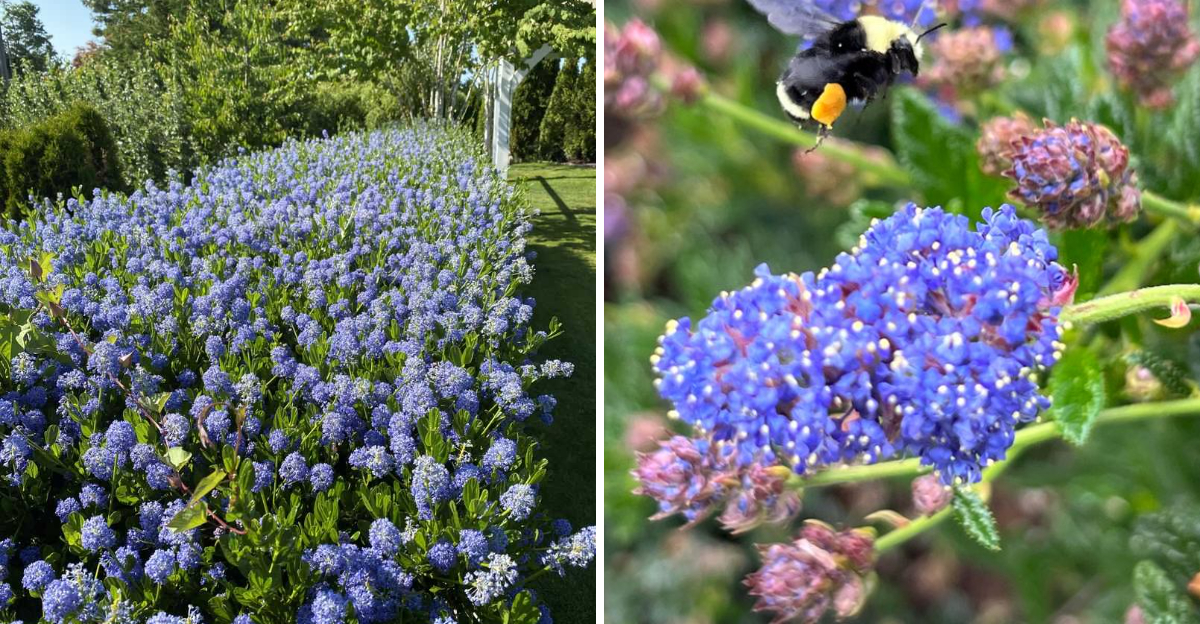
California Ceanothus is one of the most stunning native shrubs you can grow, bursting with blue, purple, or white flowers every spring in a display that stops neighbors in their tracks.
Gardeners fall in love with it fast. The first season is spectacular. The second is even better.
Then somewhere around year three, something changes.
The plant starts looking tired without obvious explanation. Leaves drop. Branches go brown and stop producing.
The whole thing slowly unravels while you stand there wondering what went wrong, because you watered it and fed it and gave it what seeme
That is actually part of the problem.
Ceanothus is a California native that evolved over thousands of years in lean, fast-draining, mostly dry conditions.
Treating it like a garden perennial that wants regular water, rich soil, and thick mulch works directly against everything the plant is built for.
Understanding exactly why Ceanothus collapses is the key to keeping it healthy and thriving far longer than the gardeners who loved it too much ever managed to.
1. Summer Water Soaks The Crown
Almost every new Ceanothus grower gets this wrong in the first season.
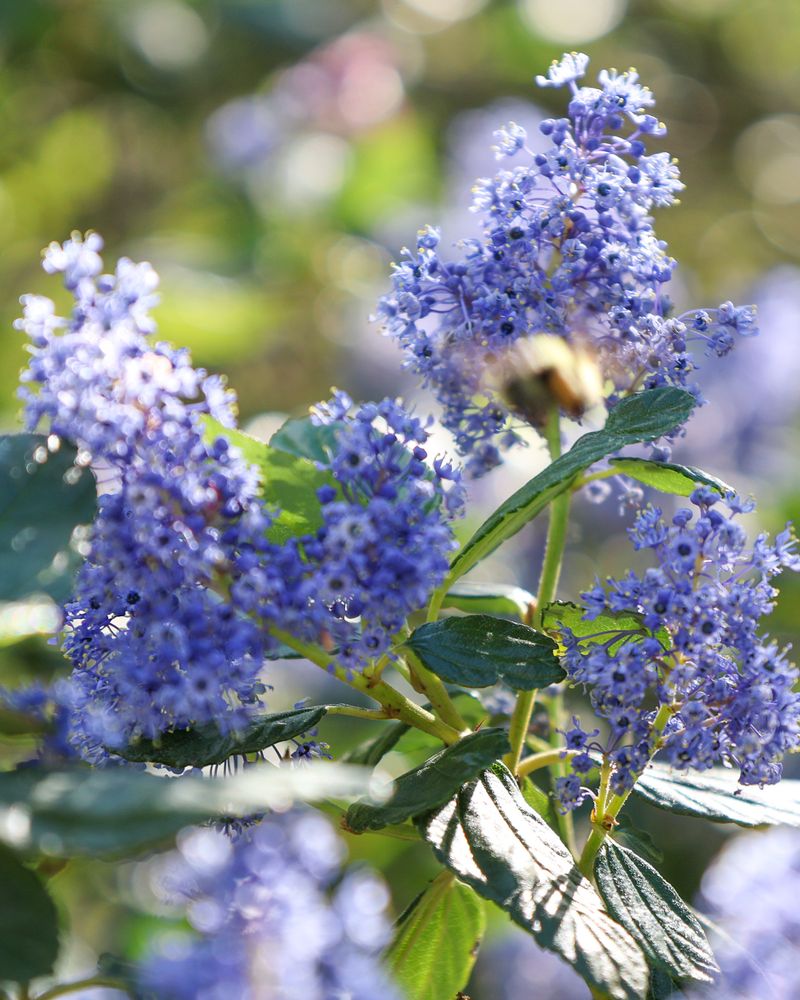
This plant genuinely does not want water in summer once it is established. California natives evolved through long, hot, dry summers, and Ceanothus is one of the toughest examples of that adaptation.
When you keep watering it through July and August the way you would a rose or a vegetable garden, you are working against everything the plant is built for.
Water that pools around the crown, which is the base of the plant right at the soil line, creates a consistently moist environment that the roots simply cannot handle.
That trapped moisture softens the crown tissue and opens the door to fungal problems and rot. Many gardeners notice the plant looks stressed in late summer and assume it needs more water, so they water it more.
That cycle makes things worse fast.
UC Cooperative Extension advises that established Ceanothus in most California gardens needs little to no supplemental irrigation from late spring through fall.
If your garden runs on an automated system, the safest move is to put Ceanothus on a separate zone or skip it entirely once it has been in the ground for two full growing seasons.
Pulling back on summer water is one of the single most effective things you can do to extend the life of your plant.
Less really is more with this native shrub, and it will reward the restraint more visibly than almost any other change you make.
2. Poor Drainage Starts Root Trouble
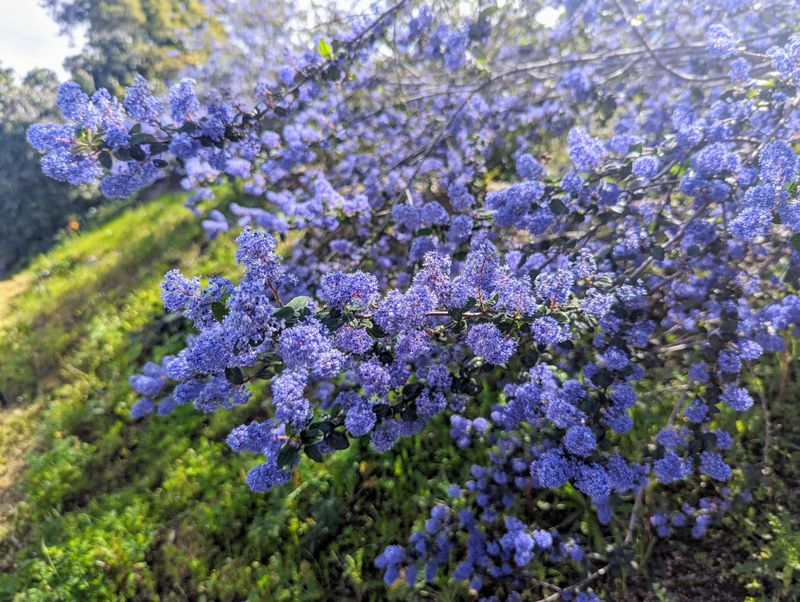
Roots sitting in water are roots heading toward trouble.
Ceanothus is built for the fast-draining slopes and rocky hillsides of California, where rainfall moves through the soil quickly and roots never stay wet for long.
Plant it in a low spot, a flat lawn area, or any place where water collects after rain, and you are setting up a mismatch that the plant will struggle to survive.
Good drainage is not just about avoiding puddles on the surface.
Your California Garden Changes Every Week. Your Plan Should Too.
Gardening in California changes quickly throughout the season. Every Friday you’ll receive a simple weekly plan showing exactly what to plant, prune, fertilize, harvest, and protect so you never miss the right timing.
It is about what happens six or eight inches below the soil. Some garden soils have a hard layer called hardpan that blocks water from moving down.
Even if the top looks dry, water can be sitting at root depth for days after a rainstorm. Roots that stay wet begin to break down, losing their ability to take up nutrients and oxygen.
Raising the planting area is one of the most practical fixes.
Planting Ceanothus on a gentle slope, in a raised bed, or on a berm gives water somewhere to go.
The California Native Plant Society recommends selecting planting sites with natural slope or amending the area with coarse gravel to improve drainage before planting.
Avoid planting near downspouts, irrigation runoff zones, or areas that stay shaded and damp.
Getting the drainage right from day one is far easier than trying to rescue a struggling plant later. Drainage is the foundation of the whole growing relationship with this particular native.
3. Phytophthora Moves Through Nursery Stock
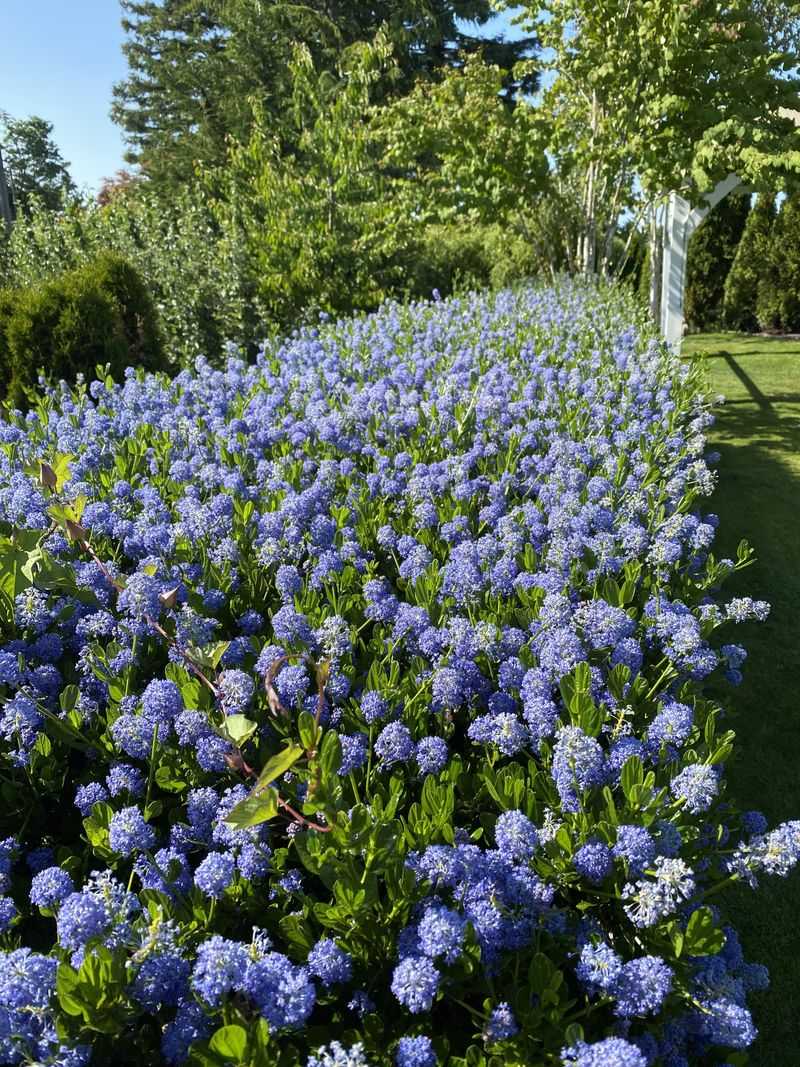
Phytophthora is a water mold, not a true fungus, and it is one of the most serious threats to Ceanothus in California gardens.
What makes it especially tricky is that it often arrives before you even get the plant home.
Nursery stock grown in containers can carry Phytophthora in the potting mix, especially if the plants were overwatered or crowded together in conditions that allowed the pathogen to spread between pots.
Once Phytophthora gets into your soil, it can persist for years.
It spreads through water movement, so a contaminated spot in your garden can infect new plants you put in the same location.
UC IPM notes that Phytophthora root rot and crown rot are among the leading causes of decline in susceptible ornamental shrubs, including many California natives.
Symptoms often look like drought stress at first, with wilting and yellowing leaves even when soil moisture seems fine.
Buying plants from reputable nurseries that practice good sanitation is your first line of defense.
Look for plants that have firm, healthy stems and roots that are white or tan, not brown and mushy. Avoid plants sitting in trays of standing water.
When you bring a new Ceanothus home, plant it in a fresh, well-drained spot and never reuse soil from a bed where a previous plant struggled without knowing the cause.
4. Heavy Clay Holds Too Much Moisture
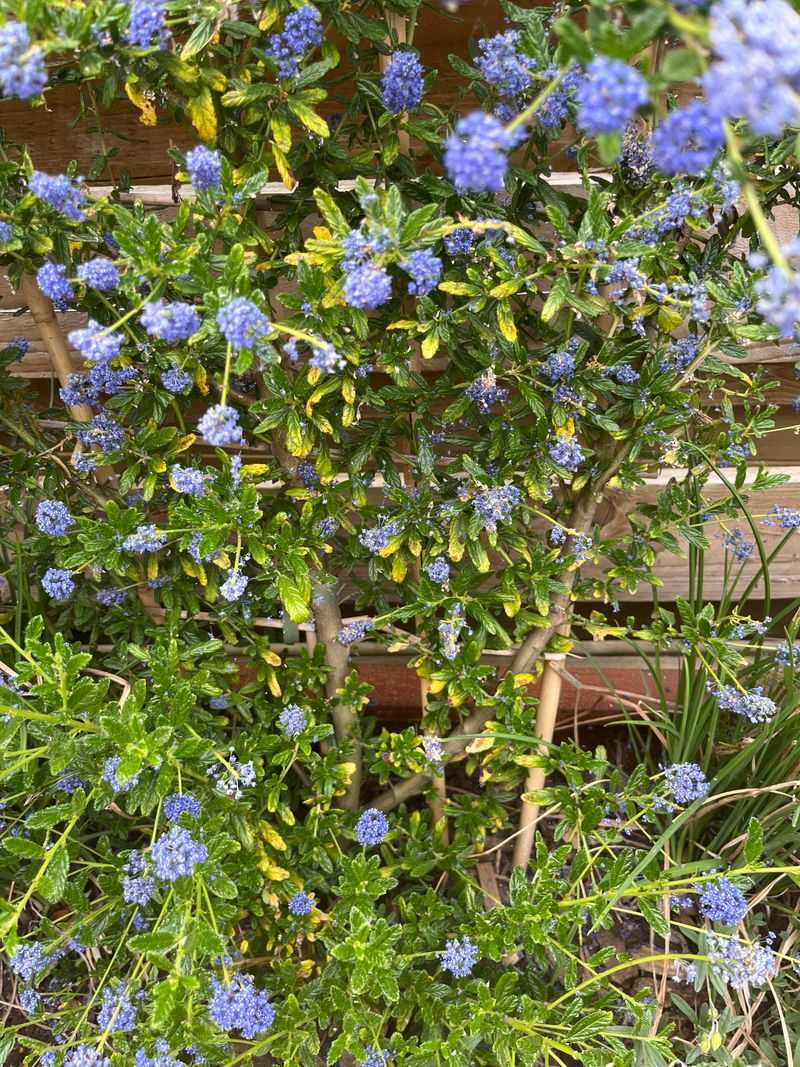
California clay soil is a real challenge for Ceanothus, and many gardeners underestimate just how much it matters.
Clay particles are incredibly small and pack tightly together, leaving very little space for air or water to move through.
After a rain or a round of irrigation, clay soil can stay wet for days or even weeks. For a plant that evolved in fast-draining rocky ground, that prolonged wetness is genuinely stressful.
The problem gets worse in areas with cool, wet winters.
Water sits in the clay layer at root depth through the whole rainy season, and the roots spend months in a soggy environment.
By the time spring arrives and the plant is supposed to be putting on new growth, the root system may already be compromised. Then summer heat hits, and the plant does not have the root health to cope.
Improving clay soil before planting makes a real difference.
Adding coarse sand or fine gravel improves drainage, but the amounts need to be significant, at least one third of the total soil volume, to have a meaningful effect.
Some gardeners skip the amendment process entirely and build a raised mound instead, which puts the roots above the clay layer.
UC ANR recommends that gardeners with heavy clay soils choose Ceanothus species known for slightly better tolerance of heavier soils, such as Ceanothus griseus or Ceanothus thyrsiflorus.
5. Mulch Piled High Traps Dampness
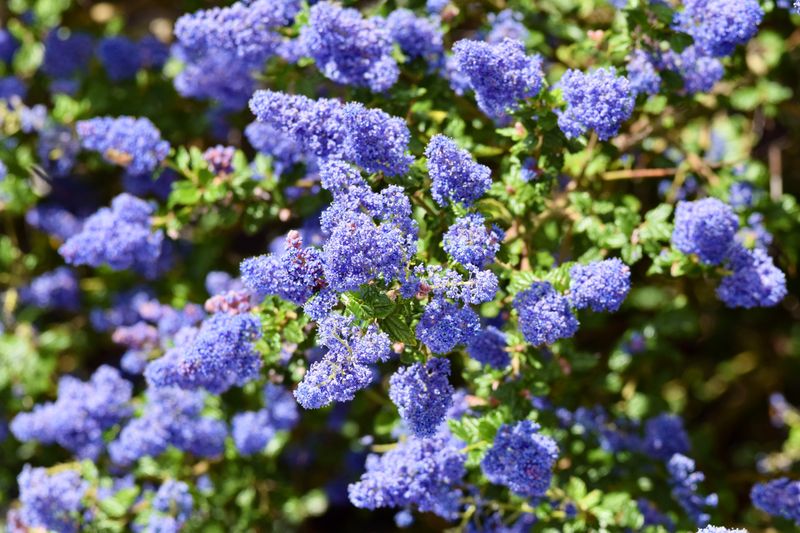
Mulch is supposed to help plants, and most of the time it does.
But pile it too thick against the base of a Ceanothus and you have created a slow-motion problem. Organic mulch, especially wood chips or bark, holds moisture.
When that moisture stays pressed against the crown of the plant for days at a time, it mimics exactly the wet conditions that cause crown rot and other problems.
The fix is simpler than you might think.
Pull mulch back so there is a clear gap of at least four to six inches between the mulch layer and the base of the plant.
That open collar of bare soil or gravel allows the crown to dry out between waterings and after rain. Good airflow around the base matters just as much as what is happening underground.
Mineral mulch is actually a great choice around Ceanothus.
Decomposed granite, pea gravel, or crushed rock all allow water to pass through quickly and do not hold moisture against the crown the way organic mulch can.
The California Native Plant Society recommends mineral mulch specifically for native plantings in hot, dry areas because it reflects heat, suppresses weeds, and keeps things drier at soil level.
If you prefer organic mulch for the rest of your garden, use the mineral option in a ring directly around your Ceanothus and keep the layer no deeper than two inches.
6. Rich Soil Pushes Weak Growth
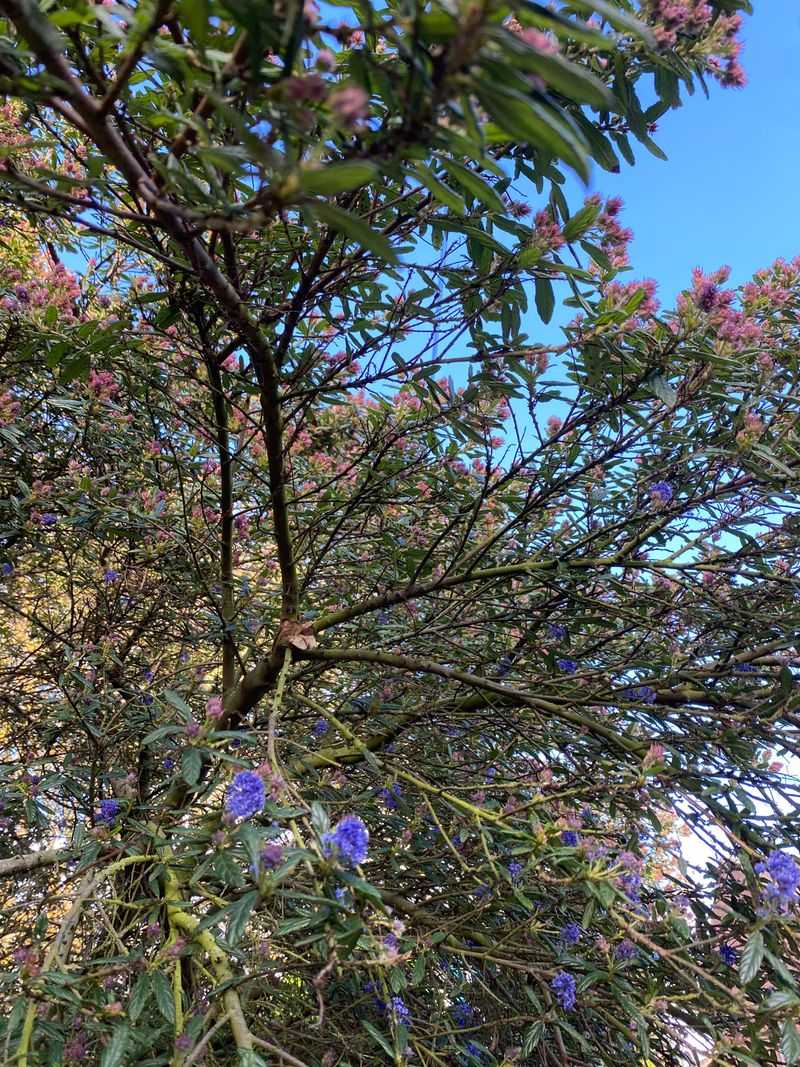
Feeding your plants sounds like a loving thing to do, but Ceanothus does not see it that way. This plant thrives in lean, nutrient-poor soils. That is its natural home.
Give it rich, heavily amended garden soil full of compost and fertilizer, and it responds by pushing out a lot of soft, fast growth that looks impressive at first glance but is actually quite weak.
Soft, rapid growth is more vulnerable to pests, more prone to flopping over under its own weight, and less able to handle the heat and drought stress of a California summer.
The stems do not harden off properly, and the plant spends energy on lush foliage instead of building a strong, deep root system. A big, soft plant with weak roots is not a healthy plant, even if it looks green and full.
Fertilizer, especially high-nitrogen products, is almost never needed for Ceanothus.
Most California native plant experts, including those at the Theodore Payne Foundation, actively advise against feeding Ceanothus at all after the first planting season. Skip the compost amendments too, or use them very sparingly.
If your garden soil is naturally rich from years of vegetable gardening or heavy organic mulching, consider planting Ceanothus in a different area with leaner native soil.
Matching the plant to the right soil type is one of the most overlooked steps in keeping California natives structurally sound over the long term.
7. Wrong Species Meets The Wrong Site
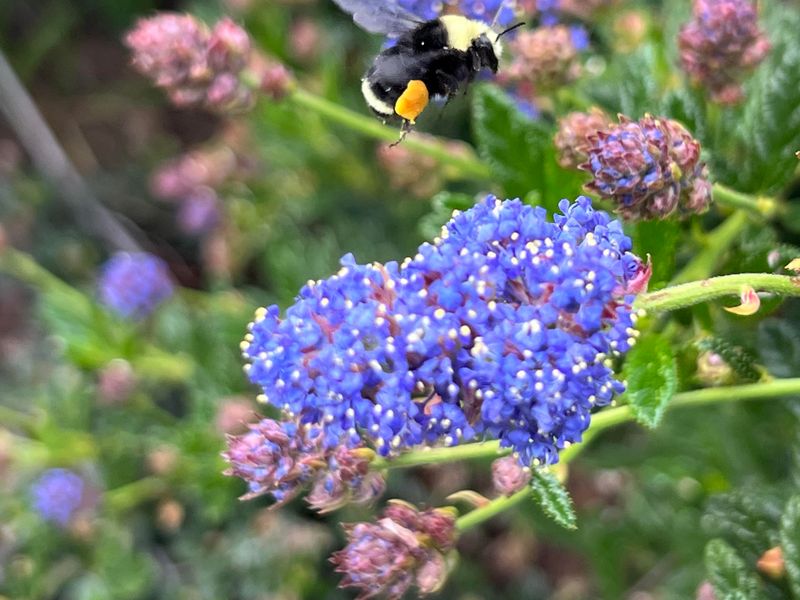
Not all Ceanothus plants are the same, and that matters more than most people realize when they are standing in a nursery trying to pick one.
There are dozens of species and hundreds of cultivars, and they come from very different California environments.
Coastal species like Ceanothus thyrsiflorus evolved in cool, foggy conditions with some summer moisture. Inland species like Ceanothus cuneatus come from hot, dry chaparral where summer rain is almost nonexistent.
Planting a coastal species in a hot inland valley, or an inland chaparral species in a cool, humid coastal garden, creates stress the plant cannot easily overcome.
A coastal Ceanothus in the Central Valley will bake in summer heat and may struggle after just a few seasons.
An inland species in a foggy coastal garden may sit in too much ambient moisture and develop fungal issues over time.
Doing a little research before you buy saves a lot of frustration.
The California Native Plant Society and many UC Cooperative Extension publications offer regional planting guides that match Ceanothus species to specific California climates.
Asking your local nursery which varieties perform well in your specific area is one of the smartest moves you can make.
Local nurseries that specialize in California natives usually stock cultivars suited to the regional conditions.
Choosing the right plant for your exact site, whether coastal, inland, high elevation, or valley floor, is truly the foundation of long-term Ceanothus success.
8. Old Shrubs Struggle Under Stress
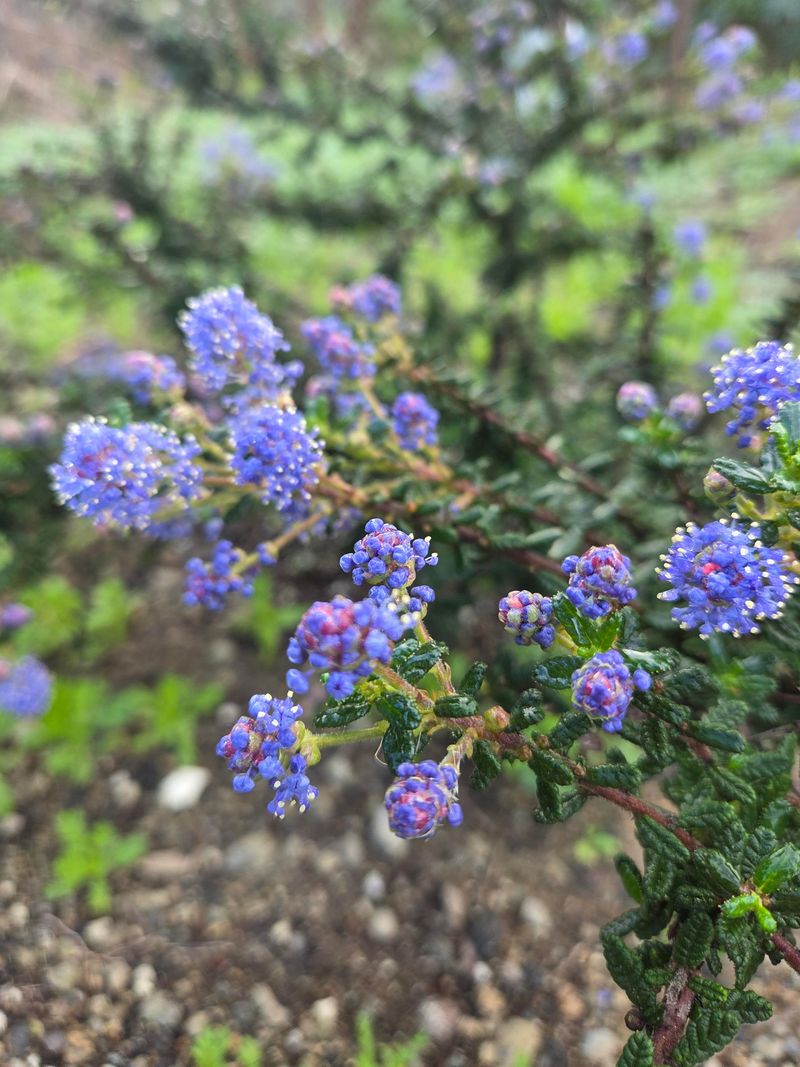
Some Ceanothus plants are simply not long-lived by nature, and that is worth knowing upfront.
Many fast-growing cultivars and chaparral species have a natural lifespan of around five to ten years, sometimes even shorter in challenging garden conditions.
This is not a failure on your part. It is just the biology of the plant. In the wild, Ceanothus often regenerates after fire, which resets the cycle naturally.
As shrubs age, they become less resilient to stress.
Drought swings, heat waves, and even minor root disturbance affect older plants more severely than young, vigorous ones.
A Ceanothus that sailed through a heat dome at age three may really struggle with the same conditions at age eight. The root system and crown tissue are less flexible, and recovery from stress takes longer or may not happen at all.
Planning for eventual replacement is a smart gardening strategy, not a defeat.
Many experienced California native gardeners keep young replacement plants growing in containers so they are ready when an older shrub starts to fade.
Removing a struggling older plant and replanting in a refreshed spot with good drainage and the right species for the site is a positive reset.
The Theodore Payne Foundation and other native plant experts encourage gardeners to think of some Ceanothus plantings as having a natural rotation, where new plants carry the garden forward as older ones complete their cycle.