The Rat-Repelling Shrubs California Gardeners Are Planting Along Their Foundations
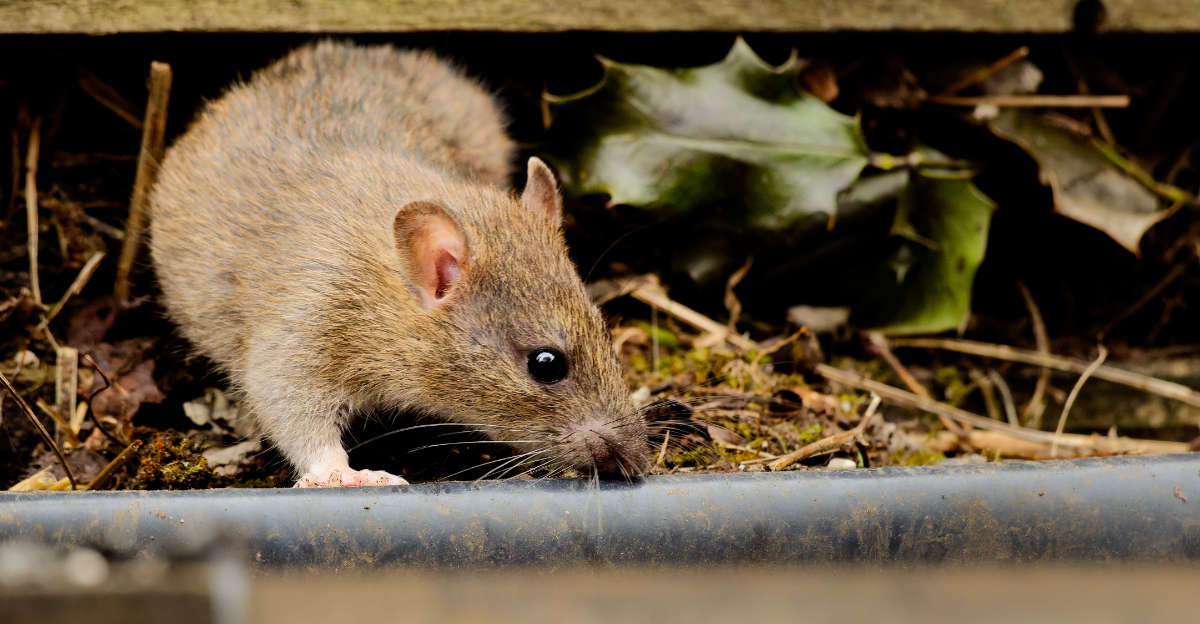
Rats love a quiet route along the side of a house, especially when dense plants offer cover near the foundation.
That innocent-looking shrub border can become a private little highway after dark. Not exactly the curb appeal anyone had in mind.
Some California homeowners now choose foundation plants with pest pressure in mind. The goal is simple: create a landscape that looks polished without giving rodents an easy place to hide or travel.
Plant choice matters more than most people expect. A shrub can affect visibility, airflow, access, and the overall comfort of the space near exterior walls.
The wrong one may create perfect shelter. The right one can make the route feel far less convenient.
No plant can replace basic pest control, but smart landscaping can support it. With a thoughtful border in place, the foundation can look attractive while unwanted visitors face a much less welcoming path.
1. Cleveland Sage Makes Foundations Less Inviting
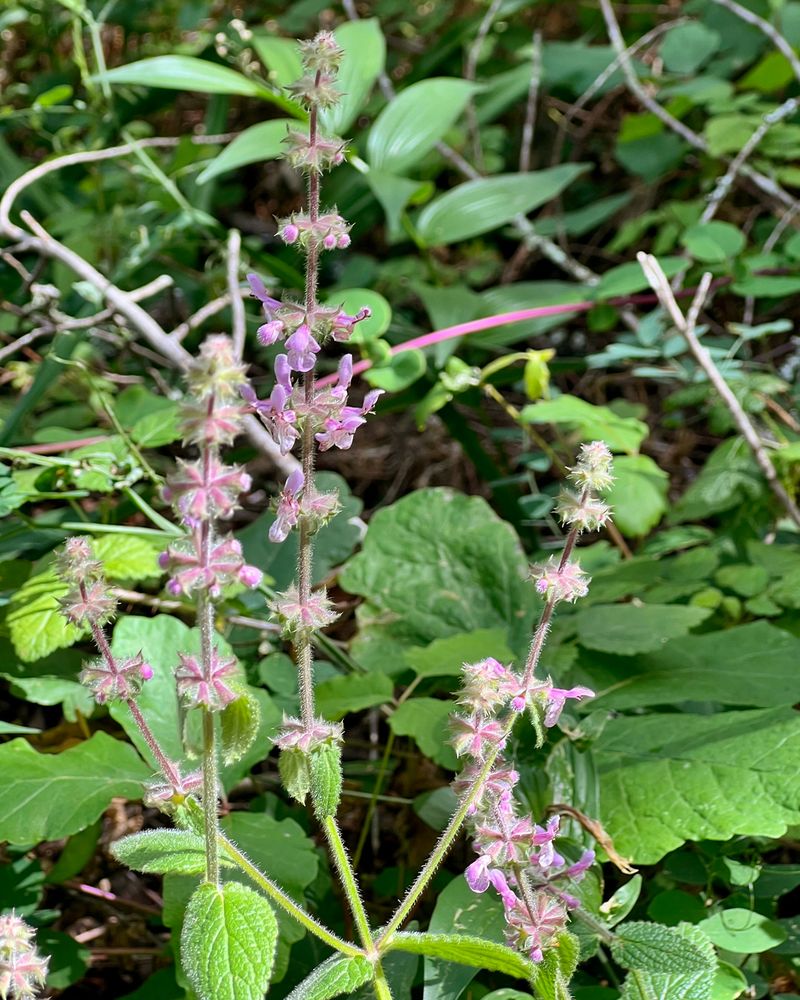
Few plants send a clearer message to rodents than Cleveland sage. This native shrub produces one of the most powerful scents in any California garden.
The smell is sharp, camphor-like, and deeply aromatic. Rats find it overwhelming and tend to avoid areas where it grows.
Cleveland sage grows naturally in the chaparral regions of Southern California and Baja. It thrives in full sun and dry, well-drained soil.
Once established, it needs almost no water during summer. That makes it a perfect fit for foundation planting in low-water yards across the state.
The shrub grows about three to five feet tall and wide. It produces beautiful purple-blue flower spikes in spring that attract hummingbirds and native bees.
Planting it close to your foundation creates a fragrant wall that pests dislike. Space plants about four feet apart so air can move freely between them.
Keep the area beneath the shrub open and clear of debris. Rats look for dense, cluttered spots to hide.
A well-pruned Cleveland sage with clean ground beneath it offers no shelter. That combination of strong scent and open structure makes it one of the most effective plants you can use along a home foundation.
2. White Sage Keeps Hot Borders Open And Fragrant
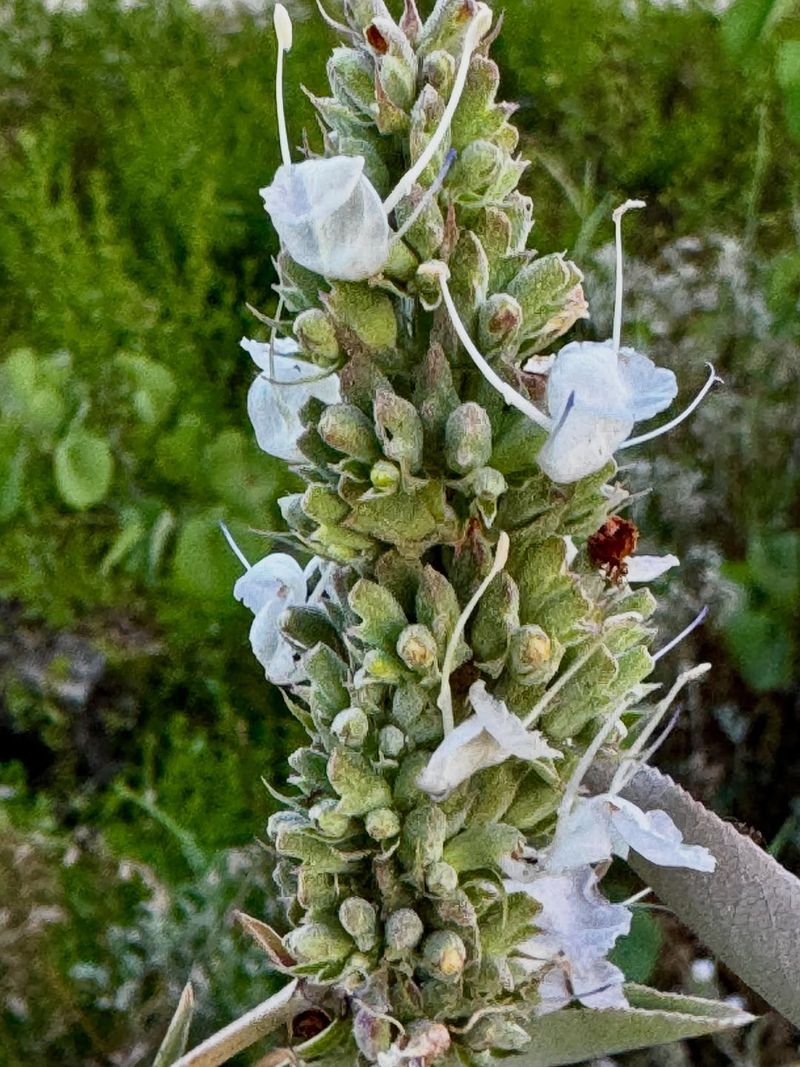
Walk past white sage on a warm afternoon and the scent hits you instantly. It is bold, clean, and unmistakable.
That same intensity is exactly what makes this plant so unwelcoming to rats and other rodents looking for a cozy spot near your home.
Native to the coastal sage scrub habitat of Southern California, white sage loves heat, sun, and dry conditions. It grows about three to four feet tall with silvery-white leaves that shimmer in the sunlight.
The plant is drought-tolerant once established and needs very little care throughout the year.
Along a foundation, white sage works best in open, sunny borders. It does not like shade or heavy soil.
Good drainage is essential because wet roots can cause problems fast. Plant it at least two feet from the wall so air flows freely and moisture does not build up near the foundation.
Your California Garden Changes Every Week. Your Plan Should Too.
Gardening in California changes quickly throughout the season. Every Friday you’ll receive a simple weekly plan showing exactly what to plant, prune, fertilize, harvest, and protect so you never miss the right timing.
One thing to keep in mind is that white sage spreads its scent most strongly when the leaves are brushed or warmed by the sun. That means on hot days, the repellent effect is strongest.
Prune lightly after flowering to keep the shape tidy and the plant producing fresh, fragrant foliage. It is one of the most reliable scent barriers you can plant in a hot, dry border.
3. California Sagebrush Adds Scent Without Dense Cover
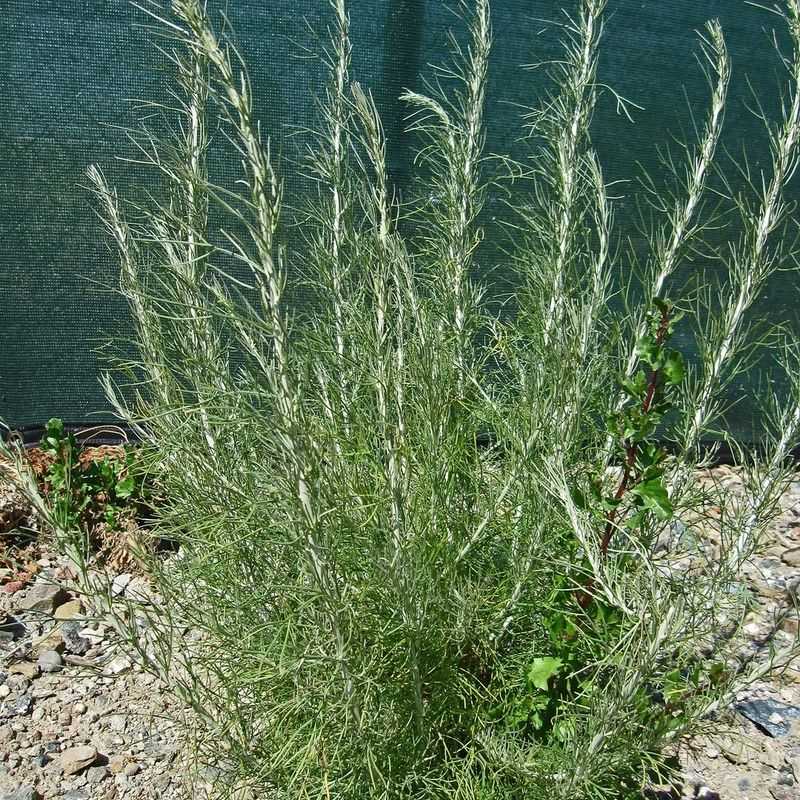
Not every rat-repelling plant needs to be a thick, bushy shrub. California sagebrush takes a different approach.
It is light, feathery, and open in structure. That means it adds powerful fragrance without giving rodents any dark corners to hide in.
The scent of California sagebrush is often described as sweet and herbal with a hint of turpentine. It is distinctive and strong, especially after rain or on warm afternoons.
Rats are sensitive to this kind of scent and tend to steer clear of areas where the plant grows in numbers.
This shrub grows about three to five feet tall and is native to coastal and inland areas throughout our state. It prefers full sun and fast-draining soil.
Once established, it is remarkably drought-tolerant and rarely needs supplemental water. That makes it a low-maintenance option for dry foundation beds.
Because of its open, airy structure, California sagebrush works well when combined with denser plants.
Pair it with something like Cleveland sage or coffeeberry to create a layered border that is both fragrant and structurally varied.
Avoid overwatering or planting in heavy clay. Good drainage and plenty of sun keep this plant healthy and smelling its best all year long.
4. Coffeeberry Can Be Pruned Into Clean Structure
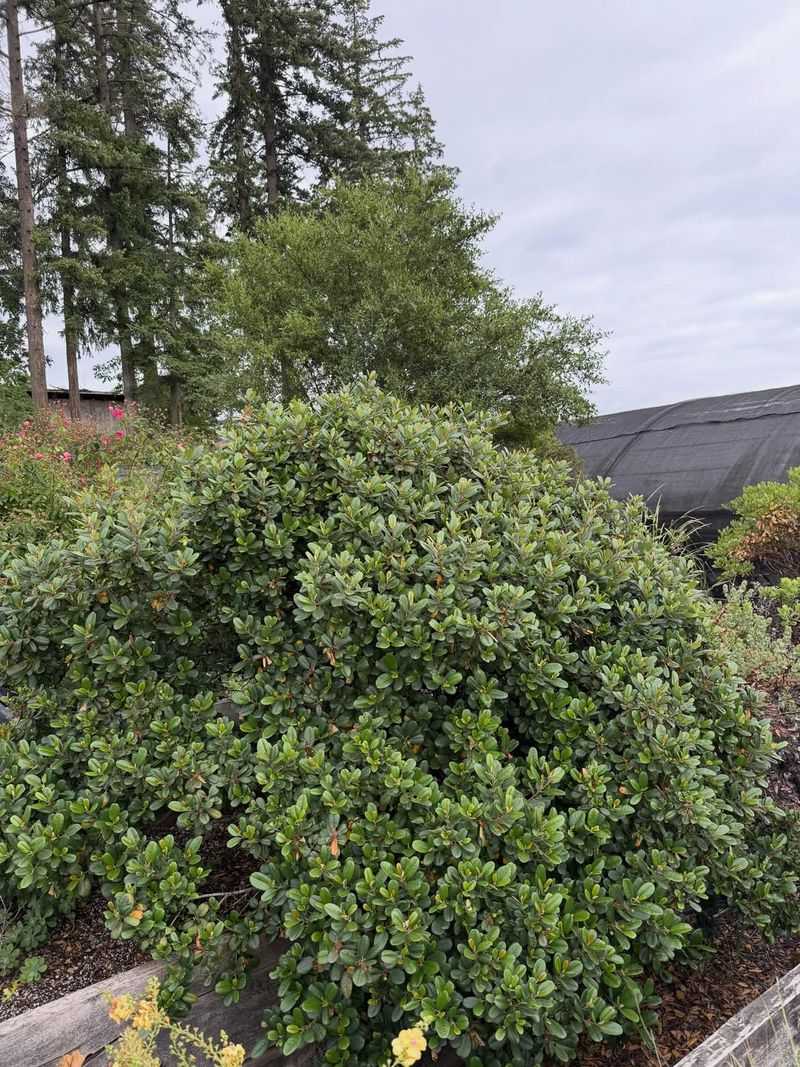
Some plants earn their place in a foundation garden not just through scent but through structure. Coffeeberry is one of those plants.
With the right pruning, it forms a clean, tidy shape that looks intentional and polished while keeping the ground beneath it open and inhospitable to rodents.
Coffeeberry is a native that grows in a wide range of conditions. It tolerates full sun, partial shade, and a variety of soil types.
It can handle both dry summers and wetter winters, making it adaptable across many regions of our state. Compact varieties like Mound San Bruno stay naturally low and tidy.
The berries that give this plant its name change from green to red to deep purple-black as they ripen. Birds love them.
Rats are less attracted to coffeeberry than to fruiting trees, especially when the plant is kept pruned and the ground is clean. Remove fallen berries regularly to avoid attracting unwanted visitors.
When planted along a foundation, coffeeberry should be shaped so there is clear space between the base of the plant and the wall. That gap removes hiding spots and improves air circulation.
Prune it once or twice a year to maintain shape. With a little attention, coffeeberry becomes a handsome, wildlife-friendly, and rat-resistant part of your foundation planting.
5. Toyon Works Best Set Back From The Wall
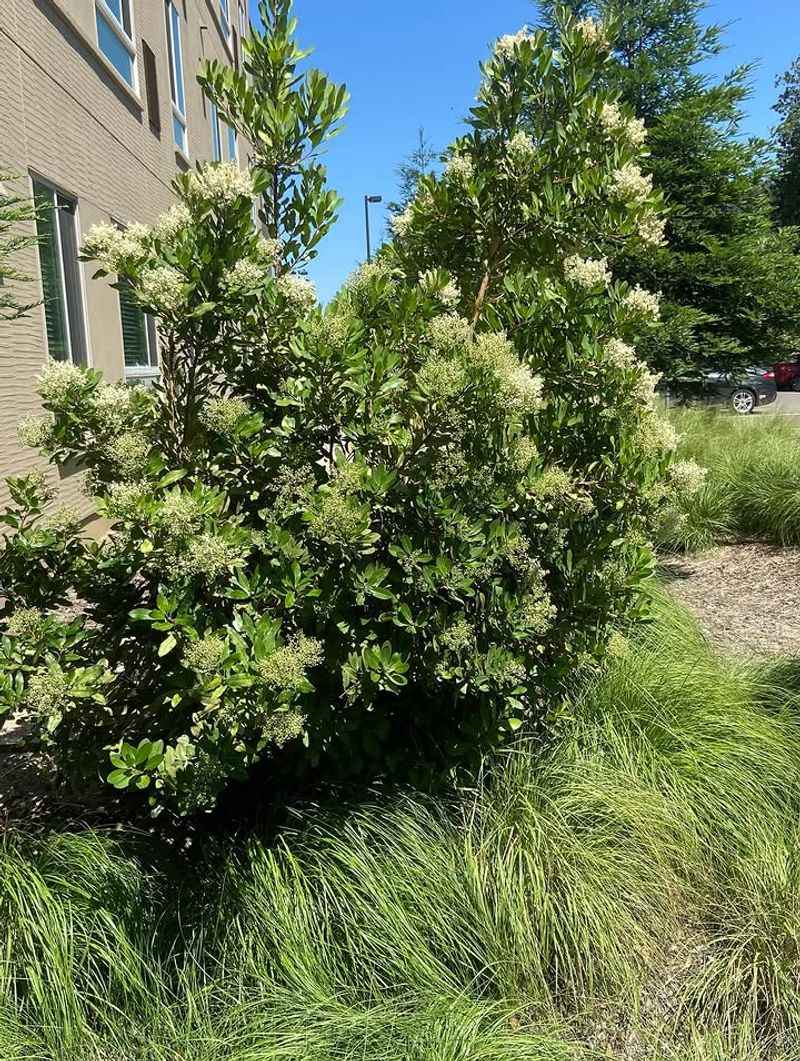
Toyon is one of the most iconic native shrubs in our state. Its clusters of bright red berries in winter are stunning, and its dense evergreen foliage provides year-round structure.
But when it comes to foundation planting, placement is everything with this one.
Toyon can grow quite large, reaching eight to ten feet tall and wide at maturity. A plant that size pressed against your foundation creates exactly the kind of dense, shady cover that rats love.
The key is to plant it several feet back from the wall and keep it well-pruned so the base stays open and visible.
Set back properly, toyon becomes a handsome backdrop shrub rather than a hiding spot. Its berries attract birds, which naturally patrol the area and help deter rodents.
The plant thrives in full sun to light shade and needs very little water once established in our dry climate.
Avoid planting toyon in spots where irrigation water pools near the foundation. Good drainage is important for keeping the plant healthy and the soil around your home dry.
Rats prefer moist, sheltered areas, so a dry, well-pruned toyon planting removes that appeal entirely. With careful siting and regular maintenance, toyon can be a beautiful and functional part of a rat-resistant foundation landscape.
6. Lemonade Berry Handles Dry Southern California Foundations
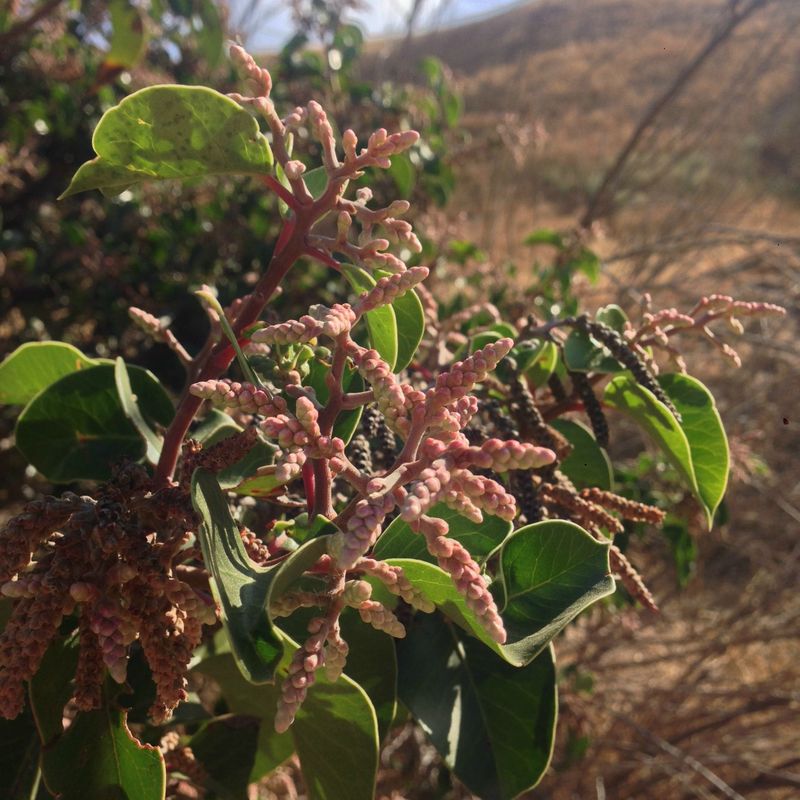
Down in the warmer, drier parts of our state, not every plant can handle the heat. Lemonade berry is built for exactly those conditions.
It is tough, drought-tolerant, and native to the coastal sage scrub of Southern California. Once it gets going, it asks for almost nothing in return.
The plant produces waxy, tart berries that were historically used by Indigenous peoples to make a lemony drink. That tartness and the plant’s resinous scent make it unappealing to rats.
The smell is subtle compared to sage, but the dense, leathery foliage and low-growing form still create a natural barrier along a foundation.
Lemonade berry grows about five to eight feet tall and can spread quite wide. For foundation use, choose a spot with plenty of room and prune regularly to keep the base of the plant lifted off the ground.
That open base removes potential nesting areas and makes the planting look clean and intentional.
This shrub is also fire-resistant, which is a big bonus in many parts of Southern California. It pairs beautifully with other coastal natives like white sage and California buckwheat.
Together, they create a fragrant, low-water, low-maintenance border that looks great and keeps rodents from settling in near your home’s foundation all year long.
7. Coyote Brush Needs A Tidy Compact Form
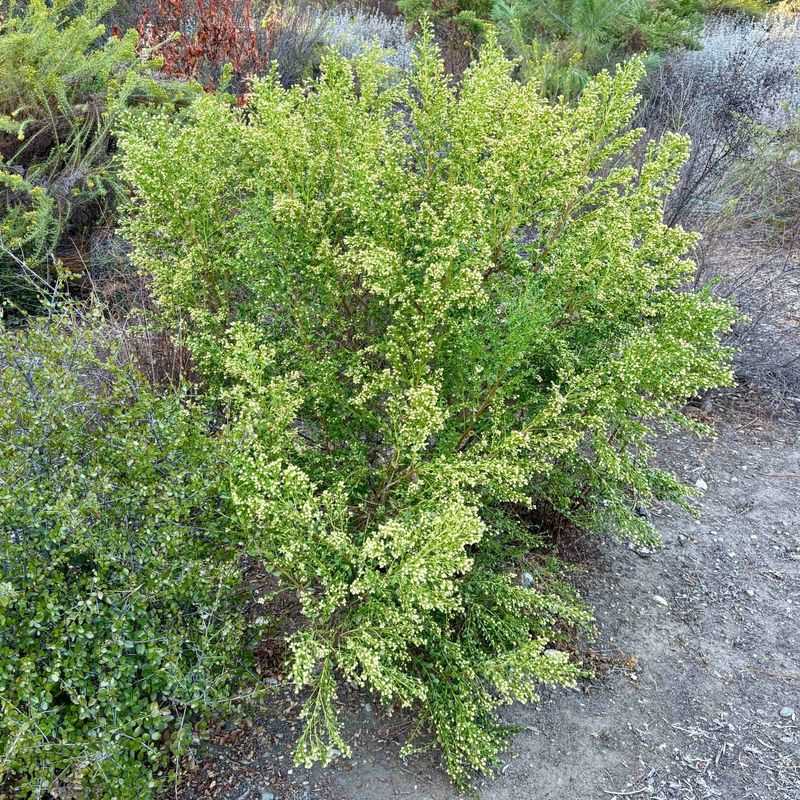
Coyote brush has a reputation for being tough, and it earns that reputation every season. It grows in harsh conditions, tolerates drought, and asks for almost nothing once it is in the ground.
But left to its own devices, it can get wild and overgrown fast. That is why a compact, well-maintained form is the goal here.
The species Baccharis pilularis is native to coastal and inland areas throughout our state. Dwarf varieties like Twin Peaks stay low and spreading, making them easier to manage along a foundation.
The small, dark green leaves have a faint resinous scent that rodents find unpleasant. That scent is not as dramatic as sage, but it still contributes to a less welcoming environment.
The most important thing with coyote brush is pruning. Left to grow freely, it becomes a dense mound with a dark, sheltered interior that rats could easily move into.
Regular trimming keeps the plant open, airy, and inhospitable. Aim for a shape where you can see through the base of the plant to the soil beneath.
Plant coyote brush in full sun with good drainage. It does not need summer water once established.
A tidy, compact coyote brush planting along your foundation adds year-round greenery and a subtle scent barrier without creating any hidden spaces that pests could use as a home base.
8. Woolly Bluecurls Brings Fragrance To Sunny Walls
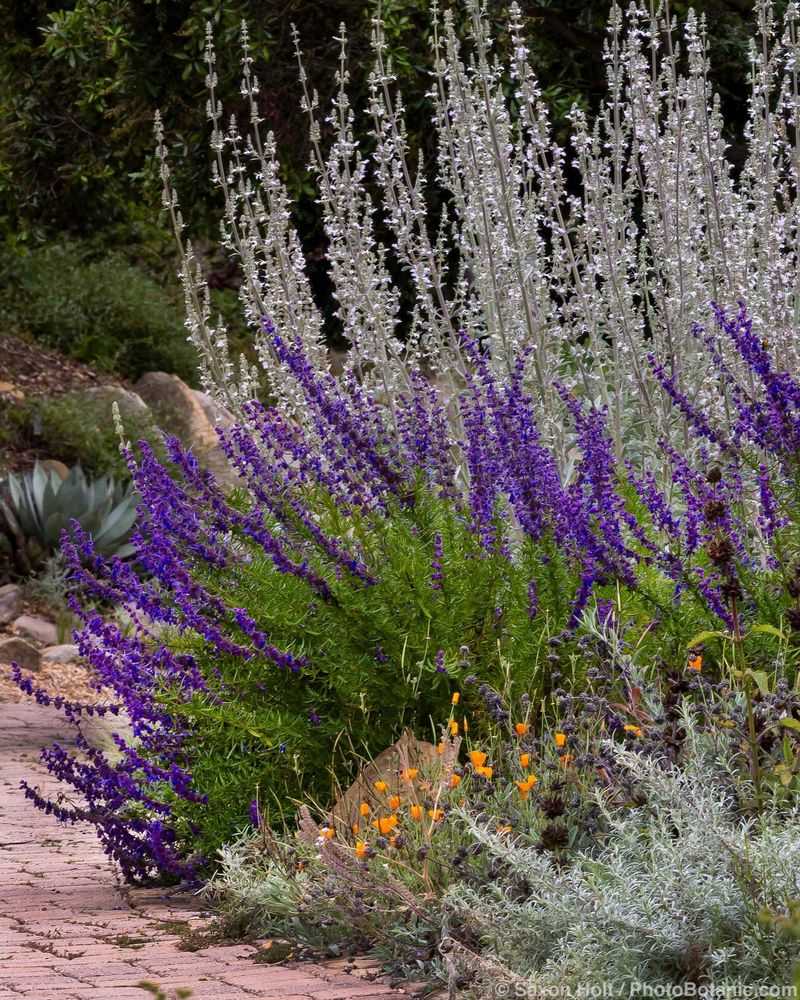
There is something almost electric about woolly bluecurls in full bloom. The bright blue-purple flowers glow against the dry summer landscape, and the entire plant hums with pollinators.
But beyond its good looks, this shrub carries a strong, resinous fragrance that makes it one of the more underrated rat-repelling plants you can grow.
Woolly bluecurls, or Trichostema lanatum, is native to the dry chaparral slopes of Southern California. It loves heat, sun, and sharp drainage.
It cannot handle wet soil or heavy clay. Plant it along a south or west-facing wall where it will get maximum sun exposure and stay as dry as possible between waterings.
The plant grows about three to five feet tall and wide. Its aromatic oils are concentrated in the leaves and stems.
When you brush against it or when the sun warms it up, the scent fills the air. That kind of persistent fragrance is exactly what keeps rats from settling nearby.
Woolly bluecurls can be short-lived in garden settings, often lasting five to seven years. But during that time, it performs beautifully and requires almost no care beyond occasional shaping.
Plant a few together along a sunny foundation wall for a bold display of color and fragrance that pollinators adore and rodents strongly prefer to avoid.
9. California Buckwheat Fills Dry Edges Without Fuss
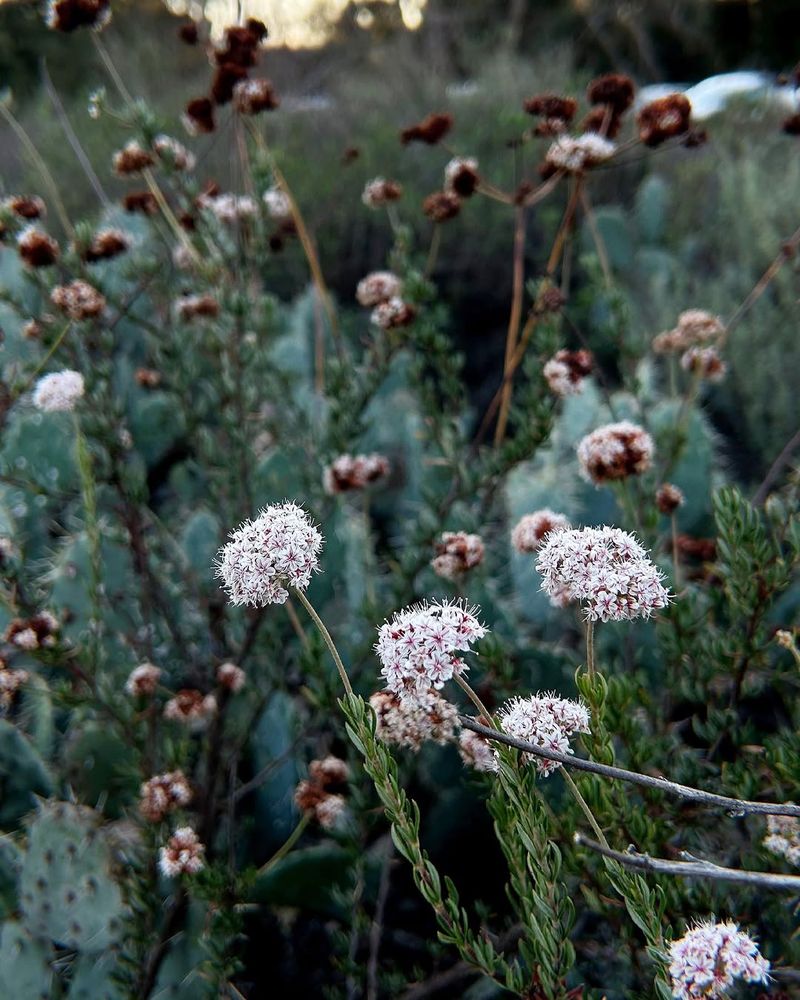
Along the dry, sunny edges of a foundation bed, California buckwheat is one of the most reliable plants you can choose. It is not flashy, but it works hard.
The plant fills space beautifully, blooms for months, and its open structure gives rodents nowhere to hide.
Eriogonum fasciculatum grows naturally across much of our state, from coastal bluffs to hot inland slopes. It handles drought, poor soil, and full sun without complaint.
The flowers start white in spring, then age to a warm rusty-pink that persists well into fall. Birds feed on the seeds, adding another layer of natural activity to your yard.
The plant grows about two to four feet tall and spreads wider than it is tall. That low, spreading habit is perfect for filling the edges of a foundation bed without blocking windows or creating dense cover.
Rats prefer areas with overhead shelter and hidden corners. California buckwheat provides neither of those things.
Pruning is minimal with this plant. Cut it back lightly in late winter to encourage fresh growth.
Avoid heavy clay or areas where water pools after rain. A well-placed California buckwheat planting along your foundation adds months of bloom color, supports native pollinators, and keeps the border open, dry, and unwelcoming to pests all season long.
10. Lavender Works If It Stays Trimmed And Dry
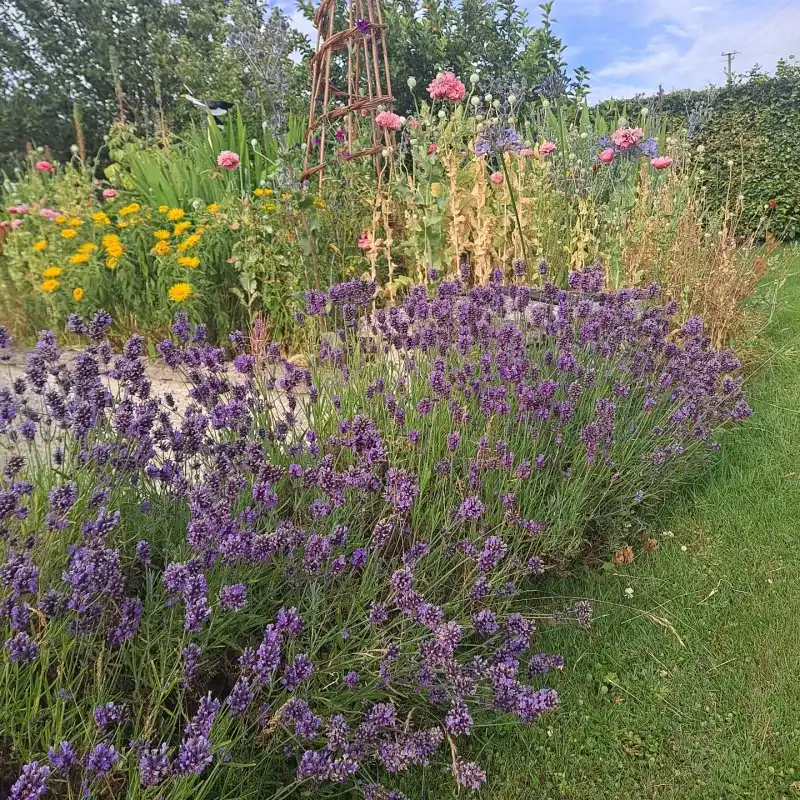
Lavender has been used for centuries to repel insects and pests, and its effectiveness against rodents is well-documented among gardeners.
The strong floral and herbal scent overwhelms the sensitive noses of rats and discourages them from settling in nearby.
But lavender only works as a foundation plant when it is kept in the right conditions.
The biggest mistake gardeners make with lavender near a foundation is letting it get too large and too dense. A big, overgrown lavender plant creates a shady, sheltered interior that rats can actually move into.
The goal is to keep plants small, open, and well-ventilated. Trim them back by about one-third after each bloom cycle.
Spanish lavender and English lavender both perform well in our state’s dry climate. Plant them in full sun with excellent drainage.
They hate wet feet and will struggle in heavy clay or shaded spots. Along a south-facing foundation, they tend to thrive with minimal irrigation once established.
Space plants so air moves freely between them and the wall. That gap keeps moisture from building up and removes any hidden shelter along the base.
A row of neatly trimmed lavender along a dry, sunny foundation is one of the simplest and most fragrant ways to create a natural scent barrier. Keep it tidy, keep it dry, and it will do its job season after season.