This Is The Easiest Fruit Tree California Gardeners Aren’t Growing Yet
A fruit tree does not have to be fussy to feel special. Many California gardeners dream of homegrown fruit, then avoid planting trees because pruning, spraying, or constant watering sounds like too much work.
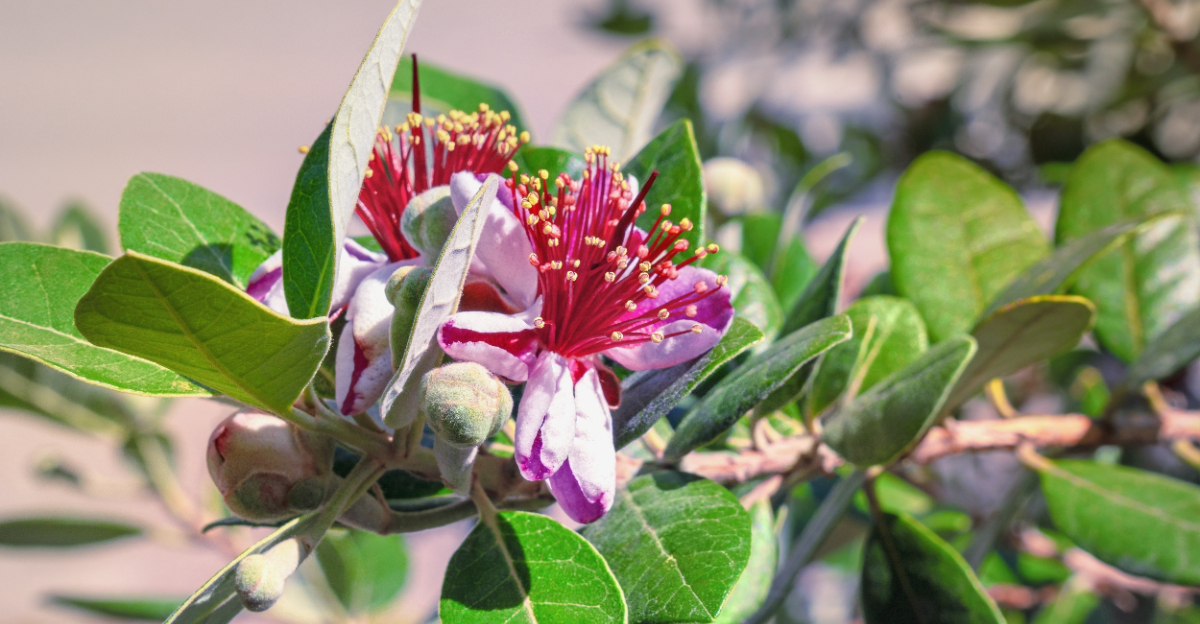
Pineapple guava deserves a closer look for exactly that reason. It has a relaxed growth habit, handsome evergreen leaves, and flowers that look almost too pretty to belong on an easy-care plant.
The fruit brings a sweet, tropical flavor that surprises people who have only grown the usual backyard picks.
Once established, it can handle dry spells better than many fruit trees and still look good in the landscape.
It can even work as a shrub, screen, or small tree, depending on how you shape it. For gardeners who want fruit without a high-maintenance routine, pineapple guava may be the overlooked winner.
1. Pineapple Guava Handles California Heat Better Than Many Fruit Trees
Not every fruit tree can handle the intense summer sun we get across California. Many popular trees wilt, drop their fruit early, or need extra irrigation just to survive. Pineapple guava is different.
Originally from South America, this tough tree evolved in warm, sunny climates with dry spells and unpredictable weather.
That background makes it a natural fit for our California’s Mediterranean-style seasons. It handles high temperatures without losing its leaves or dropping unripe fruit.
Gardeners in hotter inland areas often struggle to find fruit trees that perform well without constant babying. Pineapple guava steps up where others fall short.
It keeps its glossy, silver-green leaves even when temperatures climb past 90 degrees.
The tree is also tolerant of brief cold snaps, making it a solid choice for areas that see occasional frost in winter.
Most varieties handle temperatures down to about 15 degrees Fahrenheit without serious damage.
That kind of toughness is rare in a fruit tree. You get the best of both worlds: a plant that handles summer heat and winter chill without skipping a beat.
If you have tried growing peaches or tropical fruits and felt frustrated by the results, pineapple guava offers a refreshing change. It rewards patience with very little effort on your part.
2. This Evergreen Tree Gives You Fruit And Flowers
Few fruit trees pull double duty as beautifully as pineapple guava does. Most fruit trees look pretty for a couple of weeks when they bloom, then spend the rest of the year just being green.
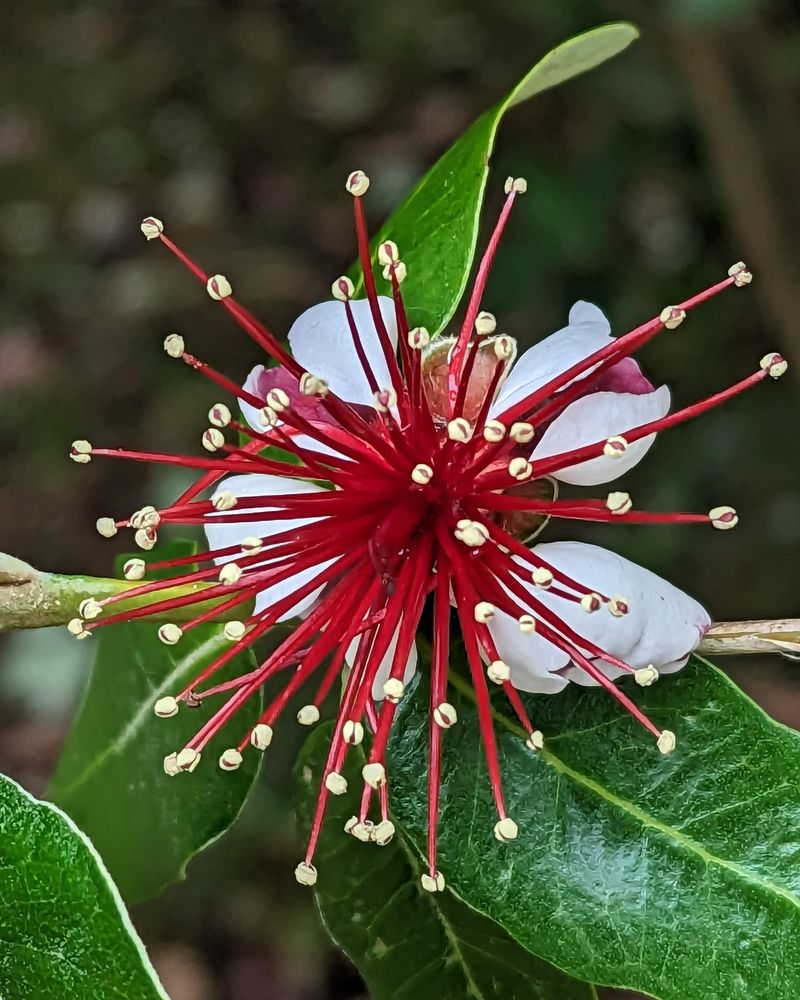
Pineapple guava offers something more exciting. Every spring, the tree bursts into bloom with striking flowers that look almost tropical.
Each flower has thick, fleshy white petals with a bright red center full of long stamens. The display is genuinely eye-catching and lasts for several weeks.
Because it is an evergreen, the tree holds onto its attractive silvery-green leaves all year long. That means even when it is not flowering or fruiting, it still adds structure and color to your yard.
Many homeowners use it near patios or along fences for year-round visual interest.
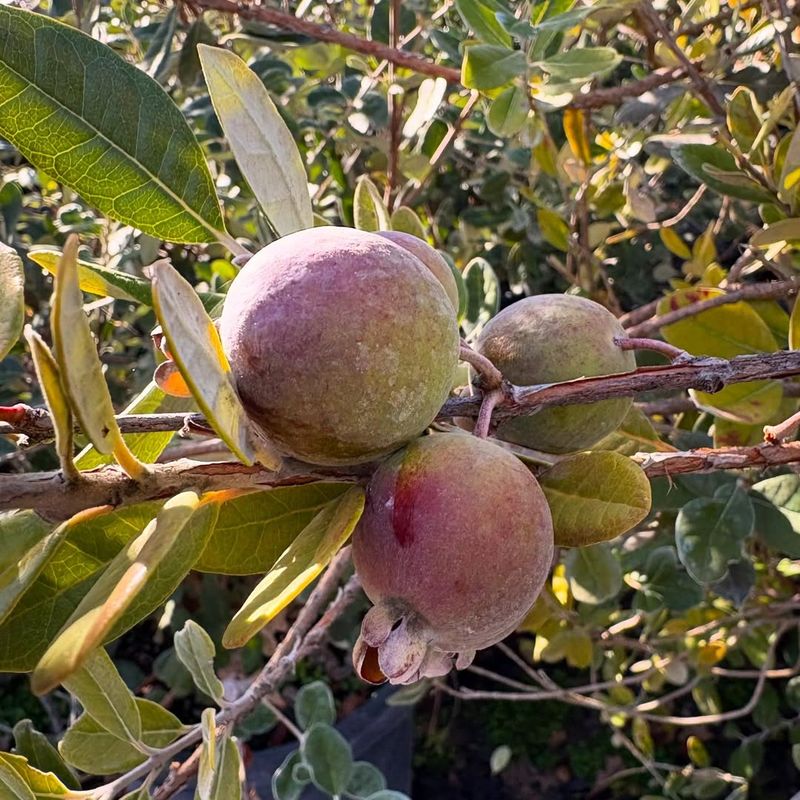
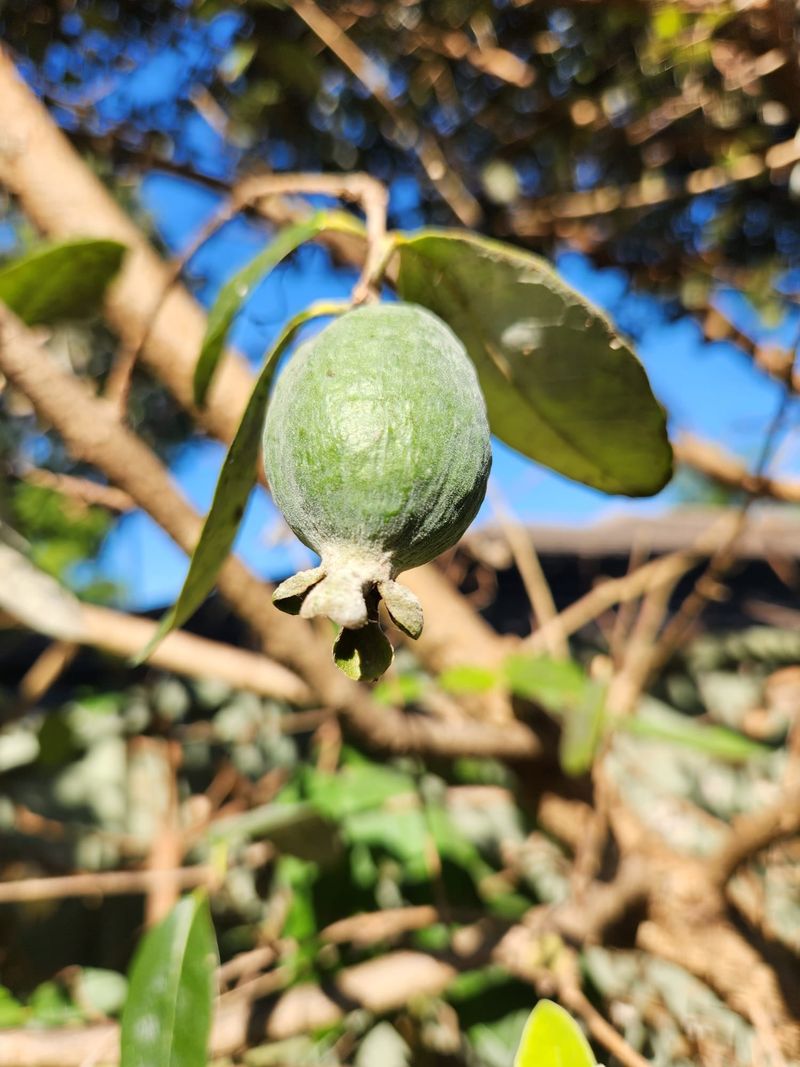
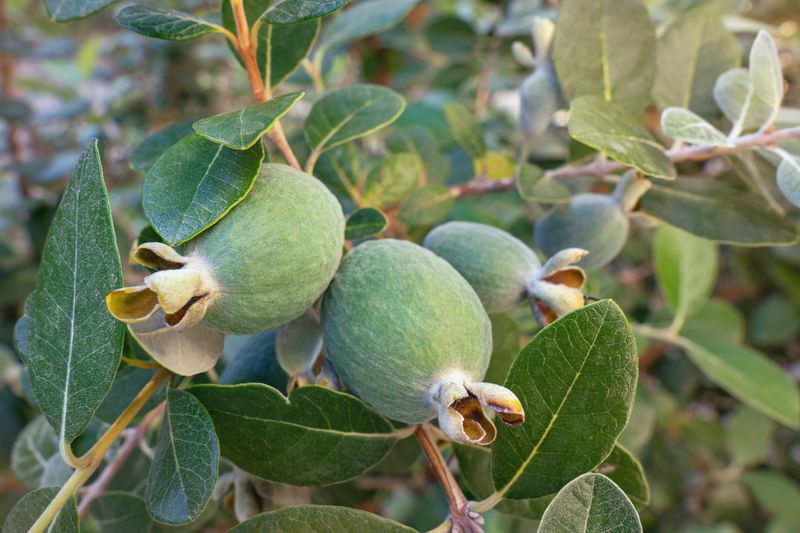
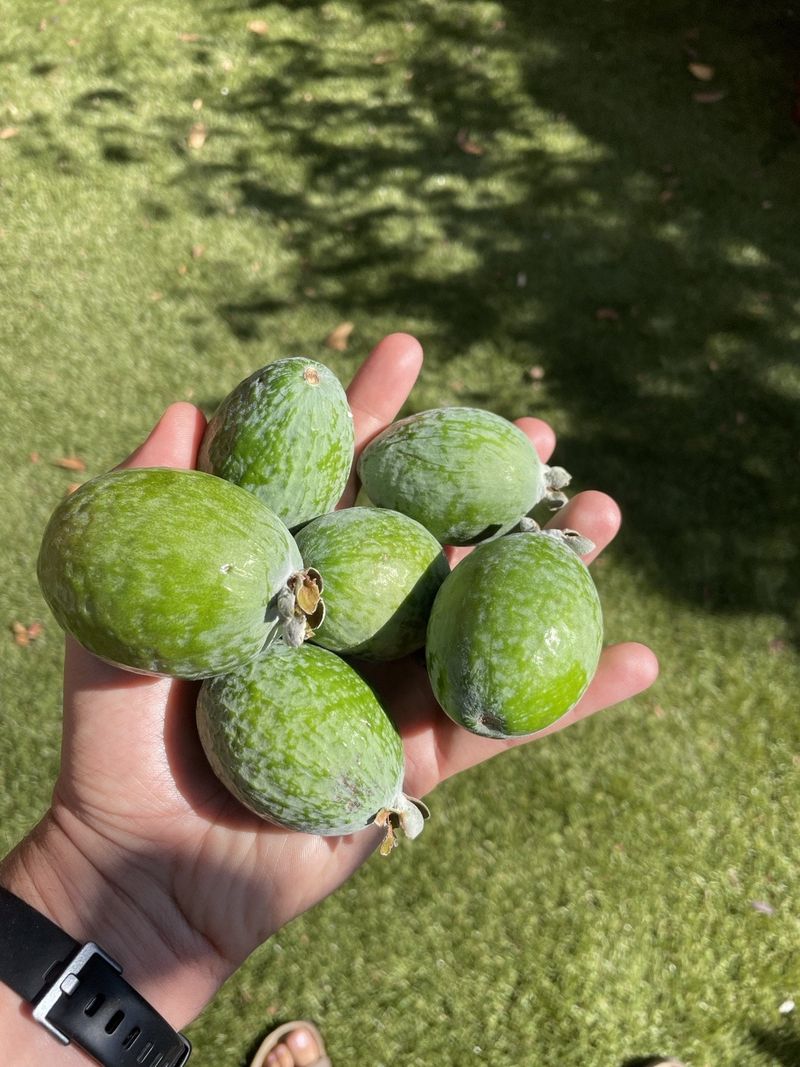
Come fall, the flowers give way to small, egg-shaped fruits with a greenish skin and a sweet, aromatic flesh inside.
Your California Garden Changes Every Week. Your Plan Should Too.
Gardening in California changes quickly throughout the season. Every Friday you’ll receive a simple weekly plan showing exactly what to plant, prune, fertilize, harvest, and protect so you never miss the right timing.
The flavor is often described as a mix of pineapple, mint, and guava. It is unlike anything you can easily find at a grocery store.
Having a tree that looks great twelve months a year and also feeds your family is a genuine win.
Not many plants in a home garden can claim that combination. Pineapple guava earns its spot with both its beauty and its productivity.
3. The Edible Flowers Are Almost As Fun As The Fruit
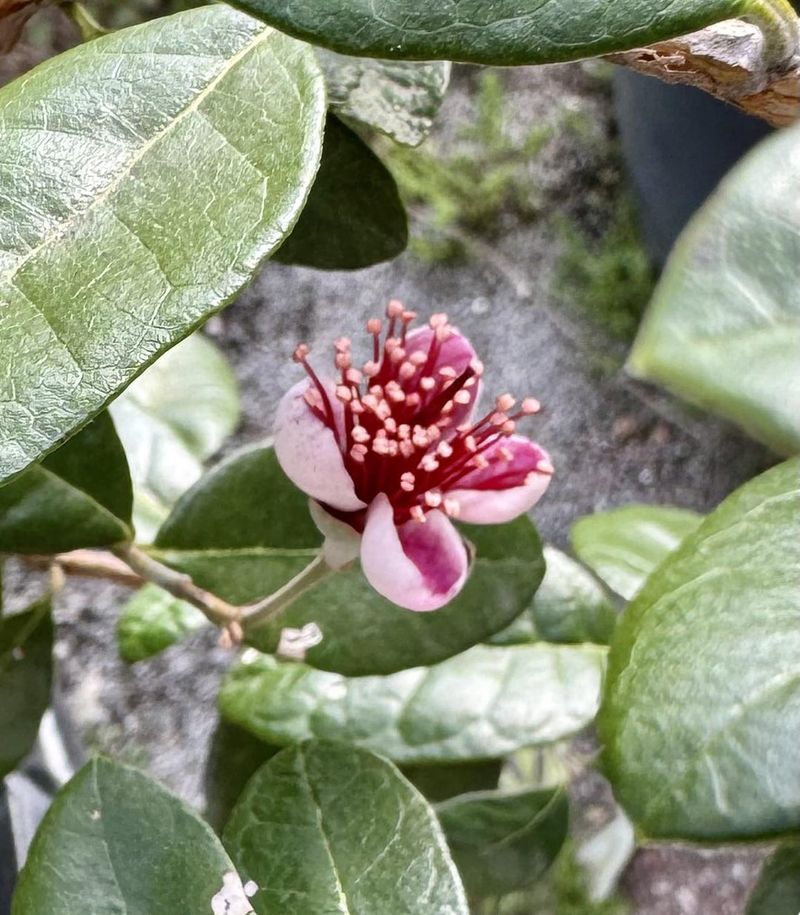
Here is something most people do not know about pineapple guava: you can eat the flowers straight off the tree.
That alone makes it one of the most fun plants you can grow in a home garden. Kids especially love discovering that a flower is actually food.
The petals are thick and juicy with a sweet, slightly floral flavor. Some people compare them to cotton candy or a mild fruit punch.
You can eat them fresh, toss them into salads, float them in drinks, or use them as a colorful garnish on desserts.
Picking the petals does not hurt the tree or reduce your fruit harvest. The fruit develops from the base of the flower, not the petals themselves.
So you can snack on the petals all spring long and still get a full crop of fruit in the fall.
This makes pineapple guava a fantastic choice for families with children who love exploring the garden.
There is something magical about walking outside and eating a flower that actually tastes good. It turns a simple garden visit into a little adventure.
Chefs and home cooks have also started using these flowers more often. They add a pop of color and a surprising sweetness to any dish.
If you have never tried an edible flower from your own backyard, pineapple guava is the perfect place to start.
4. It Needs Less Fuss Than Peaches Or Citrus
Peaches are delicious, but they come with a long list of demands. They need precise chilling hours, regular spraying for pests, careful thinning, and exact timing for harvest.
Citrus trees are a little easier, but they still need consistent fertilizing, pest management, and frost protection in cooler areas.
Pineapple guava skips most of that drama. It is genuinely one of the lower-maintenance fruit trees you can plant in a home garden.
Once it is established, it mostly takes care of itself through the growing season.
Pest pressure is remarkably low compared to most fruit trees. Few common insects bother it seriously, and it rarely suffers from the fungal diseases that plague peaches and other stone fruits.
You will not need to spray it on a regular schedule. Fertilizing is simple too. A light feeding in early spring with a balanced fertilizer is usually enough to keep it healthy and productive.
Some gardeners skip fertilizing entirely after the first couple of years and still get a reliable harvest.
Pruning is optional rather than required. You can shape the tree lightly after fruiting season if you want to control its size, but heavy pruning is not necessary for good production.
For busy homeowners or first-time fruit tree growers, that kind of low-key care makes a huge difference. Pineapple guava lets you enjoy fresh fruit without turning your weekends into a maintenance project.
5. Pineapple Guava Can Handle Drought Once Established
Water conservation is a real concern in California, especially during dry summers and ongoing drought cycles. Choosing plants that use water wisely is not just smart gardening.
It is becoming a necessity for many homeowners. Pineapple guava earns high marks in this department. After its first one to two years in the ground, it becomes quite drought-tolerant.
Deep, infrequent watering during summer is usually enough to keep it healthy and productive.
During its first growing season, regular watering helps the roots get established. Think of it as an investment in a tree that will reward you with very low water needs for years to come.
Once those roots are deep and strong, the tree can handle dry spells that would stress other fruit trees.
In areas with mild coastal climates, some established trees get by on winter rainfall alone with only occasional summer watering.
Inland California gardeners may need to water every couple of weeks during the hottest months, but that is still far less than what citrus or avocado trees typically require.
Using drip irrigation near the base of the tree during summer makes the process even easier. A simple timer and a drip line can keep your tree comfortable with almost no effort.
For gardeners who want to reduce their water bills and still enjoy homegrown fruit, pineapple guava is a smart and satisfying choice.
6. The Tree Stays Manageable In Smaller Yards
One of the biggest complaints about growing fruit trees in a home garden is that they get too big too fast.
Before long, they are shading out the rest of the yard, dropping fruit on the patio, and demanding a ladder for every harvest. Pineapple guava takes a different approach.
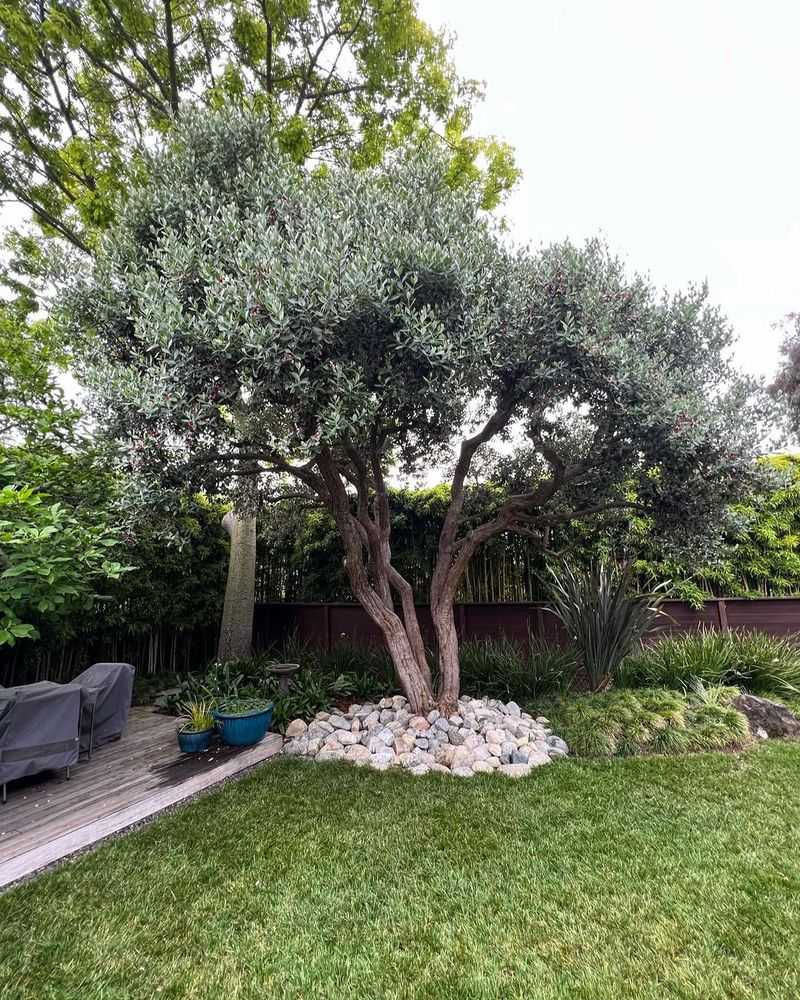
Left to grow naturally, most pineapple guava trees reach about 10 to 15 feet tall and wide over many years. That is a very comfortable size for most home gardens.
You can harvest fruit without climbing high, and the tree fits neatly into a corner or along a fence line.
With light pruning, you can easily keep it even smaller. Many gardeners maintain theirs at six to eight feet tall, which makes it perfect for compact yards, side yards, or even large containers on a patio or deck.
The slow to moderate growth rate also means you are not constantly fighting to keep it in bounds.
Unlike some fast-growing trees that take over a yard in just a few seasons, pineapple guava grows at a pace that stays manageable without a lot of effort.
For urban gardeners or anyone working with limited outdoor space, that size control is a major advantage. You get all the benefits of a real fruit tree without giving up your entire backyard.
It fits into the real world of modern home gardening in a way that larger trees simply cannot.
7. You Can Grow It As A Shrub, Hedge, Or Small Tree
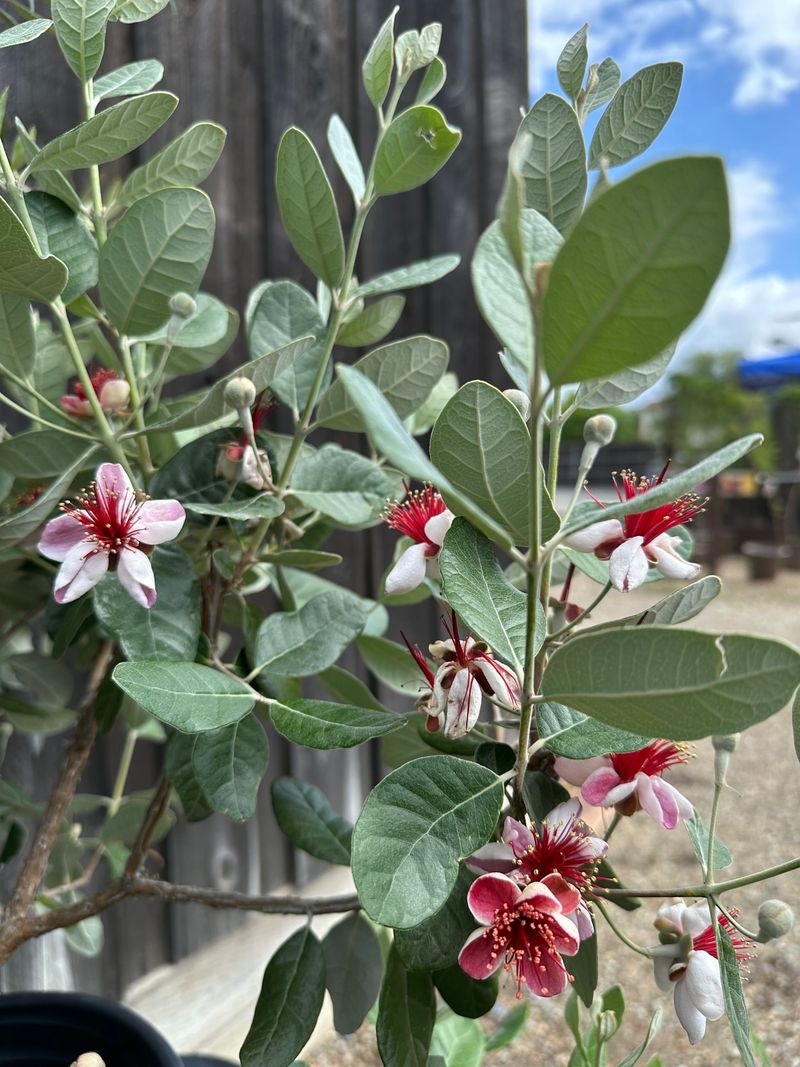
Flexibility is one of pineapple guava’s most underrated qualities. Most fruit trees lock you into a single form.
You plant them, stake them, and hope they grow into a decent-looking tree. Pineapple guava gives you real options.
With regular pruning, it grows beautifully as a formal or informal hedge. The dense, evergreen foliage creates a solid privacy screen that looks attractive year-round.
Many homeowners use it along property lines where they want both beauty and a bit of separation from neighbors.
Trained as a single-trunk tree, it develops a lovely sculptural shape with attractive peeling bark as it matures. That natural elegance makes it a strong focal point in a garden or front yard.
It looks like something you would find in a well-designed landscape, not just a backyard orchard.
Growing it as a multi-trunk shrub is another popular option. This form works especially well in large containers or raised beds where you want a productive plant that also looks polished.
The shrub form tends to fruit reliably and is easy to harvest at a comfortable height.
No matter which form you choose, the care requirements stay about the same. That kind of versatility is rare in the fruit tree world.
Whether your style is formal and tidy or loose and natural, pineapple guava fits right in without making you change your whole approach to gardening.
8. Full Sun Helps Pineapple Guava Fruit Better
Sunlight is one of the most important factors in getting a fruit tree to produce well. Pineapple guava is no exception.
Giving it the right amount of sun makes a noticeable difference in how much fruit you get each fall.
Full sun means at least six to eight hours of direct sunlight per day. A spot that gets morning sun and afternoon sun is ideal.
Trees planted in shadier spots will still grow and look healthy, but they tend to produce fewer flowers and smaller fruit crops.
South-facing and west-facing walls are excellent planting spots in California. The reflected heat from a wall or fence can boost fruit production and help ripen the fruit more evenly.
Gardeners in cooler coastal areas especially benefit from planting near a warm, sunny wall.
If your yard has limited full-sun spots, prioritize them for pineapple guava over purely ornamental plants. The payoff in fresh fruit is well worth choosing the sunniest location available.
Even a slightly shaded spot will still produce some fruit, but you will get the best results in bright, open sun.
Checking your yard at different times of day before planting helps you find the ideal spot. Watch where the sun hits longest during summer mornings and afternoons.
A little planning at the start sets your tree up for years of strong, reliable harvests with minimal extra effort on your part.