The Fire-Resistant Groundcovers California Officials Suggest Over Bark Mulch
Bark mulch can make a California planting bed look neat, finished, and wonderfully low-effort. Once wildfire safety becomes part of the equation, though, that familiar landscaping choice may deserve a second look.
Attention often goes first to overgrown shrubs, dry branches, and anything sitting close to the house.
The ground itself can be easier to overlook, even though what covers it may matter when heat and windblown embers arrive.
That is where living groundcovers can offer an interesting alternative. They can soften bare areas, bring texture into the landscape, and help a yard feel intentional without relying on the same materials used in every bed.
Fire-conscious landscaping also does not have to mean giving up color or character. The smartest choices can support a more resilient yard while still fitting naturally around paths, patios, and foundation plantings.
If you are refreshing the space around your home, look down before looking outward. The next upgrade may be growing right at ground level.
1. Creeping Phlox Makes A Low, Flowering Ground Layer
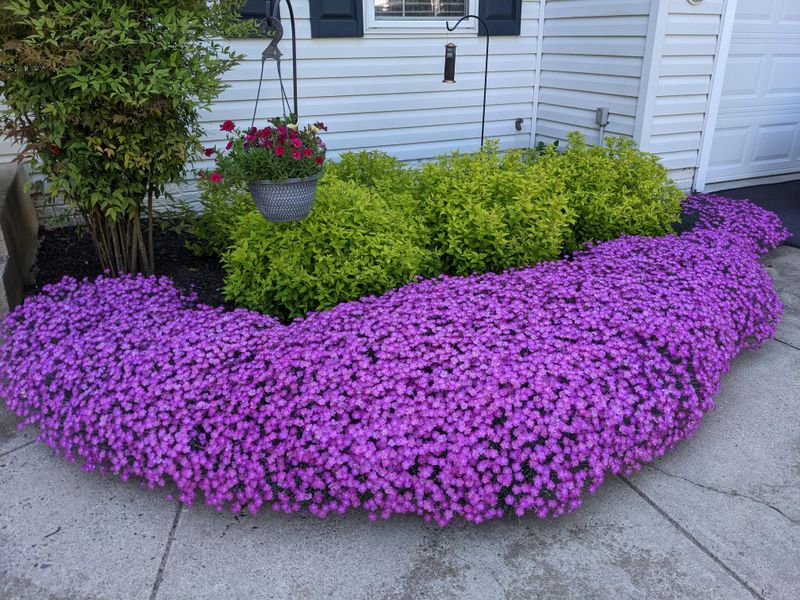
Few plants can match the cheerful burst of color that creeping phlox brings to a yard each spring. This low-growing plant spreads in a thick mat that hugs the soil closely, leaving very little open space for dry debris to collect.
Fire officials often recommend it because it stays green and moisture-rich through much of the year.
Creeping phlox grows only about four to six inches tall, which keeps it well below the height where flames can travel easily from plant to plant. Its dense growth habit also smothers weeds, which means fewer dry, flammable materials building up underneath.
Homeowners love that it requires almost no mowing or trimming to look tidy.
Planting it along slopes or borders gives you both beauty and function. It roots along the ground as it spreads, which helps hold soil in place and prevents erosion on hillsides.
This is especially helpful in areas where heavy rains follow dry fire seasons. The flowers attract pollinators like bees and butterflies, adding extra life to the garden.
Choose from pink, white, lavender, or red varieties to match your home’s color scheme. With minimal care and strong fire-resistant qualities, creeping phlox earns its spot on any smart landscaping list.
2. Creeping Thyme Stays Short And Easy To Maintain
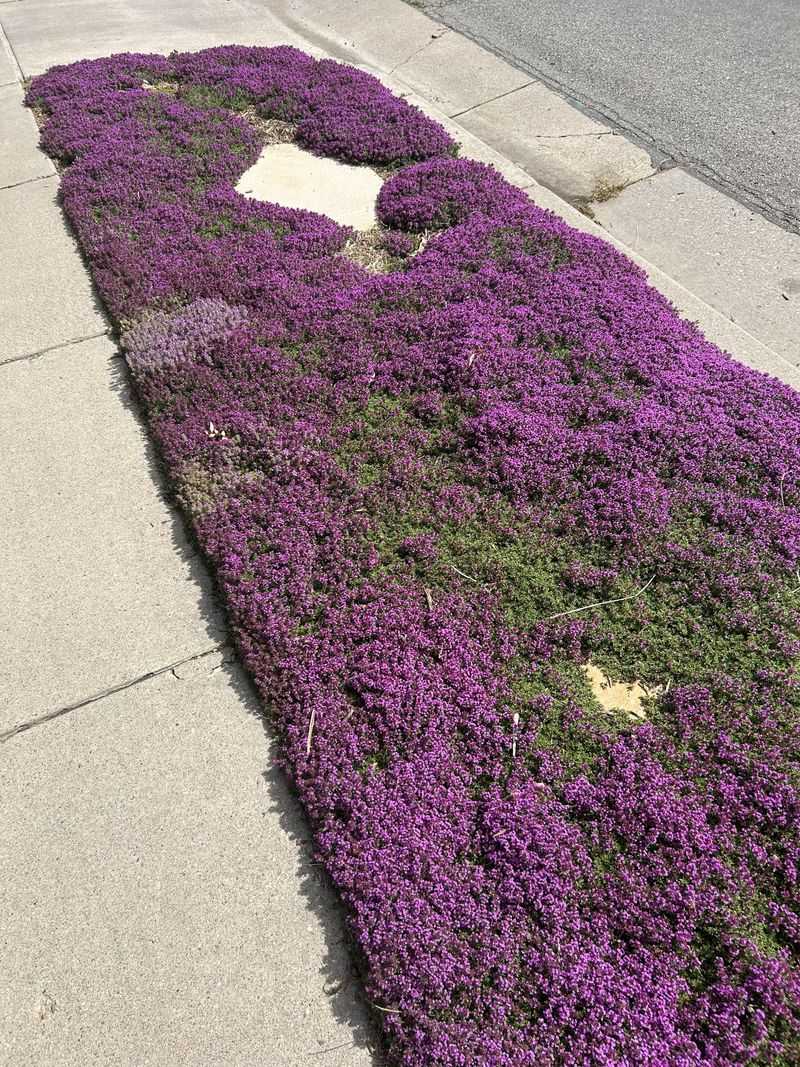
Herbs are not just for cooking, and creeping thyme proves that point beautifully. This tough little plant spreads across the ground in a fragrant, low carpet that releases a pleasant herbal scent when stepped on or brushed lightly.
Fire agencies favor it because it holds moisture in its small, thick leaves and burns far less readily than dry wood mulch.
Growing only two to four inches tall, creeping thyme fits perfectly between stepping stones, along pathways, and across open patches of bare soil.
It thrives in full sun and handles heat without wilting, which makes it a strong performer in warm, dry climates. Once established, it needs very little water to stay healthy and green.
Beyond fire safety, creeping thyme offers a surprising amount of charm. Tiny pink or purple flowers bloom in late spring and early summer, drawing in bees and other beneficial insects.
Your California Garden Changes Every Week. Your Plan Should Too.
Gardening in California changes quickly throughout the season. Every Friday you’ll receive a simple weekly plan showing exactly what to plant, prune, fertilize, harvest, and protect so you never miss the right timing.
The plant also discourages weeds by covering soil so tightly that new sprouts struggle to take hold. It does not spread aggressively, so it stays where you put it without becoming a maintenance problem.
For homeowners who want a low-effort, fire-smart solution that also looks and smells wonderful, creeping thyme is one of the most practical choices available in any garden center today.
3. Ornamental Strawberry Covers Soil With Living Foliage
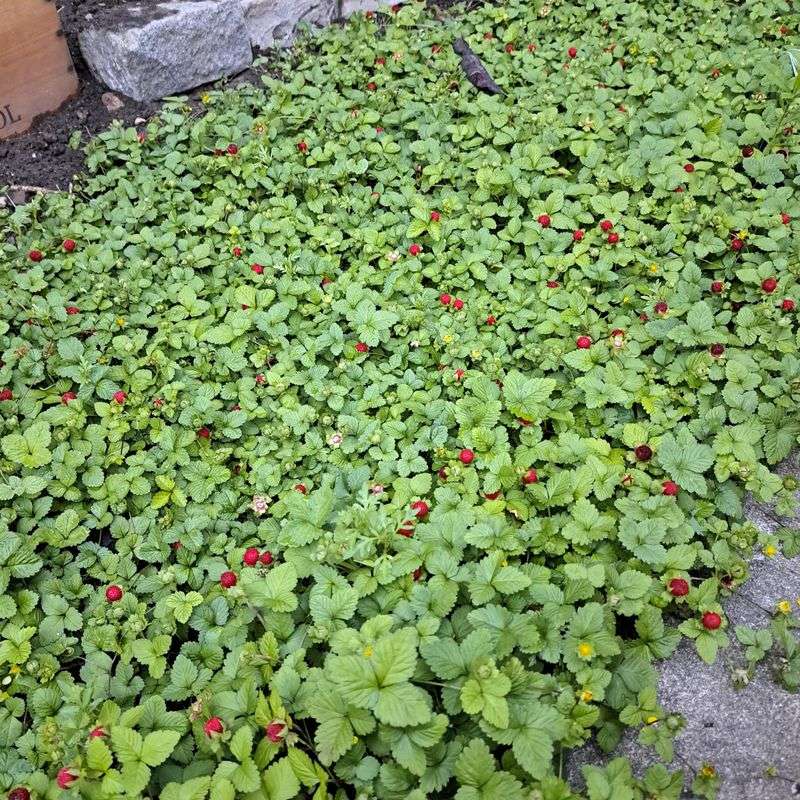
There is something satisfying about a plant that looks good, helps protect your home, and occasionally produces fruit you can actually eat. Ornamental strawberry does all three.
With its bright green, deeply lobed leaves and cheerful white flowers, it creates a lush, living carpet that fire officials recognize as a smart alternative to bark mulch.
The plant spreads through runners, similar to regular garden strawberries, filling in bare soil quickly without becoming invasive.
Its leaves stay soft and moisture-retaining, which makes the plant far less likely to ignite from windblown embers compared to dry wood chips or straw.
It grows about six to eight inches tall, staying low enough to avoid creating a ladder for flames to climb.
Ornamental strawberry performs well in both full sun and partial shade, giving homeowners flexibility when planning their landscape layout.
It is also fairly drought-tolerant once established, though a little extra water during dry spells keeps it looking its best.
The small red fruits that appear in summer are a bonus, attracting birds and adding a pop of color to the yard. For families with kids, this plant adds an element of fun to outdoor spaces.
It is easy to find at most nurseries and simple enough for beginner gardeners to grow successfully.
4. Coral Bells Work Well In Cooler, Partly Shaded Spots
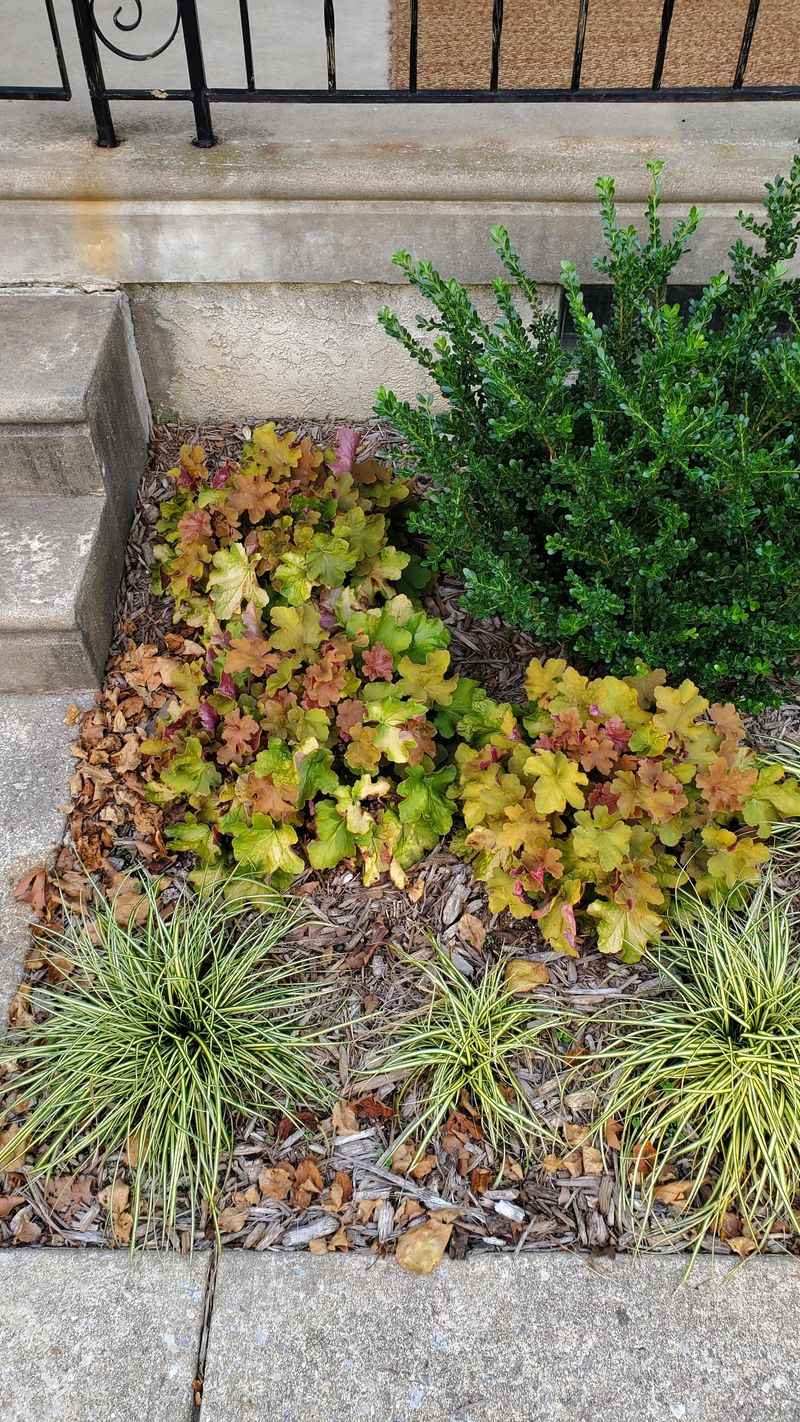
Not every yard gets full sun all day, and that is where coral bells truly shine. Known botanically as Heuchera, this plant thrives in partial shade and cooler microclimates that other fire-resistant groundcovers might struggle in.
Its broad, colorful leaves form a dense rosette that covers soil effectively and holds moisture well through warm months.
Coral bells come in a wide range of leaf colors, from deep burgundy and chocolate brown to bright lime green and silvery purple.
That variety makes them a designer favorite for adding visual interest to shaded garden beds.
Fire safety officials appreciate the plant’s high moisture content and its tendency to stay lush rather than drying out and becoming a fire hazard.
Each plant grows about eight to twelve inches tall and spreads gradually to fill in gaps between other plants or garden features.
In late spring, slender stems rise above the foliage and produce tiny bell-shaped flowers in shades of red, pink, and white.
Hummingbirds are especially drawn to these blooms, making coral bells a wonderful choice for wildlife-friendly yards. The plant prefers well-draining soil and benefits from occasional watering during dry stretches.
For homeowners dealing with shady corners where grass refuses to grow, coral bells offer a colorful, fire-smart solution that brings real personality to a difficult spot.
5. Low-Growing California Buckwheat Fits Sunny Dry Areas
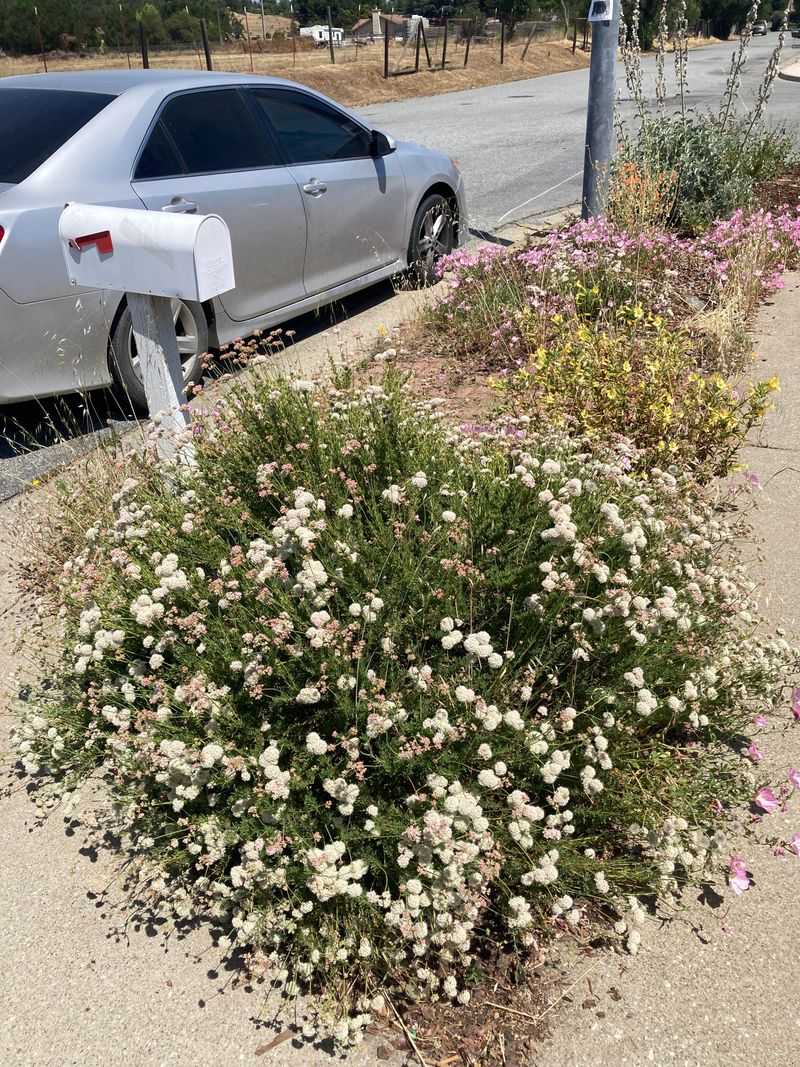
Native plants often have a built-in advantage when it comes to surviving tough conditions, and California buckwheat is a perfect example.
This hardy native shrub has adapted over thousands of years to handle dry summers, poor soils, and intense heat without complaint.
Fire officials regularly recommend it because it stays relatively low, holds little combustible material, and supports local wildlife at the same time.
The plant produces clusters of creamy white to soft pink flowers that slowly turn a rusty red-brown as they dry in late summer.
Those dried flower heads actually stay on the plant and add texture to the winter landscape rather than falling and creating fuel buildup on the ground.
That is a meaningful advantage over bark mulch, which breaks down into flammable debris over time.
Low-growing varieties stay under two feet tall, making them a solid choice for slopes, borders, and open areas where you need coverage without height.
Once established, California buckwheat needs almost no supplemental watering, which fits perfectly with water conservation goals in fire-prone regions.
It also provides food and habitat for native bees, butterflies, and birds throughout the year.
Planting it in clusters along a sunny hillside or driveway border creates a natural, low-maintenance look that blends well with other native plants and reduces the fire risk around your property significantly.
6. Rockrose Handles Heat And Lean Soil With Little Fuss
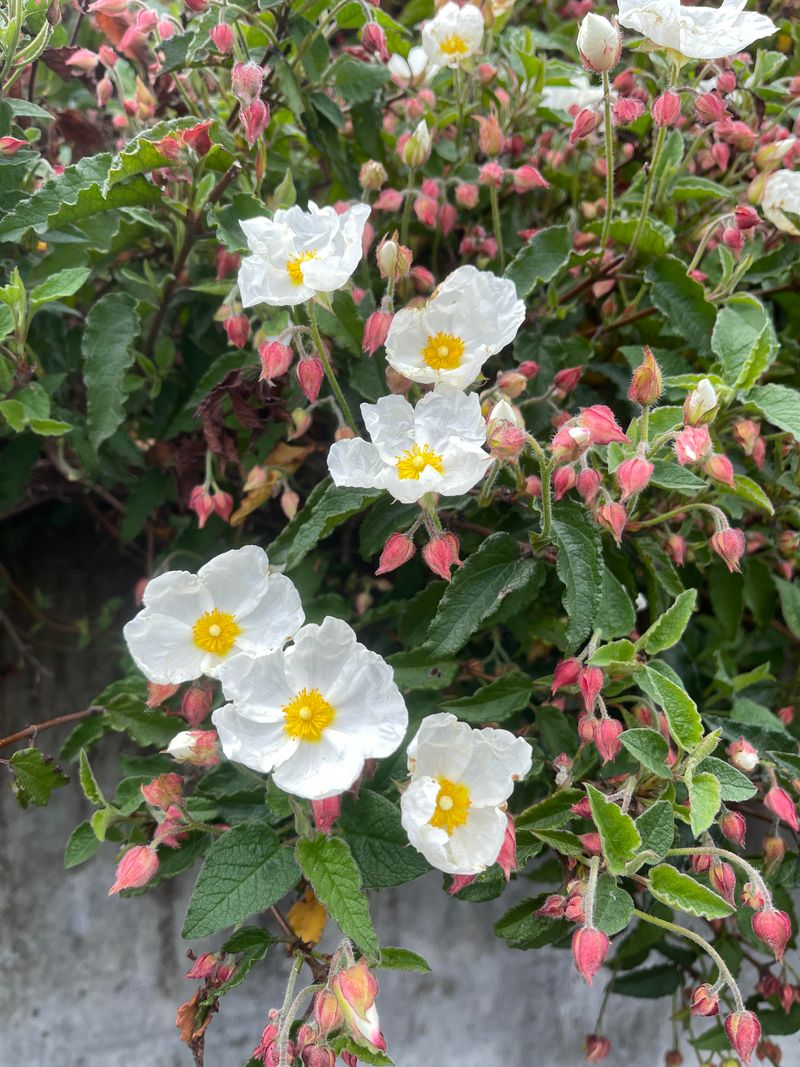
Some plants seem almost designed for tough situations, and rockrose is one of them. Originally from the Mediterranean region, this flowering shrub has a long history of thriving in hot, dry climates with poor, rocky soil.
Fire agencies point to its low water needs and compact form as reasons it works so well as a fire-resistant groundcover in challenging landscapes.
Rockrose produces large, papery flowers in shades of pink, white, and magenta that bloom generously in spring and early summer. Despite looking delicate, the plant is surprisingly tough.
It handles drought without wilting and keeps its foliage year-round, which means it provides continuous soil coverage and never leaves patches of bare, exposed ground that could fill with dry debris.
Most varieties grow between two and four feet tall and spread about as wide, creating a dense mound that shades the soil beneath it and reduces moisture loss. That canopy effect helps keep the ground cooler and moister than bare soil or bark mulch would.
Rockrose does best in full sun with excellent drainage and actually performs better in lean, nutrient-poor soil than in rich garden beds. It does not need fertilizing, heavy pruning, or frequent watering once it gets established.
For homeowners who want a beautiful, low-effort plant that honestly earns its place in a fire-smart yard, rockrose is a dependable and rewarding option worth planting.
7. Golden Yarrow Adds Color Without Creating A Tall Fuel Layer
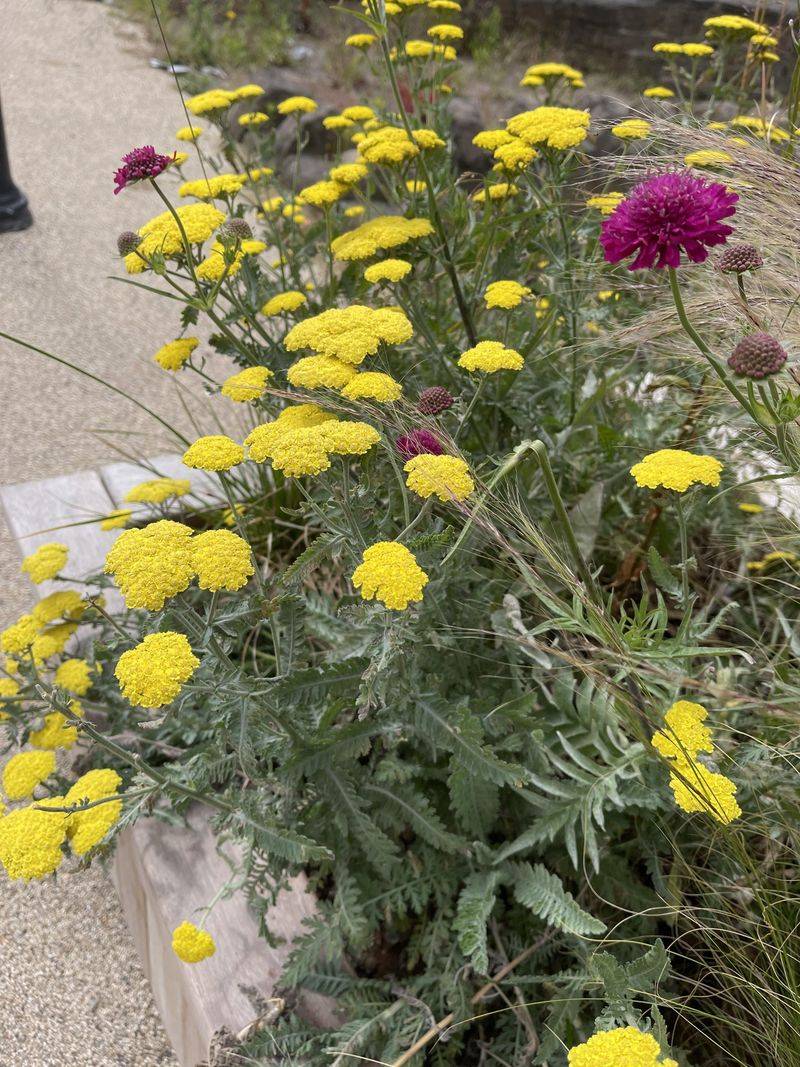
Bright yellow flowers and fire resistance might not seem like they go together, but golden yarrow delivers both without asking for much in return.
This cheerful native perennial produces flat-topped clusters of golden blooms that pop against silvery-green foliage throughout the summer months.
Fire officials like it because it stays relatively compact and does not build up the kind of dry, woody fuel that taller shrubs can create.
Golden yarrow grows naturally in dry, open areas with full sun and well-draining soil. It handles heat and drought with ease, bouncing back after dry spells without needing extra irrigation.
That resilience makes it a smart pick for homeowners who want reliable coverage without a heavy watering schedule.
The plant typically reaches about one to two feet tall, keeping the overall fuel load in your yard low and manageable.
As it spreads, it fills in gaps between other plants and suppresses weed growth, reducing the amount of dry, flammable material that can accumulate on the ground.
Golden yarrow also attracts an impressive number of beneficial insects, including native bees, parasitic wasps, and butterflies, making it a valuable part of any pollinator-friendly yard.
The dried flower heads can be left on through fall and winter to provide seeds for birds. Replacing bark mulch with this plant is a practical and colorful upgrade for any fire-aware homeowner.
8. Red Buckwheat Keeps A Low, Spreading Shape
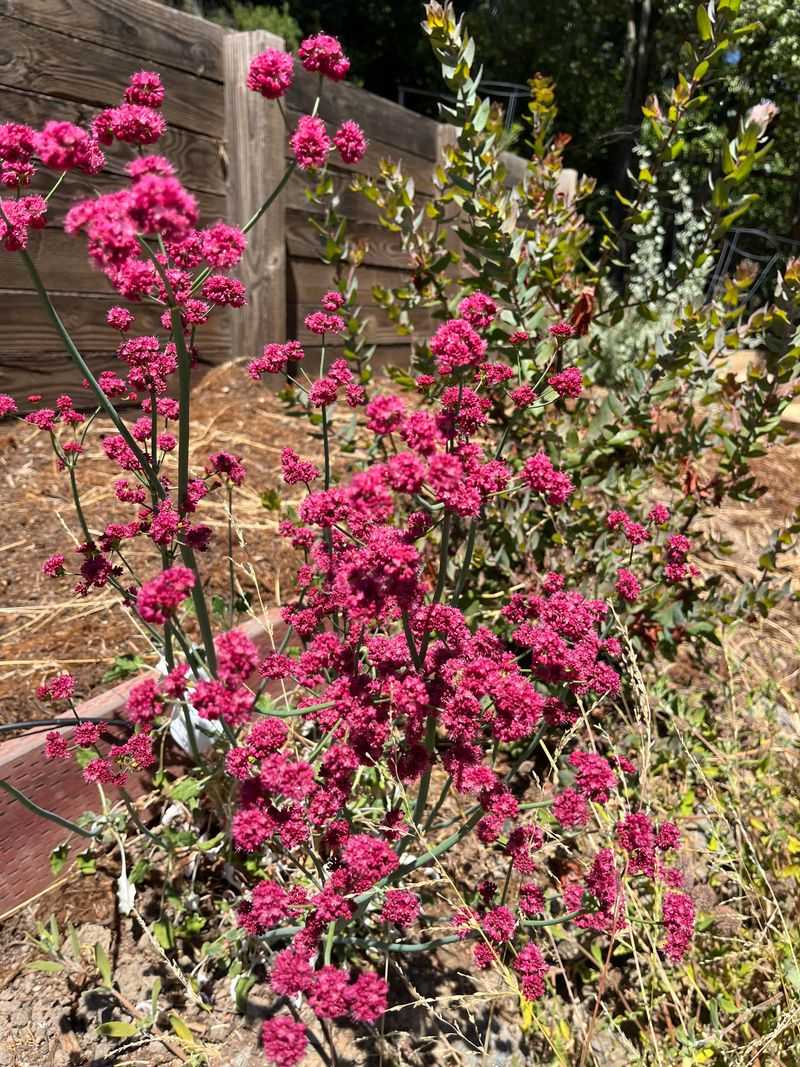
With rosy pink flower clusters that appear in summer and persist well into fall, red buckwheat brings long-lasting color to a fire-smart yard.
This native plant is a close relative of other buckwheat species but stands out for its softer, more vibrant bloom color and its reliably low, spreading growth habit.
It rarely grows taller than one foot, which keeps the fuel layer in your yard thin and manageable.
Red buckwheat thrives in sandy or rocky soils with full sun exposure and very little water once it gets settled in.
Its ability to handle lean conditions without fertilizer or frequent irrigation makes it a genuinely low-maintenance option for busy homeowners.
The plant spreads gradually to form a tidy mat that covers bare soil and crowds out weeds naturally.
One of its most appealing qualities is how long the flower heads remain attractive, even after the blooms fade. The dried clusters turn a warm rust color in late summer, adding texture and warmth to the landscape through the cooler months.
Native bees and butterflies visit the flowers regularly, and birds pick at the seeds during fall and winter.
Red buckwheat pairs beautifully with other native groundcovers like golden yarrow and low-growing California buckwheat, creating a cohesive, fire-resistant planting that looks intentional and well-planned rather than accidental or haphazard.
9. Sea Cliff Buckwheat Works On Sunny California Slopes
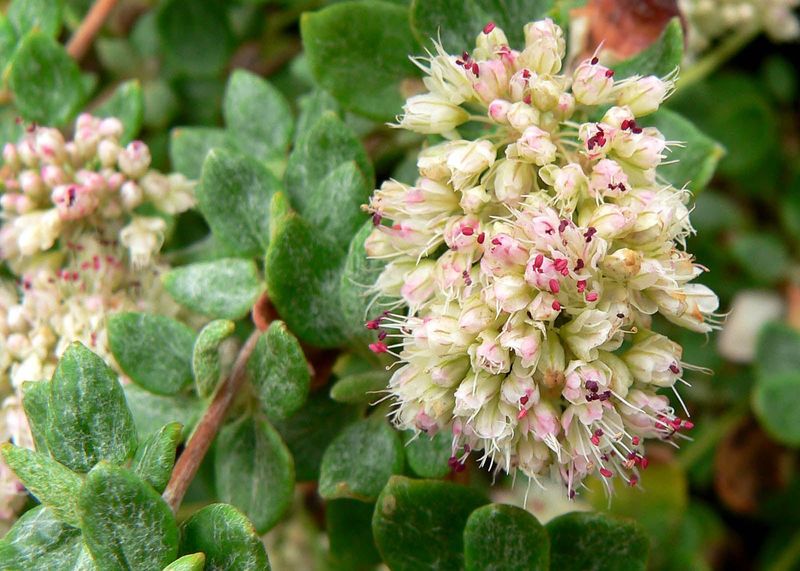
Slopes are one of the trickiest spots to plant and one of the most important to protect from fire. Sea cliff buckwheat was practically made for this challenge.
Native to coastal bluffs and sunny hillsides, this plant has a naturally spreading, low-growing form that holds soil in place while keeping the fuel load on slopes very low.
The plant produces clusters of soft white to pale pink flowers that bloom in summer and attract native bees and butterflies in large numbers.
After flowering, the seed heads dry to a warm amber color and persist through the fall, providing food for birds and visual interest for homeowners.
The foliage stays green and moisture-retaining through much of the year, which is exactly what fire officials look for in a safe groundcover.
Sea cliff buckwheat grows best in full sun with fast-draining soil and very little supplemental water once established.
It handles the combination of heat, wind, and poor soil that often makes slopes so difficult to plant successfully.
Most plants reach about one foot tall and spread two to three feet wide, creating broad, overlapping mats that cover ground efficiently. Planting several together on a slope creates a unified, natural-looking sweep of foliage and flowers.
For homeowners in fire-prone areas with challenging terrain, this native plant offers a reliable, beautiful, and genuinely fire-smart solution that outperforms bark mulch in every measurable way.