What It Means When A Bobcat Shows Up In Your Arkansas Yard
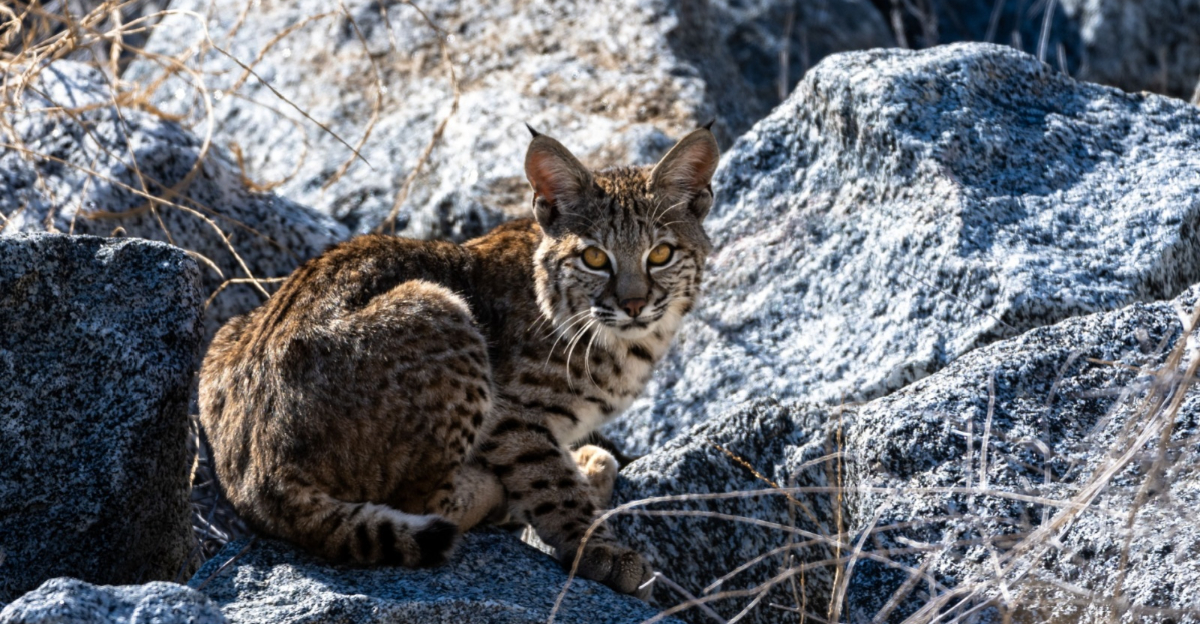
A blur crosses your fence line, quick and low to the ground before fading from view. Suddenly you realize a bobcat just passed within feet of you.
Arkansas neighborhoods border wild corridors more often than residents assume. Populations in many regions have grown in recent decades, which may explain more frequent sightings.
Wildlife populations across Arkansas have shown signs of recovery in recent decades, according to state wildlife data. Tracks near your porch might reveal exactly who visited overnight.
Paw prints pressed into soft mud show size and direction. Droppings, feathers, or sudden bird silence tell their own quiet story.
Nighttime movement near fences usually signals hunting instinct, not curiosity. Light or sudden noise sends most bobcats retreating within seconds.
Juveniles disperse each autumn, searching for territory of their own. Fields bordering woodlots often become natural travel routes for them.
Understanding their patterns turns uncertainty into quiet, informed confidence. Nothing about this moment should ever leave you feeling unsettled. What happens next reshapes how you truly see your own backyard.
How Common Bobcat Sightings Really Are In Arkansas
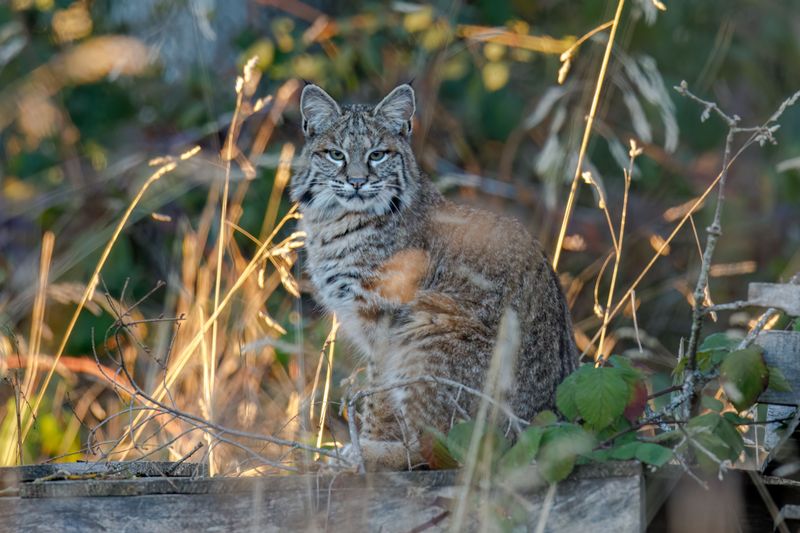
A blur crosses your fence line, quick and low to the ground before fading from view. Suddenly you realize a bobcat just passed within feet of you.
Arkansas neighborhoods border wild corridors more often than residents assume. Populations in many regions have grown in recent decades, which may explain more frequent sightings.
Wildlife populations across Arkansas have shown signs of recovery in recent decades, according to state wildlife data. Tracks near your porch might reveal exactly who visited overnight.
Paw prints pressed into soft mud show size and direction. Rain and wind can erase prints faster than expected.
Scat left along trails often confirms recent bobcat activity nearby. Droppings, feathers, or sudden bird silence tell their own quiet story.
Nighttime movement near fences usually signals hunting instinct, not curiosity. Light or sudden noise sends most bobcats retreating within seconds.
Juveniles disperse each autumn, searching for territory of their own. Younger cats grow bolder while learning unfamiliar ranges and food sources.
Fields bordering woodlots often become natural travel routes for them. Living near such edges means occasional visitors should feel entirely expected.
Cameras mounted near fences capture patterns invisible to casual observers. Most encounters last only seconds, leaving behind a photo or memory.
Rarely do these predators seek conflict unless directly approached or startled. Curiosity aside, most bobcats avoid trouble whenever possible.
Understanding their patterns turns uncertainty into quiet, informed confidence. Nothing about this moment should ever leave you feeling unsettled.
Every detail you notice next reveals something truly worth knowing. What happens next reshapes how you truly see your own quiet backyard.
Identifying A Bobcat Versus Other Wild Cats
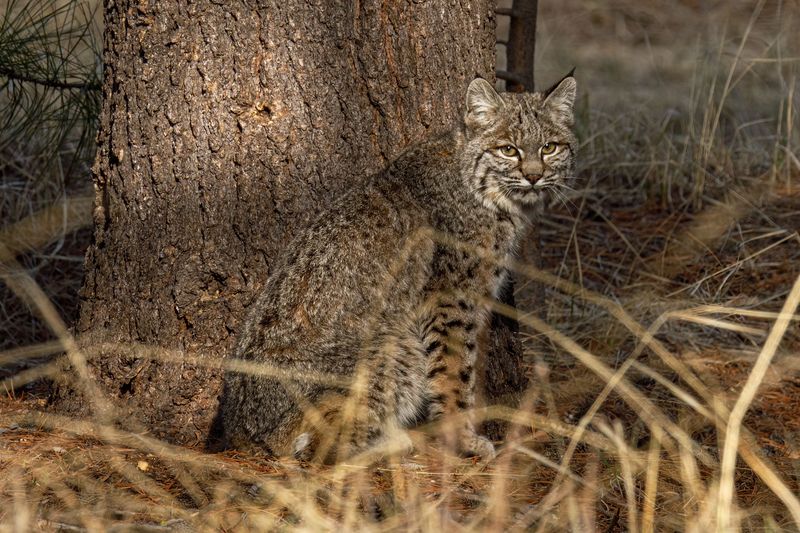
Ears prick and stripes flash before you second-guess what just crossed your yard. Suddenly the outline stops looking like an ordinary cat.
Arkansas residents often confuse bobcats with cougars or oversized housecats. Distinct marks separate them instantly once you know where to look.
Your Arkansas Garden Changes Every Week. Your Plan Should Too.
Gardening in Arkansas changes quickly throughout the season. Every Friday you’ll receive a simple weekly plan showing exactly what to plant, prune, fertilize, harvest, and protect so you never miss the right timing.
Tails give away identity first, short and stub, tipped black. White fur underneath flashes when the animal turns away.
Cougars carry long tails, domestic cats even longer, no comparison there. Facial stripes and small ear tufts confirm what the tail suggests.
Alert posture makes those markings easier to spot outdoors. Long legs suit silent stalking through brush and low cover.
Muscle definition along the back hints at coiled, ready power. Coats shift with season, though spotting and barred legs remain constant.
Weight and height vary widely, so size alone misleads observers. Screams pierce rarely, sharp enough to freeze anyone nearby.
Growls and hisses carry only across short distances outdoors. Four-toed tracks show no claw marks, unlike dog prints.
Straight travel lines through mud often indicate a hunting bobcat. Photographs compared against trusted Arkansas wildlife guides settle lingering doubt.
Blurry images rarely help distinguish subtle facial or tail markings. Correct identification keeps neighbors calm instead of spreading unnecessary alarm.
Sharing accurate details online prevents confusion during future local sightings. Nothing about identification should feel complicated or reserved for experts.
Patience during observation reveals details a rushed glance always misses. Every marking mentioned here serves a clear, practical purpose. What you learn next changes how confidently you name what you saw.
Food Sources That Draw Bobcats Into Yards
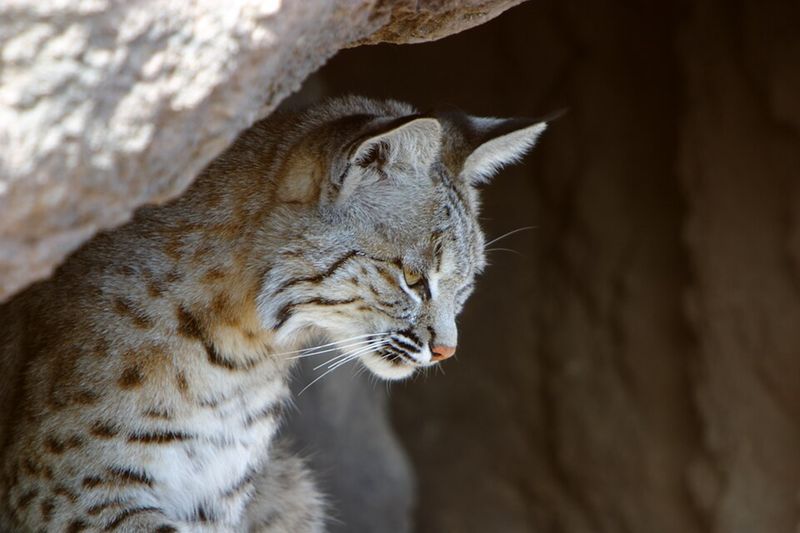
Seed scatters near your feeder, and something else notices before you do. Rabbits and rodents gather quickly, drawn by easy spillage.
Arkansas yards often become unintentional buffets for hungry wildlife. Bobcats follow that chain straight to your property line.
Rodents multiply first, then predators arrive shortly after them. Free-ranging chickens and outdoor cats add further temptation after dark.
Pet food left outside invites more than just one visitor. Compost piles release scent trails carnivores track long after sunset.
Trash cans left unsecured create similar invitations without anyone realizing it. Reducing these smells lowers incentive for repeated nighttime visits.
Woodpiles and dense shrubs offer perfect ambush cover nearby. Stone walls add hiding spots bobcats use instinctively while hunting.
Clearing narrow buffers removes advantage without destroying surrounding habitat. Ground-level feeders often cause more trouble than people expect.
Removing them cuts rodent traffic dramatically within days. Securing small pets at night prevents unnecessary encounters altogether.
These adjustments are commonly recommended by wildlife management resources for safer coexistence. Small changes protect pets while respecting a bobcat’s natural behavior.
Consistency matters more than any single fix you make. Habits around feeding areas shape what predators expect nightly.
Attention to detail turns a risky yard into a safer one. Nothing here demands drastic change, only mindful adjustment.
Every small fix reduces temptation more than most homeowners realize. What you change next determines who keeps returning after dark.
Seasonal Patterns Behind Increased Sightings
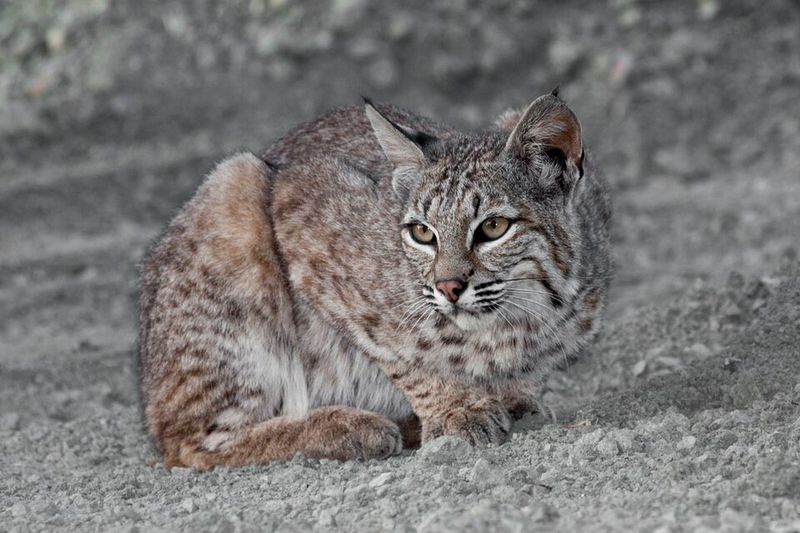
Winter winds shift, and something restless starts moving through your neighborhood again. Late season breeding drives bobcats farther than usual.
Male bobcats generally range more widely during breeding season, which can increase the odds of movement through residential areas. Sightings spike sharply during these colder, mating-driven months.
Summer brings a different shift entirely, quieter but just as active. Juveniles disperse then, leaving familiar ground behind them.
Young cats explore unfamiliar areas while learning to hunt alone. Inexperience makes them bolder, sometimes wandering into suburban spaces.
Autumn continues that pattern as territories finally start settling. Winter scarcity forces adult bobcats to widen their foraging range.
Suburban zones start looking more appealing when prey grows scarce. Snow complicates things further, both hiding and revealing fresh tracks.
Footprints appear briefly before wind or fresh snowfall erases them. Spring vegetation thickens, changing how visible these animals become.
Dense cover conceals bobcats that were already nearby all along. That sudden appearance often feels startling, though nothing sudden actually happened.
Arkansas wildlife patterns follow this rhythm nearly every year. Recognizing these cycles helps you anticipate rather than react.
Timing prevention efforts around seasons reduces unwanted encounters significantly. Awareness turns unpredictable sightings into expected, manageable moments instead.
Preparation now saves confusion later during unexpected seasonal shifts. Nothing about these patterns should catch you truly unprepared. What you notice next season depends entirely on what you learn now.
Habitat Loss Pushing Bobcats Closer To Homes
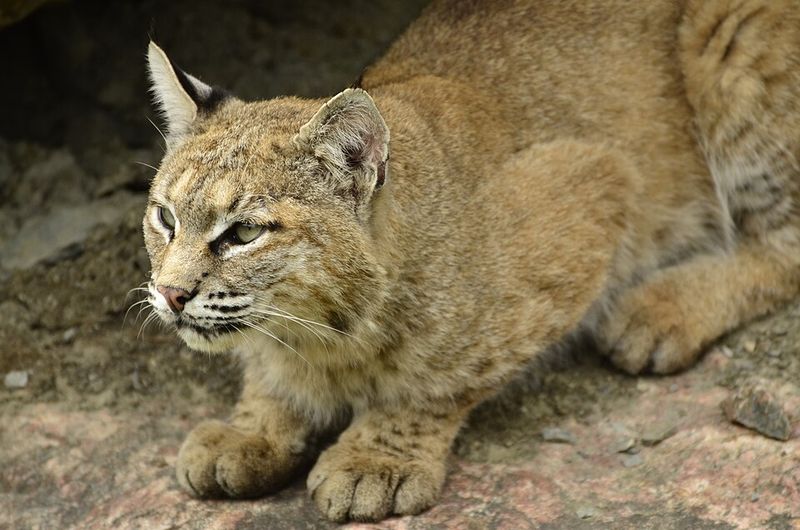
Bulldozers clear another tree line, and something that once hid there starts moving elsewhere. Suddenly familiar corridors disappear beneath fresh pavement and rooftops.
Arkansas forests shrink faster than most residents realize each year. Bobcats adapt quickly, shifting toward edges that border neighborhoods.
Those edges often mean gardens, fences, and quiet residential streets. Fragmented habitat forces predators to follow prey wherever it relocates.
Shrinking ranges make nearby houses seem like acceptable, tolerable territory. Roads slice through remaining corridors, narrowing safe travel routes further.
Fences add another barrier, funneling animals into tighter movement patterns. Crossing paths with people becomes likelier during dawn and dusk hours.
Restoration efforts, like connected greenways, ease pressure on these animals. Preserving small wild patches gives bobcats options beyond human spaces.
Some regional planning efforts increasingly factor wildlife connectivity into development decisions. Coordinated zoning reduces conflict before it ever becomes necessary.
Neighbors working together create buffer zones that benefit everyone nearby. Reducing attractants keeps bobcats drawn toward wild areas instead.
Coexistence depends on choices made collectively, not individually alone. Every buffer zone planted today prevents future unwanted encounters tomorrow.
Awareness of these shifts turns frustration into productive, shared action. Nothing about coexistence requires sacrificing safety or comfort.
Small planning choices ripple outward across entire neighborhoods eventually. Thoughtful development benefits wildlife and residents in equal measure. What your community decides next shapes every future encounter nearby.
Steps To Take If You See One Again
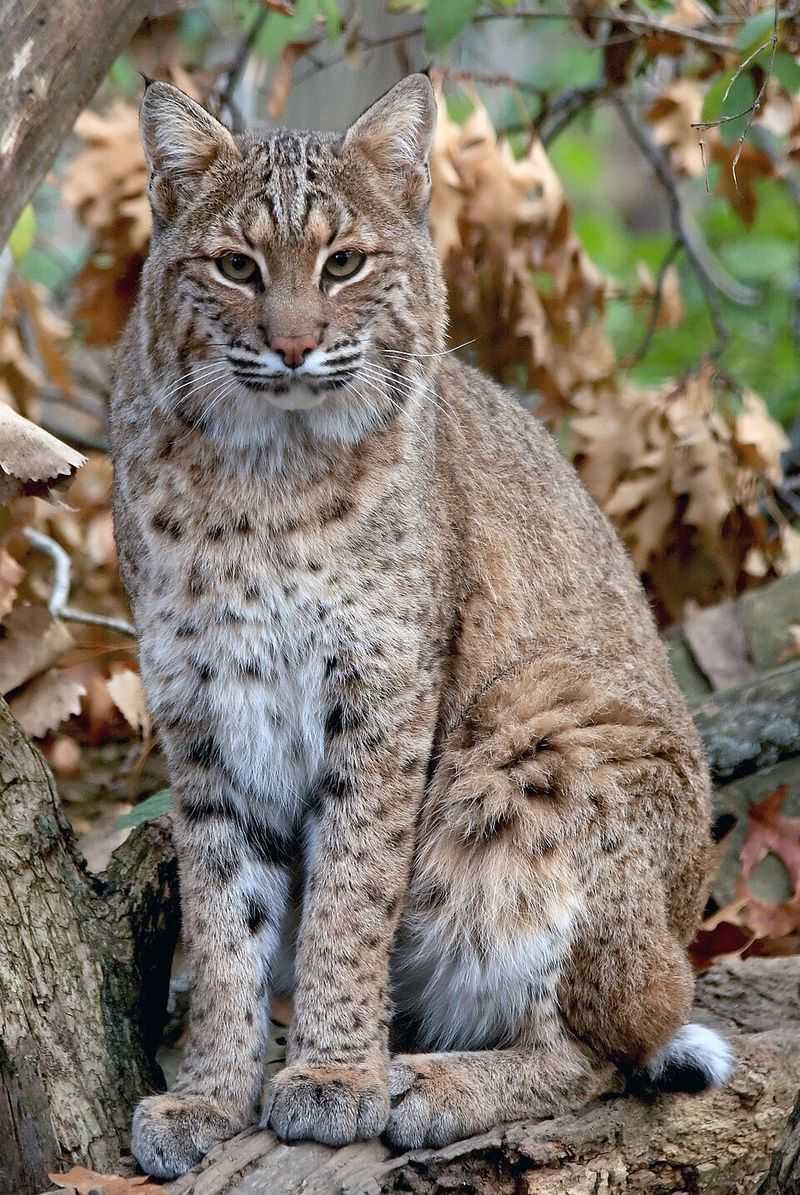
Movement freezes, and suddenly your only job becomes staying perfectly calm. Distance matters more than instinct tells you right now.
Wildlife safety guidance recommends standing tall without approaching further. Sudden movements risk startling an animal already assessing its surroundings.
Noise works well, signaling human presence without provoking aggression. Clapping hands or speaking firmly usually sends bobcats retreating quickly.
Pets need immediate attention during any unexpected encounter like this. Bring them inside before addressing anything else outdoors.
Feeding or approaching for photos tempts fate unnecessarily during these moments. Watching from a window keeps you safe while monitoring behavior.
Small animals require securing until the bobcat fully leaves nearby. Injured or oddly behaving bobcats need professional attention immediately.
Contact local wildlife authorities rather than attempting intervention yourself. Trapping or capturing animals independently often worsens already tense situations.
Trained responders handle these scenarios safely and effectively every time. Documentation helps afterward, so note time, location, and behavior observed.
Photos from a safe distance add valuable context for reports. Sharing details with neighbors and officials improves community awareness overall.
Accurate information helps wildlife managers track patterns across Arkansas neighborhoods. Thoughtful reactions protect households without harming animals passing through.
Calm decisions today prevent unnecessary panic during tomorrow’s encounter. Every step here favors patience over impulsive, hurried reactions. What you do next determines how safely this encounter truly ends.