These Oregon Weeds Should Be Pulled Before They Seed In Late Summer
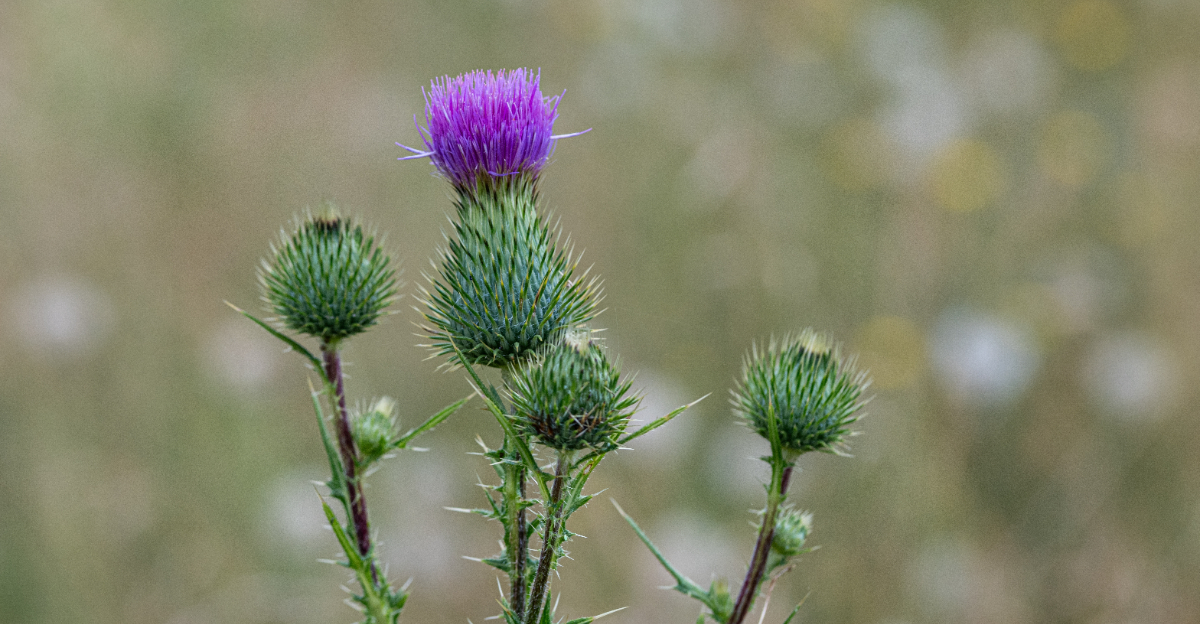
Late summer can turn a few harmless weeds into next year’s full-scale yard invasion. One seed head may not look dramatic, but it can scatter enough trouble to keep flower beds busy long after the season ends.
This is the moment when quick action matters most. Some weeds race to produce seed as days shorten, and a short delay can give them time to spread across lawns, borders, and bare soil.
Oregon’s warm afternoons and cooler nights can help certain invaders finish their life cycle fast. By the time they look dry or tired, they may have already prepared their comeback.
A careful yard check now can save hours of work later. Pull the right weeds before their seed drops, and you can give the garden a cleaner start when spring returns.
Your future self deserves that small favor. No one needs that annual battle again.
1. Tansy Ragwort Should Never Reach Seed
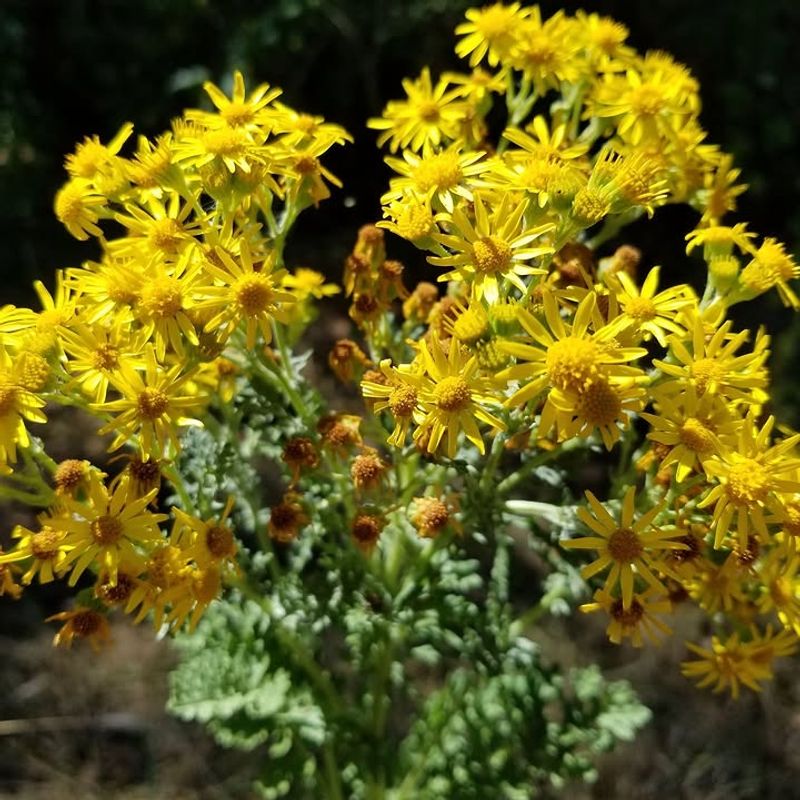
Bright yellow flowers might look cheerful in a field, but tansy ragwort is one of the most dangerous weeds in Oregon for livestock owners. It contains toxins that cause serious liver damage in horses, cattle, and goats.
Animals often avoid it when it is fresh, but they may eat it in dried hay without realizing it.
Each plant can produce up to 150,000 seeds, and those seeds are light enough to drift on the wind for miles. Once it gets established in a pasture or field, clearing it out takes real effort over multiple seasons.
Getting ahead of it before seed drop is the most effective strategy by far.
Look for the clusters of small yellow flowers that resemble daisies. When you see them, act quickly.
Pull or dig the entire plant, including the taproot, to prevent regrowth. The plant can also regrow from root fragments, so be thorough.
Wear gloves when handling this weed. While it is more dangerous when eaten, skin contact over time can cause irritation for some people.
Bag the plants and put them in the trash rather than composting them.
This weed is classified as a noxious weed in our state, which means landowners are legally encouraged to manage it. Reporting large infestations to your local weed control board is a great step.
They can offer guidance and sometimes even assistance with removal on larger properties.
2. Canada Thistle Spreads Fast By Fluffy Seed
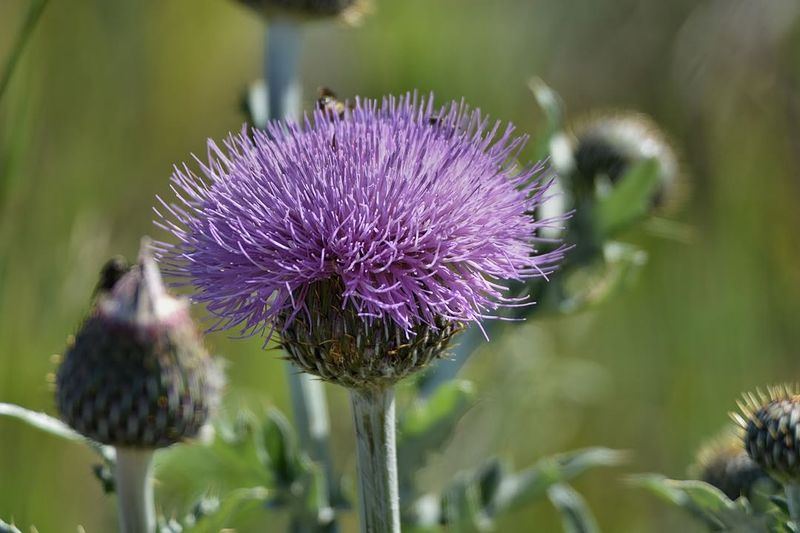
Few weeds cause as much frustration as Canada thistle, and for good reason. A single plant can release thousands of tiny seeds, each one attached to a fluffy white fiber that carries it through the air like a tiny parachute.
On a breezy late summer day, those seeds can travel hundreds of feet before landing in fresh soil.
What makes this weed especially tricky is that it also spreads underground through a network of roots. Even if you pull the top of the plant, the roots can send up new shoots within days.
That is why stopping it before it seeds is so important. You remove the seeds from the equation entirely.
Your Oregon Garden Changes Every Week. Your Plan Should Too.
Gardening in Oregon changes quickly throughout the season. Every Friday you’ll receive a simple weekly plan showing exactly what to plant, prune, fertilize, harvest, and protect so you never miss the right timing.
Look for the purple flower heads turning brown and fluffy. That is your signal to act fast.
Wear thick gloves because the stems and leaves are covered in sharp spines. Cut or pull the plant as low to the ground as possible.
Bag the plants right away and do not compost them. Seeds can still mature on a cut plant, especially in warm weather.
Disposing of them in a sealed bag keeps those seeds out of your yard for good.
Repeated removal throughout the season weakens the root system over time. Staying consistent is the real secret to getting ahead of Canada thistle.
Check your yard every couple of weeks and remove any new growth before it has a chance to flower.
3. Bull Thistle Turns One Plant Into Hundreds
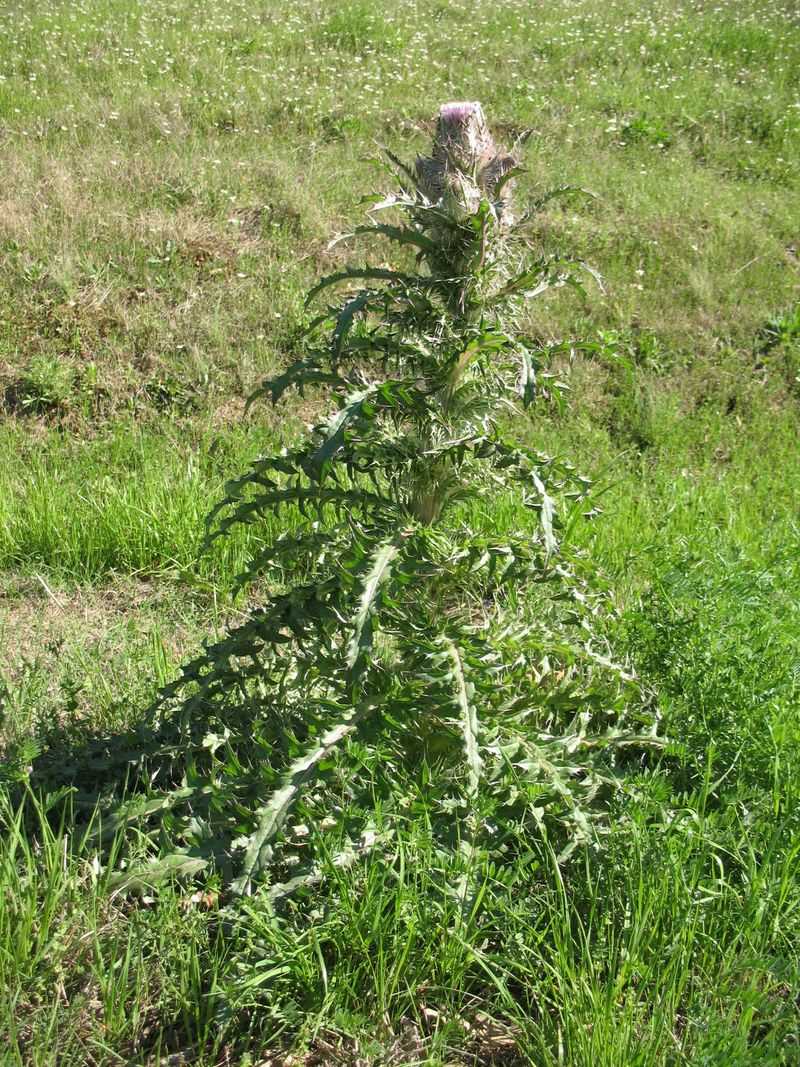
Bull thistle is a biennial weed, which means it spends its first year as a low rosette and its second year shooting up tall and producing seeds.
By the time you see those bold purple flowers, the plant is already working on its next generation. One mature bull thistle can produce well over a thousand seeds.
Unlike Canada thistle, bull thistle does not spread by root. That is actually good news.
If you remove the plant before seeds drop, you stop its spread entirely. The bad news is that those seeds can survive in soil for years, waiting for the right moment to sprout.
The plant is covered in stiff, sharp spines, so always wear thick gloves before handling it. Grip the base of the stem close to the ground and pull firmly.
If the soil is dry, loosen it first with a hand fork to get the full taproot out.
Check roadsides, fields, and disturbed soil areas where this weed loves to set up. It thrives in areas with poor soil and full sun.
Garden edges and fence lines are common spots where it sneaks in unnoticed.
Cutting the flower heads off before they mature is a quick fix when full removal is not possible. Just make sure to bag those cut heads immediately.
Even a freshly cut flower head can continue to ripen seeds if left on the ground in warm weather.
4. Scotch Broom Pods Can Scatter For Years
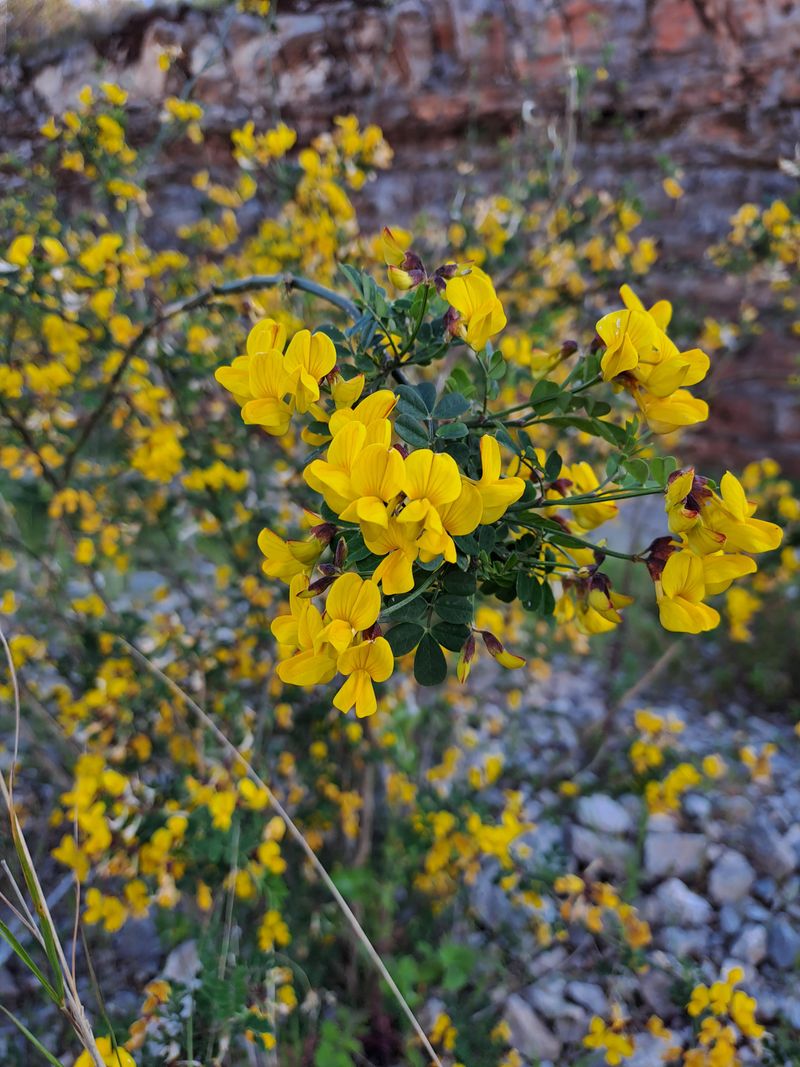
You have probably heard that popping sound on a warm summer afternoon along roadsides or trailheads. That is Scotch broom doing what it does best: launching seeds.
The dry seed pods twist and snap open when temperatures rise, sending seeds flying up to several feet away from the parent plant.
What is really alarming is that those seeds can stay alive in the soil for up to 30 years. That means even after you remove every plant from an area, seeds already in the ground can sprout for decades.
Stopping new seed production now limits how much worse the seed bank gets.
Scotch broom is a shrubby plant that can grow several feet tall. Young plants are much easier to pull than established ones.
For larger plants, a special tool called a weed wrench can help you lever the root ball out of the ground without too much struggle.
Cut plants at the base before pods turn from green to brown and black. Once pods start darkening, they are close to popping.
Do not leave cut plants on the ground in warm weather since pods can still fire even after the stem is cut.
This is another noxious weed in Oregon with organized removal events in many communities.
Joining a local pull event is a great way to make a bigger impact and meet neighbors who care about keeping natural areas healthy and native-plant-friendly.
5. Himalayan Blackberry Seedlings Are Easier Young
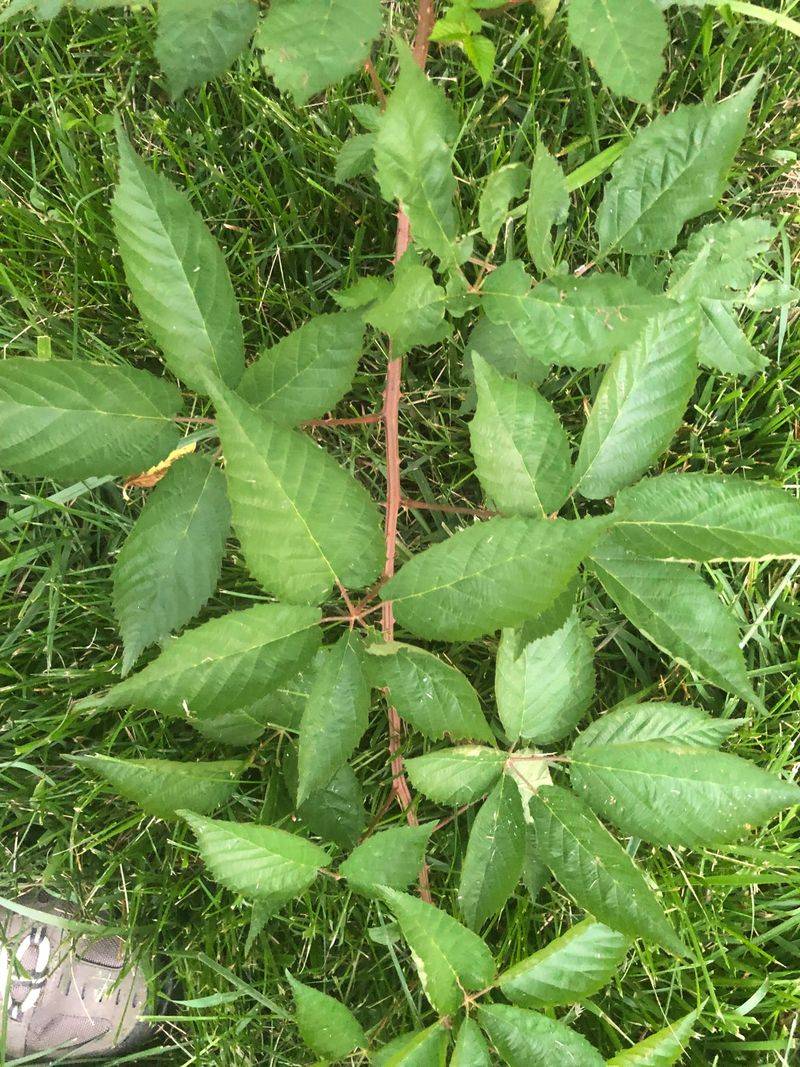
Most people know the Himalayan blackberry as the thorny tangle that takes over roadsides, creek banks, and backyards across Oregon. What many gardeners overlook is the seedling stage.
Young plants just a few inches tall are soft, easy to pull, and have not yet developed the thick canes that make mature plants such a challenge.
Late summer is when birds eat the ripe berries and then deposit seeds all over your yard in their droppings.
Those seeds germinate quickly in warm soil, and by fall you can have dozens of tiny blackberry plants getting started in places you would never expect them.
Walk your garden edges, fence lines, and compost areas regularly. Look for small plants with three to five leaflets and slightly toothed edges.
The stems will already have tiny thorns, so gloves are a must even at this early stage.
Pull seedlings while the soil is moist for easiest removal. Grip the base close to the soil and pull straight up to get the root.
If you miss the root, the plant can regrow, so be thorough. Drop pulled seedlings into a bag right away.
Do not let the berries on mature canes go unnoticed either. Picking ripe fruit before birds spread the seeds reduces next year’s seedling problem.
Managing both the existing plants and the new seedlings at the same time gives you the best shot at keeping this aggressive weed under control.
6. Hairy Bittercress Fires Seeds When Touched
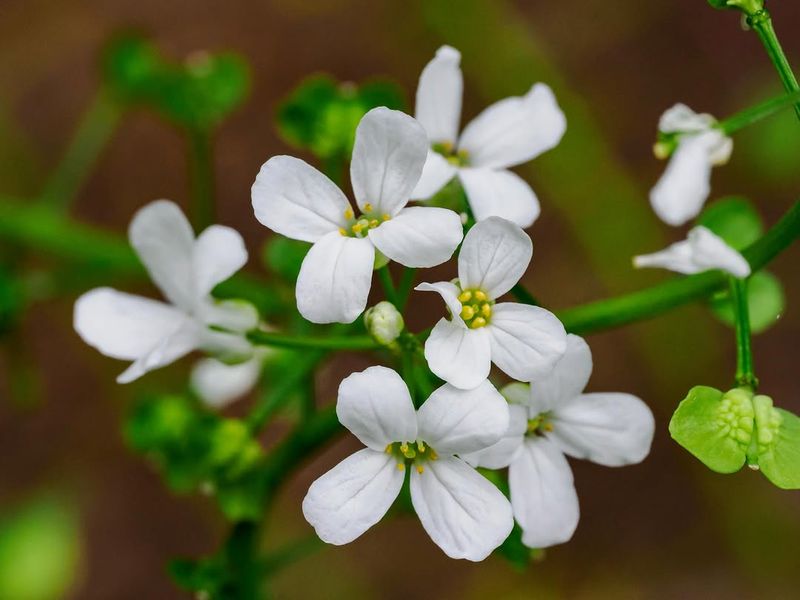
Here is a weed with a seriously clever trick up its sleeve. When the seed pods of hairy bittercress are ripe and you brush against them, they explode.
The pods spring open and launch seeds in every direction, sometimes scattering them more than three feet away from the plant. This is how it earns its place on every gardener’s most-unwanted list.
The plant itself looks almost innocent. It stays low to the ground with small white flowers and thin upright seed pods.
It is easy to miss among other low-growing plants, and by the time you notice it, the pods may already be loaded and ready to fire.
The trick to removing it safely is to work carefully and slowly. Do not grab the stems roughly or shake the plant.
Instead, slip a hand under the base and ease the whole plant out of the soil in one steady motion. Drop it directly into a bag without letting it bounce around.
Hairy bittercress thrives in moist, shaded garden beds and container soil. Check under shrubs, around the base of perennials, and in potted plants.
It can complete its entire life cycle in just a few weeks, so checking regularly through late summer is essential.
Mulching garden beds with a thick layer of wood chips or bark helps block new seedlings from getting started.
Combined with careful hand removal of existing plants, mulching is one of the most reliable ways to keep this sneaky weed from taking over your beds.
7. Shotweed Spreads Before Gardeners Notice
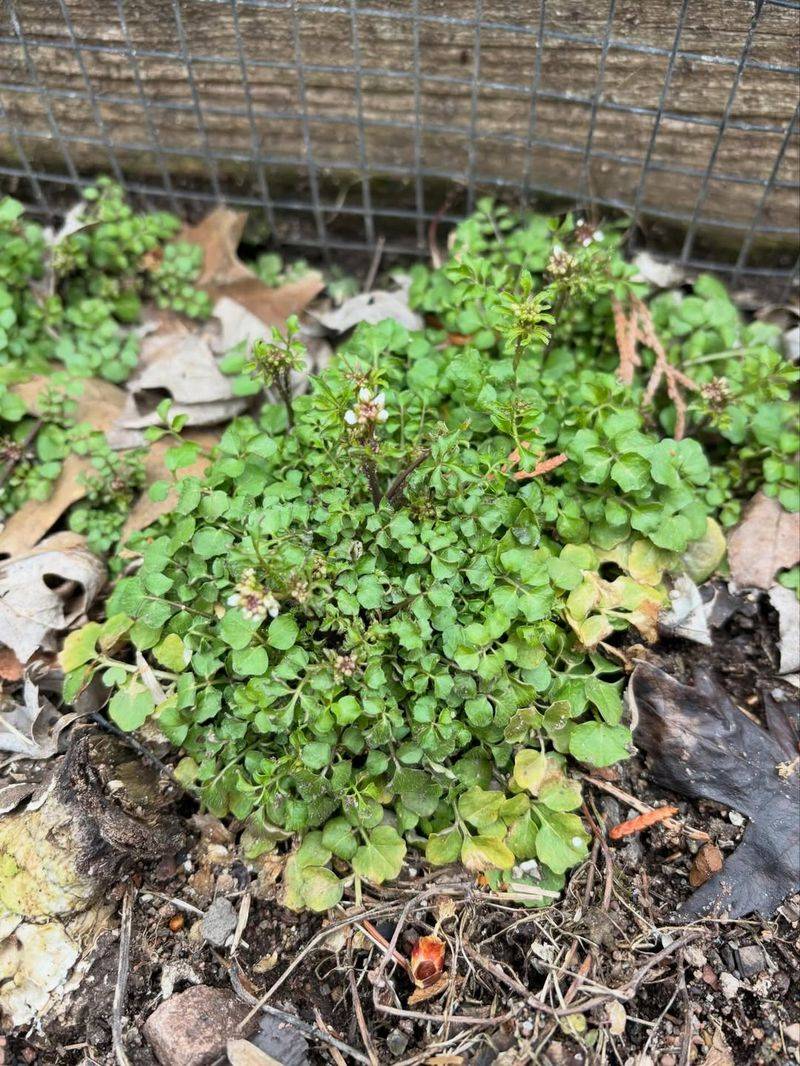
It goes by many names, including bittercress and snapweed, and it earns every one of them. Like its close cousin hairy bittercress, it launches seeds when disturbed.
But shotweed tends to carpet entire areas of bare soil, forming a thick green mat that can look almost like a ground cover until you realize what you are dealing with.
By the time most gardeners notice shotweed taking over, it has already been seeding for weeks. The plants are small and blend in easily with garden soil and mulch.
They prefer cool, moist conditions but can grow surprisingly fast even in late summer when given water.
Getting on top of shotweed early means getting on your hands and knees for a close look at your beds. Check around the base of vegetables, perennials, and along pathways.
The plants have a thin taproot that slides out easily when the soil is moist. Pull from the base and keep the motion steady.
Avoid using a hoe or cultivator once seed pods have formed. Disturbing the soil at that stage just triggers mass seed release.
Hand pulling is the safest method when the plant is mature.
Keeping beds well-mulched and densely planted leaves little bare soil for shotweed to colonize. Consistent attention through late summer and into fall makes a real difference.
A few minutes of weeding each week now saves hours of work when the next growing season rolls around.
8. Pigweed Can Flood Bare Soil With Seed
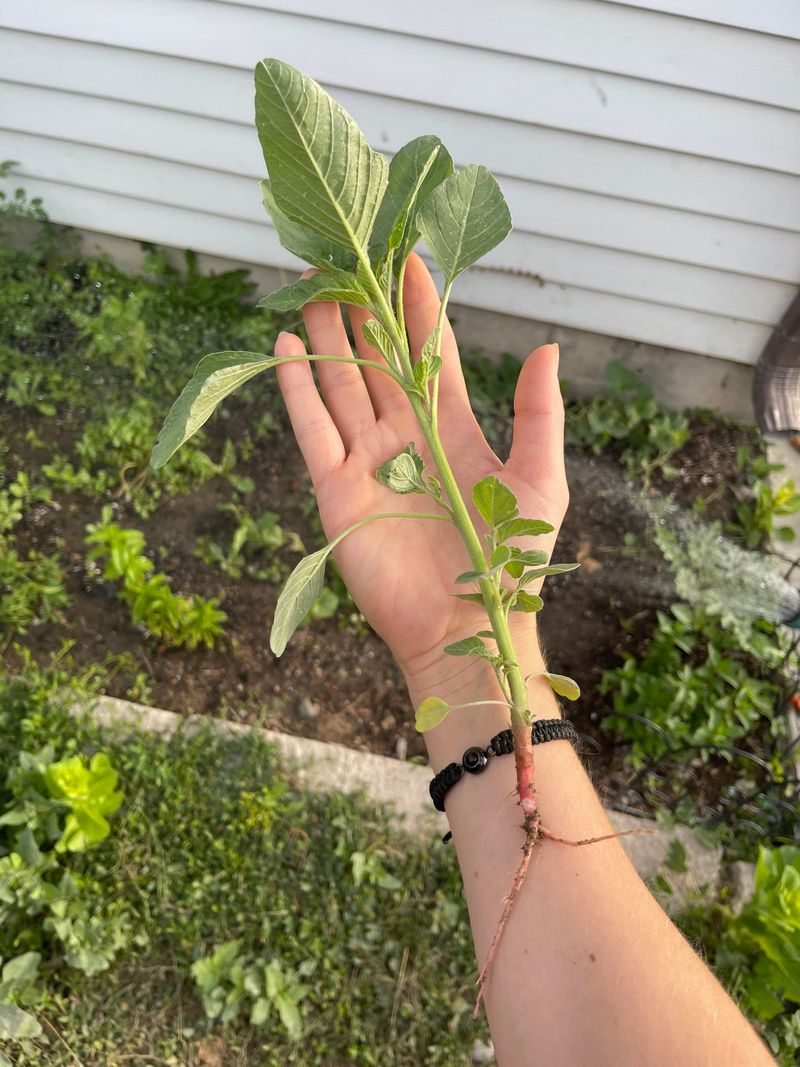
Redroot pigweed is one of the most productive seed-makers in the weed world. A single large plant can produce between 100,000 and 200,000 seeds in one season.
Those seeds are small, dark, and tough, and they can remain viable in the soil for up to 40 years. That is a long time for a weed to wait for its moment.
Pigweed loves disturbed, bare soil, which is exactly what a vegetable garden provides. It grows fast in warm weather, sometimes adding several inches in height per week during peak summer conditions.
By late summer, plants that started small can be waist-high and already setting seed.
The seed heads look like dense, bristly spikes at the top and along the upper stems. When those spikes start to dry out and turn from green to brown, seeds are close to dropping.
Pull plants before that happens and bag them immediately.
Young pigweed is easy to pull by hand. Older plants develop a thick taproot that may need a hand fork or trowel to loosen first.
Always wear gloves since the stems can be rough and scratchy. Try to remove the full root to prevent regrowth.
After pulling, avoid leaving the bare soil exposed for long. Planting a cover crop or adding a thick layer of mulch helps block new pigweed seedlings from taking hold.
Covering the soil is one of the simplest and most effective long-term strategies for keeping this weed in check.
9. Lambsquarters Seeds Linger In Garden Beds
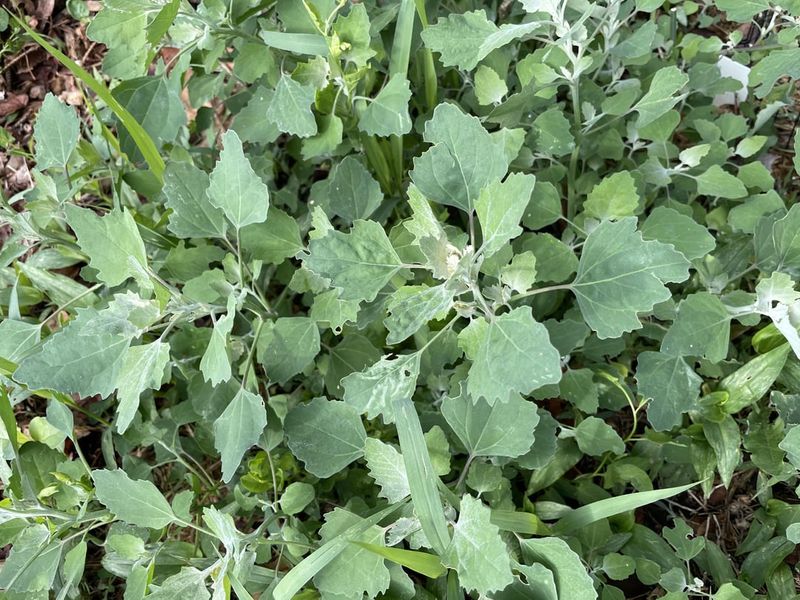
Lambsquarters might look like a soft, harmless plant with its powdery blue-green leaves, but do not let the gentle appearance fool you. Each plant produces tens of thousands of tiny black seeds, and those seeds are legendary for how long they survive in the soil.
Studies have found viable lambsquarters seeds in soil that was over 1,700 years old.
It is one of the most common weeds in vegetable gardens across Oregon. It sprouts early in spring and keeps going strong through late summer.
By August and September, mature plants are covered in clusters of tiny green seeds that dry quickly and drop into the soil.
Young plants are easy to pull and actually edible. Many people use the leaves in salads or cooked dishes, similar to spinach.
But once the plant starts producing seeds, the priority shifts to removal before those seeds hit the ground.
Grab the stem near the base and pull with a steady upward motion. The roots are not especially deep, so removal is usually straightforward in loose or moist garden soil.
Bag the plants rather than tossing them in the compost pile.
Hot compost piles can break down lambsquarters seeds, but most home compost systems do not get hot enough to do the job reliably. Bagging and trashing seed-bearing plants is the safer choice.
Keeping beds mulched and weeded through late summer reduces how many seeds get added to your soil bank each year.