Why Mustard Greens Belong In Every North Carolina Garden Seeded In Late Summer
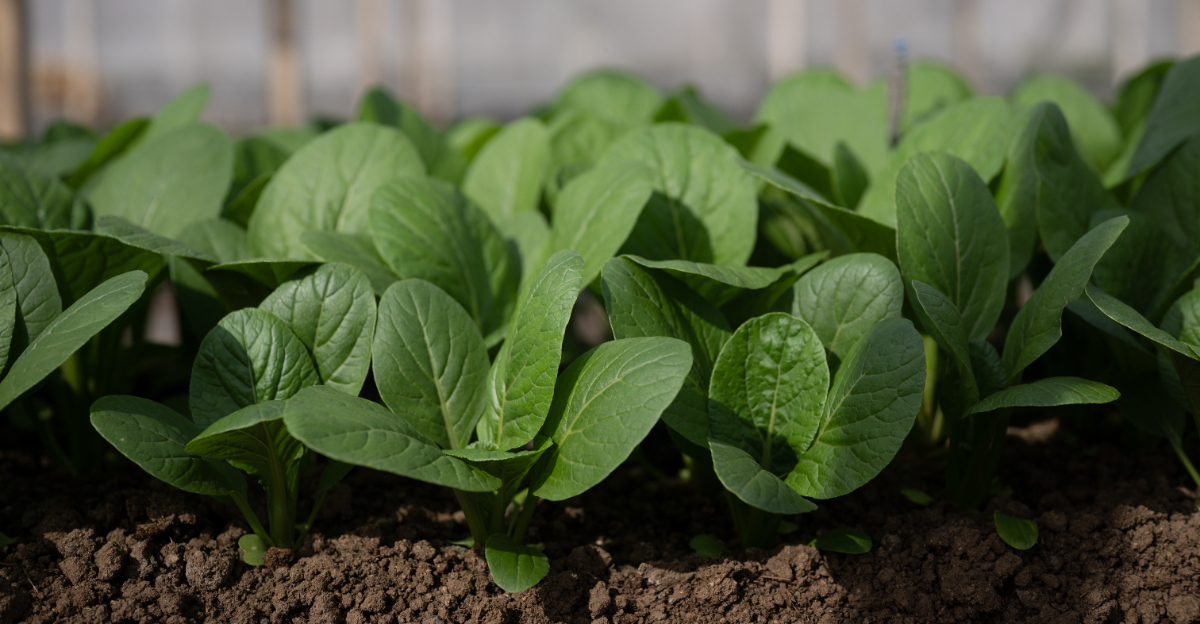
Mustard greens are one of the easiest crops to grow, and a late summer seeding gives North Carolina gardeners a fast, reliable harvest before winter sets in.
These greens germinate quickly and mature in just a few weeks, making them perfect for filling gaps in the fall garden.
Cooler temperatures actually improve their flavor, taking away some of the sharp bite they have in hot weather. Mustard greens also tolerate light frost well, extending the harvest season longer than many other crops.
They aren’t picky about soil either, growing well in average garden beds without much fuss. Succession planting every couple of weeks keeps a steady supply coming through fall.
Their peppery leaves work great in soups, sautés, or fresh salads. Few crops offer this much reward for so little effort.
1. Cooler Fall Conditions Support Better Growth
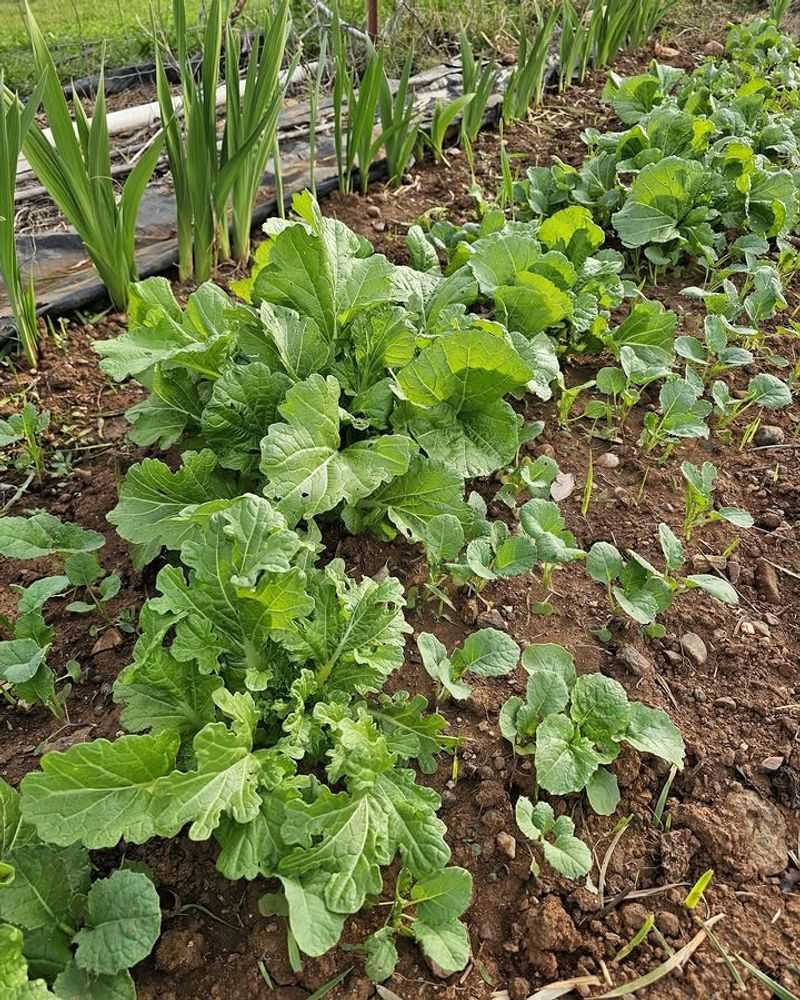
Mustard greens have a secret weapon that most summer vegetables simply do not have: they actually prefer cooler weather. While tomatoes and peppers struggle when the heat fades, mustard greens hit their stride.
Seeding in late summer means your plants will be ready to take full advantage of North Carolina’s mild fall temperatures.
Cooler conditions help the leaves stay tender and flavorful instead of turning tough or bitter from intense heat. Gardeners who have grown mustard in both summer and fall often say the fall crop tastes noticeably better.
That natural sweetness and mild spice in the leaves comes through much more clearly when temperatures drop.
Consistent moisture is important, especially during the first few weeks when seedlings are still getting established. Water regularly but avoid soaking the soil for too long, since good drainage helps roots stay healthy.
A light layer of mulch around young plants can hold moisture in and keep the soil temperature steady.
If an unusually warm afternoon rolls in during late August or early September, young seedlings may need a little shade cloth protection for a few hours. A simple piece of row cover propped up loosely works well for this.
Spacing plants properly, usually around six inches apart, also helps air move around the leaves and keeps conditions comfortable for steady, healthy growth.
Starting seeds during this window gives your mustard greens exactly the environment they were built for, setting up your fall garden for a strong and satisfying harvest.
2. Fast Maturity Brings An Early Harvest
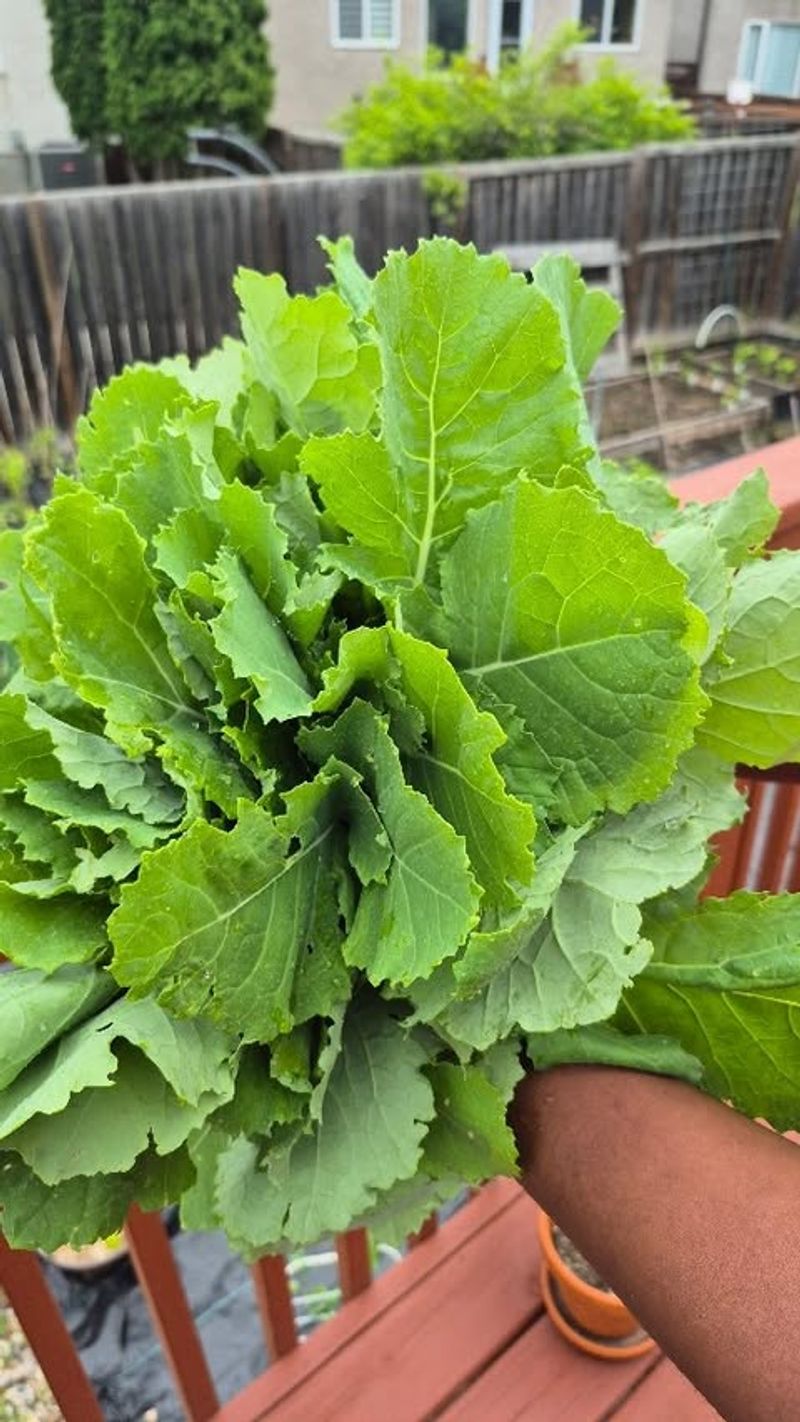
Few vegetables move from seed to table as quickly as mustard greens. According to NC State planting calendars, mustard greens typically reach harvest size in about 30 to 40 days from seeding.
That speed is a huge advantage for gardeners who want results without waiting through an entire season.
That quick turnaround means you can seed in late August and be picking fresh leaves well before the middle of October.
For a gardener who missed the summer planting window or wants to squeeze extra productivity out of the season, mustard greens are a genuinely smart choice.
The short growing period also means fewer weeks of watering, weeding, and watching the sky for unexpected weather.
Your North Carolina Garden Changes Every Week. Your Plan Should Too.
Gardening in North Carolina changes quickly throughout the season. Every Friday you’ll receive a simple weekly plan showing exactly what to plant, prune, fertilize, harvest, and protect so you never miss the right timing.
Young leaves can actually be gathered before the plant fully matures, as long as they have reached a size that is useful in the kitchen.
Baby mustard leaves add a mild peppery kick to salads and sandwiches without the stronger bite that larger, more mature leaves carry.
Harvesting a few outer leaves early encourages the plant to keep producing, which stretches your picking window even further.
Maturity time can shift depending on the variety you choose, as well as local soil conditions, moisture levels, and how warm or cool the fall turns out to be. Always check the seed packet or catalog description for the specific variety you plan to grow.
Knowing the expected days to maturity for your chosen cultivar helps you plan your planting date and your meals with much more confidence.
3. Repeated Sowings Extend The Picking Season
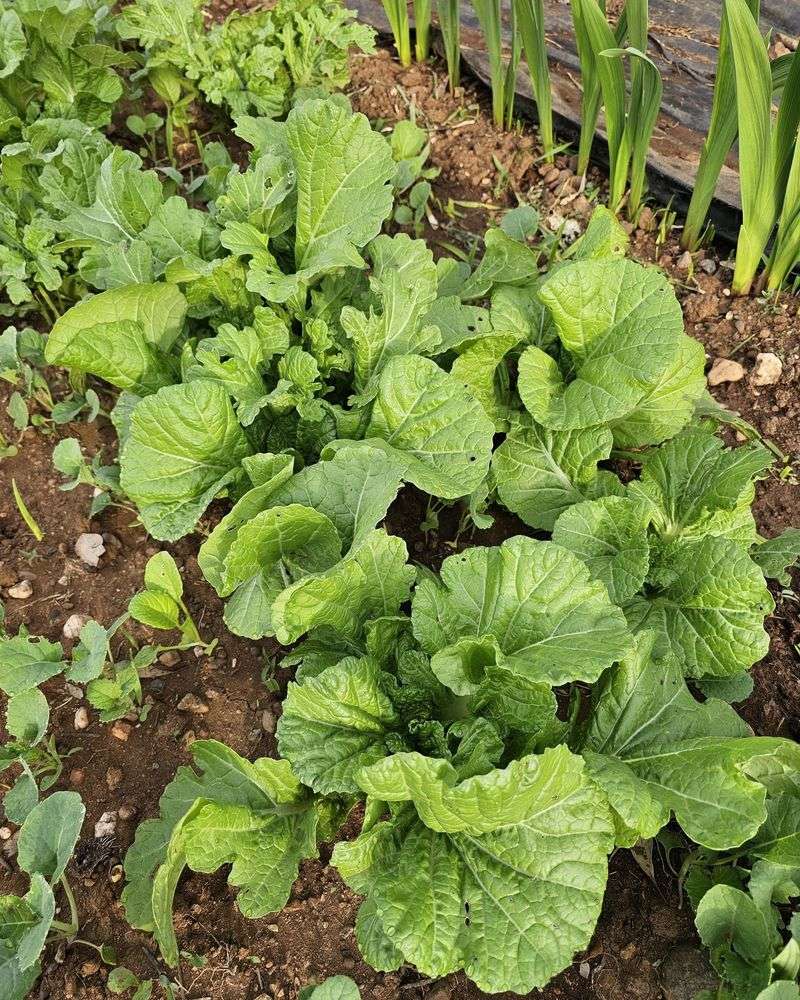
Imagine stepping outside every week or two throughout fall and always finding fresh mustard greens ready to pick. That is exactly what succession planting can do for your garden.
Instead of sowing all your seeds at once and dealing with a giant harvest on one single day, you spread smaller amounts of seed every two to three weeks throughout the suitable planting window.
Succession planting is one of the smartest habits any vegetable gardener can build. When one small patch of mustard greens reaches harvest size, the next batch is already filling in behind it.
The result is a steady, manageable supply of fresh leaves rather than an overwhelming pile all at once.
North Carolina’s fall planting window is long enough in most regions to support several rounds of sowings. Coastal Plain gardeners especially have a generous window that can stretch well into fall.
Piedmont gardeners also have solid options, though they may want to plan their final sowing a bit earlier to stay ahead of cold snaps.
The final sowing date you choose should account for your local elevation, your region’s typical first frost date, and whether you have any frost protection like row covers or cold frames available.
Pushing the last sowing too late without protection is a gamble, so plan thoughtfully. With a little spacing between each planting, your fall mustard crop can keep delivering fresh, flavorful leaves for weeks on end, making every trip to the garden feel worthwhile.
4. One Planting Offers Multiple Harvest Stages
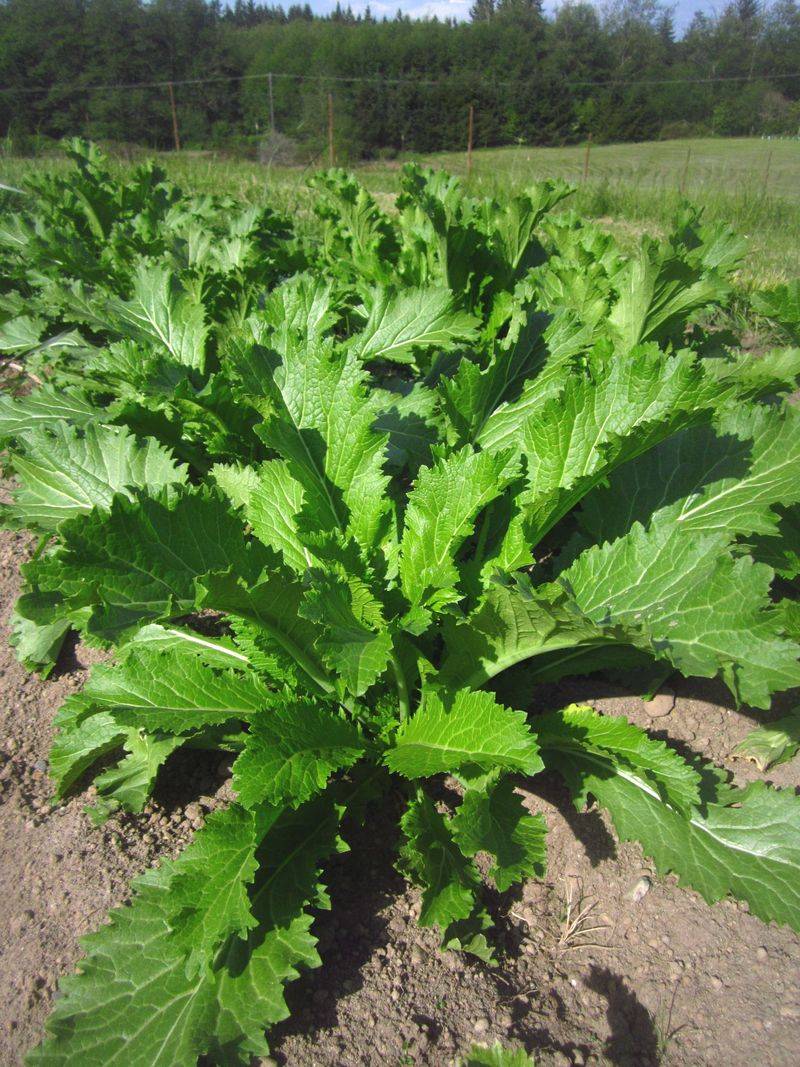
Not every vegetable gives you options, but mustard greens are refreshingly flexible at harvest time. You can pick them young and tender for salads, or let them grow larger for braising, sauteing, or adding to soups and stews.
That range of uses makes a single planting surprisingly versatile in the kitchen.
The cut-and-come-again method works beautifully with mustard greens. By removing only the outer, more mature leaves while leaving the central growing point untouched, you allow the plant to keep pushing out new growth.
Gardeners who use this technique often get multiple rounds of leaves from the same plant before the season wraps up.
Clean harvesting habits matter more than most gardeners realize. Use clean scissors or garden snips rather than tearing leaves by hand to reduce the risk of introducing problems to the plant.
After each harvest, take a moment to inspect the leaves and soil for common pests like flea beetles, aphids, caterpillars, slugs, and snails, since all of them are drawn to mustard greens.
Flea beetles, in particular, can be a persistent issue in North Carolina fall gardens. They create tiny holes in the leaves that look almost like someone took a hole punch to the foliage.
Row covers placed over young plants right after seeding can stop flea beetles before they become a serious problem.
Keeping the planting area tidy, removing fallen leaves, and checking plants regularly gives your mustard greens the best shot at producing clean, healthy harvests from start to finish.
5. Established Plants Tolerate Light Frost
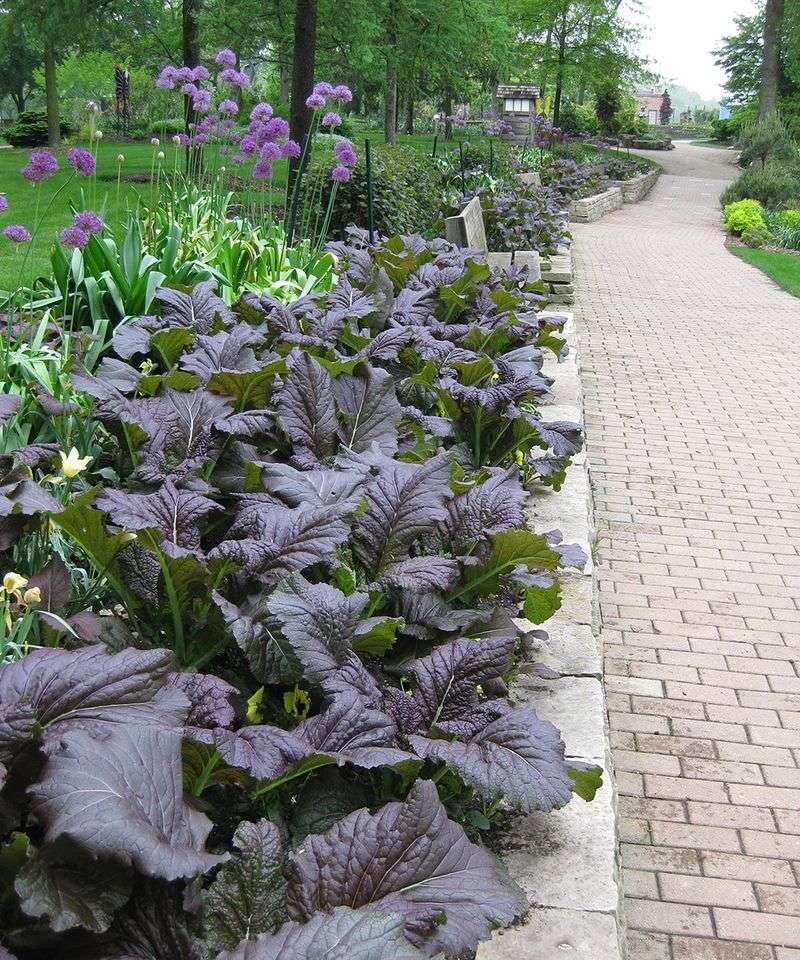
One of the most underappreciated qualities of mustard greens is their ability to keep growing even after a light frost settles in.
While many fall vegetables tap out when temperatures dip, well-established mustard plants can shrug off a light freeze and continue producing.
That resilience is a genuine bonus for North Carolina gardeners trying to stretch the season. NC State notes that curly leaf cultivars may handle frost better than straight leaf varieties, which is worth keeping in mind when you are choosing seeds.
If your goal is to push the season as far into fall as possible, selecting a curly leaf variety gives you a bit more built-in protection against those early cold nights.
Seeding in late summer is what makes this frost tolerance useful. Plants that go into the ground in August or early September have weeks to develop strong root systems and sturdy leaf growth before cold nights arrive.
A seedling that just sprouted last week will not handle frost the way a plant that has been growing for a month or more will.
Row covers are a simple and affordable tool for extending the season even further when temperatures threaten to drop below what established plants can handle on their own.
A lightweight floating row cover laid over the plants on cold nights traps heat close to the leaves and can add several degrees of protection. Anchoring the edges with soil, rocks, or garden staples keeps it in place through windy fall nights.
With a little planning, mustard greens can keep your fall garden productive well past the first frost.
6. Mustard Greens Fit Beds And Containers
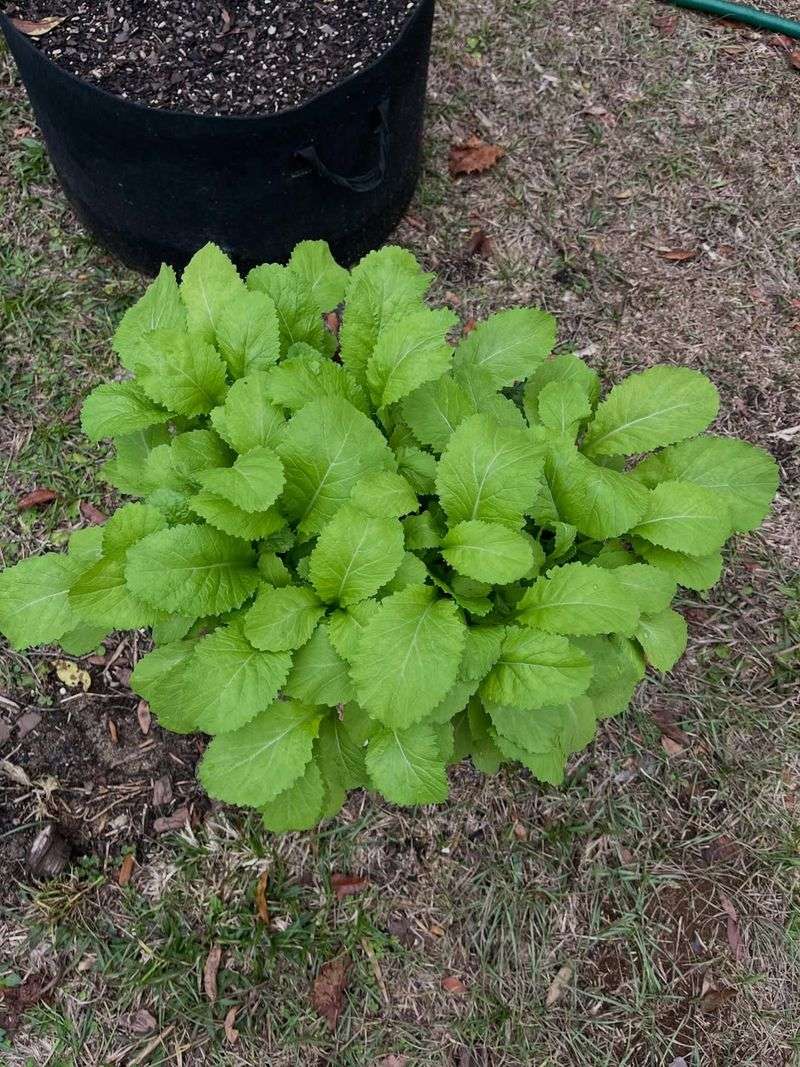
Not every gardener has a large plot of land to work with, and that is perfectly fine when it comes to mustard greens. These leafy vegetables adapt well to raised beds, traditional in-ground rows, and container gardens alike.
Their upright growth habit and relatively compact size make them an easy fit for a wide range of growing spaces.
Container growing is a genuinely practical option for anyone with a sunny porch, balcony, or patio. Choose a pot that is at least 8 to 12 inches deep and has drainage holes at the bottom, since waterlogged roots will stall growth quickly.
Fill it with a rich, quality potting mix rather than garden soil, which tends to compact in containers and restrict root development.
Moisture management is the biggest challenge with container-grown mustard greens, especially during the warmer weeks of late summer and early fall.
Containers can dry out faster than in-ground beds because they hold less soil volume and heat up more quickly in the sun.
Checking the soil moisture daily and watering when the top inch feels dry keeps container plants growing steadily.
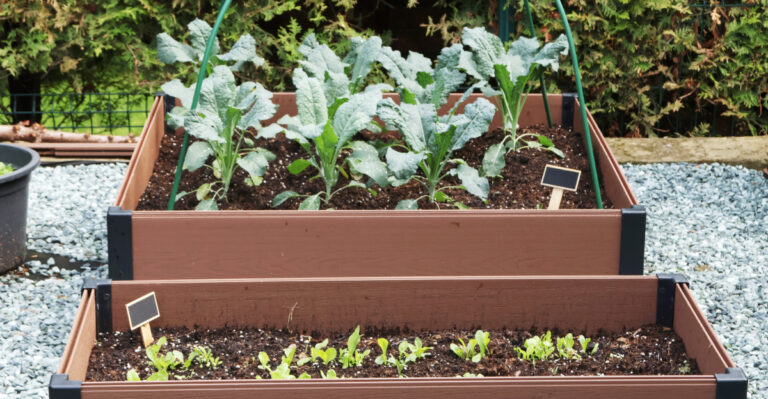
Raised beds offer a middle ground between containers and traditional plots. They warm up quickly in early fall, drain well, and are easy to amend with compost for a nutrient boost.
Mustard greens planted in a raised bed typically establish quickly and respond well to the loose, well-aerated soil that raised bed gardening naturally provides. Whatever space you have available, there is a way to fit mustard greens into it this fall season.
7. Flexible Light Needs Expand Planting Options
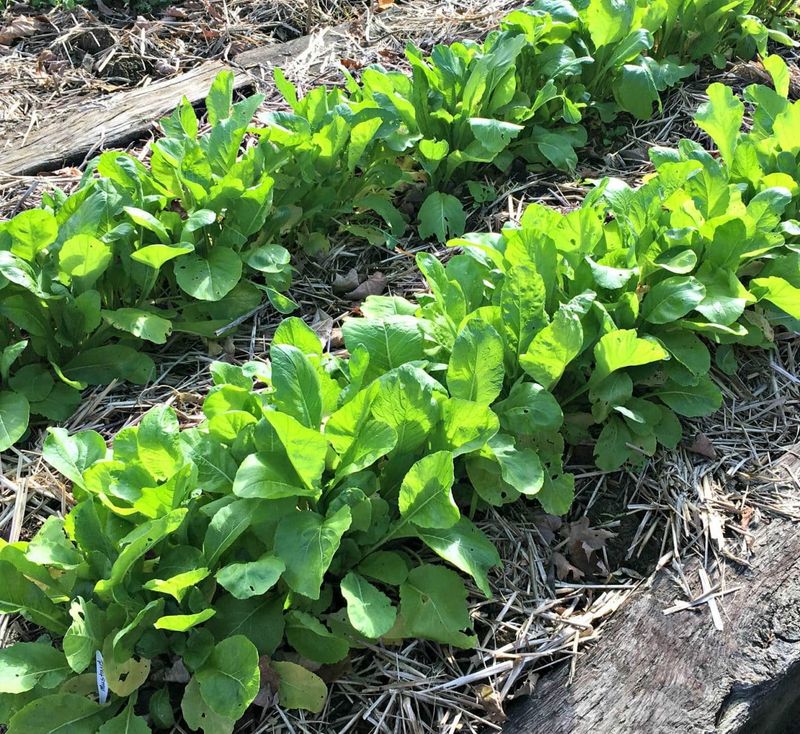
Full sun is ideal for mustard greens, but the good news is that they are not rigid about it.
Unlike tomatoes or squash, which really do need six to eight hours of direct sun to produce well, mustard greens can manage with a bit less light and still deliver a solid harvest.
That flexibility opens up planting spots in your yard that might otherwise go unused. Areas that receive four to six hours of sun per day are often workable for mustard greens, especially during the cooler fall season when the sun sits lower in the sky.
Spots under the edge of a tree canopy or along a fence that gets morning sun and afternoon shade can be surprisingly productive.
Morning sun is generally preferred because it dries dew off the leaves, which helps reduce the chance of fungal issues. Some afternoon shade can actually be helpful during the earliest part of the late summer planting window.
When temperatures are still running warm in August, a bit of shade during the hottest part of the day takes pressure off young seedlings and helps them get established without stress.
As fall progresses and temperatures naturally moderate, those same plants will handle full sun just fine.
Airflow is another factor worth thinking about in shadier spots. Good air circulation around the leaves helps prevent moisture from sitting on the foliage too long, which can encourage fungal problems in damp conditions.
Proper spacing and avoiding overcrowding gives plants room to breathe and keeps the growing environment healthier through the season.
8. Regional Timing Makes Late Summer Seeding Practical
North Carolina stretches across a wide range of climates, from the cool mountain elevations of the west to the warm, humid Coastal Plain in the east.
That diversity means there is no single perfect planting date that works for every gardener across the state.
Understanding your region’s timing is one of the most practical things you can do before putting mustard green seeds in the ground.
Western North Carolina gardeners generally need to seed earlier in the late summer window because cool temperatures arrive sooner at higher elevations.
Waiting too long in the mountains can mean seedlings face cold nights before they have had time to properly establish.
Piedmont gardeners typically have a bit more flexibility, with a window that often runs from mid-August into September depending on the year.
Coastal Plain gardeners in eastern North Carolina often have the most generous fall planting window of all, with warmer conditions lasting well into October.
That extended warmth gives coastal gardeners more room to experiment with later sowings and still get a good crop before serious cold arrives. It also makes succession planting even more viable in that part of the state.
NC State planting calendars are a solid starting point, but they are guidelines rather than guarantees. Local elevation, yearly weather patterns, and the specific variety you choose all influence how those dates play out in your actual garden.
Checking the planting calendar for your specific North Carolina region before finalizing your sowing date is a straightforward step that can make a meaningful difference in how your fall mustard green crop performs.