More Toads Near Your Texas Foundation Means Fewer Cockroaches In Garden Areas (How To Attract Them)
Cockroaches around a Texas foundation are one of those pest problems that feel like they’re always just one step ahead of whatever you try. Treatments work temporarily, conditions reset, and the roaches come back with the same confidence as before.
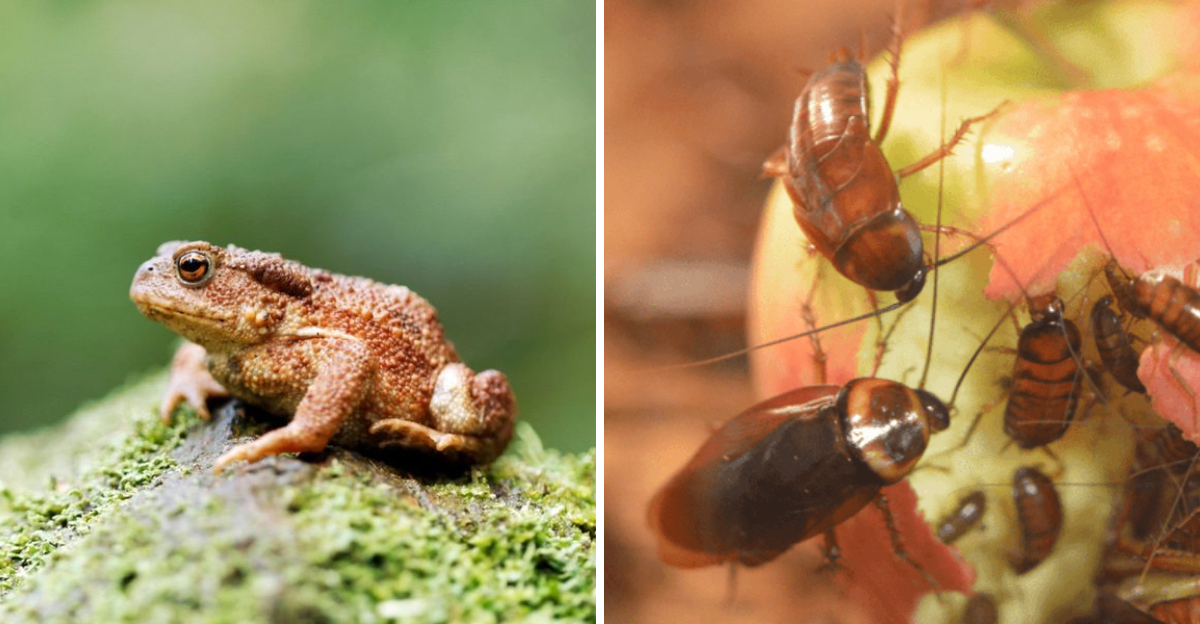
But there’s a natural predator that hunts cockroaches at night, works right along the foundation zone where roaches are most active, and asks almost nothing from you in return. Toads are remarkably effective cockroach hunters.
A toad that takes up residence near your Texas foundation will consume an impressive number of cockroaches and other garden pests every single night. They’re silent, they’re harmless, and they work the exact hours and locations where cockroach activity peaks.
Having a few reliable toad residents around your foundation is one of the most practical forms of natural pest control available to a Texas homeowner.
The even better news is that attracting toads is genuinely simple once you understand what they’re looking for. Here’s exactly how to make your Texas foundation area a place toads want to call home.
1. Create A Shady Toad Abode
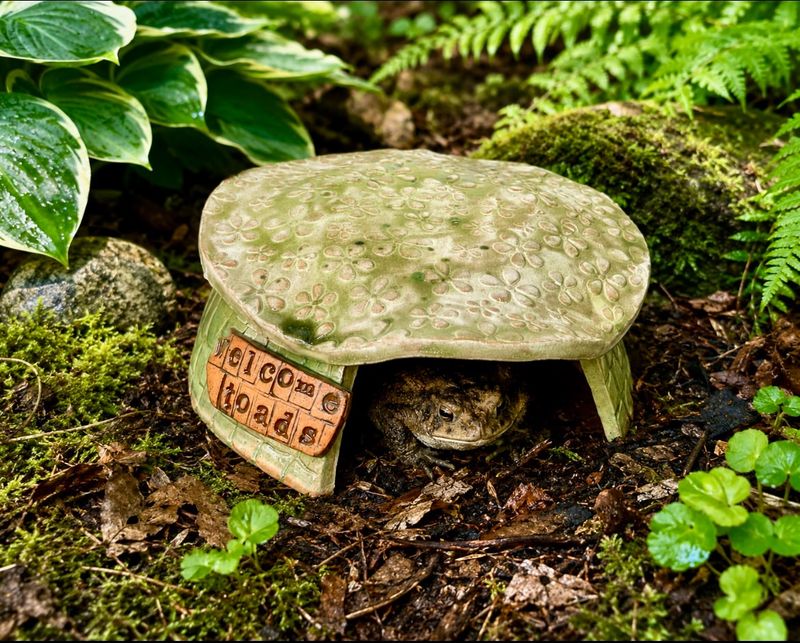
Picture this: a chunky little toad tucked under a clay pot, staying cool while waiting for nighttime hunting. That is exactly the kind of setup that keeps toads coming back to your yard season after season.
Toads are not asking for much. They just want a shady, slightly cool place to rest during the hot Texas day.
An overturned clay pot works perfectly as a toad shelter. You can chip a small notch into the rim so the toad can squeeze in and out easily.
Half-bury the pot in a shaded garden bed near your foundation, and you have yourself a ready-made toad home. Texas Parks and Wildlife specifically recommends simple shelters like this for backyard wildlife habitats.
Ceramic and clay pots stay naturally cooler than plastic, which toads really appreciate during brutal Texas summers. Place the shelter near plants or low ground cover so the toad feels hidden and protected.
Toads are shy creatures. They will avoid open, exposed areas where they feel vulnerable to birds and other predators.
You can also use a broken ceramic bowl or a flat piece of bark propped against a rock. The goal is shade, cover, and a little bit of ground moisture underneath.
Once a toad finds your shelter, it will often return to the same spot every single night. That kind of loyalty pays off big time when cockroaches start wandering through your garden beds after dark.
A shady toad abode is honestly one of the easiest and cheapest upgrades you can make for natural pest control around your Texas home.
2. Keep One Damp Corner, Not A Soaked Foundation
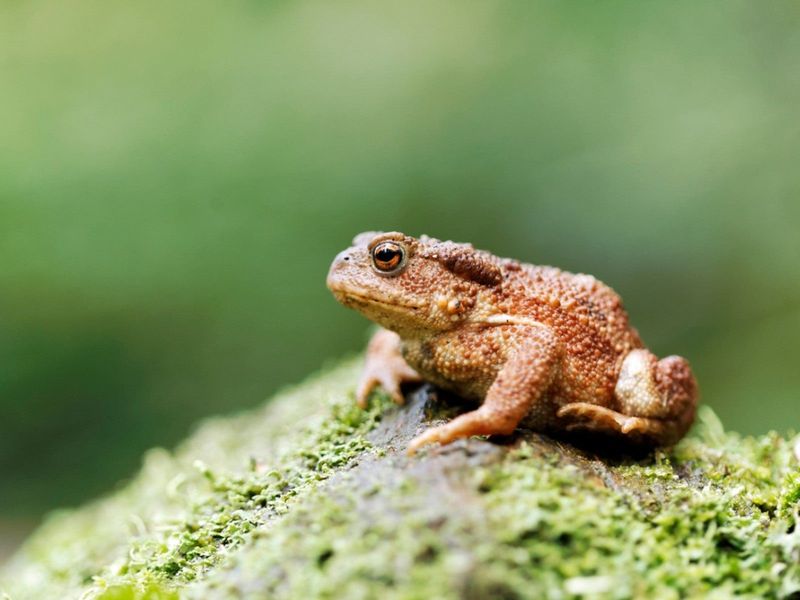
Moisture management around a Texas foundation is a balancing act that most homeowners struggle with.
Toads need a certain level of dampness to stay hydrated through their skin, but a constantly soaked foundation bed is an open invitation for cockroaches, mold, and structural problems.
Your Texas Garden Changes Every Week. Your Plan Should Too.
Gardening in Texas changes quickly throughout the season. Every Friday you’ll receive a simple weekly plan showing exactly what to plant, prune, fertilize, harvest, and protect so you never miss the right timing.
The trick is giving toads what they need without creating conditions that attract pests.
Pick one small corner of your garden, away from the actual foundation wall, and let it stay a little more moist than the rest of the yard. A shaded spot under a tree or near a large shrub works really well for this.
You can place a few smooth rocks there to hold some ground moisture and give the toad a cool surface to rest on during the evening hours.
Meanwhile, keep the soil right next to your foundation on the drier side. Make sure your sprinklers are not soaking the foundation bed every single day.
Good drainage and proper ventilation around the base of your home go a long way toward making that area less attractive to roaches and other moisture-loving insects.
Cockroaches absolutely thrive in wet mulch and soggy soil. When you remove that constant dampness from the foundation zone, you are already cutting off one of their biggest comfort zones.
The toad gets its moist retreat a few feet away, and your foundation stays better protected from both pest activity and potential water damage.
It is a straightforward strategy that addresses two problems at once without requiring any special equipment or expensive landscaping work around your yard.
3. Add A Shallow Water Dish At Ground Level
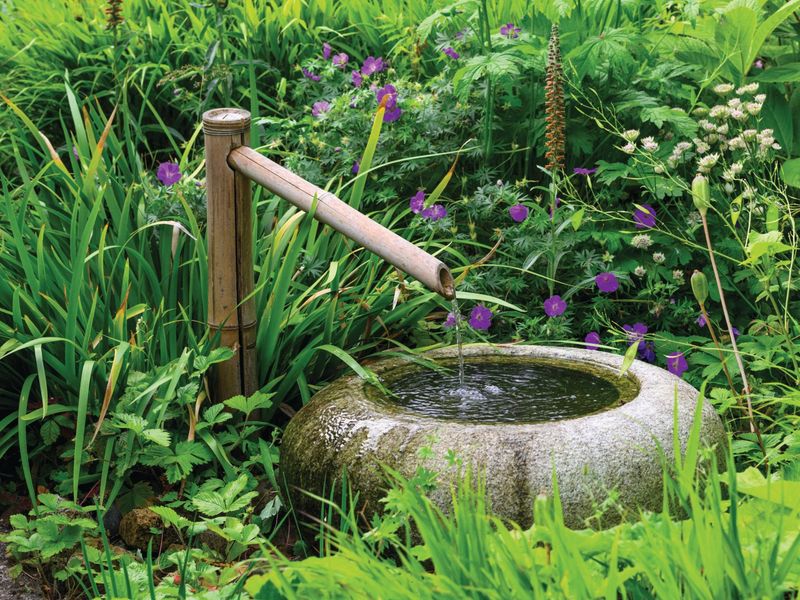
Toads do not drink water the way most animals do. Instead of sipping through their mouths, they absorb water directly through their skin by sitting in shallow puddles or wet surfaces.
That little biology fact changes everything about how you should set up water sources for them in your yard. A deep birdbath on a pedestal does almost nothing for a ground-level toad.
A simple low saucer or shallow wildlife dish placed right on the ground is exactly what toads are looking for. You can find inexpensive terracotta saucers at any garden center, and they work perfectly for this purpose.
Place the dish in a shaded spot near your toad shelter, and fill it with just an inch or two of fresh water. Toads will find it quickly, especially during dry Texas summers when natural moisture is scarce.
Refreshing the water every couple of days is really important. Stagnant water becomes a breeding ground for mosquitoes, which is the last thing you want to add to your yard pest situation.
A quick rinse and refill every few days keeps the dish clean and safe for the toad while eliminating any mosquito larvae before they can hatch.
You can also add a couple of small flat rocks inside the dish so the toad has a surface to grip while soaking. Smooth, slippery surfaces can be tough for them to climb out of.
Once your toad discovers the water source, it becomes a reliable anchor point that keeps the animal returning to the same garden area night after night, hunting cockroaches and other insects along the way.
4. Stop Spraying Broad-Spectrum Insecticides
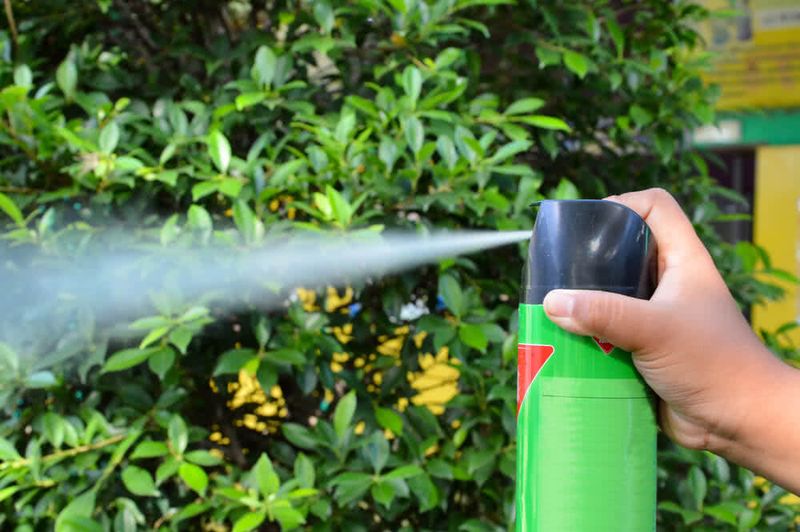
Broad-spectrum insecticides are one of the biggest reasons toads disappear from residential yards. These sprays do not just target cockroaches or one specific pest.
They wipe out a huge range of insects all at once, including the beetles, moths, and other bugs that toads rely on for food. When the food supply drops, toads move on to better hunting grounds.
Beyond the food problem, insecticide residue on soil and plants can absorb directly through a toad’s sensitive skin. Because toads spend so much time in contact with the ground, they are far more exposed to chemical residues than most other backyard wildlife.
Even products labeled as safe for use around gardens can affect toads when applied heavily or repeatedly over the same area.
Cutting back on sprays does not mean giving up on pest control altogether. Spot treatments for specific problem areas are far less disruptive than blanket applications across the entire yard.
Physical barriers, sticky traps near entry points, and targeted baits can handle many pest issues without creating a chemical-saturated environment that pushes toads away.
A yard with a healthy and varied insect population is actually a well-functioning ecosystem. Not every bug you see is a pest worth worrying about.
When toads are present and active, they naturally regulate insect populations on their own schedule, hunting through the night while you sleep.
Letting that natural process work without chemical interference is one of the most effective long-term strategies for keeping cockroach numbers down in your Texas garden beds throughout the warmer months of the year.
5. Use Leaf Litter And Native Plants For Cover
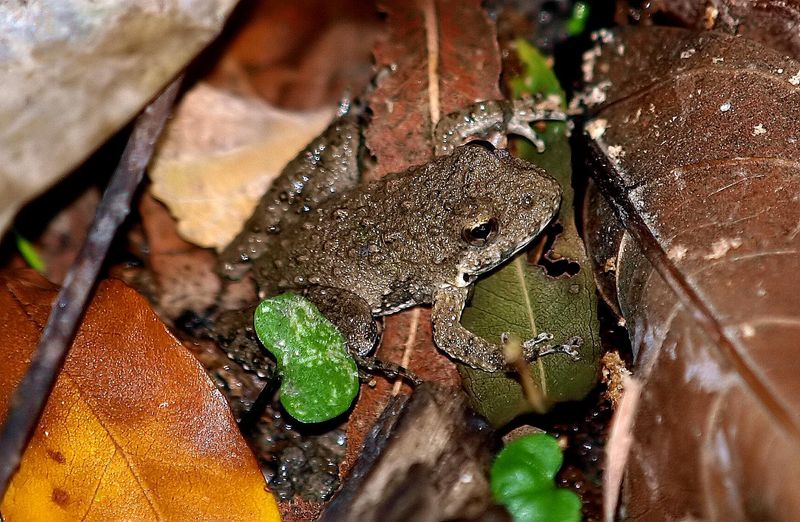
A completely bare foundation bed might look tidy, but for a toad trying to survive the Texas heat, it is basically a desert with no shade and nowhere to hide.
Toads need ground-level cover to feel safe, and native plants combined with a thin layer of leaf litter can provide exactly that without turning your yard into a messy, overgrown space.
Native Texas plants like lantana, Texas sage, turk’s cap, and inland sea oats are excellent choices for foundation beds near areas where you want to attract toads.
These plants grow close to the ground, provide natural shade, and support native insect populations that toads feed on.
They are also drought-tolerant, which makes them practical choices for most Texas landscapes.
A light scattering of dry leaf litter under and around these plants gives toads additional hiding cover during the day. The key word there is light.
A thin layer of dry leaves is useful habitat. A thick, soggy pile of decomposing leaves and wet mulch is something else entirely.
Heavy, damp debris piles are exactly the kind of environment cockroaches love to nest and breed in.
Keeping leaf litter loose and shallow, no more than an inch or two deep, gives toads the cover they want while staying dry enough to avoid becoming a roach magnet. Rake out any spots where leaves are packing together and holding moisture against the soil.
With the right balance of native plants and light groundcover, your foundation bed can support toad activity while actually making the area less hospitable to the cockroaches you are trying to reduce.
6. Remove The Roach Buffet At The Same Time
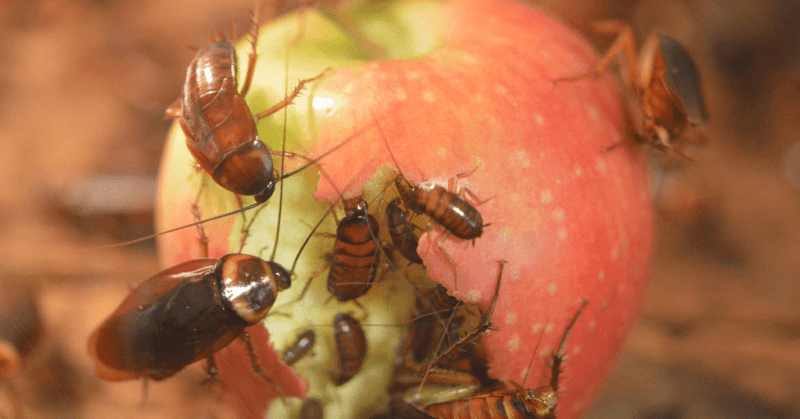
Toads are impressive hunters, but even the most dedicated toad cannot overcome a yard that is absolutely loaded with cockroach attractants. Think of it like trying to reduce traffic on a highway while adding three new on-ramps at the same time.
The toad does its part, but if the conditions keep drawing cockroaches in, the problem never actually gets smaller.
Pet food left outside overnight is one of the biggest roach magnets around any Texas home. Even a small bowl of dry kibble sitting on a back porch can attract dozens of cockroaches within a single night.
Bring food bowls in before dark, or switch to sealed outdoor pet feeders that do not leave food exposed after sunset.
Fallen fruit from backyard trees is another major issue. Rotting peaches, figs, and citrus on the ground create a feast for cockroaches and other insects.
Picking up fallen fruit regularly, especially during summer and fall, removes a consistent food source that keeps roaches returning to your yard night after night.
Thick damp mulch piled against the foundation, wood scraps stacked near the house, clogged gutters dripping water onto the soil, and leaky outdoor faucets all create the moisture and shelter that cockroaches need to thrive.
Fixing these issues alongside your toad-friendly improvements creates a genuinely hostile environment for roaches.
The toad handles the insects that wander in, and a cleaner yard means far fewer insects are showing up in the first place. Both strategies working together produce much better results than either one alone.
7. Seal The House So Toads Hunt Outside And Roaches Stay Outside
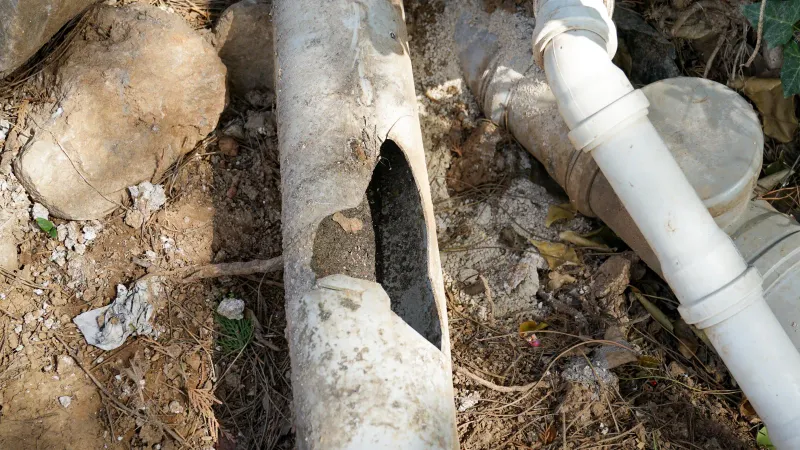
Supporting outdoor wildlife is a smart pest control strategy, but the whole plan only works if your home itself is properly sealed. Toads are outdoor hunters.
They patrol garden beds, foundation edges, and mulched areas at night. Their job is to reduce insect pressure in the yard, not inside your living room. Keeping that boundary clear is essential.
Foundation gaps are one of the most common entry points for cockroaches moving from garden beds into the home. Even a small crack near a pipe opening or a utility line is wide enough for a cockroach to squeeze through.
A tube of exterior caulk and an afternoon of careful inspection around your foundation can close off dozens of these entry points before pests ever get a chance to use them.
Door sweeps on exterior doors are another simple and inexpensive fix that makes a noticeable difference.
Gaps under doors are a direct highway for cockroaches moving from the outdoor environment into the house, especially at night when they are most active. Installing a quality door sweep takes about ten minutes and lasts for years.
Pipe openings, dryer vents, weep holes in brick walls, and gaps around window frames are all worth checking and sealing where appropriate.
Weep holes in brick should be covered with mesh screens rather than fully sealed, since they serve an important ventilation function.
The overall goal is simple. Keep the toads doing their natural work in the garden while making sure the cockroaches they do not catch have no easy route into your home. Outdoor predators plus solid sealing equals a genuinely well-protected Texas home.