What To Do If A Spotted Lanternfly Appears In Your Georgia Yard
Most bugs in your yard barely earn a second glance. Then one shows up that makes you stop and wonder if something has changed.
That uneasy feeling is enough. Do not ignore it or convince yourself it will simply disappear.
If you live in Georgia, this is one backyard surprise worth taking seriously. Staying calm and paying attention from the beginning can make all the difference.
You do not need to panic, but you should know what you are dealing with. A little awareness today can help you feel more confident tomorrow if this unexpected visitor appears again nearby or around your landscape.
Keep your eyes open, trust your instincts, and let good information guide your next move instead of fear or guesswork every single day ahead from now on.
1. Confirm That It Is A Spotted Lanternfly
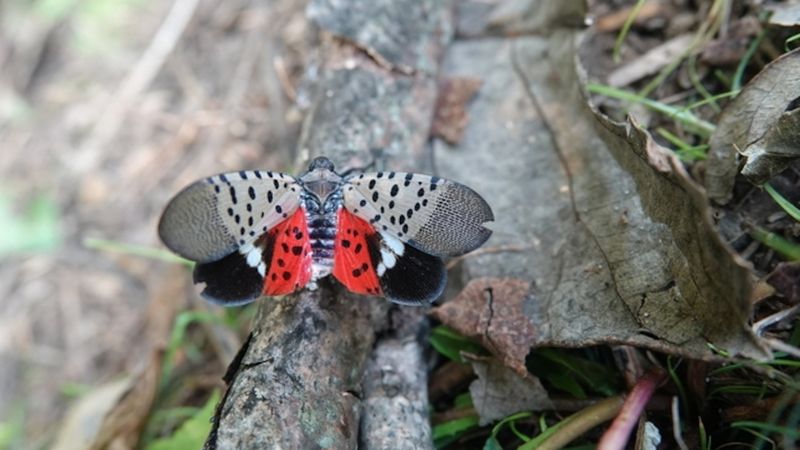
Not every unusual bug you see is a spotted lanternfly. Before doing anything else, take a close look and compare what you are seeing with clear, reliable photos of this pest.
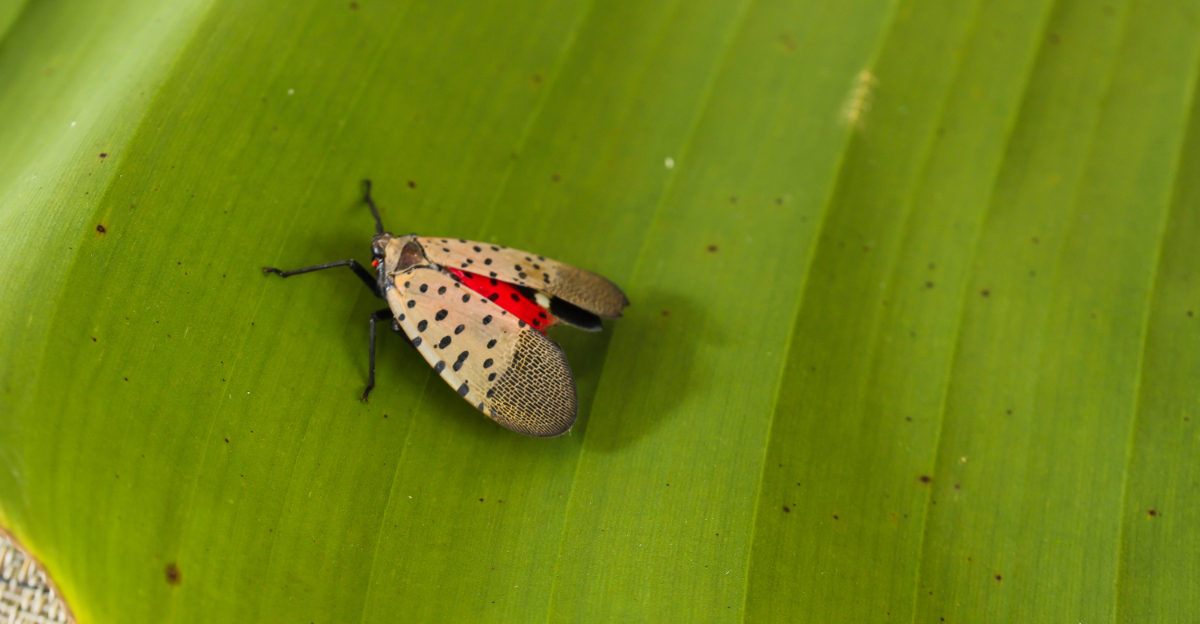
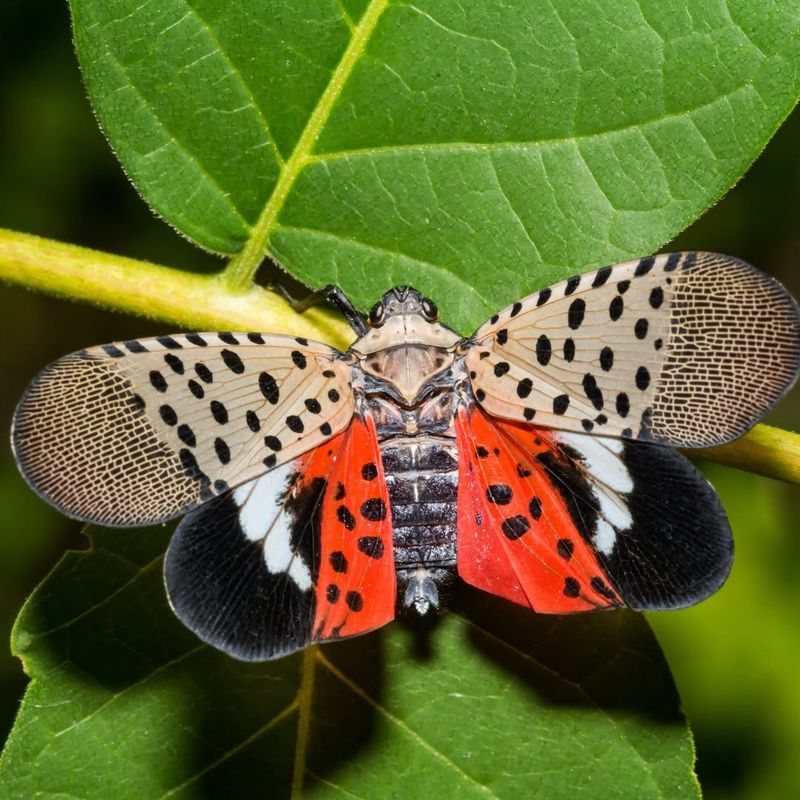
Adult spotted lanternflies are about an inch long. Their forewings are light gray with black spots.
When they open their wings, you see bright red hindwings with black patches and a white band.
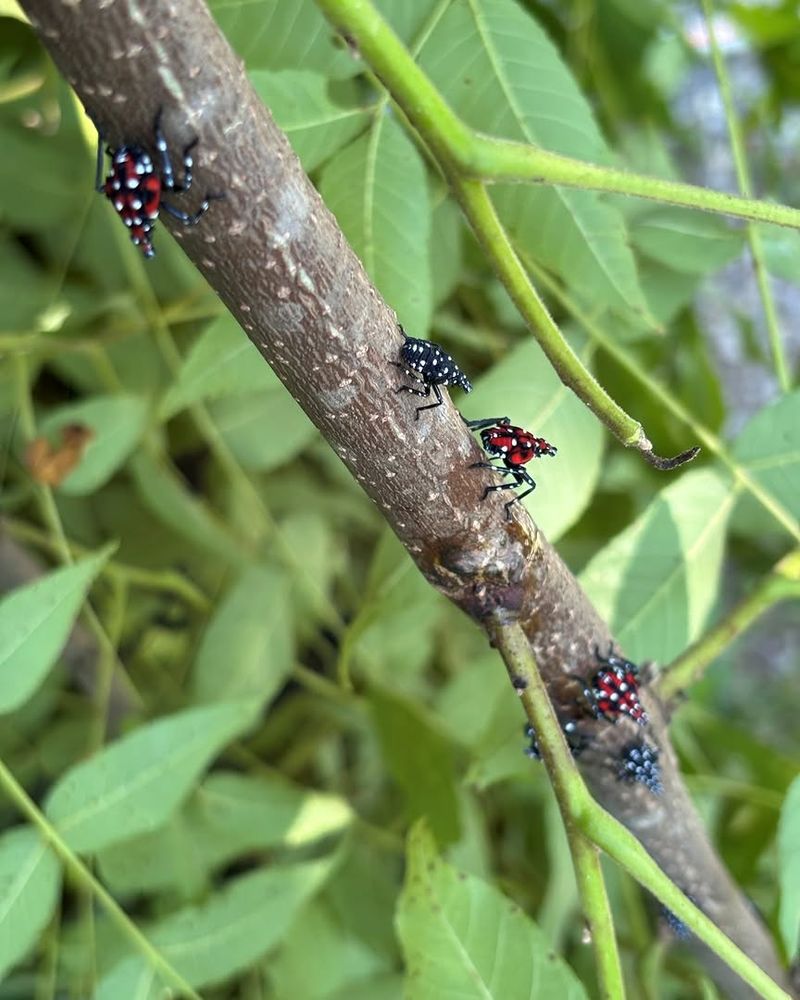
Nymphs look very different. Early-stage nymphs are small and black with white spots.
Later-stage nymphs turn red with white spots and black stripes. Both stages can be found on stems and leaves.
Do not confuse them with native moths or beetles that may share similar coloring.
Compare what you see with verified photos before deciding it is a spotted lanternfly.
Taking a clear photo from multiple angles makes it much easier to check important markings and compare them carefully.
If you are still unsure, place the insect in a sealed container until you can confirm its identity.
Avoid handling it more than necessary so it cannot escape while you inspect it.
Getting a confirmed ID is the most important first step. Acting on a misidentification wastes time and effort.
2. Inspect Nearby Trees And Shrubs Carefully
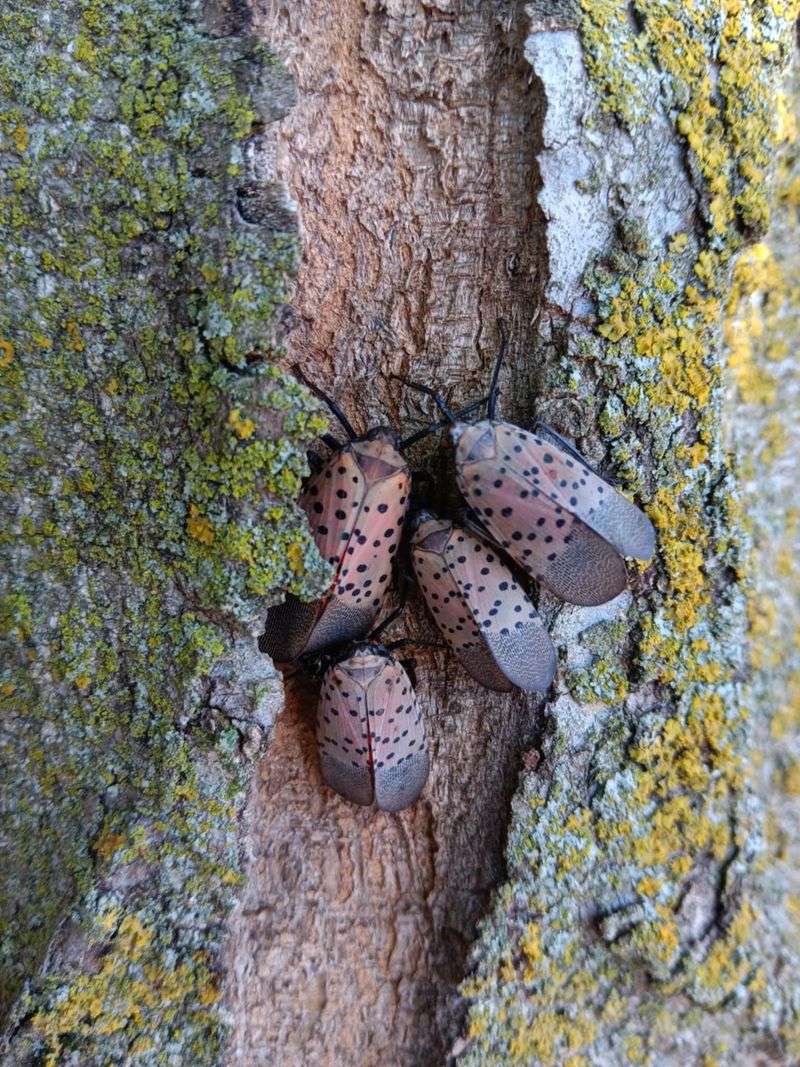
One spotted lanternfly usually means more are nearby. After confirming what you found, walk your entire yard and check every tree and large shrub you have.
Pay close attention to the bark of mature trees. Spotted lanternflies tend to cluster in groups, especially on smooth-barked trees.
Look under leaves, along stems, and near the base of trunks.
Check fruit trees first. Apples, peaches, and cherries are among their preferred hosts.
Grapevines are also highly attractive to this pest and should be inspected stem by stem.
Look for sticky residue on leaves or at the base of plants. Spotted lanternflies produce a sugary waste called honeydew.
It coats surfaces and can lead to black sooty mold growth over time.
Wilting leaves or weeping wounds on tree bark can also signal feeding activity. These symptoms do not appear overnight, but catching them early gives you more options for managing the situation.
Bring a flashlight for shaded areas and check the undersides of large leaves carefully. Egg masses can be tucked into tight spots where bark meets a branch.
Your Georgia Garden Changes Every Week. Your Plan Should Too.
Gardening in Georgia changes quickly throughout the season. Every Friday you’ll receive a simple weekly plan showing exactly what to plant, prune, fertilize, harvest, and protect so you never miss the right timing.
A thorough inspection now can reveal how widespread the problem really is in your yard.
3. Look For Fresh Egg Masses On Outdoor Surfaces
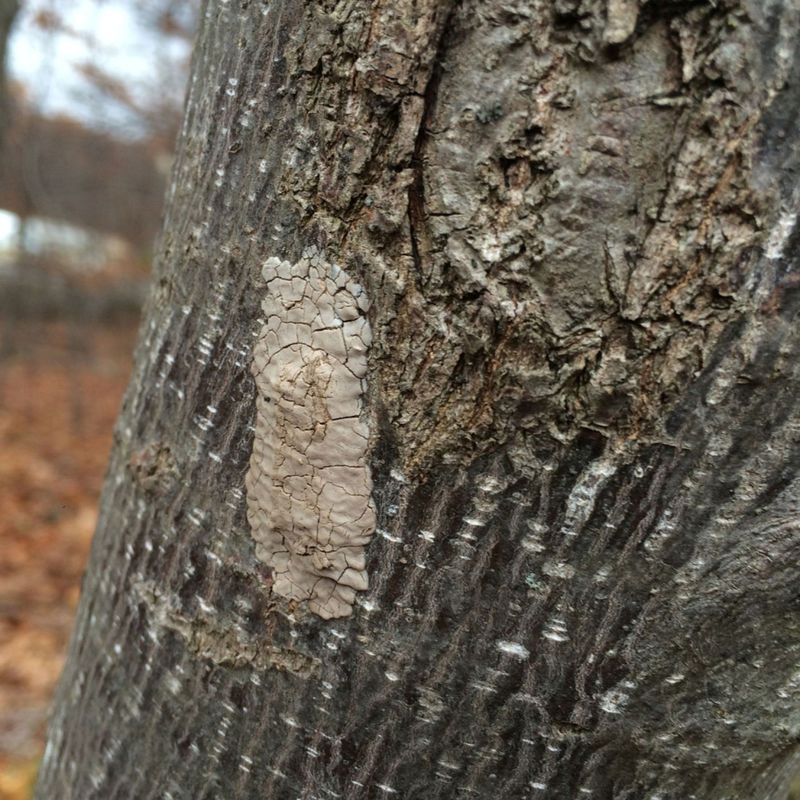
Egg masses are easy to miss because they blend in surprisingly well. Spotted lanternflies lay their eggs in flat, mud-like patches that look almost like dried putty smeared across a surface.
Each mass contains around 30 to 50 eggs arranged in rows. Fresh masses have a shiny, waxy coating.
Older ones dry out and crack, making them look more like dried mud or chipped paint.
Check tree bark, fence posts, wooden decks, outdoor furniture, stone walls, and even metal railings. These insects are not picky about where they lay eggs.
Any smooth or semi-smooth surface can become a target.
Fall is the main egg-laying season, but masses can remain viable through winter and into spring.
If you find any, scrape them off using a firm card or putty knife into a container of soapy water, then seal and dispose of the contents properly.
Seal the bag tightly and dispose of it in an outdoor trash bin. Do not leave scraped masses on the ground since eggs may still be viable depending on conditions and timing.
Document what you find with photos.
4. Avoid Carrying The Insect To Other Locations
Spotted lanternflies spread mostly because people accidentally carry them. Egg masses are nearly invisible on outdoor gear, car bumpers, and firewood.
One overlooked mass can start a new population miles away.
Before leaving your property, check your vehicle. Look under the wheel wells, on the bumper, and along the roof edges.
Egg masses have been found on cars that were parked outdoors for just a few days.
Camping equipment, lawn chairs, tarps, and potted plants are also common hitchhiker spots. If you are moving any of these items off your property, inspect them carefully before loading them into your vehicle.
Firewood is one of the biggest risks. Spotted lanternflies lay eggs on wood surfaces regularly.
Moving firewood from an infested area to a new location is one of the fastest ways this pest jumps long distances.
Avoid transporting any untreated firewood outside your immediate area. Burn what you buy locally and do not bring wood home from other regions either.
That rule works both ways.
Spreading awareness to neighbors helps too. If your street has a community group or neighborhood app, share what you found.
A yard two houses down could have the same problem without the homeowner even knowing yet. Early community awareness slows the spread significantly.
5. Pay Extra Attention To Tree Of Heaven
Tree of heaven is a fast-growing invasive tree that spotted lanternflies absolutely prefer above most other hosts. If you have one growing in or near your yard, it needs your full attention right now.
Originally from China, tree of heaven was introduced to North America in the 1700s as an ornamental plant. It now grows along roadsides, fence lines, and disturbed areas across much of the eastern United States, including parts of Georgia.
You can identify it by its long compound leaves with 10 to 40 leaflets and its distinctive unpleasant smell when leaves or stems are crushed. Seed clusters look like twisted, papery wings hanging in bunches.
Spotted lanternflies feed heavily on tree of heaven throughout their life cycle. A yard with this tree nearby is significantly more likely to attract and harbor a population of these insects.
Removing tree of heaven from your property can reduce the attractiveness of your yard to this pest. However, removal should be done carefully since the tree resprouts aggressively from cut stumps and root fragments.
Consult your local extension office or a licensed arborist before removing it. Improper cutting can cause the tree to multiply rather than decline.
A phased removal approach combined with follow-up monitoring tends to work better than a single aggressive cut.
6. Check Your Yard Regularly For New Activity
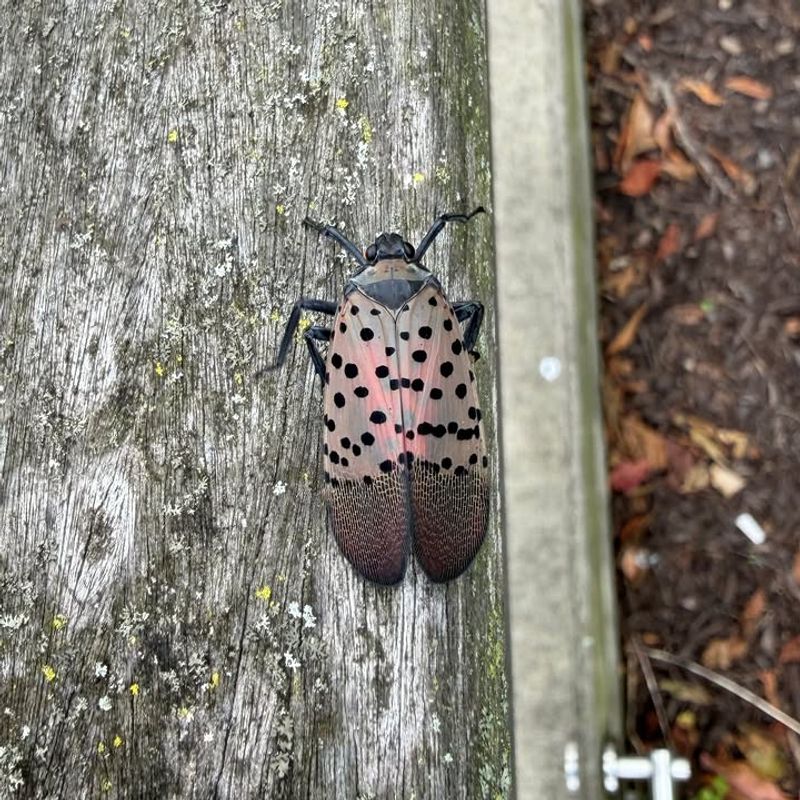
Spotted lanternfly activity does not stay constant through the year. Adults are most visible from late summer through fall.
Nymphs emerge in spring. Egg masses persist through winter.
Knowing what to look for each season keeps you ahead of the problem.
Set aside time at least once every two weeks during active seasons to walk your yard. Focus on the same high-risk plants each time so you build a reliable baseline for what is normal and what has changed.
Keep a simple log. Note dates, locations, and what life stage you observed.
This kind of record helps you spot patterns and gives extension agents useful data if you report your findings.
After rain or warm spells, check again. Spotted lanternflies tend to move and feed more actively during warm, humid stretches.
Your yard conditions after a wet period can look very different from what you saw just a week earlier.
Look along property edges and fences too. These insects move between yards regularly.
Activity you notice along your fence line may actually be originating from a neighboring property or a wooded area nearby.
Consistency matters more than intensity here. Short, focused checks done regularly will catch changes faster than one long inspection done only once a month.
Build it into your normal yard routine and it becomes second nature quickly.
7. Take Steps To Protect Susceptible Plants
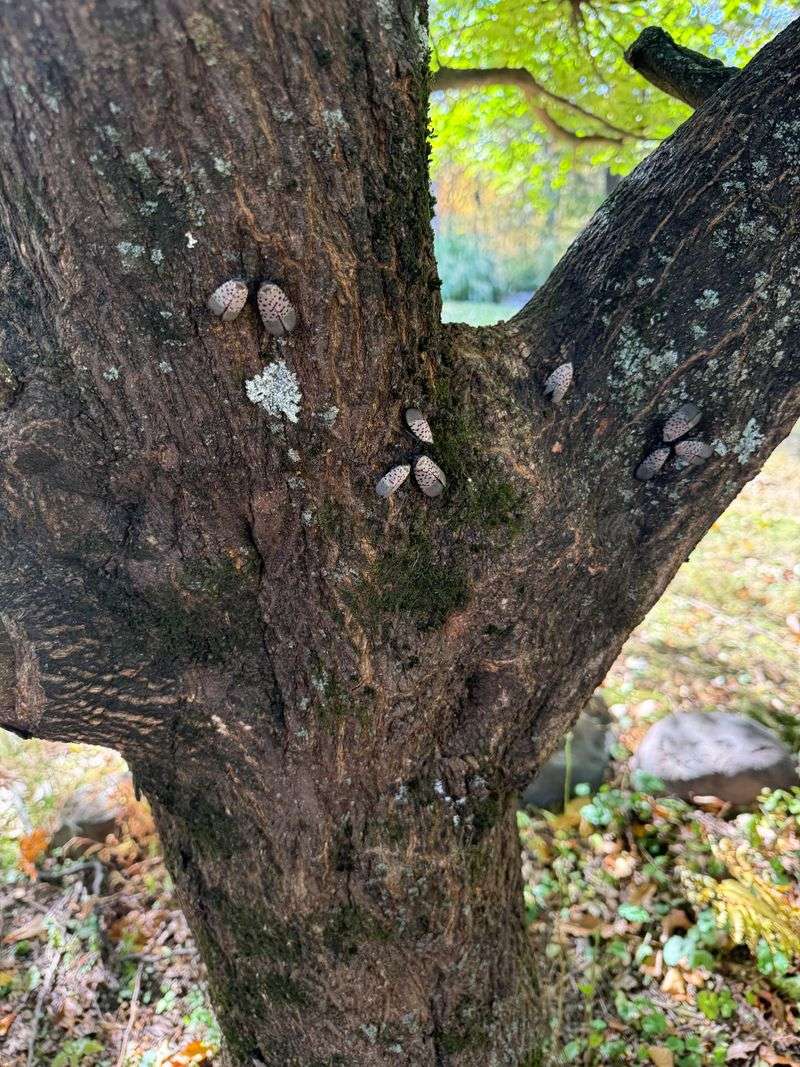
Some plants in your yard face more risk than others. Grapevines, hops, fruit trees, and ornamental maples are among the most vulnerable to spotted lanternfly feeding damage over time.
Sticky bands placed around tree trunks can intercept nymphs as they climb. These bands work best in late spring through early summer when nymphs are actively moving up and down trunks.
Check and replace them regularly so they keep working.
Be cautious with placement though. Sticky traps can catch birds, small mammals, and beneficial insects if not used properly.
Use mesh guards around the sticky surface to reduce unintended catches while still stopping lanternflies.
Keeping your plants healthy is one of the most practical defenses available. Well-watered, well-fed trees and shrubs can handle stress from feeding better than plants already struggling from drought or poor soil conditions.
Avoid over-fertilizing with nitrogen. Lush, fast-growing foliage can actually attract more feeding insects.
Steady, moderate growth is better for plant resilience than a sudden burst of soft new growth.
Insecticide treatments are an option in severe cases, but results vary depending on timing, product, and application method. Reach out to your local Georgia extension office before applying anything.
A professional recommendation based on your specific yard conditions will give you the most accurate guidance available.