The One Watering Mistake Keeping Your California Avocado Harvest Small
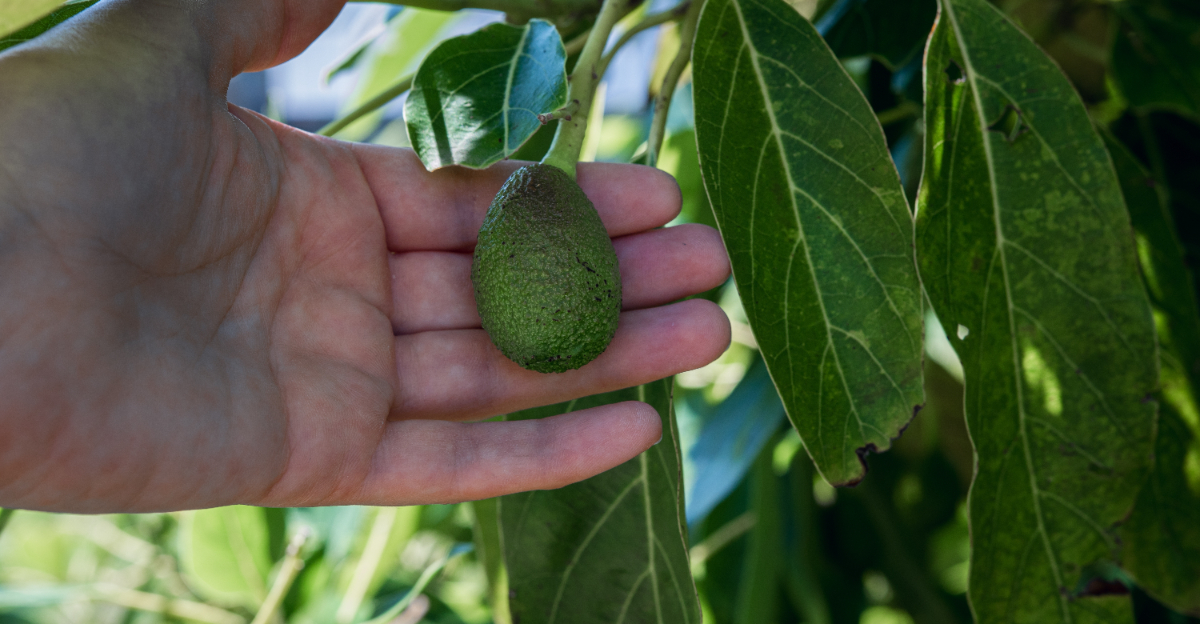
An avocado tree can look healthy, hold plenty of leaves, and still produce a harvest that feels strangely disappointing.
A few fruits appear, but nowhere near the basketful you imagined. The tree seems fine. The results say otherwise.
One common watering mistake may sit at the center of that mismatch. Avocados react quickly when moisture reaches the roots in the wrong pattern, especially under California heat.
Too much attention at the wrong moment can stress the tree just as easily as neglect.
The frustrating part is that the damage may stay hidden for weeks. Flowers can drop, young fruit can fail, and the final harvest can shrink long before the problem becomes obvious.
A better routine does not require endless time with the hose. It requires a closer look at how the soil holds water and what the tree needs during each stage of fruit production.
One small change could make next season far more rewarding.
1. How You Water Matters Most
Most people grab the hose, give the ground a quick spray, and call it done. It feels like enough water is going in, but the truth is surprising.
Shallow watering is the single most common mistake avocado growers make in California.
When water only wets the top inch or two of soil, it never reaches the root zone where avocado trees actually drink. The tree gets thirsty even though the surface looks moist.
Over time, this repeated shortfall quietly reduces fruit production without any obvious warning signs.
Avocados are not like lawn grass that survives on light surface moisture. They are deep-feeding trees that need water pushed well below the topsoil.
A short, frequent sprinkle teaches the tree nothing good and rewards you with fewer, smaller fruits.
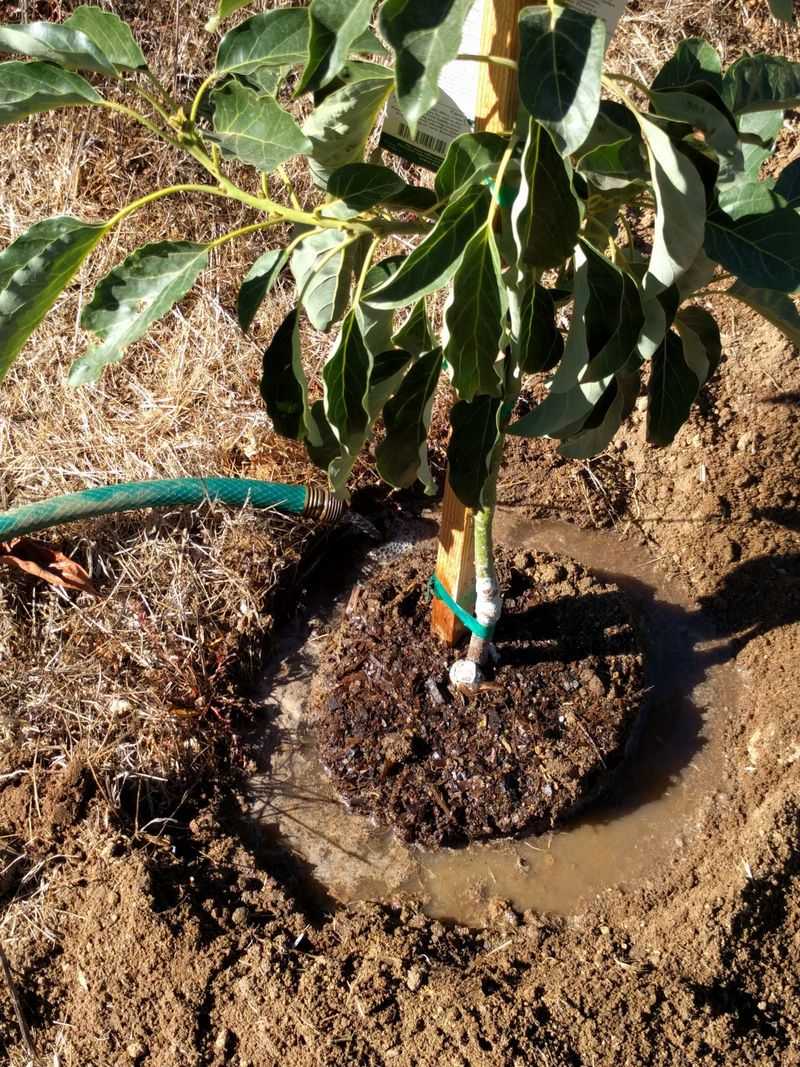
Switching to longer, slower watering sessions is the simplest fix available to any grower. You do not need fancy equipment to make this change.
A slow trickle from a garden hose left running for 30 to 45 minutes near the base of the tree can already make a noticeable difference in how your tree performs come harvest time.
2. Surface Moisture Does Not Reach Hungry Roots
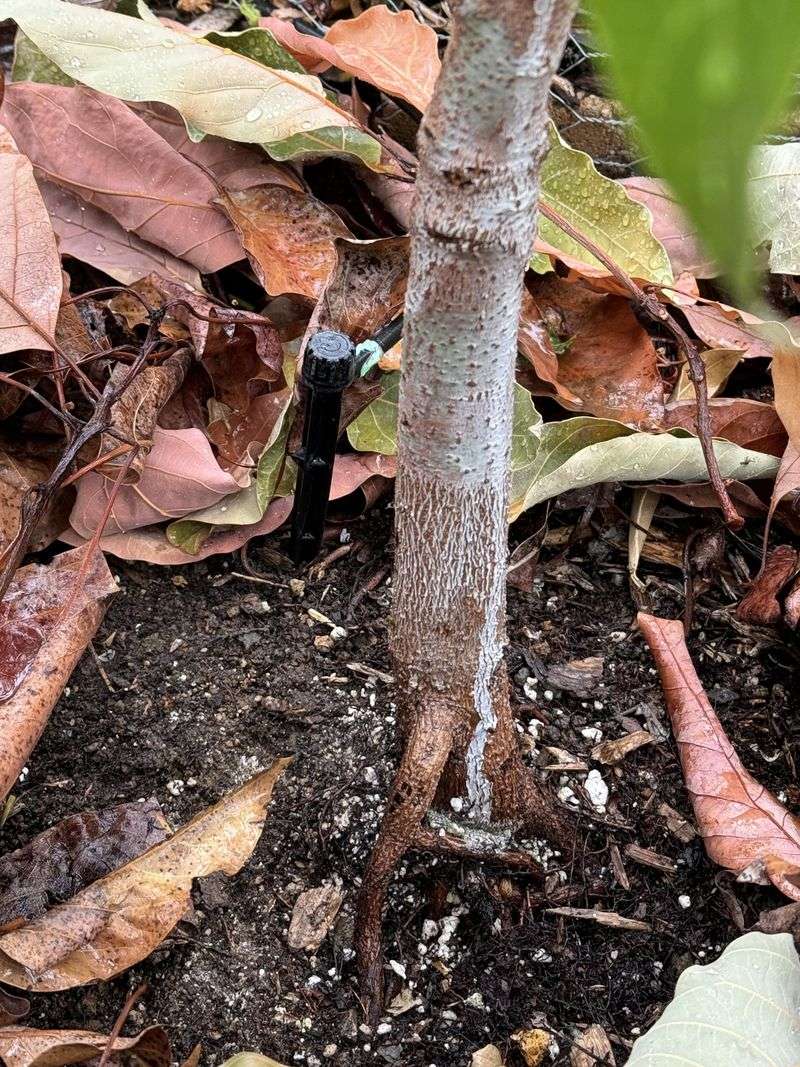
Roots are invisible, so it is easy to forget they are even there. But what happens underground directly controls what you see above ground.
Surface moisture evaporates quickly, especially during warm California afternoons.
Avocado roots spread wide and also push downward. The feeder roots that absorb water and nutrients sit several inches below the surface, sometimes deeper depending on the tree age.
A quick sprinkle rarely pushes moisture past the first couple of inches of topsoil.
On hot days, surface water can disappear within hours. The tree sends out a stress signal when its roots stay dry for too long.
That stress shows up later as dropped fruit, poor sizing, or a thin harvest that leaves growers scratching their heads.
Checking soil moisture before and after watering is a smart habit. Push a wooden dowel or long screwdriver about six inches into the ground near the drip line of the tree.
Your California Garden Changes Every Week. Your Plan Should Too.
Gardening in California changes quickly throughout the season. Every Friday you’ll receive a simple weekly plan showing exactly what to plant, prune, fertilize, harvest, and protect so you never miss the right timing.
If it comes out dry, your current watering routine is not doing enough. Aim to feel moisture on the tool at that depth after every watering session.
This simple test removes all the guesswork and helps you water with real confidence instead of just hoping for the best each time.
3. Avocado Roots Need Steady Summer Moisture
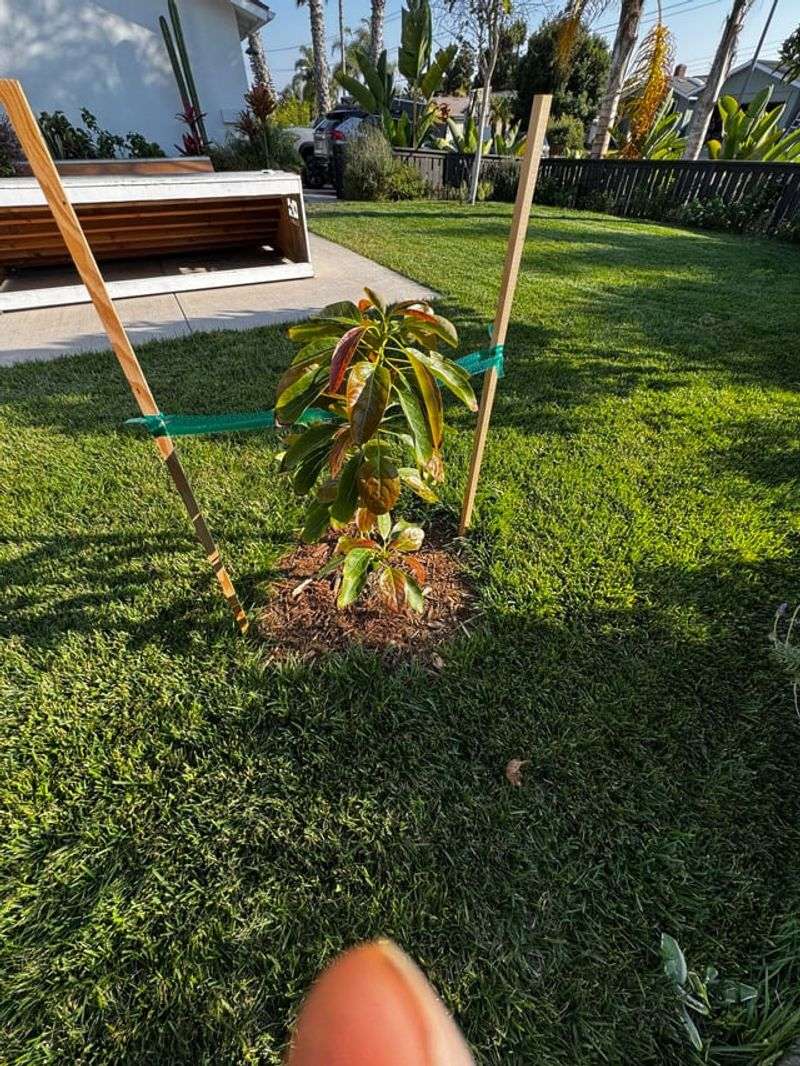
Summer is when avocados work the hardest. Fruit is sizing up, the sun is blazing, and the tree is pulling water constantly to keep everything moving.
Letting the root zone dry out even once during this period can set back your whole harvest.
Steady moisture does not mean soggy soil. It means keeping the root zone consistently damp without letting it dry out completely between watering sessions.
Think of it like keeping a sponge just moist rather than soaking wet or bone dry.
In the hotter months, avocados in California may need watering two or even three times per week. Sandy soils drain faster and need more frequent attention.
Clay soils hold water longer but can become waterlogged if you are not careful, so balance matters.
Setting a consistent watering schedule during summer removes the guesswork. Early morning watering is ideal because it gives moisture time to soak in before afternoon heat arrives.
Drip irrigation systems are a great investment for this reason. They deliver water slowly and directly to the root zone without wasting a drop on the surrounding soil surface.
Even a basic timer-controlled system can keep your tree happily hydrated all summer long with very little daily effort on your part.
4. Dry Root Zones Can Shrink The Harvest
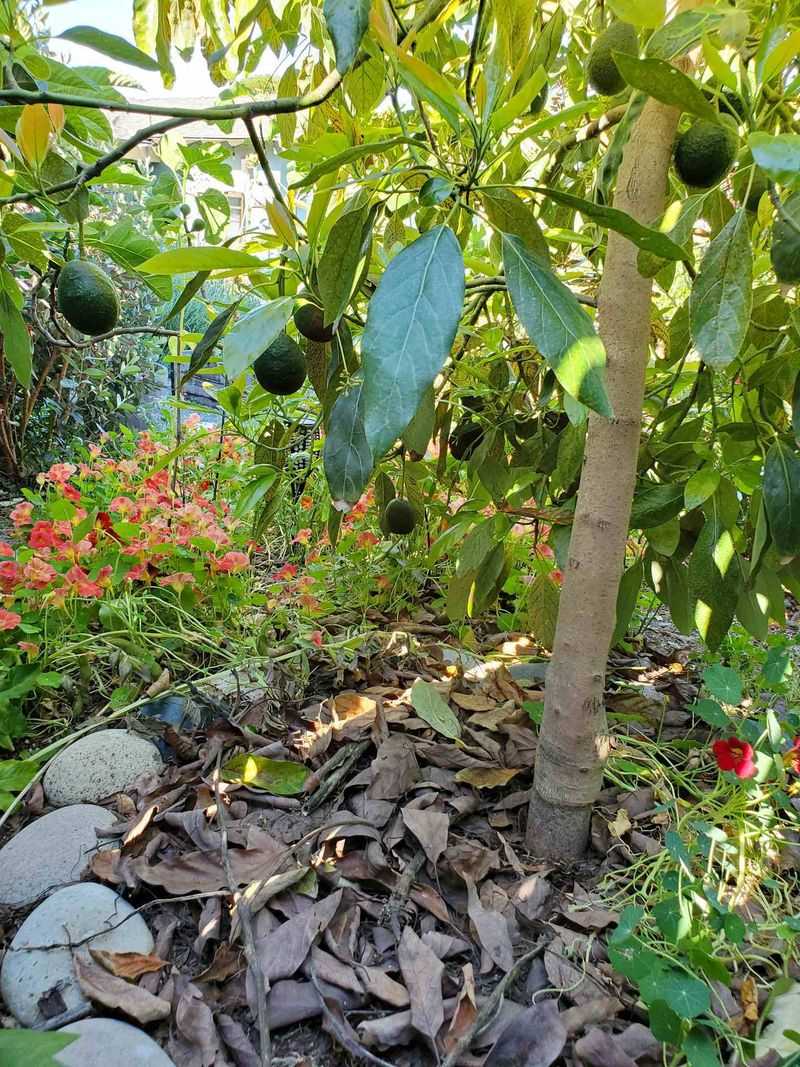
A dry root zone is a quiet problem that builds slowly. The tree does not make noise or wave a flag when it is thirsty.
Instead, it starts making internal choices about where to send its limited energy.
When moisture is scarce, the tree prioritizes survival over fruit production. It will drop developing fruit, stop sizing the fruits already on the branch, or produce a much lighter crop than expected.
Growers often blame the weather or the variety without realizing the root zone was dry the whole time.
Research from avocado-producing regions shows that water stress during fruit development directly reduces both fruit size and total yield.
Even short dry spells at the wrong moment in the growing season can cut your harvest noticeably.
The tree remembers stress events even if you water it well afterward.
Preventing dry root zones is far easier than recovering from them. Check soil moisture regularly at the drip line, which is the outer edge of the tree canopy.
That area is where feeder roots are most active. Water there consistently and deeply.
Adding a soil moisture meter to your gardening toolkit costs very little and takes the guesswork out of knowing when to water. Prevention is always the smarter and less frustrating path forward.
5. Quick Sprinkling Trains Weak Surface Roots
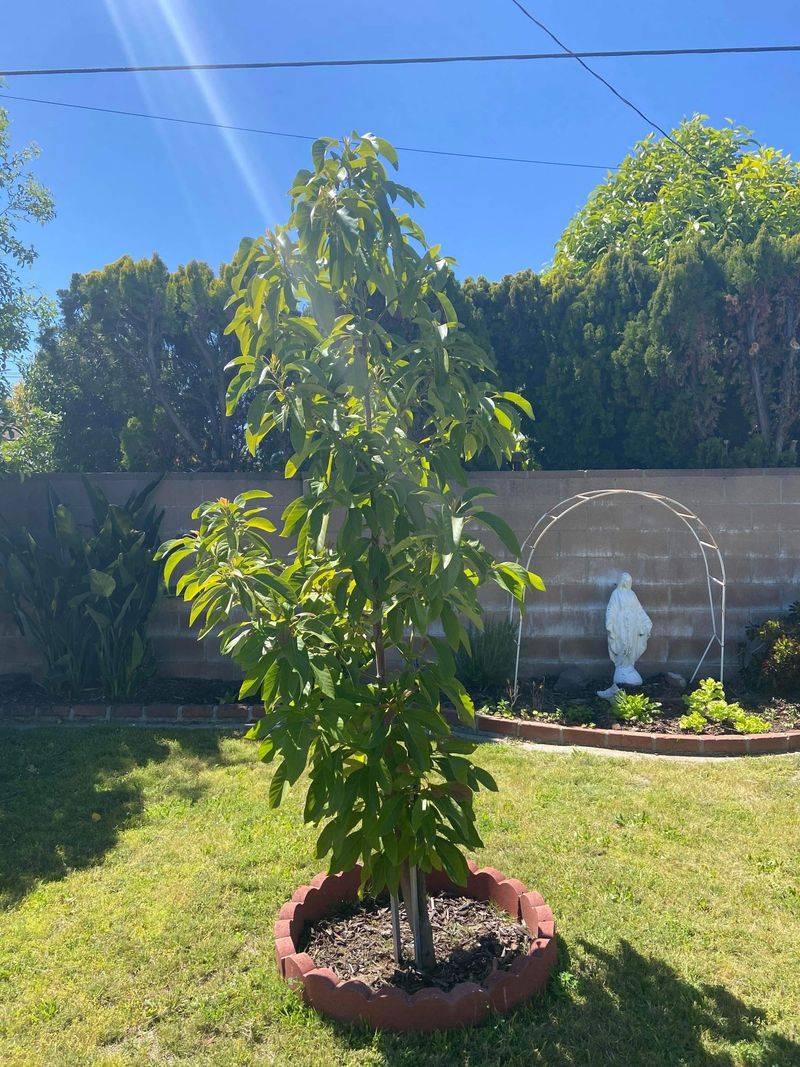
Roots follow water. That is not just a saying, it is basic plant biology.
When water only lands on the surface, roots learn to stay shallow to catch it. Over time, this creates a tree with a weak and fragile root system.
Surface roots are vulnerable to heat, foot traffic, and drought. They dry out faster than deep roots and provide less stability to the tree overall.
A tree trained to grow shallow roots will always struggle more during dry spells than a tree with deep, well-established roots below ground.
Quick sprinkling feels efficient, but it is actually building a long-term problem. Each short watering session reinforces the shallow root pattern.
The tree never learns to send roots deep because there is no reward down there. It chases the moisture you keep putting on top.
Breaking this cycle requires patience and consistency. Start watering deeply and less frequently to encourage roots to grow downward.
It may take a few weeks for the tree to adjust, but the payoff is real. Deep roots access more stored soil moisture, making the tree more resilient during heat waves and dry stretches.
A tree with a strong deep root system produces bigger fruit clusters and handles summer stress far better than one trained on shallow, frequent sprinkles from a garden hose.
6. Deep Soaks Support Fruit Sizing
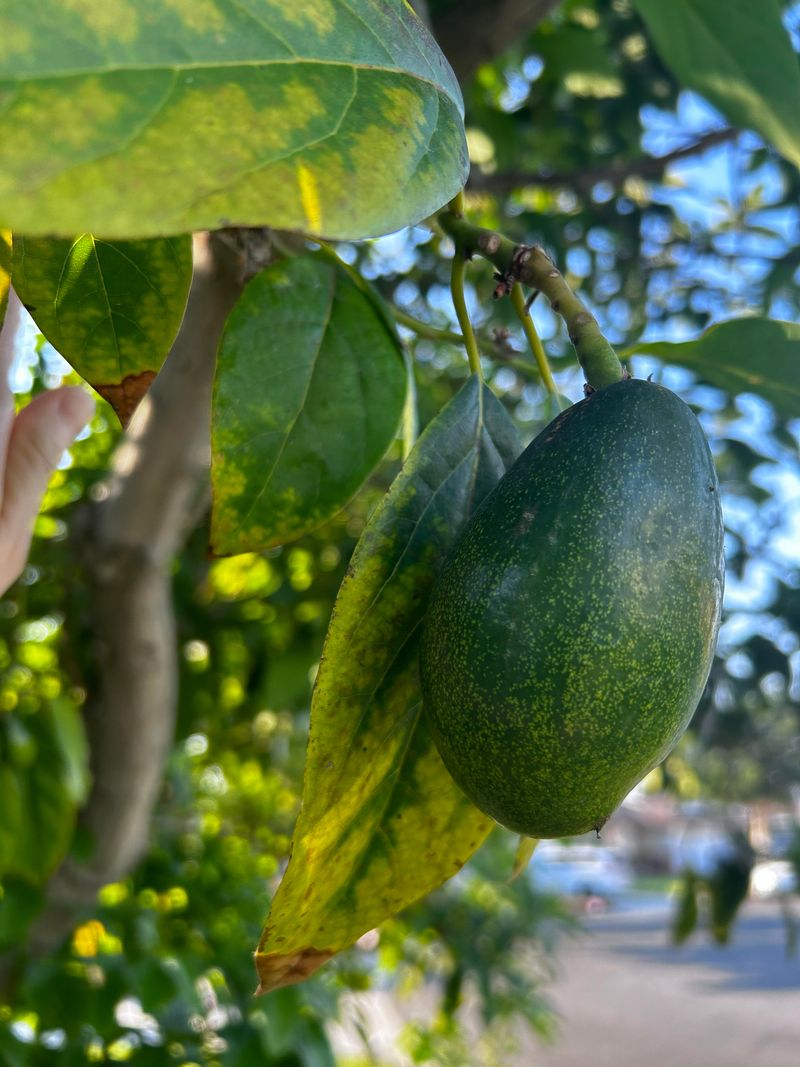
Big, heavy avocados do not happen by accident. They are the direct result of steady, deep watering during the critical fruit-sizing window.
Water is not just for hydration. It is the delivery system for nutrients moving from the soil into the fruit.
During the sizing stage, avocados expand rapidly. They need a consistent supply of water to fill out properly.
If the root zone runs dry even briefly during this period, the fruit stops sizing and may stay small or drop from the tree entirely before ripening.
A deep soak means water penetrates at least 12 to 18 inches into the soil. At that depth, the most active feeder roots can drink freely.
The tree does not have to work hard to find moisture, so it redirects that energy into growing bigger, heavier fruit instead.
To achieve a deep soak without flooding the area, water slowly over a longer period. A drip emitter running for several hours or a slow trickle from a hose works well.
You can also build a simple watering ring around the base of the tree using a small soil berm to hold water in place while it soaks in.
This old-fashioned technique works surprisingly well and costs nothing extra to set up in your yard.
7. Mulch Helps Water Stay Near The Roots
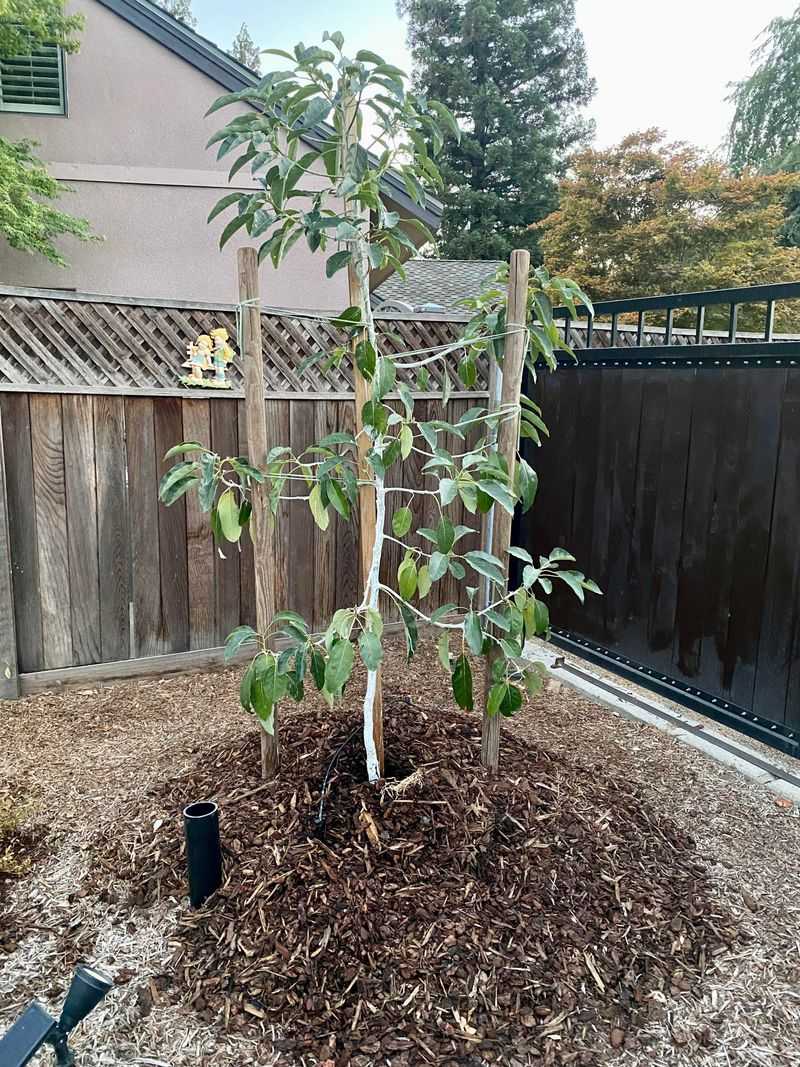
Mulch is one of the most underrated tools in any avocado grower’s toolkit. A thick layer of organic material spread around the base of the tree does something simple but powerful.
It slows down evaporation so more of your water actually reaches the roots.
Without mulch, the sun bakes the soil surface quickly. Water that soaks in can evaporate back out before roots have a chance to absorb it.
In California’s warm and often dry climate, this is a constant challenge for backyard growers.
Wood chips are the most popular mulch choice for avocado trees. Spread them about three to four inches thick in a wide circle around the base of the tree.
Keep the mulch a few inches away from the trunk itself to prevent moisture-related trunk issues. The wider the mulch ring, the better the moisture retention across the feeder root zone.
Beyond holding moisture, mulch also regulates soil temperature and slowly breaks down into organic matter that feeds the tree over time. It is a win on multiple levels.
Many local tree trimming services offer free wood chips if you ask nicely. Using those chips around your avocado tree is a free upgrade that can meaningfully reduce how much water you need to apply each week.
Less watering effort with better results is always worth the setup time.
8. Hot Inland Yards Need Slower Watering
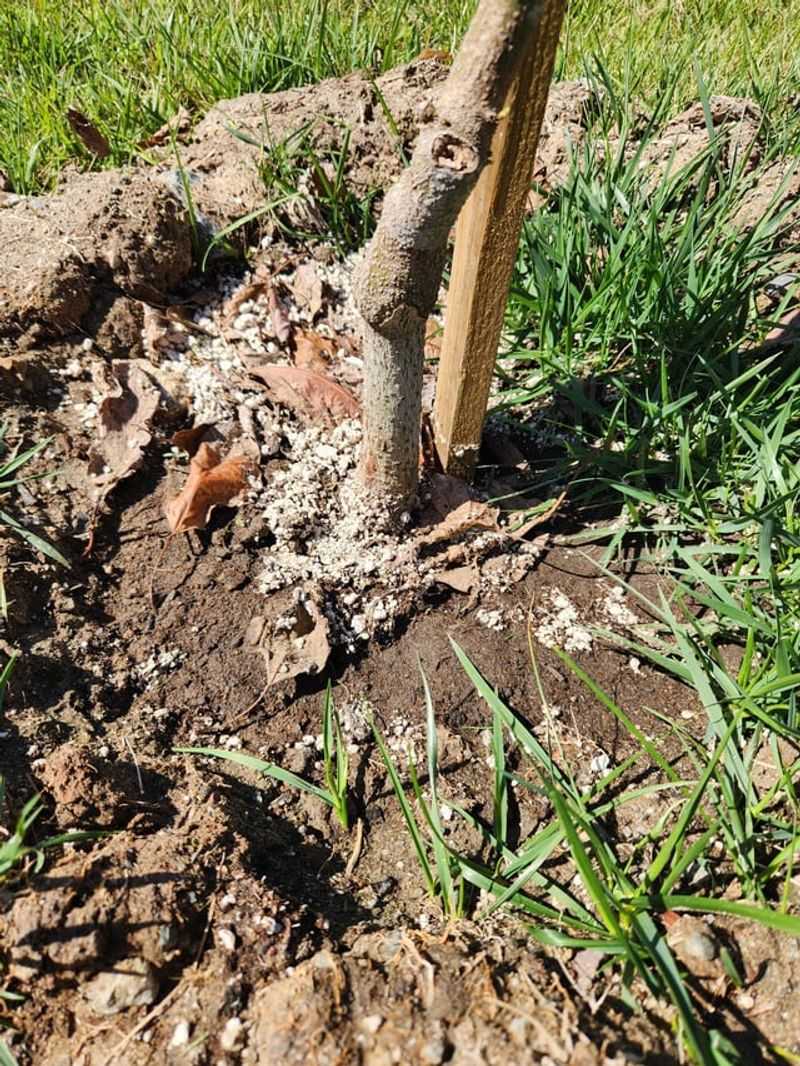
Not every yard in this state is the same. Coastal spots stay cooler and hold moisture longer in the soil.
But inland areas can bake at temperatures well above 100 degrees during peak summer months. Those conditions demand a different watering approach entirely.
In hot inland yards, water evaporates from the soil surface almost immediately. The ground can feel dry again just hours after watering.
Standard watering schedules designed for cooler coastal zones simply do not hold up in these conditions.
Slower watering is the answer for hot inland settings. Running water slowly over a longer time period allows it to penetrate deep before the heat pulls it back out.
Fast watering on hot ground creates surface runoff and barely touches the root zone at all.
Watering in the very early morning is especially important in inland areas. The soil is cooler, the air is calmer, and evaporation is at its lowest.
That combination gives water the best chance of soaking in deeply before the heat of the day arrives. Drip irrigation with a timer set for pre-dawn hours is a genuinely effective setup for inland growers.
Pairing that with a thick mulch layer creates a system that holds moisture through even the hottest afternoons.
Northern inland valleys especially benefit from this combined approach during the driest parts of the year.
9. Container Avocados Dry Out Even Faster
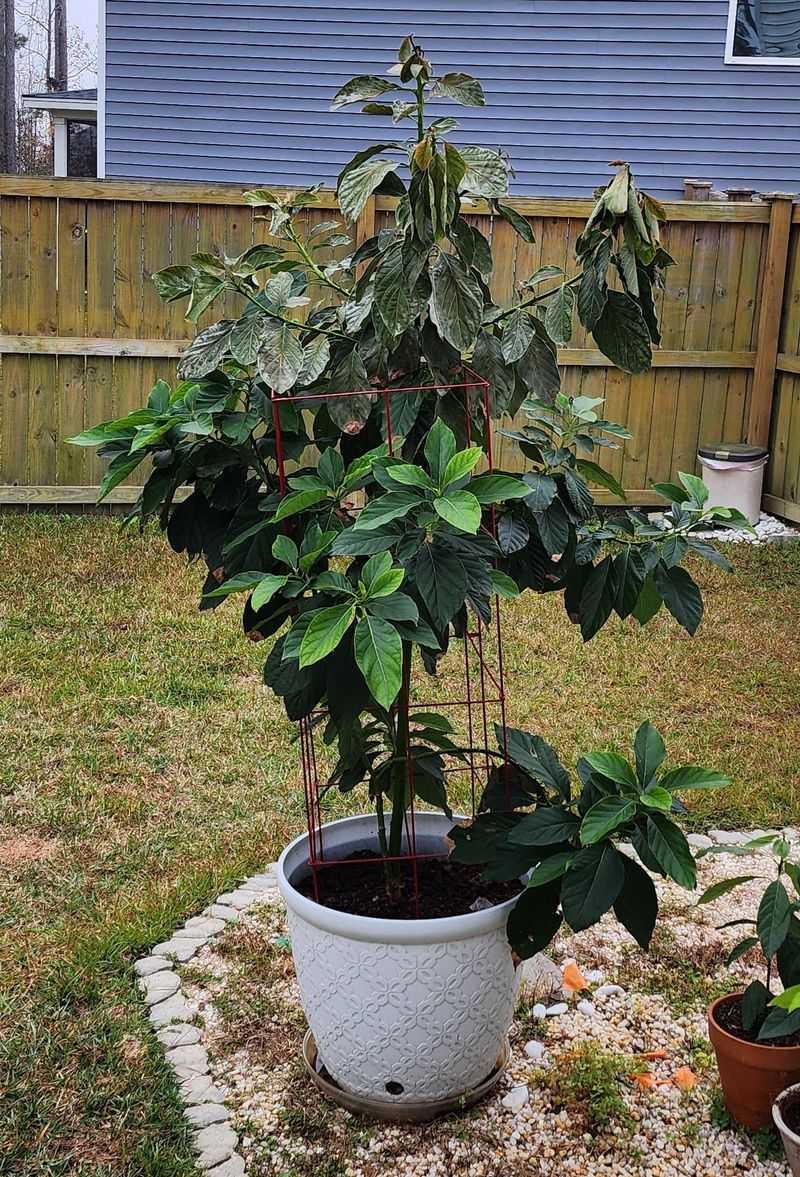
Growing an avocado in a container is popular for renters, small patios, and growers who want more control over their tree’s environment.
But container growing comes with one major challenge that surprises a lot of first-timers. Pots dry out dramatically faster than in-ground soil.
A container has limited soil volume, and that soil heats up quickly in direct sun. On a warm afternoon, a pot can lose most of its moisture within a single day.
Roots in a container have nowhere to go searching for water the way in-ground roots can.
Container avocados need more frequent watering checks than their in-ground cousins. During summer, daily watering is sometimes necessary.
Stick your finger two inches into the soil and check. If it feels dry at that depth, it is time to water again right away.
Choosing the right pot size helps a lot. A larger container holds more soil volume and stays moist longer between waterings.
Unglazed terracotta pots look beautiful but lose moisture through their walls quickly. Glazed ceramic or plastic containers hold water much better for avocados.
Adding a layer of mulch on top of the potting mix also slows evaporation noticeably. Self-watering pots with built-in reservoirs are an excellent option for container avocado growers who travel or forget to check daily.
Small adjustments in your container setup can lead to noticeably bigger and healthier fruits at harvest time.