These Native North Carolina Plants Help Create The Damp, Leafy Habitat Fireflies Need
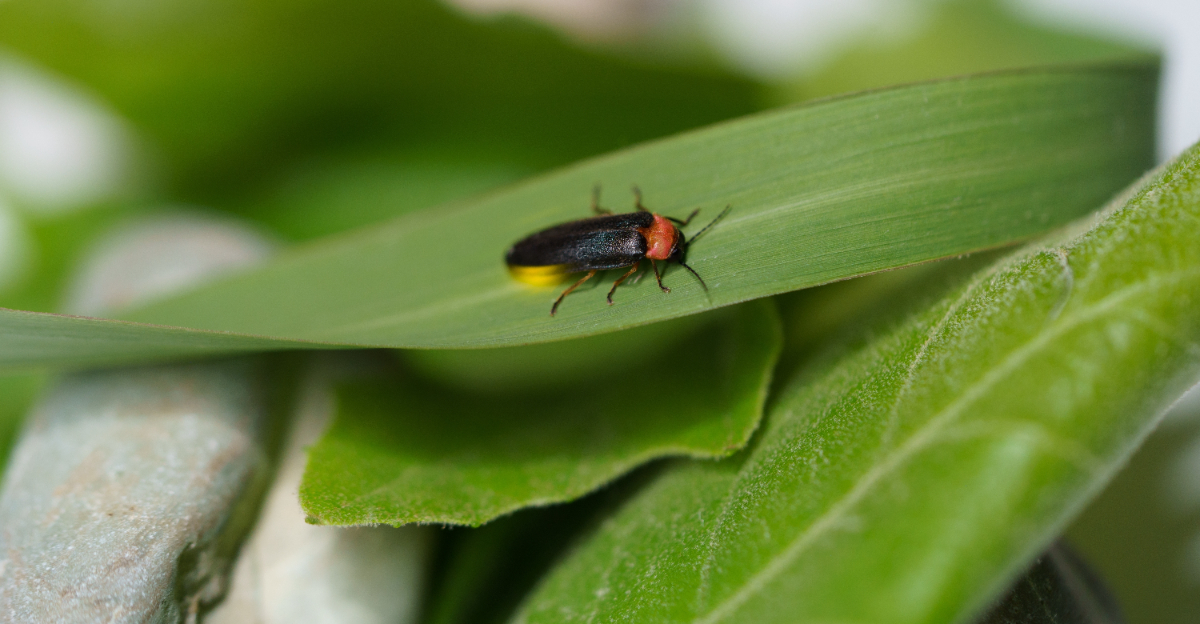
Fireflies depend on very specific conditions to thrive, and certain native North Carolina plants play a big role in creating that ideal environment.
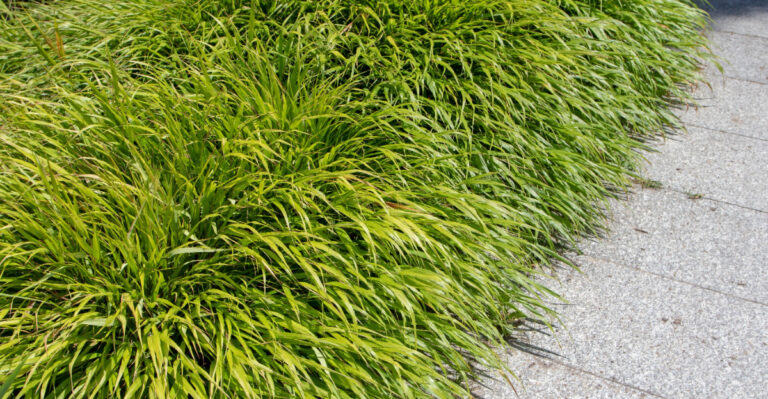
Ferns, native grasses, and low growing groundcovers help trap moisture close to the soil, which fireflies and their larvae rely on throughout the season.
Leaf litter left beneath these plants provides shelter for firefly larvae as they hunt for small insects and slugs. Native shrubs like elderberry also offer shaded, humid pockets that fireflies favor during warm summer evenings.
Avoiding excessive mowing or raking in these areas helps preserve the damp, undisturbed ground fireflies need to complete their life cycle. Reducing outdoor lighting nearby also supports firefly communication during mating season.
Planting a mix of these natives creates a welcoming pocket habitat over time. A few thoughtful choices can bring more fireflies back to your yard each summer.
1. Red Maple Builds A Cooling Leaf Canopy
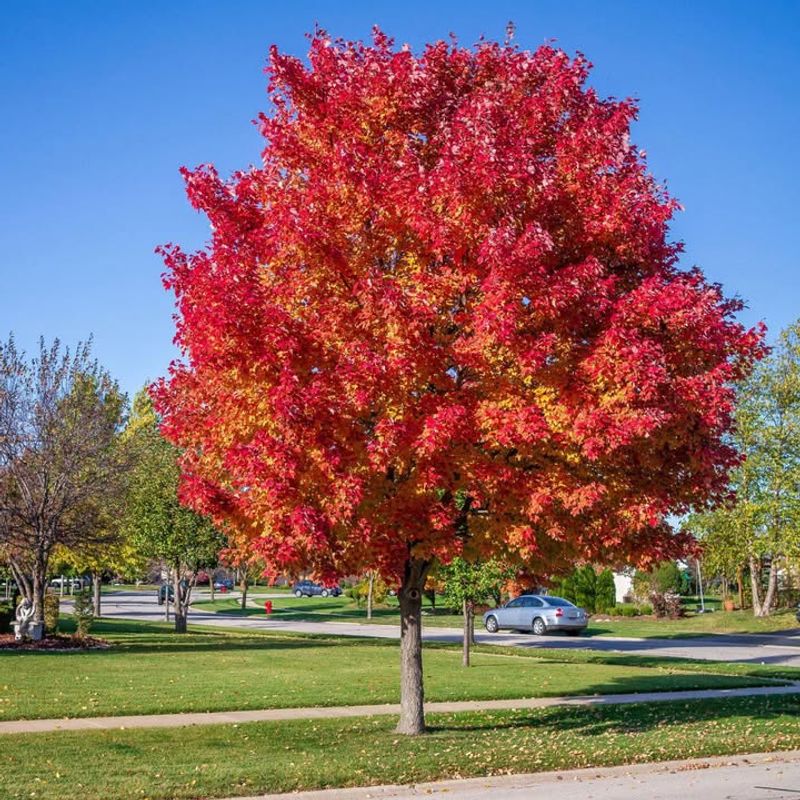
Few native trees match the red maple when it comes to sheer adaptability across North Carolina landscapes.
Found naturally in the Mountains, Piedmont, and Coastal Plain alike, this tree tolerates moist soil and periodically wet conditions far better than many other large shade trees.
That flexibility makes it one of the most practical choices for gardeners who want to start building a layered, firefly-friendly habitat from the top down. The canopy a red maple forms does something genuinely valuable for the ground below.
By blocking direct sunlight, it slows the rate at which surface moisture evaporates, keeping the soil beneath noticeably cooler and damper throughout the warm season.
When autumn comes around, the tree sheds a generous layer of leaves that can stay right where they fall, forming natural mulch that shelters the soil and provides cover where firefly larvae can move through and search for small invertebrates.
Planting a red maple takes some honest planning. This tree grows to a substantial size, so it needs enough open space to reach its mature spread without crowding nearby structures or other plants.
Consistently moist soil is important, especially during the tree’s early years when roots are still establishing.
Beyond the tree itself, reducing outdoor lighting near the planting area and avoiding pesticide applications in the surrounding soil are companion steps that matter just as much as the tree.
A canopy alone doesn’t guarantee fireflies, but it creates the shaded, leafy foundation that makes every other habitat element work far more effectively.
2. River Birch Shades Naturally Moist Ground
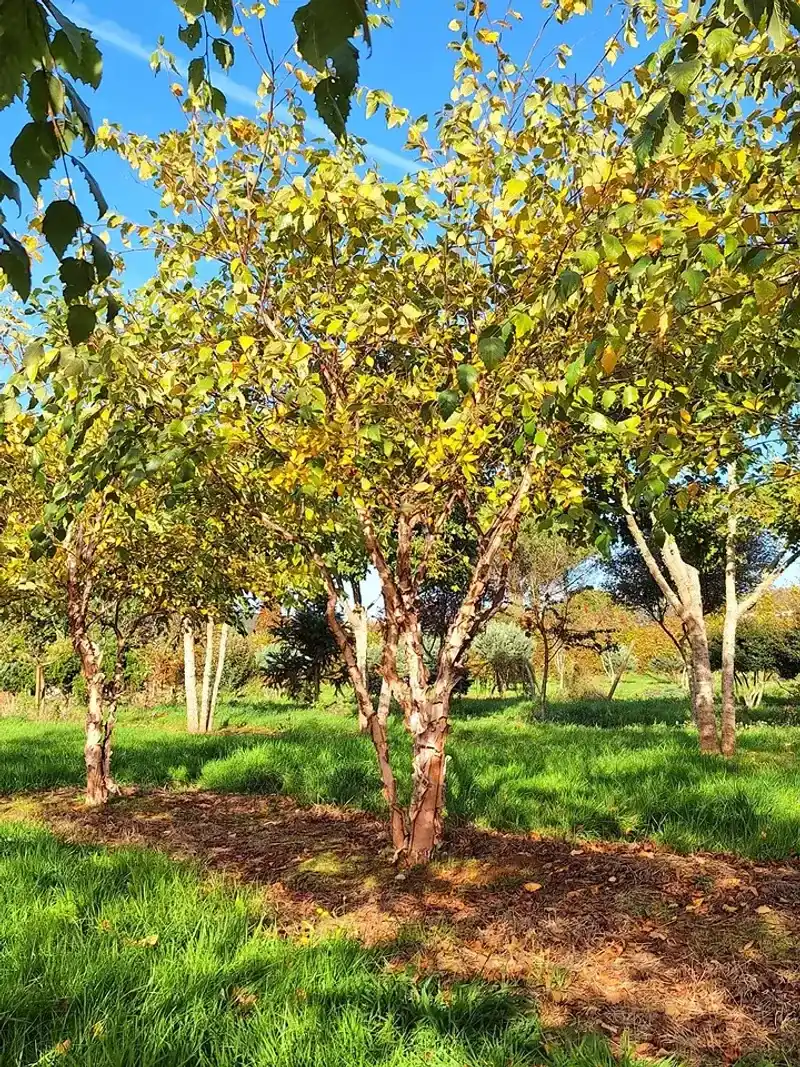
River birch has a personality all its own. Its peeling, cinnamon-toned bark is instantly recognizable, and its graceful, arching branches create the kind of canopy that seems designed for shading damp, low-lying ground.
Across North Carolina, this tree grows naturally along streambanks, beside ponds, and in areas where soil stays consistently moist or occasionally floods. That native range tells you exactly where it wants to grow in your yard.
Near rain gardens, drainage swales, or any naturally low area that collects water after a storm, river birch earns its place quickly.
Your North Carolina Garden Changes Every Week. Your Plan Should Too.
Gardening in North Carolina changes quickly throughout the season. Every Friday you’ll receive a simple weekly plan showing exactly what to plant, prune, fertilize, harvest, and protect so you never miss the right timing.
Its spreading canopy shades the soil below, slowing moisture loss and keeping the ground surface cooler during the hottest weeks of summer.
As the tree matures and sheds leaves season after season, that organic material builds up beneath it, creating a soft, layered cover that offers shelter to firefly larvae moving through the soil in search of small invertebrates.
Getting the most from a river birch means matching it to the right location. Consistently moist soil is non-negotiable for this tree.
Planting it in a spot that dries out quickly during summer will stress the tree and undermine the habitat conditions you’re working to create.
River birch also grows into a large, multi-stemmed tree, so give it room to spread without crowding fences or neighboring plants.
Pair it with shrubs and ferns below to build out the lower layers of the habitat, and keep the leaf layer undisturbed on the ground beneath it throughout the year.
3. American Hornbeam Creates A Sheltered Understory
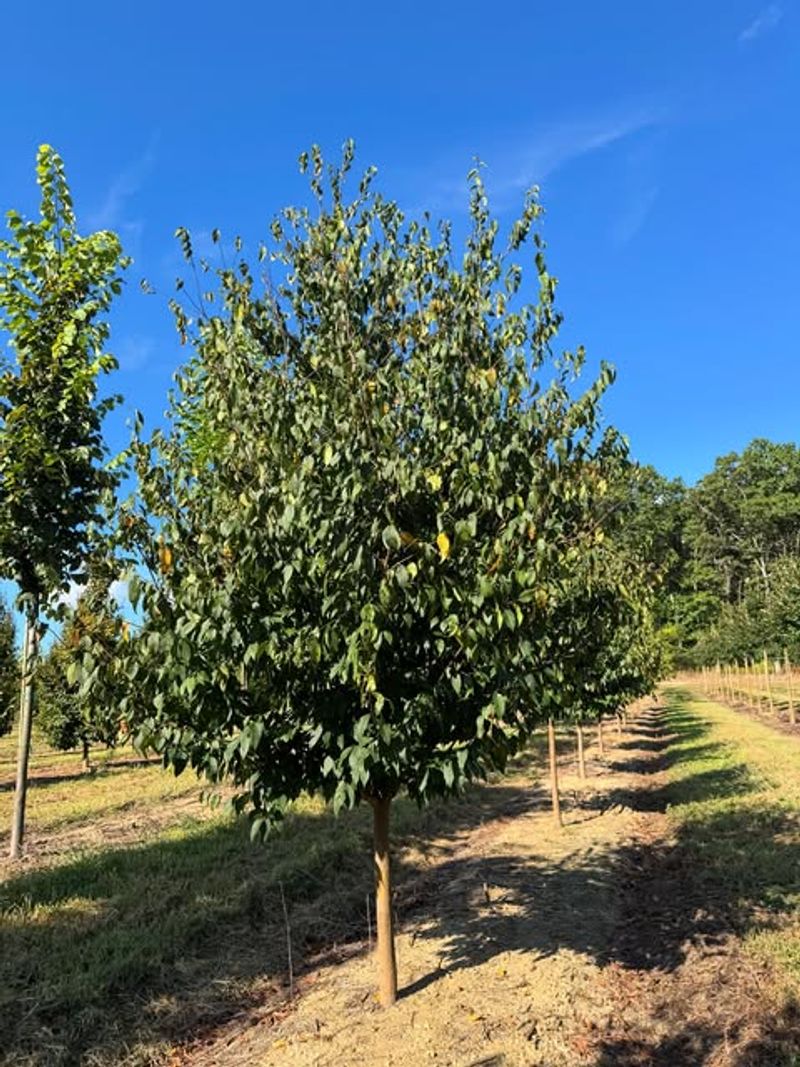
Tucked beneath the tall canopy of larger trees, American hornbeam finds its element.
This small native tree grows naturally along moist streambanks, riverbanks, and in shaded forests throughout North Carolina, which tells you something important about its character.
It isn’t built for open sunny lawns or dry hillsides. It belongs in the quiet, sheltered spaces where light filters through and the soil holds moisture close to the surface.
What makes American hornbeam especially useful in a layered habitat planting is its tolerance for substantial shade.
While taller trees like red maple or river birch form the upper canopy, hornbeam can fill the layer beneath them, creating a cooler, more enclosed transition zone between the tall trees and the low-growing ferns and shrubs at ground level.
That layered structure is exactly what a firefly-friendly habitat needs, with different plants occupying different heights and contributing to a continuous, sheltered environment from the soil surface upward. Seasonal leaf drop adds another layer of benefit.
As hornbeam sheds its leaves in autumn, they settle onto the ground and contribute to the organic cover that protects soil moisture and provides material where invertebrates and firefly larvae can shelter.
Gardeners should choose a planting spot with moist, well-drained soil and leave enough room for the tree’s mature form, which typically reaches about ten to thirty feet depending on conditions.
American hornbeam won’t single-handedly attract every firefly species in North Carolina, but it fills a structural role in the habitat that no other small native understory tree quite replaces.
4. Spicebush Adds Dense Shrub Level Cover
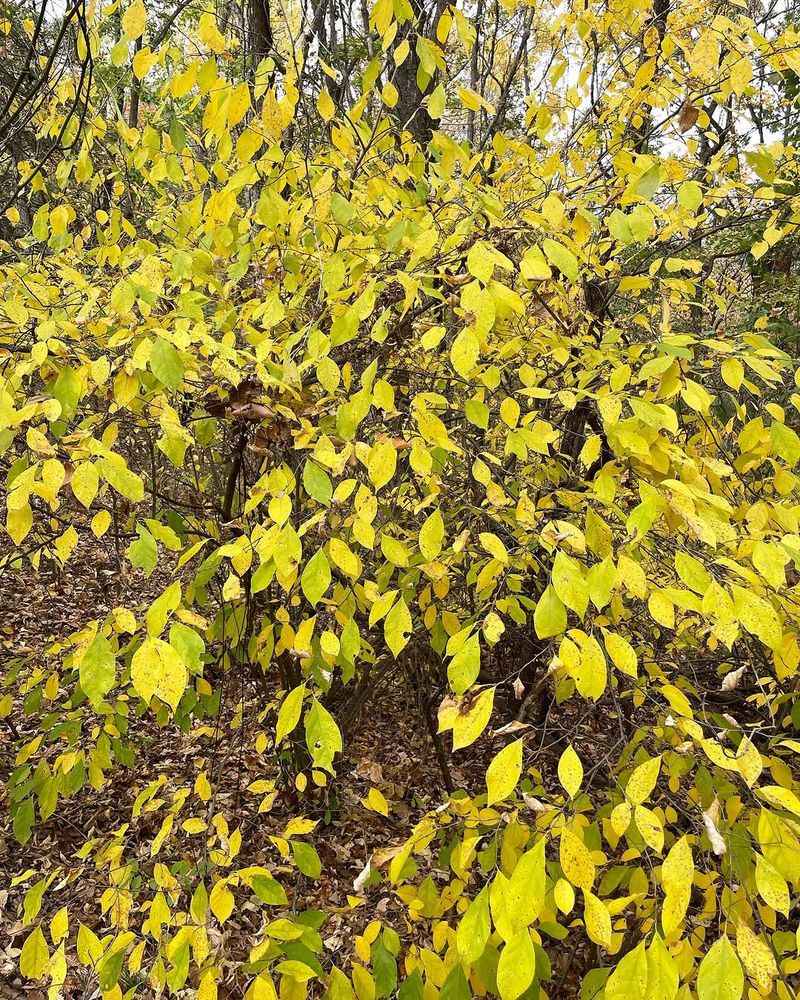
Spicebush brings something special to a habitat planting beyond its structural role. Crush one of its leaves between your fingers and you get an immediate, spicy-sweet fragrance that feels like a secret the forest has been keeping.
Native to bottomlands, ravines, swamps, moist forests, and areas beside streams across North Carolina, spicebush is a deciduous shrub that has spent thousands of years adapting to exactly the kind of damp, shaded conditions that fireflies favor.
At the shrub layer, spicebush creates broad, leafy coverage that gives adult fireflies sheltered places to rest during the day.
Its foliage grows densely enough to create real shade at mid-height, which complements the taller canopy above and bridges the gap between tree cover and the low ferns and ground plants below.
That continuous cover from multiple heights is one of the most important structural features of a habitat that genuinely supports firefly populations over time.
Spicebush prefers moist, well-drained soil and partial shade, which makes it a natural companion for rain gardens, woodland gardens, and moist areas near ponds or streams.
It typically reaches six to twelve feet in height and spread at maturity, so give it enough room to fill out naturally without crowding.
When leaves fall in autumn, leave them in place beneath the shrub rather than raking them away.
That leaf layer on the ground is where much of the real habitat value accumulates, sheltering the soil, holding moisture, and providing cover for the invertebrates that firefly larvae search for throughout the season.
5. Virginia Sweetspire Fills Moist Garden Edges
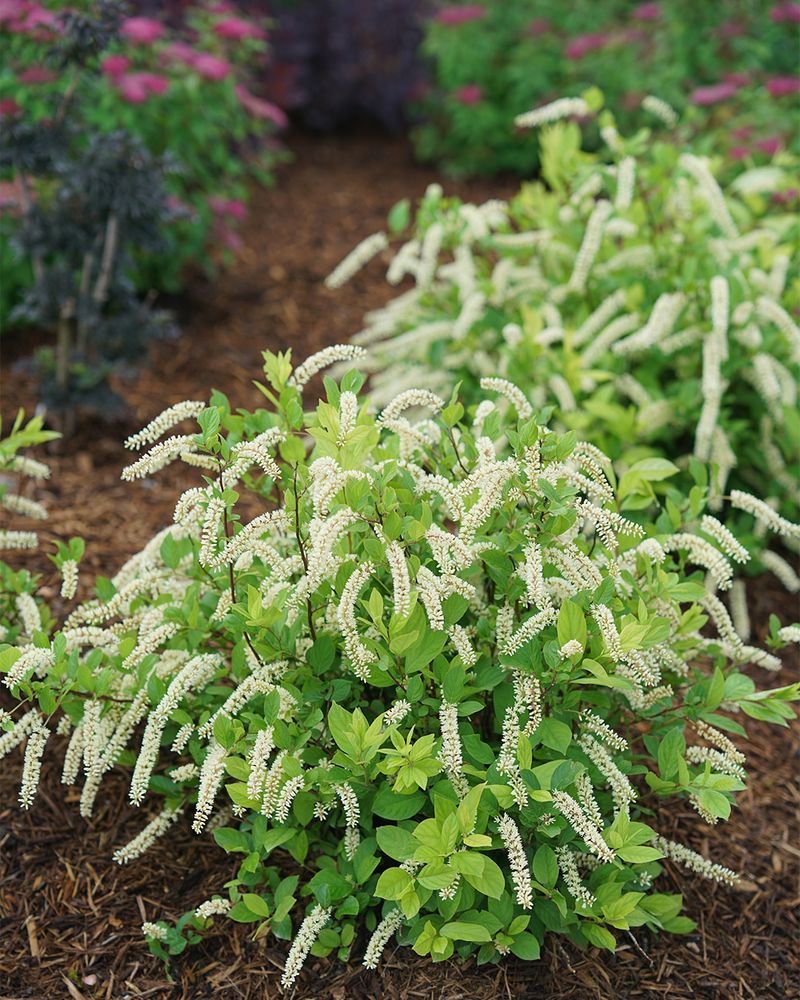
Virginia sweetspire works in spots that often go unused in the garden.
Those low, wet edges beside rain gardens, the margins of a backyard pond, or the transition zone where a lawn meets a wetter, shadier area are exactly where this native deciduous shrub settles in and thrives.
Across North Carolina, it grows naturally in moist, acidic soils that periodically become saturated, which means it handles the wet-then-dry cycles that challenge many ornamental plants without complaint.
In a layered habitat planting, sweetspire fills a specific and useful role. It bridges the visual and structural gap between taller shrubs like spicebush or buttonbush and the low ferns growing at ground level.
When planted in groups, its arching branches create a band of leafy shelter that sits close to the soil surface, offering resting cover for adult fireflies moving through the garden at dusk.
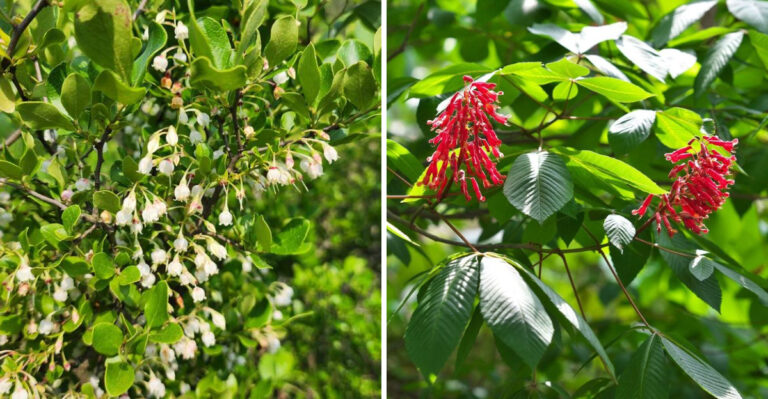
The white, bottlebrush-shaped flower clusters that appear in early summer are attractive to pollinators as well, adding broader ecological value to the planting.
Flowering is strongest when sweetspire receives enough light, so avoid placing it in deep shade if you want the full show.
Matching the plant to a spot with appropriate moisture and space is important because it spreads gradually by suckering and can form a broad colony over time.
One of the most practical things you can do with sweetspire is resist the urge to rake every leaf from beneath it each autumn.
The fallen leaves accumulate into a soft, moist layer close to the ground that contributes meaningfully to the habitat you’re working to build.
6. Buttonbush Supports Wet Garden Habitat
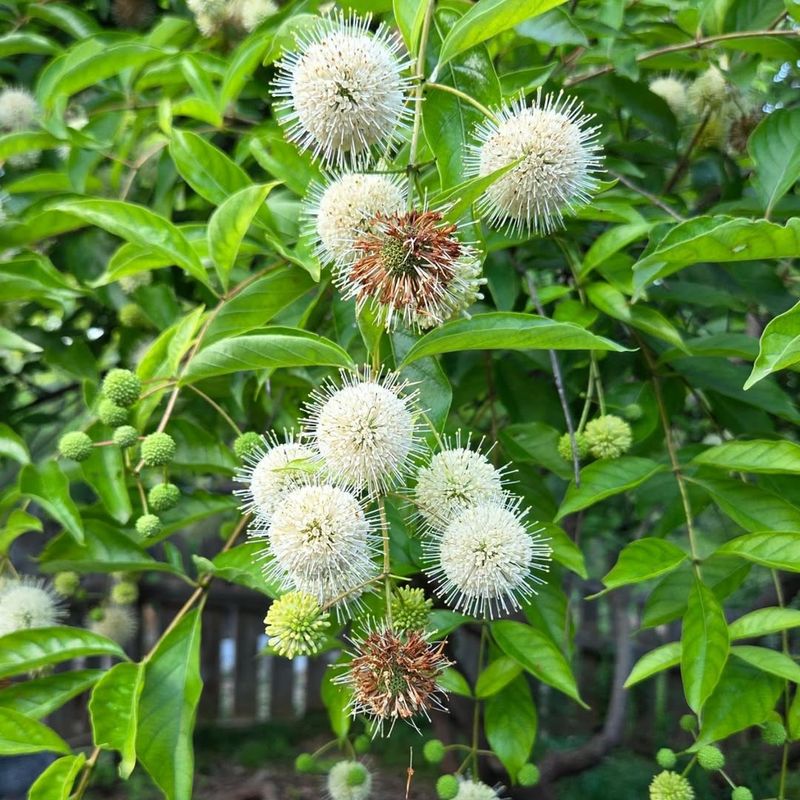
Some plants belong in the wettest corner of the garden, and buttonbush owns that space with confidence.
Found naturally throughout the Mountains, Piedmont, and Coastal Plain of North Carolina, this native deciduous shrub grows beside ponds, streams, and in low areas that collect standing water after heavy rain.
It doesn’t just tolerate those conditions; it genuinely needs them to stay healthy and grow with the vigor that makes it useful in a habitat planting.
The round, white, globe-shaped flower clusters that appear in summer make buttonbush easy to identify and attractive to a wide range of pollinators. But from a habitat perspective, its leafy branching structure matters just as much as its flowers.
The dense, mid-height shrub canopy creates a sheltered space where adult fireflies rest during the day. Meanwhile, the surrounding wet soil maintains the consistently moist conditions that firefly larvae need to thrive.
That combination of shelter above and moisture below is exactly what a complete habitat planting needs at its wettest point.
Buttonbush is not a plant for a standard flower bed or a dry garden border. Planting it in soil that drains too quickly will stress it and fail to deliver the wet habitat conditions you’re trying to create.
It works best placed at the lowest point of a rain garden, along the edge of a pond or stream, or in any area that naturally collects water after storms.
Keep it away from the immediate foundation of your home, and avoid creating conditions where water stagnates in enclosed, poorly ventilated areas nearby.
7. Southern Lady Fern Protects Shaded Soil
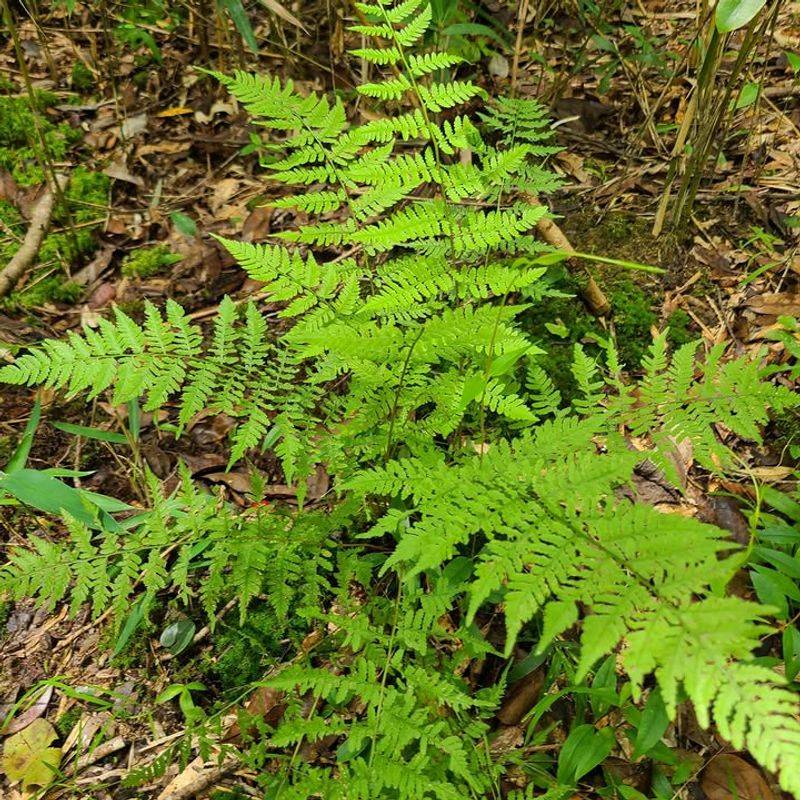
There is something quietly impressive about the way southern lady fern covers the ground.
Its soft, arching fronds spread outward in overlapping layers that shade the soil surface effectively, creating a cool, dim microclimate at ground level that benefits the entire habitat planting around it.
Native to North Carolina, this fern grows naturally in moist woods, open thickets, meadows, and occasionally in swampy areas, giving it a wider range of suitable conditions than many other ferns.
At the base of a layered habitat planting, southern lady fern does something that taller plants simply cannot accomplish on their own.
Its fronds block direct sunlight from reaching the soil surface, which slows evaporation and keeps the ground noticeably cooler and moister through the warm months.
Adult fireflies that rest in low vegetation during the day find the shaded, humid space beneath and among the fronds genuinely hospitable.
Over time, as old fronds break down and mix with fallen leaves from nearby trees and shrubs, they contribute to a rich, organic ground layer that supports the invertebrates firefly larvae search for.
Managing southern lady fern well is straightforward once you understand what it needs. Consistent moisture is the most important factor, so pair it with trees and shrubs that shade the soil and help retain ground-level humidity.
Leave the natural leaf mulch that accumulates between the fern clumps in place through autumn and winter rather than clearing it away.
Avoid frequent soil disturbance around the planting, since the undisturbed ground beneath the ferns is exactly where much of the habitat activity happens throughout the year.
8. Cinnamon Fern Forms A Cool Ground Layer
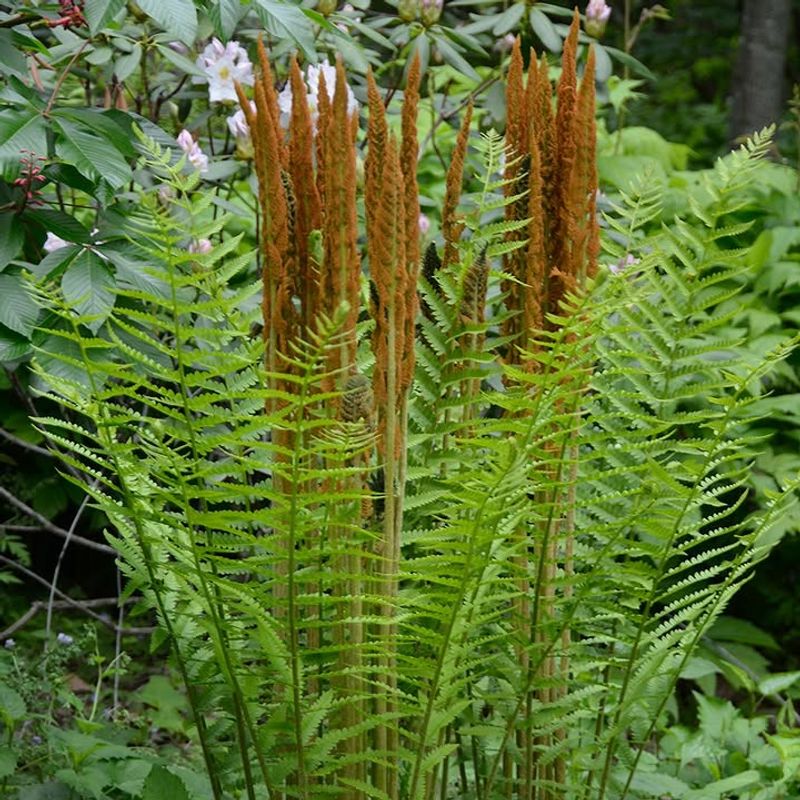
Cinnamon fern has a presence that smaller ferns simply cannot match. Its large, arching fronds can reach five feet or more in favorable conditions, creating a bold, lush ground layer that shades the soil surface broadly and effectively.
Native to the Coastal Plain, Piedmont, and Mountains of North Carolina, this fern thrives in moist, acidic soil and handles occasionally wet conditions without any trouble, making it a natural fit for rain gardens, pond edges, and shaded low spots that stay reliably damp.
The fertile fronds that give cinnamon fern its name are a distinctive cinnamon-brown color and appear in spring at the center of each clump, standing upright among the broader green fronds surrounding them.
Beyond their visual appeal, the large fronds create a continuous canopy at ground level that keeps the soil surface shaded and cool throughout the growing season.
That cooler, moister soil environment supports the conditions that firefly larvae need as they move through the ground searching for small invertebrates during the months before they emerge as adults.
Cinnamon fern works best when it becomes part of a complete, layered planting rather than standing alone in an otherwise bare spot.
Pair it with native trees above and native shrubs at mid-height to build out a full habitat structure, and leave fallen leaves in place on the ground between the fern clumps throughout the year.
The strongest firefly habitat combines plants at several heights with retained leaf cover, moist undisturbed soil, genuinely dark nights, and minimal pesticide use across the entire planting area.
Cinnamon fern completes the ground layer that makes that whole system work.