This Tropical Looking Plant Thrives Through Georgia’s Hottest Weeks
Hot weather can leave plenty of garden favorites looking tired before summer is even over. That is why finding plants that keep growing through the toughest weeks feels like such a win.
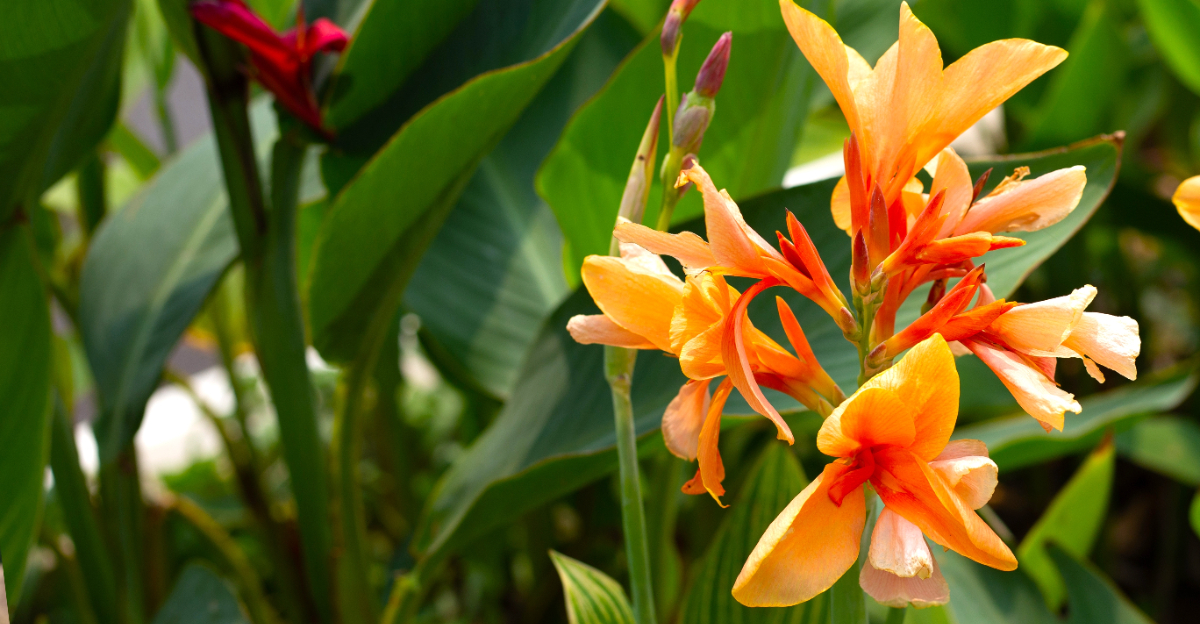
One tropical-looking favorite does exactly that in Georgia without asking for constant attention. Its bold leaves and colorful blooms bring a lush look that seems out of place in the summer heat.
If your flower beds need fresh energy, this plant deserves a closer look. It handles high temperatures far better than many gardeners expect.
Once established, it continues putting on a show when other plants begin to struggle.
Adding it now could keep your landscape bright and vibrant for the rest of the season and well beyond the hottest days.
1. Grow Canna Lily For Tropical Summer Color
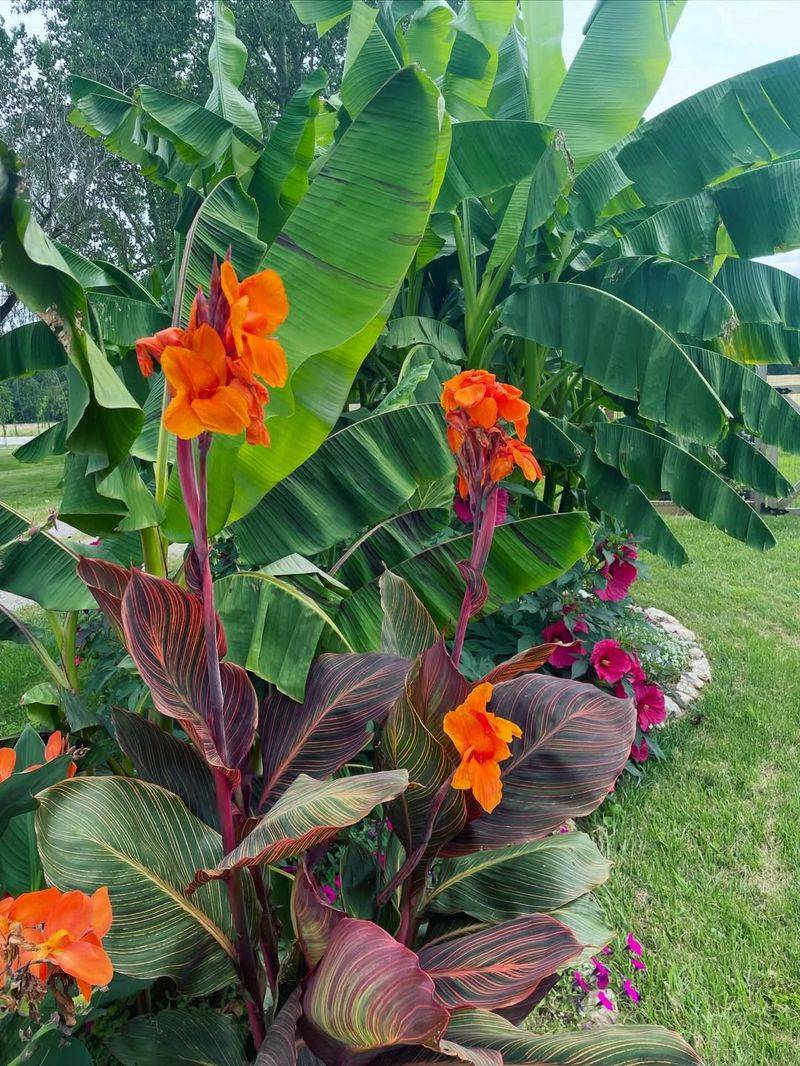
Canna lilies are one of the boldest plants you can grow in a summer garden. Few plants match their combination of dramatic foliage and nonstop color from early summer straight through fall.
Native to tropical and subtropical regions, cannas have been grown in American gardens for over a century. Varieties range from compact two-foot plants to towering eight-foot giants.
Leaf colors include green, burgundy, bronze, and even striped patterns, so there is a style for nearly every garden design.
Blooms come in fiery shades of red, orange, yellow, coral, and pink. Some varieties even show multicolored petals with speckled or streaked patterns.
Each flower spike produces multiple blooms that open in sequence, keeping the color going for weeks at a stretch.
Cannas grow from thick underground rhizomes, which store energy and water. That storage system is part of why they handle heat so well.
Even during dry spells, established plants keep pushing out new growth.
Gardeners in the Southeast find cannas especially rewarding because the long warm season gives rhizomes plenty of time to spread and multiply. A single plant can expand into a full clump within one season under good conditions.
2. Provide Full Sun For Strong Growth
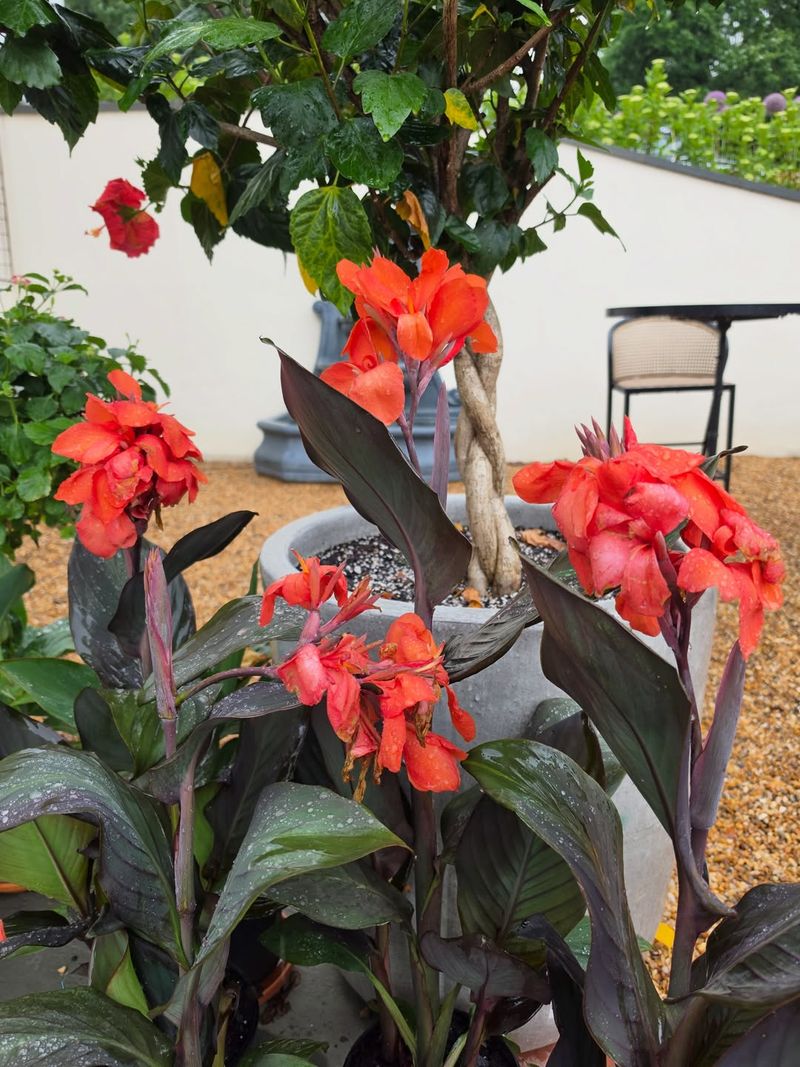
Cannas are sun-hungry plants, and they make no secret of it. Plant them in a shady spot and they will stretch, lean, and produce far fewer blooms than they should.
A minimum of six hours of direct sunlight each day is what cannas need to perform well. Eight hours is even better, especially in areas where summer cloud cover is common.
South or west-facing beds tend to work best for most home gardens.
Insufficient light does not just reduce flower production. It also weakens stems, making plants more likely to flop over in wind or rain.
Foliage may look dull rather than the rich, glossy green or deep burgundy that healthy cannas display.
Reflected heat from walls, fences, or pavement can actually benefit cannas during cooler stretches of the season. Planting near a south-facing brick wall, for example, creates a warmer microclimate that cannas tend to appreciate.
Full sun also helps reduce moisture on leaves, which lowers the risk of fungal issues during humid stretches. Proper air circulation matters too, so avoid crowding plants tightly together even in sunny spots.
Your Georgia Garden Changes Every Week. Your Plan Should Too.
Gardening in Georgia changes quickly throughout the season. Every Friday you’ll receive a simple weekly plan showing exactly what to plant, prune, fertilize, harvest, and protect so you never miss the right timing.
Choosing the right location from the start saves a lot of effort later.
3. Keep Soil Moist During Hot Weather
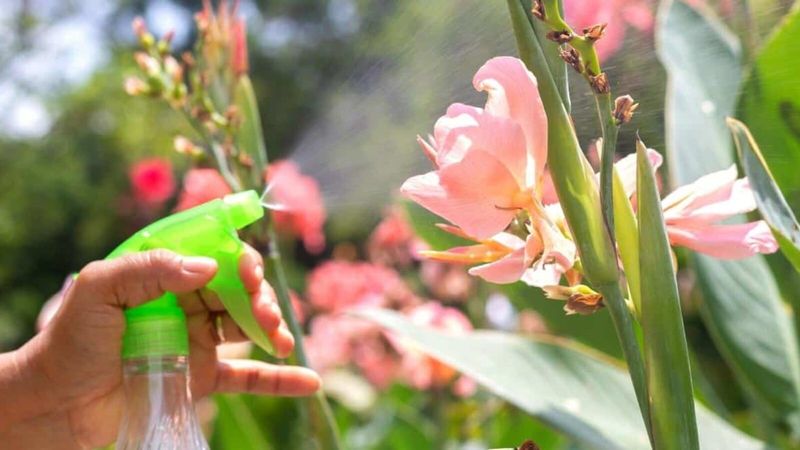
Cannas love heat, but they still need consistent moisture to keep growing strong through the hottest stretches of summer. Dry soil slows growth and can cause leaf edges to brown and curl.
Watering deeply once or twice a week tends to work better than light daily watering. Deep watering encourages roots to grow downward, where soil stays cooler and holds moisture longer.
Shallow watering keeps roots near the surface, where they dry out faster.
Sandy soils drain quickly and may need more frequent watering than clay-heavy soils. Adding compost before planting improves moisture retention in both soil types without causing waterlogging.
Well-amended soil holds just enough water without staying soggy for too long.
Wilting leaves in the early morning are a reliable sign that plants need water soon. Afternoon wilting is less alarming since it can happen even in moist soil during peak heat.
Check the soil a few inches down before adding more water to avoid overwatering.
Container-grown cannas dry out faster than in-ground plants and may need watering every one to two days during a heat wave.
Use pots with drainage holes to prevent root rot, which becomes a real risk when roots sit in standing water for extended periods.
4. Add Mulch To Protect Plant Roots
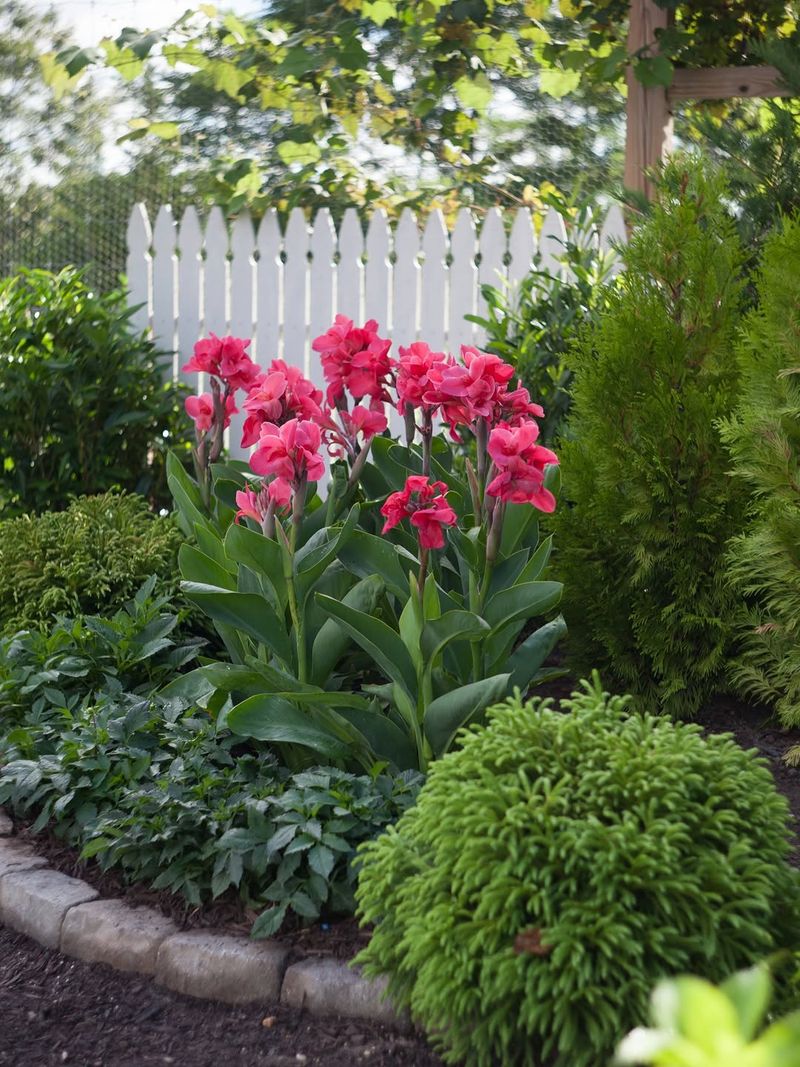
Mulch is one of the simplest things you can do to help cannas through a long, hot summer. A good layer around the base of your plants makes a noticeable difference in how well they hold up between waterings.
Spread two to three inches of organic mulch around plants, keeping it a few inches away from the base of each stem. Wood chips, shredded bark, straw, and pine needles all work well.
Avoid piling mulch directly against stems, which can trap moisture and encourage rot.
Mulch slows evaporation from the soil surface, which means you water less often without sacrificing moisture. On a hot afternoon, bare soil can lose a surprising amount of water to evaporation within just a few hours.
Covered soil stays noticeably cooler and wetter throughout the day.
Beyond moisture retention, mulch gradually breaks down and adds organic matter to the soil. Over time, this improves soil structure, feeds beneficial microbes, and makes nutrients more available to plant roots.
It is a low-effort way to slowly build better soil season after season.
Mulch also suppresses weeds, which compete with cannas for water and nutrients. Fewer weeds means less time pulling them and more time enjoying your garden.
Refresh the layer midseason if it thins out, since decomposition and rain can reduce its depth over time.
5. Feed Plants To Support New Blooms
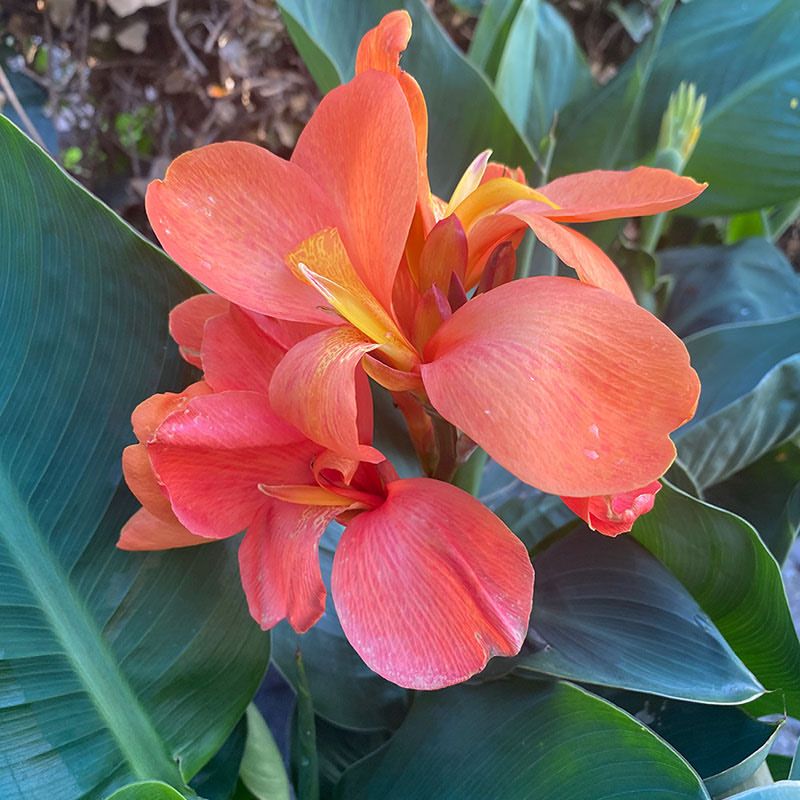
Cannas are heavy feeders, and they show it clearly when nutrients run low. Pale leaves, slow growth, and fewer blooms are common signs that plants need more nutrition to keep performing.
A balanced fertilizer with equal parts nitrogen, phosphorus, and potassium works well for general canna feeding.
Some gardeners prefer a formula slightly higher in phosphorus and potassium once plants are actively blooming, since those nutrients support flower production more directly than nitrogen alone.
Granular slow-release fertilizers applied at planting time give cannas a steady nutrient supply over several weeks.
Supplementing with a liquid fertilizer every three to four weeks during the growing season can help push more blooms during peak summer heat.
Avoid over-applying nitrogen, which encourages lush leafy growth at the expense of flowers. Cannas need their leaves to capture sunlight, but too much nitrogen tips the balance away from blooming.
Read fertilizer labels carefully and stick to recommended rates rather than assuming more is better.
Container cannas need more frequent feeding than in-ground plants because watering flushes nutrients out of potting mix faster than garden soil. A liquid fertilizer applied every two weeks keeps container plants well-supplied through the season.
Timing matters too. Feeding in early summer builds strong plants before the hardest heat arrives.
6. Remove Spent Flowers To Encourage More Color
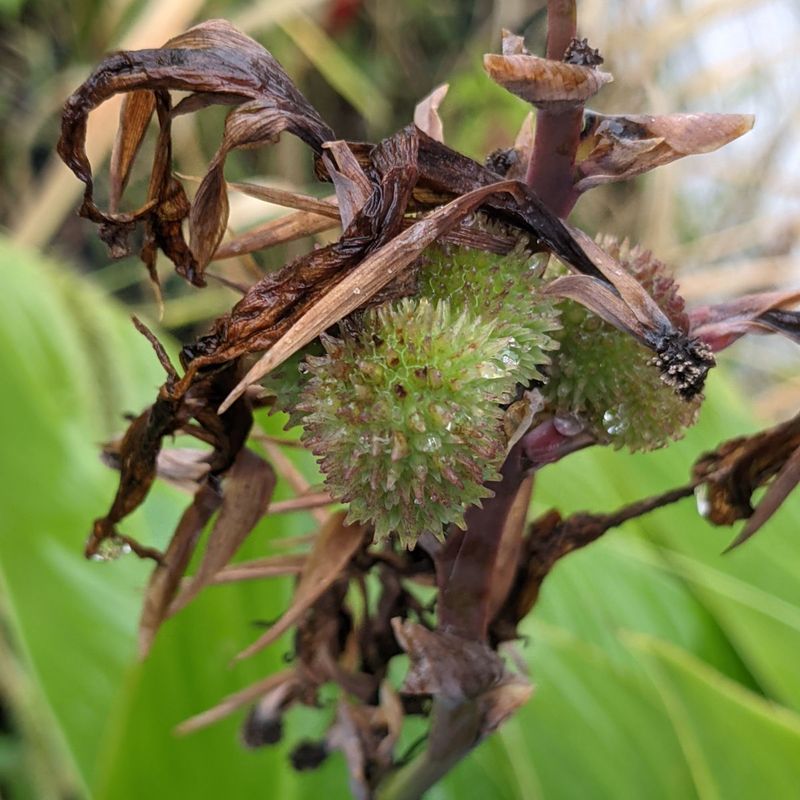
Leaving faded blooms on canna plants is one of the easiest ways to accidentally slow down flower production. Once a flower spike finishes, the plant may shift energy toward forming seeds instead of pushing out new blooms.
Deadheading cannas is straightforward. Snap or cut off the spent flower spike just above the next set of leaves or side shoot along the stem.
New buds often form at these nodes, so removing the old spike redirects energy exactly where you want it to go.
Check plants every few days during peak blooming season. Cannas produce flowers quickly in warm weather, and faded spikes can pile up fast if you miss a few rounds.
Regular deadheading keeps the plant looking tidy and encourages a continuous wave of new color.
Some canna varieties are bred to be more self-cleaning, dropping spent flowers on their own without much intervention. Even with these types, occasional cleanup still helps.
Removing old material also reduces hiding spots for pests and lowers the chance of fungal issues developing on decaying flower tissue.
Sharp, clean pruning shears make the job easier and reduce the chance of tearing stems.
Wipe blades with a damp cloth between plants if you notice any signs of disease, since tools can spread pathogens from one plant to another without you realizing it.
7. Divide Crowded Clumps For Healthier Growth
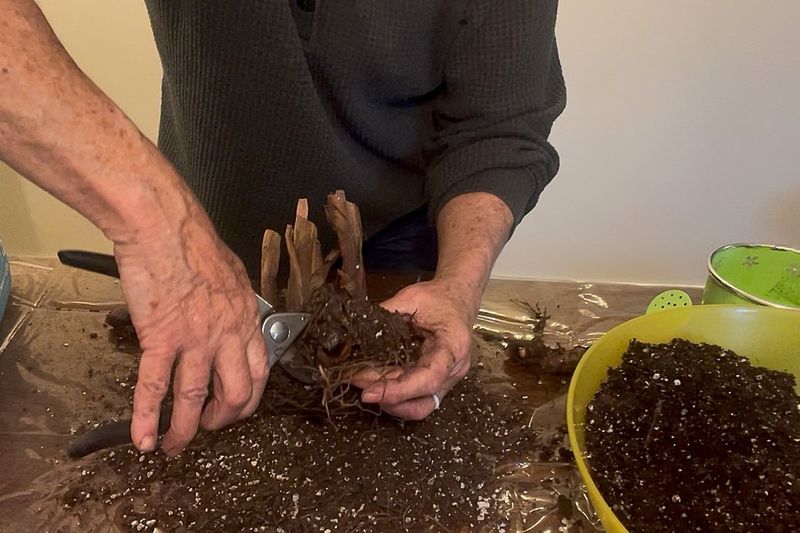
Cannas multiply fast. Within two or three seasons, a single rhizome can expand into a dense clump that starts to crowd itself out.
When that happens, blooms become sparse and plants lose their earlier vigor.
Dividing clumps every two to three years keeps plants healthy and productive. Early spring is the best time to do it, just before new growth emerges from the soil.
At that point, rhizomes are easy to spot and separate without damaging new shoots.
Dig up the entire clump carefully using a garden fork rather than a spade to reduce the risk of slicing through rhizomes. Shake off loose soil so you can see the structure clearly.
Look for sections with at least one visible growth eye, which is the small bump where new shoots will emerge.
Cut rhizomes apart with a clean, sharp knife. Each division should have at least one healthy eye and a firm, solid feel.
Soft or hollow sections may not perform well, so set those aside rather than replanting them.
Replant divisions at a depth of three to four inches in prepared soil. Space them eighteen to twenty-four inches apart to give each new plant room to spread without competing immediately with its neighbors.
Divisions from healthy parent plants establish quickly and often bloom within the same season.