Why Dragonflies Are Suddenly Taking Over Your Florida Yard
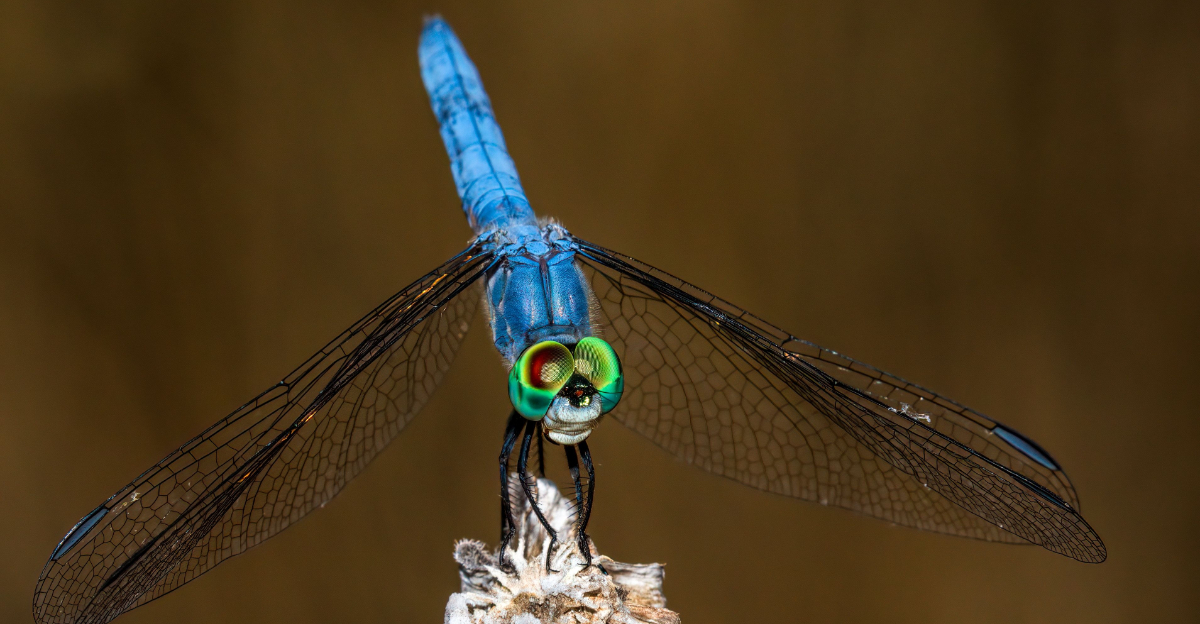
One afternoon you step outside and your backyard looks like a tiny air show.
Dragonflies are zipping over the grass, hovering near the fence, and looping around the garden like little stunt pilots.
If you live in Florida and this scene feels familiar, you are not imagining things.
After a good rain or near any patch of standing water, dragonflies can show up in surprising numbers, and most homeowners have no idea why their yard suddenly became the preferred patrol route.
The answer involves water, prey, hunting strategy, and a life cycle that plays out mostly underground and underwater before it ever becomes visible above your grass.
Understanding what draws dragonflies in and what keeps them there is one of those genuinely satisfying pieces of backyard ecology knowledge that changes how you see your yard every time you step outside.
After a good rain or near any patch of standing water, dragonflies can show up in surprising numbers.
Eight reasons dragonflies are suddenly taking over your Florida yard.
1. Water Is Nearby Somewhere
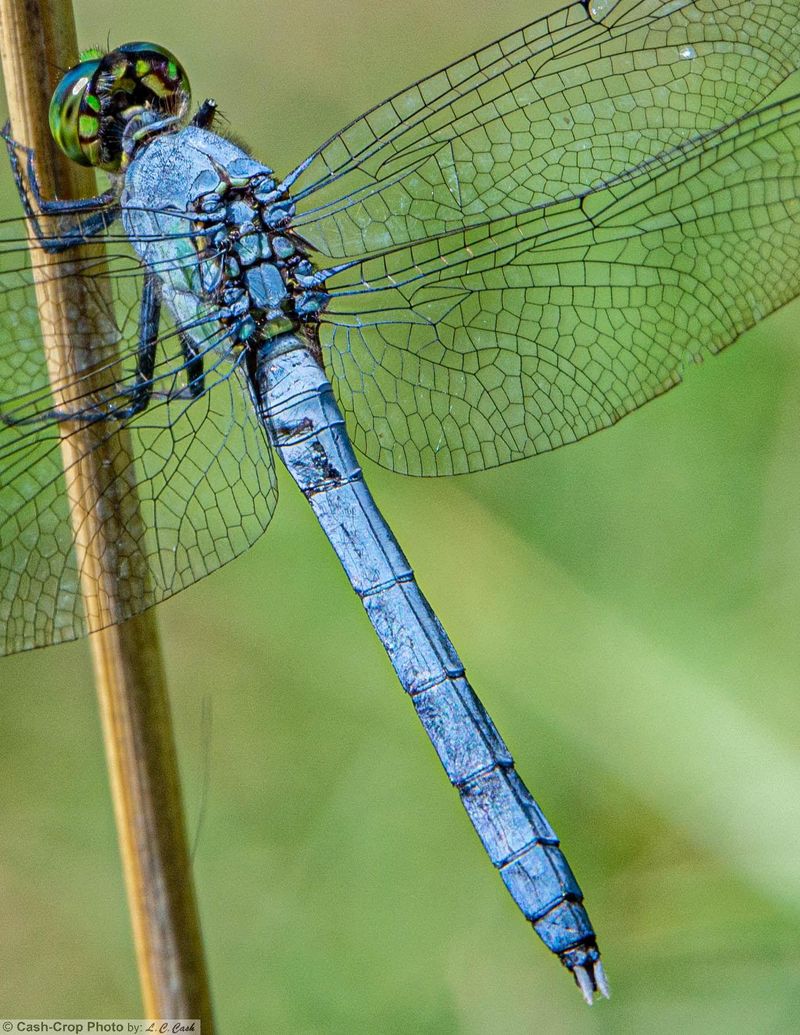
Wings flashing in the afternoon sun, a dragonfly does not just show up randomly.
It shows up because something nearby is calling it in, and that something is almost always water.
Florida yards are full of hidden water sources that many homeowners never think about twice.
Birdbaths, low spots in the lawn, clogged gutters, decorative ponds, and even a forgotten bucket can hold enough water to attract dragonflies.
They are not just passing through for a drink either. They are scouting the area because water is where their whole life cycle begins and ends.
Drainage ditches along Florida roads and neighborhoods are especially popular.
According to UF IFAS Extension, dragonflies breed in a wide range of freshwater habitats, from clean ponds to slow-moving ditches and weedy shallows. Even a shallow puddle that sticks around for a few weeks can become a temporary nursery.
If dragonflies are suddenly patrolling your yard, take a slow walk around the property.
Check the side yard, the back corner near the fence, and the area under the AC unit where condensation drips.
You might be surprised at how much water quietly collects without you noticing.
That water is like a flashing neon sign to a dragonfly looking for the right place to land and lay eggs. Water is the beginning of everything for these fliers.
2. Mosquito Larvae May Be Present
A mosquito-heavy evening in a Florida yard is miserable for people, but for dragonflies, it is basically a buffet announcement.
What many homeowners do not realize is that the mosquito problem and the dragonfly presence are directly connected, starting long before either one takes flight.
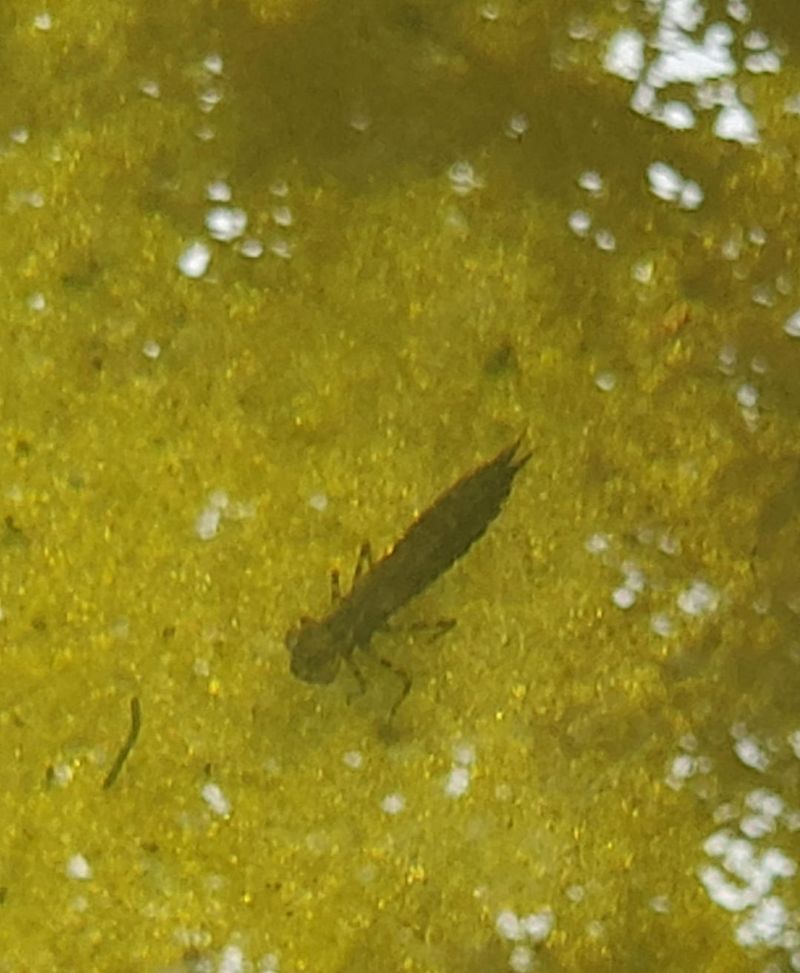
Dragonfly nymphs, which are the underwater young stage of dragonflies, are aggressive hunters in the water.
They feed on mosquito larvae, small aquatic insects, and even tiny tadpoles. If your yard has standing water and that water has mosquito larvae wriggling around in it, dragonfly nymphs may already be in there working through the food supply.
Your Florida Garden Changes Every Week. Your Plan Should Too.
Gardening in Florida changes quickly throughout the season. Every Friday you’ll receive a simple weekly plan showing exactly what to plant, prune, fertilize, harvest, and protect so you never miss the right timing.
UF IFAS Extension notes that dragonfly nymphs are important predators in aquatic ecosystems.
They spend months or even years underwater before emerging as the winged adults you see zipping around your yard. During that whole time, they are steadily eating whatever small creatures share their water.
Mosquito larvae need still, warm water to develop, and Florida has plenty of that, especially after summer rains.
Dragonfly nymphs thrive in the same conditions, which is why these two insects keep crossing paths.
Seeing adult dragonflies patrolling your yard in the evening is a sign that the food chain is already active nearby.
Simply letting a healthy water feature exist without heavy chemical treatment gives nymphs a chance to do their quiet, underwater work before they ever grow wings.
3. Sunny Perches Keep Them Hunting
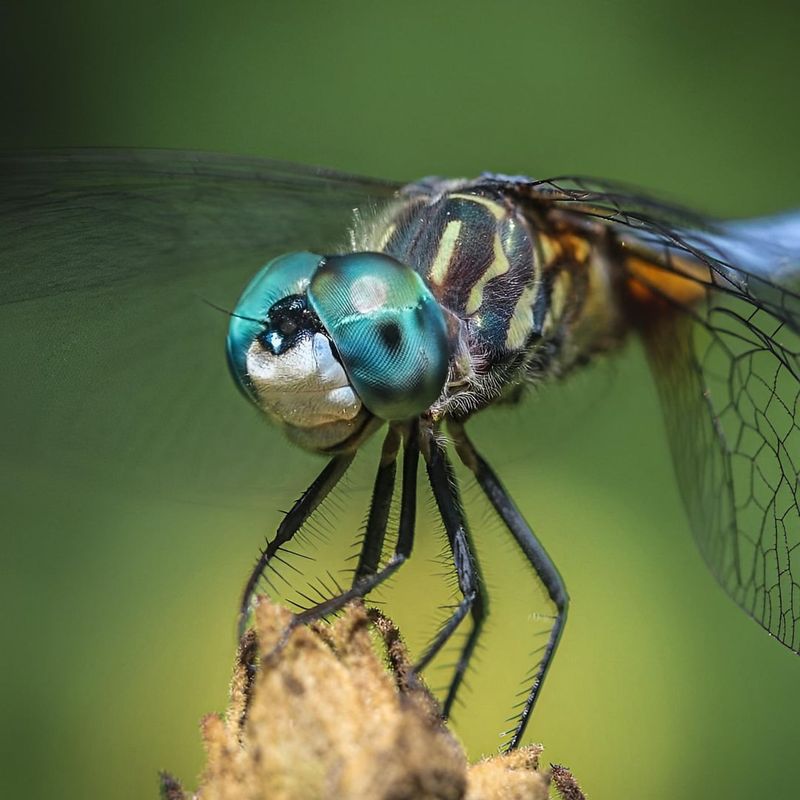
Spot a dragonfly sitting perfectly still on a fence post or garden stake and you might think it is just resting.
That stillness is actually a hunting strategy, and the sunny perch it chose is no accident.
Dragonflies are visual hunters. They need bright light to track fast-moving prey like mosquitoes, gnats, and small flies.
A sunny perch gives them a clear sightline across the yard. From there, they can launch a fast aerial attack and return to the same spot to eat and wait again.
Studies show dragonflies catch their prey mid-air with a success rate that beats most other predatory insects.
In Florida yards, the best perches tend to be fence rails, tall plant stakes, birdbath edges, deck railings, and the tops of garden sculptures.
Anything that sits in full sun and gives a wide view of the surrounding area works perfectly for them.
If you have noticed the same dragonfly returning to the same fence post every day, that is intentional territory behavior.
You can actually encourage more dragonfly activity by adding a few simple perching spots near a water feature.
Tall wooden stakes, smooth river rocks placed in sunny spots, or even a short garden trellis can give them the high ground they prefer.
More perches mean more hunting runs across your yard, which means fewer small flying pests sharing your outdoor space on a warm Florida evening.
4. Ponds Create The Nursery
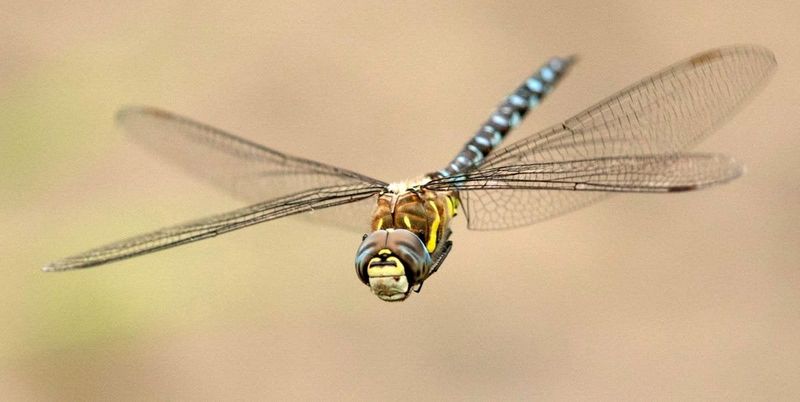
At the edge of a backyard pond on a warm Florida morning, something remarkable is happening just below the surface.
Dragonfly nymphs are crawling through the mud and plant stems, growing slowly, molting again and again, and getting ready for one of nature’s most dramatic transformations.
Ponds are not just decorations in a Florida yard. For dragonflies, a pond is a full nursery, complete with shelter, food, and the right water conditions for eggs to hatch and nymphs to grow.
Shallow edges with aquatic plants are especially valuable because they give nymphs places to hide and hunt at the same time.
According to UF IFAS Extension, Florida is home to more than 160 species of dragonflies and damselflies, and many of them depend on permanent or semi-permanent water bodies to complete their life cycle.
A backyard pond, even a small one, can support multiple species if the water quality is good and aquatic plants are present.
When a nymph is finally ready to emerge, it crawls out of the water onto a plant stem or rock and sheds its final skin.
The adult dragonfly that pulls itself free is soft and pale at first, but within hours it is ready to fly.
That first flight usually happens close to the pond where it grew up, which is why a yard with a healthy pond tends to have steady dragonfly activity all through the Florida warm season.
5. Damp Edges Bring More Action
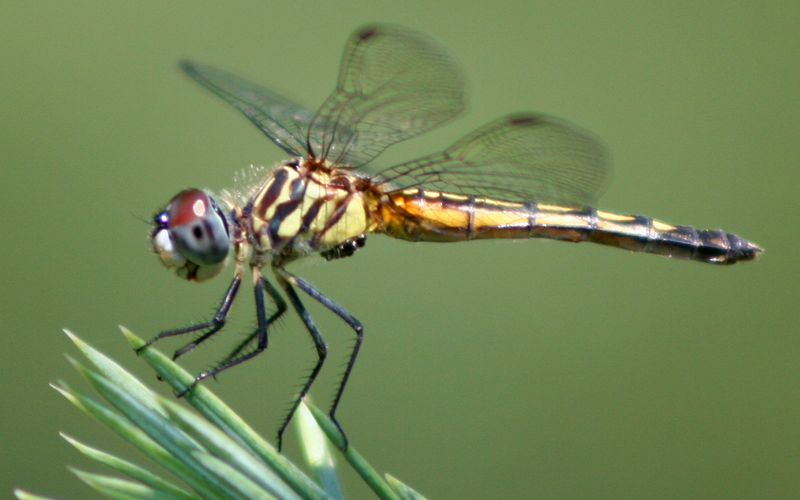
After a heavy Florida summer rain, the edges of the yard turn into something dragonflies find irresistible.
Wet grass, saturated soil, and shallow puddles along fence lines and garden borders create exactly the kind of humid, insect-rich microhabitat that dragonflies patrol with enthusiasm.
Florida’s rainy season runs roughly from June through September, and during those months, the yard goes through a near-daily cycle of soaking and drying.
That pattern keeps moisture in the low spots and edges far longer than most homeowners realize. Retention areas, swales, and the shallow depressions behind raised garden beds can hold water for days after a storm.
Those damp edges are not just wet ground. They are active insect zones.
Midges, gnats, small flies, and other tiny insects emerge from moist soil and low vegetation in large numbers after rain.
Dragonflies track these emergence events and show up right on schedule, working the edges of the yard like experienced patrol officers covering a beat.
If your yard has a low corner that never fully dries out, or a stretch along the back fence where grass grows thick and stays damp, expect dragonflies to make regular passes over those areas.
The combination of warmth, moisture, and available prey turns ordinary wet grass into prime dragonfly hunting territory every single Florida summer.
6. No-Spray Zones Help Them Stay
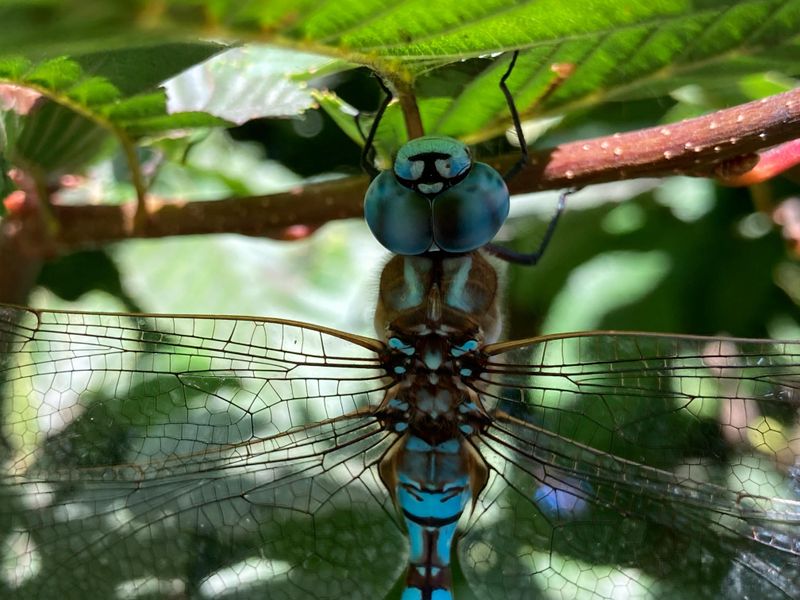
Broad-spectrum insecticides do not read labels about which insects are welcome and which are not.
When sprayed around a yard, they affect far more than the target pest.
Dragonflies, along with bees, lacewings, and other helpful insects, can be seriously harmed by the same products used to reduce mosquitoes or fire ants.
Dragonfly nymphs living in a nearby pond or water feature are especially vulnerable to pesticide runoff.
When chemicals wash off treated lawns and into standing water after rain, they can reduce the aquatic insect populations that nymphs depend on for food.
That kind of disruption can clear out a dragonfly nursery quietly and completely without anyone noticing until the adults stop showing up.
UF IFAS Extension encourages integrated pest management approaches that target specific pests with the least possible impact on the surrounding environment.
Choosing targeted treatments, applying them carefully, and avoiding spraying near water features gives beneficial insects like dragonflies a much better chance of staying active in your yard.
Creating even a small no-spray buffer around a pond, birdbath, or damp garden edge can make a real difference.
Native plants in that zone also provide perching spots and attract the small insects dragonflies hunt.
Think of it as setting aside a little corner of the yard where the natural food chain gets to run without interference.
That small decision can bring noticeably more dragonfly activity back to your outdoor space through the whole warm season.
7. Clean Water Supports More Nymphs
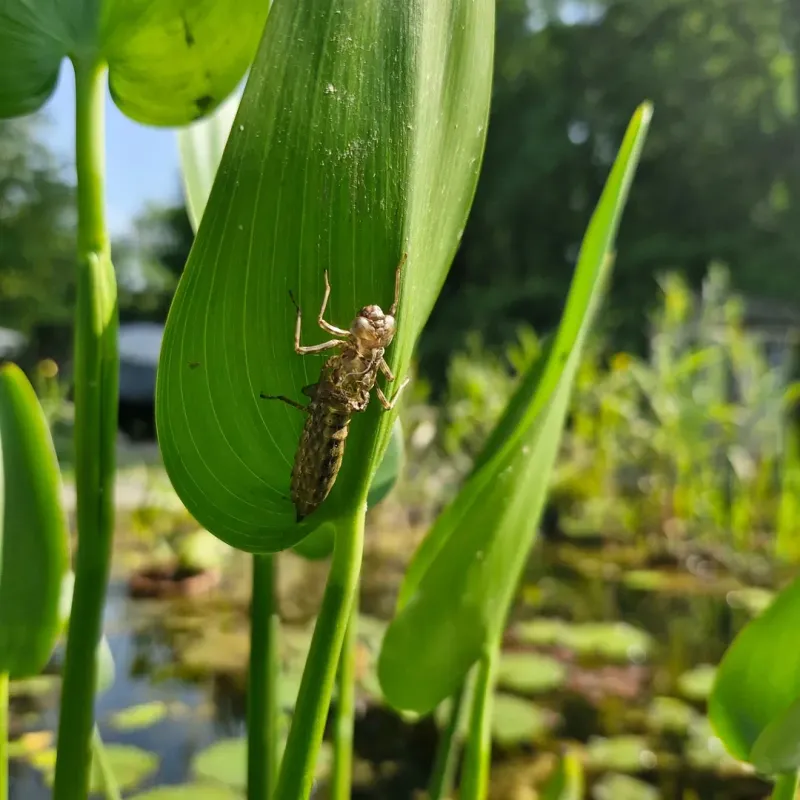
Not all water is equal when it comes to supporting dragonfly nymphs.
A pond choked with algae from fertilizer runoff, or murky from lawn chemicals washing in during rain, is a much tougher place for nymphs to survive and grow.
Clean water with a healthy balance of aquatic plants and oxygen gives them the best possible start.
Fertilizers that run off into backyard ponds or retention areas can trigger algae blooms that reduce oxygen levels in the water.
Low oxygen makes it hard for nymphs and the small aquatic creatures they eat to survive.
Keeping fertilizer away from pond edges and using slow-release formulas on nearby lawn areas helps reduce the amount of nutrient runoff reaching the water.
Aquatic plants like pickerelweed, blue flag iris, and native rushes do a lot of quiet work in a Florida pond.
They absorb excess nutrients, provide oxygen, give nymphs places to hide and climb, and offer adults a perfect launch pad when they are ready to emerge.
UF IFAS Extension recommends native aquatic plants for Florida water features because they support local wildlife without becoming invasive problems.
Keeping a birdbath or small water feature clean by changing the water every few days also matters.
Fresh water reduces mosquito breeding and keeps conditions better for any small aquatic life passing through.
A yard with clean, plant-rich water is essentially advertising itself as premium dragonfly habitat, and the response from the local population is usually quick and very visible.
8. Your Yard Has Pest Patrol
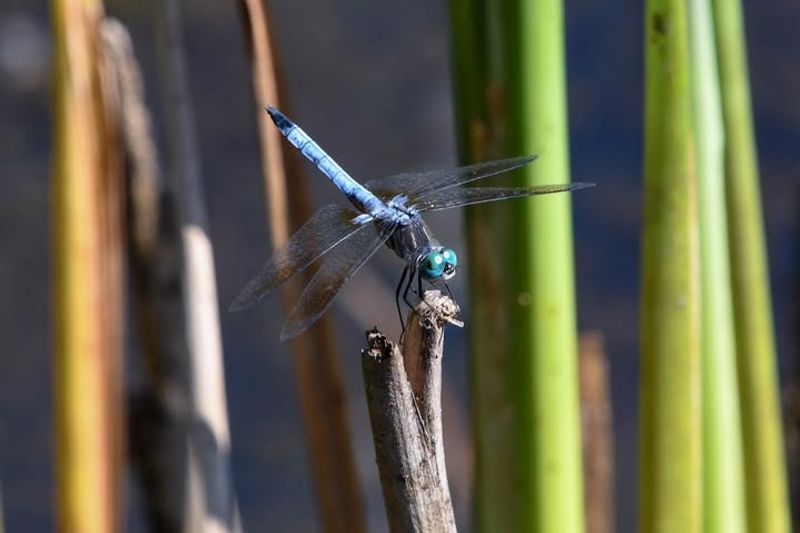
A warm Florida evening, the sun dropping low, and a handful of dragonflies working the yard in wide, looping passes just above head height is not a random flight pattern.
Each pass is a calculated hunting run, and the targets are the mosquitoes and small flying insects that make evenings outdoors uncomfortable.
A single adult dragonfly can consume dozens of small insects in a single day.
Research has shown they are among the most effective aerial hunters in the insect world, with some studies estimating a hunting success rate above 90 percent.
That is impressive for any predator, and it happens quietly in your yard without any effort from you.
It is worth keeping expectations honest, though.
Dragonflies will not clear every mosquito from a Florida yard. Mosquito populations in this state are large and constantly reinforced from surrounding areas.
What dragonflies do is make a real, consistent dent in the local flying insect population around the specific areas they patrol, which is still genuinely valuable.
Encouraging dragonflies by maintaining water features, adding sunny perches, and reducing pesticide use creates a yard where natural pest management is always running in the background.
Think of them as a volunteer patrol that asks for nothing except clean water and a good perch.
They show up on their own schedule, fly their routes with impressive precision, and keep the local insect population a little more manageable every single day they are out there working the yard.