Keep These 8 Plants Away From Oregon Lavender Beds
Oregon lavender beds are some of the most rewarding spots in a home garden, but they can run into trouble when the wrong plants move in next door.
The problem is rarely dramatic.
It usually shows up slowly, as a crown that stays damp after rain, a stem that turns gray and mushy, or a plant that just stops thriving despite your best efforts.
Oregon’s wet winters and cool springs create conditions that lavender tolerates only when its bed drains fast, stays open to airflow, and never holds moisture around its base.
Many popular garden plants love exactly the opposite, and that mismatch is where things go sideways.
Gardeners often group plants by height or color without thinking about water and soil needs, and lavender ends up surrounded by thirsty neighbors that keep the bed too wet for too long.
Shade-loving perennials, moisture-hungry shrubs, and aggressive spreaders all seem harmless enough on their own.
Placed next to lavender, they create the soggy, shady, nutrient-rich conditions that lavender genuinely struggles in.
Here are eight plants to keep away from your Oregon lavender beds.
1. Hostas Bring Too Much Shade
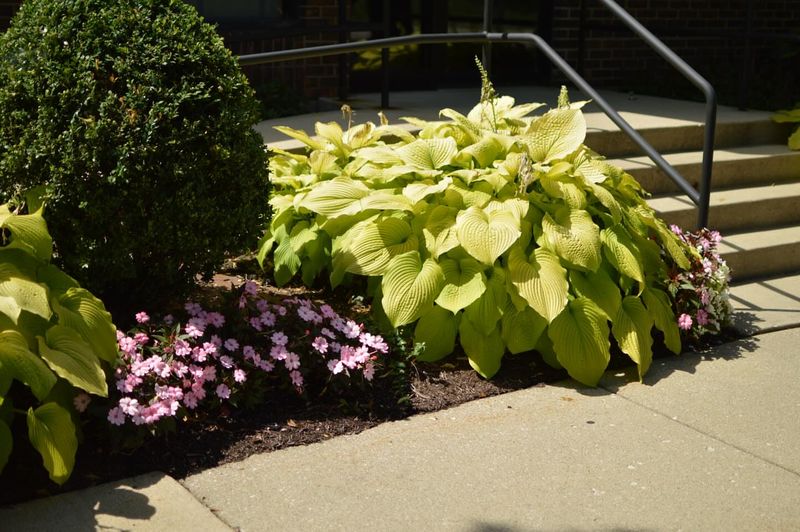
A broad hosta leaf casting shade over a nearby lavender crown is a slow-motion problem most gardeners do not notice until the lavender starts looking thin and pale.
Hostas are built for shade.
They thrive under trees, along north-facing fences, and in the cool, moist corners of an Oregon yard where sunlight barely reaches.
Lavender wants the complete opposite: full sun for at least six to eight hours a day, with nothing blocking the light or trapping humidity around its base.
The mismatch goes beyond light.
Hostas prefer consistently moist, rich soil with good organic matter worked in. They need regular watering, especially during Oregon’s dry summers.
Planting them near lavender means either the hostas suffer from drought or the lavender suffers from overwatering. There is no happy middle ground between these two plants in the same bed.
Hostas also have large, overlapping leaves that trap moisture and reduce airflow at ground level.
In a rainy Oregon spring, that kind of leaf canopy keeps the soil underneath damp for days.
Lavender roots sitting in wet soil for extended periods become prone to root rot, which is one of the most common reasons Oregon lavender plants decline.
Hostas belong in a woodland garden or a shaded border, not anywhere near a sun-baked, well-drained lavender bed.
Give each plant the environment it actually needs, and both will reward you far better for it.
2. Ferns Want Damp Feet
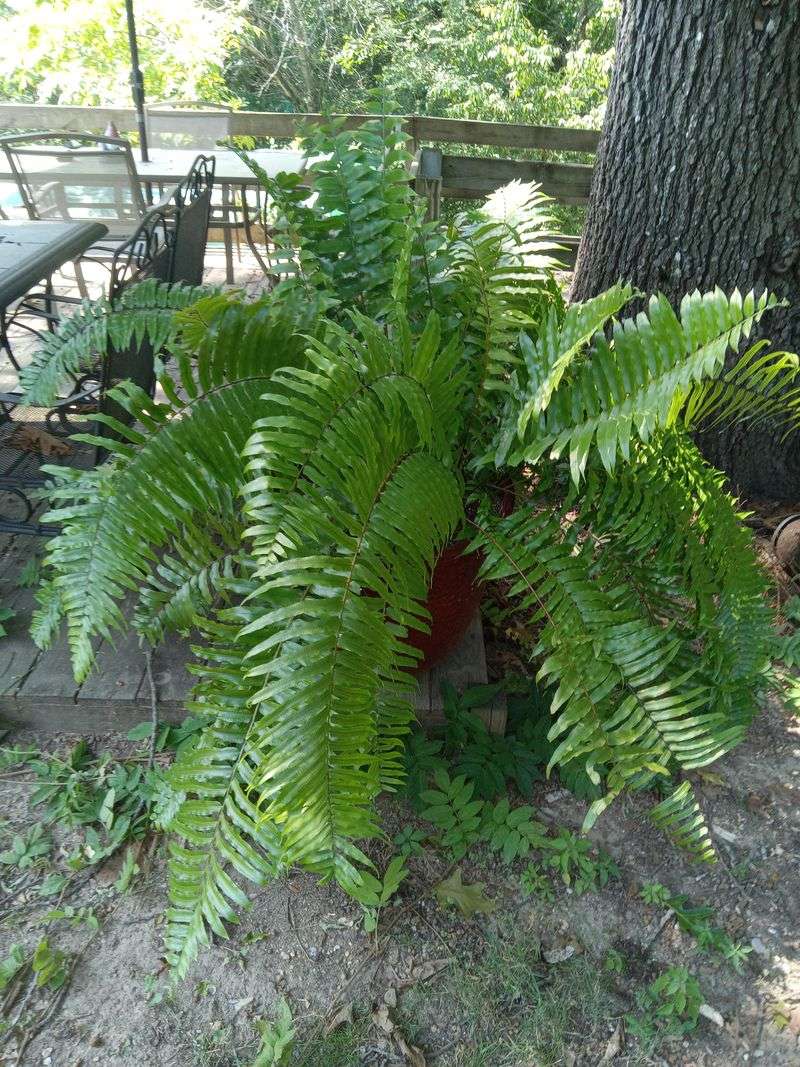
A sprinkler hitting the edge of a lavender bed that also holds a clump of sword ferns tells two different stories at once.
The ferns look happy. The lavender does not.
Ferns are one of Oregon’s most naturally abundant plants, and for good reason. The Pacific Northwest climate, with its long wet winters and cool, shaded understory, is exactly what ferns evolved to grow in.
That same climate is what lavender spends most of its energy trying to survive.
Your Oregon Garden Changes Every Week. Your Plan Should Too.
Gardening in Oregon changes quickly throughout the season. Every Friday you’ll receive a simple weekly plan showing exactly what to plant, prune, fertilize, harvest, and protect so you never miss the right timing.
Ferns need consistently damp soil and prefer shade or filtered light.
Their roots spread through moist, organic-rich ground and they pull water toward the crown of the plant. Placed near lavender, they signal to the gardener that the bed needs regular moisture, which is exactly the wrong message.
Lavender planted in that same zone will be watered on a fern schedule, and that schedule is too wet.
Oregon’s rainy season runs from October through May, and during those months a fern is perfectly content.
Lavender, meanwhile, needs that same period to stay relatively dry around its crown and roots. A soggy crown in winter is one of the top reasons lavender fails in the Willamette Valley and coastal Oregon.
Ferns are beautiful, useful, and perfectly suited to dozens of spots in an Oregon garden.
A sunny, fast-draining lavender bed is simply not one of them.
3. Mint Crowds The Roots
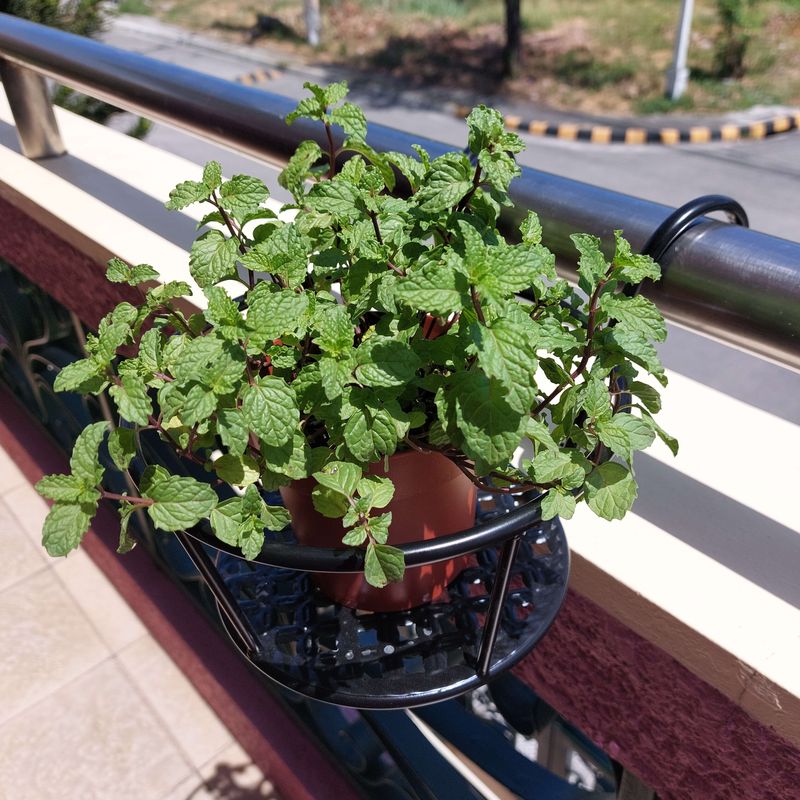
Mint has a reputation, and it has earned every bit of it.
Drop a single mint plant into an open garden bed and within one season it will have sent runners in every direction, popping up through neighboring plants, threading under mulch, and crowding out anything that cannot move out of the way.
Lavender cannot move, and its crown is especially vulnerable to being surrounded and smothered by aggressive spreaders.
The root competition alone is a serious problem.
Mint forms a dense, shallow root mat that competes directly with lavender for space and resources.
More importantly, mint thrives in moist soil. It actually prefers the kind of consistently damp conditions that lavender finds harmful. Planting mint nearby almost guarantees the bed will be kept wetter than lavender wants, because mint signals thirst constantly and gardeners respond by watering more frequently.
Mint also grows tall and bushy quickly, and in a mixed bed it can lean over lavender and reduce the airflow that keeps lavender crowns dry after rain.
Oregon summers are dry, but spring is not, and a mint plant in full growth mode during April and May can create a microclimate of trapped moisture right where lavender needs open air.
The fix is simple: grow mint in a container.
The safest bet is keeping mint completely separate from any lavender planting. Your lavender will breathe easier for it.
4. Hydrangeas Need Heavier Water
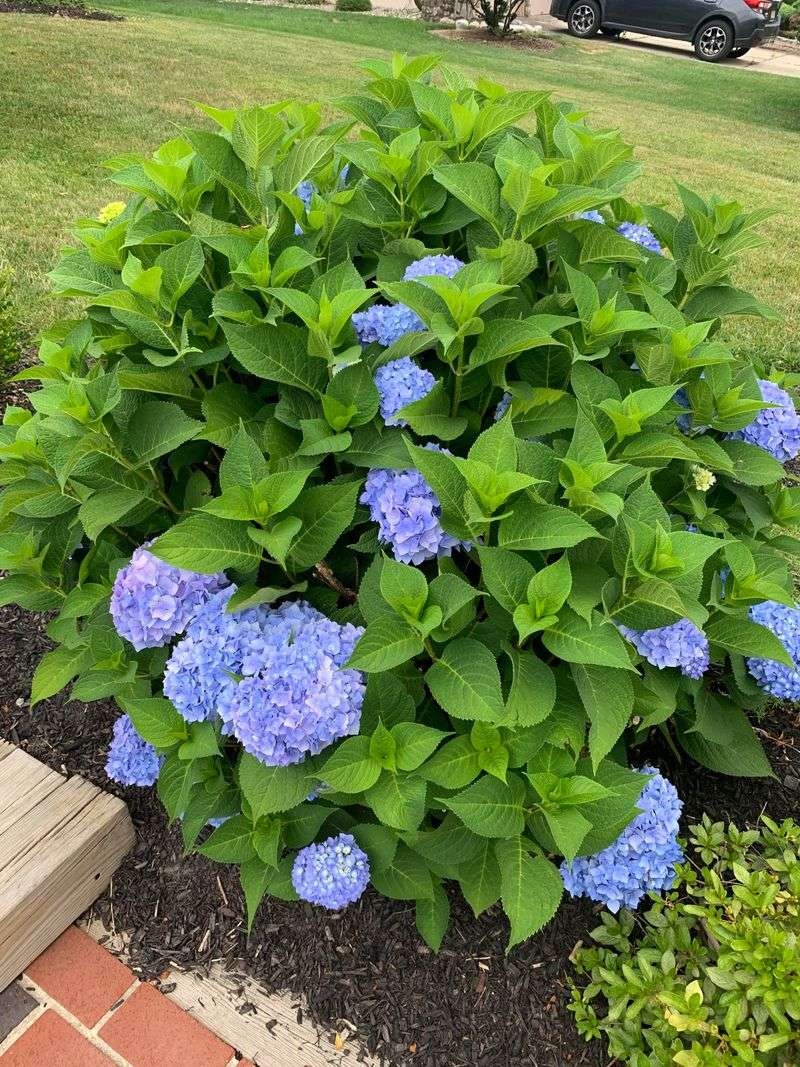
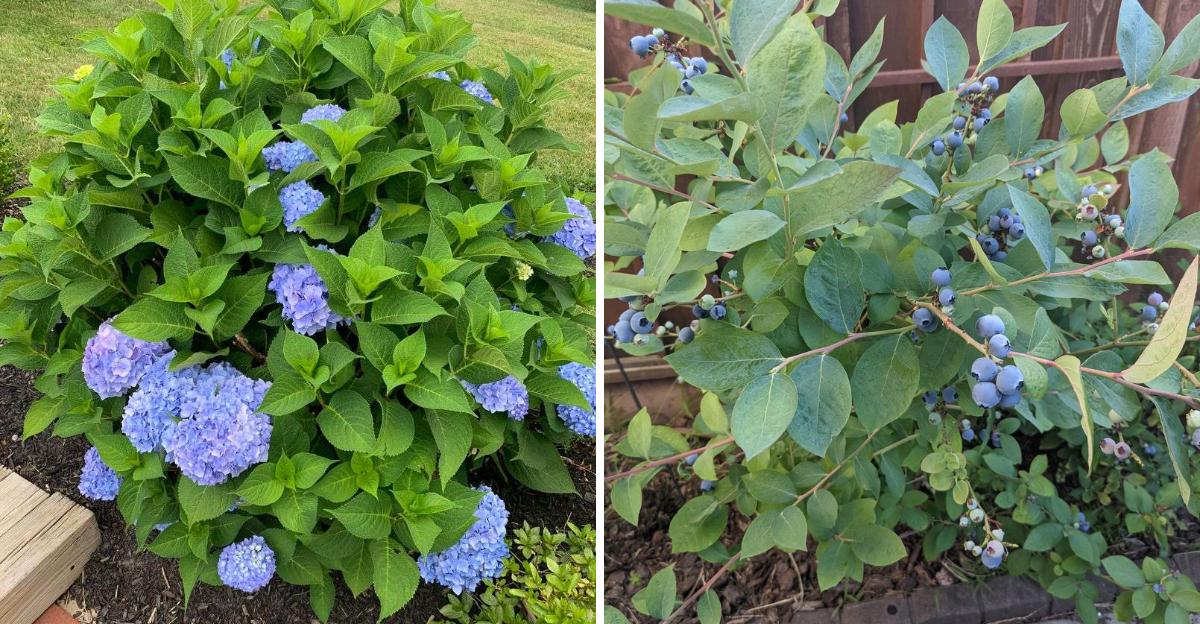
Few shrubs are as beloved in Oregon gardens as hydrangeas.
Their big, showy blooms look stunning from midsummer into fall, and they grow reliably across much of the state.
The problem is not the hydrangea itself. The problem is what hydrangeas require to look that good, and how those requirements clash directly with what lavender needs to stay healthy.
Hydrangeas are thirsty plants.
During Oregon’s dry summers, they need deep, regular watering to keep those large flower heads from wilting. They also prefer rich, well-amended soil with good moisture retention.
Lavender wants lean, fast-draining soil that dries out between waterings.
Trying to satisfy both plants in the same bed means one of them will always be unhappy, and in most cases it ends up being the lavender.
The soil amendment issue runs deep.
Hydrangeas benefit from organic compost worked into the bed each year. That added organic matter improves moisture retention, which is great for hydrangeas and genuinely harmful for lavender.
Rich, moisture-retentive soil encourages the kind of root rot and fungal issues that cut lavender’s productive life short in Oregon’s wetter climate.
Hydrangeas also grow large and leafy, eventually casting shade over neighboring plants.
Plant hydrangeas in their own dedicated spot with the rich, moist conditions they love, and let lavender have its lean, sunny bed.
5. Astilbe Pulls The Bed Wet
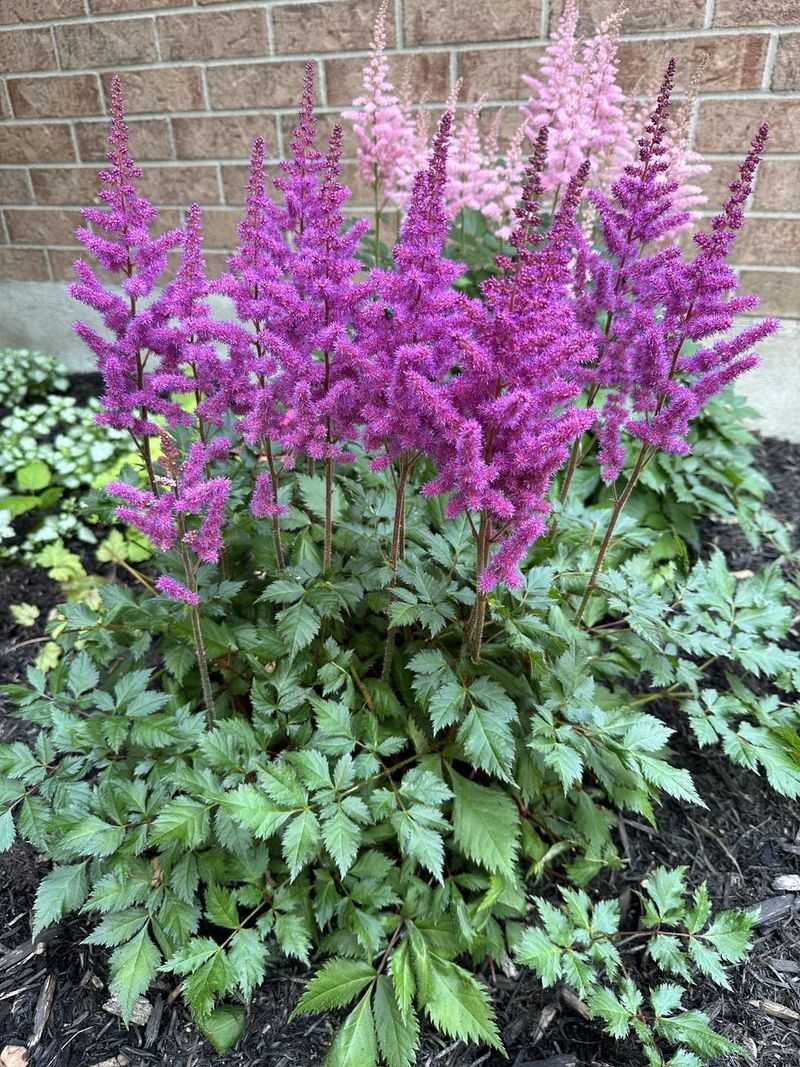
Astilbe is one of those plants that makes a garden bed look effortlessly lush.
Those feathery plumes in pink, red, and white are genuinely gorgeous, and Oregon gardeners love them for good reason.
But astilbe is a moisture magnet. It needs consistently wet soil to perform well, and it will tell you loudly when it is not getting enough water by wilting and browning at the tips.
That feedback loop trains gardeners to keep the bed moist, which is the exact opposite of what lavender needs.
In a mixed planting, astilbe’s water requirements will almost always win the scheduling battle.
The bed gets watered on astilbe’s terms, and lavender sits in that damp soil far longer than it should.
Lavender crowns that stay moist, especially after Oregon’s spring rains, become prone to fungal problems and slow decline.
Astilbe also prefers partial shade, which is another red flag for lavender compatibility.
It does best under a light canopy or in a spot that gets afternoon shade during hot summers.
Lavender planted nearby will eventually find itself competing for the full sun it needs as surrounding astilbe clumps grow and fill in.
The two plants are genuinely beautiful in their own right, but they belong in completely separate beds with completely different care routines.
6. Impatiens Prefer Cool Shade
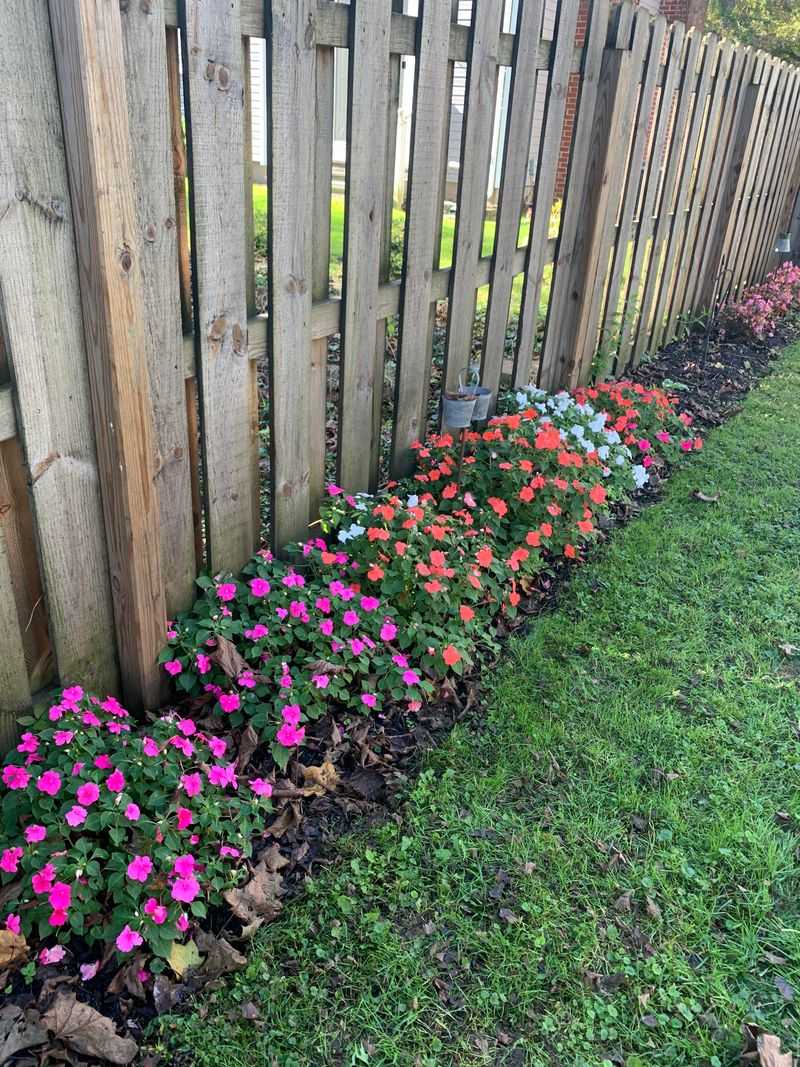
Walk into almost any Oregon garden center in late spring and you will find flats of impatiens stacked near the checkout.
They are cheerful, colorful, and easy to tuck into bare spots. That convenience is part of the problem.
Gardeners sometimes fill gaps in a lavender bed with impatiens without thinking through the care mismatch, and the results are not great for the lavender.
Impatiens are cool-shade lovers.
They wilt dramatically in full afternoon sun and need consistent moisture to keep their flowers going all season.
A bed that suits impatiens will be partially shaded, regularly watered, and mulched heavily to retain soil moisture. Every one of those conditions is a problem for lavender.
Shade reduces the airflow and light that lavender depends on. Regular watering keeps the soil wetter than lavender’s roots want. Heavy mulch holds moisture right at the crown, which is exactly where lavender is most vulnerable.
There is also a seasonal timing issue specific to Oregon.
Impatiens go in when the soil warms in late spring, right when lavender is pushing new growth and needs its bed to dry out after the wet winter.
Adding impatiens at that moment, along with the extra watering they require, puts lavender under stress right at its most important growing window.
Impatiens are a great choice for shaded containers, hanging baskets, or a dedicated annual bed. They just do not belong in the same space as lavender.
7. Camellias Want Rich Acid Soil
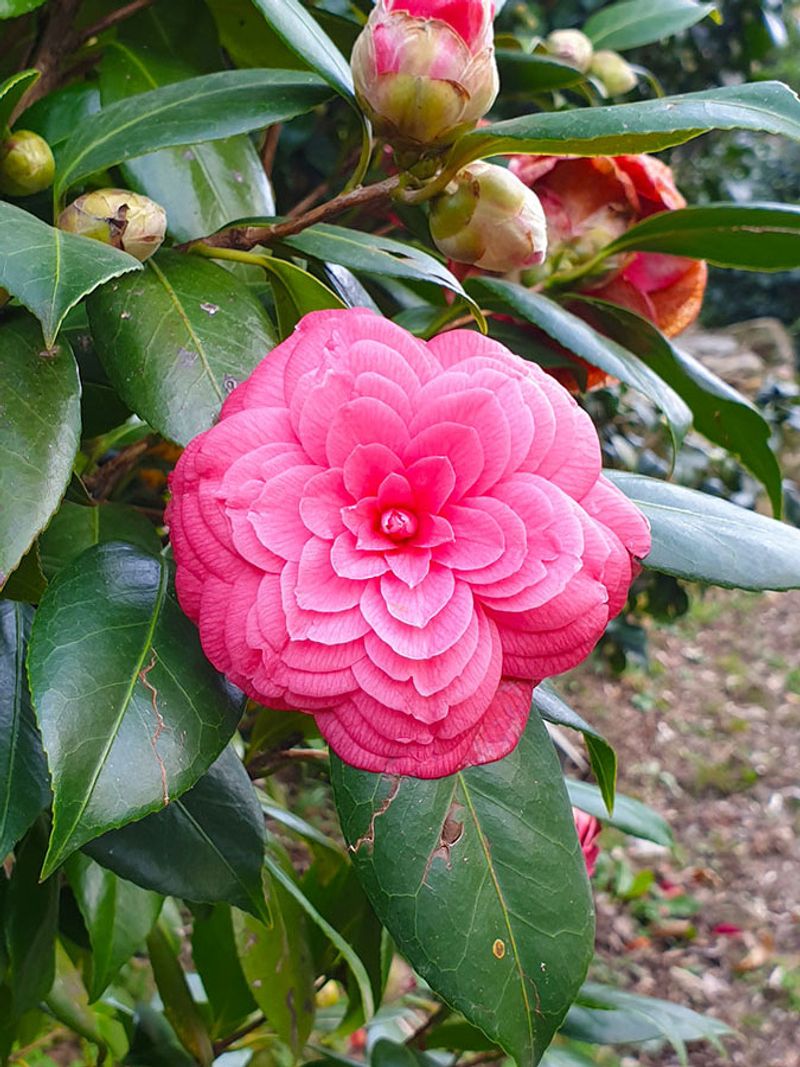
Oregon gardeners are lucky. Camellias grow beautifully across much of the state, especially west of the Cascades where the mild, wet winters suit them perfectly.
But camellias have very specific soil needs, and those needs put them in direct conflict with lavender if the two plants end up sharing a bed or even a nearby planting zone.
Camellias need acidic soil, ideally with a pH between 5.5 and 6.5.
They also need rich, well-amended soil with good organic content and consistent moisture.
Lavender prefers a pH closer to neutral or even slightly alkaline, around 6.5 to 7.5, and it thrives in lean, gritty soil that drains fast and stays relatively dry.
Amending soil to suit camellias makes it actively hostile to lavender, and vice versa.
The shade factor is real too.
Camellias develop into large, dense shrubs over time, and a camellia positioned near a lavender bed will eventually cast shade over it as the shrub matures.
Combined with the moisture and soil chemistry issues, that shade creates a triple mismatch.
Camellias are wonderful plants that deserve a dedicated spot with the right acidic, amended soil and adequate moisture.
Lavender deserves an open, sunny, lean bed with excellent drainage.
Give both plants what they actually need, and they will both thrive separately.
8. Blueberries Change The Soil Game
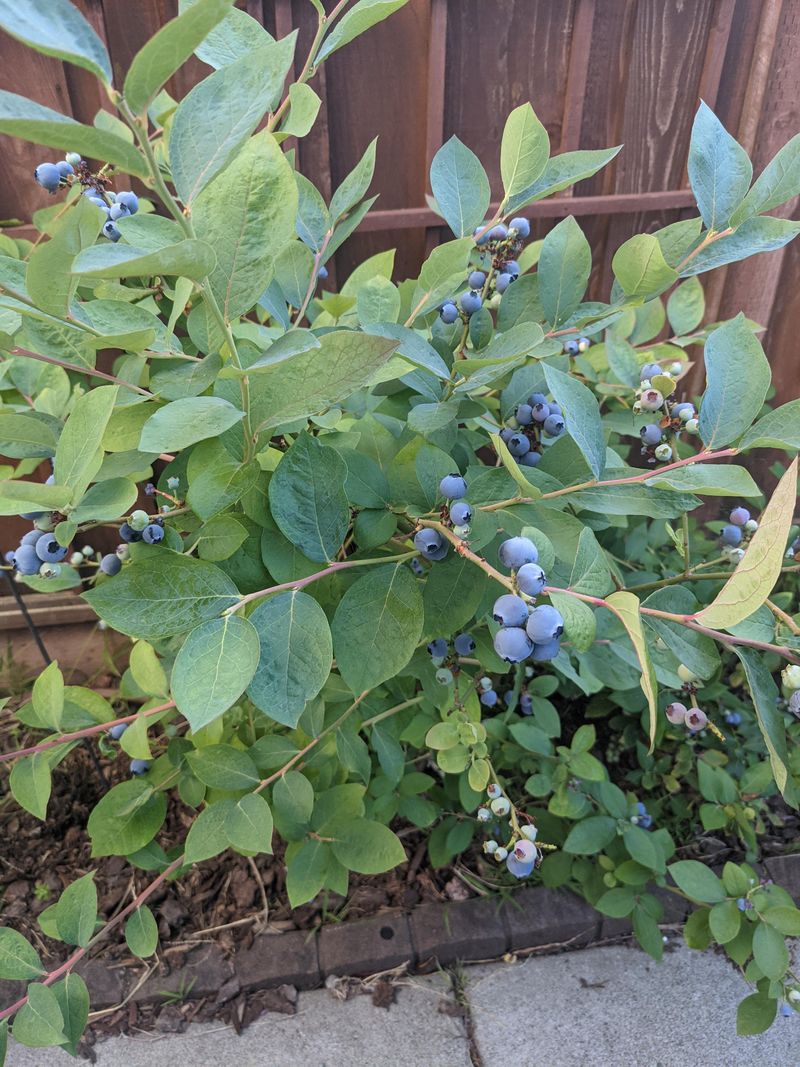
Blueberries are practically a Pacific Northwest tradition. Oregon gardeners grow them with real pride, and the fruit is worth every bit of the effort.
But blueberries are demanding about soil chemistry in a way that makes them genuinely incompatible neighbors for lavender.
Growing them in the same bed, or even amending nearby soil to suit them, can shift conditions away from what lavender needs to perform well.
Blueberries require acidic soil with a pH between 4.5 and 5.5.
Growers often add sulfur, acidic compost, or pine bark to bring the pH down and keep it there.
Lavender planted anywhere near that amended zone will find itself in soil that is too acidic and too rich. Lavender in acidic, organic-heavy soil tends to put out lots of leafy growth without blooming well.
Watering requirements add another layer of conflict.
Blueberries need regular, deep watering throughout the growing season, especially when fruit is setting and ripening.
They also benefit from a thick layer of acidic mulch like wood chips or pine needles, which holds moisture and slowly lowers the soil pH.
That kind of mulch right next to lavender is a recipe for a damp, acidic crown environment that lavender struggles in.
Blueberries are worth growing, just in their own dedicated bed where you can dial in the exact soil chemistry and moisture they need without compromising your lavender.