What to Plant in Your Oregon Yard Right Now Before the Fall Window Closes
The rain is back, the soil is still warm, and your garden is quietly asking for one more round of planting. Fall in western Oregon is one of the best times of the year to put new plants in the ground, because roots keep growing all winter while the sky does most of the watering.
If you have been eyeing that pot of perennials by the garage or the bag of bulbs you swore you would plant, now is your moment. Here are nine smart picks to tuck in before the window closes.
1. Daffodils and Alliums
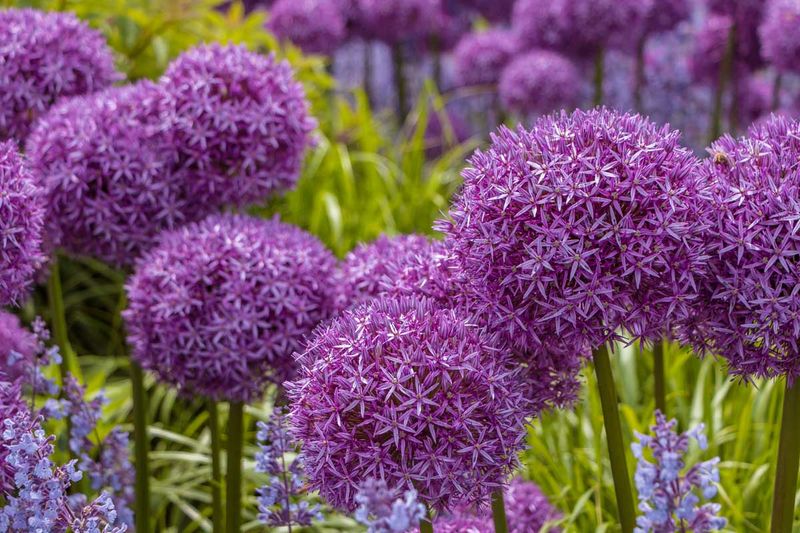
Anyone who has watched a squirrel dig up a freshly planted tulip knows the special heartbreak of feeding the neighborhood wildlife your spring dreams. Daffodils and alliums are the bulbs that tend to get left alone.
Deer and rodents usually find them unappealing, which makes them a relief for gardeners from Salem to Beaverton.
Plant daffodils about six inches deep, pointy end up, in groups of five or more for a natural look. Alliums like the same well-drained spot and send up those big purple globes in late spring, right when the daffodils are fading.
Together they stretch your color season by weeks.
Our soggy west-of-the-Cascades winters are the main risk here. Bulbs sitting in heavy clay that stays wet can rot, so mix in some compost or pick a slightly raised bed or slope.
October and early November are ideal timing in zones 8a and 8b.
Fun bonus: bees working the early garden may visit allium flowers eagerly once they open. So while you are protecting your own sanity from critters, you are also setting out a late spring snack bar for pollinators.
2. Snowdrops and Winter Aconite
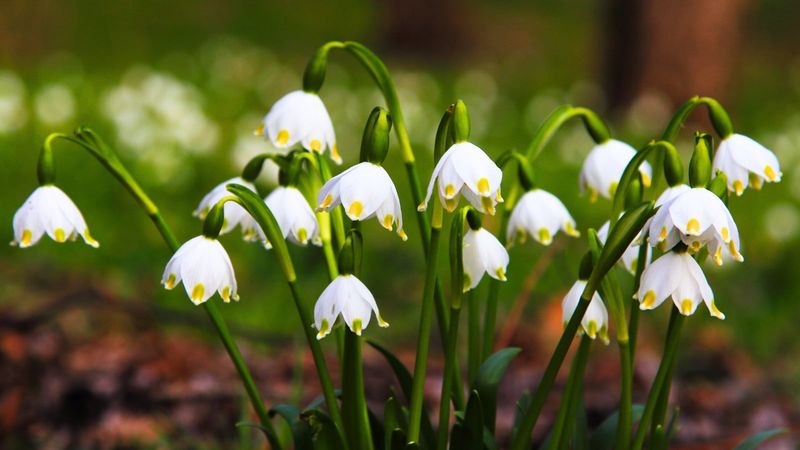
February in Portland can feel like one long gray Tuesday. Then one morning you spot tiny white bells nodding under the maple, and suddenly the whole week looks better.
Snowdrops and winter aconite are the minor bulbs that make that moment happen. They are small, cheap, and easy to forget in the bottom of a shopping bag, which is exactly why you should plant them now before they end up in the garage until March.
Snowdrops show off white drooping blooms, while winter aconite spreads buttery yellow cups that look like little suns on the ground.
Both love the shady edges under deciduous trees, where they get winter light and summer rest. Tuck them about three inches deep in loose, leafy soil.
Over the years they can slowly spread into carpets, especially if you leave the fallen leaves where they land.
For early foraging bees on mild days, these blooms may offer a rare bit of food when almost nothing else is open. That is a small, sweet way to do right by wildlife in the dead of winter.
3. Oregon Grape
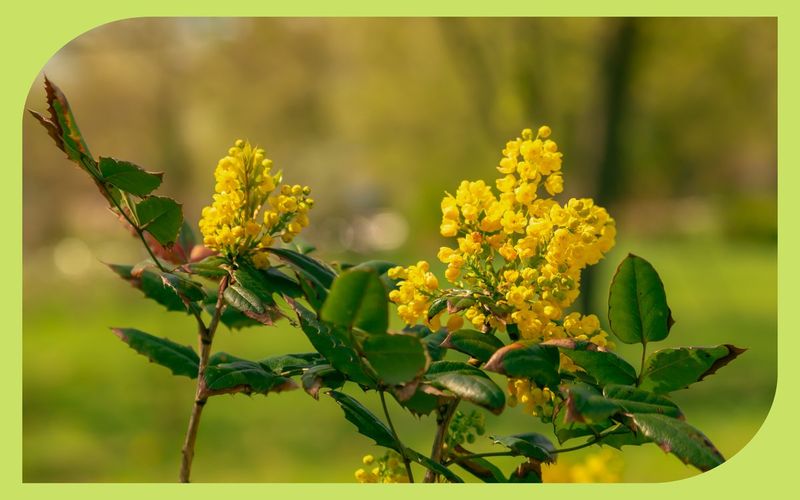
There is something satisfying about planting the official state flower in your own yard. Oregon grape is tough, glossy, and completely at home in our climate, which means it rarely asks you for much.
Your Oregon Garden Changes Every Week. Your Plan Should Too.
Gardening in Oregon changes quickly throughout the season. Every Friday you’ll receive a simple weekly plan showing exactly what to plant, prune, fertilize, harvest, and protect so you never miss the right timing.
The spiky evergreen leaves look good all year, and some turn wine red or bronze in cold snaps. In late winter and early spring, bright yellow flower clusters appear, often before many other shrubs wake up.
Those blooms can provide early food for native bees, and the dusty blue berries that follow may attract birds later in summer.
Fall planting gives it a real head start. The roots settle in through the rainy months, so by its first dry July it is far better prepared to handle drought than a spring-planted shrub.
It grows well in part shade and can tolerate sun, making it handy for those awkward spots along fences or under tall firs.
If you have felt a little guilty about how much lawn you have, swapping a patch for a cluster of Oregon grape is a gentle, beautiful fix. Your yard gets more interesting, and local pollinators get a better neighbor.
4. Camellias
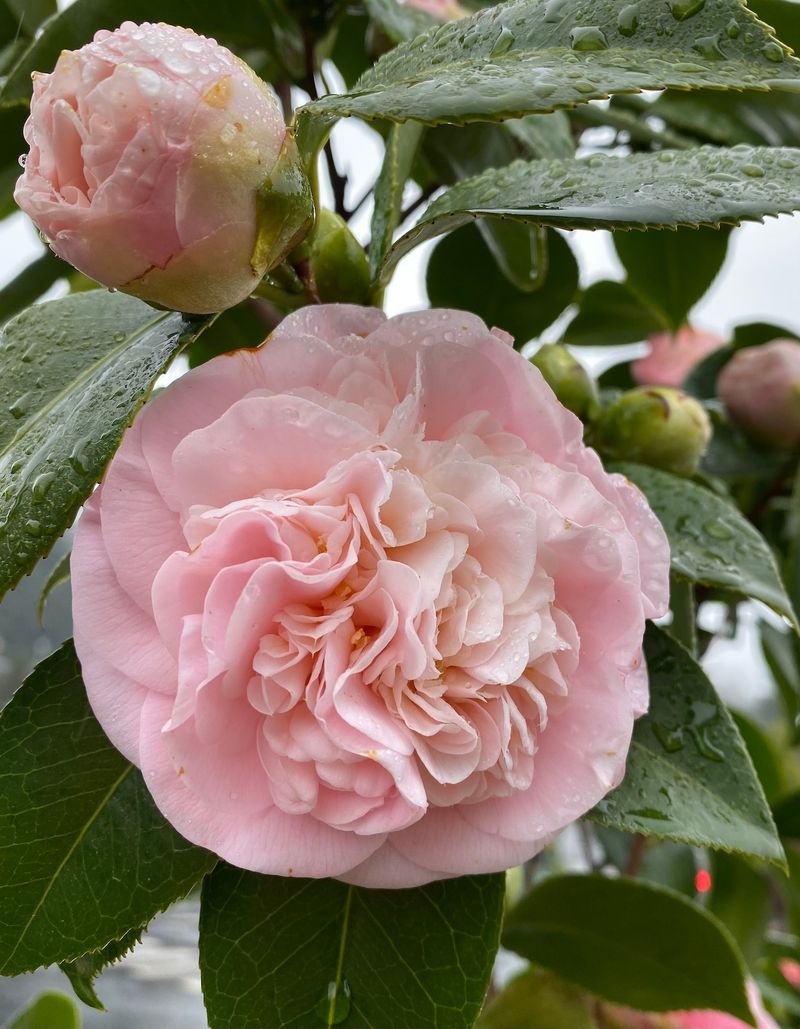
Picture a pink flower opening in December while rain drips off the gutters. Camellias make that scene real in Willamette Valley yards, and once you have one blooming in winter, you may start plotting where the next one goes.
Sasanqua types often bloom from fall into early winter, while japonica varieties tend to take over in late winter and early spring. Plant one of each and you can have flowers across the darkest stretch of the year.
Their shiny evergreen leaves also make a handsome screen long after the petals drop.
Camellias prefer slightly acidic, well-drained soil and some protection from harsh afternoon sun, which suits many Oregon yards naturally. A spot on the east or north side of the house is usually a safe bet.
Mulch around the base, but keep it from piling up against the trunk.
Planting now lets roots grow while the air is cool and the rain is steady. Just go easy on fertilizer this late in the year, since pushing new soft growth right before a freeze can backfire.
5. Red Sunset Maple
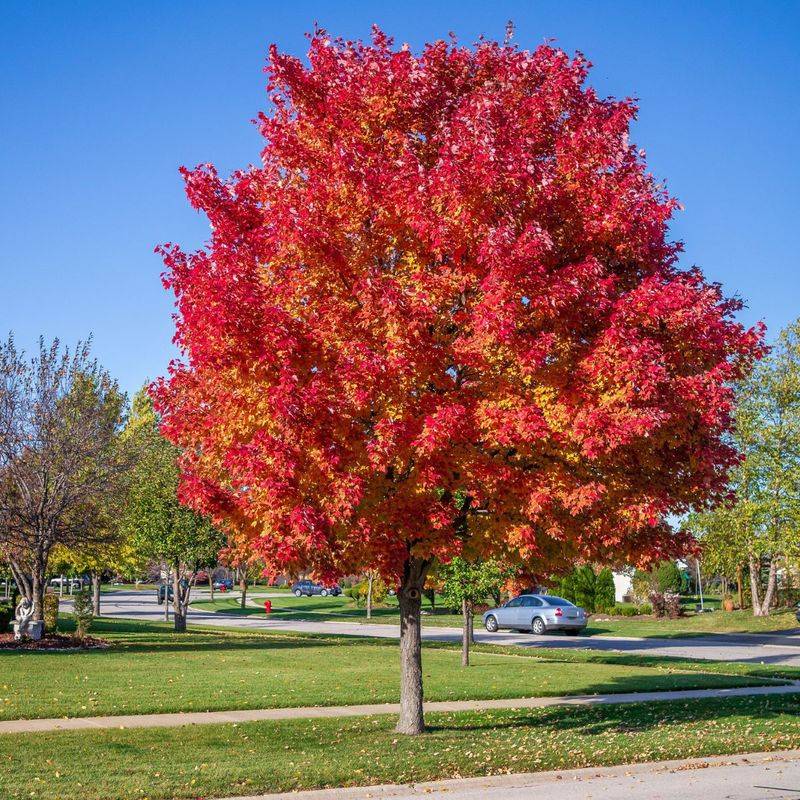
Every October, a few trees on your street suddenly light up like campfires. If you have ever driven past one and thought, I want that, fall is the right time to make it happen.
Red Sunset maple is a popular pick for Oregon yards because it reliably turns brilliant red to orange-red in autumn and grows at a steady, reasonable pace. It handles our wet winters well and becomes a solid shade tree over time.
Other fall color champions worth a look include Pin Oak, Northern Red Oak, and the smaller Amur or Flame maple for tighter spaces.
Trees planted in autumn get months of cool, damp weather to grow roots before facing summer heat. That extra time can mean less watering and less stress during their first dry season.
Dig the hole wide rather than deep, set the root flare at soil level, and spread a ring of mulch without touching the trunk.
Think of it as a gift to future you, and maybe to whoever lives in your house twenty years from now.
6. Serviceberry
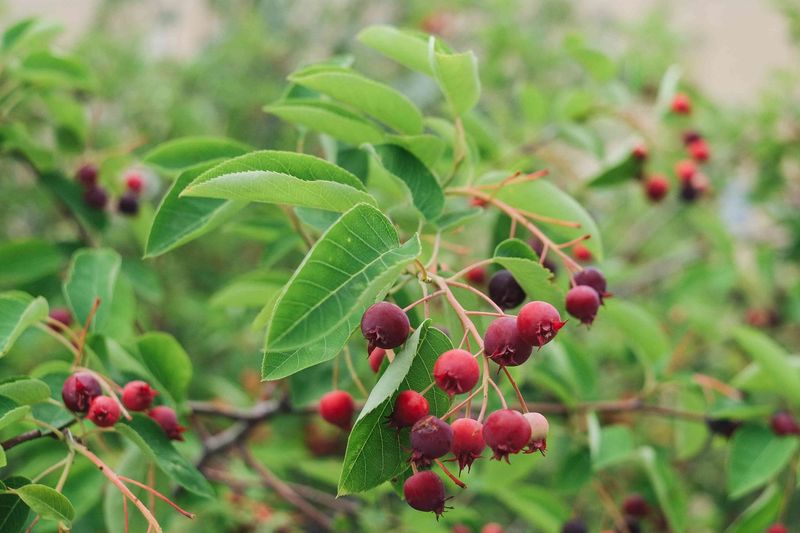
Some plants earn their spot for one season. Serviceberry shows up for all four, and wildlife seems to notice.
Spring brings clouds of white flowers that can draw early bees. Early summer follows with small purple berries that birds often strip before you get a handful, though if you are quick, they taste a bit like blueberries with almond notes.
Fall ends the show with orange and red leaves, and bare winter branches have a graceful, airy shape.
Here in western Oregon, serviceberry does well in full sun to part shade and fits nicely in smaller yards as a multi-stem shrub or small tree. Plant it now so the roots can settle through the rainy season.
Under it, try leaving fallen leaves in place, since that layer can shelter overwintering insects and help feed the soil.
Old-timer fact: the name is often said to come from early settlers who noticed it bloomed around the time spring gatherings could be held after the thaw. Whatever the true origin, it is a lovely plant to welcome back each year.
7. Asters and Coneflowers
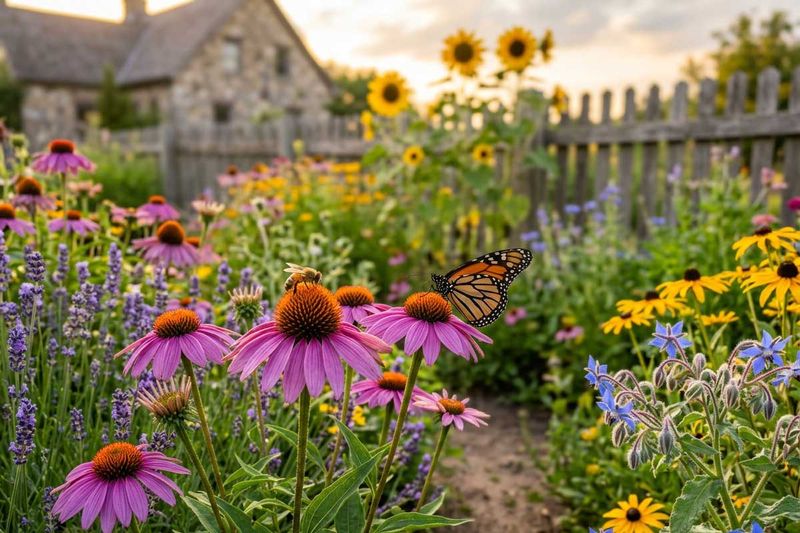
Confession time. You went to the garden center for compost, and somehow two flats of perennials rode home with you.
Good news: fall is the perfect excuse for that kind of rescue mission, especially if those pots hold asters and coneflowers.
Asters keep purple and blue color going deep into autumn, when many gardens look tired. They can be an important late food source for bees stocking up before winter.
Coneflowers bloom earlier, from summer into fall, and their seed heads may feed goldfinches if you skip the deadheading at the end of the season.
Fall-planted perennials spend the winter building roots instead of struggling through a hot first summer. Nurseries often mark down end-of-season pots now too, which makes the guilt feel a lot lighter.
Pick a sunny spot with decent drainage, since both can sulk in heavy, soggy clay.
Want to round out a pollinator bed? Geranium Rozanne, bee balm, black-eyed Susans, and lavender all pair nicely and handle Pacific Northwest conditions well.
8. Overwintering Garlic
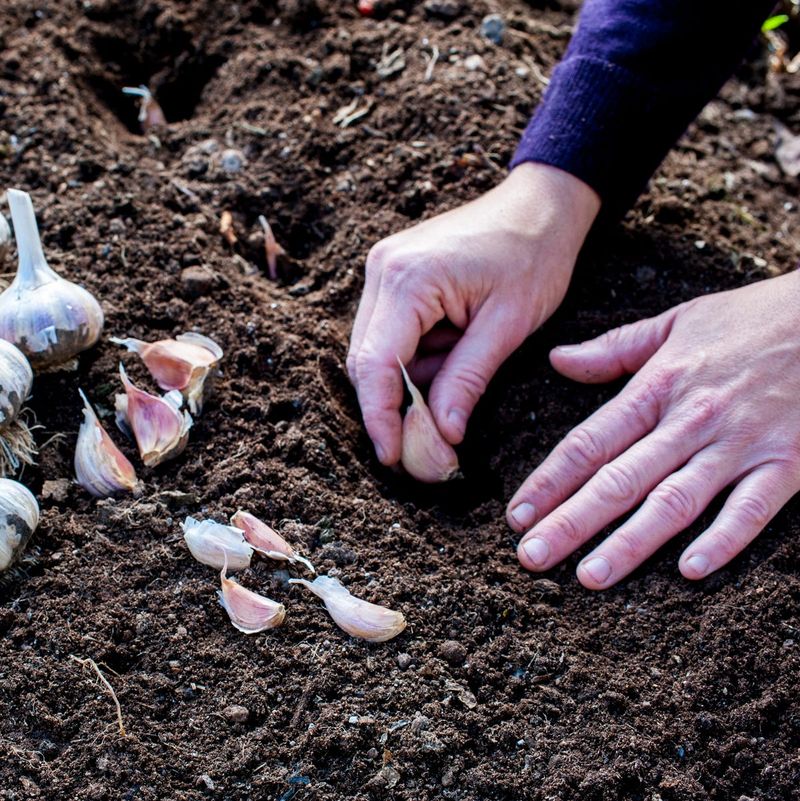
Garlic might be the most patient crop you will ever grow. You plant it in October, forget about it through the holidays, and dig up fat heads the following July.
Western Oregon is well suited to growing it, since our mild winters let cloves root and then pause without freezing solid. Break a head into individual cloves, keep the biggest ones for planting, and push them pointy side up about two inches deep.
Space them roughly six inches apart in a sunny, well-drained bed.
A few inches of straw mulch on top can help protect against temperature swings and cut down on weeds. Hardneck varieties produce curly scapes in spring that are delicious sauteed, while softneck types usually store longer after harvest.
Shallots and onion sets can go in right beside them.
There is a quiet thrill in knowing something is growing under the straw all winter long. On a dreary January afternoon, just remembering that bed can feel like a little promise.
9. Kale and Cool-Season Greens
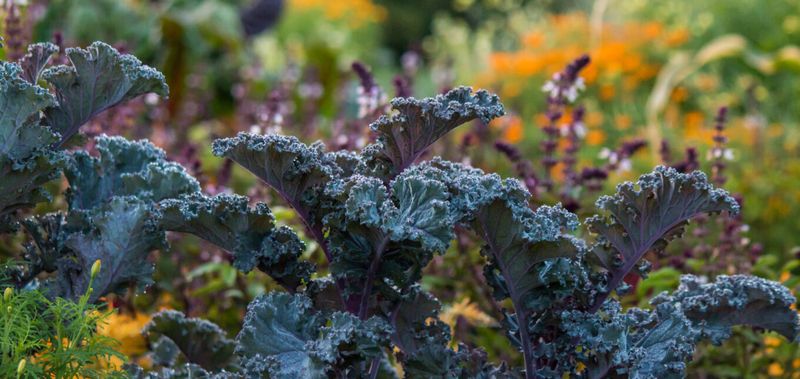
Frost makes kale taste better. That is not garden folklore; cold weather prompts many brassicas to build up sugars, so leaves often turn noticeably sweeter after a chilly night.
Kale, chard, spinach, arugula, mizuna, and Asian greens like bok choy can still go in as starts in many western Oregon gardens, and some can be picked well into winter. Kale and chard are especially sturdy, often pushing through cold snaps that knock back tender crops.
Pop in a row of quick radishes too, since they may be ready in about a month.
Slugs are the real villains of wet Oregon autumns. Check new transplants in the evening, clear debris where slugs hide, and consider a simple barrier around young plants.
Row cover can add a few degrees of protection on cold nights.
Skip heavy nitrogen feeding this late, because soft new growth tends to be the first to suffer in a freeze. Then enjoy the small pride of stepping out in December to snip fresh greens for dinner while the neighbors are buying bagged salad.