These Strong Scents Can Make Texas Gardens Less Tempting To Critters
Texas critters do not need a formal invitation.
They find the seedlings. They dig up the bulbs. They nibble the tender rows, then leave little tracks like a signed confession in the soil.
Squirrels, rabbits, chipmunks, deer, and other backyard visitors can turn a careful garden into a midnight snack bar fast.
That does not mean every answer needs to be harsh or complicated.
Strong scents can make a Texas garden feel less welcoming, especially when paired with fences, covers, cleanup, and regular rotation.
The trick is using them realistically. Heat can fade scent fast. Rain can wash it away. A hungry animal may still test the buffet.
So which smells actually help make garden beds less tempting?
Start with the ones critters tend to avoid and gardeners can actually manage. Some come from plants. Some come from simple sprays.
None are magic, but each adds one more useful layer between your vegetables and the next furry raid. In Texas, that extra layer can matter a lot by midsummer alone.
1. Garlic Sends A Strong Signal
A freshly dug seedling lying on its side next to a crumbled tunnel of soil is the kind of morning that sends Texas gardeners searching for solutions fast.
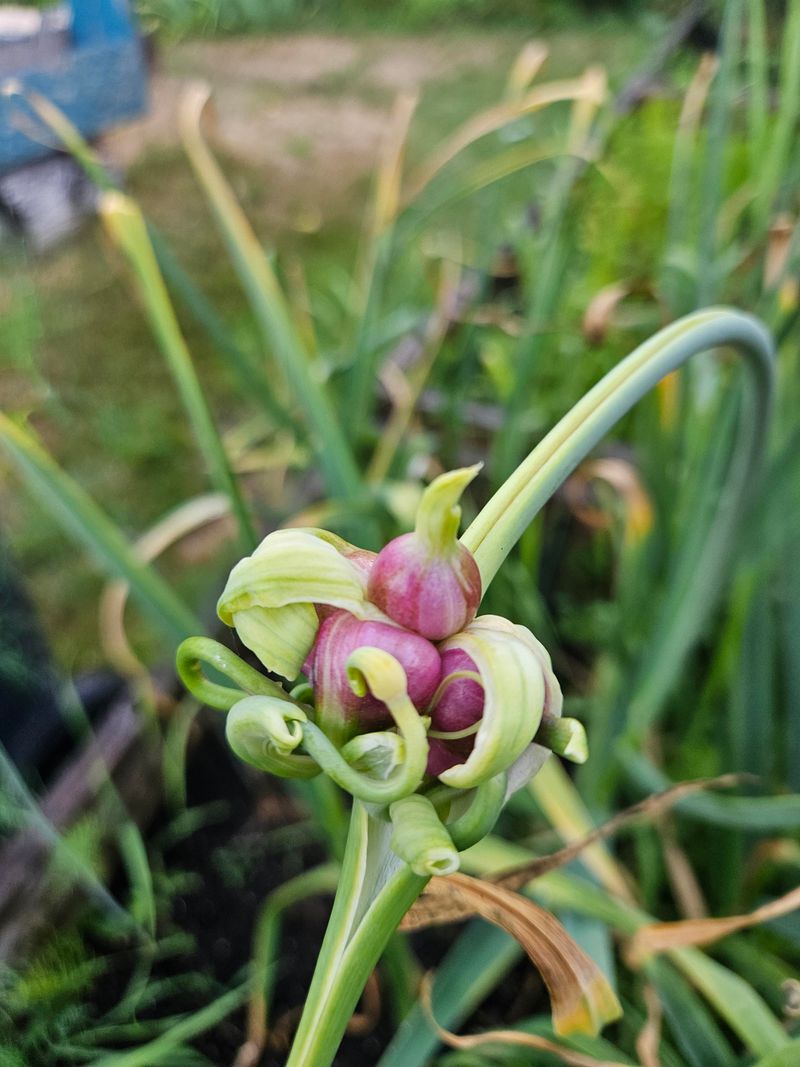
Garlic is one of the oldest and most talked-about scent deterrents in the home garden toolbox, and there is real logic behind its reputation.
The pungent sulfur compounds in garlic are the same ones that make your eyes water in the kitchen.
For small mammals like squirrels and chipmunks, that intensity is genuinely off-putting. Texas A&M AgriLife Extension notes that strong-smelling repellents can discourage feeding, though results vary by animal pressure and weather.
You have two main options with garlic.
Planting actual garlic cloves around the edges of beds adds a living barrier that keeps releasing scent as the plant grows. Garlic-based sprays made from crushed cloves steeped in water are a budget-friendly choice you can apply directly to soil and foliage.
The catch is rain.
Texas Hill Country and East Texas can see storms that rinse sprays away within a day or two, so plan to reapply every week or after any significant rainfall. Commercial garlic oil concentrates hold up a little longer than homemade versions.
Garlic works best when it is one piece of a larger plan.
Combine it with wire mesh under beds or hardware cloth around vulnerable plantings, and you will have a much stronger case against persistent diggers.
2. Hot Pepper Adds Bite
A Texas morning and a row of bean seedlings chewed to stubs is enough to make any gardener reach for something with a little more punch.
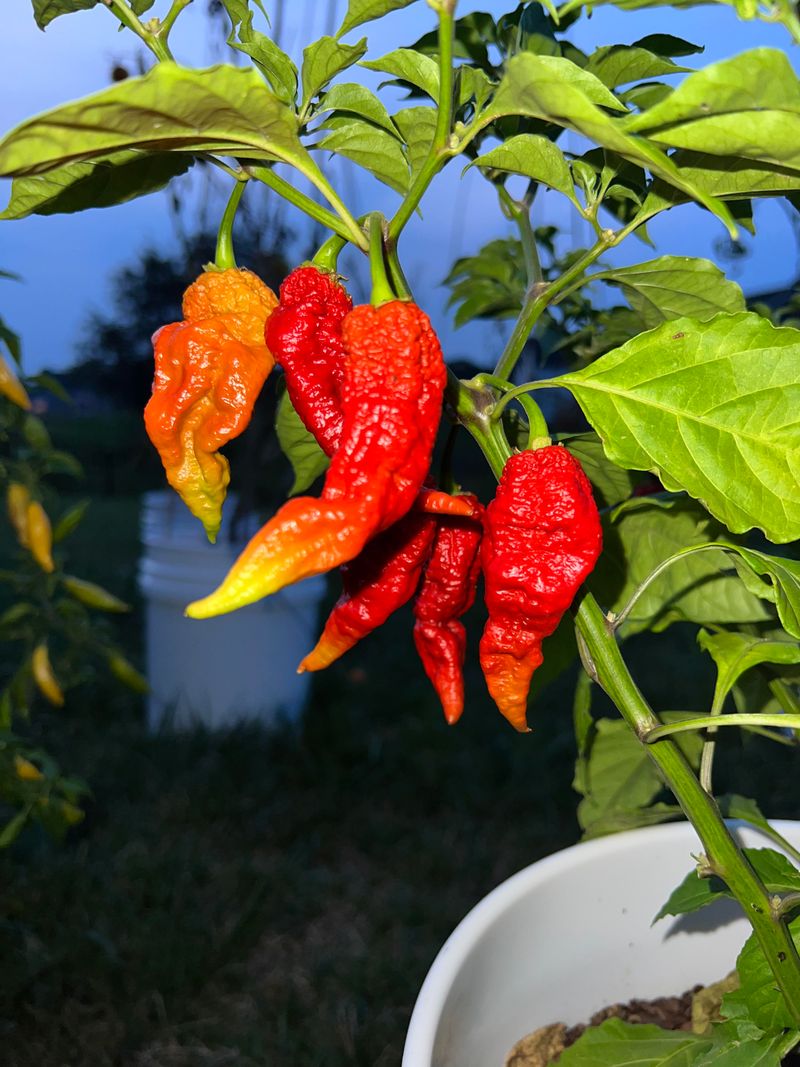
Hot pepper, specifically the capsaicin compound that gives chili peppers their heat, is one of the most widely used scent and taste deterrents available to home gardeners today.
And in Texas, you are never far from a good source of chili peppers.
Capsaicin irritates the sensitive nasal passages and mouth tissues of mammals.
Squirrels, rabbits, and deer have far more sensitive smell receptors than humans do, which means even a mild concentration of capsicum spray can send them looking for easier pickings somewhere down the street.
Your Texas Garden Changes Every Week. Your Plan Should Too.
Gardening in Texas changes quickly throughout the season. Every Friday you’ll receive a simple weekly plan showing exactly what to plant, prune, fertilize, harvest, and protect so you never miss the right timing.
You can buy ready-made capsaicin-based repellent sprays at most Texas garden centers, or make a simple version at home by blending hot peppers with water and a small drop of dish soap to help it stick.
Spray directly on foliage, around the soil edge, and along any entry points where critters typically approach.
Always wear gloves when working with concentrated hot pepper products, and avoid touching your face.
Keep sprays away from pollinators by applying in the evening when bees are less active.
Like garlic, capsaicin washes off in rain, so Texas wet seasons demand a consistent reapplication schedule. Pair hot pepper sprays with physical barriers for the best results against determined diggers and nibblers.
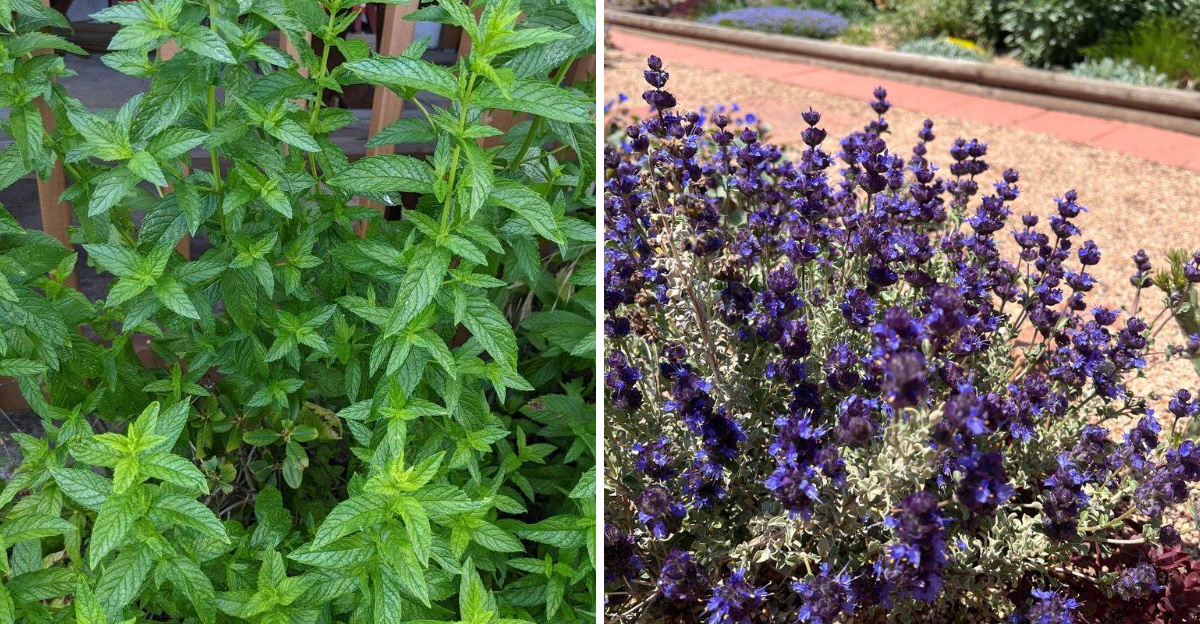
3. Mint Makes Edges Less Inviting
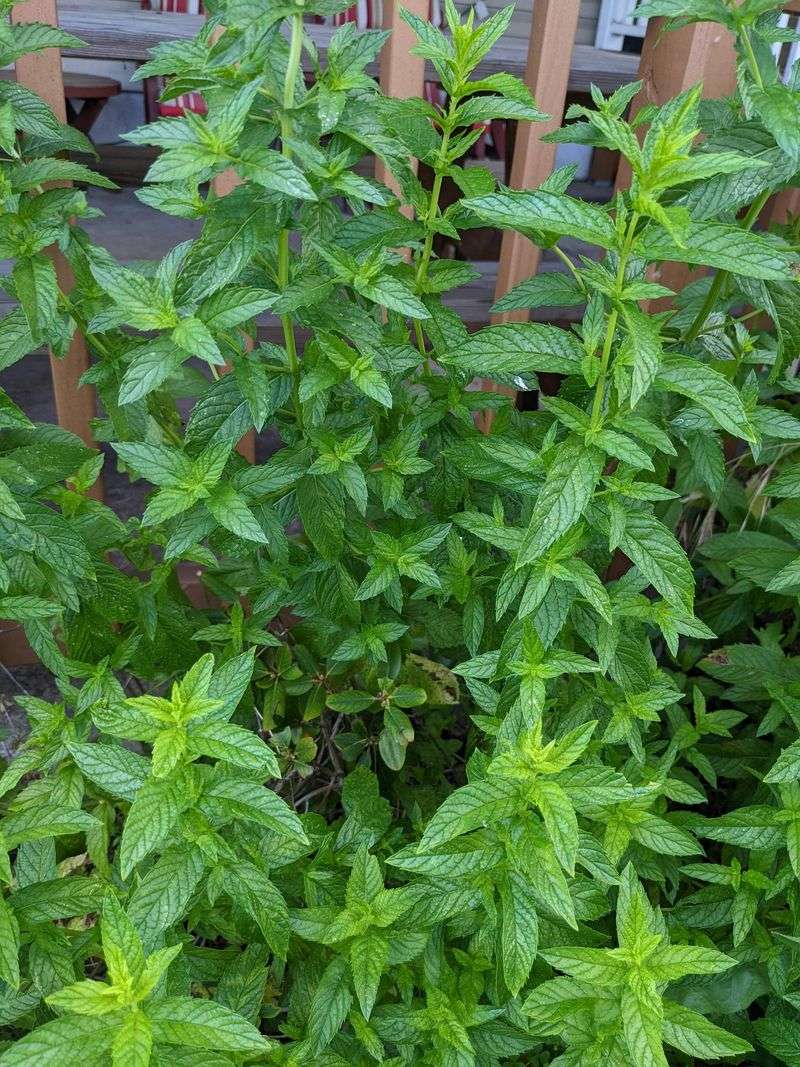
Crushing a mint leaf between your fingers releases one of the most instantly recognizable smells in any garden.
Humans tend to love it. Squirrels and chipmunks, however, find that sharp, cool menthol aroma genuinely irritating, which is exactly why mint has earned a spot in scent-based deterrent strategies across Texas backyards.
Peppermint and spearmint both carry strong aromatic oils that linger longer than many other herbs, especially when plants are brushed or disturbed by a passing animal.
Planting mint along the perimeter of a garden bed creates a living scent fence that keeps refreshing itself as the season goes on.
There is one important caveat that every Texas gardener should know before putting mint in the ground: it spreads aggressively.
Left unchecked, mint will take over a bed faster than most weeds. The solution is simple and smart.
Grow mint in containers, then place those containers at garden edges, near entry points, or around vulnerable plantings.
You get all the scent benefit without the hostile takeover.
Peppermint essential oil diluted in water also works as a spray for areas where you cannot place a container.
Mint also attracts bees and other beneficial pollinators when it flowers, which gives you an extra bonus beyond the critter-deterrent angle.
It is a genuinely useful plant that earns its garden real estate in more ways than one, as long as you keep it contained.
4. Catnip Adds Herbal Static
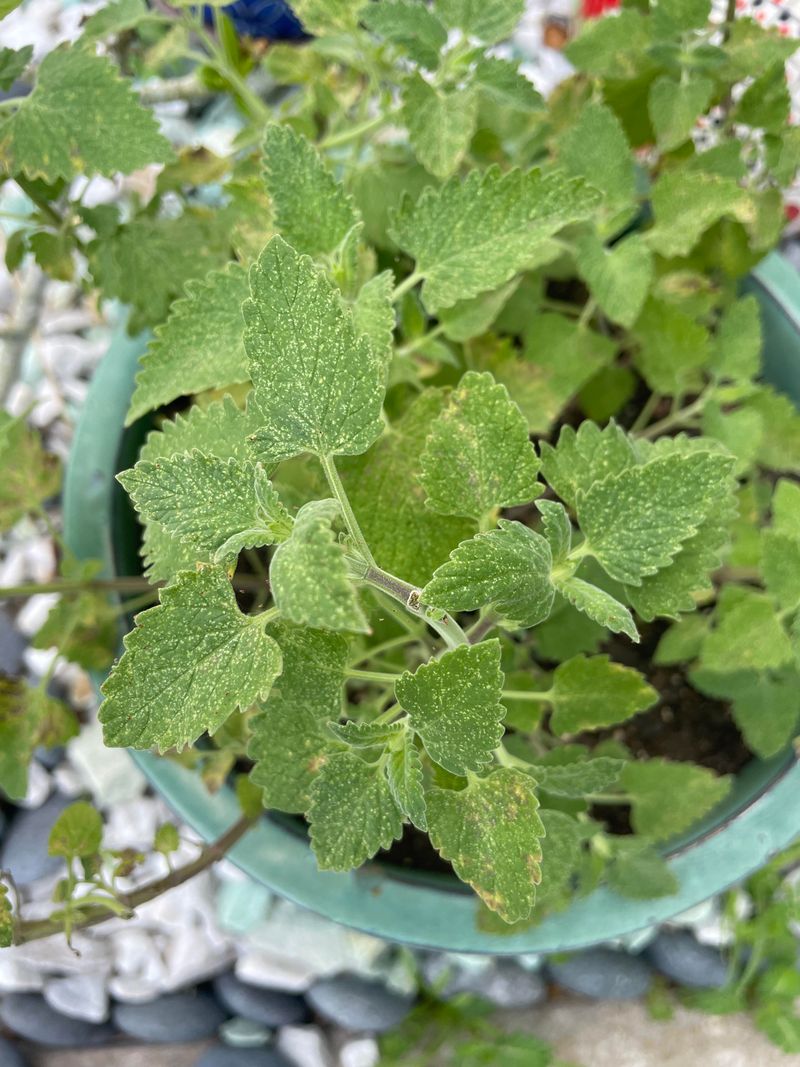
Catnip has a reputation for sending cats into a happy frenzy, but its role in the garden goes beyond entertaining your neighbor’s tabby.
The nepetalactone oils that give catnip its distinctive, slightly musty herbal scent are part of what makes it interesting as a scent-based deterrent for other garden visitors.
Rabbits and some rodents find the strong, layered aroma of catnip disorienting and unpleasant.
Think of it like background static that makes the garden feel less comfortable and less familiar as a feeding ground.
Growing catnip in containers gives you the most control, similar to the advice for mint.
Place pots near garden entry points, along fences, or tucked between raised beds where critters tend to travel. When leaves are crushed or brushed, they release a fresh burst of scent that amplifies the deterrent effect.
Catnip flowers are genuinely attractive to bees, butterflies, and other beneficial pollinators.
So while critters may think twice about crossing a catnip border, your garden’s pollinator population gets a boost. That is a trade worth making.
Keep in mind that neighborhood cats may visit more often if catnip is growing in your yard.
Reapply any catnip-based sprays after rain, and rotate scent placements every few weeks so animals do not simply adapt and ignore the signal.
5. Lavender Brings A Sharp Note
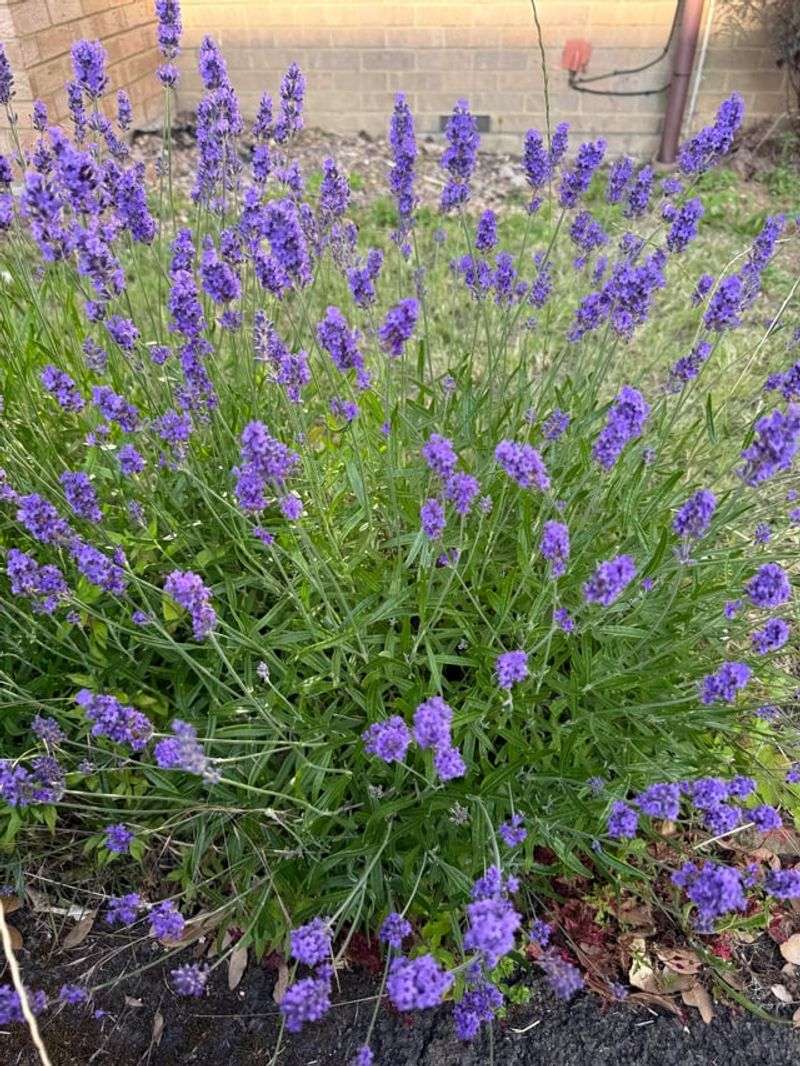
There is something almost contradictory about lavender.
To most people, it smells like relaxation, like soap and summer and calm evenings on the porch. To deer, rabbits, and a number of small rodents, though, the concentrated aromatic oils in lavender read as a sharp, resinous warning that something unfamiliar and uninviting is nearby.
Lavender contains linalool and other volatile compounds that are intense enough to deter grazing animals when plants are healthy and actively growing.
Texas gardeners who have planted lavender along sunny borders often report less browsing pressure in those areas compared to unprotected sections of the same bed.
Placement matters a great deal with lavender.
It needs full sun and well-drained soil to thrive, which makes it a natural fit for south-facing borders, rock gardens, or raised beds with good drainage. Texas Hill Country gardeners in particular find lavender thrives in the rocky, alkaline soil that characterizes much of the region.
Dried lavender sachets tucked into vulnerable spots, like near seedling trays or around newly planted bulbs, can extend the scent benefit into areas where live plants are not practical.
The dried form loses potency over time, so replace sachets every few weeks during peak gardening season.
On its own, lavender adds a pleasant, aromatic note to the garden while giving critters a subtle but real reason to browse elsewhere.
6. Sage Carries A Musky Scent
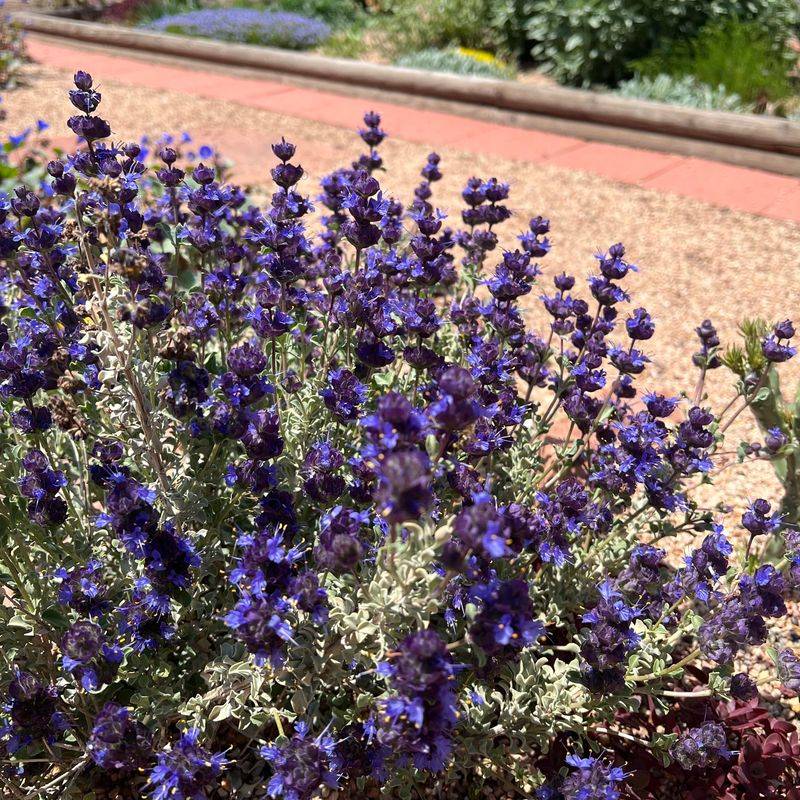
Run your hand across a sage leaf on a warm Texas afternoon and the scent that hits you is almost medicinal, earthy, and thick in the air.
That intensity is exactly what makes sage an interesting addition to a scent-based garden defense, especially in drier, sunnier spots where other repellent plants might struggle.
The essential oils in common culinary sage, Salvia officinalis, are concentrated and persistent.
Unlike lighter herbal scents that fade quickly in heat, sage holds onto its aroma well through warm summer days. Animals like rabbits and deer that rely heavily on scent to evaluate feeding areas often give sage-heavy borders a pass.
Sage thrives in full sun and prefers lean, well-drained soil, which suits much of Texas perfectly.
Texas summers can cause sage to struggle if drainage is poor, so good soil preparation matters from the start.
One smart trick is to trim sage lightly every few weeks during the growing season.
Fresh cuts release a burst of volatile oils that temporarily intensify the scent in that area of the garden. Think of it as a free reapplication every time you do a little maintenance pruning.
Sage also works well as a companion plant alongside vegetables like cabbage and carrots, where its strong scent may confuse or discourage insects and mammals alike.
7. Alliums Add Onion Power
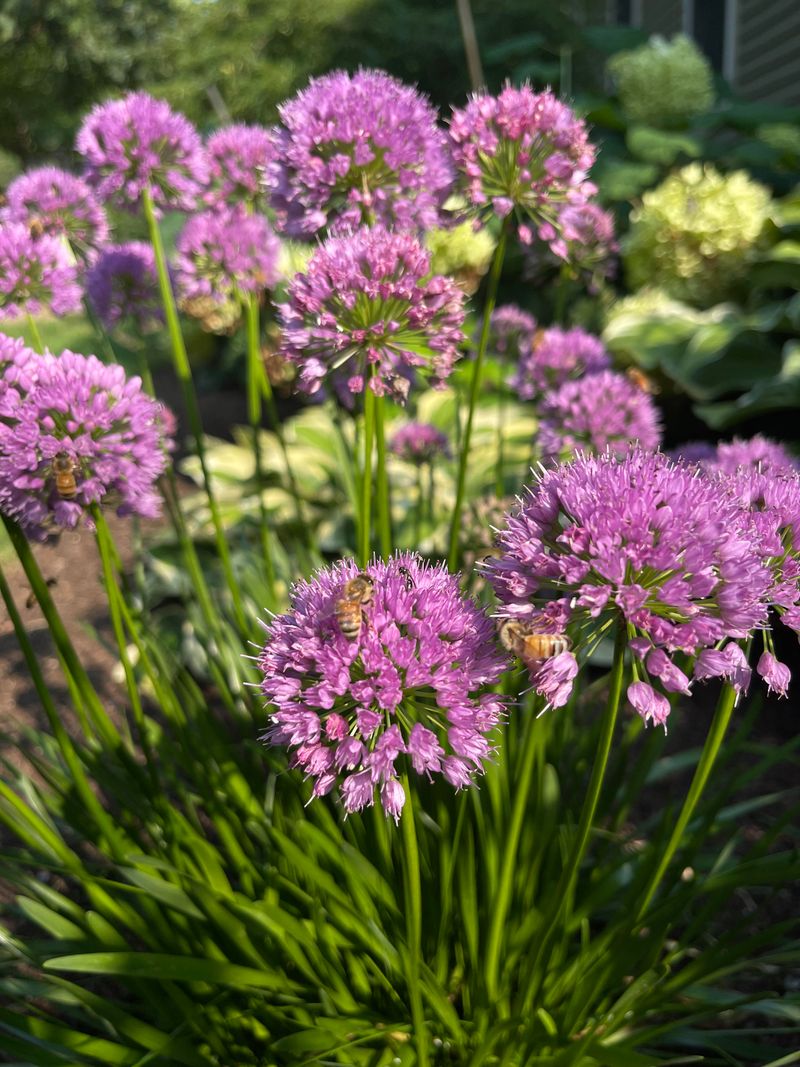
A garden edge lined with tall purple globes of ornamental allium in late spring is one of the more striking sights in Texas yards.
But beyond the visual appeal, those blooms are backed by one of the most potent natural scents in the plant world, and critters know it.
Alliums include ornamental onions like Allium giganteum, as well as more familiar edibles like garlic chives and walking onions.
All of them produce sulfur-based compounds that create that sharp, nose-clearing onion and garlic scent. For rabbits and small rodents that explore garden edges looking for an easy meal, that smell signals a zone worth avoiding.
Garlic chives are particularly useful in Texas because they are perennial across much of the state, spreading slowly to form a dense scented border without requiring replanting each year.
Their flat, grassy leaves release scent when brushed or disturbed, which means animals moving along a garden edge trigger the very deterrent meant to stop them.
Ornamental alliums bloom in late spring and early summer, filling a gap when many spring bulbs have already faded.
Planting them along the front of beds gives you scent-based defense right at the point where critters are most likely to enter.
Use them alongside physical barriers or hot pepper sprays for a layered approach that covers more ground. The onion family gives your garden a genuinely powerful aromatic presence that is hard for small noses to ignore.
8. Mustard Oil Works As Backup
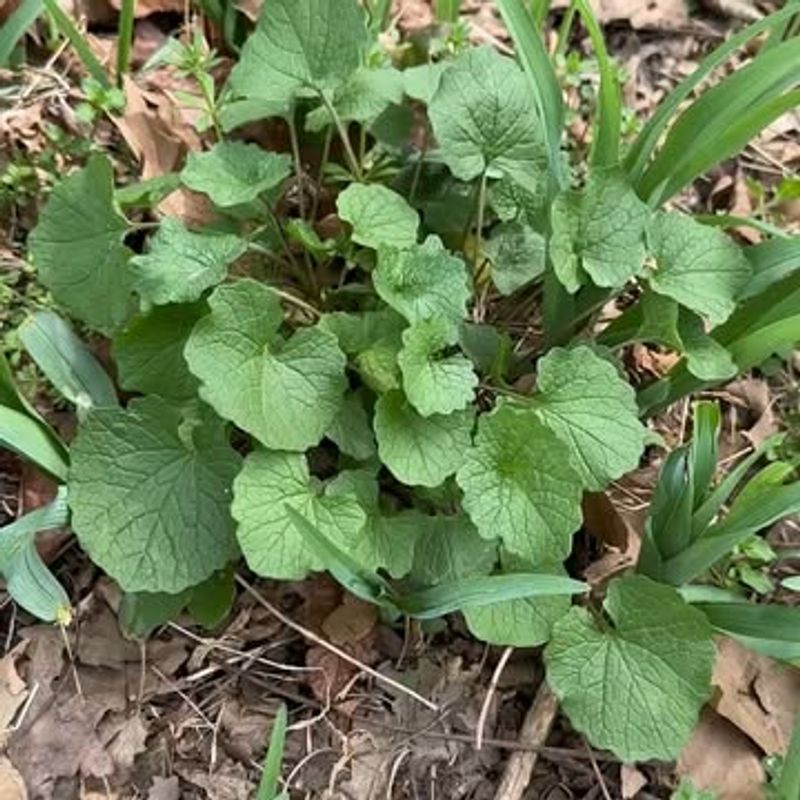
Some mornings you walk out and realize the scented plants along the border have not been enough on their own.
Chipmunks have found a gap, or a rabbit has simply decided the lettuce is worth the unpleasant smell. That is where commercial repellents containing mustard oil come in as a useful backup layer.
Mustard oil, also known as allyl isothiocyanate, is a naturally derived compound found in plants like mustard, horseradish, and wasabi.
It produces a sharp, biting scent and mild irritation that small mammals find deeply uncomfortable. Many commercial granular and spray repellents list it as an active ingredient specifically because of how effectively it disrupts animal feeding behavior.
Products containing mustard oil are widely available at Texas garden centers and hardware stores.
Granular versions can be scattered around the base of plants or along garden edges, while spray formulas work well on foliage and soil surfaces.
Always read the label before applying near edible crops, and follow manufacturer guidance on reapplication frequency.
Texas summer thunderstorms can wash treatments away quickly, so plan to reapply every five to seven days, or immediately after a heavy rain event.
Rotating between mustard oil products and other scent deterrents also helps prevent animals from simply adapting to one consistent smell.
Mustard oil repellents are most effective when used alongside physical barriers like hardware cloth or row covers.