These Texas Fall Plants Can Replace Tired Petunias
A stretch of petunias by late summer can look like they gave up weeks ago. Thin stems, faded color, nothing left of that spring burst everyone remembers so fondly.
That fade says something worth noticing. Texas heat pushes plants past what they can sustain for months on end, and petunias tend to hit that wall earlier than gardeners expect.
Most yards just keep watering and hoping. More water rarely fixes a plant running out of steam for reasons that have nothing to do with thirst.
A fall swap works completely differently. Fresh color, sturdier stems, plants that actually enjoy warm days easing into cooler nights.
Texas has a whole bench of options ready to step in, each one built for exactly this seasonal handoff.
Get the swap right, and that same tired bed turns into the best part of the yard again, right when everyone assumed the show was over.
1. Zinnia Brings Nonstop Color Without The Fuss
Late summer can leave a petunia bed looking like it needs a long nap.
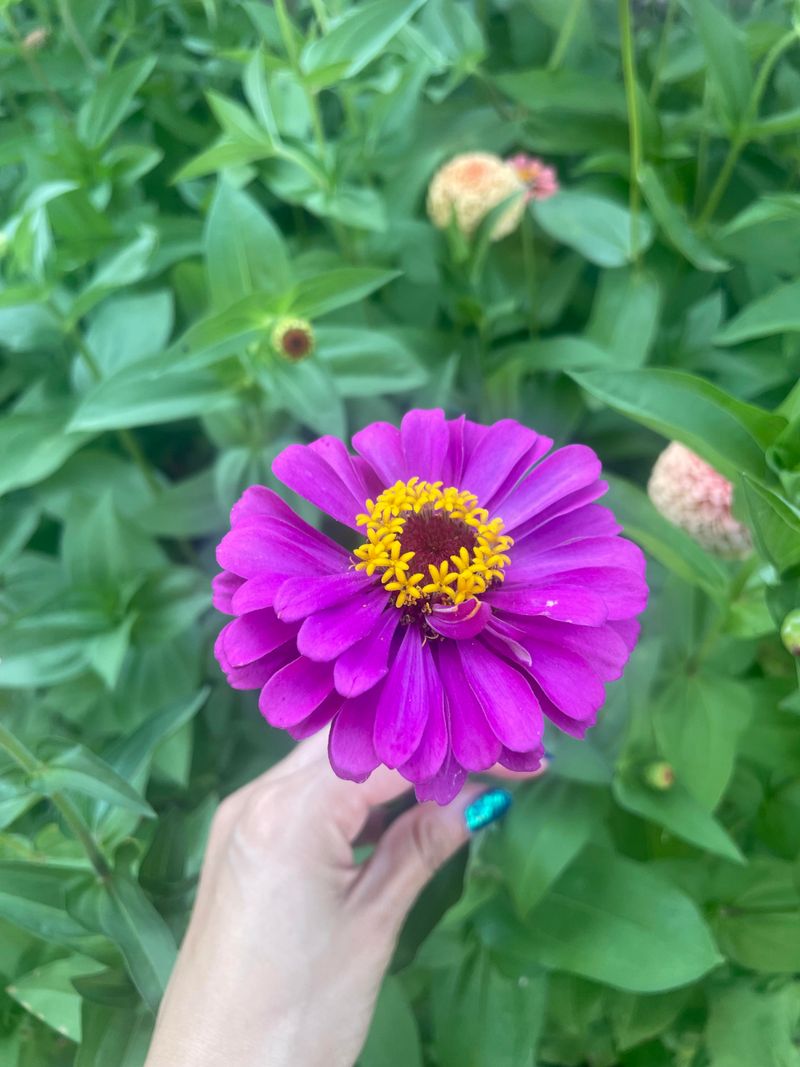
Profusion zinnias step in with fresh color, tidy shape, and noticeably less drama, which is exactly why the Texas Superstar program keeps highlighting them for dependable heat performance.
Older zinnia types sometimes get lanky or struggle with disease partway through the season. The Profusion series skips that problem entirely, staying compact while continuing to push out flowers well into fall.
Expect mounds of color in shades like orange, white, cherry, and apricot. Give plants full sun, and those blooms keep coming without much coaxing needed from you.
Warm fall weather across much of Texas suits this plant well, especially in beds that drain easily rather than holding onto moisture too long.
Here is a nice bonus for busy gardeners. Zinnias make a quick, easy reset for gaps left behind by worn summer flowers. A light trim of old blooms helps things look cleaner, but constant pinching is not really part of the deal.
Water deeply right after planting, then shift toward a steadier schedule instead of frequent shallow sprinkles that never really reach the roots.
Profusion zinnias also pull in pollinators, giving the whole bed more motion and life throughout the day. Pair them with blue or purple companions for contrast, or mass one color for a bold, confident block of cheer.
Compared with petunias that lost their spring sparkle months ago, zinnias feel like pressing an actual refresh button. Instant results, minimal fuss, done in an afternoon.
2. Gomphrena Holds Up Where Petunias Wilt
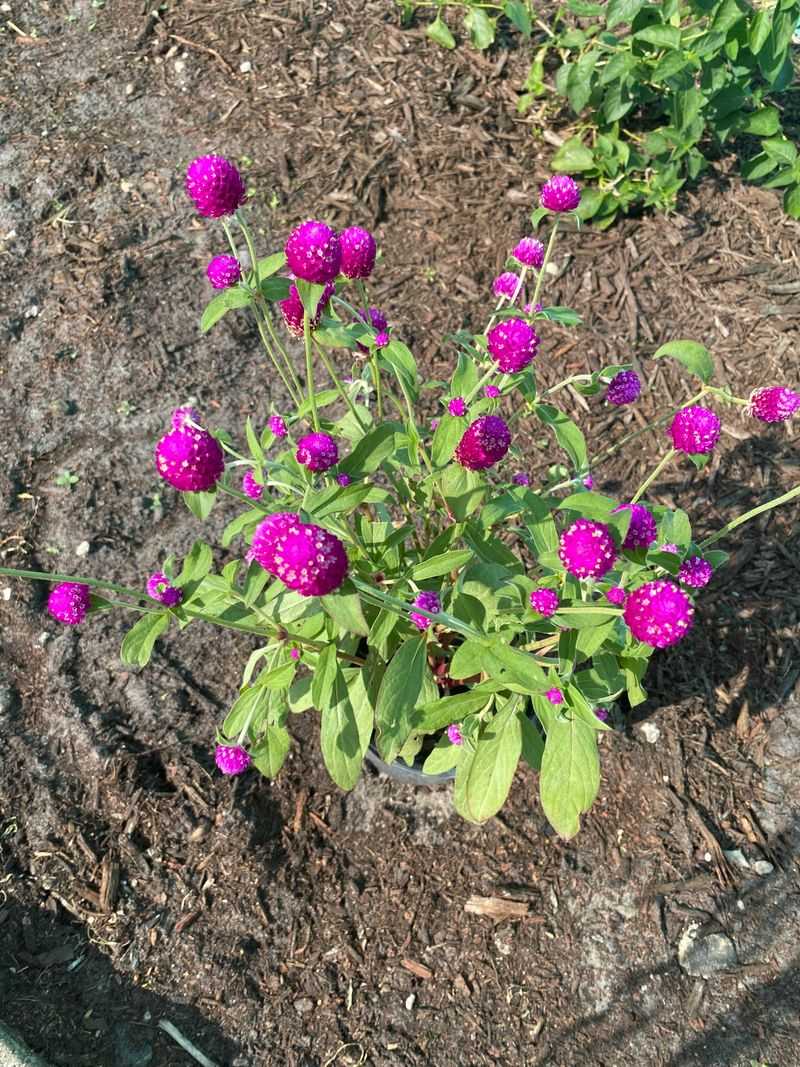
Some flowers fold the moment afternoon heat gets serious. Gomphrena just keeps going.
The Fireworks variety, a recognized Texas Superstar, earns its praise for handling heat, dry spells, and rough stretches that leave late-season petunias looking spent.
Its blooms stay small but genuinely eye-catching, with bright magenta clover-like tips and tiny yellow stars that seem to float just above the foliage. That airy habit brings real movement to a bed instead of forming one heavy, static block.
This loose look fits nicely into cottage gardens, pollinator borders, or containers that need a little visual lift without overwhelming everything else nearby.
Your Texas Garden Changes Every Week. Your Plan Should Too.
Gardening in Texas changes quickly throughout the season. Every Friday you’ll receive a simple weekly plan showing exactly what to plant, prune, fertilize, harvest, and protect so you never miss the right timing.
Stamina might be gomphrena’s best trait overall. Those papery flowers last a long time right on the plant, and they hold their color beautifully in cut or dried arrangements too, which is a fun bonus most annuals cannot offer.
Full sun is the sweet spot here. Once roots settle in, plants typically need less water than petunias ever did, though soggy soil remains the bigger risk, so good drainage matters more than extra irrigation.
Texas gardeners tend to appreciate plants that do not sulk after one missed watering. Fireworks gomphrena fits that role perfectly while still looking festive enough for a front entry or a prominent bed.
Butterflies visit regularly, texture stays interesting all season, and blooms carry on right through warm fall weather without slowing down much.
Where tired petunias once felt flat, gomphrena adds bounce, color, and a pleasantly stubborn attitude worth admiring.
3. Angelonia Delivers Spikes Of Steady Bloom
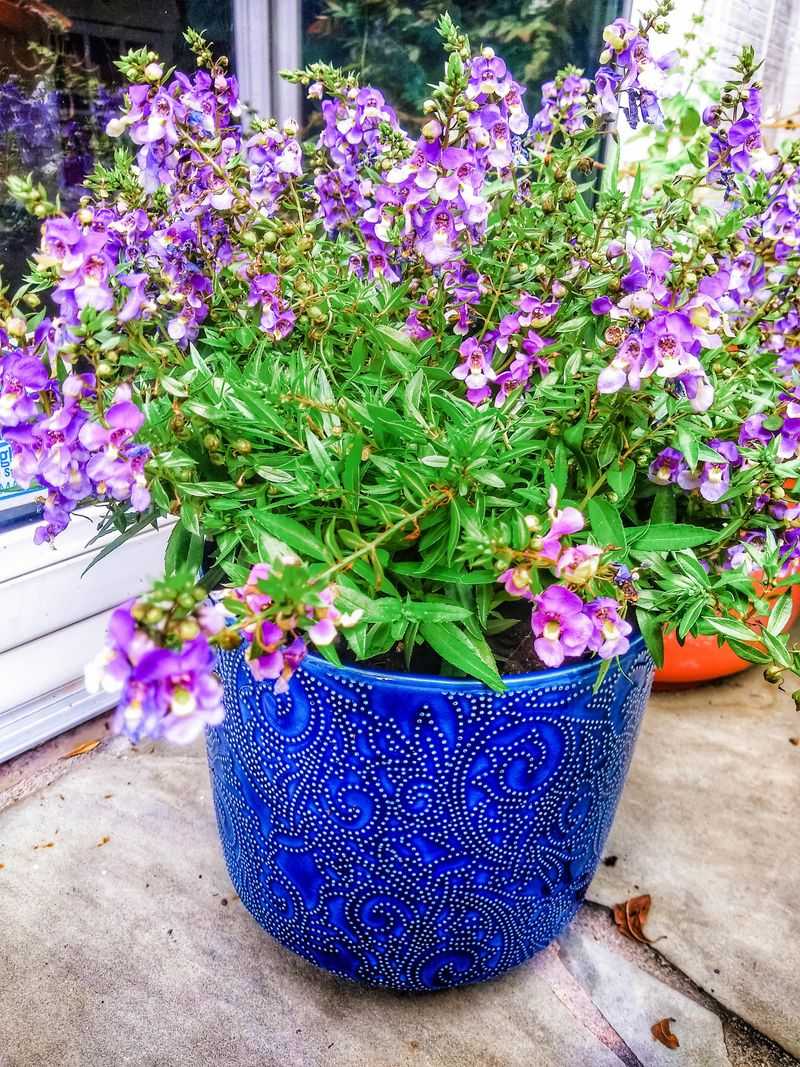
A flower bed shifts its whole mood the moment upright blooms join the mix.
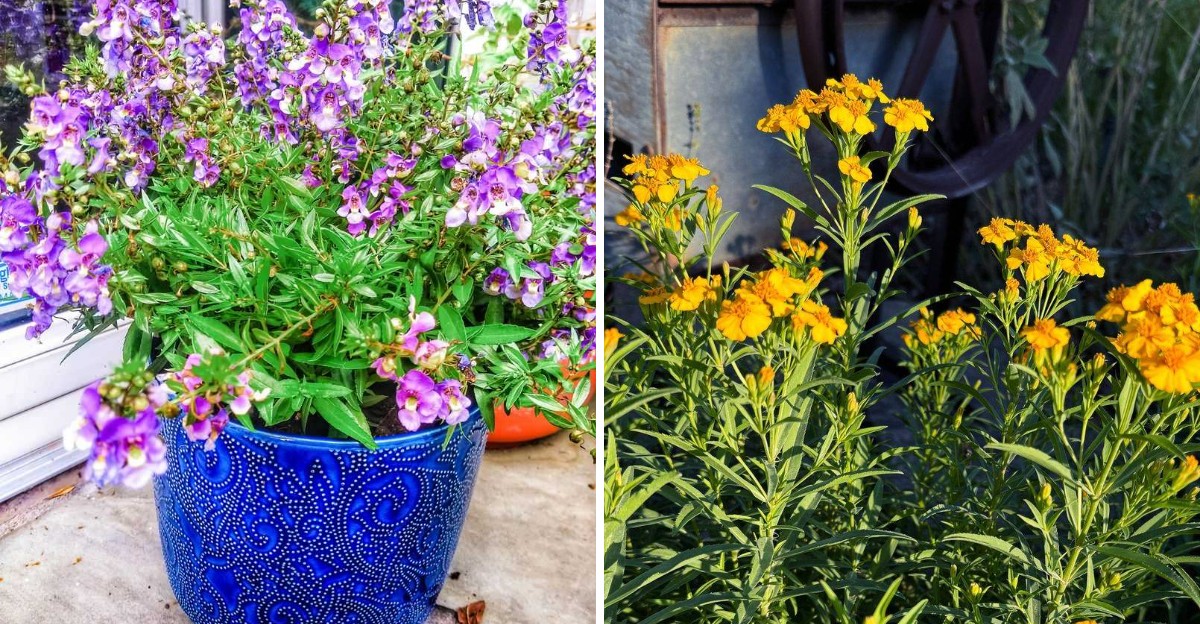
Serena angelonia, a Texas Superstar selection often nicknamed summer snapdragon, brings exactly that kind of vertical color, refreshing spaces where petunias have started sprawling and thinning out.
Flower spikes rise above the foliage in neat, tidy clumps, giving containers and borders a more structured, intentional look. Colors often run through purple, lavender, pink, and white, so matching existing fall decor takes almost no effort.
Angelonia clearly loves sun and keeps blooming right through heat that sends softer annuals into a full slump. That heat tolerance alone makes it a strong fall contender.
Here is a bonus most gardeners appreciate quickly. Spent flowers do not usually demand constant trimming, which frees up time for other garden chores instead of endless clipping.
Set plants into well-drained soil, water them in thoroughly, then aim for consistent moisture while they establish through those first couple weeks.
After that, angelonia turns fairly forgiving, especially compared with flowers needing frequent grooming just to look presentable.
Serena angelonia also plays well with other fall performers nearby. Use it behind mounding zinnias, mix it with silver foliage for contrast, or line a walkway for a neat, upright rhythm running the whole length.
Humidity does not bother this plant much, and its slender spikes keep the overall planting from ever looking heavy or crowded.
For Texas yards needing a polished end-of-summer reset, angelonia supplies shape, color, and a calm reliability that feels refreshingly low maintenance from start to finish.
4. Pentas Keeps Butterflies Visiting All Fall
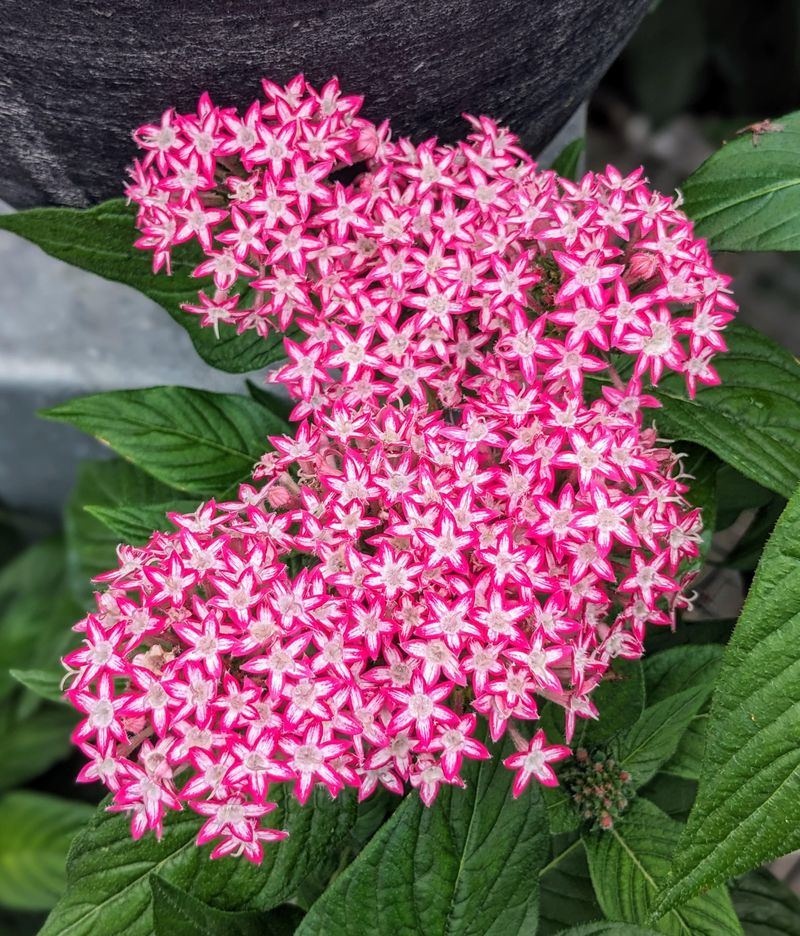
Butterflies have a way of turning an ordinary flower bed into a small neighborhood event.
Pentas pulls that off consistently in Texas gardens, and its Texas Superstar reputation comes from strong performance, bright star-shaped flower clusters, and steady pollinator appeal well into fall.
Petunias still have plenty of fans, especially the improved heat-tolerant types available now. Late summer still tends to leave them leggy and less exciting than they once were, though.
Pentas offers a cleaner comeback instead, with rounded clusters in red, pink, white, and lavender. Those blooms stand out from a real distance, which makes them handy near sidewalks, mailboxes, and front porch pots where color needs to read fast.
Warm weather barely fazes pentas at all. Give plants full sun to light shade, reasonably drained soil, and regular water while they settle into their new spot.
After establishment, they turn into fairly steady performers, though they look their best with occasional feeding and removal of older flower heads along the way.
Hummingbirds often stop by too, adding even more life to a planting that already feels busy in the nicest way possible.
One smart move is swapping pentas into spots where summer annuals have gone patchy and thin. Their mounded shape fills space quickly, and those bloom clusters create a cheerful, almost confetti-like finish across the whole bed.
Across much of Texas, that extra pollinator traffic becomes a welcome bonus during fall. A planting of pentas does more than simply replace tired petunias.
It turns the whole bed into a moving, colorful show that earns a second look every single day.
5. Lantana Thrives On Neglect And Heat
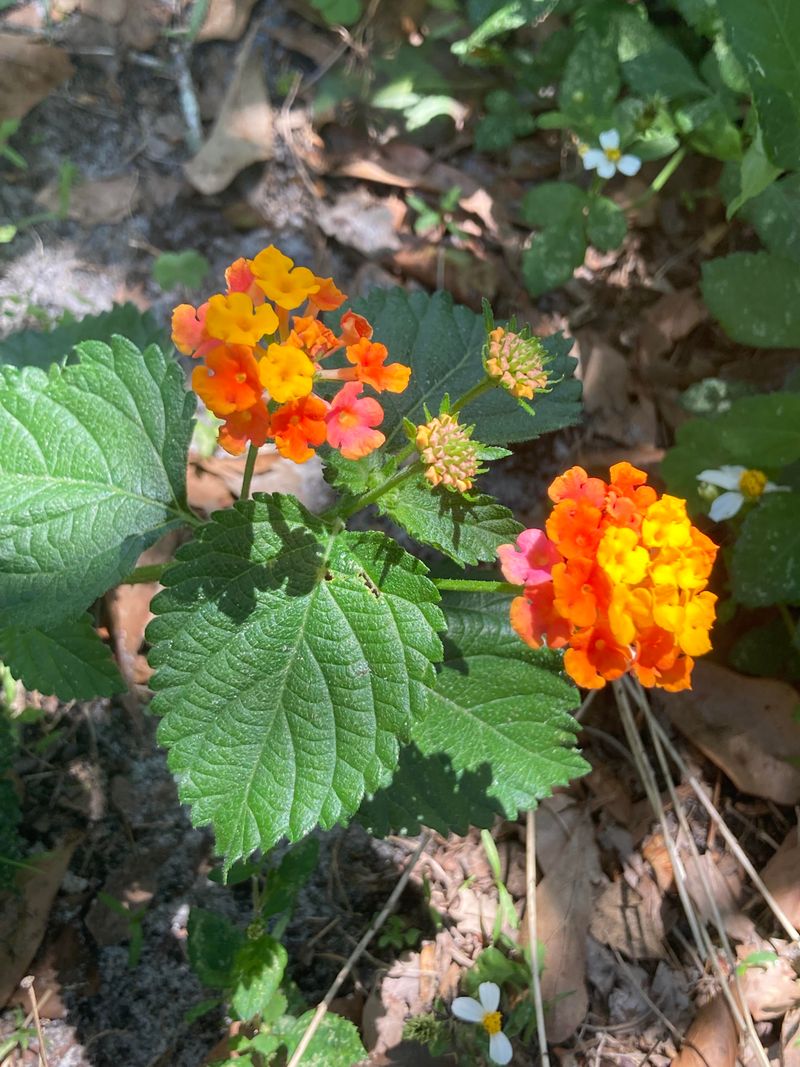
Miss one watering, and some flowers act like you personally wronged them.
New Gold lantana takes the opposite approach entirely, thriving in hot, bright spots where petunias often fade out by late summer, which helps explain its long-running status as a Texas Superstar.
Blooms arrive in rich golden clusters that seem to glow against the surrounding foliage. Plants spread into a low, easy mound, making them genuinely useful for edging beds, spilling over retaining walls, or filling broad sunny stretches that need coverage fast.
Once established, lantana handles dry weather far better than thirsty annuals ever could, and that lower-maintenance habit becomes a real relief during long stretches of Texas heat.
Drainage matters more than pampering with this plant. Heavy, soggy soil can cause real trouble, while full sun keeps flowering strong and steady throughout the season.
A light trim can freshen the shape if plants get a bit too loose, but constant grooming is rarely necessary.
Butterflies visit often too, adding even more value to a plant already earning its keep through color and sheer toughness alone.
Worth remembering here, lantana prefers real room to spread out, so crowding it into tiny spaces can make that whole area feel cramped later in the season.
Give it breathing room, then pair it with upright fall bloomers for nice visual balance.
Where petunias once carried spring and early summer color, New Gold lantana takes over for fall with almost comical ease.
It plays the role of that one friend who shows up cheerful, works hard all day, and never once complains about the weather.
6. Mexican Bush Sage Signals Fall Has Arrived
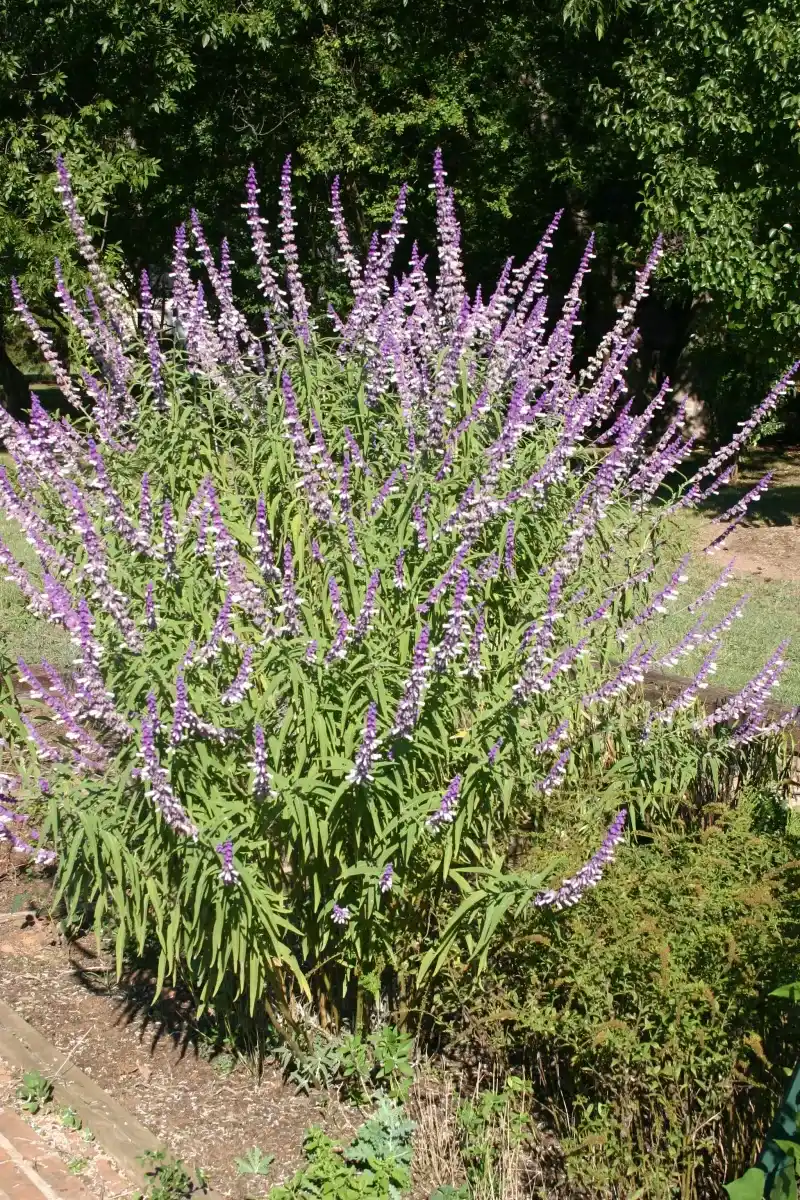
The shift into fall feels genuinely real once Mexican bush sage starts showing off.
Few plants capture that seasonal handoff better in Texas gardens, where soft, velvety purple and white flower spikes arrive right as summer annuals begin looking worn out.
Unlike compact bedding flowers, this plant carries a looser, more graceful presence throughout the bed.
Arching stems and fuzzy blooms give it a soft glow in morning or late-day light, especially striking beside gold, pink, or silver companions nearby.
Pollinators notice it quickly too, so the bed gains both beauty and steady movement throughout the day.
Sun helps this plant bloom at its best, and well-drained soil keeps overall growth healthier through the season.
Once established, it handles heat well and typically asks for less coddling than petunias struggling through another tough month of summer.
A little patience pays off here in a fun way. This plant often waits until the season starts cooling before putting on its main show, and that timing is exactly why it feels like such a true fall standout among Texas plants.
Place it somewhere taller growth has room to sway freely, rather than tucking it into a tiny front border where it cannot fully stretch out.
Stems can become broad and fountain-like over time, creating a fuller backdrop for shorter flowers planted in front.
In a Texas yard needing a genuine seasonal reset, Mexican bush sage works almost like a visual trumpet blast announcing autumn has officially arrived.
Petunias carried spring just fine, but this plant clearly knows how to own the second half of the year.
7. Fall Aster Explodes With Color On Cue
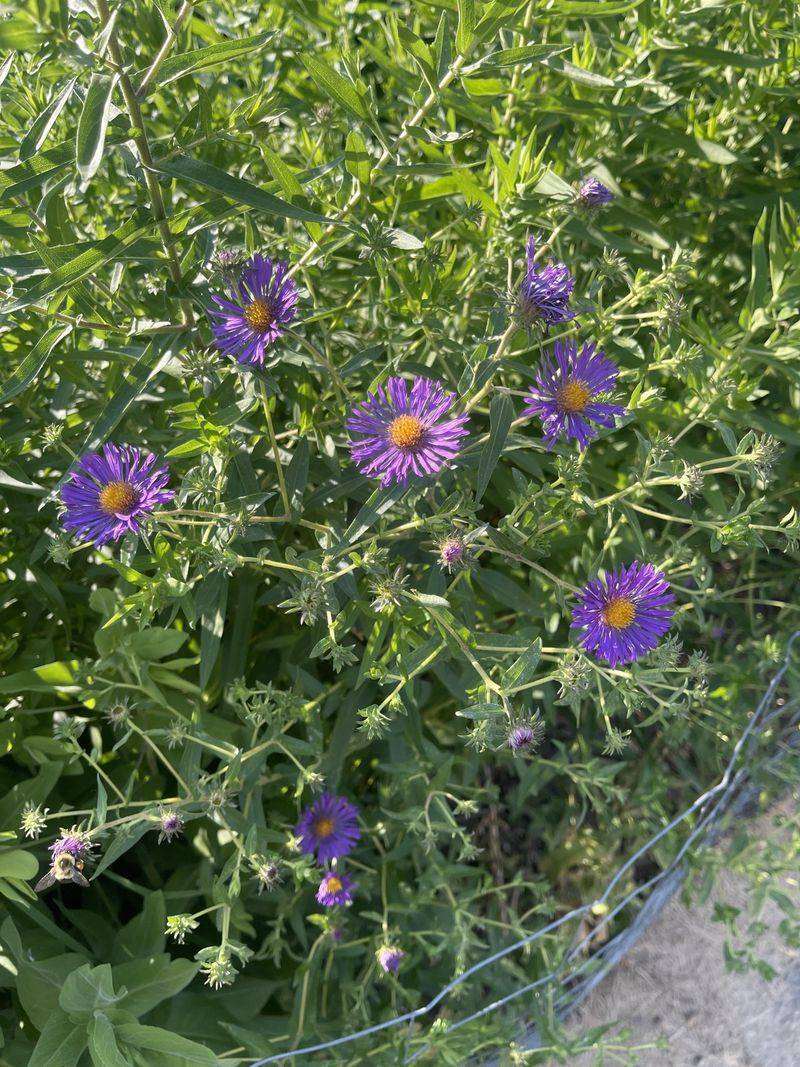
Right when many flower beds start running out of steam, fall aster wakes up completely.
This Texas native perennial, Symphyotrichum oblongifolium, is known for blooming right on cue with clouds of purple flowers that can make older petunia plantings feel instantly outclassed nearby.
The plant forms a rounded mound first, then covers itself entirely with daisy-like blossoms as autumn settles in for good. Yellow centers brighten the whole display, and bees along with butterflies join the party almost immediately.
Because it is a native perennial, fall aster brings a more regionally grounded feel to the garden than a bed built only from seasonal annuals ever could. It looks especially at home in naturalistic borders and pollinator-focused spaces.
Full sun leads to the strongest flower show overall, while decent drainage helps roots stay comfortable through wetter fall stretches.
Plants may look fairly plain earlier in the season, so some gardeners pinch or trim them lightly during summer to encourage a bushier shape before bloom time arrives.
That small bit of planning pays off nicely in a much fuller fall display once everything comes together.
Use fall aster anywhere you want a strong seasonal finale instead of nonstop summer bloom competing for attention.
It pairs well with grasses, salvias, and golden flowers, creating the kind of color contrast that makes a whole border come alive.
Texas gardens genuinely benefit from plants that understand local weather rhythms, and fall aster clearly gets it.
Once blooming starts, the message reads simple and clear: summer is fading, and the garden still has plenty left to say.
8. Mexican Mint Marigold Adds Fragrance And Fall Blooms
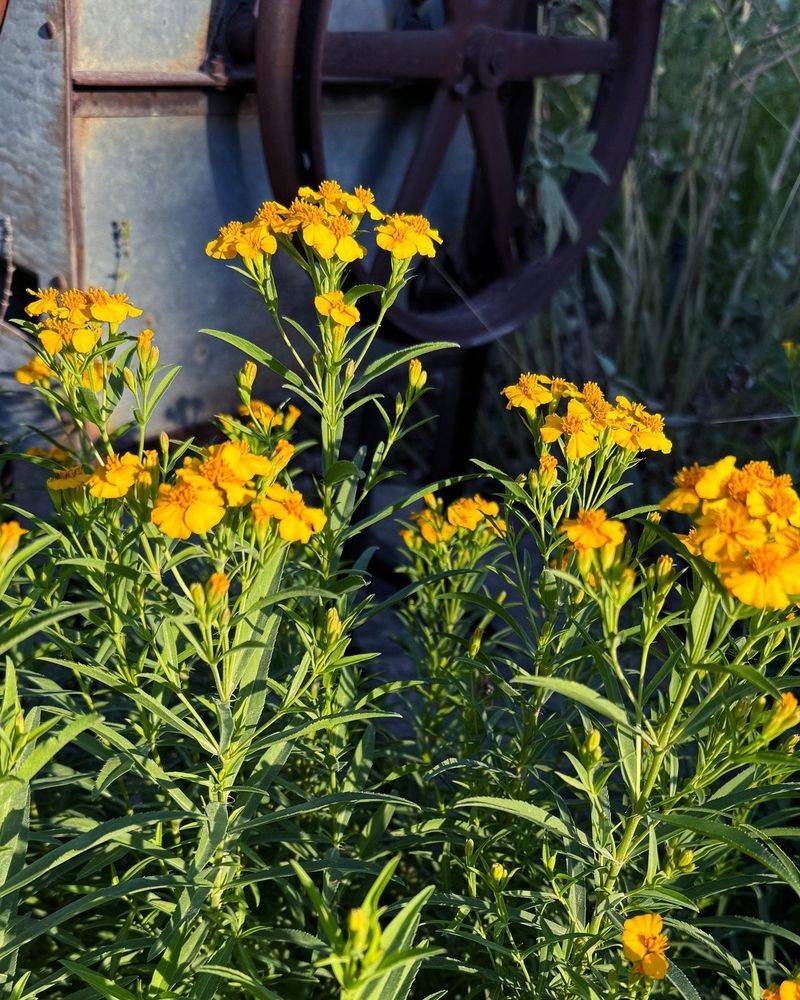
Brush past the leaves, and Mexican mint marigold releases a sweet licorice scent that tends to make people stop walking and smile.
That fragrance alone earns attention, but its fall bloom season makes it especially useful in Texas once petunias start looking ragged and ready for retirement.
Known botanically as Tagetes lucida, this plant holds value in Texas gardens for both ornamental and herbal appeal.
South Texas Extension guidance notes its fall bloom period, which lines up perfectly with the seasonal refresh most gardeners are looking for right about now.
Bright yellow flowers float above the foliage, adding a cheerful look that works well in beds, borders, and mixed herb plantings alike.
Heat barely rattles this plant once it gets established. Give it sun to light shade along with soil that drains reasonably well, then go easy on the watering can rather than overdoing it.
The plant tends to stay low maintenance overall, and that scented foliage adds interest even before the flowers fully open up.
Some gardeners use the leaves in teas or as a tarragon substitute, though the ornamental value alone gives plenty of reason to grow it regardless.
Mexican mint marigold blends nicely with purple and blue fall flowers too, making thoughtful color combinations pretty easy to put together.
Tuck it near a path or patio so that fragrance can be enjoyed up close instead of getting lost somewhere in the back of the border.
As a final swap for worn-out petunias, this plant brings scent, color, and a relaxed Texas fall charm that feels both practical and genuinely memorable.