8 Yard Habits That Worsen Tick Problems In Illinois This July
Illinois summers bring lush lawns, buzzing gardens, and one uninvited guest hiding closer than you think. Ticks are having a banner season this July, and they’re closer to your porch than your last hike.
Most homeowners assume ticks stay in the woods, far from mowed lawns and trimmed hedges. That assumption is exactly what lets these parasites slip into backyards unnoticed.
Anaplasmosis, ehrlichiosis, and other tick-borne illnesses continue to affect communities across Illinois each summer. Your weekend yard routine might be feeding the problem instead of solving it.
Before you blame the woods next door, take a closer look at your own backyard habits first.
1. Letting Grass Grow Too Long

Tall grass is basically a five-star hotel for ticks. They climb up long blades and wait for a host to brush past them.
Yard habits that worsen tick problems often start with something as simple as skipping a mowing session. Ticks dry out quickly in direct sun and heat, so tall grass gives them the shade and moisture they desperately need.
Mowing your lawn regularly keeps the grass under three inches. Short grass dries out faster in the summer heat, making it far less inviting for ticks to hang around.
Aim to mow at least once a week during July to keep grass from creating shady hiding spots, even as growth naturally slows in the heat. A consistent schedule keeps that cover from building back up as the season goes on.
Pay special attention to edges near wooded areas, fences, and garden beds. Those transition zones are where ticks tend to concentrate most heavily.
Bagging your clippings instead of leaving them on the lawn also helps. Clipping piles add moisture and organic debris that ticks love to nestle into.
A sharp mower blade cuts cleaner and reduces stress on your grass. Healthy, short turf is naturally more resistant to tick habitat formation.
Skipping one mow might not seem like a big deal, but two or three skipped sessions can transform your yard into a tick haven fast. Keep that mower running all season long.
2. Ignoring Leaf Litter And Debris Piles
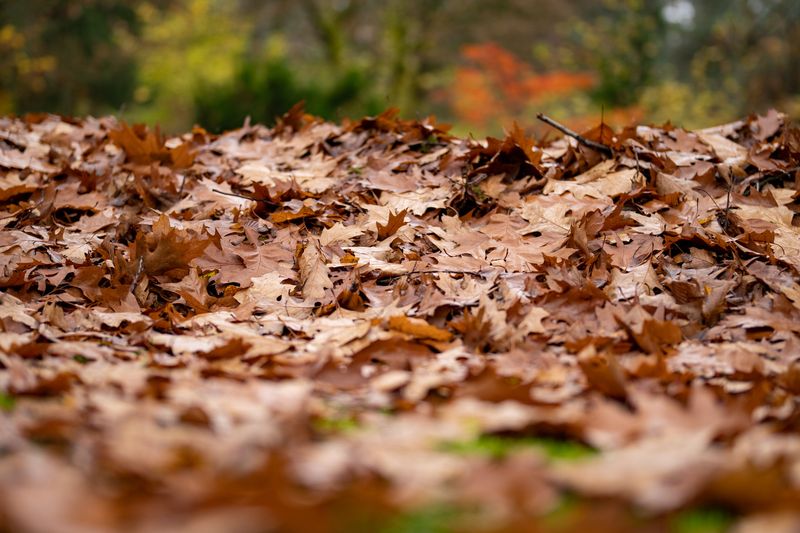
Damp and dark, leaf piles are a tick paradise. Ticks burrow into decomposing leaves to stay cool and hydrated on hot July days.
Many homeowners rake in fall but forget about the debris that builds up through spring and summer. Old leaves, grass clippings, and fallen branches create the perfect environment for tick populations to explode.
Clearing debris regularly is one of the easiest ways to cut down on tick exposure. You do not need fancy chemicals or expensive treatments to make a real difference.
Focus on corners of your yard where leaves tend to drift and pile up. Along fences, under shrubs, and near the base of trees are common trouble spots.
Bag the debris and put it at the curb rather than composting it near your home. Compost piles placed close to the house can actually attract ticks and the small animals that carry them.
Your Illinois Garden Changes Every Week. Your Plan Should Too.
Gardening in Illinois changes quickly throughout the season. Every Friday you’ll receive a simple weekly plan showing exactly what to plant, prune, fertilize, harvest, and protect so you never miss the right timing.
A clean yard is not just about looks. Removing organic clutter cuts off the food chain that supports tick survival in residential spaces.
Did you know that ticks can survive for months in moist leaf litter without a host? That fact alone should motivate a thorough cleanup this month.
Make it a habit to do a quick debris sweep every two weeks. Staying ahead of buildup is far easier than tackling a massive pile at the end of summer.
3. Skipping Regular Brush Clearing

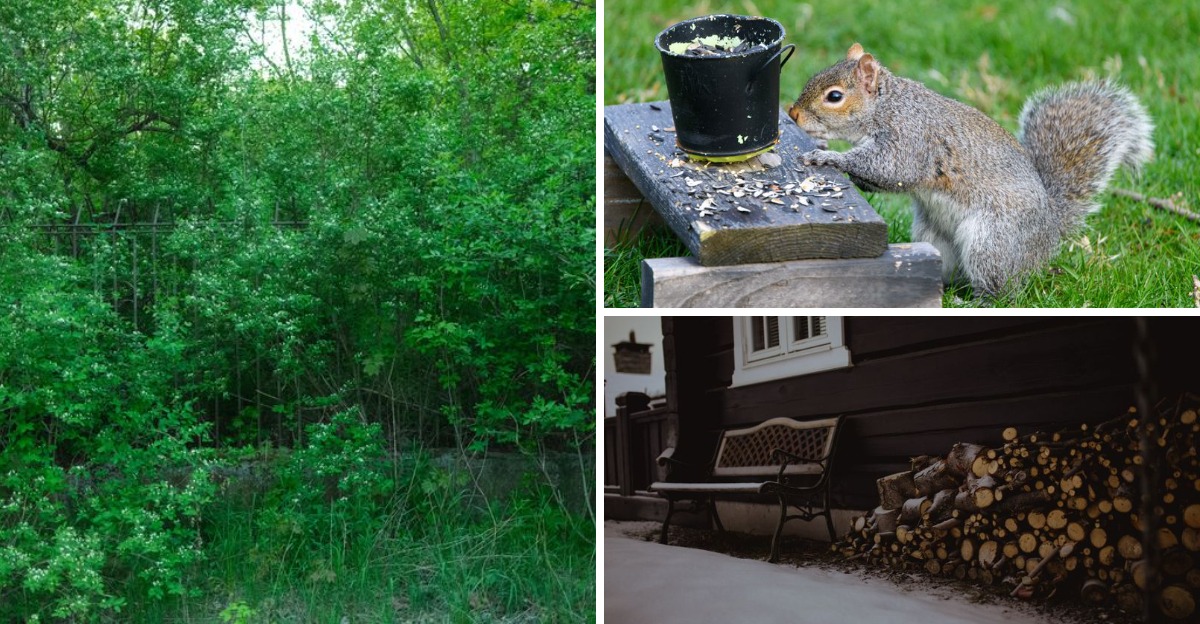
Brushy borders are tick central. Dense shrubs and tangled undergrowth create the exact humid, shaded conditions ticks need to thrive all summer long.
Skipping brush clearing even for a few weeks lets vegetation creep outward and deepen those shaded zones. The more overgrown your yard edges get, the more ground ticks can claim as their own.
Tick problems in Illinois yards tend to cluster along the edges where manicured lawn meets wild growth. That transition zone is where most human tick encounters actually happen.
Trimming back shrubs, pulling out invasive vines, and cutting down wild growth along fence lines makes a measurable difference. You are essentially shrinking the habitat ticks depend on.
Use loppers, hedge trimmers, or a brush cutter depending on how thick the growth has become. Getting the right tool for the job makes the task much faster and more thorough.
After clearing brush, dispose of it away from your home rather than stacking it nearby. Fresh-cut brush still holds moisture and can temporarily shelter ticks before it dries out.
Check yourself and your kids after any brush-clearing session. Disturbing dense vegetation can send ticks looking for a new host quickly.
A quick monthly clearing session is all it takes to keep brush from becoming a problem. Staying consistent now saves you a lot of headaches and itching later this season.
4. Leaving Bird Feeders Without Cleanup Routines
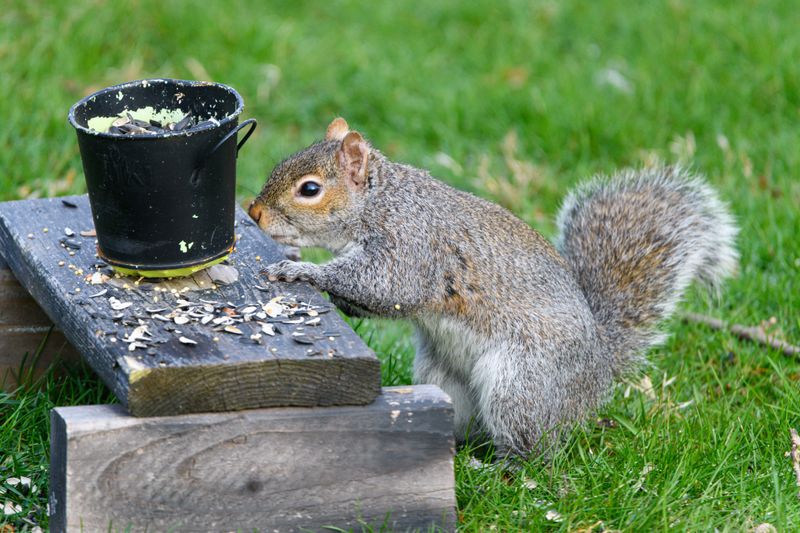
Bird feeders bring joy and birdsong to your mornings, but the mess underneath them tells a different story. Spilled seeds attract mice, chipmunks, and squirrels, which are all prime tick hosts.
When small rodents gather under your feeder, ticks hitch rides on them and drop off into your yard. Over time, that one feeder location can become a dense tick hot spot.
Yard habits that worsen tick problems are often the ones that seem harmless. Nobody thinks of bird feeding as a tick risk, but the connection is very real and well-documented.
Cleaning up spilled seed every few days prevents rodent congregation beneath the feeder. Less food on the ground means fewer furry visitors carrying ticks into your space.
Consider moving feeders away from your home and play areas. Placing them at the far edge of your property limits how close tick-carrying rodents get to your family.
Using a seed tray attachment can catch spills before they hit the ground. It is a small investment that dramatically cuts down on the mess and the critters it attracts.
Storing birdseed in sealed metal containers also helps. Open bags or buckets invite rodents into your garage or shed, expanding the problem beyond the yard.
A cleaner feeder setup does not mean giving up on bird watching. It just means being smart about how you manage the side effects of a beloved backyard hobby.
5. Allowing Woodpiles Too Close To The House

A woodpile stacked against your house looks rustic and convenient, but it is a tick magnet hiding in plain sight. The gaps between logs create cool, damp hiding spots that ticks absolutely love.
Small animals like mice, chipmunks, and even opossums nest inside woodpiles. Every one of those animals can carry dozens of ticks right to your back door.
Moving your woodpile at least twenty feet from the house makes a significant difference. Distance creates a buffer zone that keeps tick-carrying critters further from the areas where your family spends time.
Stack wood on a raised platform or pallets to improve airflow underneath. Dry wood with good circulation is far less attractive to both ticks and the animals that host them.
Sunlight is your friend when it comes to wood storage. Placing the stack in a sunny open spot speeds up drying and reduces the moisture ticks need to survive.
Avoid storing wood directly on soil if possible. Ground contact holds moisture and creates a humid base layer that extends the hospitable zone for ticks.
Cover the top of your woodpile with a tarp or metal roof to keep rain off. Wet wood stays moist for days, giving ticks a prolonged comfortable environment.
Relocating your woodpile is a one-afternoon project with long-lasting payoff. A few hours of effort now could spare your family from weeks of tick checks this July.
6. Neglecting Deer-Proof Fencing

Deer are beautiful, but they are also walking tick taxis. A single deer can carry hundreds of adult ticks into your yard in one visit.
Without a barrier, deer wander freely through neighborhoods across Illinois during summer months. Every path they take through your yard deposits ticks along the route.
Installing deer-proof fencing is one of the most effective long-term solutions for reducing tick pressure. A fence that stands at least eight feet tall is generally enough to deter most deer.
Smaller options like two-strand wire fences or motion-activated sprinklers can also reduce deer traffic. The goal is to make your yard less accessible without necessarily building a fortress.
Deer are most active at dawn and dusk, so those are the highest-risk times for tick deposits. Knowing when deer visit helps you understand when your yard is most vulnerable.
Planting deer-resistant landscaping along your yard borders adds another layer of protection. Plants like lavender, Russian sage, and catmint are naturally unappealing to deer.
Removing deer attractants like fallen fruit, bird feeders near borders, and vegetable gardens without barriers also helps. Less reason to visit means fewer deer and fewer ticks overall.
Neglecting this step is one of the yard habits that worsen tick problems most dramatically. Deer bring ticks in bulk, and no amount of mowing can fully compensate for that ongoing pressure.
7. Overwatering Creating Humid Microclimates

Overwatering your lawn feels like good stewardship, but soggy grass creates a humid microclimate that ticks thrive in. Moisture is one of the top factors that determines whether ticks survive in a given spot.
Ticks lose water through their outer shell and need humidity to stay alive. A constantly damp lawn essentially gives them the life support they need to stick around all summer.
Most Illinois lawns in July need about one inch of water per week, including rainfall. Watering beyond that creates unnecessary moisture that benefits ticks far more than your grass.
Check your sprinkler schedule and adjust it based on recent rainfall. Smart irrigation controllers can do this automatically, saving water and reducing tick-friendly conditions at the same time.
Water in the morning rather than the evening whenever possible. Morning watering gives the sun time to dry the lawn before temperatures drop at night, when ticks are most active.
Low spots in your yard that collect water are especially problematic. Regrading those areas or improving drainage can eliminate persistent damp zones that serve as tick refuges.
Garden beds near the house are another overwatering culprit. Dense plantings with heavy mulch hold moisture for days, creating a humid pocket right next to where people walk and play.
Smarter watering habits do not just save your water bill. They actively shrink the environment ticks depend on, making your whole yard less hospitable this season.
8. Letting Tall Weeds Line Walkways

Weeds along your walkways are more than an eyesore. They are a tick transfer zone, brushing against legs and clothing every single time someone passes by.
Ticks use a behavior called questing, where they climb to the tips of plants and wait with their front legs outstretched. Tall weeds lining a path put ticks at exactly the right height to grab onto a passing person.
Keeping walkways clear of weeds is one of the simplest tick-prevention steps you can take. A few minutes of pulling or trimming each week makes your most-used paths dramatically safer.
Use a string trimmer to keep vegetation at least three feet back from any path or play area. That buffer zone reduces the chance of accidental tick contact significantly.
Ground cover plants like creeping thyme or low-growing sedums can replace weeds along paths. They stay low, dry quickly, and do not create the tall stems ticks need for questing.
Applying a layer of gravel or mulch along pathway edges also discourages weed growth. Fewer weeds means fewer tick perches in the areas your family uses most.
Herbicides can help with stubborn weed lines, but consistent manual trimming works just as well. The key is making weed control a weekly habit rather than an occasional chore.
Clearing those walkway weeds is one final yard habit that worsens tick problems when ignored. A tidy path is a safe path, and that simple truth could protect your family all July long.