Pinch These Ohio Tomato Suckers Before July Ends Or Lose The Late Harvest
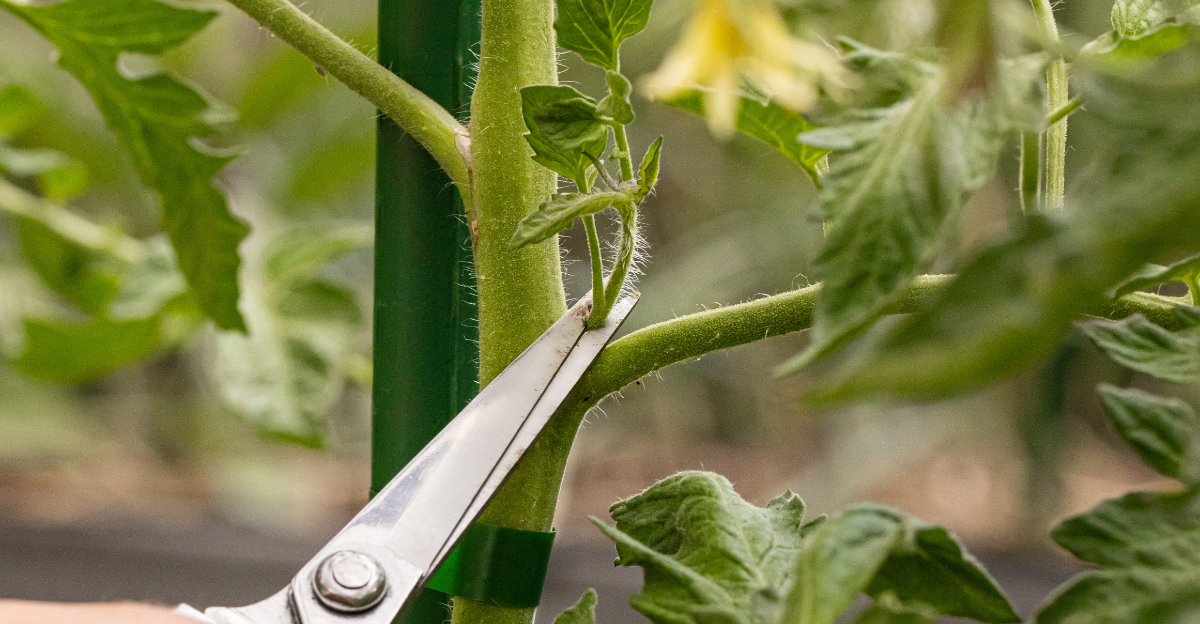
Ohio tomato plants in late July are running two operations at once. The plant is producing the fruit already set on the vine.
It is also sending energy into new growth that will never ripen before frost arrives and ends the season. Suckers are where that split happens.
They look like progress. They feel like the plant is thriving.
And they are quietly borrowing from the harvest that was already within reach. Pinching them before July ends is not about controlling the plant for the sake of it.
It is about redirecting what the plant has left into fruit that Ohio’s shortened growing season actually has time to finish. Miss this window and the math shifts.
More vine, more green tomatoes, less time, and a frost date that does not move for anyone. The late harvest is still possible.
But only if the right call gets made right now.
1. Pinch Small Late Suckers Before They Steal Energy
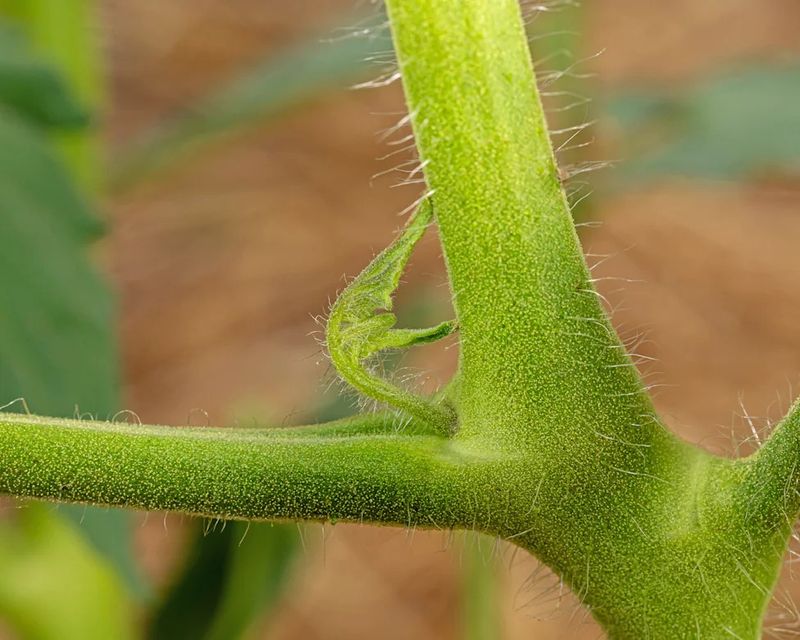
A tiny shoot tucked into a leaf joint might look harmless in early July, but give it two weeks and it becomes a full leafy stem competing for the plant’s resources. On indeterminate tomato plants, new suckers keep appearing all season long.
The ones that pop up in late July rarely have enough time to flower, set fruit, and ripen before frost. Pinching them while they are still small, under two inches, is the most practical move a gardener can make at this point in the season.
Small suckers snap off cleanly with dry fingers, which lowers the risk of introducing moisture or pathogens into the wound.
Ohio university extension tomato guidance recommends working when foliage is dry and avoiding tools that may spread disease between plants unless sanitized.
Focus on new growth that appeared recently, especially near the top of the plant or along upper stems.
This does not mean removing every sucker in sight. Some side shoots are already carrying flowers or small fruit worth keeping.
The goal is to redirect the plant’s focus toward growth that still has a realistic shot at producing ripe tomatoes. A thoughtful pinch now can make a real difference by late August and into September.
2. Know Which Tomatoes Should Not Be Stripped
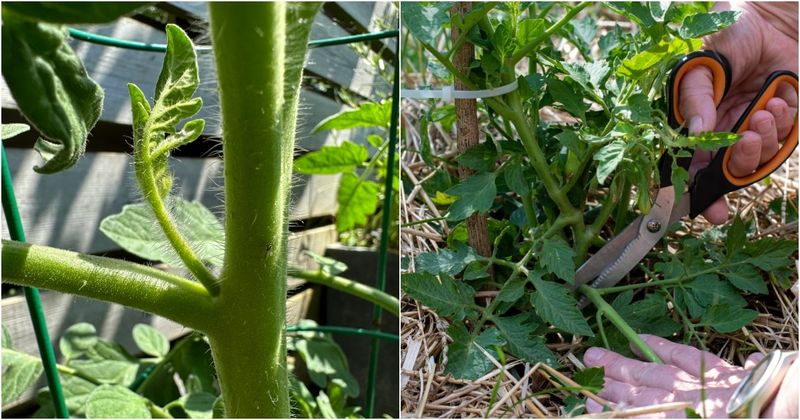
Not every tomato plant benefits from sucker removal, and this is where many Ohio gardeners make a costly mistake.
Determinate tomatoes, sometimes called bush tomatoes, grow to a set height and concentrate most of their fruit production into a shorter window.
Many of their side shoots become fruiting branches that contribute directly to the main crop. Removing too many of those branches can noticeably reduce how much fruit you harvest.
Indeterminate tomatoes are the better candidates for selective sucker pruning. These plants keep vining and setting new fruit throughout the season, so guiding their growth with careful pinching makes more practical sense.
Varieties like Brandywine, Cherokee Purple, and most beefsteak types tend to be indeterminate. Compact paste types and many cherry varieties sold as patio plants are often determinate.
Your Ohio Garden Changes Every Week. Your Plan Should Too.
Gardening in Ohio changes quickly throughout the season. Every Friday you’ll receive a simple weekly plan showing exactly what to plant, prune, fertilize, harvest, and protect so you never miss the right timing.
Before cutting anything, check the plant tag, seed packet, or variety description. Horticulture experts advise that gardeners who are unsure of their plant type should prune very lightly until they can confirm the growth habit.
An unknown plant pruned heavily like an indeterminate could end up with far fewer fruiting branches than expected. When in doubt, leave more than you take and observe how the plant responds over the following week.
3. Find Suckers Where Leaves Meet The Main Stem
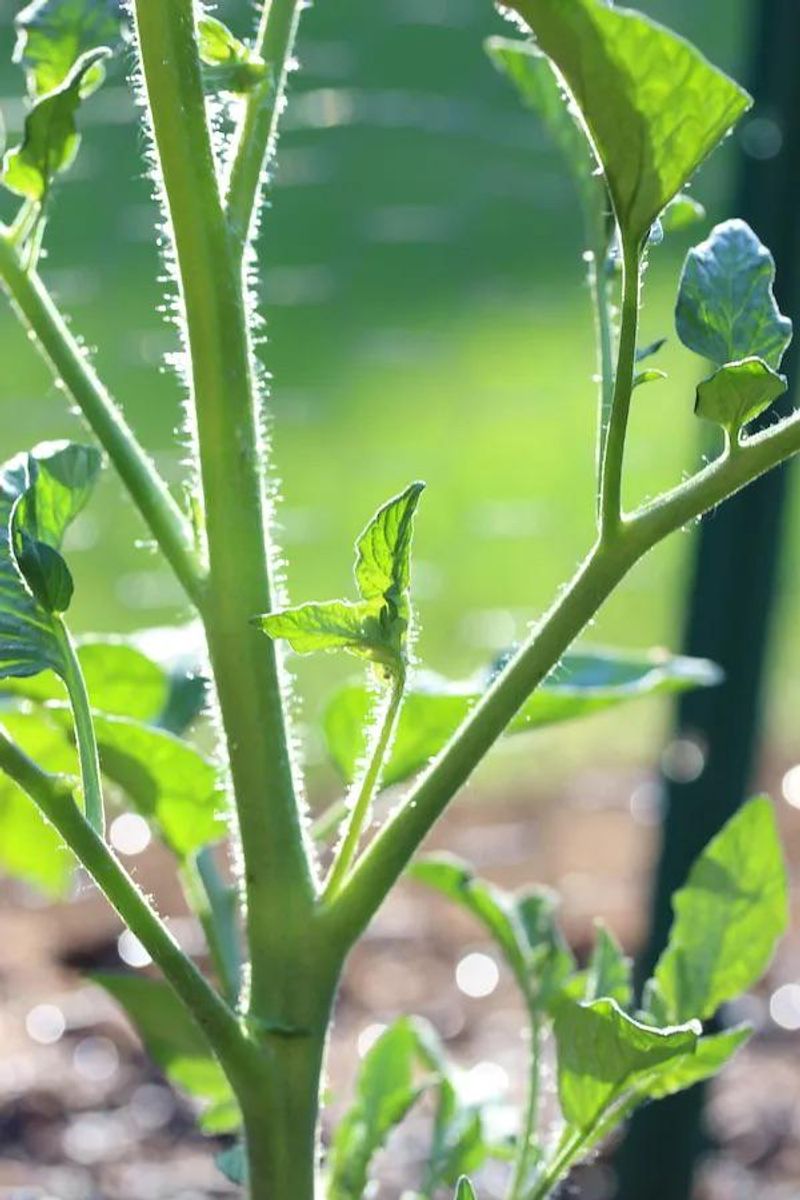
Picture the spot where a leaf branch grows out from the main stem. Right in that V-shaped joint, a small shoot often pushes through.
That shoot is a sucker. It will not become a flower on its own right away.
Instead, it grows into a new branching stem that can eventually produce leaves, flowers, and fruit if the season allows enough time.
Learning to spot suckers quickly takes just a little practice. Look along the lower and middle portions of the main stem first, since those joints tend to produce suckers earlier in the season.
Check new growth every few days during July because suckers can double in size surprisingly fast in warm weather. The key is catching them before they grow past a few inches.
One common mistake is confusing a sucker with a flower cluster. Flower clusters emerge directly from the stem or a branch and have small buds grouped together.
Suckers grow from the leaf axil and look like a miniature stem with tiny leaves. Misidentifying a flower cluster and removing it means losing a fruiting branch, which directly reduces harvest.
OSU Extension vegetable guidance recommends taking time to examine new growth carefully before pinching anything off the plant.
4. Keep Fruit Bearing Branches That Still Have Time
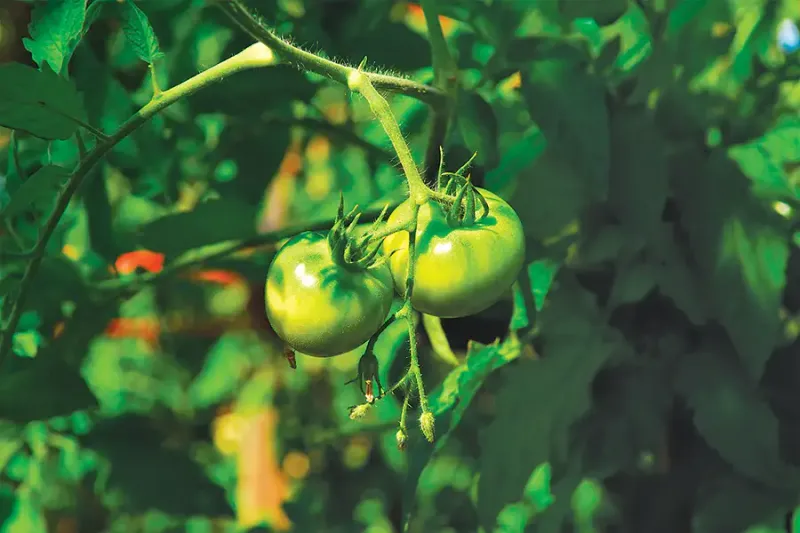
A side branch loaded with small green tomatoes and open flowers is not the enemy. Late July pruning is about guiding the plant, not punishing it for growing.
Before cutting any branch, take a moment to check whether it still has a realistic chance of producing ripe fruit before frost arrives.
In many parts of this state, the first frost can arrive anywhere from early October in northern regions to mid-October or later in southern areas.
That timing varies by year.
Ohio vegetable gardening guidance suggests checking the size and stage of any fruit already on the branch. A small tomato that has already set and begun to swell is often worth keeping.
A bare branch with no flowers and no fruit, growing from a late sucker that appeared in mid-July, is a better candidate for removal. The difference matters because cutting the wrong branch shortens the harvest rather than extending it.
Plant health also plays a role in this decision. A branch on a well-watered, supported, and disease-free plant has a better chance of contributing to late harvest than one on a struggling vine.
Consider the whole picture before making any cut. Thoughtful pruning that keeps fruiting growth intact can help the plant use the remaining season wisely.
It keeps the plant from spreading resources across too many unproductive stems.
5. Remove Crowded Growth To Improve Airflow
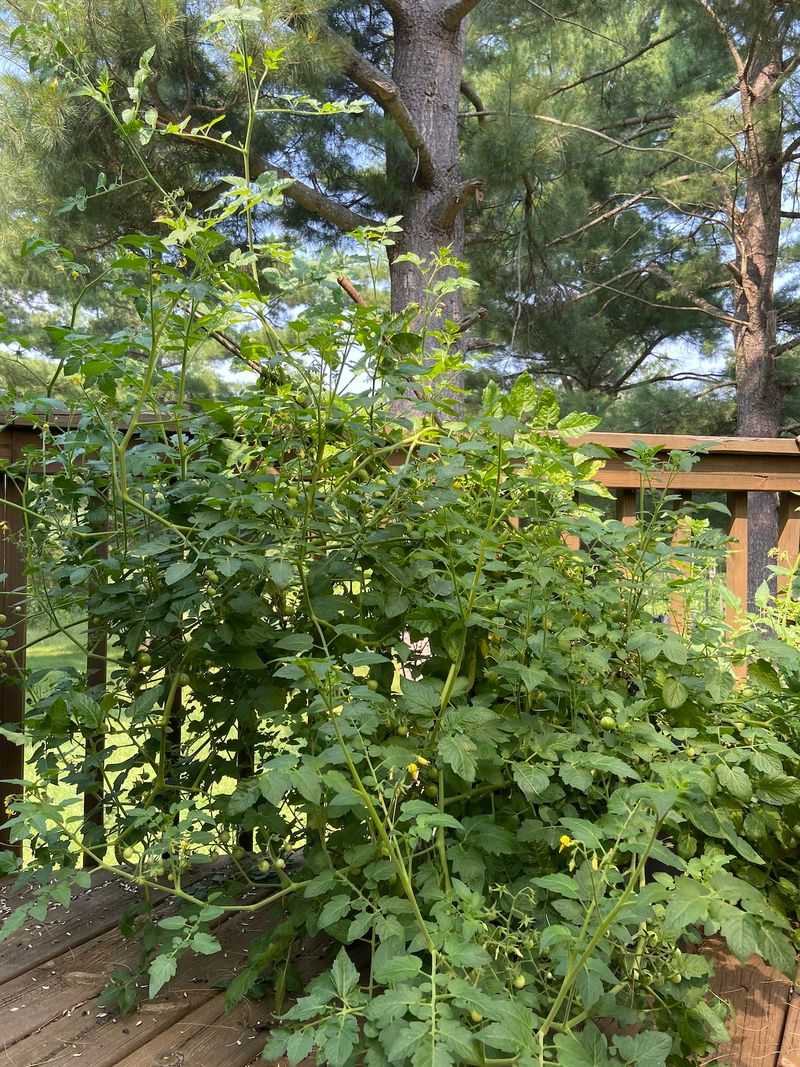
A crowded July tomato plant is a humid microclimate all on its own. When leaves overlap and stems press together, moisture from rain or irrigation clings longer to the foliage.
That extra dampness can create conditions where fungal diseases find it easier to take hold. Plant pathology resources note that diseases like early blight and Septoria leaf spot are more common on plants with poor airflow, especially during warm, wet summers.
Removing selected suckers and lower leaves can open the plant slightly. That allows air to move through more freely and helps foliage dry faster after rain or overhead watering.
OSU Extension guidance also recommends watering at the soil level rather than overhead to reduce the amount of time leaves stay wet. These small adjustments work together to lower disease pressure over the long season.
The goal is not to strip the plant bare. Healthy foliage shades developing fruit from intense afternoon sun and feeds the plant through photosynthesis.
Removing too many leaves can expose tomatoes to sunscald, which damages fruit just as surely as disease. Remove only growth that is clearly crowding the interior of the plant, already diseased, or contributing nothing to fruit production.
A few targeted removals can make a real difference without leaving the plant vulnerable or exposed.
6. Stop Pruning Hard When Plants Are Heat Stressed
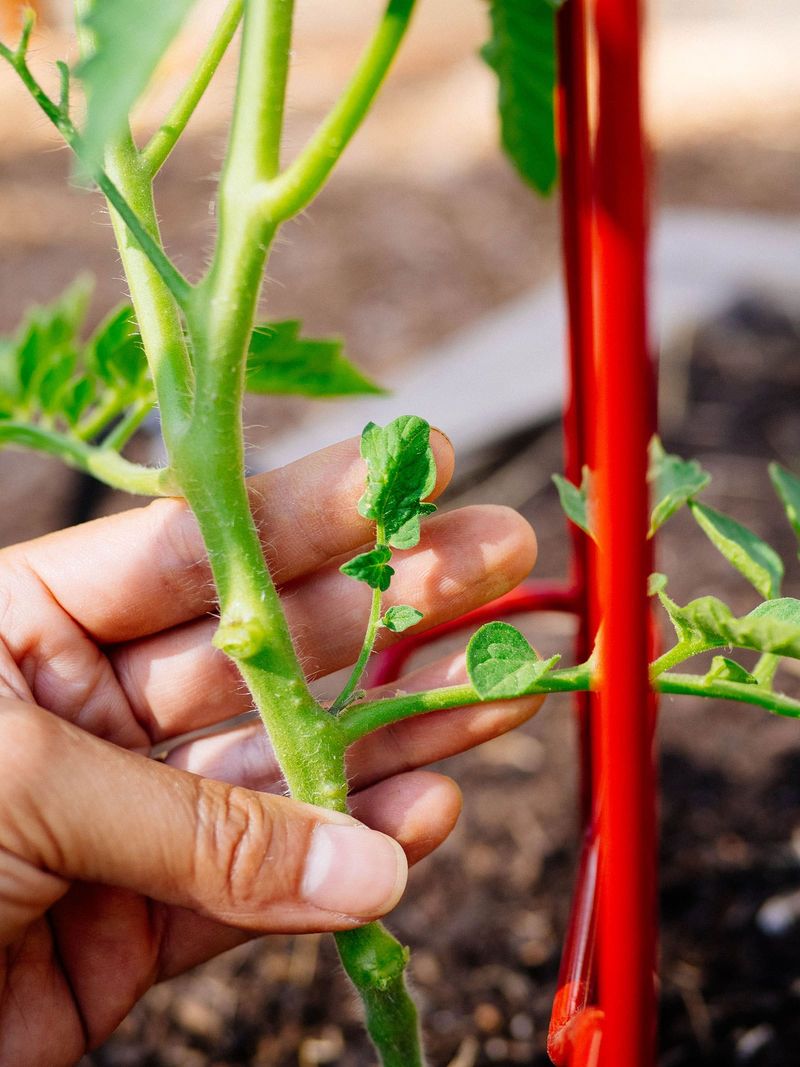
Hot afternoons in late July can push tomato plants to their limit. When temperatures stay above 90 degrees for several days in a row, plants may wilt during the heat of the day even if the soil is adequately moist.
Pruning hard during a heat wave adds another layer of stress on top of what the plant is already managing, and that combination can slow recovery and hurt fruit set.
Pruning guidance warns that removing large stems or many leaves at once during extreme heat can leave plants struggling to recover. If pruning feels necessary during a hot stretch, limit the work to small suckers only.
Pinching a two-inch sucker causes far less stress than cutting a thick, leafy branch. Save any major adjustments for a cooler morning when temperatures are more manageable and the plant is better hydrated.
Wilted or visibly stressed plants should be stabilized before any pruning happens at all. Water consistently and deeply at the soil level, and give the plant a day or two to recover before touching it.
Horticulture experts advise that a well-watered plant handles pruning much better than a dry, heat-stressed one. Consistent soil moisture also supports better fruit development.
It reduces the risk of problems like blossom end rot, which is linked to calcium uptake issues during irregular watering.
7. Support Heavy Vines Before Late Fruit Sets
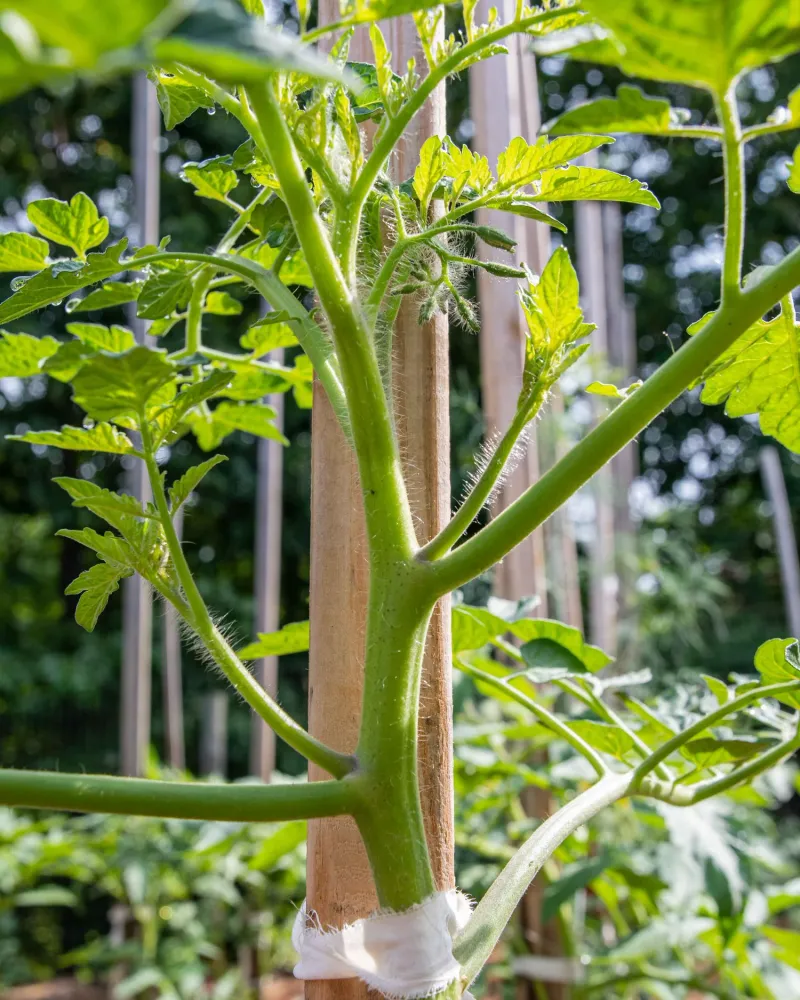
A long indeterminate vine loaded with late-season fruit can get surprisingly heavy. Without proper support, stems may bend or snap under the weight, taking a branch full of nearly ripe tomatoes down with them.
Pruning and support are closely connected because a well-pruned plant that is not supported can still end up in a tangled heap by late August.
Check your stakes, cages, and ties before late fruit sets in. Ohio vegetable gardening guidance recommends adding support early rather than waiting until vines are already leaning or dragging.
If a cage is already full and a vine is pushing past the top, add a stake alongside it and tie the main stem gently using soft plant ties or strips of cloth. Avoid anything that cuts into the stem, especially on older wood that has become slightly brittle in the heat.
Fruiting branches that are already loaded deserve extra attention. A branch carrying four or five large tomatoes may need its own gentle tie to prevent it from pulling away from the main stem.
Supporting these branches protects the investment of weeks of growth and watering. Pruning without supporting the remaining vines can leave the plant just as disorganized as before, so treat both tasks as part of the same late-season care routine.
8. Guide The Plant Toward Fruit Before Frost
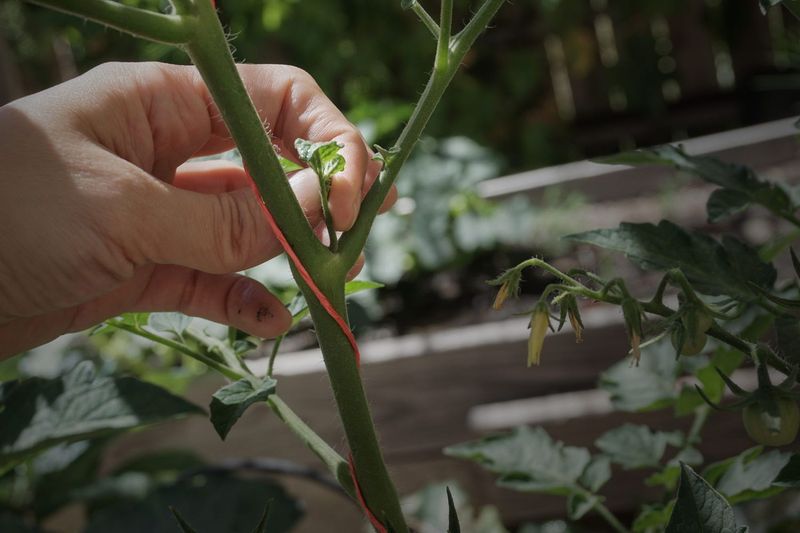
Late July is the moment when the season starts working against you if you are not paying attention.
Indeterminate tomatoes will keep pushing new growth right up until cold weather shuts them down, but not every new stem has enough weeks left to produce ripe fruit.
Pinching small late suckers now can help the plant put more energy into the branches and fruit that are already well along in development.
Frost timing varies across the Buckeye State. Northern regions may see frost by early October, while southern areas often have more runway into mid-October or beyond.
Watching local forecasts and knowing your average first frost date helps you make smarter decisions about which growth is worth keeping.
University extension resources recommend tracking both plant stage and weather rather than following a fixed calendar rule.
Bring everything together as July closes out. Pinch small late suckers on indeterminate plants.
Leave branches that are already carrying fruit or flowers with time to develop. Avoid heavy pruning on determinate varieties.
Improve airflow by removing crowded interior growth. Water consistently, support loaded vines, and avoid hard cuts during heat waves.
The right pinch at the right moment does not guarantee a perfect harvest. But it does give your best fruit the clearest path to the table before the first cold night arrives.