Why Texas Rose Pruning In August Determines Everything About Your October And November Garden Display
Most Texas gardeners treat August roses the same way they treat most of their August garden. Keep them watered, keep them alive, and wait for the heat to break.
It’s a reasonable survival strategy. But gardeners who want a spectacular October and November display know that August is not just a month to endure.
It’s the most important pruning window of the entire year. What you do to your roses in August determines what you get in fall. It’s really that direct.
Texas roses have a second bloom cycle that kicks in as temperatures drop in October and November, and it’s often the most beautiful display of the whole year. Those cool fall days bring out colors and bloom quality that summer heat simply doesn’t allow.
But that second flush doesn’t happen automatically. It has to be set up with the right pruning at the right time.
Miss the August window and you’ll be looking at tired, leggy, sparsely blooming plants in October while your neighbors’ roses are putting on a show. Here’s exactly what to do and when to do it.
1. August Pruning Starts The Six-Week Countdown To Fall Flowers
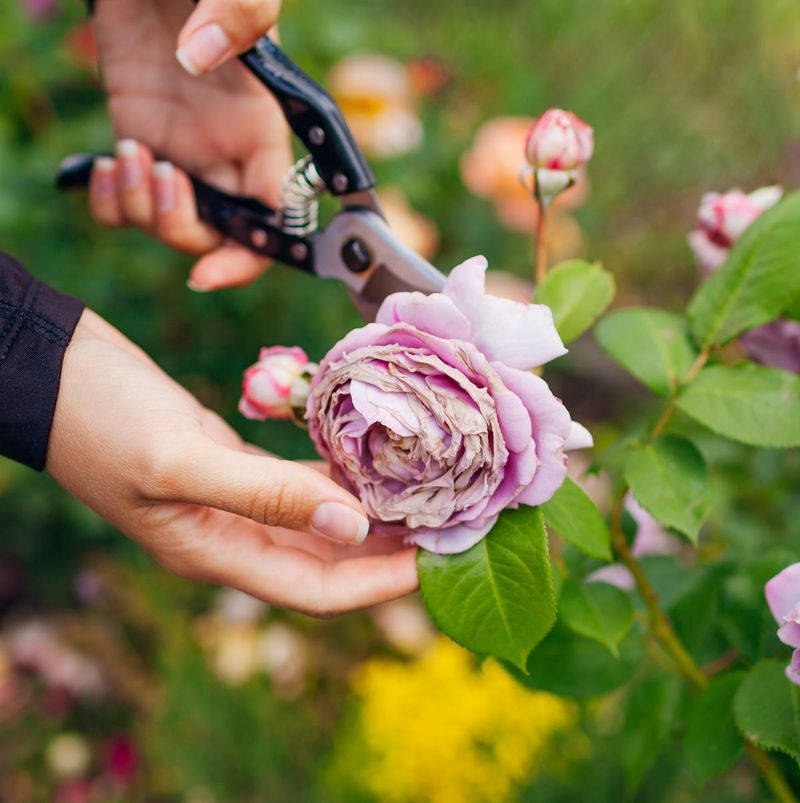
Picture your rose garden bursting with fresh blooms just as the Texas heat finally starts to ease off in October.
That picture becomes reality when you understand one simple biological fact about repeat-blooming roses: they need roughly six weeks after pruning before they flower again.
When you cut your roses back in mid-to-late August, you are essentially setting a timer. The plant responds by pushing out new growth, forming buds, and eventually opening flowers.
Do the math, and that six-week window lands you squarely in late September or October, which is prime time for comfortable outdoor weather in Texas.
In the warmer southern parts of the state, blooming can stretch well into November. That is a long and lovely season of color that most gardeners would love to enjoy. The key is being intentional about when you make those cuts.
Many gardeners treat August as a month to just water and wait, but roses are actually ready for a reset by then. Summer stress has slowed their growth, and a good pruning signals the plant to start fresh.
Think of it like pressing a restart button that wakes the rose back up for its best performance of the year.
Timing matters more than people realize. Pruning even one week too early or too late can shift your bloom window in a frustrating direction.
Mid-August is generally the sweet spot for most of Texas, giving roses enough warmth to push new growth quickly while still landing blooms before the first cold snap arrives.
2. Removing Heat-Damaged Growth Redirects Energy Into Healthy Shoots
By the time August rolls around in Texas, most rose bushes have been through a serious beating.
Weeks of triple-digit heat, dry spells, and relentless sun leave behind a mix of dry canes, weak stems, and thin, scraggly growth that simply cannot support a strong fall bloom.
Your Texas Garden Changes Every Week. Your Plan Should Too.
Gardening in Texas changes quickly throughout the season. Every Friday you’ll receive a simple weekly plan showing exactly what to plant, prune, fertilize, harvest, and protect so you never miss the right timing.
Leaving all that damaged material on the plant is like trying to run a race with a backpack full of rocks. The rose spends precious energy trying to maintain growth that will never produce anything useful.
Cutting it away frees up that energy and sends it straight to the healthy, vigorous shoots that actually have the potential to flower.
Look for canes that are brown, shriveled, or hollow at the cut. Thin, twiggy stems that feel flimsy are also worth removing. What you want to keep are the thick, green canes that feel firm and look alive.
After a good cleanup pruning, many Texas gardeners are surprised by how quickly their roses respond.
Within a week or two, you can often see fresh red-tipped shoots pushing out from the base and along the remaining canes. That rapid response is the plant putting its energy exactly where it belongs.
Removing damaged material also lowers the chances of pest and fungal problems settling into weak tissue. Stressed plant parts are a welcome mat for insects and disease.
A cleaner plant going into fall is a healthier plant overall, and a healthier plant means a more impressive display when October arrives. Pair this step with a light fertilizer application and your roses will reward you generously.
3. Shortening Tall Canes Creates More Flowering Side Branches
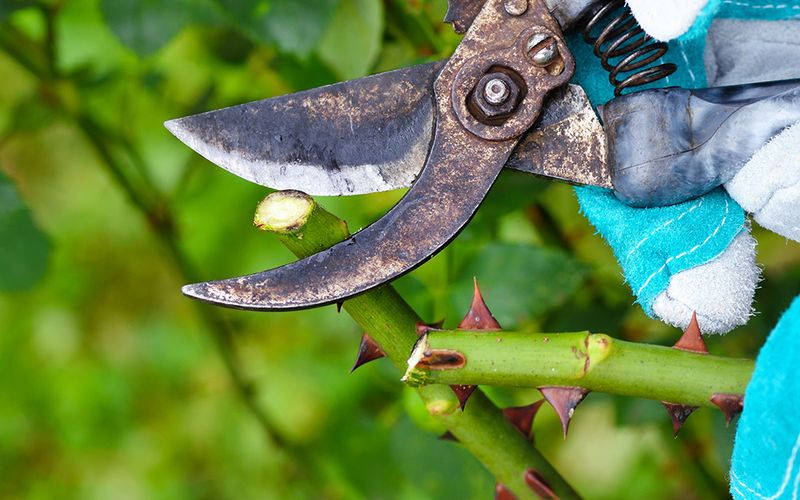
Tall, leggy rose canes might look impressive from a distance, but they often produce just a single bloom at the very tip and leave the rest of the plant looking bare and awkward.
Shortening those canes in August is one of the smartest moves you can make for a fuller, more dramatic fall display.
Texas A&M-affiliated gardening guidance recommends shaping bush roses in late summer and reducing excessively tall growth to encourage lateral branching.
When you cut a long cane back, the plant responds by sending out multiple side shoots just below the cut. Each one of those side shoots becomes a potential flowering stem.
So instead of getting one bloom on a tall bare cane, you might get three, four, or even five blooms on shorter, bushier growth.
Multiply that across an entire rose bush, and the difference in flower count can be dramatic. Your garden goes from looking sparse to looking lush almost overnight.
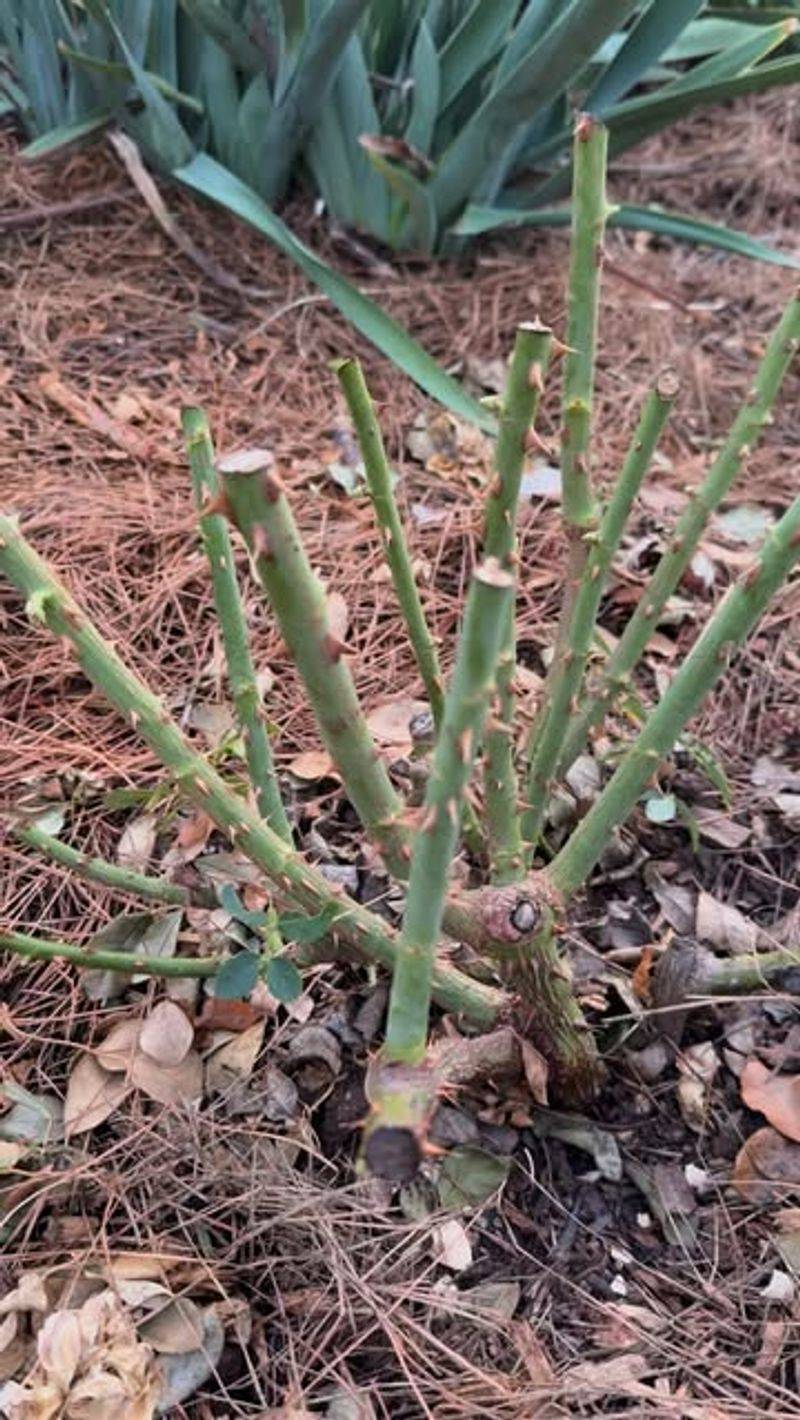
A good rule of thumb is to reduce canes by about one-third to one-half of their height, depending on how tall and leggy they have gotten. Always cut just above an outward-facing bud eye, which is a small bump or leaf node on the cane.
Cutting above an outward-facing node encourages the new growth to spread outward rather than crowding toward the center of the plant.
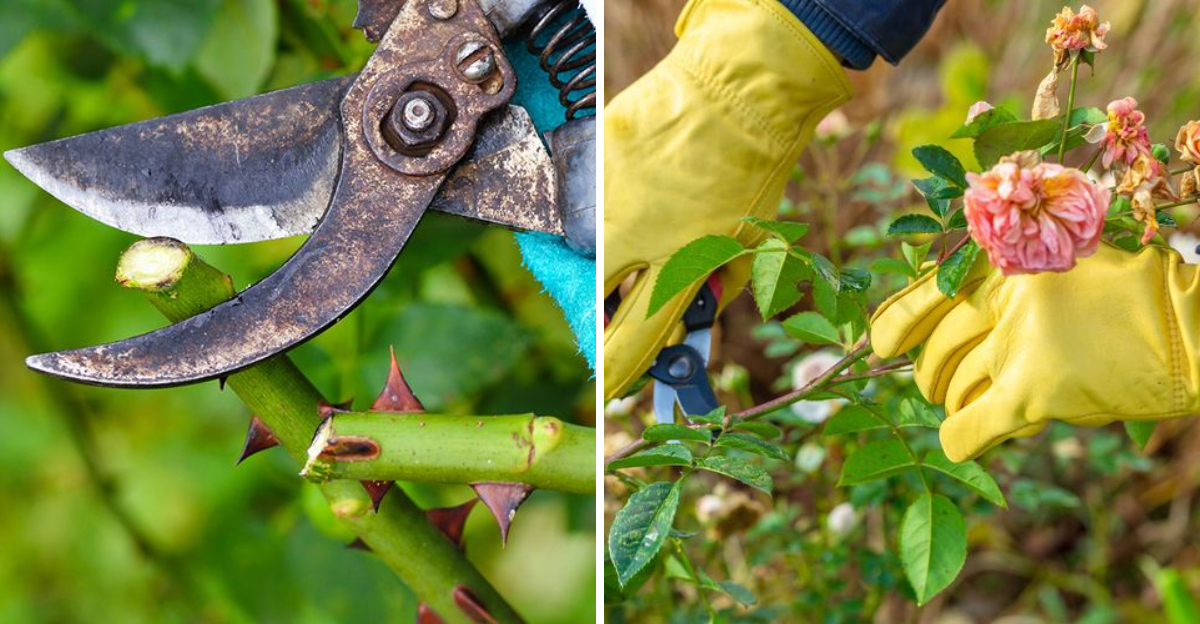
Sharp, clean pruning shears make a big difference here. Ragged cuts can invite problems and slow healing.
Clean your blades before starting and make smooth, angled cuts. A small investment in good tools pays off every season with healthier, better-looking plants that bloom with genuine enthusiasm.
4. Opening The Center Reduces Fall Disease Pressure
One of the sneakiest problems that shows up in Texas rose gardens each fall is black spot, a fungal disease that spreads quickly when humidity rises and air cannot move freely through the foliage.
As summer transitions into fall, cooler nights and heavier dew create exactly the kind of environment that this disease loves.
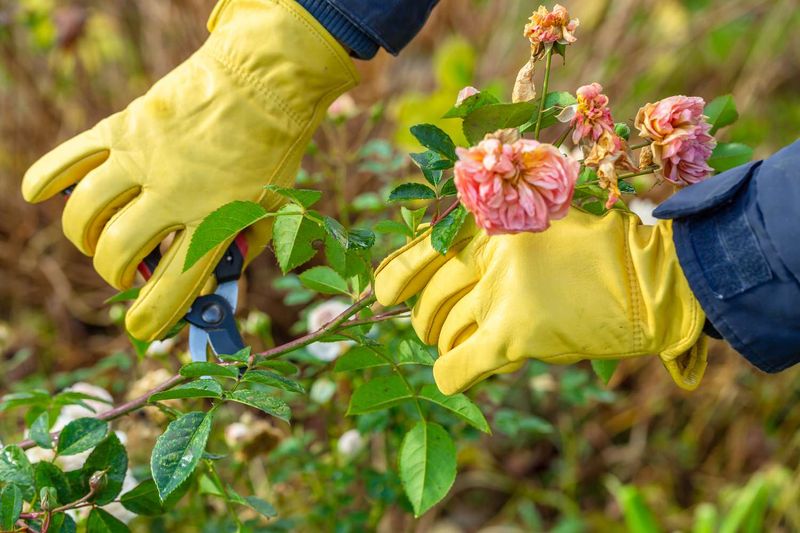
Pruning the center of your rose bushes open in August is a straightforward way to fight back before the problem even starts.
When you selectively remove crossing canes, crowded stems, and any growth pointing inward toward the center of the plant, you create a more open, vase-like shape that allows air to circulate freely.
Better airflow means foliage dries faster after rain or heavy dew. Dry leaves are far less hospitable to fungal spores than wet, stagnant ones.
This simple structural change can dramatically reduce the amount of black spot and other leaf diseases you deal with during the fall season.
Look for canes that rub against each other or cross through the middle of the plant. These are the first to go.
Also remove any stems growing straight down toward the soil or directly into the center where airflow is most restricted.
After opening the center, step back and look at the overall shape. You want to see light and air able to pass through the plant rather than a dense, tangled mass of stems. The goal is a plant that looks a little like an open cup or bowl from above.
Combining this technique with good fall watering habits and a preventive fungicide spray gives your roses a strong foundation heading into the most beautiful blooming season of the Texas gardening year.
5. Pruning Too Late Can Push Blooms Or Tender Growth Into Cold Weather
Timing is everything when it comes to August rose pruning, and waiting too long is one of the most common mistakes Texas gardeners make.
Pushing your pruning into late September might seem harmless, but it can shift your entire bloom cycle into territory where cold weather becomes a real threat.
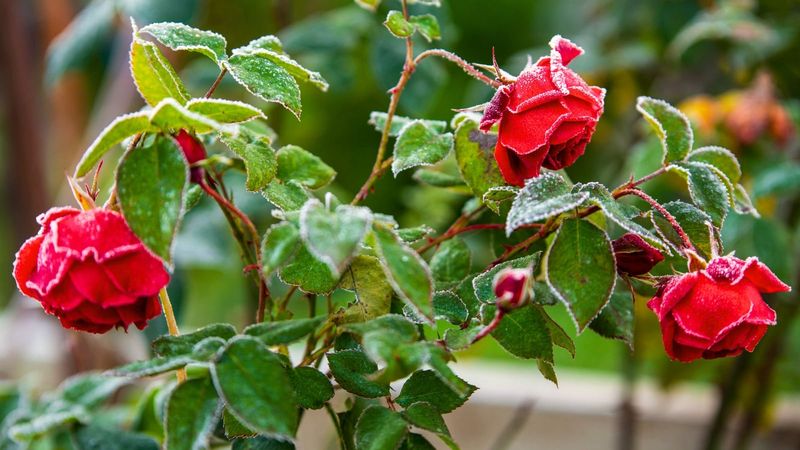
When you prune late, the rose responds by pushing out fresh, tender new growth. That soft, young tissue is highly sensitive to frost.
In North Texas especially, temperatures can drop sharply in November, and a sudden cold snap can catch immature stems completely off guard before they have had time to toughen up.
The bloom cycle gets delayed too. Instead of flowers opening in October when nights are still mild and pleasant, you end up with buds forming just as temperatures start falling.
Partially opened flowers and frost do not mix well, and you may end up with very little to show for all your effort.
Late pruning also tends to produce weaker growth overall. The shorter days and cooling temperatures of fall slow down the plant’s ability to push vigorous new shoots.
Roses pruned in late September simply do not bounce back with the same energy as those pruned in mid-August when warmth and sunlight are still abundant.
Sticking to the mid-August window gives new growth enough time to mature and harden before cold weather arrives. Mature canes handle light frosts much better than soft, new ones.
For gardeners in the Panhandle or North Texas, being a week or two earlier rather than later is always the safer choice. Mark your calendar now so August does not sneak past you again this year.
6. The Advice Applies To Repeat-Blooming Bush Roses, Not Every Rose
Not every rose in your garden should get the August pruning treatment, and knowing the difference can save you from accidentally removing next year’s blooms on the wrong plants.
The late-summer pruning strategy works beautifully for repeat-blooming types, but it can seriously backfire on others.
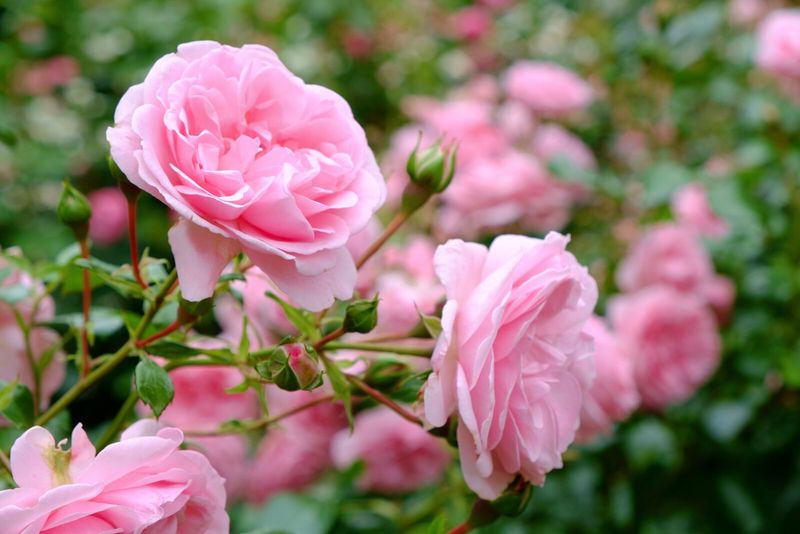
Hybrid teas, floribundas, grandifloras, and many modern repeat-flowering shrub roses are the right candidates. These plants bloom in cycles throughout the growing season and respond well to being cut back in August.
They are the workhorses of the Texas rose garden and reward consistent seasonal pruning with generous, reliable flowering.
Once-blooming old garden roses are a completely different story. Varieties like most albas, gallicas, and certain old-fashioned climbers only flower once per season, and they do it on wood that grew the previous year.
Cutting them back in August means removing the very canes that would have produced their flowers next spring. You end up with healthy-looking plants that simply refuse to bloom.
Many climbing roses fall into this same category. Large-flowered climbers that bloom once in spring should be pruned right after their flowering period ends, not in late summer.
Repeat-blooming climbers are the exception and can handle light late-summer trimming, but even then, heavy cutting is not recommended.
When you are not sure which type of rose you have, a quick search of the variety name or a conversation with your local nursery professional can clear things up fast.
Keeping a simple garden journal with the names of your roses is a habit that pays off repeatedly over the years. A little knowledge about what you are growing goes a very long way in the garden.