Stop Throwing Away Pennsylvania Tomatoes With This Dark Spot On The Bottom
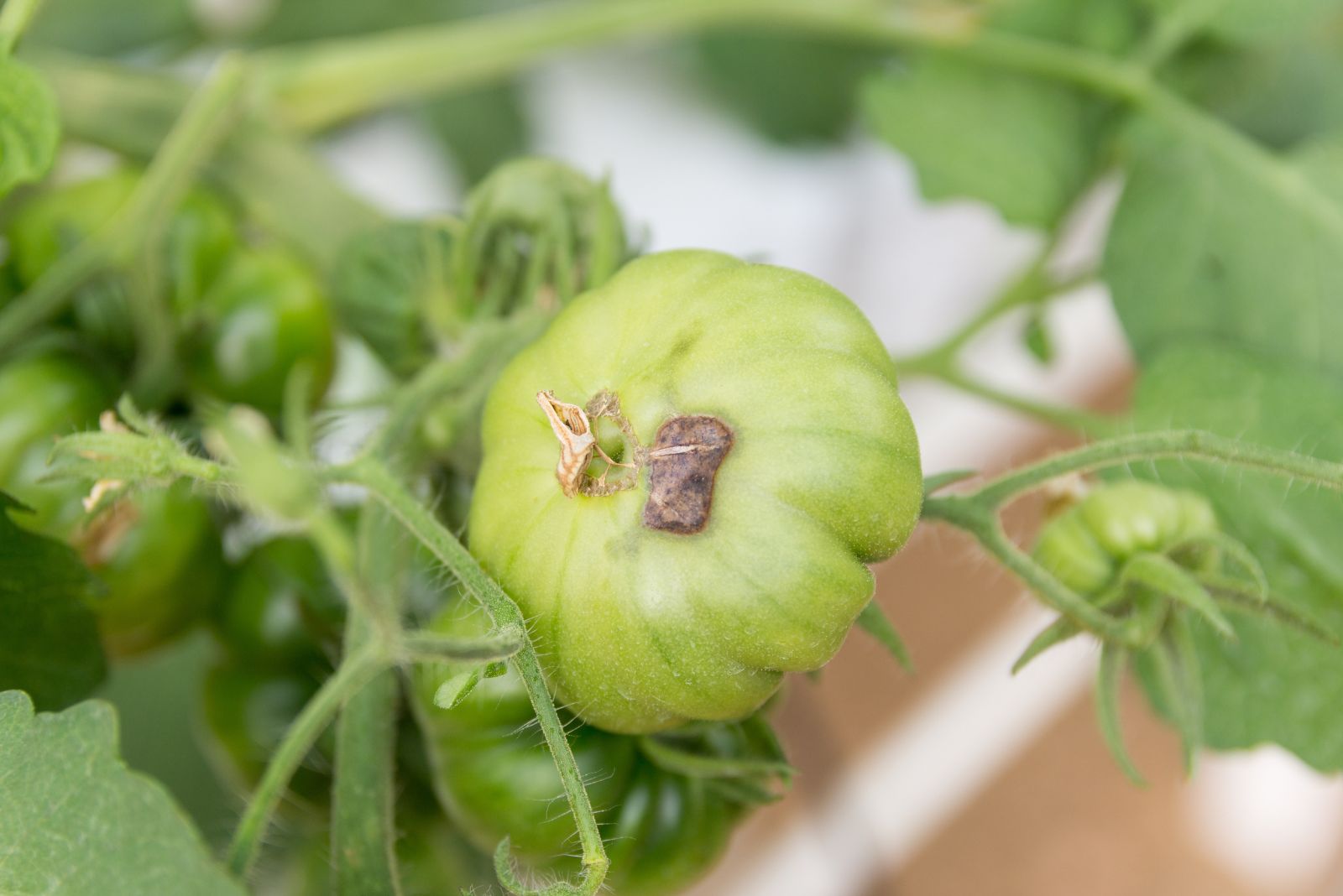
You reach into the garden, pull off a tomato that looked perfect from the other side, and flip it over to find a dark, sunken, leathery patch spreading across the bottom. The instinct is to toss it straight into the compost and move on.
Most Pennsylvania gardeners have done exactly that more times than they can count. But before you give up on those tomatoes, there’s something worth knowing. That dark spot is not what most people think it is.
It’s not a disease, it’s not a sign of rot, and it doesn’t mean the tomato is ruined or that something is seriously wrong with your plants.
What it actually is has everything to do with conditions in your soil and your watering routine, and understanding the real cause changes both how you handle the affected fruit and how you prevent the problem from continuing through the rest of the season.
Here’s what that dark bottom spot actually means, which part of the tomato is still perfectly edible, and how to stop it from happening to the rest of your harvest.
The Dark, Leathery Bottom Is Blossom-End Rot, Not A Contagious Disease
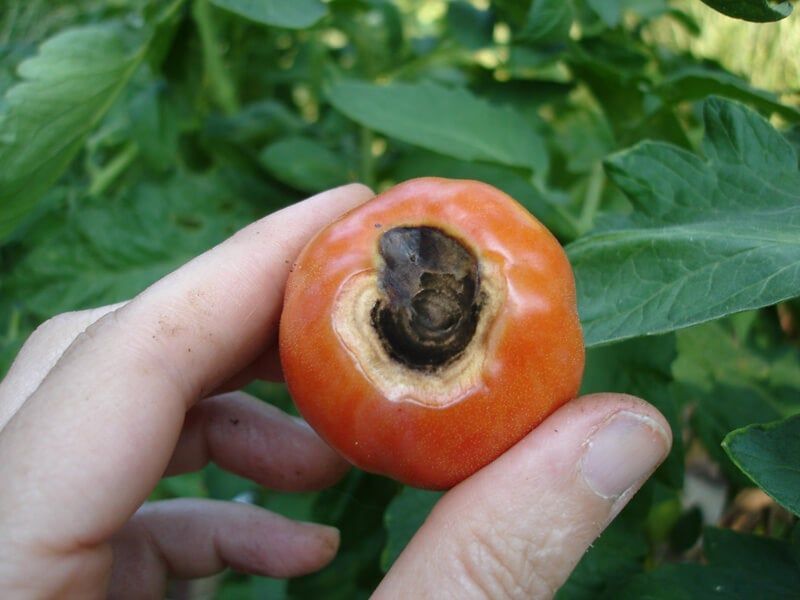
That unsettling dark patch on the bottom of your tomato has a name, and it is not as scary as it looks. Blossom-end rot starts at the blossom end of the fruit – the side opposite the stem.
It often begins as a pale, water-soaked area before turning brown or black, sinking inward, and developing a tough, leathery texture.
Many gardeners panic when they first see it, assuming some kind of plant disease is spreading through the garden. Fortunately, blossom-end rot is not a disease at all.
It is classified as a physiological disorder, which means it comes from a breakdown in how the plant is functioning rather than from a bacteria, fungus, or virus attacking your crop.
Because it is not contagious, one affected tomato does not put the rest of your garden at risk. The other plants nearby are not going to catch it.
Even on the same plant, some tomatoes may look perfectly normal while others show the rot. That is completely possible and actually pretty common during the growing season.
Seeing this spot is really your garden sending you a message. Something in the growing conditions needs attention – not a spray bottle of pesticide.
Once you understand what is actually happening inside that tomato, you can respond with the right fix instead of guessing. The good news is that many plants recover on their own once conditions improve.
You do not need to pull the whole plant or abandon your garden. Recognizing blossom-end rot for what it truly is – a fixable, non-spreading disorder – is the first and most important step toward saving your Pennsylvania tomato harvest.
A Firm Tomato May Still Be Edible After The Damaged Portion Is Removed
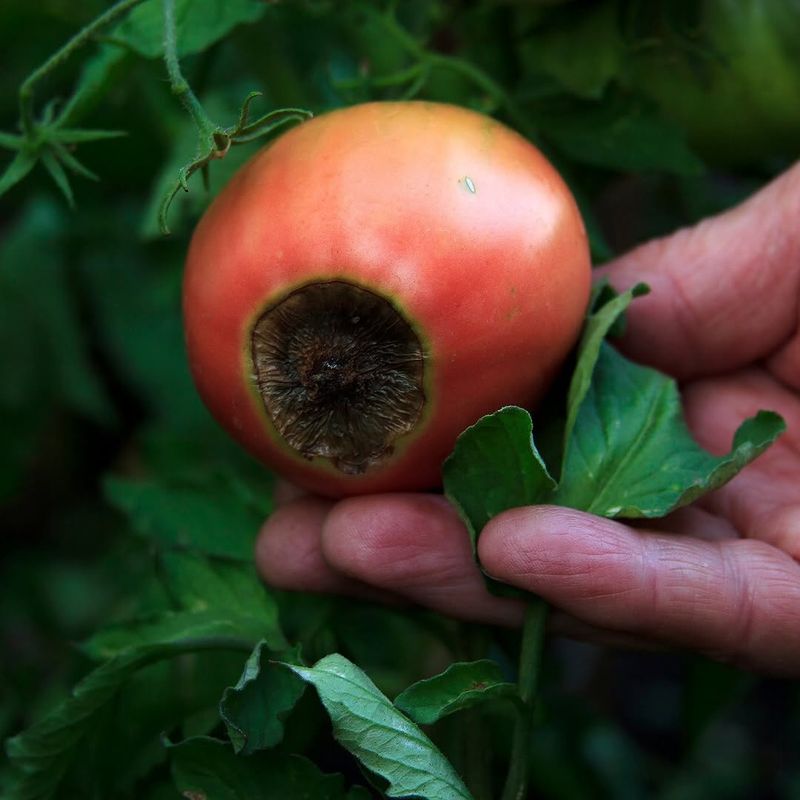
Before you throw that tomato away, take a closer look. A tomato with a dry, contained blossom-end lesion can often still be used in the kitchen.
Your Pennsylvania Garden Changes Every Week. Your Plan Should Too.
Gardening in Pennsylvania changes quickly throughout the season. Every Friday you’ll receive a simple weekly plan showing exactly what to plant, prune, fertilize, harvest, and protect so you never miss the right timing.
The key word here is firm. If the fruit feels solid and the dark area is limited to the bottom portion, there is a good chance the rest of the tomato is completely fine.
Cut away the damaged section generously – go at least half an inch beyond the discolored tissue to make sure you have removed all the affected flesh. Then inspect the inside carefully.
The remaining tomato should look and smell like a normal, fresh tomato. If it does, you can slice it, cook it, or use it in sauces without any concern.
Not every tomato with blossom-end rot is salvageable, though. Fruit that has gone soft, smells off, shows signs of mold, or has widespread decay should be discarded.
Secondary fungi and bacteria sometimes move into the damaged tissue, especially if the tomato has been sitting on the vine for a while or got wet repeatedly. Those invaders can spread into the surrounding flesh and make the tomato unsafe to eat.
A quick sniff and a gentle squeeze tell you a lot. Fresh-smelling and firm usually means usable.
Mushy and sour-smelling means it is time to compost it. Many Pennsylvania home gardeners are surprised to learn how much of an affected tomato they can actually keep.
Wasting good food over a small spot is not necessary when a little careful trimming solves the problem. Use your senses and trust what you find inside.
Pennsylvania’s Wet-Dry Weather Swings Can Interrupt Calcium Delivery
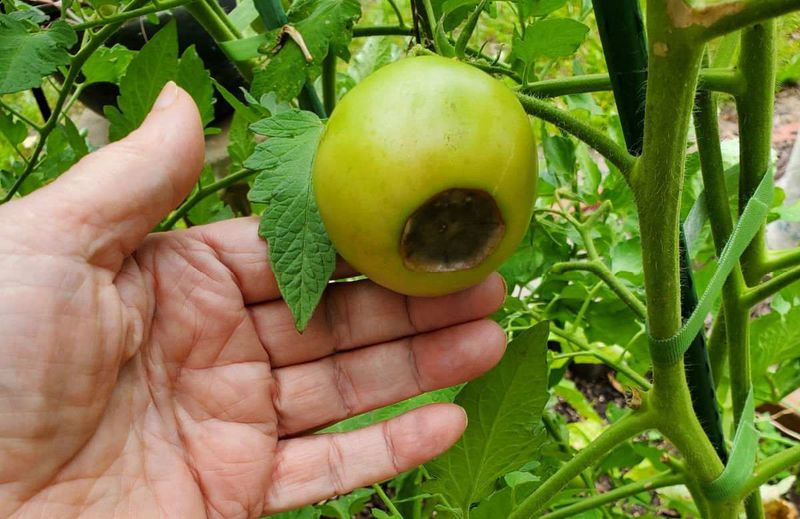
Pennsylvania gardeners deal with something tricky every summer – the weather rarely stays consistent. One week can bring scorching heat and dry soil, and the next can dump several inches of rain.
Those dramatic swings between dry and wet conditions are a major reason why blossom-end rot shows up so often in Pennsylvania tomato patches.
Here is why that matters. Developing tomatoes need calcium to build strong, healthy cell walls.
Calcium does not travel into the plant on its own – it moves in with water through the roots. When the soil dries out and then suddenly gets drenched, the plant struggles to absorb calcium at a steady rate.
That inconsistency means the developing fruit does not get enough calcium at the exact moment it needs it most, which leads to cell breakdown at the blossom end.
Here is something that surprises a lot of gardeners: the soil may actually have plenty of calcium in it. The problem is not always a shortage in the ground.
It is a delivery problem. The plant simply cannot move calcium fast enough to keep up with the fruit’s rapid growth during those stressful weather shifts.
Root damage makes things worse. Shallow roots, waterlogged soil, and roots that have been accidentally cut during weeding all reduce the plant’s ability to pull water and nutrients efficiently.
Pennsylvania summers are unpredictable by nature, so managing what you can control – like soil moisture and root health – becomes especially important.
Recognizing that the weather is often the real culprit helps you focus your energy in the right direction instead of chasing solutions that do not address the actual cause.
The First Tomatoes And Large Slicing Varieties Are Often Hit Hardest
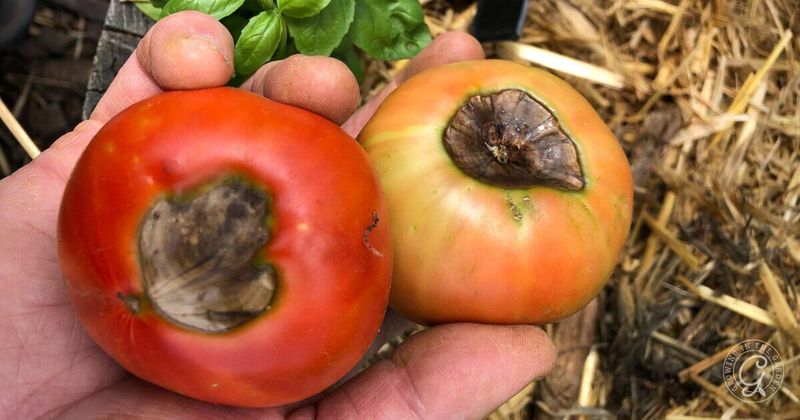
Timing matters a lot when it comes to blossom-end rot. The first tomatoes to develop on a plant are almost always the ones most likely to be affected.
Early in the season, the plant is still adjusting to its environment, roots are still expanding, and the demand for nutrients is ramping up fast. That combination creates the perfect conditions for calcium delivery to fall behind.
Large tomato varieties feel that pressure even more. Big slicing tomatoes like Beefsteak, Celebrity, and Big Boy grow quickly and require a lot of calcium to support all that new cell growth.
Plum and paste tomatoes, including Roma, also tend to show blossom-end rot fairly often. Their elongated shape means the blossom end is farther from the stem, making it harder for calcium to reach that part of the fruit in time.
Small cherry tomatoes, on the other hand, are much less likely to develop the problem. Their compact size means they grow faster and need less calcium per fruit.
The distance calcium has to travel is shorter, and the growth rate is easier for the plant to keep up with. That is why you might see cherry tomatoes thriving right next to a beefsteak plant that is struggling with rot.
The encouraging part is that later tomatoes on the same plant often turn out perfectly fine. Once the roots are more established and soil moisture becomes more stable as the season moves along, the plant gets better at delivering calcium consistently.
Many Pennsylvania gardeners remove the first few damaged fruits and then enjoy a healthy, productive harvest for the rest of the summer. Patience genuinely pays off here.
Adding Calcium Blindly May Not Fix The Real Problem
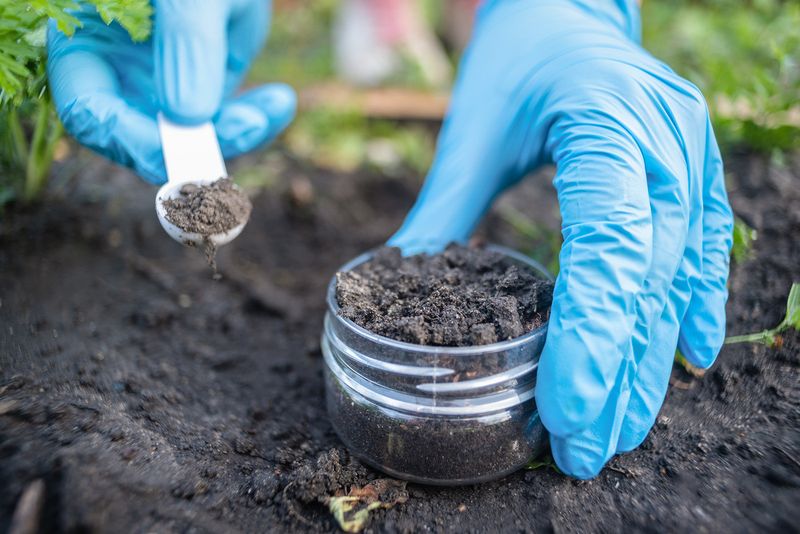
Spotting blossom-end rot often sends gardeners straight to the garden center looking for a calcium fix. Bags of lime, gypsum, crushed eggshells, and calcium spray bottles all get snatched up quickly.
But adding more calcium to the soil without knowing what is already there can actually create new problems instead of solving the one you have.
Soil testing is the smart move before adding anything. Pennsylvania’s soil varies a lot from region to region.
Some areas naturally have plenty of calcium but struggle with pH levels that block its absorption. Lime raises pH, which can be helpful or harmful depending on what your soil already looks like.
Adding too much of the wrong amendment wastes money and can throw off the balance of other nutrients your plants need.
Foliar calcium sprays – the kind you mist directly onto the leaves or fruit – are sometimes recommended, but they cannot fix tomatoes that have already developed blossom-end rot. The damage is done once those cells break down.
Sprays may offer a small benefit to fruit that has not yet shown symptoms, but they are not a reliable cure. Results tend to be inconsistent.
One popular garden myth worth clearing up: Epsom salt does not help with blossom-end rot. Epsom salt contains magnesium and sulfur, not calcium.
In fact, adding too much magnesium can actually make calcium uptake worse by competing with it at the root level. Save the Epsom salt for situations where a soil test confirms a real magnesium deficiency.
When it comes to your tomatoes, always test first and treat with purpose rather than guessing.
Consistent Root-Zone Moisture Protects The Tomatoes Still Developing
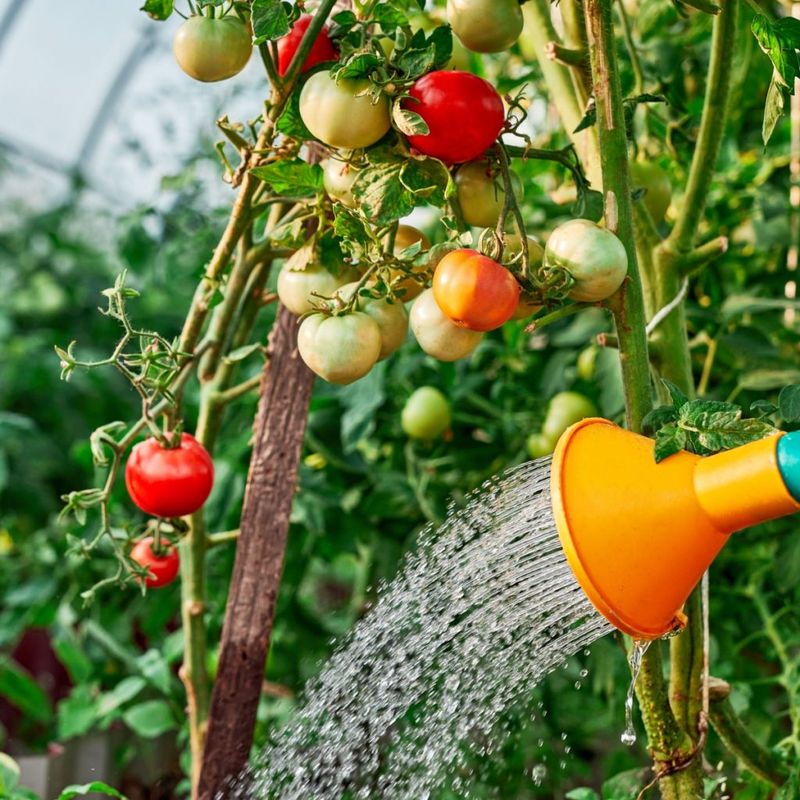
Once you spot blossom-end rot, the most useful thing you can do is shift your focus to protecting the tomatoes that are still growing on the plant.
The ones already damaged cannot be reversed, but the ones coming up behind them have a real chance of developing normally if you make a few smart adjustments to how you manage water.
Deep, consistent watering beats frequent shallow sprinkles every time. When you water lightly and often, only the top inch or two of soil gets moistened.
The roots that actually absorb the most water and calcium sit deeper than that. Water slowly and thoroughly so moisture reaches the full root zone.
Drip irrigation or soaker hoses work especially well for tomatoes because they deliver water directly to the soil without splashing the leaves.
Organic mulch is one of the most underrated tools in any vegetable garden. A layer of straw, wood chips, or shredded leaves around the base of your tomato plants slows evaporation dramatically.
It also helps buffer the soil against sudden temperature swings, which can stress roots and disrupt water uptake. Aim for two to three inches of mulch, keeping it a few inches away from the main stem to prevent rot at the base.
Avoid deep cultivation close to the plant. Hoeing or digging near the roots can sever them and reduce the plant’s ability to absorb water and nutrients.
Also, go easy on nitrogen-heavy fertilizers. Too much nitrogen pushes the plant to grow lots of leaves very fast, which increases the demand for calcium and makes the delivery problem even worse.
Remove the damaged fruit, stay consistent with watering, and let the plant recover naturally.