How Arizona Gardeners Can Get Ahead Of Whiteflies On Sweet Potato Vines
Arizona sweet potato vines can look lush, wild, and completely in charge until one morning tells a different story.
You step onto the patio, brush past the foliage, and a tiny white cloud lifts from the leaves like the plant just exhaled trouble.
That cloud is not harmless garden dust.
Whiteflies love warm weather, tender growth, and dense vines with plenty of hidden leaf undersides. In Arizona heat, their numbers can build fast, especially when a sweet potato vine grows thick enough to create its own little shaded pest apartment complex.
The good news is that early action works.
A healthy vine does not have to turn sticky, yellow, or stressed before you step in. Regular checks, smart water sprays, careful leaf cleanup, and protection for helpful insects can keep a small problem from turning into a full patio takeover.
So what should Arizona gardeners look for first?
Start underneath the leaves, where whiteflies like to keep their secrets.
1. Check The Undersides First
Whiteflies are sneaky little tenants.
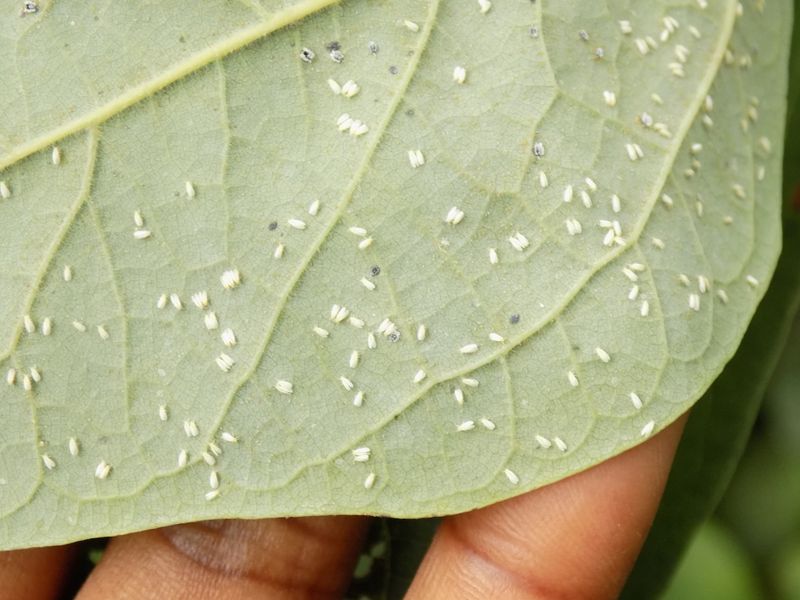
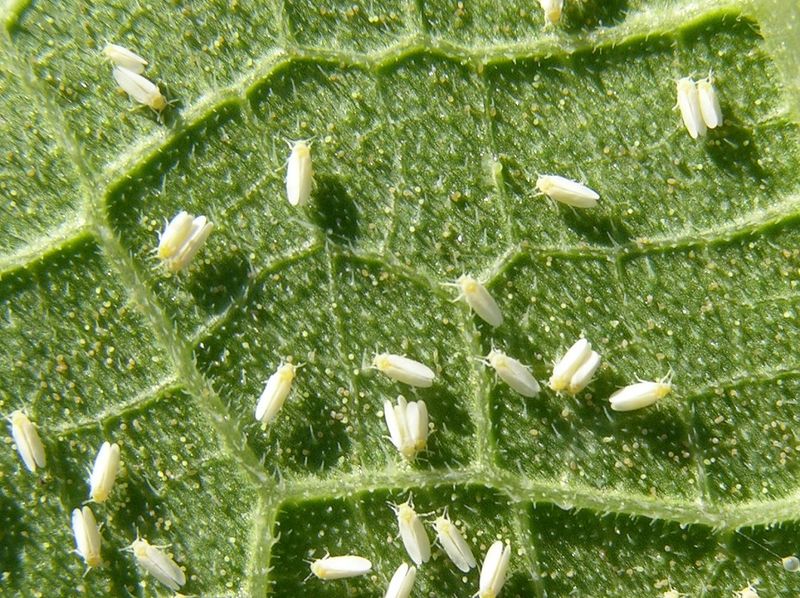
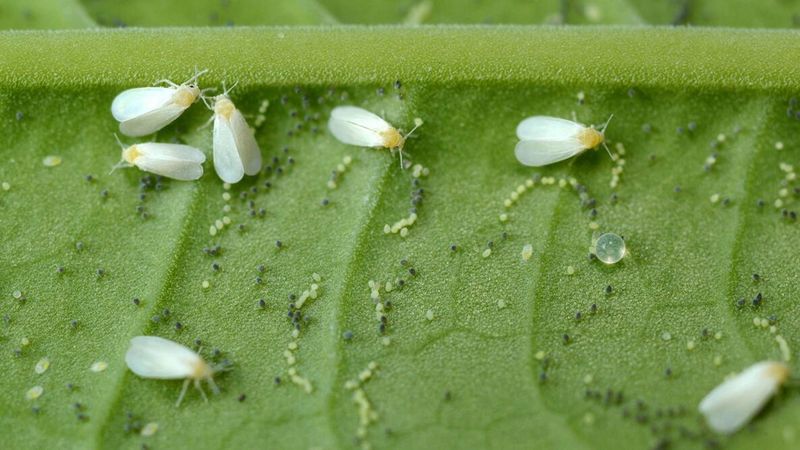
They do not usually gather on top of sweet potato vine leaves where gardeners can spot them right away. They prefer the undersides, tucked out of direct sun and away from the casual glance.
That hidden habit is why a vine can look fine from above while a pest problem builds below.
Start your checks early in the morning before the patio turns into a skillet.
Lift leaves from several parts of the plant, especially the newer growth near the tips. Young leaves are tender, which makes them extra attractive to sap-feeding insects.
Look for pale speckling on the upper leaf surface, then flip the leaf and inspect the underside.
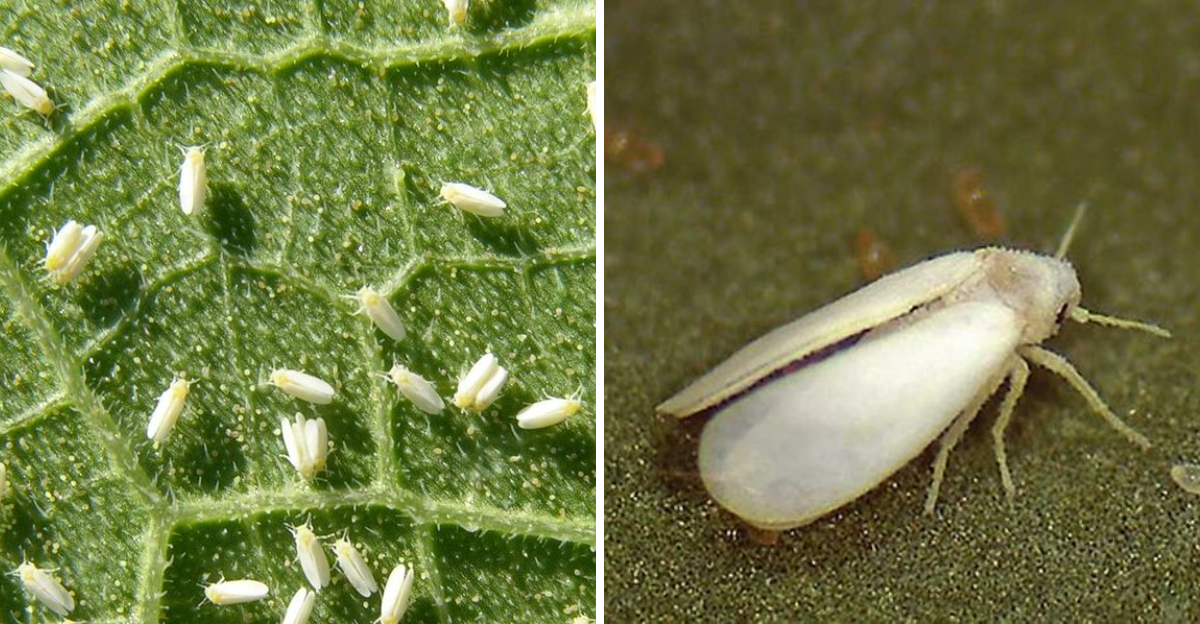
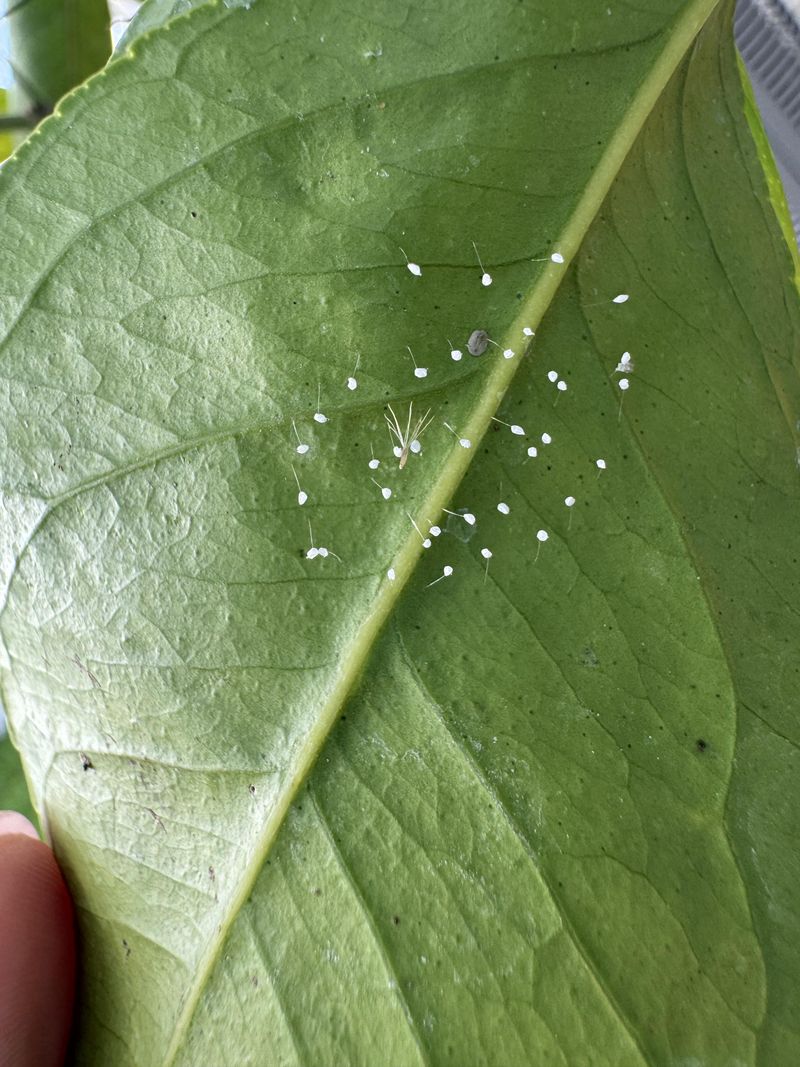
Eggs may look tiny and pale. Nymphs can appear waxy, flat, or scale-like along the veins. They are easy to miss without a magnifying glass, so take your time and let the plant tell on itself.
Check at least ten leaves from different parts of the vine.
Include the lower, denser areas where airflow stays poor. Whiteflies love that sheltered zone because it gives them shade, cover, and a quiet place to keep multiplying.
A twice-a-week inspection routine can feel like overkill at first. In Arizona heat, though, it is more like pest insurance with a garden hat on.
The underside of the leaf is where the story starts.
2. Look For The White Cloud
The fastest clue is often the most dramatic one.
Brush your hand across a sweet potato vine and watch for a tiny puff of white insects lifting from the foliage. Adults flutter up, hover briefly, then settle right back down like nothing happened.
Very suspicious behavior.
That white cloud is a clear sign that adult whiteflies are active on the plant. A few adults may not look like much, but warm Arizona weather can turn a small population into a large one quickly.
Waiting until the vine looks rough gives the pests too much time to settle in.
Make the gentle-shake test part of your garden walk. Move along the vine every few days and brush different sections lightly.
Your Arizona Garden Changes Every Week. Your Plan Should Too.
Gardening in Arizona changes quickly throughout the season. Every Friday you’ll receive a simple weekly plan showing exactly what to plant, prune, fertilize, harvest, and protect so you never miss the right timing.
Pay attention to thick growth, hanging stems, and shaded interior leaves. Adults often rise from those spots first because the plant canopy gives them shelter.
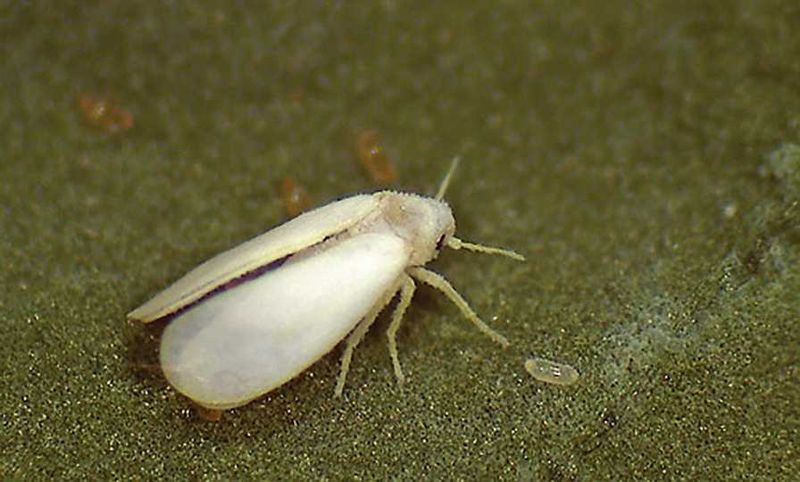
Whiteflies are tiny, with pale waxy wings that can make them look like floating specks of lint.
Do not mistake their size for harmlessness. They feed by piercing plant tissue and drawing out sap, which can weaken growth over time.
On ornamental sweet potato vines, that stress often shows up as tired leaves, yellowing, sticky residue, and less vigorous trailing growth.
The white cloud is your cue to act early.
Think of it as the vine setting off a tiny alarm system, minus the helpful customer service.
3. Spot Sticky Leaves Early
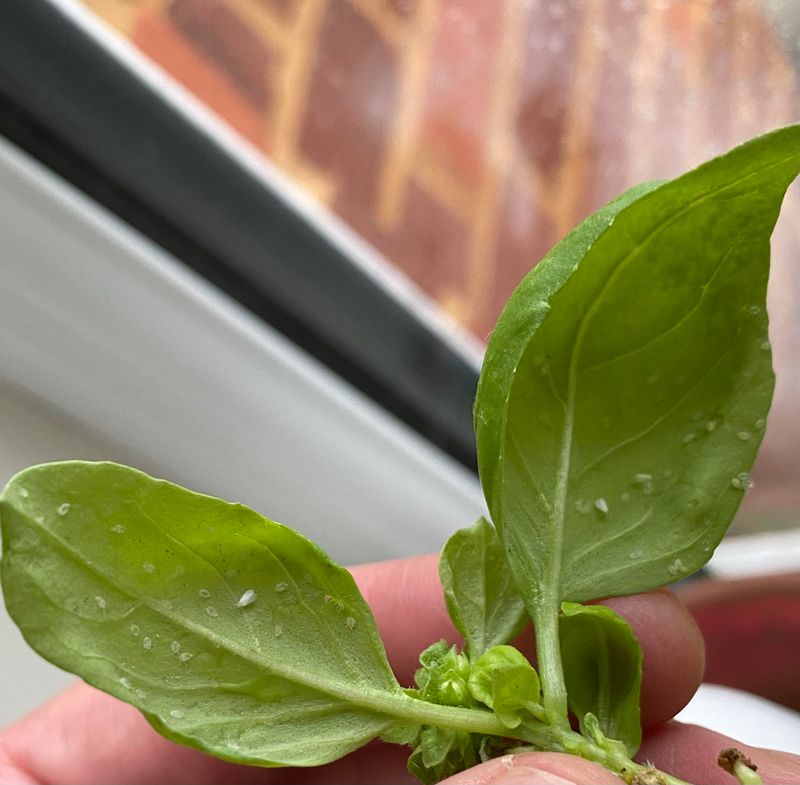
A sticky sweet potato vine leaf deserves attention right away.
That tacky coating is usually honeydew, a sugary waste liquid left behind as whiteflies feed on plant sap. It can collect on leaves, drip onto containers, shine on patio pavers, and attract ants that make the whole scene feel even more annoying.
Honeydew is one of the best early warnings.
The plant may still look fairly green and full, but the sticky surface tells you sap-feeding insects are already active. Waiting for major yellowing or curled foliage lets the problem gain ground.
Run a finger gently across the tops of lower leaves.
Check the rim of the pot, nearby furniture, and the ground beneath trailing stems. A glossy, tacky film where none should exist means it is time to flip leaves and scout carefully.
Ants can make the clue even louder.
They are often drawn to honeydew, and their presence around a vine may point to an insect problem hiding in the foliage.
Ants are not the main issue here, but they can act like tiny unpaid security guards for the pests producing the sweet mess.
Do not rely on rinsing sticky leaves alone.
Cleaning helps the vine look better, but the real fix starts with reducing the insects that create the honeydew. Catch that sticky signal early, and management becomes much easier.
The leaf is not being dramatic. It is leaving receipts.
4. Watch For Sooty Mold
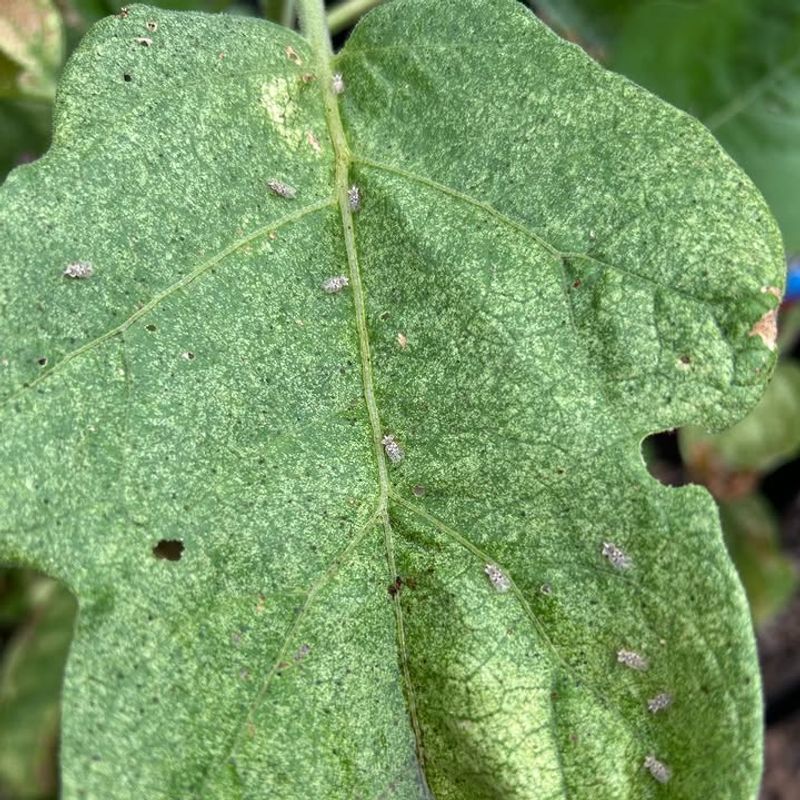
A black film on sweet potato vine leaves can look alarming, and honestly, it should get your attention.
That coating is often sooty mold, a dark fungal growth that develops on honeydew. It is not the original problem. It is the messy aftermath of whiteflies or other sap-feeding insects working the plant for too long.
The mold grows on the sticky residue, not inside the leaf.
Still, it can create real stress. A heavy coating blocks light from reaching the leaf surface, which can reduce the plant’s ability to photosynthesize.
In Arizona summer, sweet potato vines already work hard through heat, reflected light, and dry air. A black film adds one more burden.
Look first at the lower leaves and inner canopy.
Those areas catch dripping honeydew and stay more sheltered, so the mold often appears there before spreading across more visible growth. Leaves may look dusty, grimy, or coated, even though ordinary dirt is not the issue.
Wiping leaves can help with appearance, but it will not stop the cycle.
Whiteflies need attention first. Once their numbers drop and honeydew slows down, the sooty mold stops getting fresh fuel. New growth can come in cleaner, and the vine can start looking more like itself again.
Sooty mold is the plant waving a little black flag.
Not elegant, but effective.
Read the signal, then work back to the insects causing the sticky mess.
5. Hose Off Small Clusters
A garden hose can be surprisingly useful before whiteflies get too comfortable.
A firm spray of water aimed at the undersides of sweet potato vine leaves can knock loose adults, nymphs, dust, and some of the sticky buildup that makes the plant look tired. It is simple, cheap, and satisfying in a very garden-parent way.
Morning is the best time in Arizona.
Leaves have time to dry before the worst heat arrives, and the plant avoids sitting wet during intense afternoon sun. Use a spray strong enough to move pests but not so harsh that it shreds tender growth.
Work section by section.
Lift trailing stems, turn leaves over, and aim where the whiteflies actually live. Spraying only the top of the foliage feels productive, but it misses the main target. The undersides need the attention.
Repeat every few days while numbers stay low.
One rinse will not solve the whole problem because eggs can remain attached and new nymphs can appear later.
Consistency is what makes the method useful. Pair hosing with leaf checks so you know the population is dropping, not just relocating for a comeback tour.
Remove heavily infested leaves when needed.
Bag them instead of dropping them on the soil or tossing them under the vine. That keeps eggs and nymphs from staying close to the plant.
A hose is not magic, but it can knock the pest party off schedule.
That counts.
6. Protect Helpful Insects

Not every tiny thing in the garden is plotting against you.
Some are doing pest control for free.
Lady beetles, lacewings, minute parasitic wasps, and spiders can all help reduce whitefly pressure. They may not clear a heavy infestation overnight, but they are valuable backup in an Arizona garden where pests can rebound fast.
That is why broad, harsh sprays can make the problem worse.
They may reduce whiteflies for a moment, but they can also remove the helpful insects that keep pest numbers in check over time.
Whiteflies often recover faster than their predators, which leaves the vine stuck in a frustrating repeat cycle.
Encourage the good crew to stay.
Grow small-flowered herbs and nectar plants nearby, such as dill, cilantro, alyssum, or native bloomers that fit your space. These plants provide food and shelter for beneficial insects when pests are scarce.
Avoid spraying during busy pollinator hours.
Early morning or evening treatments are usually safer choices, and targeted products are better than broad-spectrum ones when a treatment becomes necessary. Always follow the label exactly.
A balanced patio garden does not need to be messy.
Even a few companion plants in containers can support helpful insects near sweet potato vines. The goal is to make the area less like a whitefly resort and more like a place where predators also have reservations.
Tiny allies matter.
Let them clock in before reaching for the heavy stuff.
7. Treat Lower Leaves Carefully
The lower canopy is where whiteflies often run their little hideout.
Sweet potato vines can grow thick and tangled in Arizona heat, creating shaded pockets with poor airflow. That is exactly where nymphs cling to leaf undersides and keep feeding while the top of the plant still looks fine.
Treatment needs to reach that hidden zone.
A quick spray across the top leaves will not do much. Lift stems, angle the nozzle upward, and coat the undersides where eggs and nymphs sit. It takes patience, but this is where the work actually pays off.
Insecticidal soap and horticultural oil can help when used correctly.
Both need direct contact with the pests. They do not work well as casual misting products from three feet away. Good coverage matters more than dramatic spraying.
Arizona heat changes the rules.
Use these products early in the morning, well before temperatures climb. Soap or oil on leaves during extreme heat can scorch foliage, especially on a vine already stressed by sun, honeydew, or dry soil.
Read the label before every application.
Mixing rates, plant safety notes, repeat intervals, and edible-plant guidance matter. The label is not garden decoration. It is the instruction sheet that keeps the fix from becoming a new problem.
Treat, wait, and check again.
Whiteflies have multiple life stages, so one pass rarely handles everything. Careful repeat work beats one heroic spray session with zero follow-through.
Lower leaves hide the problem. Better aim finds it.
8. Repeat Checks This Week
Whiteflies move fast when Arizona weather stays hot.
That is the reason one good inspection is not enough. A vine can look manageable early in the week and show a bigger problem a few days later, especially when adults, eggs, and nymphs are all present at once.
Set a simple check schedule.
Every two to three days, lift leaves, brush the vine gently, look for white clouds, and feel for sticky honeydew.
This does not need to take long. A focused five-minute check can catch more than a rushed glance from across the patio.
Bring a small bag with you.
Remove heavily infested leaves right away and seal them before disposal. Leaving them under the plant keeps eggs and nymphs close to the vine, which is basically pest recycling with extra regret.
Track what changes.
A quick note in your phone can help you remember which part of the vine had the worst activity, when you sprayed with water, and when you used soap or oil. That turns guessing into actual management.
Watch new growth closely.
Clean new leaves mean your plan is helping. Sticky, speckled, or crowded new tips mean the whiteflies still have momentum.
Getting ahead of whiteflies is not one dramatic garden rescue scene.
It is a steady routine of looking, rinsing, protecting helpful insects, and acting before the vine turns into a sticky whitefly condo.
Consistency wins here, and your sweet potato vine will show it.