The Most Underrated Ohio Patio Plant That Deters Both Ticks And Japanese Beetles
Most Ohio patio plants pull one job. They look good, fill a container, and that is the end of their contribution to the season.
One plant has been quietly doing considerably more than that in Ohio gardens, mostly without anyone giving it credit for the right reasons. Ticks and Japanese beetles do not seem like they belong in the same problem.
One waits in the grass at ankle level. The other descends on rose bushes and fruit trees like it has a personal grievance.
Both have a genuine aversion to what this plant produces. It is not exotic or hard to source.
Most Ohio gardeners have walked past it at the nursery without a second look, drawn to something flashier with a fraction of the practical value. A container on the patio, a border near the garden, a few plants along a walkway.
The placement options are flexible. The results are worth the space it takes up.
1. Choose Clustered Mountain Mint For A Pest Smart Patio
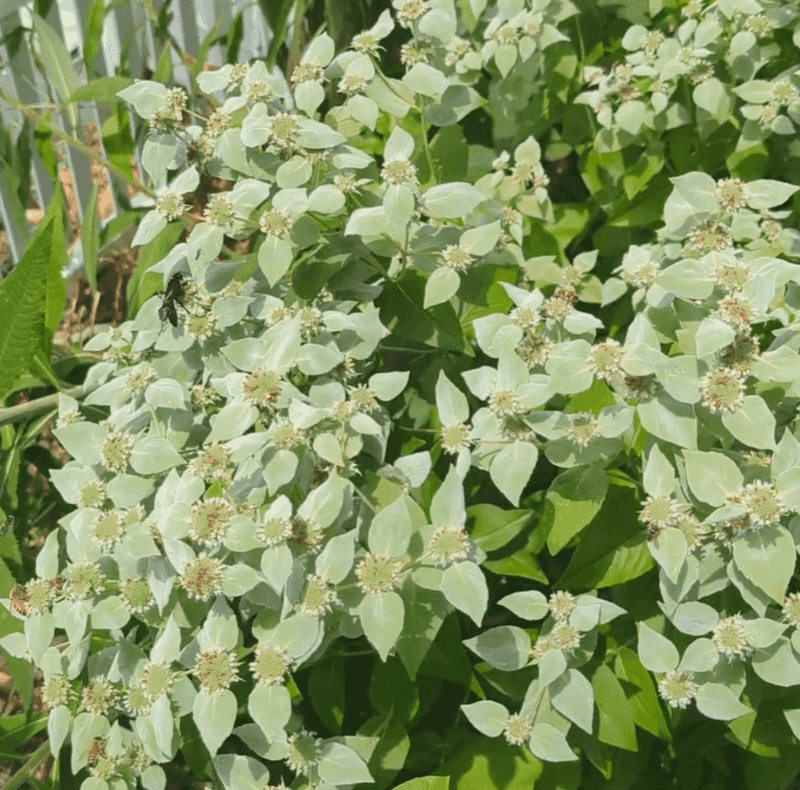
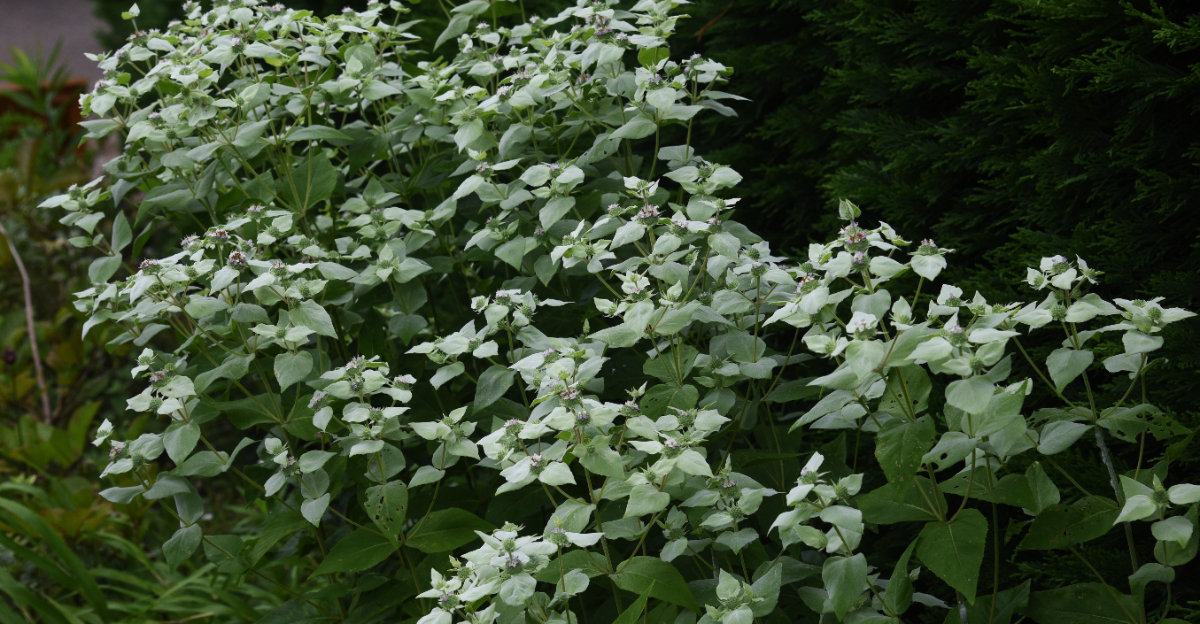
A patio pot that hums with native bees and tiny beneficial wasps is not an accident. Clustered mountain mint, Pycnanthemum muticum, is a native mint-family perennial that earns that kind of activity naturally.
OSU Extension and native plant sources note that it produces dense clusters of small white flowers. Striking silvery bracts help make it one of Ohio’s most pollinator-rich garden plants.
The aromatic foliage is part of its appeal. Brushing against the leaves releases a sharp, clean mint scent that many gardeners find refreshing near seating areas.
The plant grows upright, typically reaching two to four feet tall, and handles full sun to light shade well.
Placing a pot of clustered mountain mint near a sunny patio edge gives visitors something interesting to watch and smell. It supports native bees, beneficial wasps, and flies, which can contribute to a healthier garden ecosystem nearby.
That said, it does not create a force field against ticks or Japanese beetles. Think of it as one smart layer in a larger pest-aware patio plan.
For best results, choose nursery-propagated plants from reputable native plant nurseries rather than collecting from the wild.
2. Keep The Mint In A Pot Before It Spreads
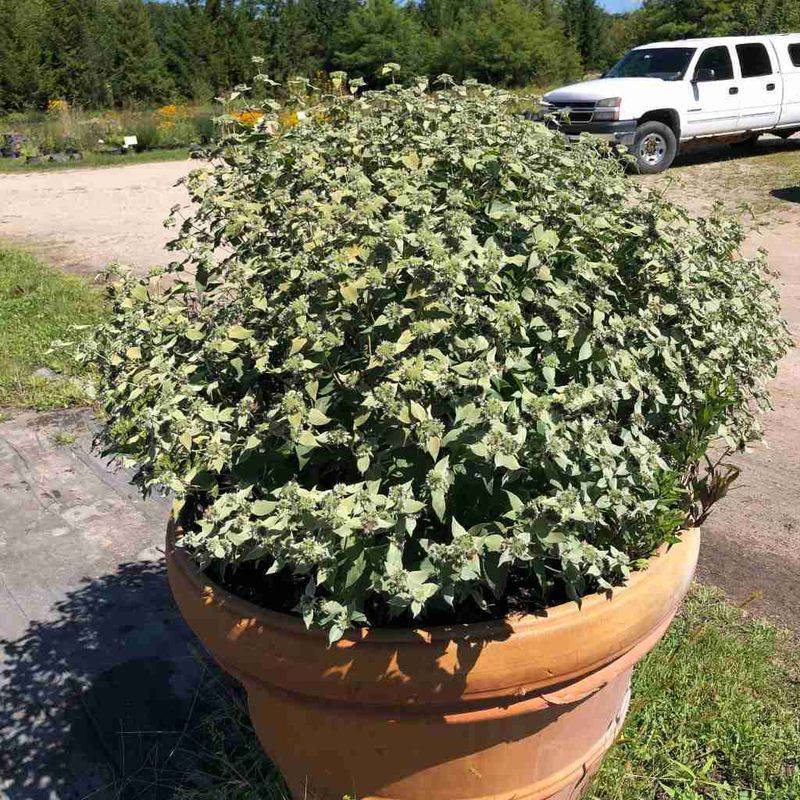
Vigorous plants reward gardeners who plan ahead. Clustered mountain mint spreads by rhizomes and can form expanding clumps over time.
That makes it a great candidate for container growing near patios where space is limited. A roomy pot, at least 12 to 14 inches wide and equally deep, gives the roots room to develop without letting the plant creep into surrounding beds.
Good drainage is non-negotiable. Use a quality potting mix with some added perlite to keep the soil from staying soggy.
Mountain mint prefers consistently moist soil, but it does not like sitting in water. During summer heat, container plants dry out faster than in-ground plants, so check the soil moisture every couple of days and water thoroughly when the top inch feels dry.
Dividing the plant every two to three years keeps it healthy and prevents the container from becoming root-bound. Simply remove the root ball in early spring, split it into sections with a clean spade or knife, and repot the healthiest section with fresh potting mix.
Your Ohio Garden Changes Every Week. Your Plan Should Too.
Gardening in Ohio changes quickly throughout the season. Every Friday you’ll receive a simple weekly plan showing exactly what to plant, prune, fertilize, harvest, and protect so you never miss the right timing.
Trimming the stems back by about one-third in midsummer can also encourage fresh growth and more flowers. Container culture is a practical and balanced way to enjoy this useful Ohio native plant.
3. Brush The Leaves To Release The Sharp Scent
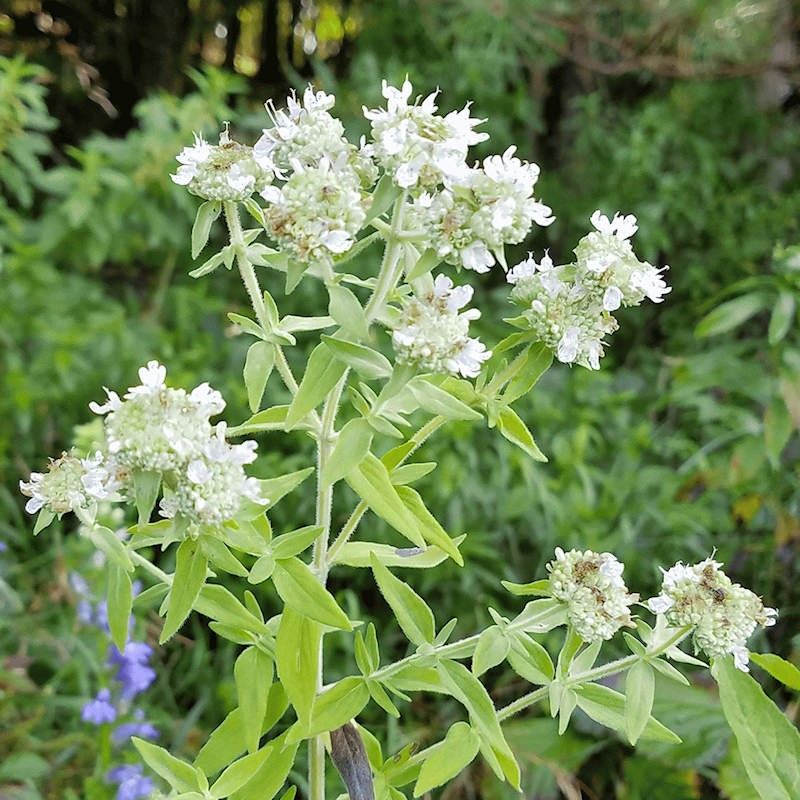
Running your fingers along a stem of clustered mountain mint is one of those small patio pleasures that stays with you.
The leaves release a strong, sharp, minty fragrance when brushed or lightly crushed, which botanical garden sources describe as more intense than many other Ohio native mints.
Placing the pot where a chair arm or passing foot might graze it lets the scent drift naturally through the seating area.
Some gardeners trim a few stems lightly during the season to keep the plant tidy and to enjoy fresh cuttings indoors. If you have sensitive skin or known reactions to mint-family plants, wearing gloves during trimming is a reasonable precaution.
Washing hands after handling is always a good habit with strongly aromatic herbs.
The scent is pleasant and noticeable, but it should not be mistaken for proven tick repellent. Aromatic plants are often marketed as natural pest deterrents.
Reliable tick control still depends on habitat management, label-followed repellents, protective clothing, and tick checks. CDC guidance is clear on that point.
The fragrance of mountain mint is a genuine sensory bonus for patio gardeners, not a substitute for real prevention. Enjoy it for what it is.
4. Draw Beneficial Wasps That Hunt Beetle Grubs
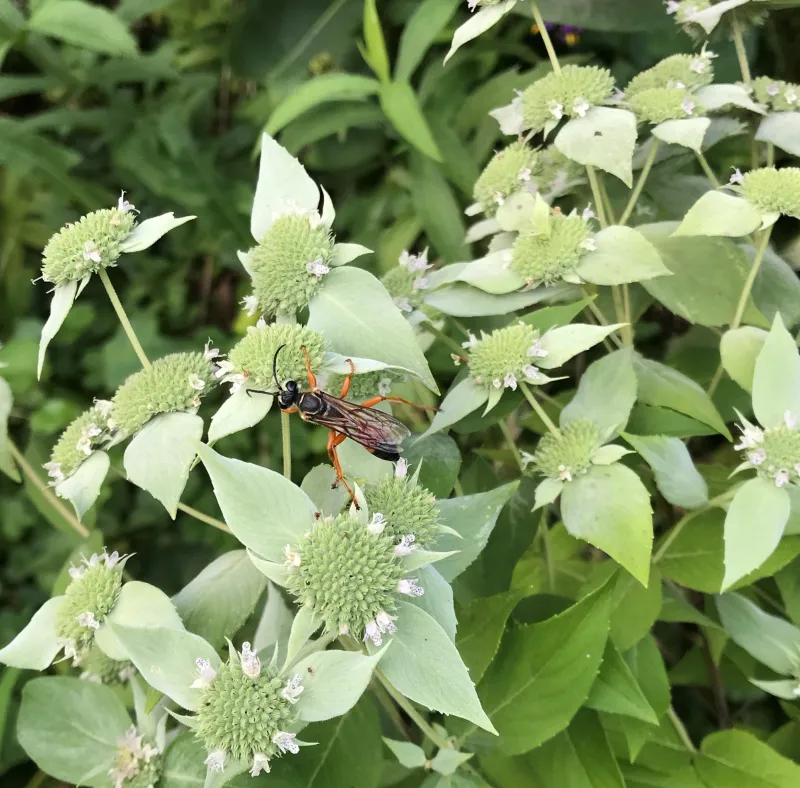
A pot of clustered mountain mint near a patio can become a busy landing zone for beneficial insects. Penn State Extension and university entomology sources note that mountain mint attracts many Ohio native bees.
It also draws parasitic wasps and predatory flies. Some of those wasps, particularly ground-nesting and parasitic species, are known to target soil-dwelling pest larvae, including grubs that develop into adult beetles.
Japanese beetle grubs live in turf soil and feed on grass roots before emerging as adults. Certain parasitic wasps that visit open-flowered native plants like mountain mint may help reduce grub populations over time.
This is a slow, indirect benefit rather than a quick fix. It will not stop adult Japanese beetles from flying in from neighboring yards and feeding on roses or grapes nearby.
The best way to support these beneficial insects is to avoid using broad-spectrum insecticides near the plant. Pesticide drift or soil treatments can harm the very wasps and bees that make mountain mint so ecologically valuable.
Japanese beetle management is genuinely difficult and often requires several approaches. These can include turf treatment, plant selection, and hand-picking adults from high-value plants.
Beneficial insects attracted by mountain mint are one helpful piece of a much larger puzzle.
5. Do Not Trust One Plant To Stop Ticks
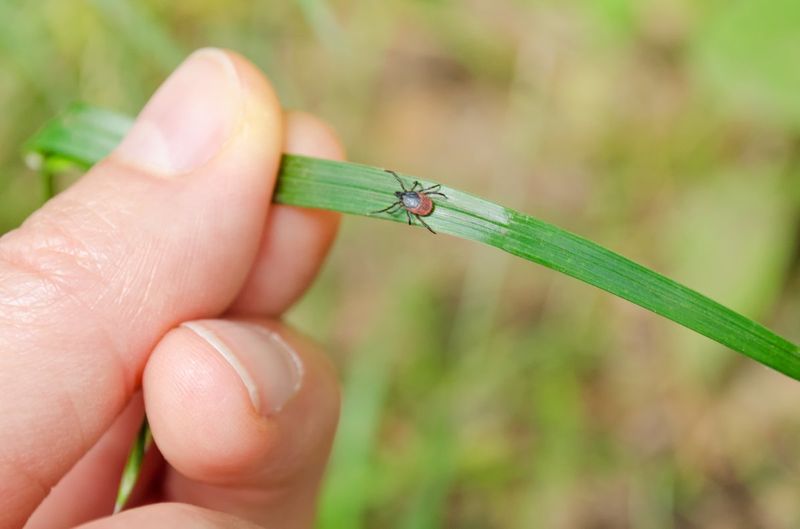
No potted plant, no matter how fragrant, will keep ticks off a patio on its own. Ticks are most commonly found in moist, shaded, brushy, or leaf-littered areas, especially along wooded edges, tall grass margins, and wildlife travel corridors.
CDC tick prevention guidance focuses on habitat management, personal protection, and repellent use, not aromatic plants.
Practical steps make the biggest difference near high-use areas. Keep grass trimmed short around patio edges, and remove leaf litter from seating zones.
Clear brush away from paths and play areas. Consider a three-foot gravel or wood-chip buffer between lawn and wooded edges.
Ohio Department of Natural Resources guidance and CDC resources both point to habitat reduction as a foundational tick-prevention strategy.
When spending time in or near tick habitat, use an EPA-registered repellent according to the label directions. Wear long sleeves and pants when walking through brushy areas, tuck pants into socks, and do a full-body tick check after coming indoors.
These habits matter far more than any single plant. Clustered mountain mint can be part of a mindful, pest-aware patio setup, but it works best alongside proven prevention practices.
Treat it as a smart supporting player, not the main defense.
6. Pair The Pot With A Dry Open Patio Edge
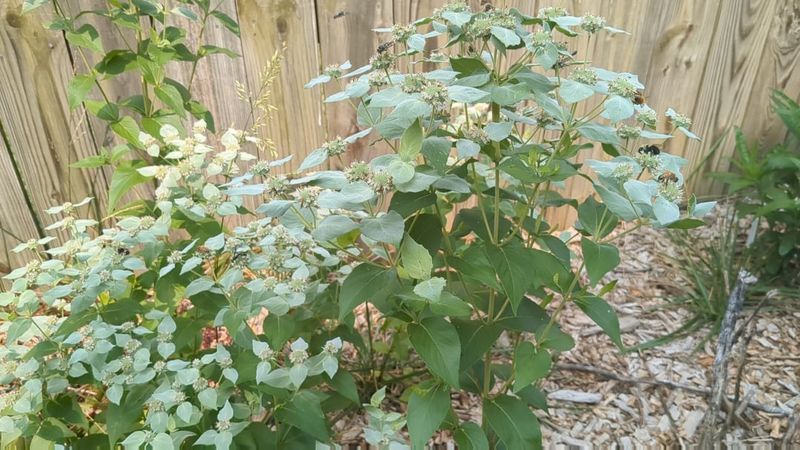
Dry, open hardscape is not very welcoming to ticks. University extension sources and tick-biology research consistently show that ticks prefer moist, shaded microhabitats.
These areas often have leaf litter, dense vegetation, and limited airflow. A clean patio with a clear border, good sun exposure, and trimmed surroundings naturally reduces the conditions ticks favor most.
Placing a pot of clustered mountain mint beside a well-maintained patio edge combines sensory appeal with smarter design. The plant thrives in full sun to light shade, so a sunny patio corner suits it well.
Keep the area around the pot free of debris, withered leaves, and overgrown vegetation. That removes potential tick resting spots close to where people sit and move around.
Some tick-prevention resources recommend a gravel or wood-chip buffer strip between lawn areas and patio edges or wooded borders. This kind of barrier does not eliminate ticks from the yard, but it can reduce tick movement into high-use zones.
Focus habitat improvements on areas nearest to seating, paths, and places where children or pets spend time. A thoughtfully placed pot of mountain mint, surrounded by a dry open border, is a small but meaningful part of a pest-smart patio plan.
Good design and good plant choices often work best together.
7. Skip Japanese Beetle Traps Near The Seating Area
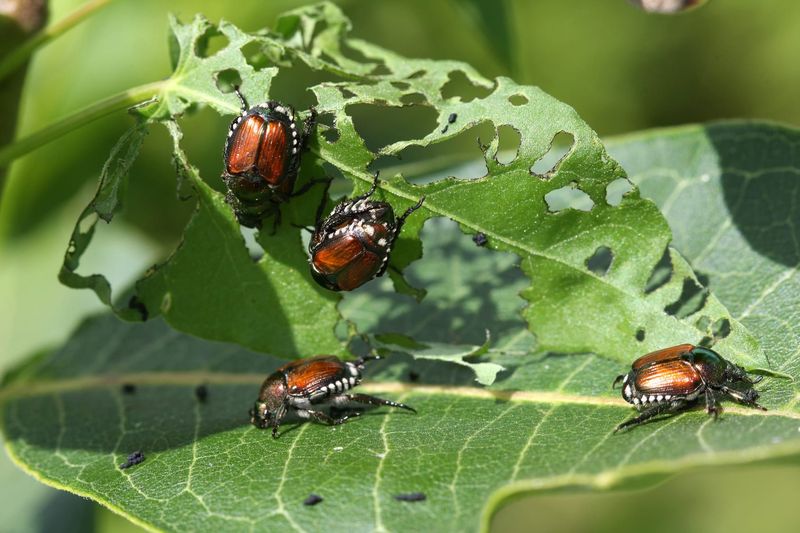
Hanging a Japanese beetle trap right next to the patio furniture is one of the most common mistakes gardeners make during beetle season.
University extension entomology sources have consistently noted that beetle traps use floral and sex-based lures that are highly attractive to adult beetles.
When placed near prized plants or seating areas, traps can pull in more beetles than would have arrived otherwise.
If traps are used at all, placement matters enormously. Extension guidance generally recommends placing traps well away from ornamentals, vegetable gardens, and outdoor living spaces.
Put them near a property edge or in an open area downwind from plants you want to protect. Even then, trap use is considered one of the less reliable management options for heavy infestations.
Hand-picking adult beetles from small plantings is labor-intensive but effective for protecting specific high-value plants. Covering vulnerable plants with fine netting during peak beetle season is another practical option.
Choosing plants that Japanese beetles find less appealing is a longer-term strategy worth considering when planning new beds or containers. Turf management that reduces grub populations can also lower adult beetle pressure over time.
A pot of clustered mountain mint supporting beneficial insects nearby is a better neighbor than a trap hanging over the seating cushions.
8. Let A Native Mint Work With Better Yard Habits
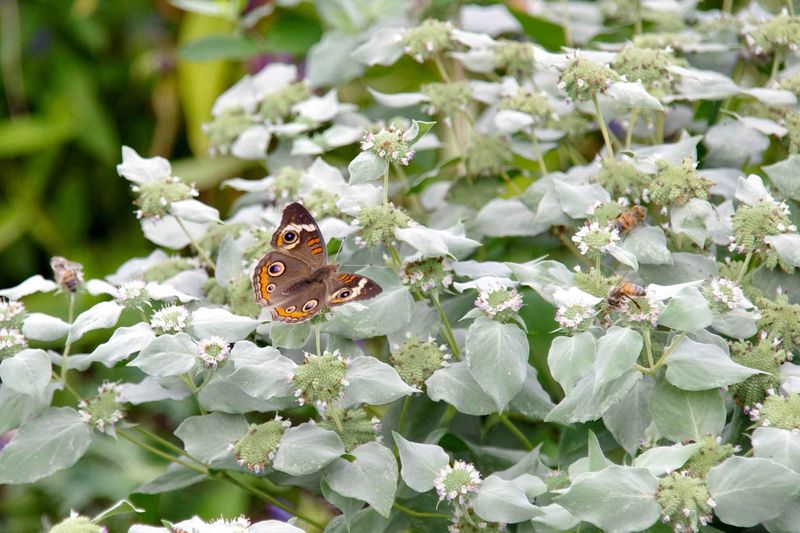
A single pot of clustered mountain mint will not transform a yard overnight, but it earns its place when it works alongside better habits. Grown in a container near a sunny patio, it delivers reliable fragrance and beautiful silvery-bracted flowers.
It also draws native bees, beneficial wasps, and other helpful insects through the warmer months. That combination is genuinely rare in a potted plant.
Pair it with smart yard practices for the best results. Keep patio edges dry and open to reduce tick-friendly habitat.
Avoid broad-spectrum insecticides near the plant so beneficial insects can do their work. Watch Japanese beetle activity on nearby ornamentals and respond with hand-picking or netting rather than nearby traps.
Reduce leaf litter and brush close to high-use areas, and follow CDC-recommended tick prevention habits whenever time is spent near wooded or grassy zones.
Adding more native flowering plants around the patio over time builds on what mountain mint starts. Native plant society resources and OSU Extension both point to diverse native plantings as one of the best ways to support beneficial insects in home landscapes.
Clustered mountain mint is underrated because it quietly does several things well. It smells sharp and fresh, feeds pollinators, may support beneficial wasps, and fits a container beautifully.
The real reward comes when it works with a yard that is already set up to succeed.