The Real Meaning Behind A Hummingbird Moth Sighting In Your Massachusetts Garden
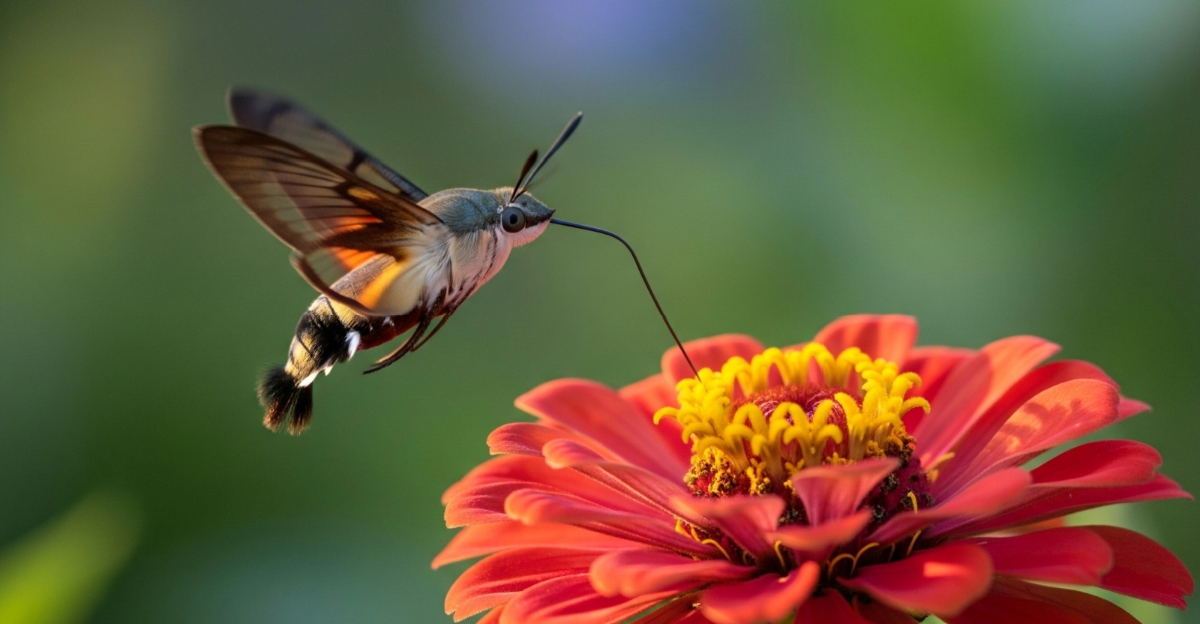
Movement catches your eye before your brain processes it. Nothing here matches what you assumed a moth looks like. Wings blur into a soft haze, moving faster than any bird you have seen.
Massachusetts gardeners near you report this exact confusion every summer. Curiosity pulls you closer while your phone stays forgotten. Suddenly the creature disappears before your eyes adjust.
Questions flood your mind, sharper than any answer you currently have. Gardens across Massachusetts hide this secret from your eyes daily. Patterns emerge only once you understand what you actually witnessed.
Meaning hides inside every unexpected visitor that crosses your path. Signals like these rarely announce themselves loudly to you.
Attention rewards you when you notice small specific details. Stories unfold quietly in gardens you completely ignore.
Understanding shifts everything you thought you knew about moths. You cannot walk away without knowing exactly what this means.
Defining The Hummingbird Moth Species
Most people see it and freeze. The hummingbird moth is one of nature’s most convincing look-alikes, and it earns that title every single day.
Belonging to the Sphingidae family, these moths are also called hawk moths or sphinx moths. They are thick-bodied, fast-flying insects that can hover in place like a helicopter.
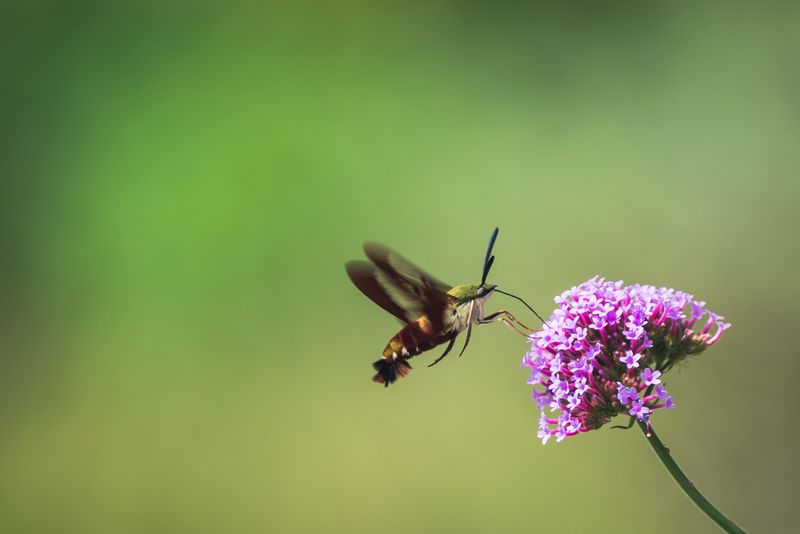
Their wingspan typically ranges from one to two inches for the species most commonly seen in gardens. The most common backyard visitor in North America is the hummingbird clearwing moth, known scientifically as Hemaris thysbe.
Unlike most moths that only fly at night, these creatures are active during daylight hours. That is exactly why so many gardeners mistake them for actual hummingbirds on first glance.
Their wings beat so rapidly they become nearly invisible, creating that familiar buzzing hum. The sound alone is enough to make you do a double take.
The body is usually olive green and burgundy with a fuzzy, almost feathery appearance. Some species even have yellow and black coloring that resembles a bumblebee.
These moths go through a full metamorphosis, starting as green caterpillars that feed on plants like viburnum and cherry. Spotting a hummingbird moth sighting means the full life cycle is working beautifully in your yard.
They are completely harmless to humans and do not sting or bite. Knowing what you are actually looking at makes the whole experience even more rewarding.
Mistaking This Moth For A Real Hummingbird
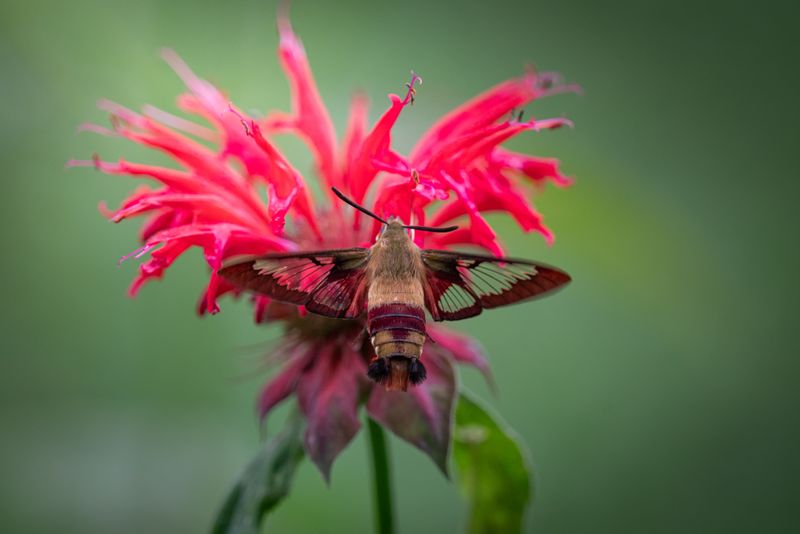
Honest confession: even experienced birders get fooled. The resemblance between this moth and an actual hummingbird is so striking that it is remarkably close.
Both creatures hover in place while feeding from flowers. Both move with rapid, almost mechanical wing beats that blur completely in motion.
The size overlap makes things even trickier. A large hummingbird clearwing moth and a small ruby-throated hummingbird can appear almost identical from ten feet away.
One key difference is the antennae. Moths have visible, club-tipped antennae that hummingbirds obviously lack, though spotting them mid-flight is genuinely difficult.
The proboscis is another giveaway. A moth unfurls a long, coiled tongue to reach nectar, while a hummingbird uses a slender, pointed bill.
Your Massachusetts Garden Changes Every Week. Your Plan Should Too.
Gardening in Massachusetts changes quickly throughout the season. Every Friday you’ll receive a simple weekly plan showing exactly what to plant, prune, fertilize, harvest, and protect so you never miss the right timing.
Body texture also differs up close. Hummingbirds have smooth, iridescent feathers, while the moth has a distinctly fuzzy, almost woolly thorax that catches the light differently.
Flight pattern offers one more clue. Hummingbirds tend to dart backward sharply, while moths generally hover and then move forward in a slightly less precise path.
A hummingbird moth sighting often happens so fast that most people simply trust their first instinct and call it a bird. Slowing down and looking carefully is the only way to catch the difference.
Once you train your eye, you will start noticing them everywhere. And that moment of recognition changes how you see your garden entirely.
Garden Health Signals Their Presence Reveals
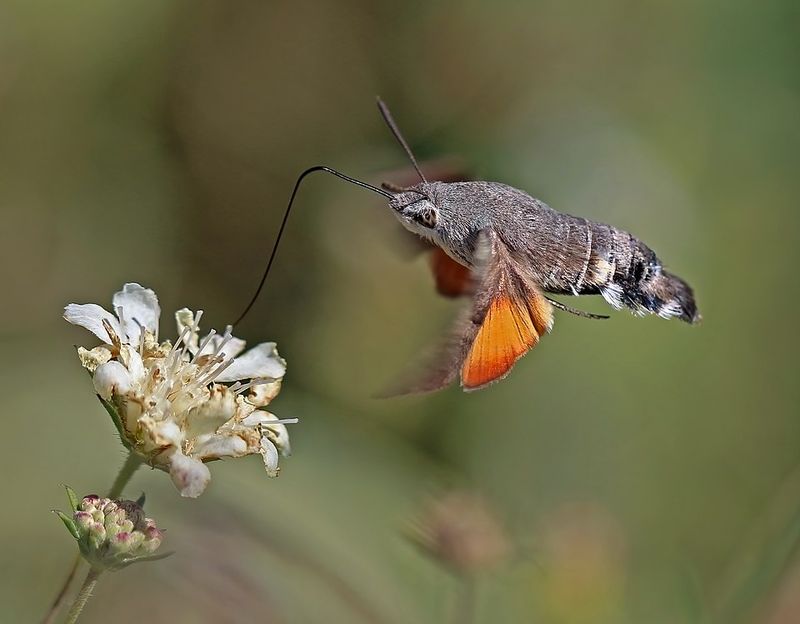
When one of these creatures shows up, your garden is showing signs of ecological health. And that’s a strong signal worth noticing.
Hummingbird moths are highly selective about where they feed and breed. They prefer gardens with diverse, native flowering plants and minimal chemical interference.
Seeing one suggests your yard has clean, pesticide-free nectar sources. Synthetic chemicals disrupt their feeding behavior and can make otherwise beautiful gardens completely unappealing to them.
Their presence also points to a functioning food web. Healthy insect populations support birds, bats, and other pollinators that all depend on each other to thrive.
The larvae feed on specific host plants like viburnum, hawthorn, and wild cherry. If those plants grow nearby, your yard is supporting the full life cycle of this species.
Soil health matters too. Gardens with rich, organic soil tend to support the plant diversity that attracts these moths in the first place.
Water sources also play a role. A shallow birdbath or small garden pond nearby signals that your outdoor space is genuinely hospitable to wildlife.
A hummingbird moth sighting is a promising ecological sign. It often suggests your garden is supporting a healthy range of plant and insect life.
Treat it as encouragement to keep going. Every native plant you add and every pesticide you skip makes your yard more welcoming to creatures like this one.
Top Plants That Draw Them To Massachusetts Yards

Adding the right plants reliably increases sightings of hummingbird moths in a Massachusetts yard.
Bee balm, also called Monarda, is one of the top draws in the region. Its tubular red and pink blossoms make it a strong nectar attractant.
Garden phlox is another powerhouse plant for this purpose. The clusters of fragrant flowers bloom in midsummer right when hummingbird moths are most active and hungry.
Native honeysuckle vines offer long, trumpet-shaped blooms that fit the moth’s proboscis perfectly. Planting one along a fence or trellis can turn your yard into a regular feeding stop.
Lavender is a crowd favorite that also works beautifully here. The purple spikes are fragrant, long-blooming, and beloved by nearly every pollinator in the region.
Phlox paniculata, Joe Pye weed, and wild bergamot round out the must-have list. All three are native to New England and require very little maintenance once established.
Avoid hybrid flowers with double petals whenever possible. Those showy blooms often lack accessible nectar, making them visually appealing but nutritionally useless for pollinators.
A hummingbird moth sighting becomes far more likely when you cluster plants together in large groupings. Single plants scattered around a yard rarely create the visual impact needed to attract these fast-moving visitors.
Start with three or four of these plants this season. You might be surprised how quickly the right guests start showing up.
Peak Times And Seasons For Spotting One
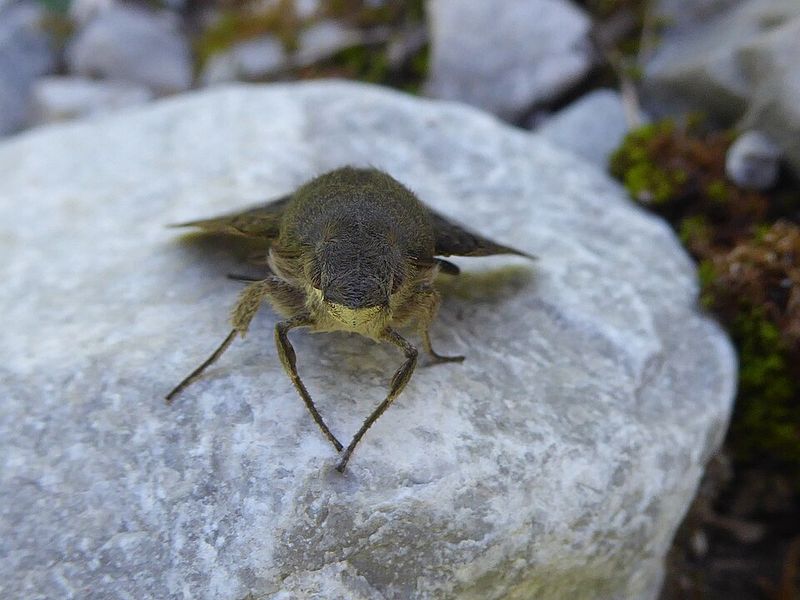
Timing is everything with these creatures. Show up at the wrong hour and you will miss the whole show entirely.
Hummingbird moths are most active during daylight, unlike their nocturnal moth cousins. They tend to peak in activity during morning hours and again in the late afternoon on clear, warm days when temperatures are comfortable.
In Massachusetts and most of the Northeast, the prime season runs from late May through early September. That window aligns perfectly with the bloom cycles of their favorite native plants.
Midsummer is the absolute sweet spot. July and August bring the highest numbers of adults feeding and looking for mates in most backyard gardens.
Warm, calm days with low wind are ideal spotting conditions. Heavy rain and cold snaps push them into hiding and dramatically reduce their feeding activity.
They are also more visible on sunny days when flowers are fully open and producing nectar at peak levels. Overcast afternoons tend to slow everything down for pollinators in general.
In some regions, a smaller second wave of activity may appear in early fall, though this varies by location and species. This happens as adults prepare for the season’s end and caterpillars begin their journey underground to pupate.
Patience pays off faster than you would expect. Once you spot one, you will start noticing them on every warm summer morning.
Simple Ways To Invite More Into Your Yard
Good news: you do not need a massive yard or a professional landscaper. A few smart choices can turn even a small space into a hummingbird moth magnet.
Start by cutting back on pesticide use as much as possible. Even products labeled as safe can disrupt the sensory systems that these moths rely on for navigation and feeding.
Add at least two or three native flowering plants to your existing garden this season. Native species require less water, attract more wildlife, and bloom reliably without much fuss.
Create a layered planting design with tall, medium, and low plants grouped together. That structure mimics natural meadow habitats and gives moths multiple feeding levels to explore.
Leave some leaf litter and bare soil patches in a quiet corner of your yard. Moth pupae overwinter underground, and disturbing the soil too aggressively can reduce next year’s population before it even starts.
Add a shallow water dish near your flower beds and refresh it every few days. Clean water attracts all kinds of beneficial insects and signals that your yard is a safe habitat.
Skip the outdoor lighting near garden beds at night when possible. Bright lights can confuse nocturnal moths and disrupt the broader insect community your garden depends on.
Every hummingbird moth sighting you enjoy this summer is the direct result of the choices you make in your garden right now.
Small actions compound into big results over time, and your yard can become a genuine sanctuary for these remarkable creatures.