The Pennsylvania Groundcover That Stays Cooler Than Gravel During Extreme Heat
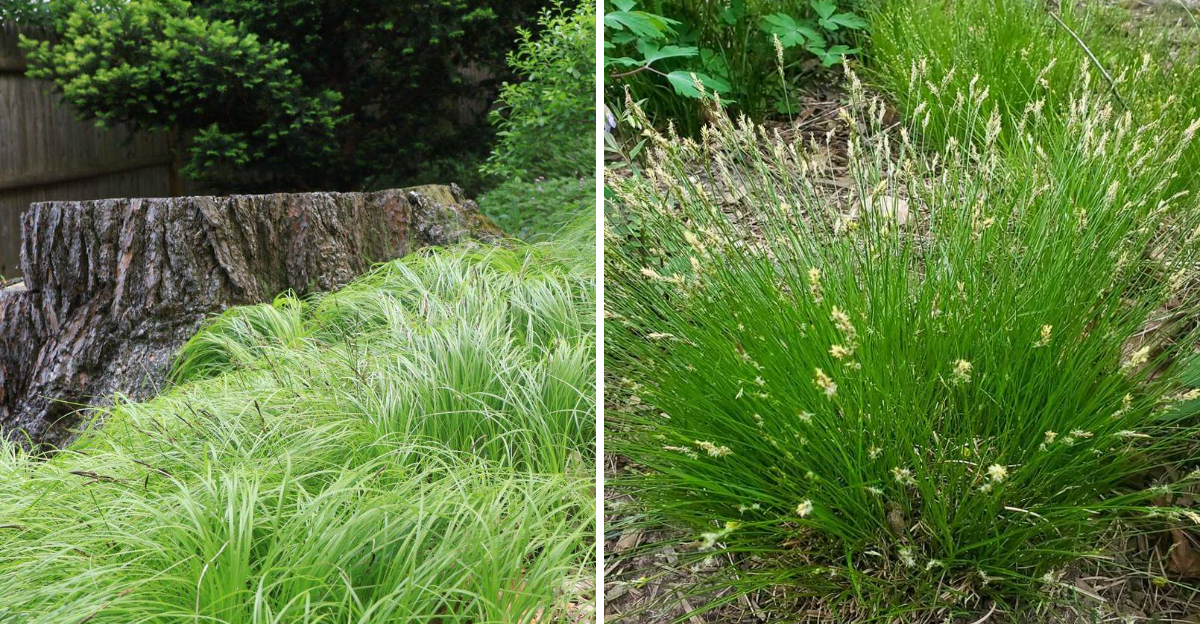
Gravel has become a go to landscaping choice in many Pennsylvania yards. It looks tidy, suppresses weeds, and requires almost no maintenance once it’s down.
But anyone who has walked barefoot across a gravel bed on a hot Pennsylvania afternoon knows the side of this choice that nobody advertises.
Gravel absorbs heat through the day and radiates it back into the surrounding area long after the sun has moved on, making an already warm yard feel noticeably hotter. There is a better option, and it grows.
A Pennsylvania groundcover exists that stays measurably cooler than gravel during periods of extreme heat, covers the ground just as effectively, and brings ecological value that no inorganic material can come close to matching. It suppresses weeds, handles dry stretches once established, and creates a surface that actually moderates the temperature around it rather than amplifying it.
For homeowners dealing with hot spots near the house, bare areas that bake in full sun, or just looking for a smarter long term alternative to gravel, this groundcover changes the equation entirely.
Here’s what it is and why it outperforms gravel when Pennsylvania heat peaks.
Pennsylvania Sedge Replaces Hot, Exposed Gravel With Living Foliage
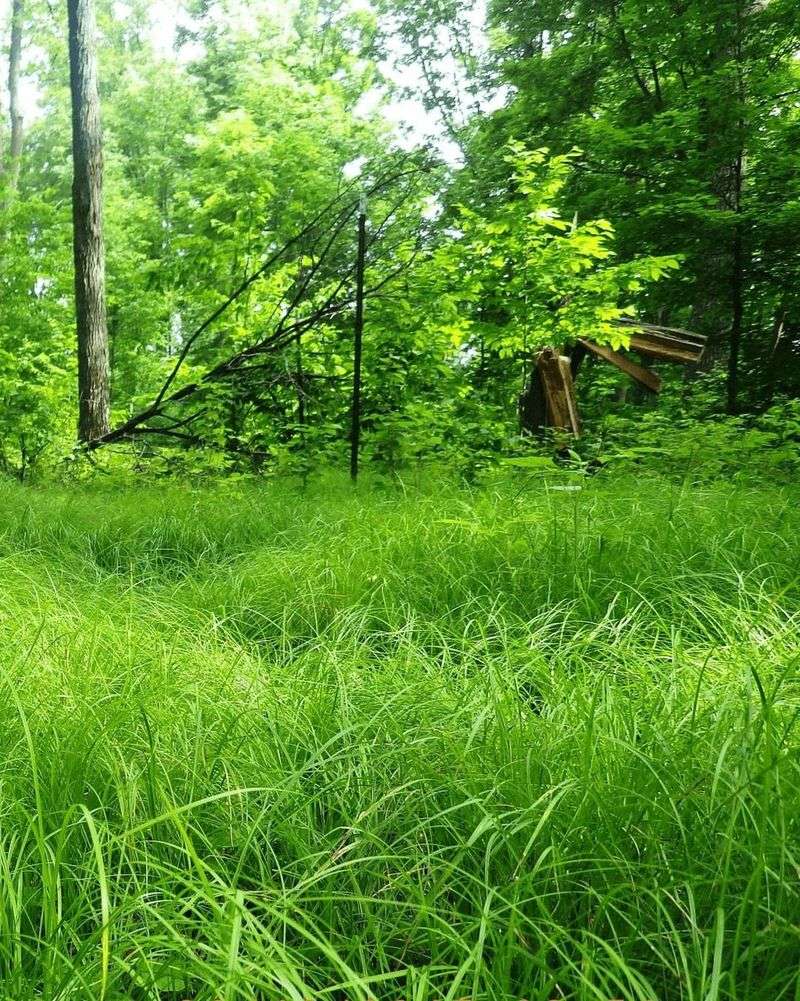
Picture walking barefoot across your yard on a blazing July afternoon. Gravel burns your feet almost instantly, but a thick mat of Pennsylvania sedge stays noticeably cooler underfoot.
That contrast alone tells you something important about choosing the right groundcover. Pennsylvania sedge, known by its scientific name Carex pensylvanica, is a low-growing native perennial. It has narrow, arching leaves that form soft, rounded clumps.
Over time, those clumps spread steadily and fill in to create a flowing, grass-like carpet across the ground. Unlike gravel, which just sits there baking in the sun, living foliage actively interacts with its environment in ways that benefit the whole yard.
Penn State Extension recommends Pennsylvania sedge as a practical lawn substitute, especially in spots where traditional turf grass struggles to survive.
Shady areas under large trees, slopes that are hard to mow, and dry woodland edges are all places where this plant genuinely shines. It handles the conditions that regular grass simply cannot.
Planting Pennsylvania sedge means replacing a hard, heat-absorbing surface with something alive and responsive. The leaves create a soft, layered canopy right at ground level.
That canopy shades the soil beneath it, which keeps the ground from getting as hot as it would under open gravel or bare earth.
For homeowners in Pennsylvania dealing with brutal summer heat, swapping gravel for sedge in appropriate areas is a practical and attractive upgrade.
The plant looks natural, requires minimal upkeep once established, and brings the landscape back to life with genuine, cooling green coverage that gravel simply cannot provide.
Its Leaves Shade The Soil And Release Cooling Moisture
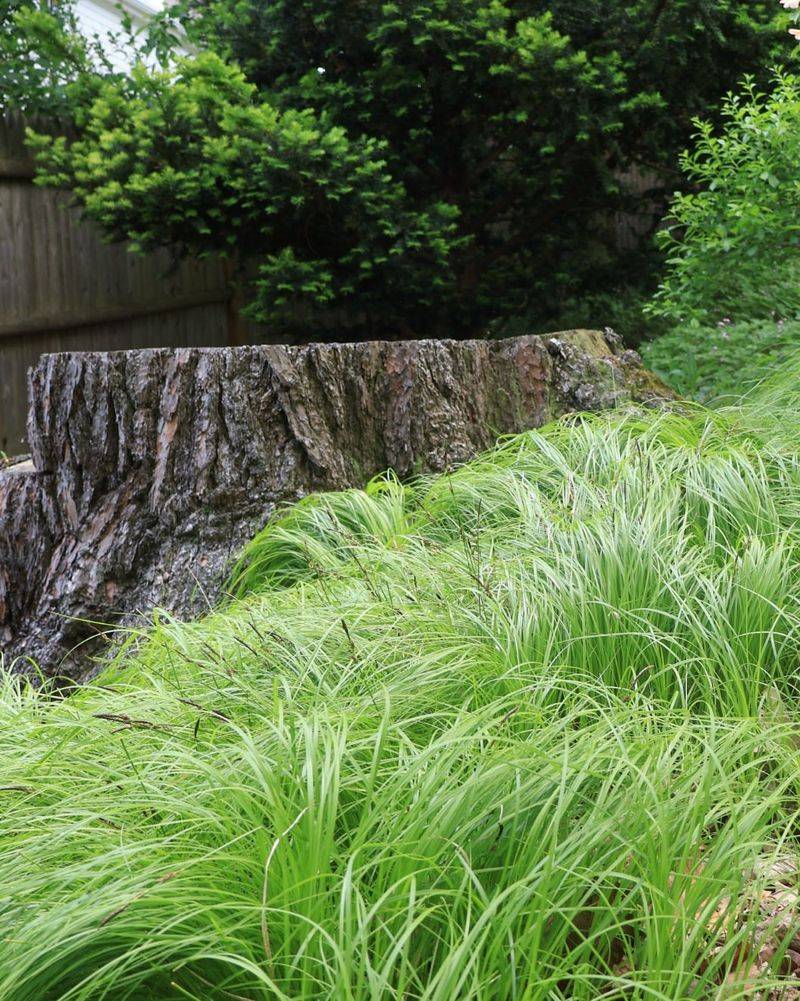
Most people think of plants as decoration, but Pennsylvania sedge is also quietly working as a natural cooling system. The way its leaves grow low and dense means they block direct sunlight from ever reaching the bare soil underneath.
Your Pennsylvania Garden Changes Every Week. Your Plan Should Too.
Gardening in Pennsylvania changes quickly throughout the season. Every Friday you’ll receive a simple weekly plan showing exactly what to plant, prune, fertilize, harvest, and protect so you never miss the right timing.
Sunlight hitting bare ground or gravel turns into heat energy fast. Sedge stops that process before it starts.
Living plants also release water vapor through a process called evapotranspiration. Basically, plants absorb water through their roots and release some of it into the air through their leaves.
That release of moisture has a cooling effect on the surrounding air and surface temperatures. It works somewhat like how sweating cools your skin on a hot day.
Gravel cannot do any of that. Stone absorbs solar heat throughout the day and then releases it back into the surrounding air, which makes already hot areas feel even hotter.
A gravel bed in full sun can reach temperatures that are significantly higher than the air temperature above it.
Pennsylvania sedge creates what you might call a microclimate at ground level. The combination of leaf shade and moisture release keeps the soil cooler and more stable throughout the hottest parts of the day.
This is not a dramatic air-conditioning effect, but it is a real and measurable benefit compared to non-living surfaces.
Gardeners who have replaced gravel with sedge often notice the difference when they kneel down near the planting on a hot afternoon.
The air just above the sedge feels distinctly cooler and more comfortable than the air above nearby stone or bare soil. That natural soil-level cooling adds real value to any outdoor space.
Dry Shade Is Where Pennsylvania Sedge Becomes Most Valuable
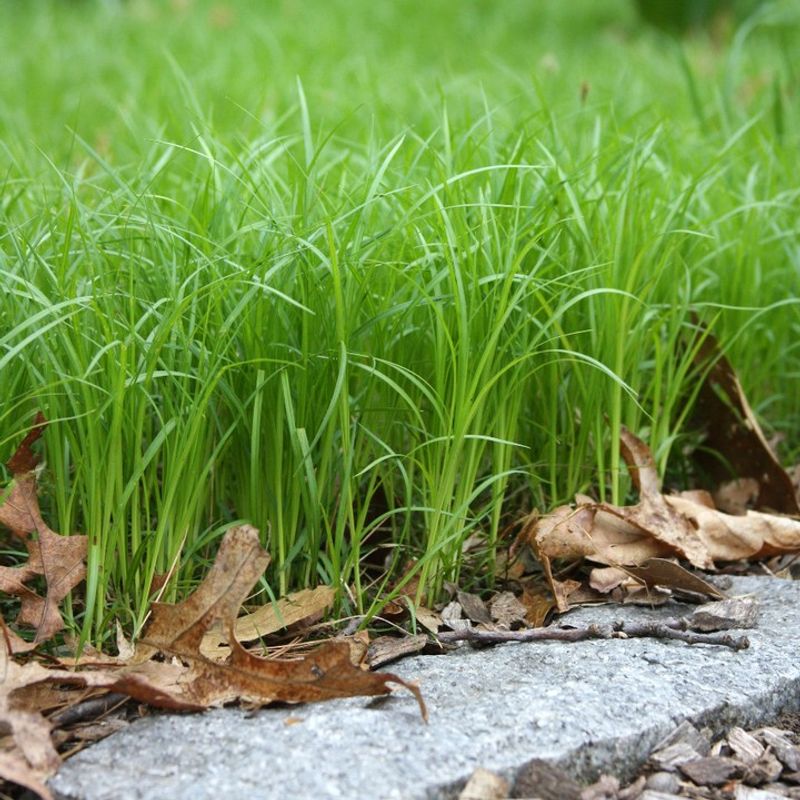
Dry shade is one of the toughest spots in any yard. Most plants either get too little light or too little water, and often both at once.
Grass turns yellow and patchy. Mulch blows away or breaks down. Gravel just sits there, getting hotter. Pennsylvania sedge, however, treats dry shade like home territory.
Beneath deciduous trees is where this plant truly earns its reputation. Tree roots pull moisture from the soil, and the canopy above blocks both rain and sunlight.
Most lawn grasses cannot handle those conditions for long. Pennsylvania sedge evolved in exactly these environments, which is why it performs so reliably where other plants struggle.
The plant prefers dry-to-moderately moist, well-drained soil. It grows well in partial shade and can even handle full shade in many situations.
When planted in full sun, it can survive, but it will likely need more supplemental watering during long stretches of summer heat. It is not the right pick for areas that stay persistently wet or have poor drainage, since standing water can cause problems for the root system.
Partly shaded areas along fences, building foundations, and woodland edges are all excellent candidates. If you have a spot where you have tried everything and nothing seems to stick, Pennsylvania sedge is worth a serious try.
Its natural adaptability to low-light, low-moisture conditions makes it a standout performer in the most challenging corners of a Pennsylvania yard.
Choosing the right plant for the right place is always the smartest gardening move. For dry shade, Pennsylvania sedge is one of the best native options available to homeowners in this region.
A Mature Sedge Carpet Requires Far Less Routine Work Than Turf
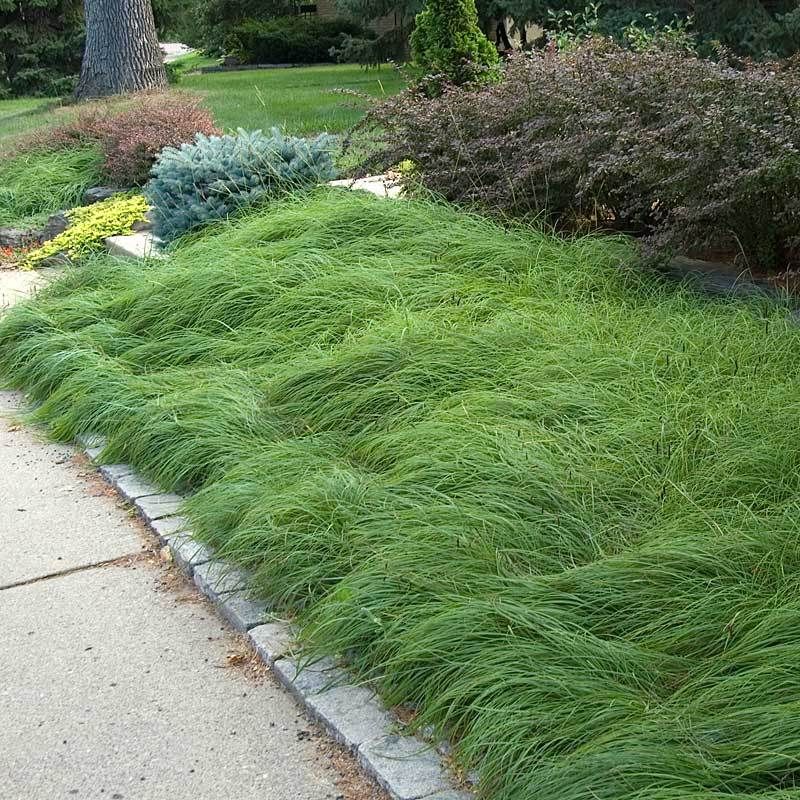
Lawn care can feel like a never-ending chore. Mowing every week, fertilizing multiple times a year, reseeding bare patches, and fighting weeds takes real time and money.
Pennsylvania sedge offers a refreshing alternative for homeowners who want a living groundcover without all that constant effort.
Once established, Pennsylvania sedge generally stays low enough on its own that weekly mowing is not necessary. Many gardeners skip mowing entirely and let the natural arching form of the leaves create a soft, flowing texture across the ground.
The plant simply does not grow tall enough to become an eyesore the way unmowed turf grass does.
Penn State Extension suggests that if you want a neater appearance in spring, you can cut established sedge back to about three inches in late winter.
That single annual trim encourages fresh new growth and keeps the planting looking tidy as the growing season begins. Beyond that one optional cut, the plant takes care of itself remarkably well.
Fertilizing is rarely needed. Pennsylvania sedge is adapted to lean, native soils and does not require the regular feeding that traditional lawns demand.
Skipping fertilizer also means less runoff into local waterways, which is a genuine environmental benefit worth mentioning.
Weed control is most important during the first year or two, while young plants are still filling in the bare gaps between clumps. Once the sedge forms a dense, continuous mat, it naturally shades out most weed seedlings on its own.
Getting through that early establishment phase with consistent attention pays off with years of low-effort, attractive groundcover that practically manages itself through every season.
Close Planting Creates Faster Coverage And Better Cooling
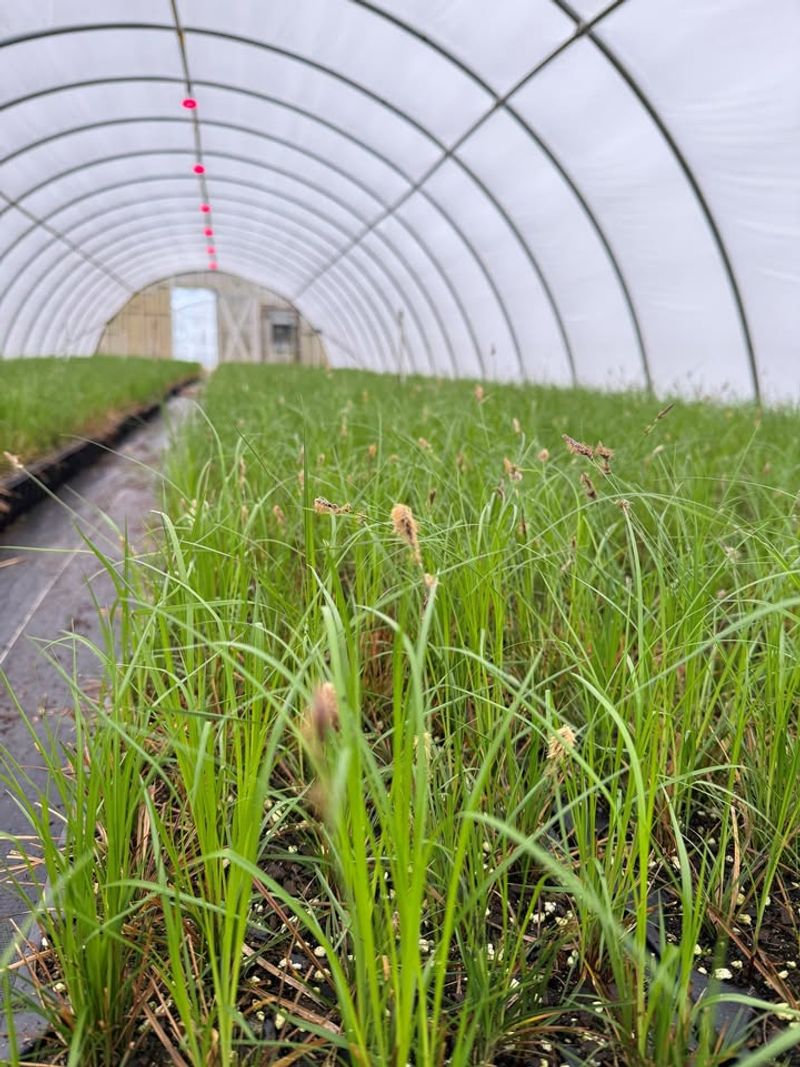
Getting Pennsylvania sedge to fill in quickly comes down to one key decision made before you even put a single plant in the ground. Spacing matters more than most people realize.
Plant the plugs too far apart and you will be staring at bare gaps for years. Plant them close enough and the sedge fills in within one or two growing seasons.
Start by clearing the planting area thoroughly. Remove existing turf, weeds, and as many unwanted roots as you can find.
Leftover weeds competing with young sedge plugs will slow establishment significantly. Taking the time to prepare the ground well before planting makes everything easier afterward.
Most recommendations suggest spacing plugs about six to twelve inches apart, depending on how quickly you want coverage. Closer spacing means faster fill-in and faster cooling benefits as the canopy closes.
It costs a little more upfront in plant material, but the payoff in coverage speed and reduced weed pressure is well worth it.
Water consistently during the establishment period, even though mature Pennsylvania sedge tolerates relatively dry conditions. Young plants need reliable moisture while their root systems are developing.
Skipping watering too early in the process is one of the most common reasons new plantings fail to thrive.
Spring and fall are the best times to plant. Both seasons give roots time to settle in before extreme summer heat or winter cold arrives.
Fall planting in Pennsylvania is especially effective because cooler temperatures and natural rainfall reduce the watering burden considerably.
Choosing the right season, preparing the soil, and spacing plants thoughtfully all work together to create a dense, cooling sedge carpet that performs beautifully from year to year.
It Cannot Replace Gravel In Every Part Of The Landscape
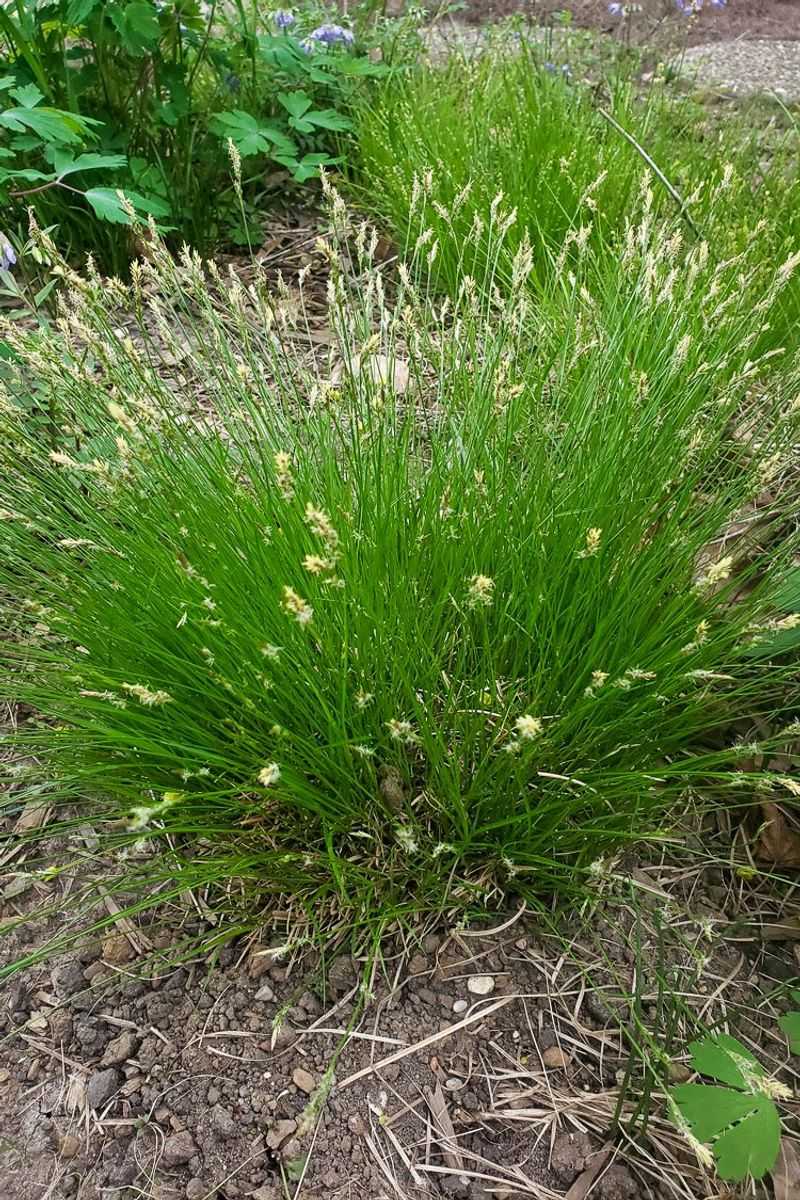
Pennsylvania sedge is genuinely impressive, but it has real limits that every homeowner should understand before committing to a full-scale planting project. Knowing where it works and where it does not saves frustration and wasted effort.
Being honest about those limits is part of using any plant wisely. Foot traffic is the biggest constraint. Pennsylvania sedge tolerates only light, occasional foot traffic.
A path that people walk every single day will wear the planting down quickly and create bare, muddy patches. For areas where regular crossing is unavoidable, adding stepping stones through the sedge is a smart and attractive solution.
The stones protect the plants while still allowing the sedge to fill in around them beautifully.
Play areas where children run, kick, and tumble are also not appropriate for sedge. The repeated pressure and activity will damage the plants faster than they can recover.
In those situations, gravel, mulch, or a tougher groundcover is a better fit for the space. Coverage speed is another honest consideration. Pennsylvania sedge spreads gradually through underground rhizomes, but it does not rush.
A large bare area will not be fully covered in a single season, even with close planting. Patience is part of the process.
Gravel still makes sense in certain spots. Drainage areas, heavily used surfaces, and spots where nothing organic can grow successfully are all legitimate places for stone.
The smart approach is using each material where it performs best. Pennsylvania sedge works beautifully as a living groundcover in shaded, lightly used areas, while gravel handles the tougher, higher-traffic zones where plants simply cannot survive long-term.