What It Really Means When Robins Flock To Your Connecticut Lawn
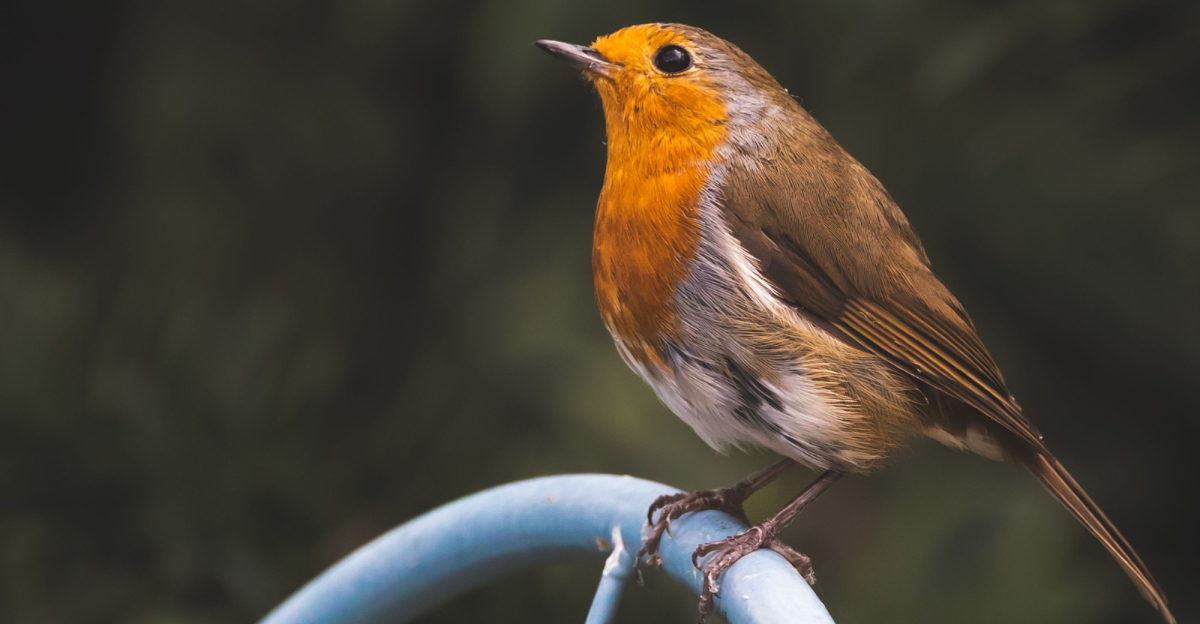
Dozens of robins just claimed your yard, and none of them arrived by accident. Something under your grass pulled them straight to that patch. Beneath the surface, your Connecticut soil sends signals birds notice instantly.
Grubs, moisture shifts, and hidden decay all speak a language robins understand instantly. Homeowners rarely catch these clues until damage spreads across the lawn.
Robins, however, read soil conditions with notable precision and no hesitation. Watching their behavior closely tells you more than any soil test alone.
Patterns emerge quickly once you know what triggers this kind of gathering. Connecticut lawns face unique pressures from moisture, temperature swings, and pest cycles.
Ignoring these birds means missing an early warning most people never get. Every hop, peck, and pause carries information worth decoding immediately.
Curiosity alone won’t fix a lawn problem hiding underground. Answers exist, but they demand attention before conditions worsen. You need this now.
Why Robins Are Drawn To Dry, Compact Soil
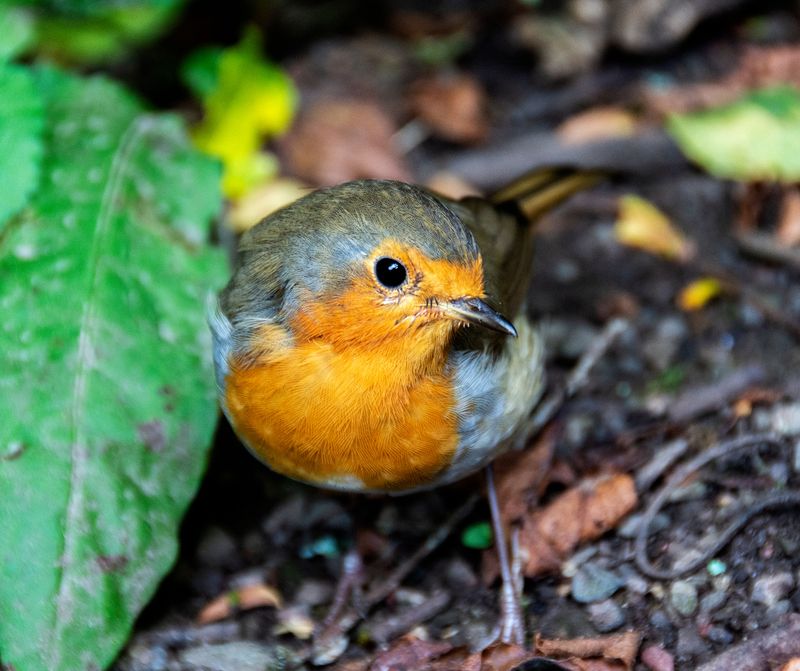
Hard ground and hungry birds make a surprising team. When robins flock to your Connecticut lawn in large numbers, one of the first clues is the texture of your soil.
Compact, dry soil pushes earthworms and insects upward. Those creatures seek moisture near the surface, and robins know exactly where to look.
Connecticut lawns go through serious dry spells each summer. Foot traffic, lawn equipment, and heat bake the top layer into something closer to clay than garden soil.
Robins have sharp eyesight and even sharper instincts. They detect subtle ground vibrations caused by movement just below the surface.
When soil compacts, it loses its spongy structure. Water runs off instead of soaking in, and the underground ecosystem shifts dramatically.
Earthworms tunnel toward the surface when they cannot breathe in airless, packed dirt. That upward movement creates a feeding opportunity robins simply cannot ignore.
You might notice robins tilting their heads sideways as they walk. Scientists once thought they were listening, though some researchers suggest they may instead be using one eye to spot motion underground.
Compact soil is also an early indicator of lawn stress. Grass roots struggle to penetrate hard ground, leaving your yard thin and patchy over time.
Watching where the robins concentrate can actually map your worst compaction zones. Pay attention to those clusters because your lawn is asking for help right there.
What They Are Actually Searching For Underground
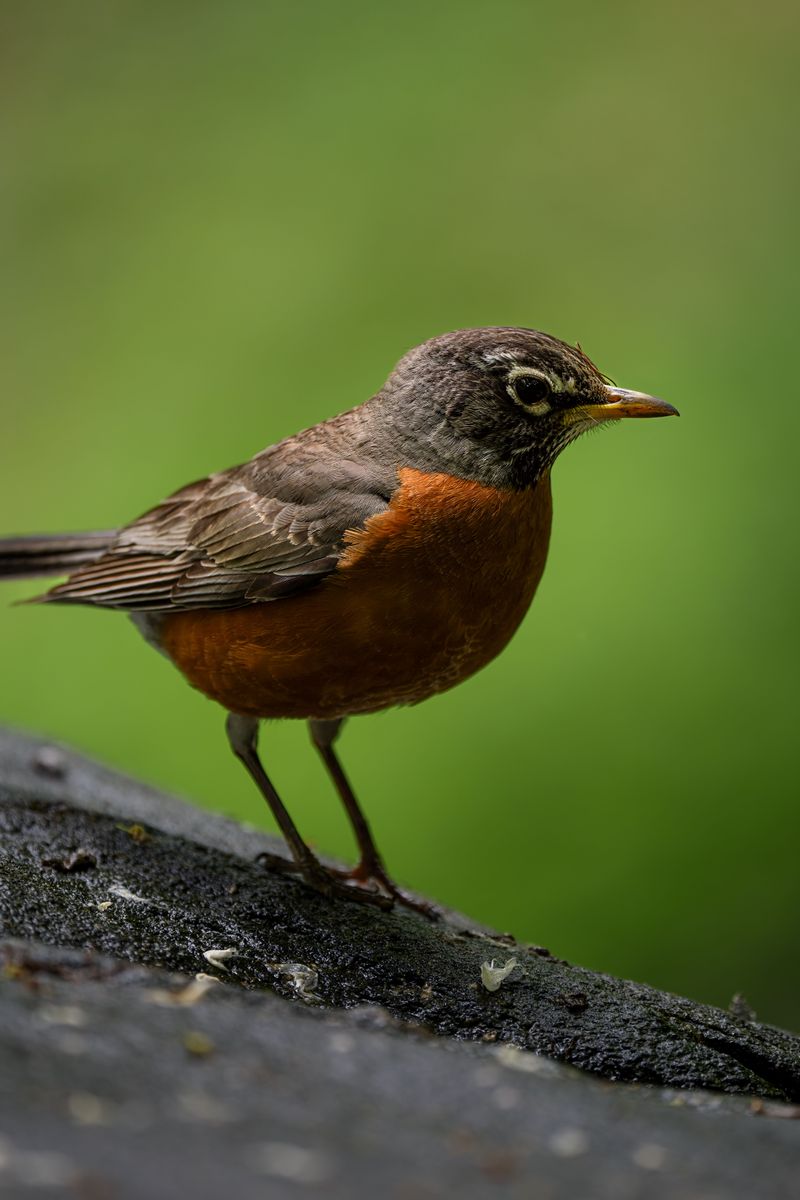
Earthworms are the main prize, but the menu goes deeper than that. Robins are opportunistic feeders, and a busy lawn offers a full buffet underground.
Beetle larvae, ants, and small soil insects also attract these birds. When dozens of robins appear at once, the underground population is unusually high.
Earthworms can make up a large share of a robin’s diet during warmer months, depending on region and season. A healthy Connecticut lawn can hold a substantial number of worms per square foot in ideal conditions.
Robins use a hunting technique called “run-stop-tilt.” They sprint a few steps, freeze, tilt their head, then strike with impressive speed and accuracy.
The worms they pull up are not just food. Their presence tells you the soil has decent organic matter and some moisture still remaining below the dry surface crust.
Grubs are another target hiding in the lawn. White grubs are the larvae of Japanese beetles, June bugs, and European chafers, all common in Connecticut yards.
Unlike earthworms, grubs signal a potential pest problem. A robin finding grubs is doing your lawn a favor, but it also means something needs your attention.
Soil insects respond to temperature and moisture shifts by moving up or down. When they cluster near the surface, every robin in the area gets the memo fast.
The birds are not damaging your lawn by feeding. They are actually performing a small but meaningful service you did not have to pay for.
Grub Activity As A Hidden Lawn Problem
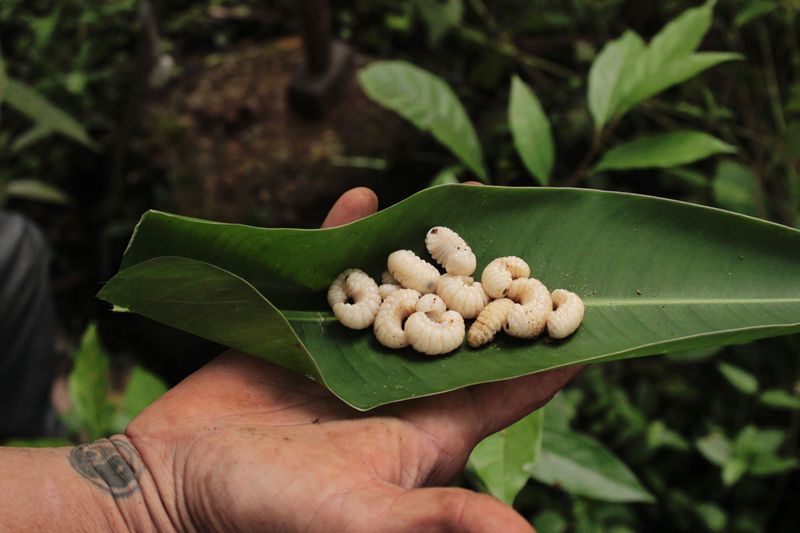
Brown patches that puzzle homeowners often have a six-legged explanation. Grubs chew through grass roots just below the soil surface, and the damage sneaks up on you.
A robin flock focusing on one section of your yard is a natural grub detector. They are pointing directly at the problem with their beaks.
Grub populations spike in late summer across Connecticut. Female beetles lay eggs in July, and by August those eggs hatch into hungry larvae feeding on root systems.
You can do a quick test yourself. Peel back a one-square-foot section of turf in the area where robins are feeding most aggressively.
Finding more than five grubs in that section means your lawn is under stress. Ten or more per square foot is considered a damaging infestation by most turf experts.
Grass damaged by grubs pulls up like a loose carpet. The roots have been severed, and the roots are no longer holding the turf in place.
Robins can eat a surprising number of grubs in a single feeding session. However, they cannot resolve an infestation on their own once numbers get high.
Beneficial nematodes are a natural treatment option worth exploring. These microscopic organisms target grubs in the soil without harming birds, pets, or beneficial insects.
Untreated grub problems typically persist or worsen. The beetles that emerge next summer will simply lay more eggs and restart the cycle in your yard.
Drought Stress And Its Effect On Bird Behavior
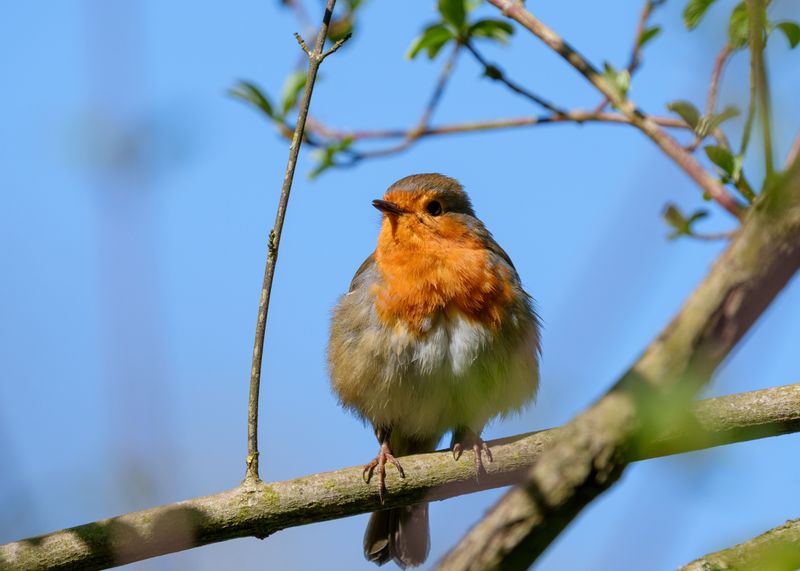
Drought does not just hurt grass. It reshapes the entire underground food web that birds like robins depend on for survival.
When surface soil dries out completely, earthworms go deep to find moisture. Robins shift their search patterns in response, targeting areas that still hold some humidity.
Irrigation zones, shaded spots under trees, and areas near downspouts become robin hotspots during dry stretches. Those locations retain moisture longer than open sunny patches.
Connecticut summers have trended hotter and drier in recent years, according to regional climate data. Extended dry periods push soil organisms toward any remaining wet zones, concentrating food sources in smaller areas.
A sudden gathering of robins after a dry spell is sometimes linked to approaching rain. Some researchers believe changing conditions before a storm push worms closer to the surface, which robins may respond to.
You can actually use robin behavior as a rough weather indicator. If they are feeding hard in the early morning before clouds roll in, there is a good chance rain is on the way.
Drought stress weakens grass and makes it more vulnerable to grub damage. The effects can go unnoticed at first, and the combination creates a problem that becomes more difficult to address over time.
Watering deeply but less frequently trains grass roots to grow downward. Shallow daily watering keeps roots near the surface, making your lawn fragile during any dry spell.
A drought-stressed lawn is a stressed ecosystem, and the robins are its most visible symptom.
Signs Your Lawn Needs More Than Water
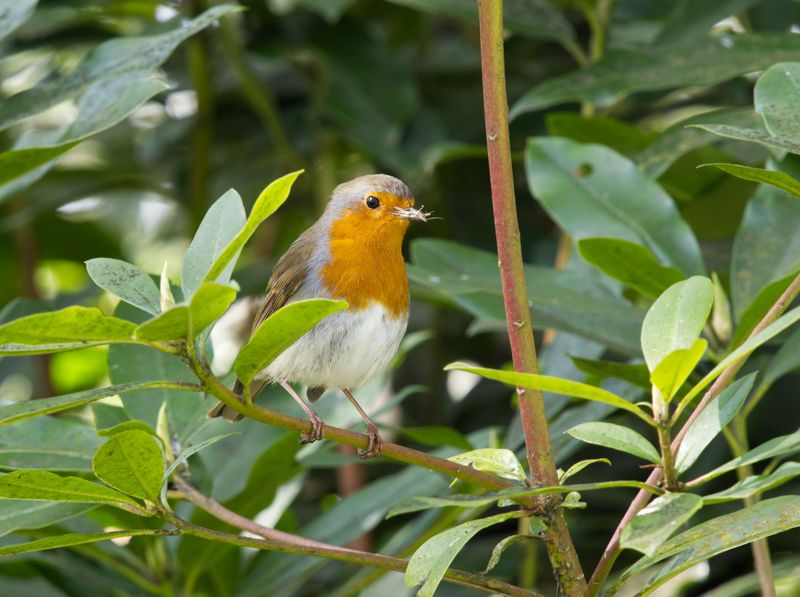
Watering a struggling lawn feels productive, but moisture alone cannot fix every problem. Robins gathering on your property can signal issues that go well beyond simple dehydration.
Thin grass, spongy sections, and irregular brown patches are physical clues worth combining with the bird activity you observe. Each symptom points toward a specific cause.
Soil pH imbalance is one of the most overlooked lawn problems in Connecticut. Acidic soil locks out nutrients even when fertilizer is applied generously and water is plentiful.
A basic soil test from your local cooperative extension office costs very little. The results tell you exactly what your lawn is missing and what amendments will actually help.
Thatch buildup is another hidden stressor. A thick layer of brown grass material between the soil and the green blades blocks water, air, and nutrients from reaching roots.
Robins have difficulty penetrating heavily thatched areas. If they are avoiding certain sections entirely, that avoidance may indicate a thatch layer too thick for easy foraging.
Lawn aeration is one of the most effective tools a homeowner has. Pulling small plugs of soil from the ground relieves compaction, improves drainage, and gives roots room to expand.
Fall is the ideal season for aeration in New England. Cooler temperatures and seasonal rain help grass recover and fill in bare spots before winter sets in.
When robins flock to your Connecticut lawn repeatedly, treat their visits as honest feedback. Your yard is communicating something important, and these birds are just the messengers.
How To Respond To A Sudden Robin Gathering
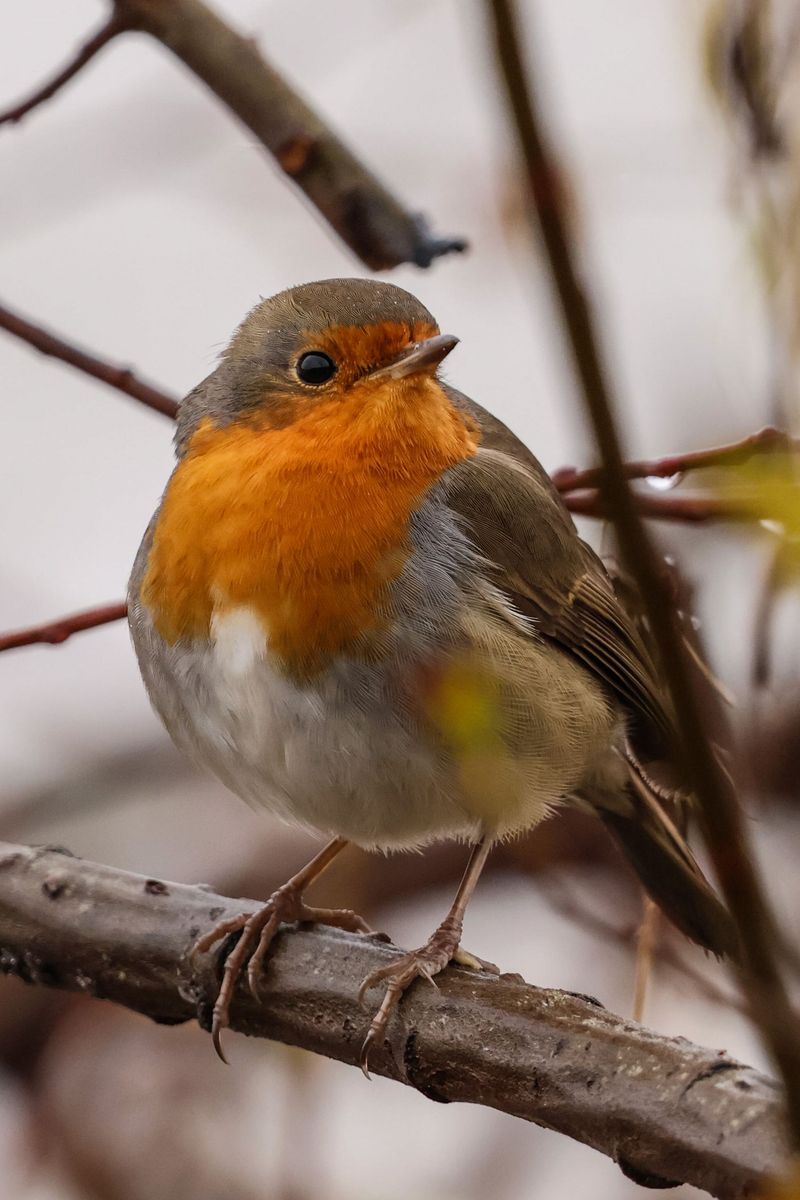
Seeing a yard full of robins is exciting, but the practical response is to investigate further. These birds are giving you an informal signal worth checking, and the findings can guide next steps.
Start by walking the area where the birds are concentrated. Press your foot into the turf and note whether it feels hard, spongy, or unusually soft in spots.
Pull back a small section of grass where feeding is heaviest. Count what you find in the soil and note whether you see grubs, worms, or nothing at all.
If grubs are present in high numbers, contact a local lawn care professional or a Connecticut cooperative extension agent for treatment guidance. Timing matters a great deal with grub control.
If the soil is simply compacted and dry, schedule a core aeration as soon as possible. Aerating opens the ground and immediately improves conditions for both grass and soil life.
Add a layer of compost after aerating to boost organic matter. Compost feeds beneficial microbes, improves water retention, and creates a healthier underground environment over time.
Adjust your watering schedule to encourage deep root growth. Water for longer periods less often, aiming for about one inch per week including rainfall.
Avoid using broad-spectrum pesticides near feeding areas. Chemicals that harm grubs can also affect earthworms and the birds that eat them.
When robins flock to your Connecticut lawn, the best response is curiosity followed by action. A healthy lawn starts with paying attention to what nature is already telling you.