The Biggest Summer Mistake Georgia Gardeners Make With Zinnias
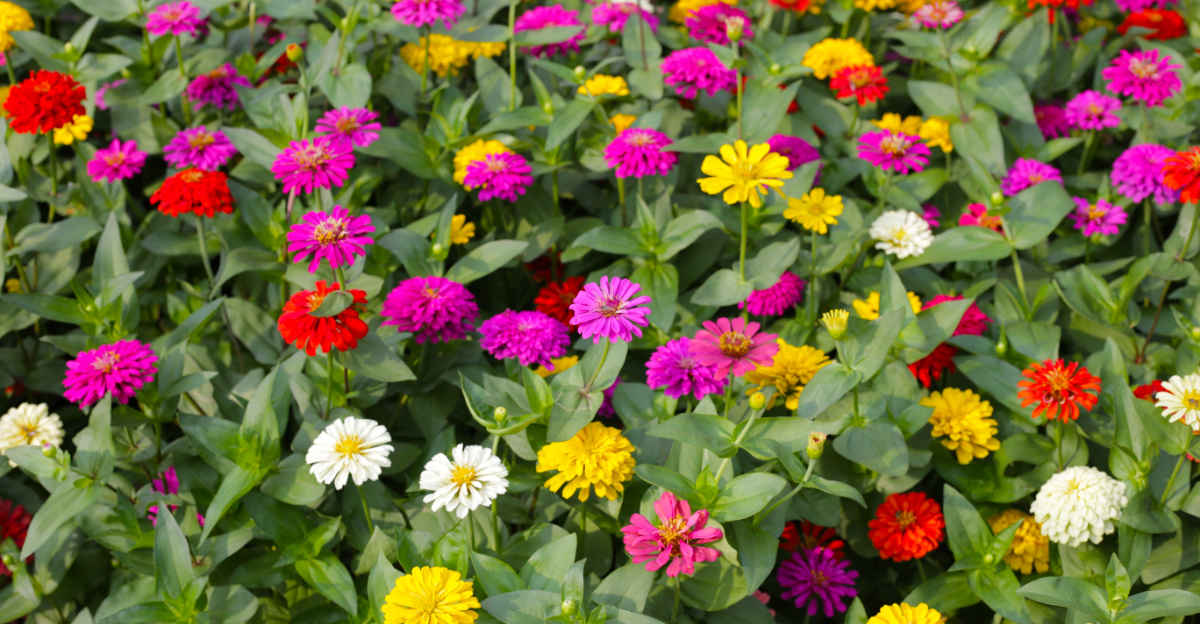
If your zinnias have stopped blooming like you expected, don’t assume Georgia’s summer heat is the only reason.
One small mistake often steals weeks of colorful flowers, and many gardeners never notice it.
Before you reach for more water or fertilizer, pause. Give your zinnias a closer look first.
That simple habit could save the rest of the season. Healthy plants reward careful attention, not constant guessing.
Take a closer look before changing your watering or feeding routine. One simple adjustment could be all your zinnias need to start producing colorful blooms again.
Learn what to avoid, make one smart change, and enjoy brighter zinnias through the hottest weeks of summer without unnecessary frustration or wasted effort.
1. Spent Blooms Tell Plants To Produce Seeds
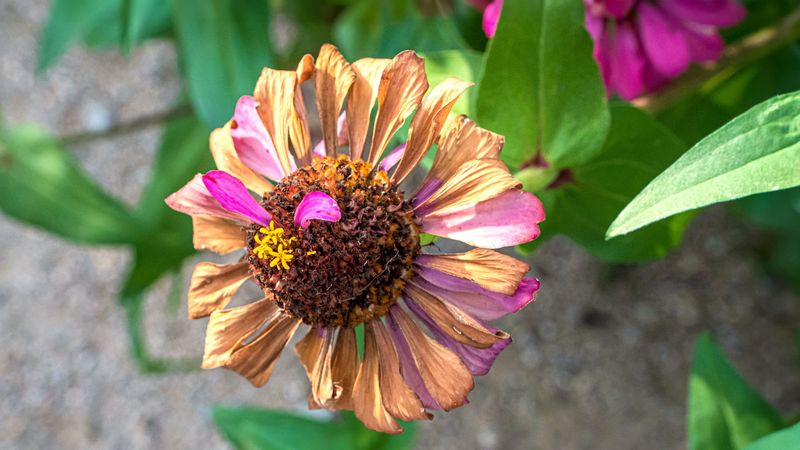
A zinnia does not keep producing flowers forever. Once a bloom finishes flowering, the plant naturally begins producing seeds.
This stage marks the end of that flower’s life cycle. The bloom no longer contributes to the plant’s floral display and begins drying naturally.
Summer heat often gets the blame, but spent blooms are usually part of the problem. A plant covered with older flowers keeps putting its energy into developing seeds instead of creating another round of colorful blooms.
The change often goes unnoticed because the rest of the plant may still look green and vigorous.
The first signs are easy to spot. Petals begin losing their bright color.
The flower becomes less full. The center grows firmer and starts drying.
Those changes show the bloom has already finished its job. Leaving too many flowers at that stage encourages the plant to continue producing seeds instead of fresh buds.
A quick check every few days makes a noticeable difference. Catching older blooms before seed heads fully develop helps the plant stay productive much longer.
This simple habit encourages continuous flowering through the hottest weeks of summer and keeps your zinnias colorful well into autumn.
2. Seed Heads Reduce New Flower Production
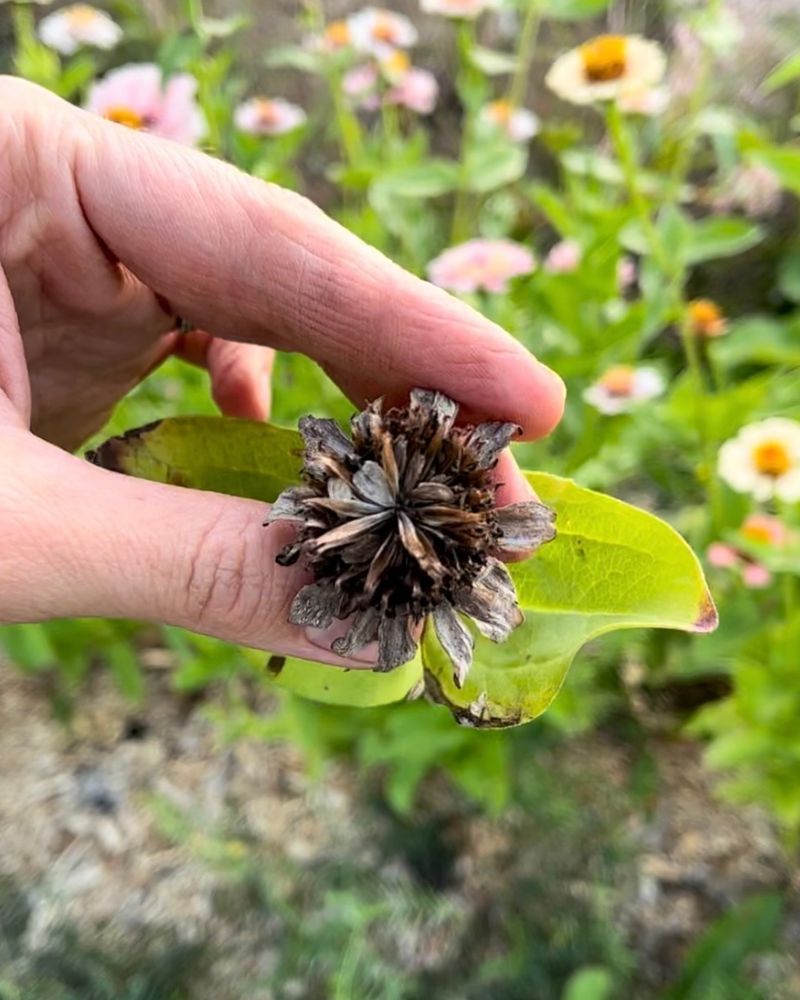
Seed heads are the dried centers left behind after flowers fade. They become firm as the seeds inside continue maturing.
A few seed heads are easy to miss, especially when they are surrounded by newer flowers. Looking closely helps you spot them before they build up.
Several seed heads can develop before the overall display starts changing. That gradual buildup makes the problem easy to overlook during routine watering.
By the time fewer flowers are opening, several mature seed heads are often already present. Removing them sooner helps prevent that buildup from continuing.
Seed heads are easy to recognize once you know what to look for. They feel dry and firm, while the bright petals have mostly faded or disappeared.
Instead of looking fresh and colorful, the flower develops a rough, brown center filled with maturing seeds. That is a clear sign the bloom is no longer contributing to new flower production.
Removing mature seed heads regularly keeps the plant looking cleaner and prevents large numbers from collecting at the same time.
Your Georgia Garden Changes Every Week. Your Plan Should Too.
Gardening in Georgia changes quickly throughout the season. Every Friday you’ll receive a simple weekly plan showing exactly what to plant, prune, fertilize, harvest, and protect so you never miss the right timing.
It is a simple habit that supports a longer and more consistent flowering display.
3. Waiting Too Long Slows New Growth
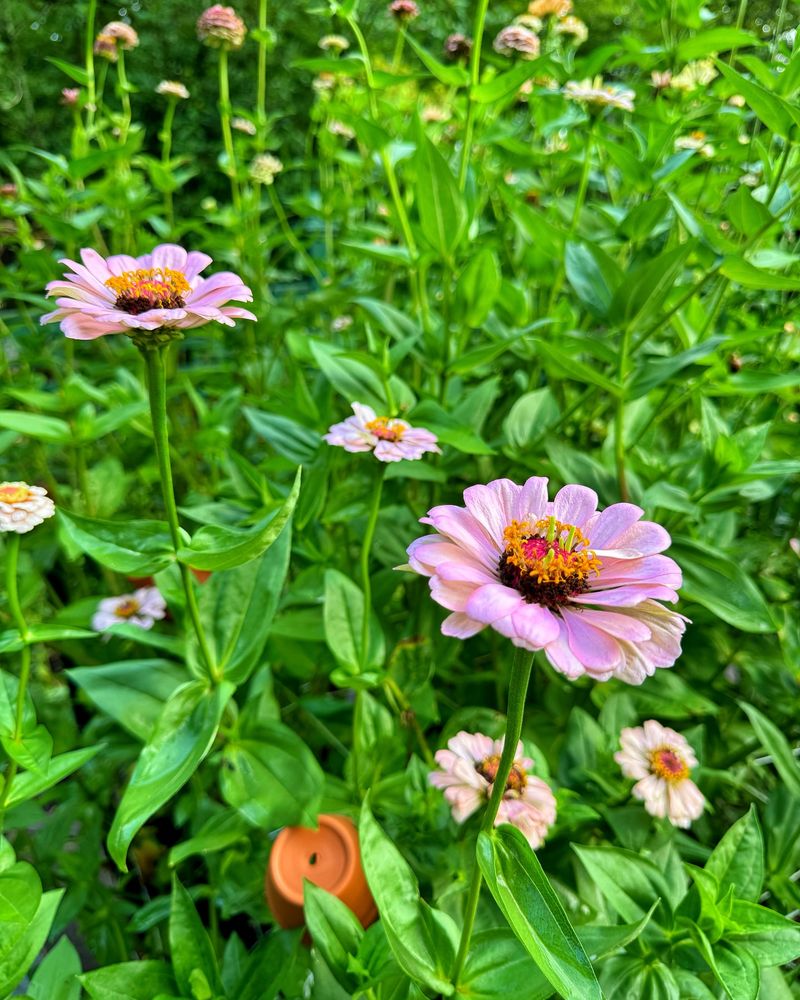
Time makes a big difference when caring for zinnias. Older flowers should not stay on the plant for weeks.
Waiting too long allows faded blooms to build up, making the plant look untidy and leaving more work to do later.
Many gardeners in Georgia wait until several flowers have faded before trimming anything. By then, removing old blooms takes much longer than if they had been removed gradually.
The plant may still look healthy from a distance, but faded flowers become much harder to keep up with once they accumulate.
Look over your zinnias every few days. Removing older blooms while there are only a few is quicker and easier than tackling dozens at once.
Regular checks also help you notice damaged stems or fading flowers before they become widespread.
A consistent routine produces better results than waiting for one large cleanup. Each visit takes only a few minutes, keeps the plant looking neat, and encourages balanced growth throughout the season.
Small, regular maintenance is one of the easiest ways to keep zinnias looking their best for much longer.
Regular attention also makes it easier to spot flowers that are just beginning to fade before they become fully dry.
This simple habit helps your zinnias stay neat, healthy, and attractive throughout the growing season.
4. The Right Cut Encourages More Branches
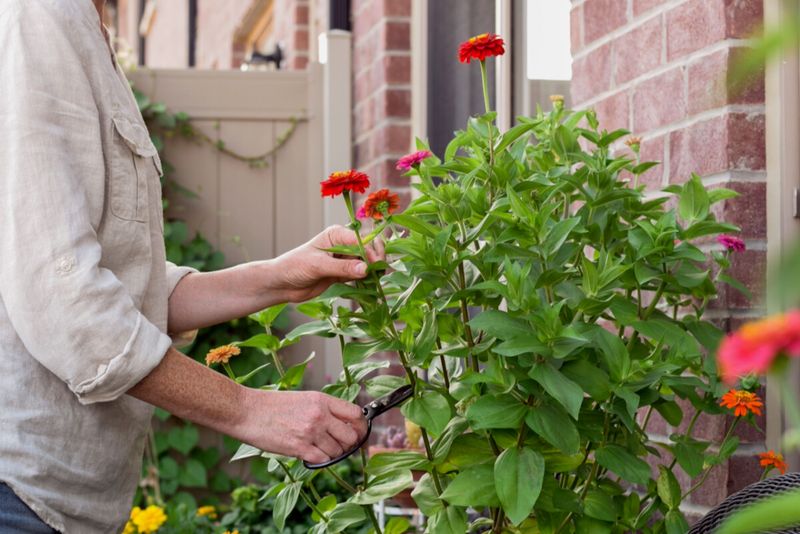
Where you cut the stem matters. Cutting in the right place encourages the plant to produce new side branches.
Those extra branches create more places for future flowers to grow. A careless cut does not provide the same result.
Do not cut the stem at a random point. Instead, look for the first healthy set of leaves below the faded flower.
Make the cut just above that point. The buds at that leaf joint can begin growing into new branches after the flower is removed.
Leaving a long, bare stem does not help the plant. It produces fewer useful shoots and makes the plant look thin over time.
Cutting above a healthy leaf joint encourages fuller growth and keeps the plant looking balanced throughout the season.
Use clean, sharp pruners or garden scissors for smooth cuts. Crushing or tearing the stem can slow recovery.
After trimming, continue watering and caring for the plant as usual. Within the following weeks, new branches can begin developing from the leaf joint.
More branches create more flower stems, helping your zinnias produce a fuller display through late summer and into autumn.
5. Healthy Side Shoots Produce More Flowers
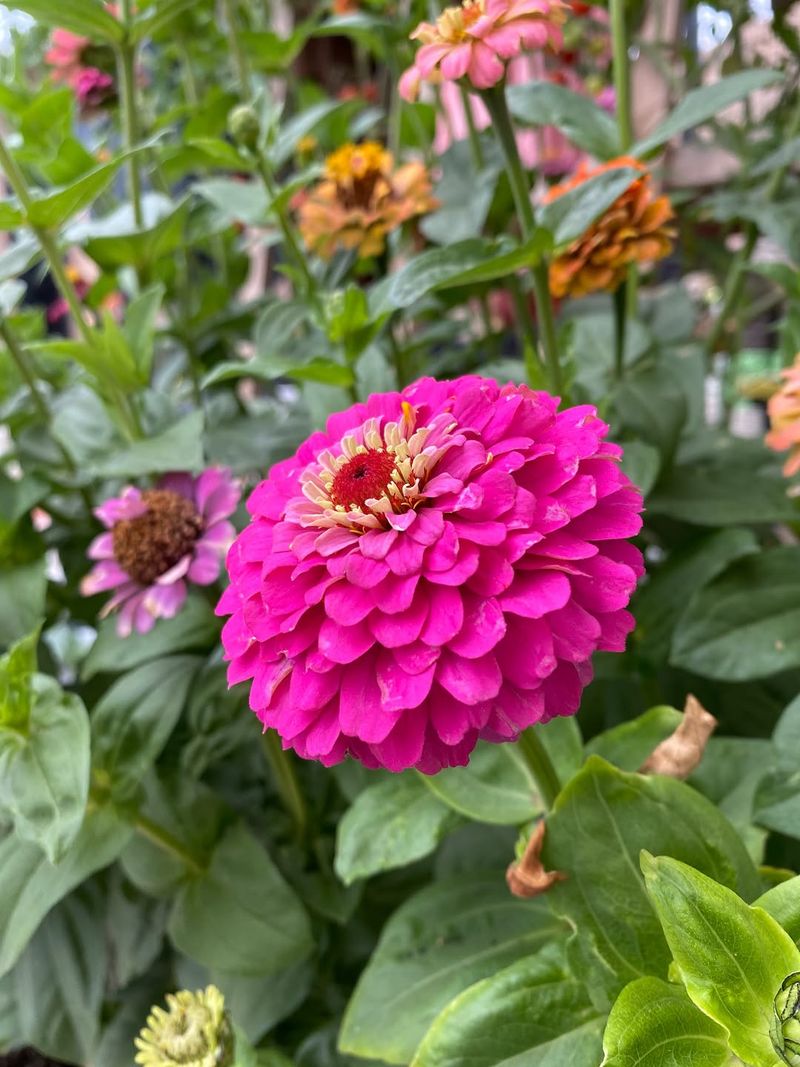
Side shoots are new stems that grow from the leaf joints after a flower is removed. Each new stem has the potential to produce another flower.
More side shoots usually mean more blooms later in the season.
Healthy side shoots are green, firm, and actively growing. They appear below the cut and gradually become longer.
As they mature, each one can develop several flower buds instead of producing only a single bloom. That is why branching is so important for a full display.
Strong growth depends on healthy leaves. The leaves collect sunlight and provide the energy needed for new stems to develop.
Leaves with damage or discoloration cannot support vigorous growth as effectively. Keeping the foliage healthy helps side shoots grow faster and stronger.
Give new shoots time to develop before expecting fresh flowers. They need time to grow, produce buds, and reach the blooming stage.
Continue checking the plant every few days and remove older flowers as they appear. That allows new side shoots to keep forming throughout the season.
A well-branched zinnia carries more flowering stems, creating a fuller plant with colorful blooms that continue well into autumn.
6. Late Summer Is The Best Time To Save Seeds
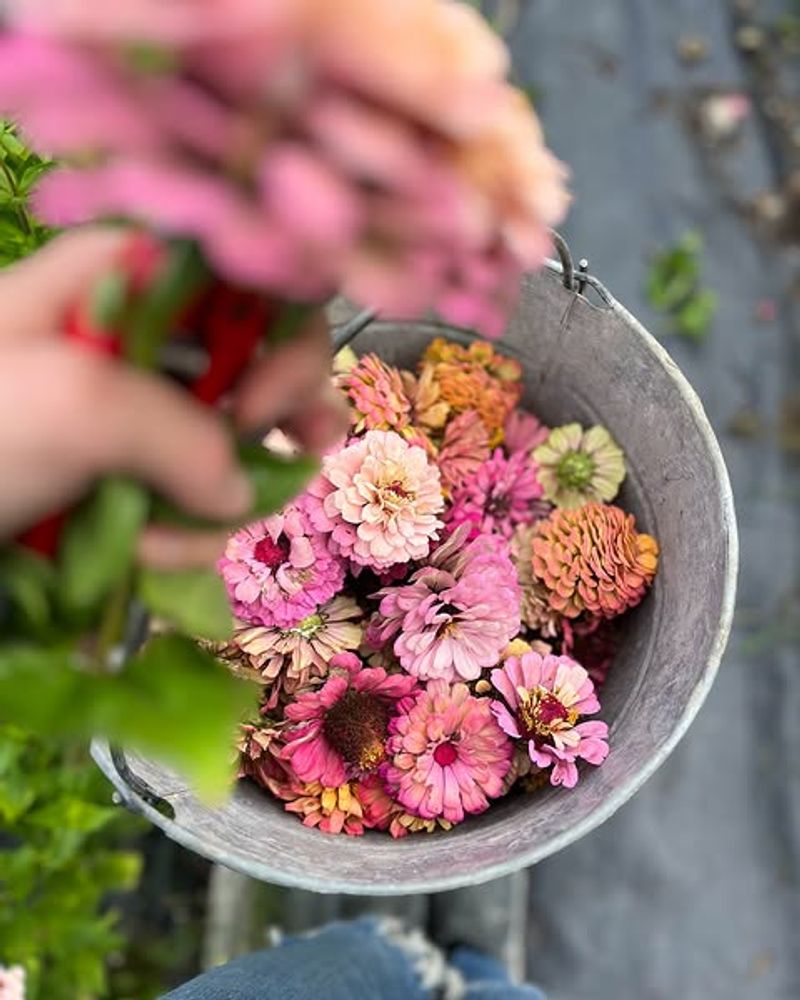
Do not save seeds from the first flowers that fade. Early blooms often appear while the plant is still putting most of its energy into growing.
Waiting until late summer gives the plant plenty of time to produce flowers before switching your attention to seed collection.
This timing works especially well in Georgia. Zinnias usually continue blooming through much of the summer when older flowers are removed regularly.
Once you are satisfied with the display, you can leave a few healthy blooms on the plant to mature naturally.
Choose flowers from strong, vigorous plants with good color and sturdy stems. Allow those blooms to dry completely before collecting the seeds.
The flower head should feel crisp, and the seeds should separate easily from the center. Seeds taken too early are less likely to be fully developed.
Store only clean, dry seeds. Place them in a paper envelope or another breathable container instead of a sealed plastic bag.
Label each variety before putting it away. Keeping the seeds in a cool, dry place helps maintain their quality until planting time arrives the following growing season.
7. Regular Trimming Extends The Blooming Season
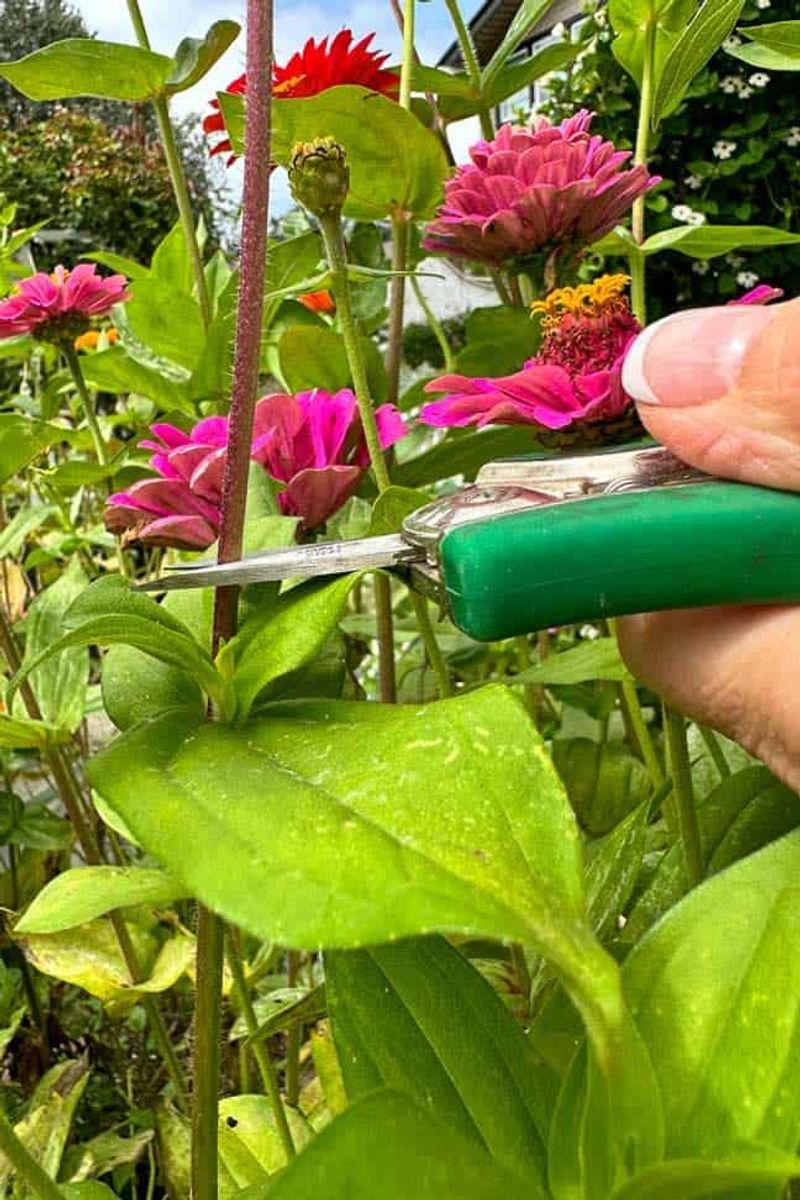
Regular trimming keeps zinnias growing and flowering for much longer. It prevents older blooms from building up and encourages the plant to keep producing fresh buds.
Skipping this simple task for several weeks can reduce the number of new flowers, even when the plant still looks healthy.
You do not need to spend hours trimming. A quick check every few days is usually enough.
Remove flowers that have faded or started forming seed heads. Staying ahead of the process is easier than waiting until dozens of older blooms need attention at the same time.
Keep an eye on the entire plant instead of focusing on only the top flowers. Some older blooms hide beneath healthy leaves or between newer stems.
Looking over every side helps you catch flowers before they mature completely. That keeps blooming more even across the entire plant instead of leaving bare spots in different areas.
Continue this routine through late summer while the plant is still actively growing. Consistent trimming encourages steady branching and supports continuous flower production.
Combined with proper watering and healthy foliage, this simple habit helps zinnias stay colorful for much longer. Many plants continue producing fresh blooms well into autumn when regular trimming remains part of their normal care routine.