The One Florida Planting Decision That Makes Every Other Yard Problem Easier To Manage
Florida yards are a puzzle.
Between the sandy soil that drains too fast, the soggy corners that stay wet for days, the blazing afternoon sun that wilts the wrong shrub by noon, and the pest pressure that never really quits, many homeowners feel like they are always playing catch-up.
They water more, spray more, prune more, and still watch plants struggle.The truth is, most of those problems trace back to one single decision made on the day of planting.
Choosing the right plant for the right place sounds almost too simple, but it is the one choice that quietly controls how much work your yard demands every single week.
When a plant truly fits its spot, it handles Florida conditions on its own terms.
The University of Florida IFAS Extension calls this principle Florida-Friendly Landscaping, and it is built on the idea that matching plants to their environment is smarter than forcing plants to survive in the wrong one.
Get this one decision right, and nearly every other yard headache gets a little easier to manage.
Choose Right Plant Right Place
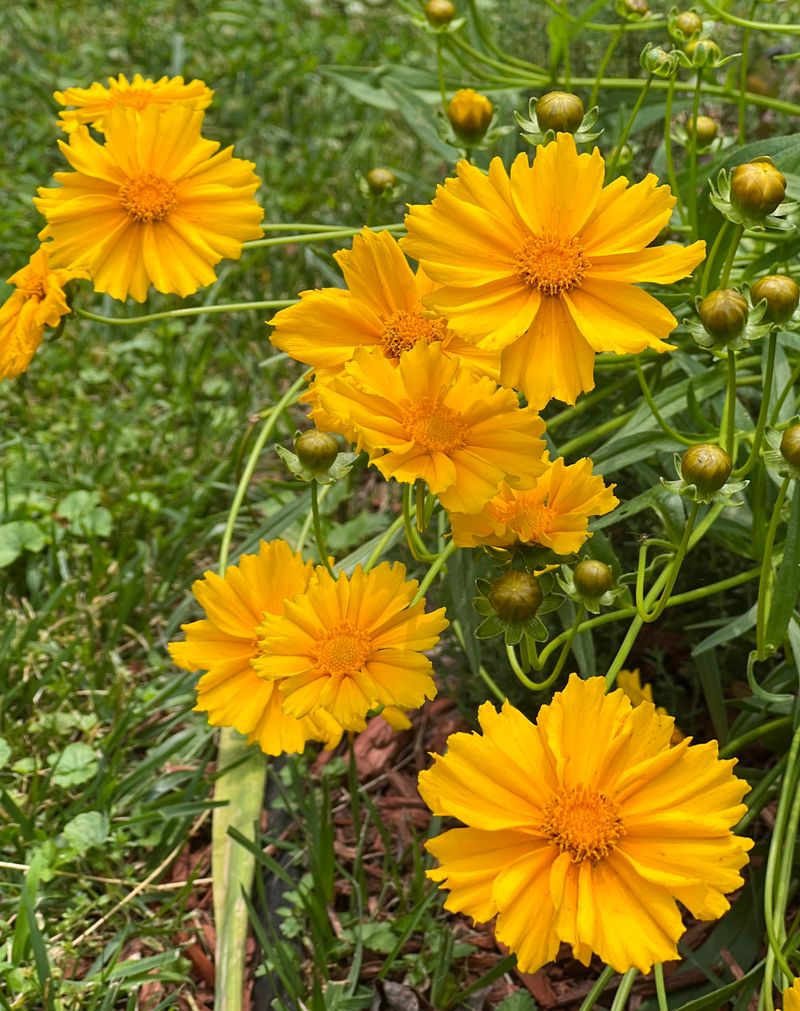
A wilting shrub planted right next to a sun-baked concrete driveway, leaves curling by ten in the morning, roots cooking in dry sandy soil, is a plant that was probably beautiful at the nursery.
But nobody checked whether it could handle full blazing Florida sun, reflected heat, and fast-draining soil with almost no organic matter.
That one mismatch created a chain reaction of problems that no amount of watering or fertilizer could fully fix.
Right plant right place is the single most powerful landscaping decision a Florida homeowner can make.
According to UF IFAS Extension, Florida-Friendly Landscaping starts with matching plants to the specific conditions of each spot in your yard.
That means checking sun exposure, soil type, drainage patterns, wind exposure, and the mature size of the plant before it ever goes in the ground.
Sandy Florida soils drain fast and hold little moisture. Low spots stay soggy after summer storms. Shade from a big oak shifts seasonally. All of these details matter.
Native and Florida-adapted plants are built for these exact conditions.
They have evolved or been selected to handle heat, humidity, sandy soil, and periods of drought without constant help from a homeowner dragging a hose across the lawn.
Choosing a plant that already fits the site is not a shortcut. It is the smartest yard investment available.
Every section below shows exactly how this one decision ripples outward and makes watering, pest control, fertilizing, pruning, and drainage management significantly easier over time.
Water Needs Drop Fast
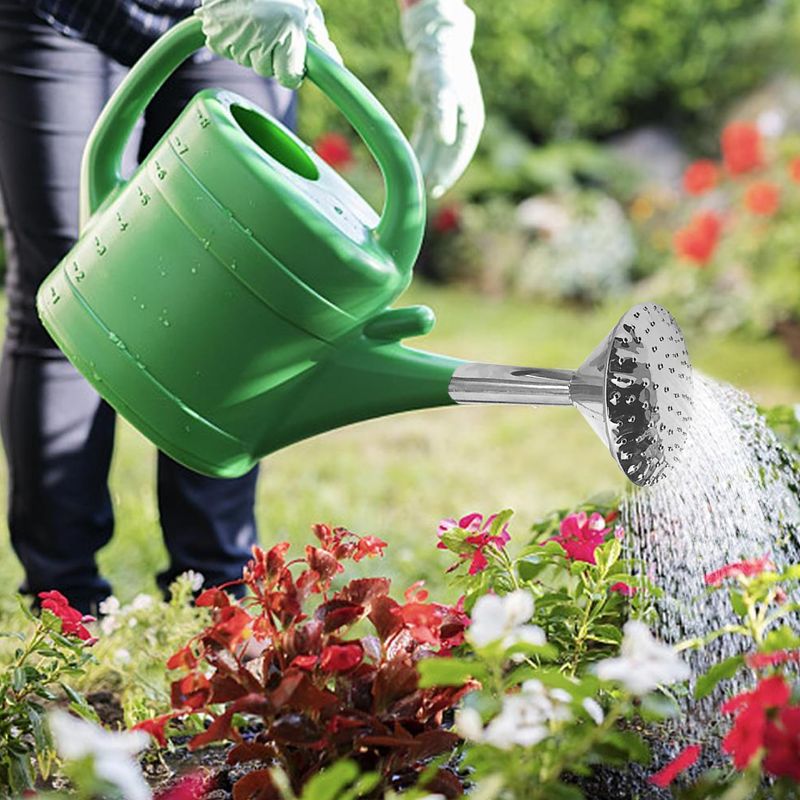
A newly planted shrub in the wrong spot becomes an irrigation project that never ends.
It wilts by noon, perks up after watering, wilts again the next day, and the cycle repeats all summer because the plant is spending its energy managing stress rather than building roots.
A plant matched to its site behaves completely differently.
Once established, it uses the natural rainfall pattern of Florida rather than fighting it.
Your Florida Garden Changes Every Week. Your Plan Should Too.
Gardening in Florida changes quickly throughout the season. Every Friday you’ll receive a simple weekly plan showing exactly what to plant, prune, fertilize, harvest, and protect so you never miss the right timing.
UF IFAS Extension notes that right plant right place is one of the core principles behind reducing irrigation in home landscapes.
A drought-tolerant native planted in a dry, sunny spot in Central or South Florida develops deep roots that reach moisture well below the surface.
It might need supplemental watering every week during the first summer and then almost nothing after that.
A moisture-loving plant placed in a naturally wet low spot in the yard uses what is already there.
Rain gardens planted with species like swamp rose mallow or native sedges can handle the wet-dry cycle of a Florida storm pattern without any irrigation system involvement at all.
The water savings are real, and they compound over time.
A yard full of plants matched to their conditions can use significantly less irrigation water than a yard where every plant is fighting its spot.
Less irrigation also means lower water bills, less runoff from overwatering, and far fewer emergency sessions with a hose on a hot Thursday afternoon when everything looks like it is about to give up.
Pest Pressure Gets Easier
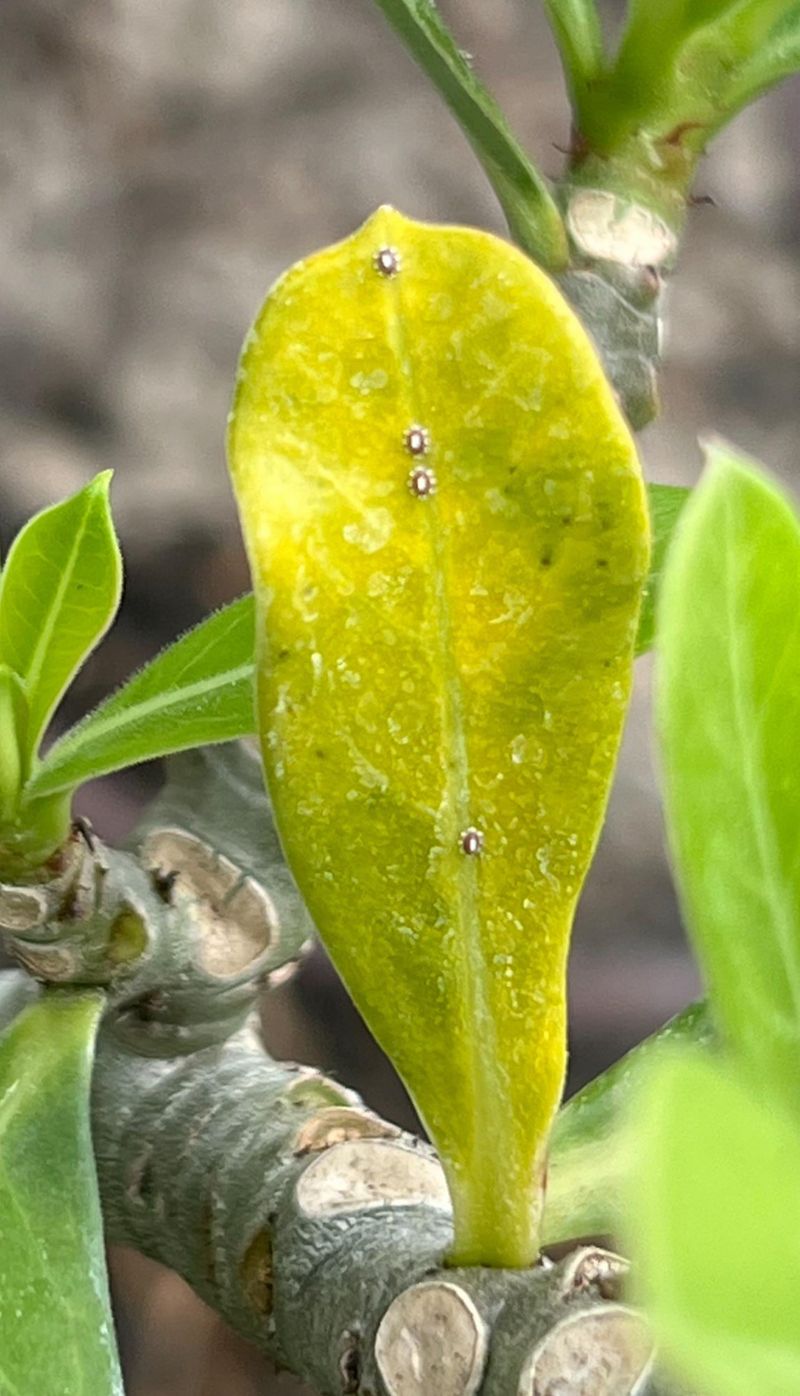
A stressed plant is an invitation.
Insects and fungal pathogens find weakened, struggling plants first because those plants cannot mount the same chemical and structural defenses that healthy, well-matched plants produce naturally.
A shrub constantly fighting heat, drought, or soggy roots is far more attractive to scale insects, aphids, and root rot pathogens than a thriving plant growing in conditions it was built for.
UF IFAS Extension pest management guidance consistently emphasizes plant health as the foundation of any pest management approach.
Healthy plants in the right spot tolerate some pest pressure without significant damage, while the same pest load on a stressed plant can spiral into a serious problem quickly.
Florida-native plants paired with their natural habitat conditions also tend to attract beneficial insects that keep pest populations in check.
A yard with healthy, site-matched native plantings builds its own pest management system over time.
Predatory insects, parasitic wasps, and insect-eating birds all move through yards where plants are thriving rather than struggling.
Reducing plant stress by getting the planting decision right reduces the need for pesticide applications.
That matters for the whole yard ecosystem, including pollinators, birds, and soil biology.
A Florida homeowner who spends less time spraying has more time to actually enjoy the yard, which was the point all along.
Fertilizer Stays More Sensible
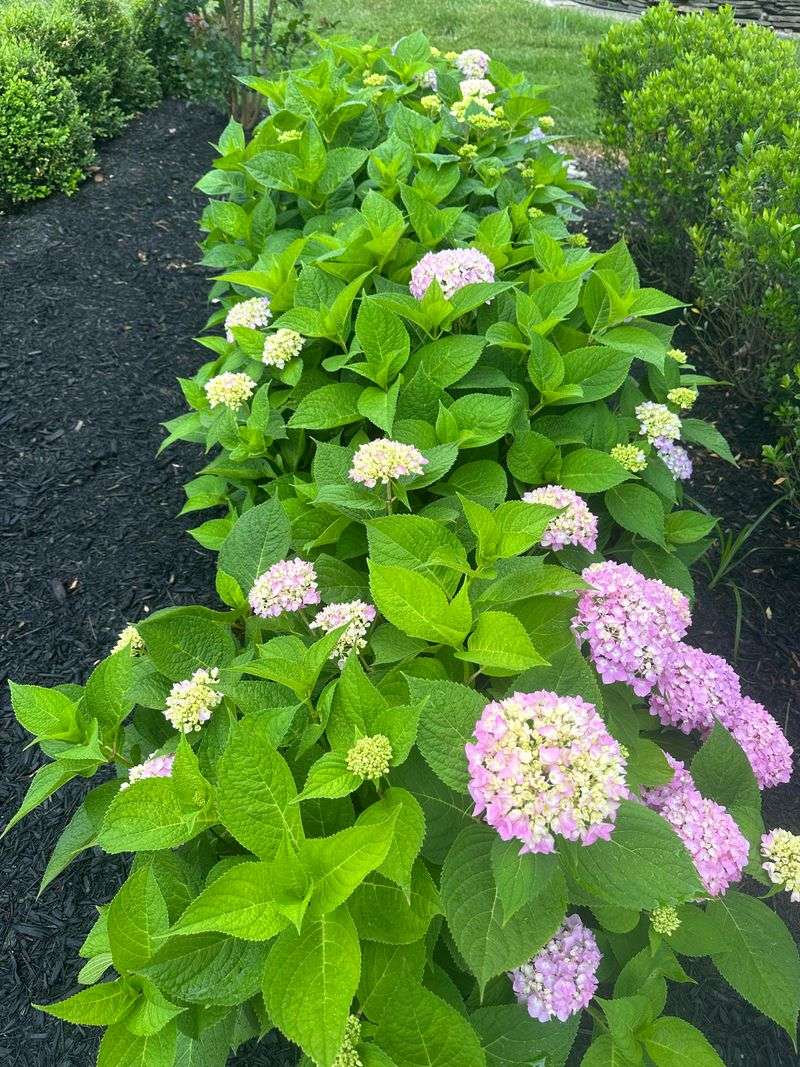
A plant in the wrong spot is a plant you fertilize out of desperation.
The leaves look pale, the growth is slow, and the most natural response is to pour something on the roots and hope it helps.
Sometimes it does. Often it creates a new problem while the original mismatch remains unaddressed.
Overfertilizing Florida landscapes is one of the most common homeowner mistakes, and it frequently starts with a plant that was never right for its location.
UF IFAS Extension Florida-Friendly Landscaping guidance places fertilizing as one of the last tools to reach for, not the first.
A plant matched to its soil type and sun exposure gets what it needs from the site itself.
Florida’s native plants are often adapted to nutrient-poor sandy soils and can perform beautifully without supplemental feeding once established.
Pouring fertilizer onto a plant that is struggling because of poor drainage, too much shade, or the wrong soil pH does not fix the underlying problem.
It can also cause fertilizer runoff into Florida’s waterways, which is a serious environmental concern across the state.
Excess nitrogen and phosphorus washing from residential landscapes into lakes, springs, and coastal waters contributes to algae blooms and water quality decline.
Getting the planting decision right reduces the temptation to compensate with fertilizer, keeps applications sensible and targeted, and protects the water resources that make Florida worth living in.
Roots Handle The Site Better
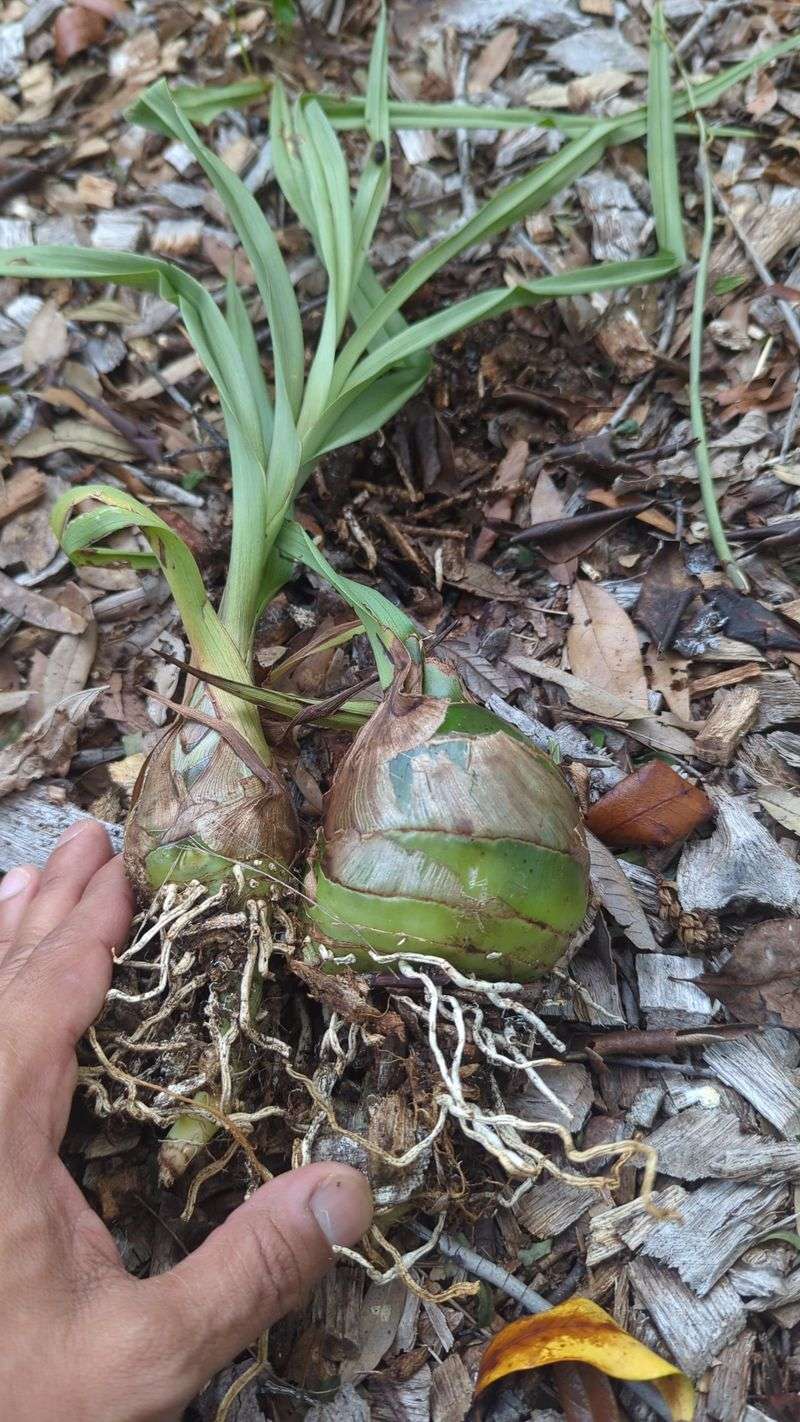
Roots tell the honest story about whether a plant belongs in a spot.
A plant placed in well-drained sandy soil with a root system that craves consistent moisture will always be struggling underground, even on mornings when the canopy looks fine.
A plant placed in a low, wet spot with roots that need oxygen will slowly decline as the waterlogged soil suffocates the root zone over weeks and months.
Florida’s soil diversity makes root-site matching especially important.
The sandy, fast-draining soils common across Central and North Florida have almost no water-holding capacity.
Plants that need consistent moisture in these locations require constant irrigation or quickly show stress.
The wet low spots that appear in every Florida yard after a summer storm are not drainage failures to be disguised. They are locations waiting for the right plant.
Native species like pickeral weed, blue flag iris, and bald cypress are built for exactly this kind of site.
Their roots handle seasonal flooding and extended wet periods without the root rot that would kill a poorly chosen ornamental in the same spot.
UF IFAS Extension rain garden guidance is clear that plant selection for wet sites should prioritize species adapted to saturated conditions rather than trying to drain the site to fit a plant that was never right for it.
Matching roots to site is the underground half of right plant right place, and it is every bit as important as what you see above ground.
Pruning Becomes Less Constant
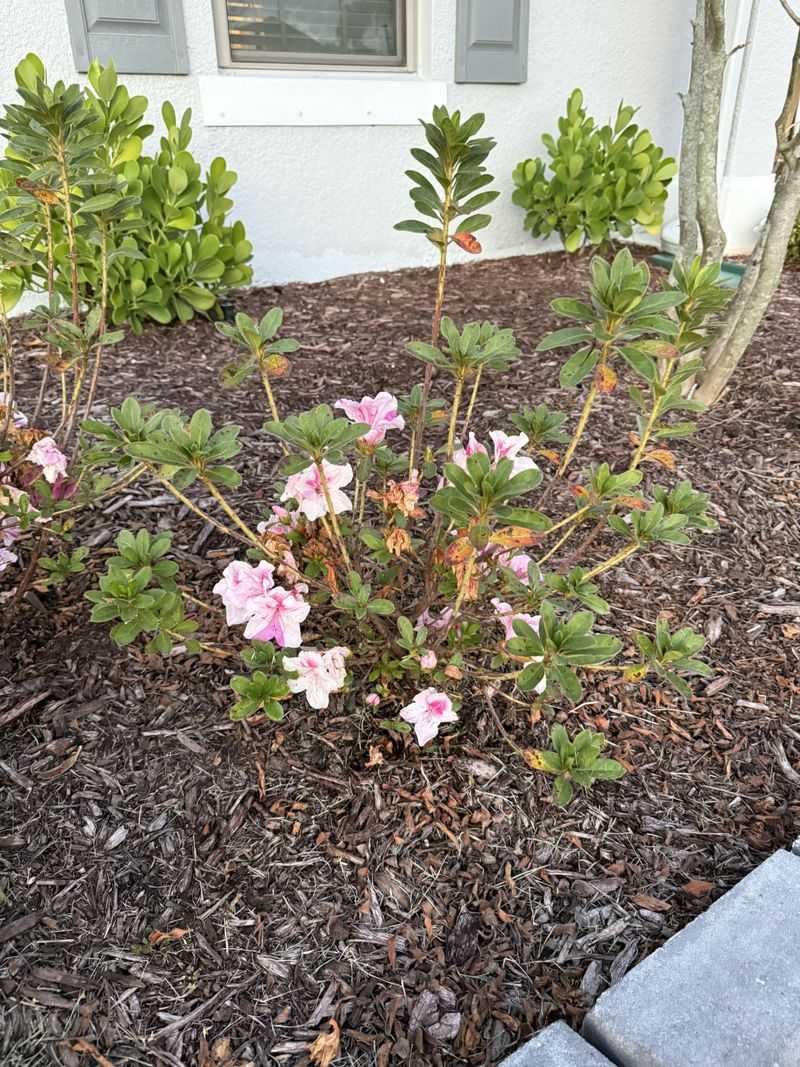
A shrub that needs pruning four times a year to keep it from swallowing a walkway was planted too close or chosen for the wrong size.
That is the honest diagnosis behind most of Florida’s chronic overpruning situations.
Wrong-plant wrong-place problems often reveal themselves through constant maintenance battles that never quite resolve because the underlying mismatch never gets addressed.
A mature firebush planted three feet from a front door in full sun will always be working against the space it was given.
A compact, slow-growing native shrub chosen with the mature size in mind and planted with enough room to grow naturally needs almost no pruning at all.
UF IFAS Extension Florida-Friendly Landscaping guidance specifically addresses plant size as a key factor in right plant right place decisions.
Checking the mature height and spread of a plant at the nursery, not just the size of the pot it comes in, is one of the most consequential thirty seconds a Florida homeowner can spend before making a purchase.
A yard with plants sized correctly for their locations stays tidier with minimal intervention.
No fighting back the hedge every six weeks. No battling a tree root lifting a sidewalk that someone should have seen coming years ago. No watching a beautiful plant get sheared into a lollipop shape because someone needed to see over it.
The pruning pressure drops dramatically when the plants were chosen for where they actually live.