More Geckos Around Your Texas Porch Means Fewer Roaches (Here’s How To Attract Them)
Geckos on a Texas porch used to catch people off guard. These days, most Texans know exactly what they’re looking at when they spot one clinging to the wall near the porch light, and a lot of them have come to appreciate the company.
Because geckos are not just interesting to watch. They’re working. And one of the things they work on most enthusiastically is exactly the pest most Texas homeowners least want around their porch.
Geckos eat roaches. Reliably, nightly, and with impressive dedication. A gecko that claims your porch as its hunting territory will make a noticeable dent in the local roach population, targeting them right in the zone where roaches are most active after dark.
No chemicals, no traps, no ongoing maintenance. Just a small, harmless reptile doing exactly what it was built to do.
The good news is that attracting geckos to your Texas porch is genuinely straightforward once you understand what they need.
1. Let Geckos Hunt The Small Roaches Emerging After Dark
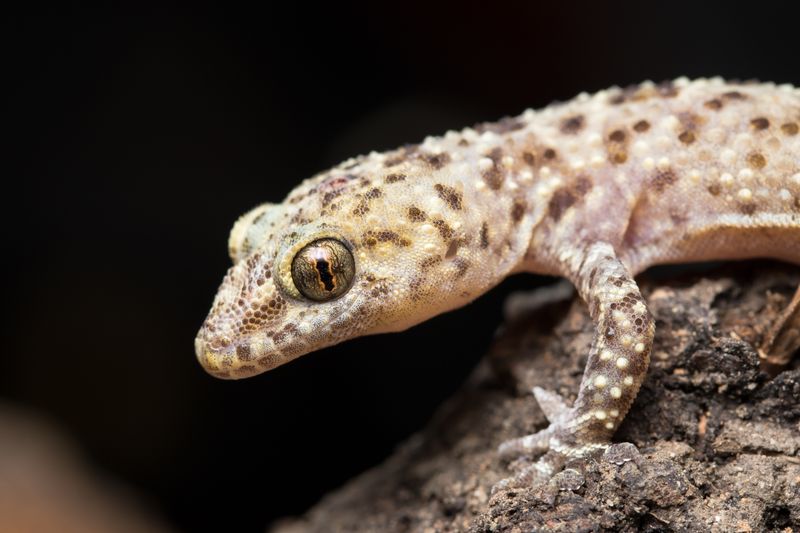
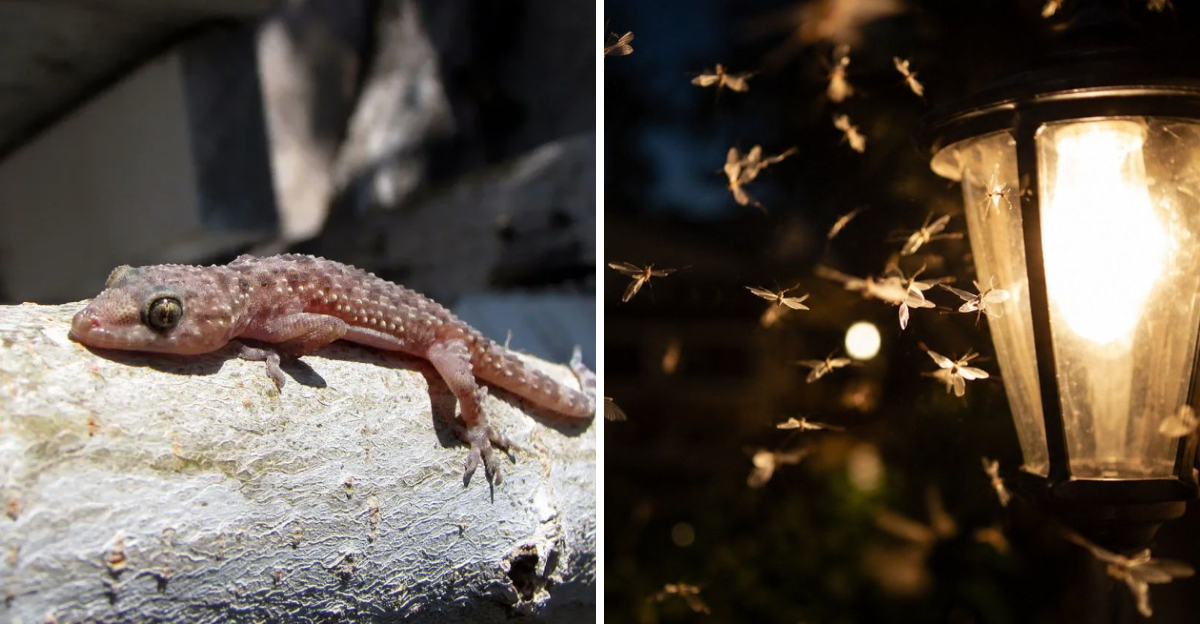
Watching a gecko snatch a roach off your porch wall is one of nature’s most satisfying pest-control moments. Mediterranean house geckos and common house geckos are the species you are most likely to see on Texas porches, and both are active after sundown.
They are built for nighttime hunting, with sticky toe pads for climbing walls and large eyes designed for low-light conditions.
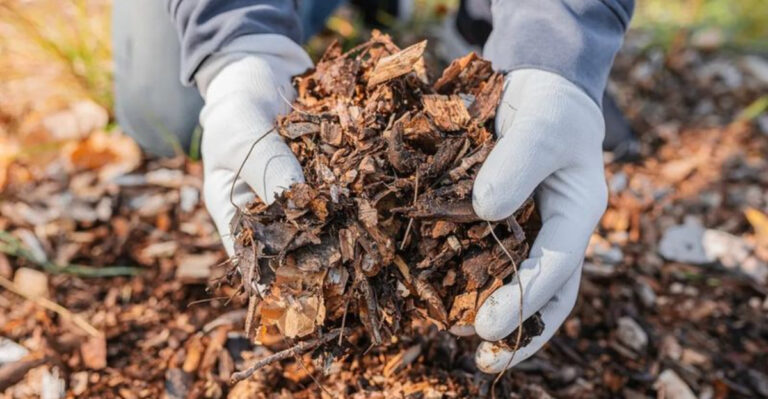
Studies of Mediterranean house geckos have confirmed that cockroaches are a regular part of their diet. Small roaches that slip out from under siding, mulch, or potted plants after dark become easy targets for a patient gecko on patrol.
A single gecko can eat dozens of insects in one night, making them far more efficient than most traps or sprays.
The best thing you can do is simply leave outdoor geckos alone. Avoid shooing them off walls or relocating them to other areas.
Let them pick their own hunting spots, and they will naturally focus on the areas where insects are most active. If you have children or pets, teach them to observe geckos without touching or chasing them, since stress causes the lizards to flee and find safer territory.
Geckos tend to return to the same walls and corners night after night if they feel undisturbed. Over time, a small group of geckos can establish a regular patrol route around your porch.
That consistent presence creates a natural buffer against roaches and other insects. Respecting their space is the simplest and most effective first step toward building a gecko-friendly yard.
2. Maintain One Modest Porch-Light Hunting Area
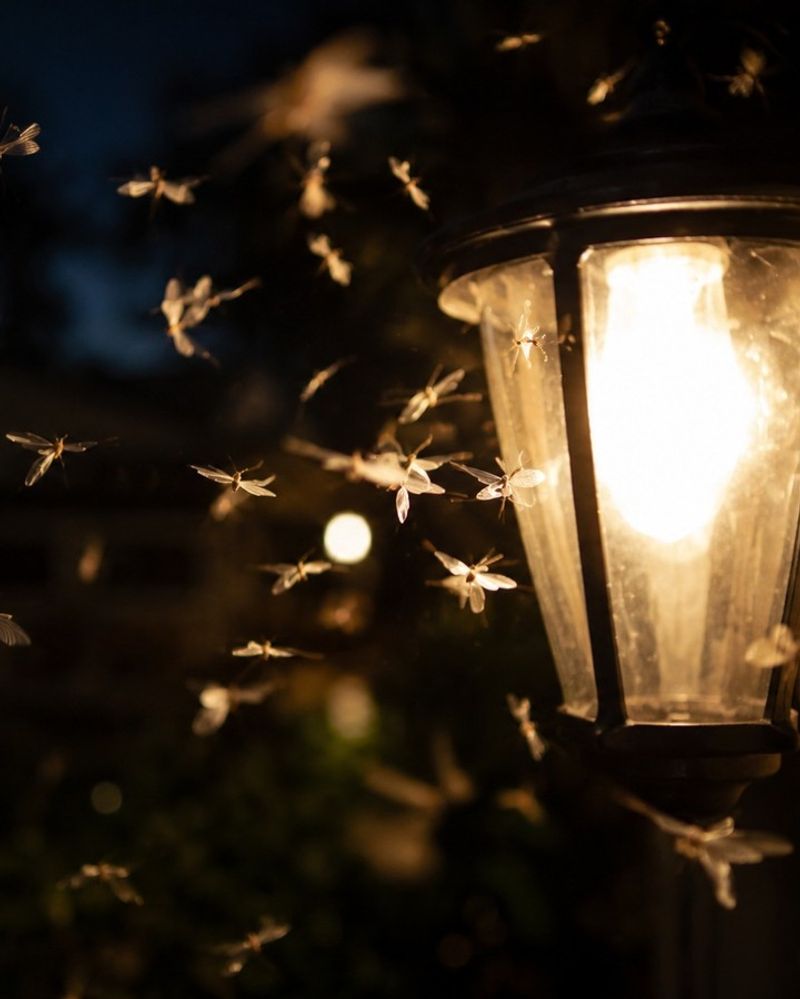
Light is basically a gecko’s version of a dinner bell. When a porch light turns on at night, moths, flies, gnats, and roaches are drawn toward the glow.
Geckos learn this quickly and position themselves near the light source to pick off insects as they arrive. It is a smart hunting strategy, and it works remarkably well.
You do not need to install extra lighting or flood your yard with bright bulbs. One existing shielded porch light is enough to create a reliable hunting station.
Your Texas Garden Changes Every Week. Your Plan Should Too.
Gardening in Texas changes quickly throughout the season. Every Friday you’ll receive a simple weekly plan showing exactly what to plant, prune, fertilize, harvest, and protect so you never miss the right timing.
The key word here is shielded, meaning a light with a cover or housing that directs the glow toward your wall or door rather than scattering it in every direction. That focused light draws insects to a specific spot, making it easier for geckos to hunt efficiently.
Avoid switching to very bright white or blue-toned LED bulbs, since those attract far more insects than warm-toned bulbs and can overwhelm the area. A warm amber or yellow bulb still draws enough insects to feed a gecko without turning your porch into a bug magnet.
Motion-sensor lights are less useful for geckos because the constant switching disrupts their hunting patterns.
Keep the light on a consistent schedule if possible. Geckos are creatures of habit and will return to the same lit wall night after night once they associate it with a reliable food source.
Clean the light fixture occasionally to remove dead insects that pile up, since those can attract other pests. One steady, modest light is genuinely all you need to create a productive gecko hunting zone on your porch.
3. Stop Blanket-Spraying The Porch With Broad-Spectrum Insecticides
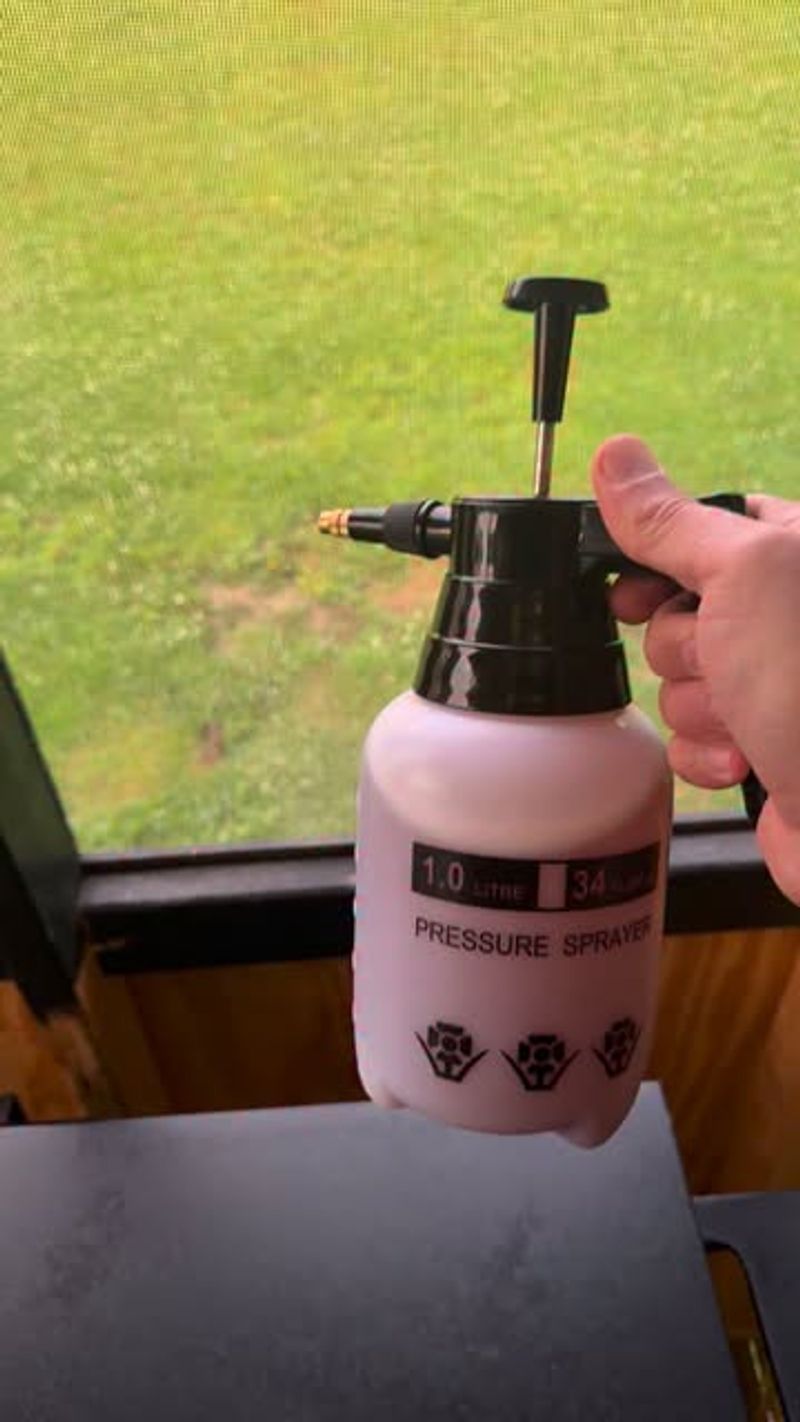
Broad-spectrum insecticides are designed to clear out as many insects as possible, and that is exactly the problem when you want geckos around. Spray the porch every week, and you are removing the food supply that keeps geckos coming back.
A gecko that cannot find insects on your porch will simply move to a neighbor’s yard where hunting is better.
Beyond reducing the food supply, residual insecticide sprays can directly harm lizards. Geckos walk across treated surfaces and absorb chemicals through their skin and feet.
They also ingest pesticides when they eat insects that have been exposed to sprays. Texas Parks and Wildlife recommends creating landscapes that use fewer pesticides to support beneficial wildlife, and geckos fall squarely into that category.
The smarter approach is integrated pest management, which means targeting specific serious pest problems rather than spraying everything on a schedule.
If you have a roach problem inside the home, use targeted baits or gel treatments in cracks and corners rather than spraying the entire exterior.
Sticky traps, door sweeps, and sealed entry points handle indoor roach issues without affecting the outdoor gecko habitat you are trying to build.
Cutting back on pesticide use does not mean accepting a bug-infested porch. It means being selective about what you treat and how.
Reserve chemical treatments for genuine infestations, and let the geckos handle the routine nighttime insect traffic.
Over a single season, homeowners who reduce porch spraying often notice a meaningful increase in gecko activity, along with a noticeable drop in the number of roaches they see crawling around after dark.
4. Add Native Shrubs And Bunchgrasses Near But Not Against The Porch

Native plants do a lot more than just look good in a Texas yard. They support a layered food web that starts with insects and ends with the geckos, birds, and other wildlife that eat them.
When you plant regionally appropriate grasses, shrubs, and small trees near your porch, you are essentially setting up a full ecosystem that keeps geckos fed and sheltered all year long.
Texas Parks and Wildlife specifically points to native bunchgrasses and layered vegetation as valuable shelter for lizards and small wildlife.
Bunchgrasses like little bluestem or Gulf muhly provide dense clumps that geckos can hide in during the day and retreat to when startled at night.
Low native shrubs like inland sea oats or flame acanthus offer additional cover while also hosting the insects that geckos prefer to eat.
The placement of these plants matters just as much as the plant selection. Keep vegetation at least two to three feet away from your home’s foundation and siding.
Plants pressed directly against the house can trap moisture, encourage wood rot, and create easy pathways for roaches and other pests to enter. A small gap between the planting bed and the structure also makes it easier to inspect for pest activity.
You do not need a large yard to make this work. Even a narrow strip of native plants along a fence line or garden border can attract enough insect activity to keep geckos interested.
Start with two or three native species that are known to thrive in your specific region of Texas, and expand from there as you see results. The investment in native plants pays off in reduced pest pressure and a livelier backyard.
5. Create Intentional Daytime Hiding Places Outdoors
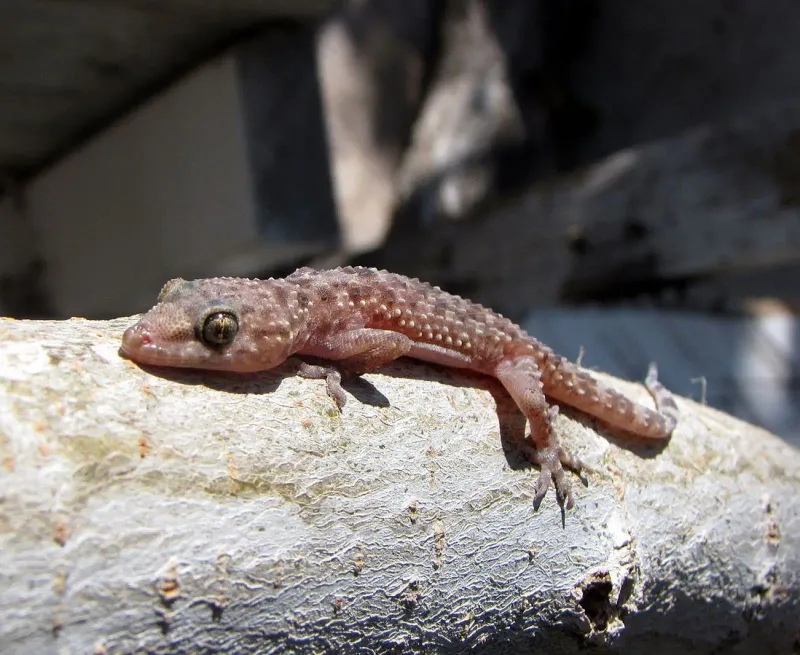
Geckos are nighttime hunters, but they spend their days hiding. Without safe, cool daytime retreats, they will look for shelter somewhere else, and that somewhere else is often inside your walls or under your siding.
Giving them dedicated outdoor hiding spots keeps them in the yard where you want them and out of places where they might accidentally get inside your home.
Flat rocks with narrow gaps are one of the easiest and most natural shelters you can provide. Stack two or three flat stones so there is a thin space underneath, just wide enough for a gecko to slip in.
The rock absorbs warmth during the morning and stays cool on its underside, creating the kind of temperature variation geckos actively seek out during the day. Place these in a quiet corner of the yard that does not get heavy foot traffic.
A chipped clay flowerpot turned upside down also makes an excellent gecko hideout. Prop one edge slightly off the ground using a small pebble so there is a gap just wide enough for a gecko to enter.
Texas Parks and Wildlife recommends partially opened inverted pots as shelter options for reptiles and small animals. A small brush pile of dry sticks and leaves works similarly, giving geckos a dark, undisturbed space to rest.
Avoid building unstable piles that could collapse and trap an animal. Keep shelters away from areas where dogs or cats roam, since curious pets can disrupt gecko activity.
Once geckos discover these spots, they will use them consistently. Check the shelters occasionally during the day, and you may catch a gecko resting inside, which means your habitat setup is working exactly as intended.
6. Give Geckos Outdoor Shelter Without Leaving Openings Into The House
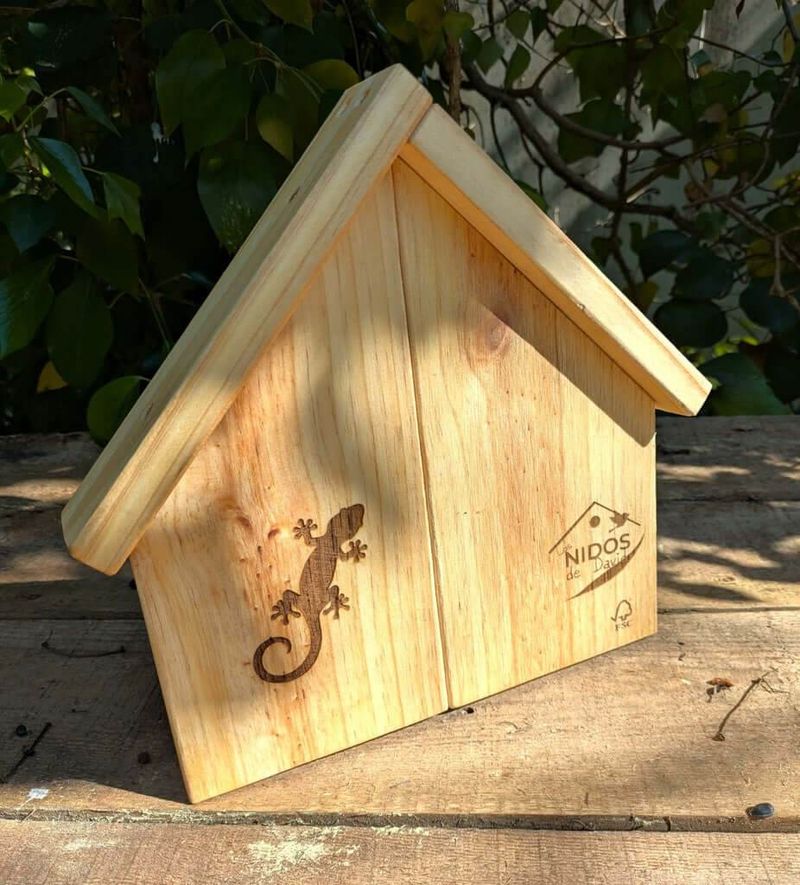
There is a common mistake some homeowners make when they try to attract geckos: they leave cracks in siding, gaps around doorframes, or holes near the foundation open on purpose, thinking it helps the lizards. It does not.
Those openings invite roaches, spiders, and moisture into your home just as easily as they shelter a gecko. Texas A&M recommends replacing worn weatherstripping and sealing exterior gaps that house geckos use to enter structures.
The goal is to keep geckos outside and roaches outside too. A well-sealed home exterior does both at once.
Walk around the outside of your home and look for gaps where pipes enter the wall, spaces under door thresholds, cracks in brick mortar, and any spot where siding does not sit flush.
Seal these with caulk, foam backer rod, or new weatherstripping depending on the gap type. Hardware stores carry all of these materials at low cost.
Once the home is sealed, you can create separate shelter in the landscape specifically for geckos. The flat rocks, inverted pots, and brush piles mentioned in the previous section are perfect for this.
Geckos adapt quickly and will use outdoor shelters without needing access to your walls or foundation. They are flexible animals that respond well to intentional habitat design.
Keeping the home sealed also makes your gecko-friendly yard more effective overall. When roaches cannot slip inside through cracks, they stay outside where geckos can hunt them.
You end up with a natural cycle that works in your favor: geckos patrol the exterior, roaches get eaten before they find a way in, and your home stays pest-resistant without heavy chemical use. Sealing gaps is the final piece that makes the whole system function properly.