Why Fig Beetles Are Swarming Texas Fruit Trees This Summer (And How To Protect The Harvest)
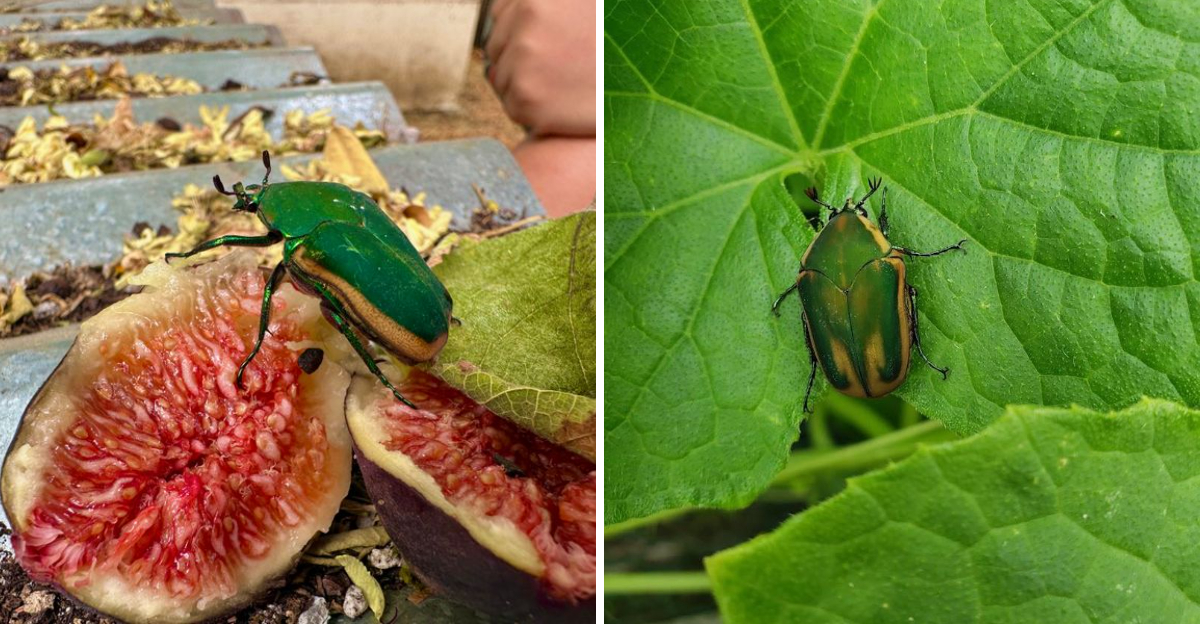
Texas fruit trees are getting a very noisy summer visitor.
You hear the buzz before you see the beetle. Low, heavy, almost like a tiny lawn mower circling the figs.
Then the metallic green flash lands on soft fruit, and suddenly the harvest feels less secure.
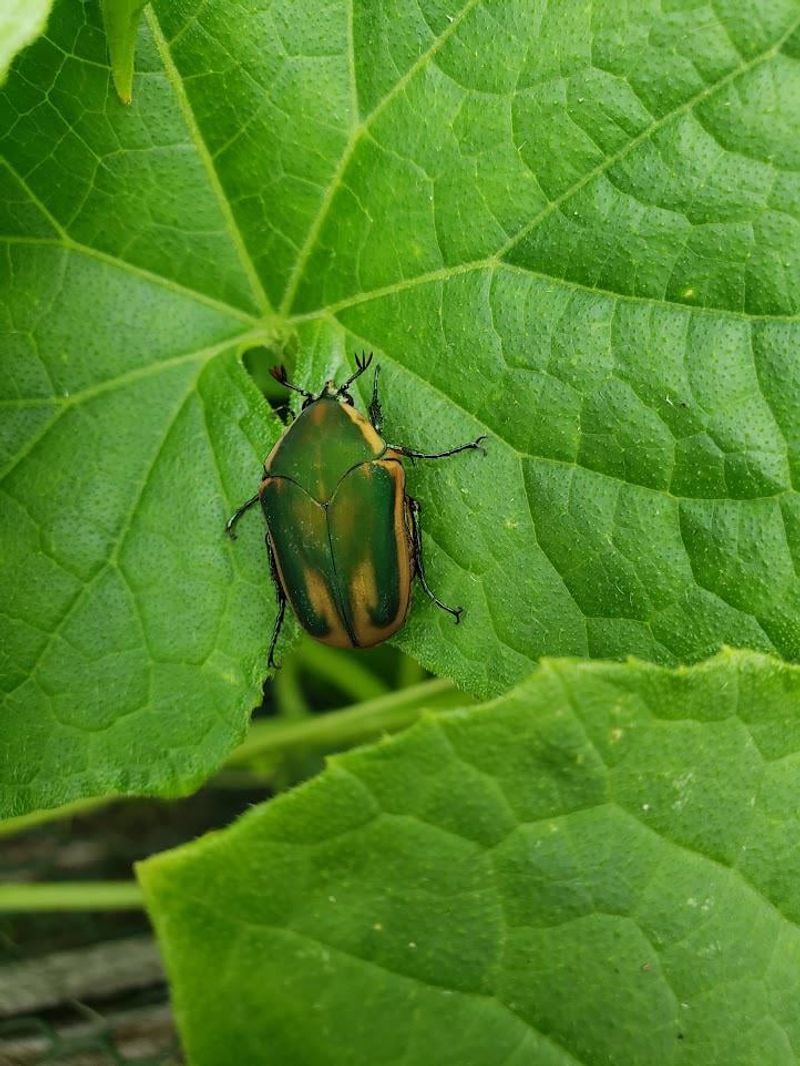
Fig beetles, often called green June beetles, are not subtle guests. They show up when fruit turns sweet, soft, and easy to chew, which makes figs, peaches, plums, grapes, and overripe garden fruit especially tempting.
The frustrating part is how fast they find the good stuff.
One split fig can turn into a beetle party before breakfast, and nobody planted that tree for a bug buffet.
So why are they swarming Texas fruit trees this summer, and what can you do before they ruin the best fruit?
Start with timing, sanitation, quick harvests, and a few simple barriers. The goal is not panic. It is protecting the sweetest part of the season.
Ripe Fruit Starts The Rush
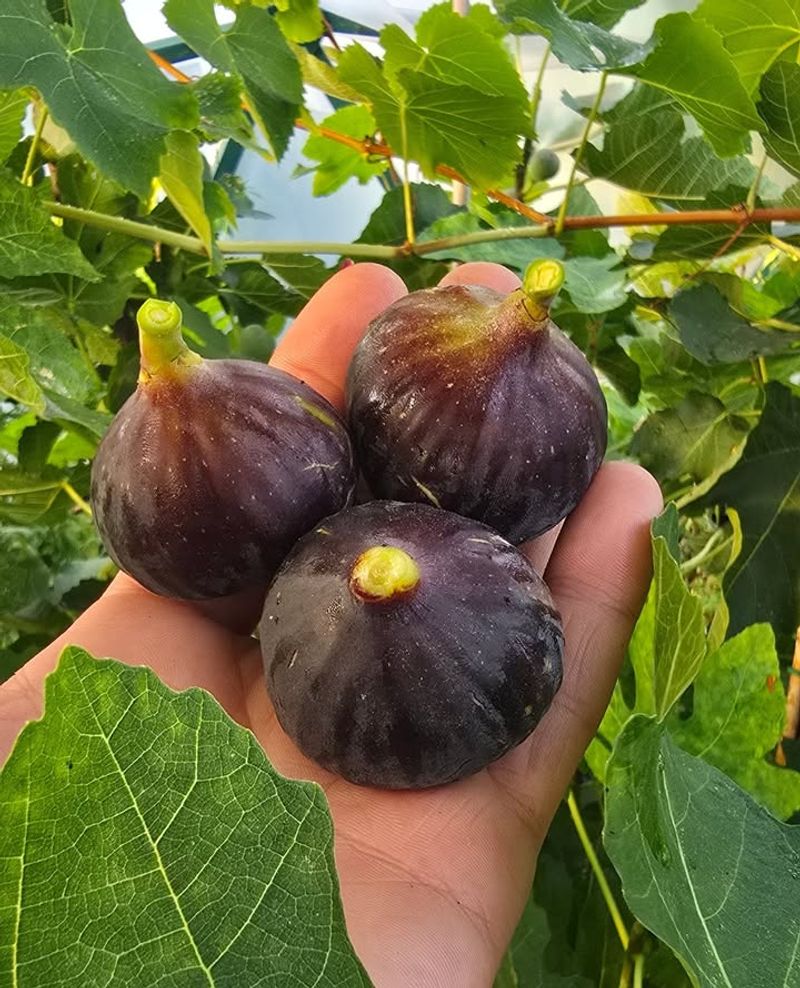
A soft fig hanging low on the branch is practically sending out an invitation.
Fig beetles, known scientifically as Cotinis nitida, have an incredibly sharp sense of smell, and ripe fruit is one of their strongest lures.
According to Texas A&M AgriLife Extension, these beetles are naturally drawn to fruit that has reached peak ripeness, especially when sugars are high and the skin begins to soften.
Ripe figs, peaches, and grapes release sweet, fruity aromas that carry easily through warm Texas summer air.
Beetles pick up these scents from surprising distances and zero in fast. Once one beetle finds a food source, others follow quickly. What starts as a single visitor can become a buzzing crowd within hours.
The real problem is not just the feeding itself.
When beetles chew into fruit, they open wounds that allow bacteria and mold to move in, ruining fruit that might have otherwise been saved. A fig that looked perfect in the morning can be hollowed out by afternoon.
Harvesting fruit as soon as it reaches maturity is one of the most effective tools you have.
Check your trees every single day during peak summer ripening. Pick fruit slightly before full softness if beetles are already active nearby.
Ripe fruit left on the tree even one extra day gives beetles a bigger window to move in and ruin the harvest you have been patiently waiting for all season.
Split Skins Draw Them In
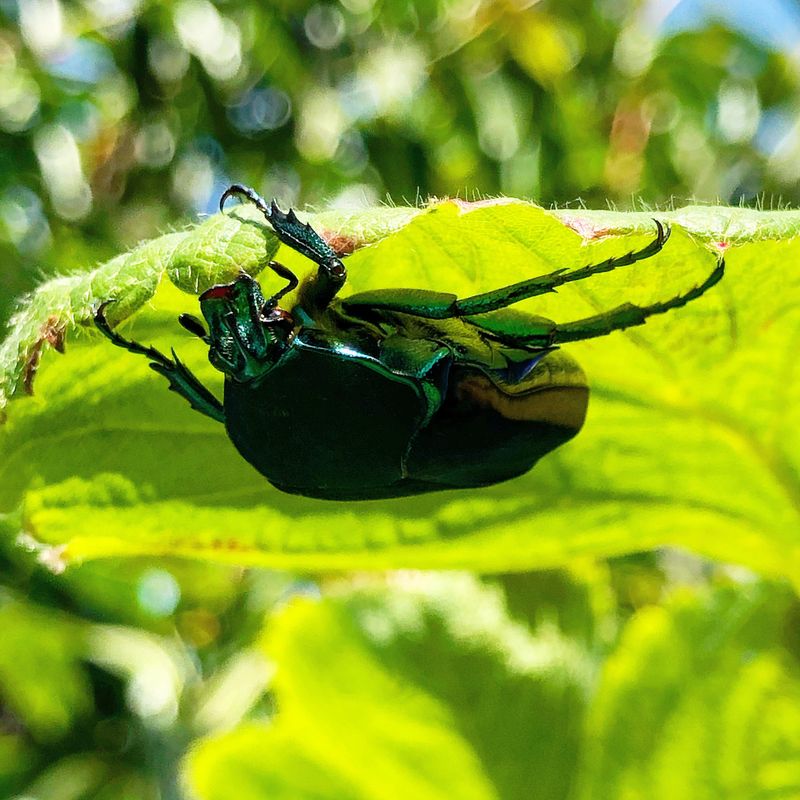
A buzzing sound near the grapevines is often the first sign that something is wrong.
Fig beetles are especially attracted to fruit with broken or cracked skin, because those splits release a powerful burst of fermentation scent that beetles find almost impossible to resist.
Texas A&M AgriLife Extension notes that damaged fruit is a primary magnet for these insects during hot summer months.
Cracked skin happens for several reasons.
Uneven watering, heavy rain after a dry spell, and natural fruit growth can all cause skin to split. Once the interior flesh is exposed to air, fermentation begins almost immediately in Texas summer heat.
Your Texas Garden Changes Every Week. Your Plan Should Too.
Gardening in Texas changes quickly throughout the season. Every Friday you’ll receive a simple weekly plan showing exactly what to plant, prune, fertilize, harvest, and protect so you never miss the right timing.
That fermenting sugar smell is like a signal flare for fig beetles flying overhead.
Peaches are especially vulnerable because their skin is thin and prone to cracking near the stem end.
Figs can split at the base when they are overripe. Grapes crack easily after rain. Any of these situations creates a beetle-friendly feeding opportunity that is hard to interrupt once it starts.
Remove any split fruit immediately, even if it looks mostly fine.
Do not leave cracked fruit on the tree hoping it will recover. Bag it, compost it away from the orchard, or use it right away.
Removing damaged fruit quickly cuts off the fermentation scent that keeps pulling more beetles into your garden throughout the summer.
Fallen Fruit Keeps Them Close
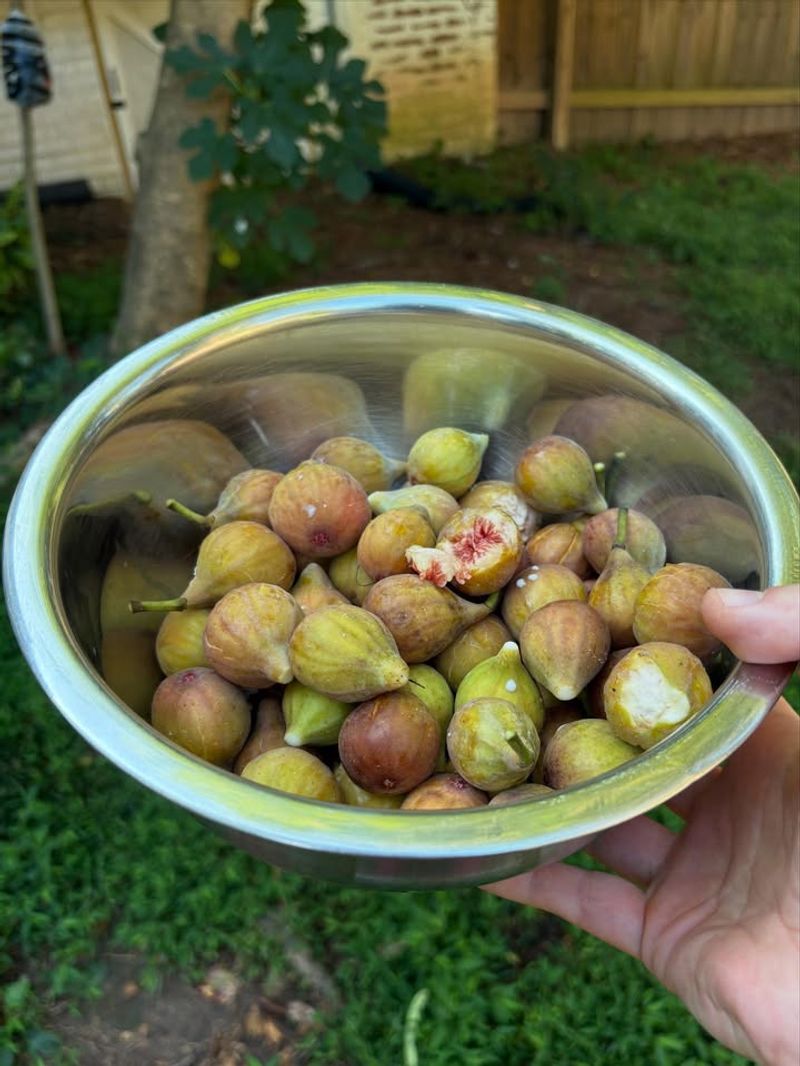
Fallen fruit under a tree is one of the most overlooked reasons beetles keep returning to the same spot day after day.
Once a fig or peach hits the ground and begins to soften, it ferments quickly in the Texas summer heat.
That fermenting fruit on the ground becomes a steady food source that keeps beetles active and nearby, even after you have harvested most of the fruit above.
Texas A&M AgriLife Extension consistently emphasizes orchard sanitation as one of the best defenses against fruit pests.
Leaving fallen fruit on the ground is essentially setting out a welcome mat for beetles. They feed on the dropped fruit, breed nearby, and then move up into the tree to find more.
Sanitation does not have to be complicated.
Walk beneath your trees every morning and collect anything that has dropped overnight. Use a bucket or bag to gather the fallen fruit and dispose of it well away from the garden.
Composting fallen fruit near the tree just moves the problem a few feet away, so take it farther out or seal it in a bag for trash pickup.
Keeping the ground clean also reduces moisture and decay that can attract other pests and diseases.
Daily ground cleanup takes only a few minutes and makes a noticeable difference in how many beetles are drawn back to your trees the following day.
Warm Weather Speeds Activity
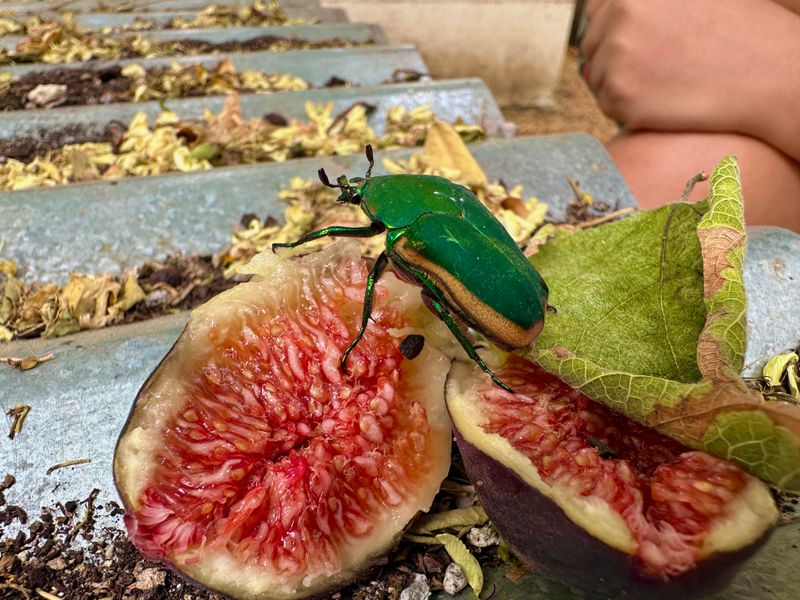
Summer in Texas is no joke, and fig beetles thrive in it.
Green June beetles are most active when temperatures climb above 85 degrees Fahrenheit, which describes most of June, July, and August across the Lone Star State.
The heat speeds up their metabolism, increases their flight range, and accelerates the ripening of fruit all at the same time, creating a perfect storm for fruit loss.
Texas A&M AgriLife Extension points out that green June beetles are strong fliers and can cover significant ground during warm afternoons.
Peak beetle activity typically runs from mid-morning through early afternoon on hot days. You will often hear them before you see them, that distinctive low buzz cutting through the summer air near your trees.
Humidity adds another layer to the problem.
Warm, humid conditions speed up fruit fermentation, which only increases the attractiveness of ripe or fallen fruit.
Coastal and central Texas gardeners often notice heavier beetle pressure on particularly muggy days because scents travel farther in moist air.
Schedule your harvest walks for early morning before beetle activity peaks. Water your trees consistently to reduce stress cracking from uneven moisture.
Avoid letting fruit hang past its prime during the hottest weeks of summer. A little extra attention to timing during a Texas heat wave can save a surprising amount of fruit that might otherwise end up as a beetle buffet.
Pick Fruit Before It Softens
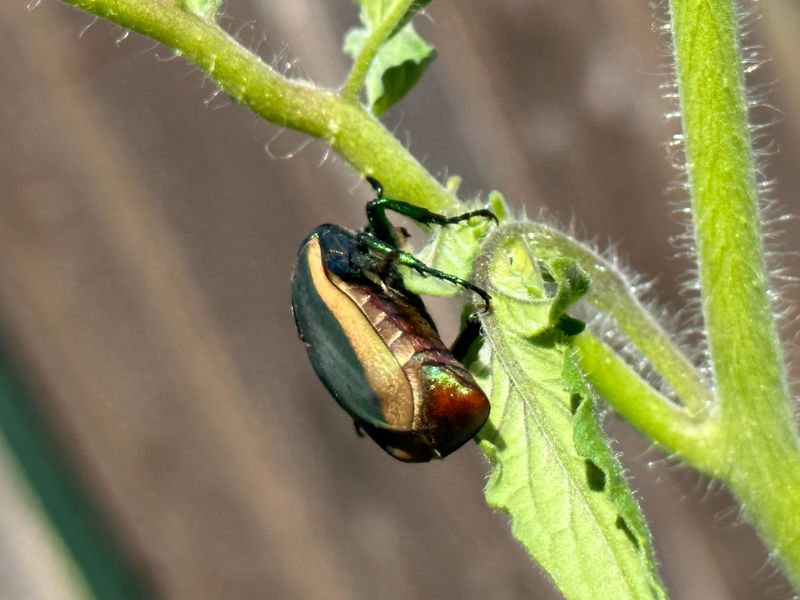
Early morning is the best time to be in your orchard with a picking basket.
Harvesting fruit before it reaches full softness is one of the most practical strategies Texas A&M AgriLife Extension recommends for reducing beetle damage.
Slightly underripe fruit does not release the same strong fermentation scents that draw beetles in, which means you get to enjoy the harvest instead of watching beetles enjoy it first.
For figs, this means picking when the fruit droops slightly and the skin shows full color but has not yet begun to wrinkle or soften at the base.
Peaches can be picked when they give just a little under gentle pressure. Grapes should be harvested cluster by cluster as they reach sugar levels you are happy with, rather than waiting for every grape to be perfect.
Letting fruit ripen indoors or in a shaded spot away from the tree is a reasonable trade-off during heavy beetle seasons.
A fig picked one day early and ripened on the counter is far better than one left for the beetles.
Keeping a close harvest schedule also helps you stay ahead of the curve.
Mark your calendar when fruit first begins to color and plan for daily checks from that point forward.
Consistent, timely picking is genuinely one of the most fruit-saving habits a Texas gardener can build during a hot summer season.
Clean The Ground Daily
There is something almost satisfying about a clean orchard floor.
Keeping the ground beneath your fruit trees free of dropped and decaying fruit is one of the simplest and most effective things you can do to reduce beetle pressure throughout the summer.
It sounds basic, but skipping even one or two days of cleanup can give beetles enough of a foothold to become a real nuisance.
Fallen fruit begins fermenting within hours in Texas summer temperatures.
That process produces carbon dioxide and ethanol, both of which are powerful attractants for green June beetles.
Texas A&M AgriLife Extension highlights sanitation as a core practice for managing fruit-feeding insects, and daily cleanup is a central part of that approach.
Every morning before the heat sets in, do a quick walk around each tree.
Collect any fruit that dropped overnight, check for soft or cracked fruit still on the tree, and remove it as well. Place collected fruit in a sealed bag or take it to a compost pile located well away from your orchard area.
Beetles that find no food on the ground have less reason to linger near your trees.
Fewer beetles on the ground means fewer beetles exploring the branches above.
Clean ground is not glamorous orchard work, but it might be the most reliably fruit-saving habit in your entire summer toolkit this season.
Bag Favorite Fruit Early
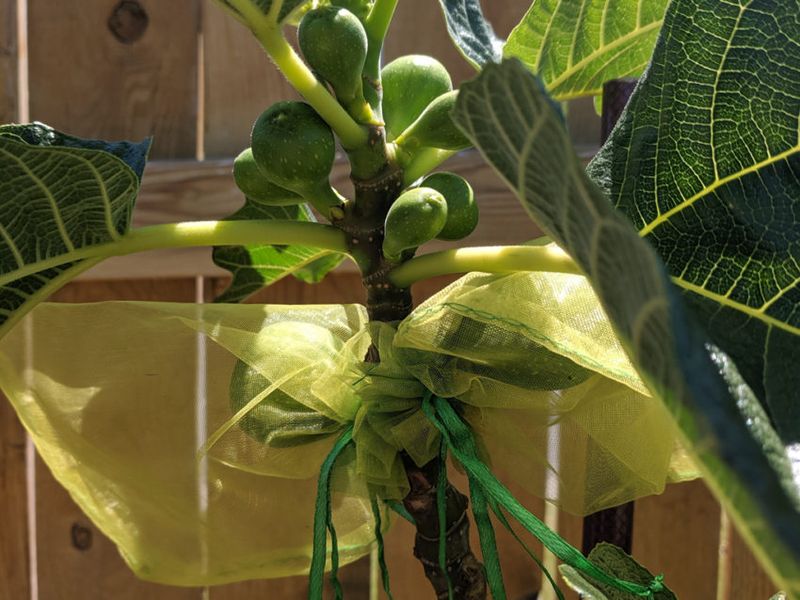
Protecting your most prized fruit with bags or physical barriers is a technique that has been used in orchards around the world for a long time, and it works beautifully for Texas home gardeners dealing with fig beetles.
Bagging individual fruit or small clusters puts a physical layer between the beetles and the fruit they are after, and it does not require any sprays or chemicals at all.
Mesh bags, small organza bags, and paper lunch bags all work well for this purpose.
The key is to put bags on fruit before it starts to show full ripeness, ideally when it is still firm and green or just beginning to color.
Bags placed too late, after beetles have already found the fruit, will not help much. Timing the bagging early is what makes this technique genuinely effective.
Secure each bag with a twist tie or rubber band around the stem or branch so it stays in place through wind and rain.
Check the bags every few days to make sure they are intact and that no beetles have found a way inside through a loose opening.
Bagging works especially well for a small number of high-value fruits, like the biggest figs on the tree or a particularly nice cluster of grapes.
It is not practical for an entire large orchard, but for a backyard tree or a favorite vine, bagging is a low-cost, chemical-free way to guarantee yourself a sweet reward at harvest time.
Use Traps Away From Trees
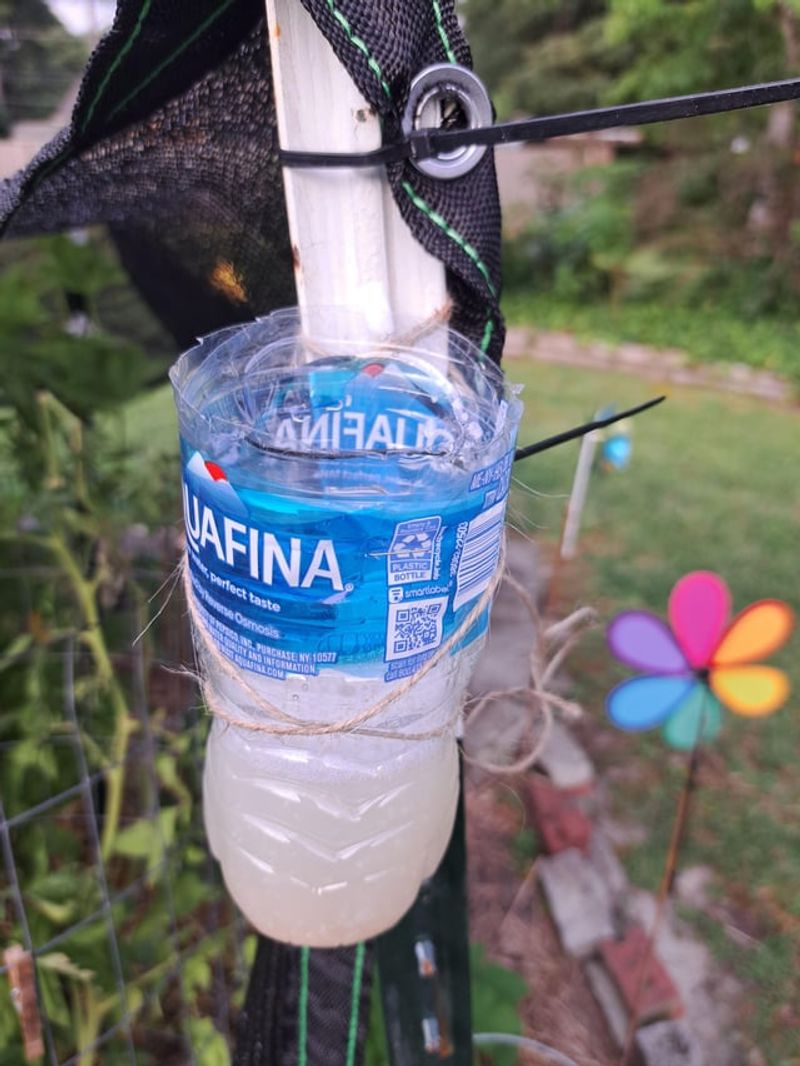
Beetle traps can be a useful part of your summer pest management plan, but placement is everything.
Texas A&M AgriLife Extension advises that traps should be positioned well away from the fruit trees you are trying to protect, not right next to them.
A trap placed under your fig tree will attract more beetles to that area, which is the opposite of what you want.
Green June beetle traps typically use a combination of floral and fruit lure scents to draw beetles in.
When a trap is placed 30 to 50 feet away from your trees, it can intercept beetles before they reach your fruit, pulling their attention in a different direction.
Set up traps at the edge of your yard, near a fence line, or in an open area away from garden beds.
Check them regularly and empty them as needed. A trap that is too full stops working efficiently.
Keep the lure fresh according to the product instructions, since an expired lure will not attract beetles effectively.
Traps are not a complete solution on their own, and they work best as part of a broader approach that includes sanitation, timely harvesting, and fruit bagging.
Think of them as one layer in your overall plan rather than a single fix.
Used correctly and placed strategically, traps give you a meaningful edge in keeping beetle numbers lower around your most valuable fruit trees during the busiest weeks of the Texas summer season.