What To Do If Mule Deer Start Visiting Your Arizona Yard
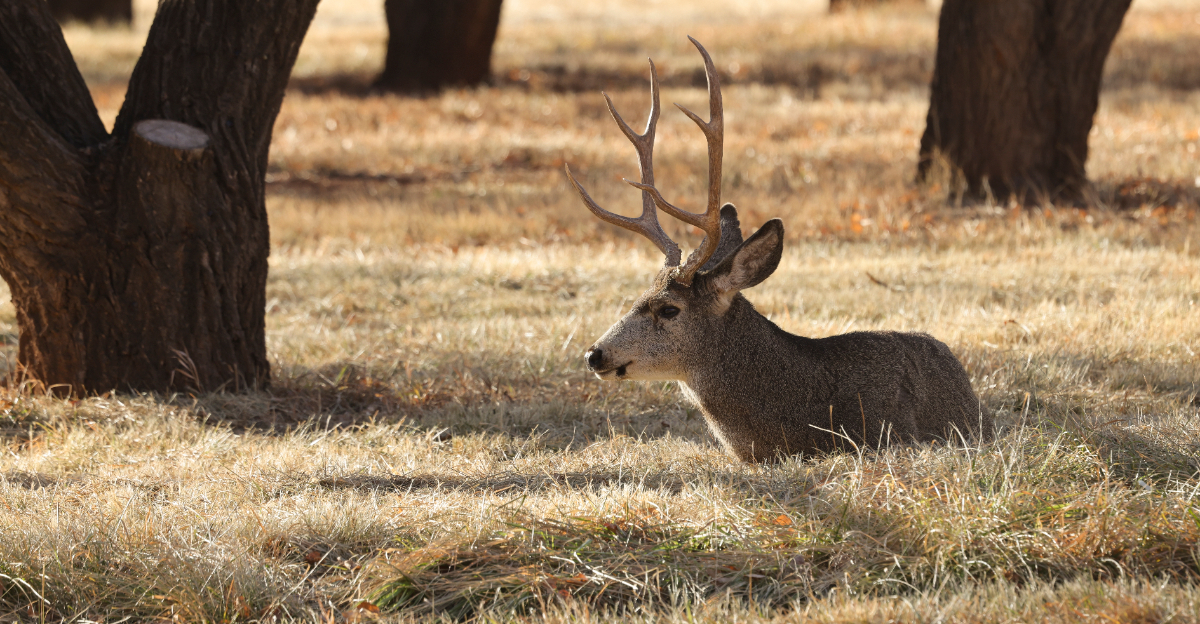
Spotting a mule deer in your yard can stop you in your tracks. One morning everything looks normal, and the next you are wondering why a wild visitor decided your landscape was worth exploring.
Before you assume it is a rare surprise, take a closer look at what may be drawing them in.
Arizona is no stranger to mule deer, especially where neighborhoods meet open habitat. If these visitors keep showing up, there is usually a reason behind it.
Do not ignore the pattern or hope it simply disappears on its own.
Knowing what attracts mule deer is the first step toward protecting your landscape. Once you understand what is happening, the next move becomes much easier than most people expect.
1. Clear Away Food That Draws Deer In
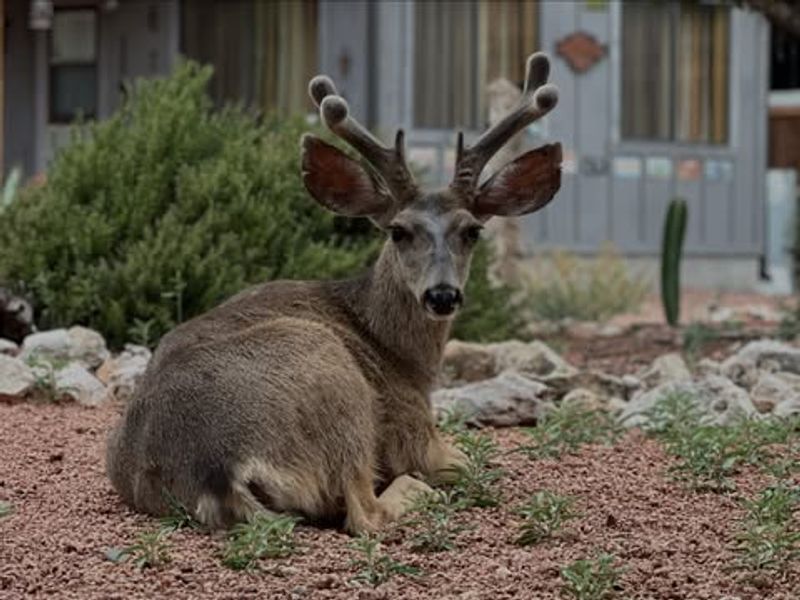
Deer are opportunists. If your yard offers easy calories, word spreads fast in the local herd.
Compost bins are a major draw. Open piles of vegetable scraps, fruit rinds, and plant trimmings smell like a free meal to a hungry deer.
Switching to a sealed compost bin with a locking lid cuts off that scent trail quickly.
Vegetable gardens are another hotspot. Raised beds with hardware cloth sides and a mesh top can protect crops without making your yard look like a construction site.
It takes a little setup, but the payoff is worth it.
Pet food left outside is also a problem many people overlook. A bowl of kibble sitting on the patio after dark is an open invitation.
Bring food bowls inside after each feeding, especially in the evening when deer tend to move more actively.
Water features can attract deer too, particularly during dry spells. A birdbath or decorative pond may seem harmless, but it adds one more reason for deer to return.
Consider limiting standing water sources in open areas of your yard during peak deer activity seasons.
Removing attractants is not about punishing the deer. It is about changing what your yard offers.
Fewer food rewards mean fewer repeat visits over time, which benefits both your landscaping and the deer themselves.
2. Shield Tender Plants Until They Mature
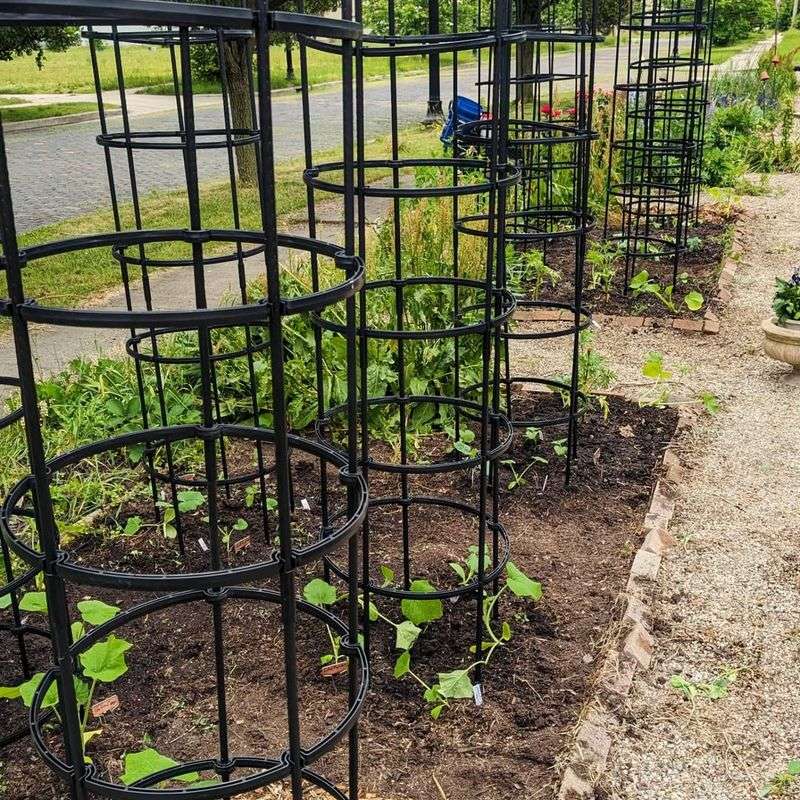
Young plants are basically a buffet sign for mule deer. Soft stems, fresh leaves, and new growth are exactly what deer target first.
Wire cages made from hardware cloth or welded wire fencing work well for protecting individual plants. Cut the wire into cylinders and stake them around each plant.
Aim for at least four feet in height since mule deer can reach surprisingly high when motivated.
Tree guards are another solid option for young shrubs and saplings. Plastic spiral wrap or rigid tube guards protect the lower trunk and stem from browsing and rubbing.
Deer rub their antlers on thin trunks too, which can strip bark and seriously weaken a young tree over time.
Row cover fabric is useful in vegetable beds. It lets light and water through while creating a soft barrier deer tend to avoid.
It is not impenetrable, but it adds friction and reduces casual nibbling.
Your Arizona Garden Changes Every Week. Your Plan Should Too.
Gardening in Arizona changes quickly throughout the season. Every Friday you’ll receive a simple weekly plan showing exactly what to plant, prune, fertilize, harvest, and protect so you never miss the right timing.
Temporary fencing works well during the most vulnerable growth stage. Once plants are established and woody, they become far less appealing to deer.
Mature native plants in particular tend to hold up much better against browsing pressure.
Patience matters here.
Protecting plants during their first one to two growing seasons gives them the best chance to reach a size and toughness that deer are less likely to bother with going forward.
3. Plant More Deer-Resistant Species
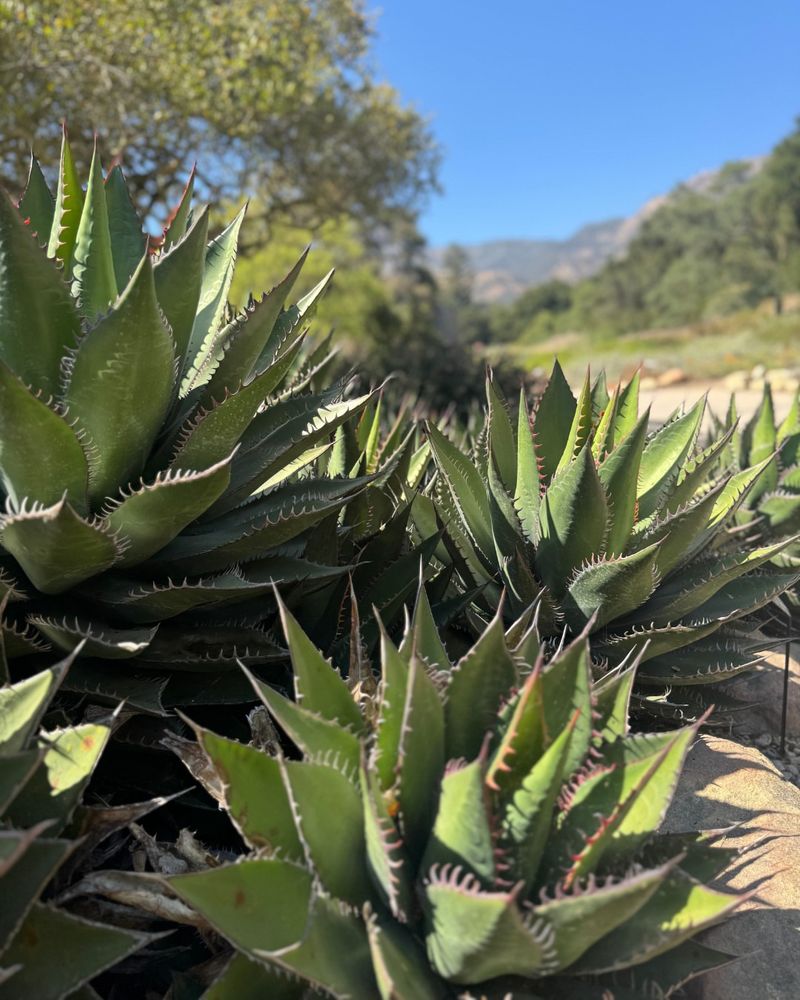
Rethinking what you grow is one of the most practical long-term moves you can make.
Deer tend to avoid plants with strong scents, spiny textures, or bitter tastes. In desert landscapes, that opens up a solid list of options.
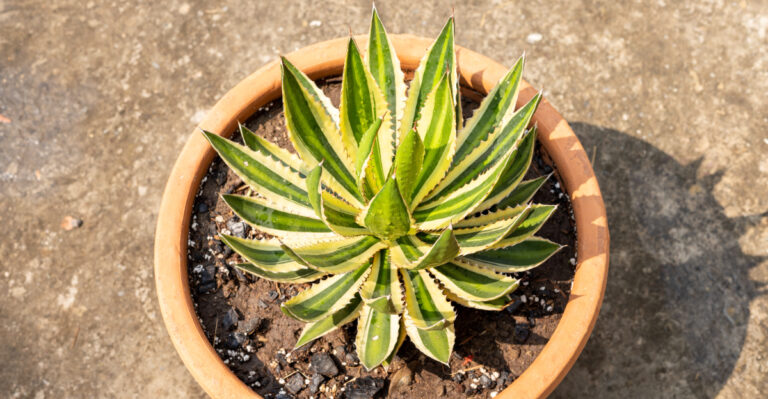
Agave, ocotillo, prickly pear, and desert marigold are all plants deer generally pass on. Brittlebush, globe mallow, and Texas sage also hold up reasonably well in areas with regular deer pressure.
Herbs like rosemary, lavender, and oregano are worth planting near garden borders. Their oils smell strong to deer, and most deer prefer to browse elsewhere when these plants are nearby.
Placement along edges or entry points adds an extra layer of deterrence.
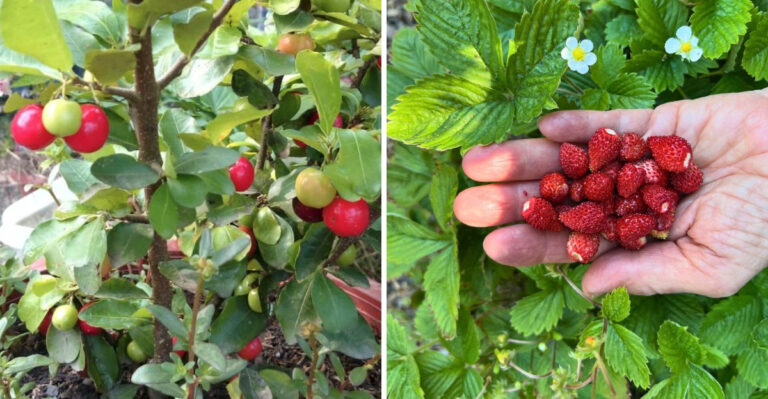
Avoid planting roses, hibiscus, or fruit trees near the perimeter of your yard if deer visits are already common. These plants are highly attractive to deer and tend to draw repeated browsing once discovered.
Switching to native and adapted species also means less watering, less fertilizing, and lower maintenance overall. Plants that evolved in this region are generally better suited to the soil, heat, and dry conditions found across much of Arizona.
No plant is completely deer-proof. Hungry deer will sample almost anything during drought or when natural food is scarce.
Using deer-resistant plants as your foundation simply reduces the overall appeal of your yard as a regular feeding stop.
4. Clean Up Spilled Bird Seed Regularly
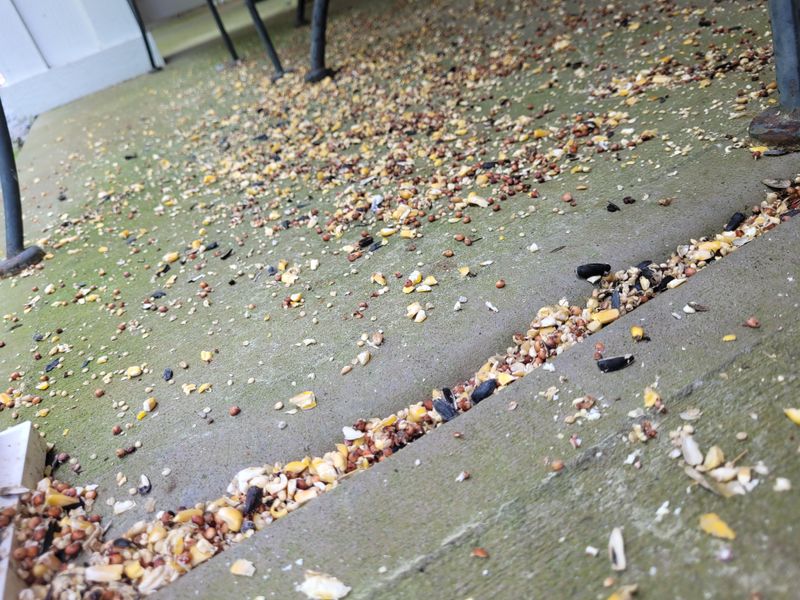
Bird feeders are wonderful for attracting songbirds, but the mess they leave behind is a different story entirely.
Spilled seed collects fast on the ground beneath feeders. Millet, sunflower seeds, and cracked corn are all high-calorie foods that mule deer actively seek out.
Once a deer finds a reliable seed pile under your feeder, it tends to return on a schedule.
Sweeping or raking beneath feeders every day or two makes a noticeable difference. It takes only a few minutes and removes the ground-level food source that attracts deer after dark.
Most deer browse in the early morning or evening, so cleaning up before dusk is especially effective.
Feeder placement matters too. Hanging feeders higher and using baffles or trays with catch screens reduces how much seed falls to the ground in the first place.
Tube feeders with tight perch designs also tend to spill less than open platform feeders.
Some people choose to stop using ground-level bird feeders entirely during peak deer season, typically late summer through early spring when natural food sources are thinner.
Switching to suet cakes or nectar feeders during that period keeps birds coming without creating seed piles at ground level.
Keeping the area clean is a simple habit.
It does not take major effort, and it removes one of the most common reasons deer start treating residential yards as regular feeding spots.
5. Never Offer Food To Visiting Deer
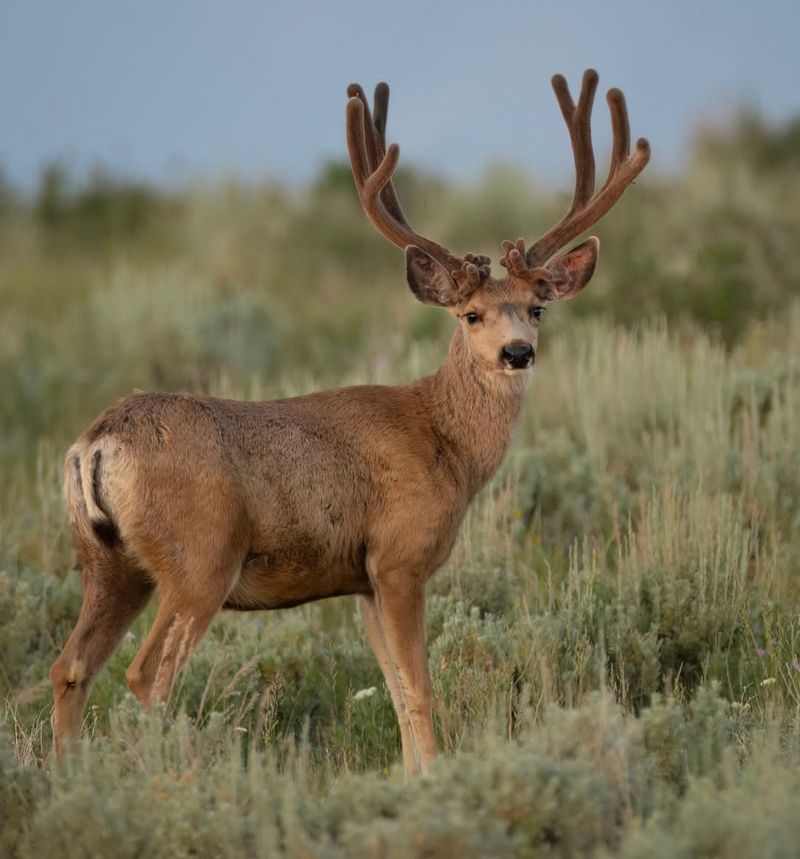
Feeding deer feels kind in the moment, but it tends to create real problems down the road.
Deer that receive food from humans lose their natural caution around people and residential areas. They start associating yards with easy meals and return more frequently.
Over time, they may become bold enough to approach people directly, which raises safety concerns for both the deer and nearby residents.
Hand-fed deer also put stress on local wildlife populations. When deer congregate in one area expecting food, it increases competition and can spread disease more easily among the group.
Artificial feeding concentrates animals in ways that do not reflect their natural behavior.
In many parts of Arizona, feeding wildlife is regulated or restricted under local ordinances and state wildlife guidelines. Check with your local city or county rules before assuming it is permitted.
Violations can carry fines in some jurisdictions.
Beyond the rules, there is a practical concern. Once a deer learns your yard is a food source, discouraging it becomes significantly harder.
Habits formed around food are among the most persistent behaviors in wild animals.
Watching deer from a distance is genuinely enjoyable. Keeping that distance intact protects the experience for everyone.
Appreciating them as wild animals rather than guests to be fed is the most respectful and practical approach for long-term coexistence in shared spaces.
6. Close Off Common Entry Routes
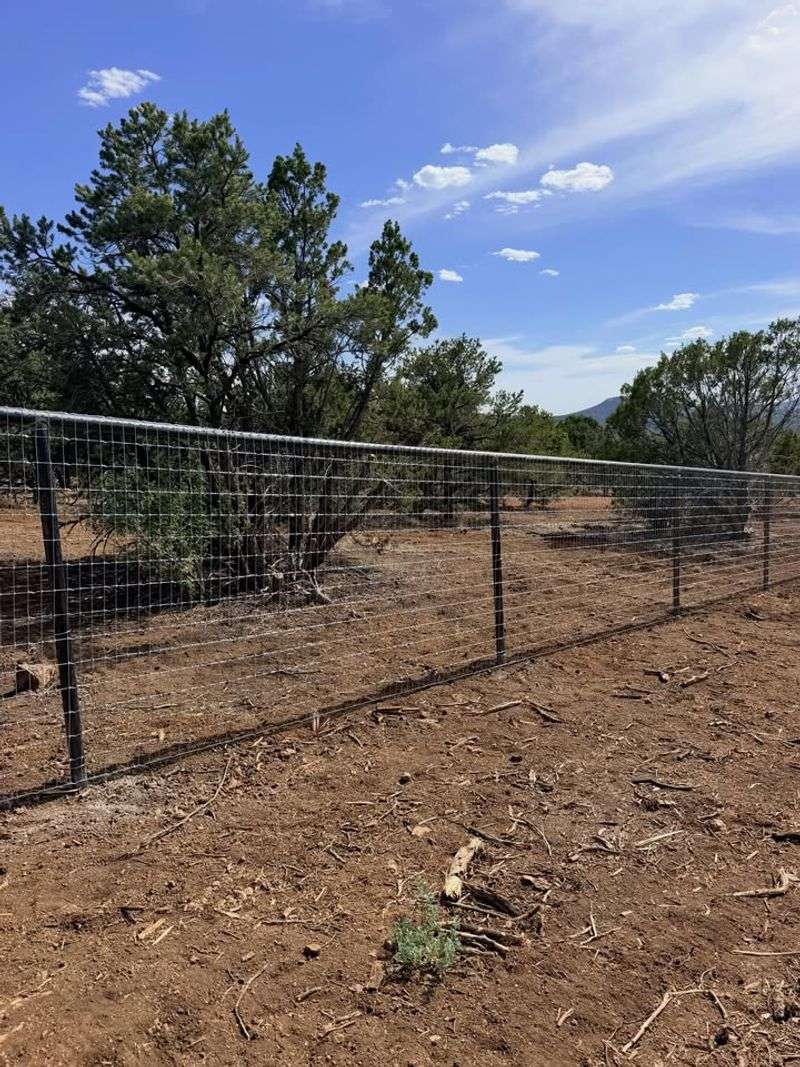
Deer are creatures of habit. Once they find a gap in a fence or a low section of wall, they use it repeatedly.
Walking your property line to spot entry points is a good starting place. Look for areas where fencing is low, broken, or nonexistent.
Mule deer can clear a five-foot fence with relative ease, so effective deer fencing typically needs to reach at least seven to eight feet to be a meaningful barrier.
If full perimeter fencing is not practical, focus on the routes deer use most often. A section of taller fencing or dense thorny shrubs planted along a known entry corridor can redirect deer without requiring a full yard enclosure.
Gate gaps are easy to miss. A gate that swings open easily or leaves a wide gap at the bottom is an entry point just as much as a broken fence section.
Adding a self-closing spring latch and checking the gap at ground level are simple fixes that close off access reliably.
Deer-proof gates with solid panels rather than open bars also reduce the visual access deer use to scout yards before entering. If a deer cannot easily see into a space, it is less likely to push through looking for food.
Blocking entry does not require a fortress.
Strategic improvements at the right spots can reduce deer access significantly without dramatically changing the look or feel of your outdoor space.
7. Pick Fallen Fruit Up Right Away
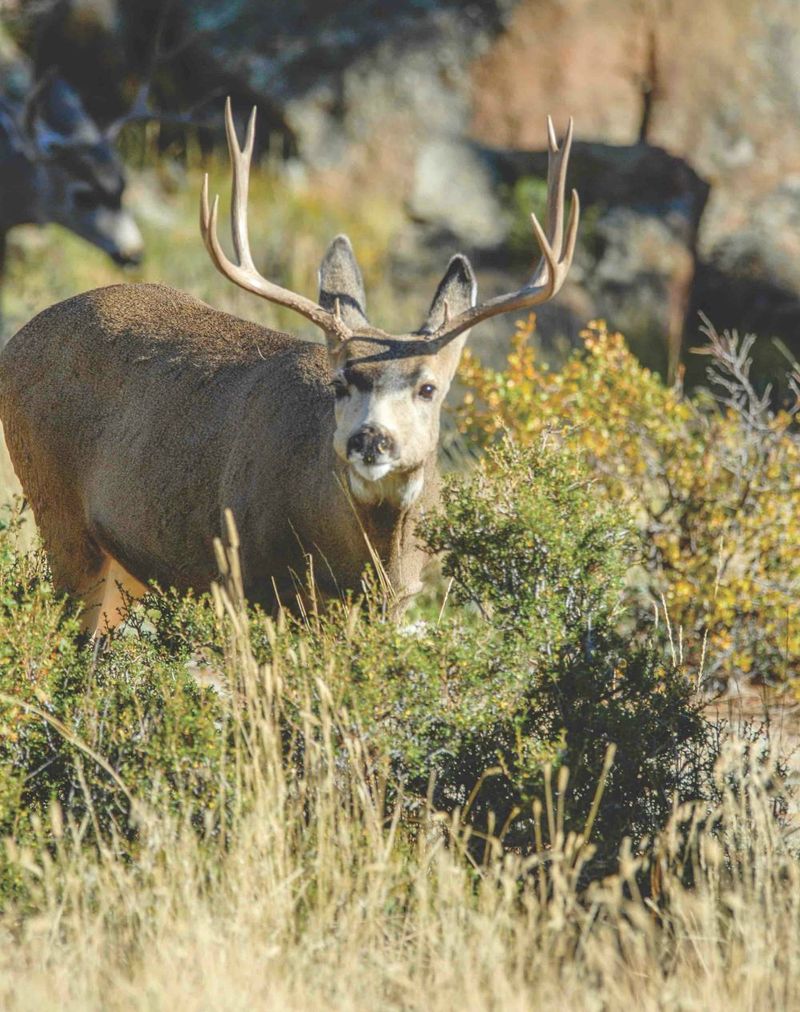
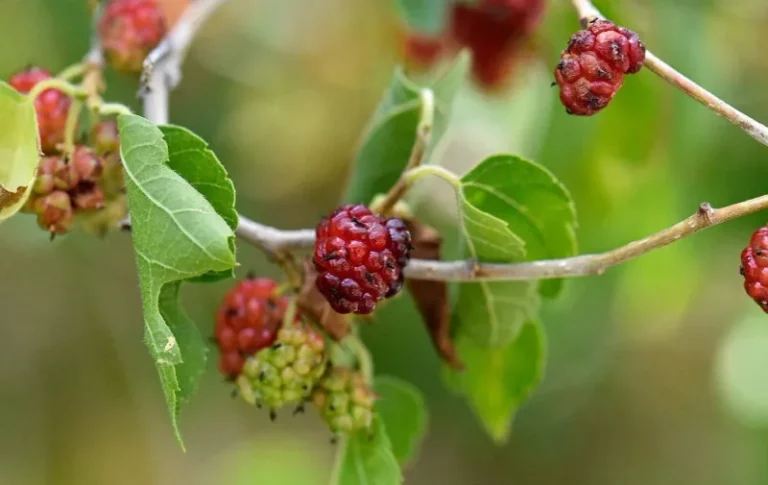
Fruit trees are one of the biggest deer magnets in any residential yard, and most of the problem happens at ground level.
Fallen fruit ferments quickly in warm weather. The smell travels far and draws deer from a surprising distance.
In Arizona, citrus and fruit trees often drop fruit across a long season, which means the attractant can persist for months without regular cleanup.
Picking up fallen fruit daily during peak drop season is one of the most effective things you can do. A quick walk around the base of each tree before evening keeps the ground clear and removes the scent before deer begin their nightly movement.
Fruit that has already begun to soften or split should go straight into a sealed trash bag or a closed compost bin, not into an open pile. Open compost near fruit trees essentially doubles the attractant effect.
Harvesting fruit before it fully ripens and drops is another option worth considering.
Slightly underripe fruit still tastes good to people and significantly reduces the amount that falls to the ground untouched.
Tree skirts made of hardware cloth around the base of a fruit tree can also limit access for deer that do wander in.
Paired with regular cleanup, they add a secondary layer of protection without affecting the tree itself.