The Vegetable Ohio Gardeners Plant Too Close Together Every Single Year
Every spring, gardeners across the Buckeye State repeat the same mistake without realizing it. They plant their seedlings close together, admire the full, tidy rows, and feel confident the season is off to a great start.
Then summer heat arrives, and the garden quietly turns into a crowded, tangled mess. There’s one vegetable Ohio gardeners consistently space too tightly year after year, and the fallout isn’t limited to smaller harvests.
Overlapping leaves trap humidity, block airflow, and create ideal conditions for fungal problems to take hold. Roots compete underground for water and nutrients long before any symptoms show above the soil.
By the time yellowing leaves or soft spots appear, the damage is already spreading. Getting spacing right from the very first week in the ground makes the difference between a thriving harvest and a summer full of frustration.
One Fast-Spreading Garden Favorite Gets Underestimated Every Spring

Zucchini looks so innocent as a seedling in any Ohio backyard. That tiny green sprout barely takes up the space of a coffee cup.
Most gardeners see those small starts and assume they can squeeze in a few extra plants. It feels logical, even thrifty, to fill every spare inch of soil.
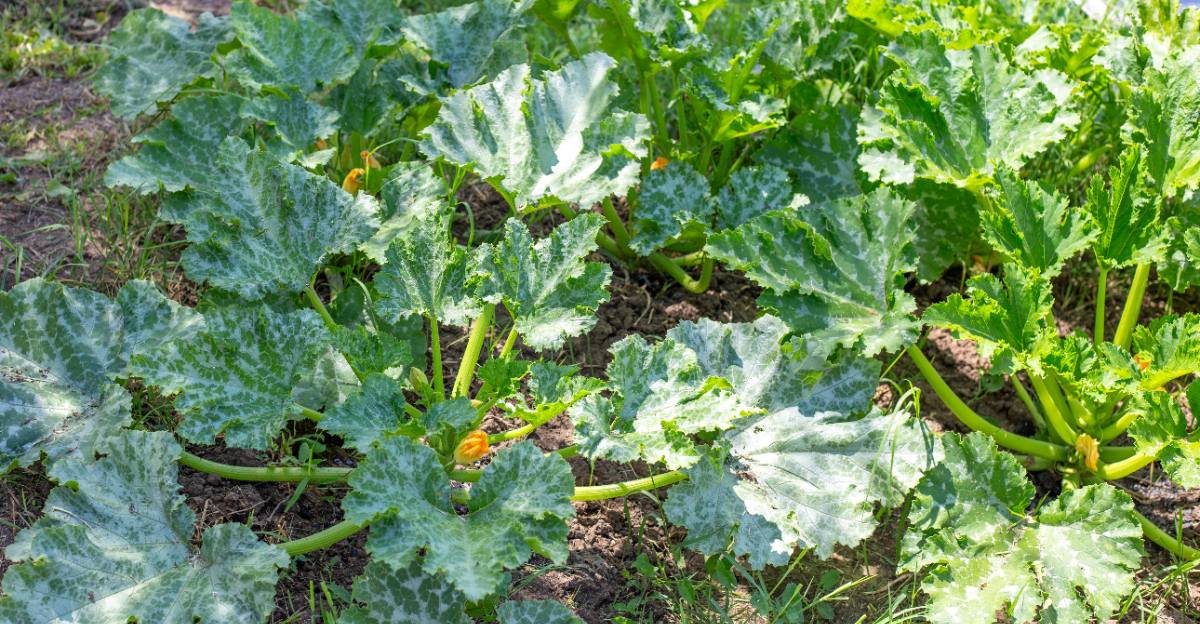
But zucchini is one of the most deceptive vegetables in any home garden. What starts as a modest seedling becomes a sprawling, leaf-heavy giant within just a few weeks.
A single mature zucchini plant can spread three to four feet in every direction. That means one plant needs roughly nine to sixteen square feet of breathing room.
When gardeners ignore those numbers, trouble starts fast. Leaves overlap, stems crowd, and the whole bed turns into a tangled mess by midsummer.
The vegetable Ohio gardeners plant too close together every single year has a reputation for being easy to grow. That reputation is earned, but only when plants have enough space to do their thing.
Zucchini thrives with room, sunlight, and airflow around every leaf. Deny it those basics, and even the most fertile Ohio soil cannot save the harvest.
Understanding just how big these plants get is the first step toward a better garden. Once you see zucchini for the space-hungry beast it truly is, everything else starts to make sense.
Zucchini Plants Grow Far Larger Than Their Seedling Stage Suggests
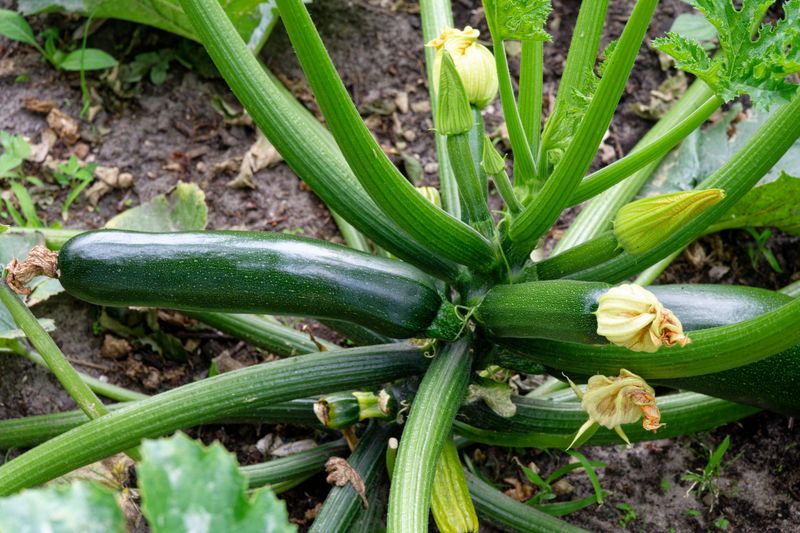
Picture a seedling no bigger than your hand sitting in a four-inch pot. Now picture that same plant six weeks later, with leaves the size of dinner plates.
That transformation happens faster than most people expect. Zucchini is one of the quickest-maturing vegetables in a warm-season garden.
Under Ohio’s warm, humid summer conditions, a zucchini plant can grow several inches taller and wider every single week. By the time fruit appears, the plant is already claiming far more ground than the original spacing allowed.
Most seed packets recommend spacing plants at least two to three feet apart. Many experienced growers actually push that to four feet for better results.
Your Ohio Garden Changes Every Week. Your Plan Should Too.
Gardening in Ohio changes quickly throughout the season. Every Friday you’ll receive a simple weekly plan showing exactly what to plant, prune, fertilize, harvest, and protect so you never miss the right timing.
The leaves alone can reach twelve to fourteen inches across at full size. Those big leaves are not just for show, they shade the soil and help retain moisture below.
But when plants are crowded, those same giant leaves become a problem. They block sunlight from lower leaves, trap humidity, and create the perfect environment for mold and mildew.
New gardeners often compare their seedlings to pictures online and assume the spacing advice is exaggerated. It is not exaggerated at all, and experienced growers will tell you the same thing every time.
Giving zucchini the space it needs from day one saves a lot of frustration later. A little extra room at planting time pays off with healthier plants and bigger harvests all season long.
Crowded Zucchini Beds Struggle With Airflow And Disease
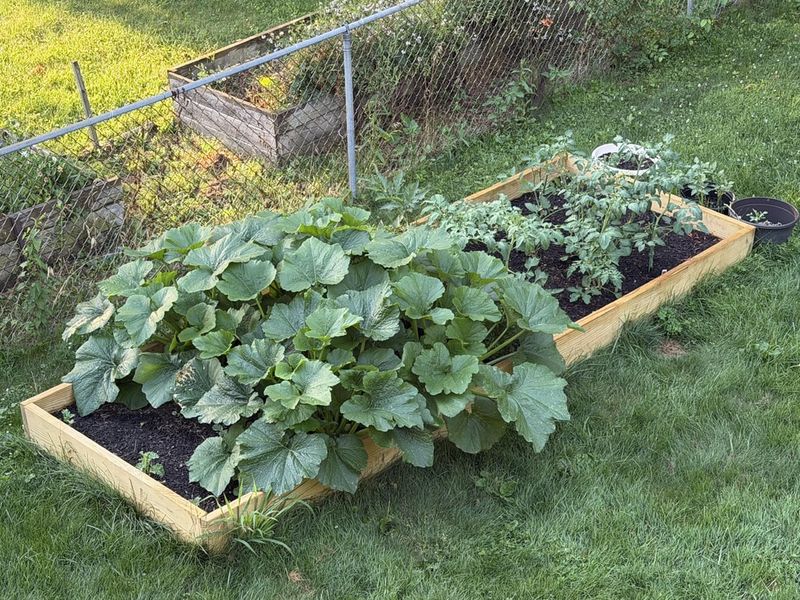
Walk up to a crowded zucchini bed on a humid Ohio August morning and you can almost smell the trouble brewing. That damp, musty scent clinging to the leaves is not normal garden freshness.
Poor airflow is one of the biggest consequences of tight spacing. When leaves press against each other, moisture gets trapped between them and never fully dries out.
Powdery mildew loves exactly those conditions. This fungal disease coats leaves in a chalky white film and spreads rapidly from plant to plant.
Once powdery mildew takes hold in a crowded bed, it is nearly impossible to stop without removing affected foliage. By that point, the plant has already lost significant energy and productivity.
Squash vine borers and other pests also benefit from dense plantings. Thick canopies give insects easy hiding spots and make it harder to spot damage early.
Good airflow acts like a natural defense system for any vegetable garden. When air moves freely through a bed, leaves dry faster and fungal spores have fewer chances to settle and grow.
Spacing zucchini properly creates natural gaps that allow breezes to pass through. Those gaps might look like wasted space in May, but they become your best defense by July.
Healthy airflow also helps pollinators reach the flowers more easily. Better pollination means more fruit set, which is the whole reason most people grow zucchini in the first place.
Tight Spacing Reduces Yield More Than Gardeners Expect
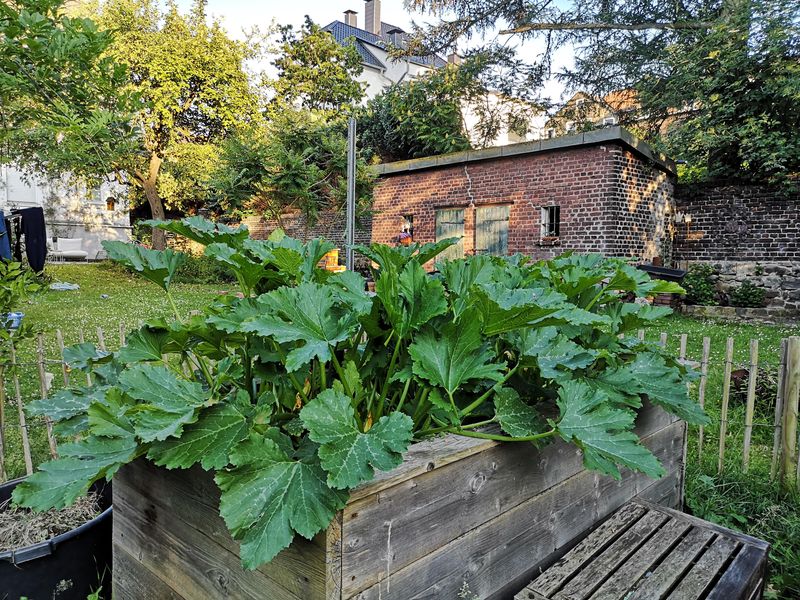
Here is the irony of cramming more plants into a bed: you end up with less food, not more. It feels counterintuitive, but the math always works out the same way.
When zucchini plants compete for nutrients, water, and light, none of them perform at their best. Each plant produces fewer fruits, and the fruits that do appear tend to be smaller than normal.
Roots are a big part of the problem that gardeners rarely consider. Zucchini has an aggressive root system that spreads wide in search of water and nutrients.
Crowded roots run into each other and start competing directly for the same resources. That competition stresses every plant involved and shows up quickly in reduced fruit production.
Stressed plants also become more vulnerable to environmental swings. A hot dry week or a stretch of cloudy days hits a crowded bed much harder than a properly spaced one.
Gardeners who compare crowded and well-spaced beds side by side often see the same pattern play out. The total harvest weight from three well-spaced zucchini plants often beats five or six cramped ones.
Gardeners who have made the switch from tight spacing to generous spacing almost always say they wish they had done it sooner. The difference in fruit size and quantity is genuinely surprising the first time you see it.
More plants in the ground does not automatically mean more food on the table. Sometimes the boldest gardening move is simply giving each plant the room it deserves.
The Right Spacing Gives Each Plant Room To Sprawl
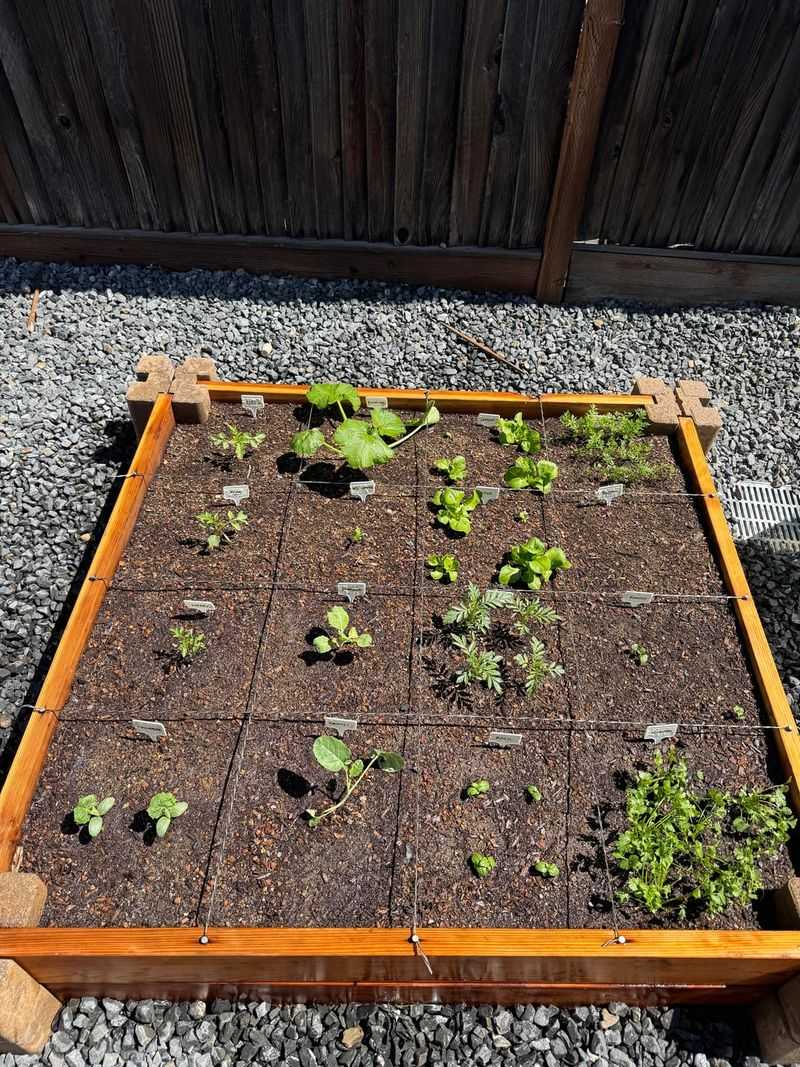
Getting spacing right is one of those garden decisions that feels almost too simple to matter. But it might be the single most impactful choice you make at planting time.
For zucchini, the sweet spot is generally three to four feet between plants in every direction. Bush varieties can sometimes get by with two and a half feet, but more room consistently gives better results.
When each plant has its own zone of soil, sunlight, and airflow, something almost magical happens. The leaves stay cleaner, the stems grow thicker, and the fruits appear earlier in the season.
Marking out spacing before planting is a simple habit that pays off immediately. A tape measure and a few stakes take about five minutes but save weeks of frustration later.
Some gardeners use a single plant per large container or raised bed section as a mental anchor. That visual boundary helps prevent the temptation to squeeze in just one more seedling.
Companion planting can work beautifully around well-spaced zucchini. Low-growing herbs like basil or nasturtiums fill the gaps without competing aggressively for root space.
Mulching between plants also helps maximize the benefits of good spacing. A thick layer of straw or wood chips keeps moisture in, weeds out, and soil temperatures stable.
Proper spacing transforms zucchini from a high-maintenance headache into one of the most rewarding crops in the garden. Give it space, and it will give back far more than you planted.
Simple Fixes For Beds That Are Already Too Crowded
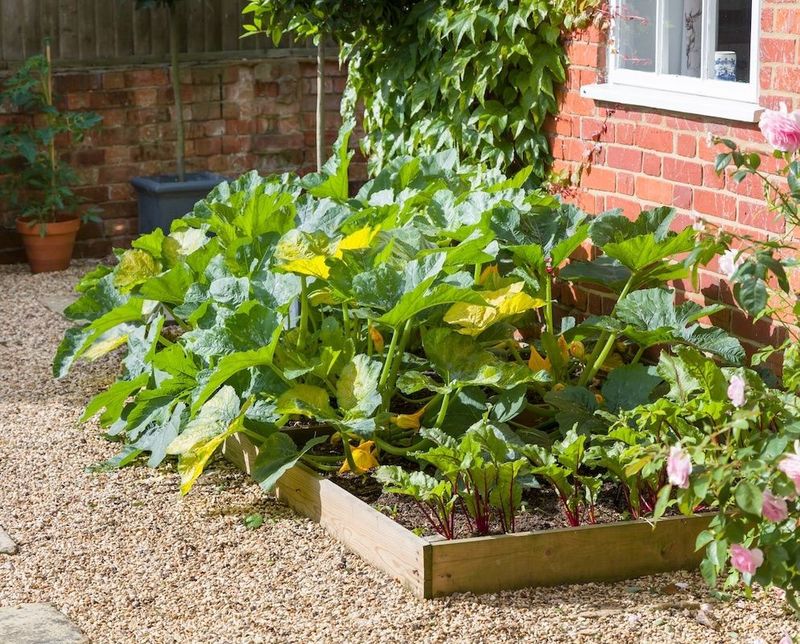
Already planted too close together? You are not the first person to stand in front of a crowded bed with a sinking feeling. Recovery is absolutely possible even at this stage.
The most straightforward fix is thinning, which means removing the weakest plants to give the strongest ones more room. It feels painful to pull out a plant you grew from seed, but it works.
Choose the healthiest, most vigorous plants to keep and remove the rest cleanly at the soil line. Cutting rather than pulling avoids disturbing the roots of nearby plants you want to save.
If your plants are still small, you can sometimes transplant extras to a new location. Zucchini does not love being moved, but a careful transplant with plenty of water gives it a real chance to recover.
Pruning large lower leaves can also open up airflow in a bed that is already too tight. Removing three or four leaves per plant creates breathing room without eliminating the whole crop.
Adding a trellis or training vines upward is another creative option for tight spaces. Some zucchini varieties respond surprisingly well to vertical growing when given the right support structure.
Foliar fungicide sprays can help manage mildew that has already started in a crowded bed. They are not a permanent solution, but they buy time while you work on longer-term fixes.
The vegetable Ohio gardeners plant too close together every single year is forgiving enough to bounce back with a little help. Start thinning now, and your summer harvest can still surprise you.