Why Juncos Arriving In Your Ohio Yard Means Winter Is Close
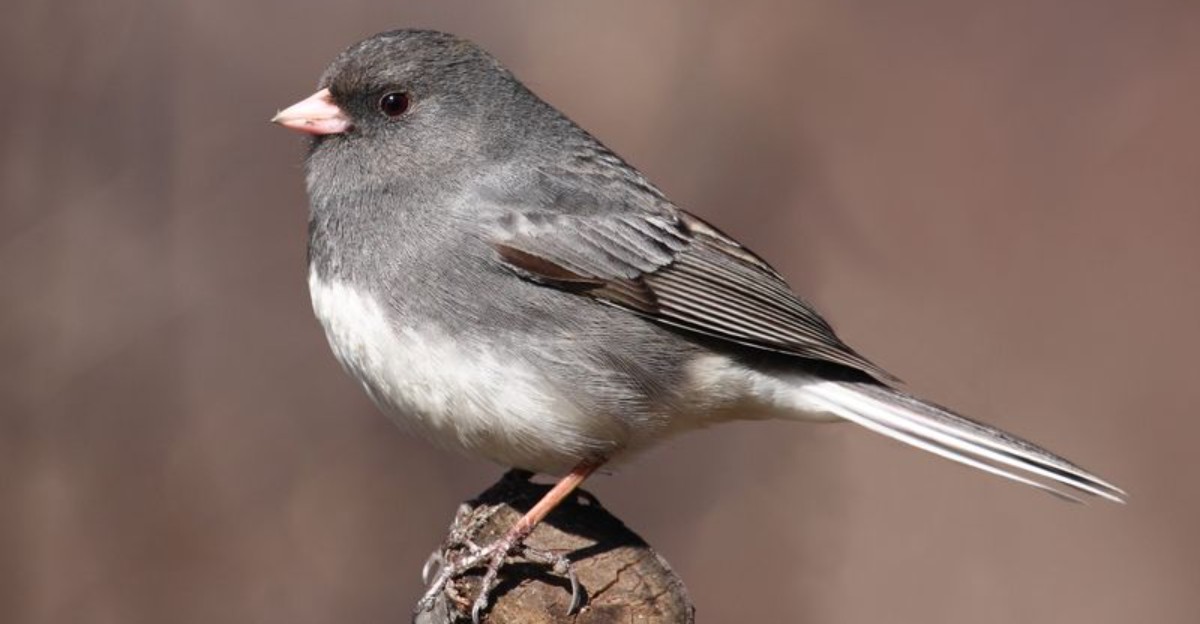
Small gray-and-white birds just moved into your Ohio yard, and they didn’t come for the scenery.
Juncos show up ahead of the cold every single year, and their timing lines up so well with falling temperatures that longtime birdwatchers treat them as a trusty seasonal signal.
Miss that signal and winter sneaks up on you instead of the other way around.
There’s more to read into their arrival than just the sighting itself. How they behave once they settle in tells you something most people watching their feeders never pick up on.
Watch a little closer next time you fill that feeder. These small birds might know something your weather app doesn’t.
1. Meet The Dark-Eyed Junco, Ohio’s Winter Visitor
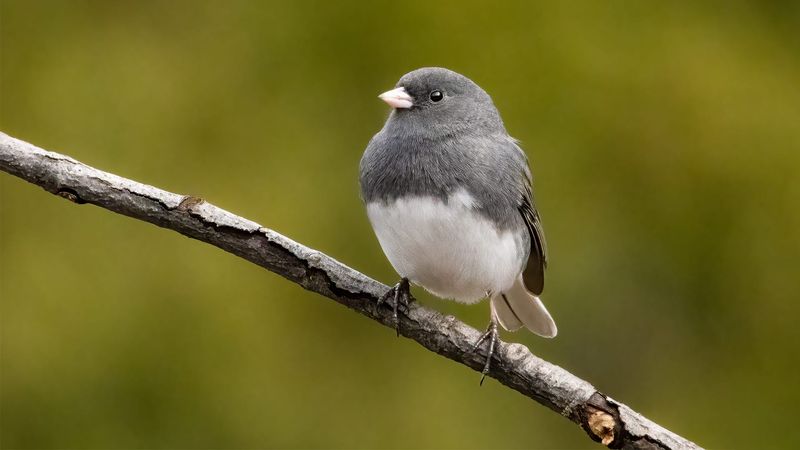
Picture a bird dressed for a fancy dinner that decides to hop around in the dirt instead. Meet the Dark-Eyed Junco, a small sparrow with a slate-gray back and a snowy white belly.
Its short bill is soft pink, almost like a tiny candy corn without the orange. When it flies off, white outer tail feathers flash on both sides like a quick wink.
Those flashing feathers are one of the easiest ways to spot a junco from across the yard. Watch for them the next time something small bursts up from the grass.
Juncos rank among the state’s most common winter birds, found in cities, farms, and small towns. Many people call them snowbirds because they tend to arrive with colder weather.
One old saying describes them as leaden skies above and snow below. Look at a junco sitting on a fence rail, and the comparison makes perfect sense.
Males usually wear darker gray, while females and young birds often look a bit browner. Both hop around in small flocks and chatter with sharp little ticking calls.
Learning their voice is easy with a little practice on a chilly morning. Listen for a quick, bright tick that sounds like two pebbles tapping together.
Once your ears catch it, juncos seem to pop up everywhere. It makes a fun game on winter walks.
2. Fall Migration Brings Juncos Back To Yards
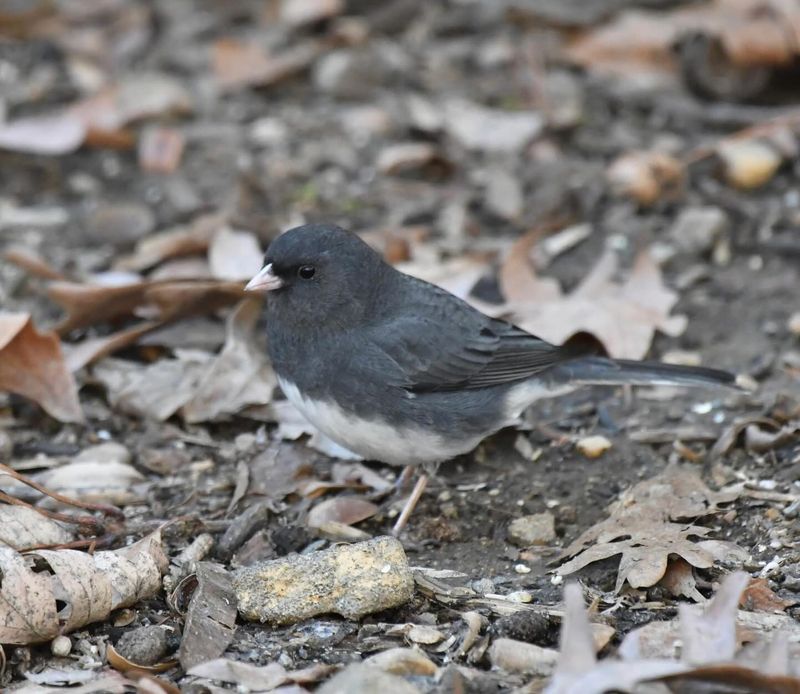
Imagine packing up every October and flying hundreds of miles with no map, no car, and no snacks. Juncos pull off that trip each fall, and they make it look easy.
Many of them spend summer in the thick boreal forests of Canada and Alaska. Others nest on cool mountaintops in the northern United States.
As autumn settles in, those northern homes start to get too cold and food gets scarce. So the birds head south, riding along with the first nippy cold fronts.
In Ohio, the first juncos often appear in October, sometimes a bit earlier in northern counties. By November, they are a familiar sight in many backyards across the state.
Here is the part that surprises people. Juncos tend to return to the same general areas winter after winter, so the birds in your yard might be old friends.
That loyalty means a bird-friendly yard can pay off year after year. If juncos found food and shelter at your place last winter, there is a good chance they will check back.
Your Ohio Garden Changes Every Week. Your Plan Should Too.
Gardening in Ohio changes quickly throughout the season. Every Friday you’ll receive a simple weekly plan showing exactly what to plant, prune, fertilize, harvest, and protect so you never miss the right timing.
Keep a simple notebook by the window and jot down the date you spot your first junco. Over a few years, you will build your own local migration record.
Kids especially enjoy this project, and it turns a quick glance outside into real science. Some families even compare dates with neighbors.
3. Shorter Days Help Trigger Their Seasonal Movement
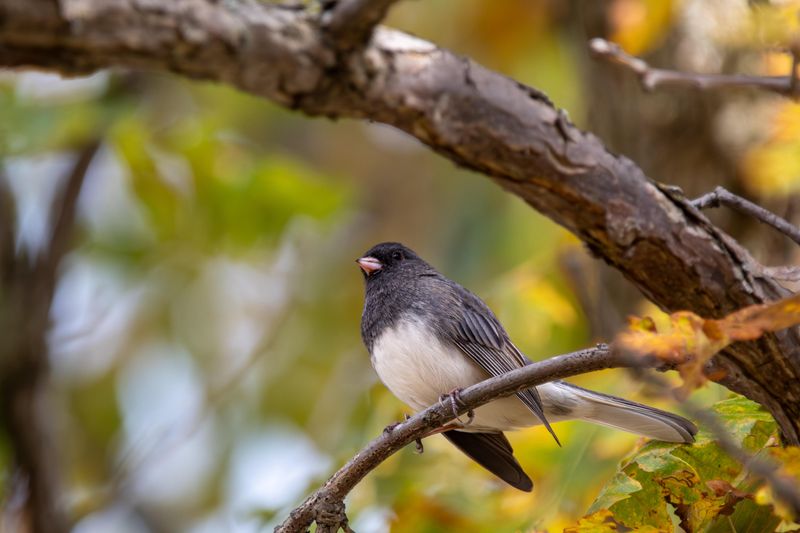
Your body notices when the sun sets before dinner, and so does a junco’s. Birds carry a kind of inner calendar that pays close attention to daylight.
In spring, longer days and warmer weather tell juncos it is time to nest and raise chicks. In fall, the opposite happens as days shrink and temperatures slide downward.
Those changes act like an alarm clock for migration. The birds get restless, eat more, and build up fat to fuel their long trip south.
Cool temperatures and the first strong fall winds add to the signal. Put all those clues together, and juncos know the season is turning.
Scientists use a German word, Zugunruhe, for this restless urge to travel. Captive birds often hop and flutter at night when the feeling kicks in.
You can track the same clues from your own porch. Notice when sunset creeps earlier and mornings feel crisp enough for a jacket.
Those are the weeks to start watching the ground under your feeders closely. The first juncos often slip in quietly among the fallen leaves.
Getting ready ahead of time helps a lot. Fill feeders, rake a small bare patch, and keep a pair of binoculars close to the window.
A little planning in early fall means you will catch the very first arrivals. Missing them feels a bit like sleeping through the first snowfall.
4. Seed-Rich Ground Makes Lawns Especially Attractive
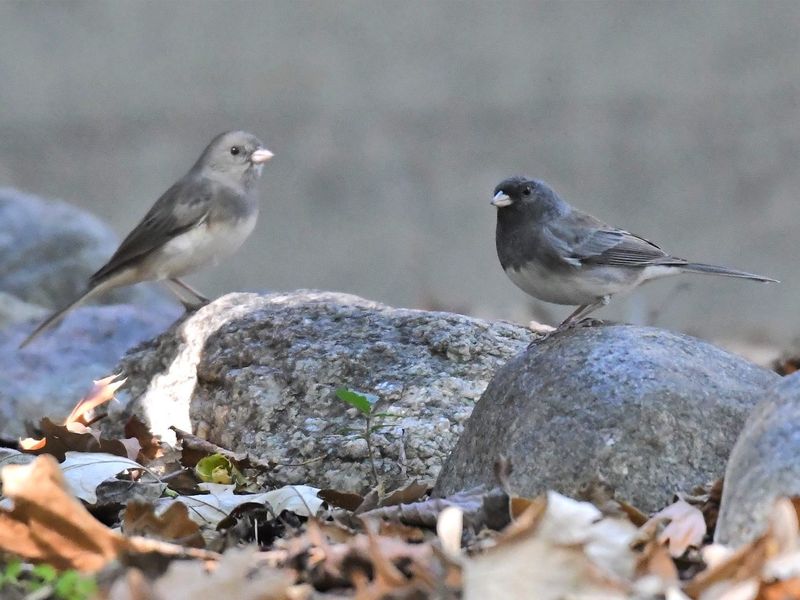
Some birds dine at fancy hanging feeders, but juncos prefer eating off the floor. They hop, run, and scratch through leaves like tiny gray chickens on a mission.
About three quarters of a junco’s yearly diet is seeds. In summer they add insects, but winter is mostly about grains and weed seeds.
Their favorite snacks might surprise you, since many come from plants gardeners pull out. Chickweed, ragweed, knotweed, pigweed, lamb’s quarters, and crabgrass all make the menu.
That is good news for anyone who lets a corner of the yard grow a little wild. A patch of seedy weeds can feed a small flock for weeks.
Lawns and garden beds also give juncos open space to spot danger while they eat. They can scratch through leaf litter or even light snow to reach buried seeds.
Try skipping the fall cleanup in at least one flower bed this year. Leave seed heads standing and let leaves pile up under shrubs.
You will likely see juncos kicking backward with both feet at once to move debris. It is a funny little dance, and it works surprisingly well.
Less raking means less work for you and more food for them. That sounds like a fair trade on a chilly Saturday afternoon.
Your neighbors might wonder about the messy look at first. Just tell them you are running a bird restaurant.
5. Dense Shrubs Give Juncos Valuable Cover
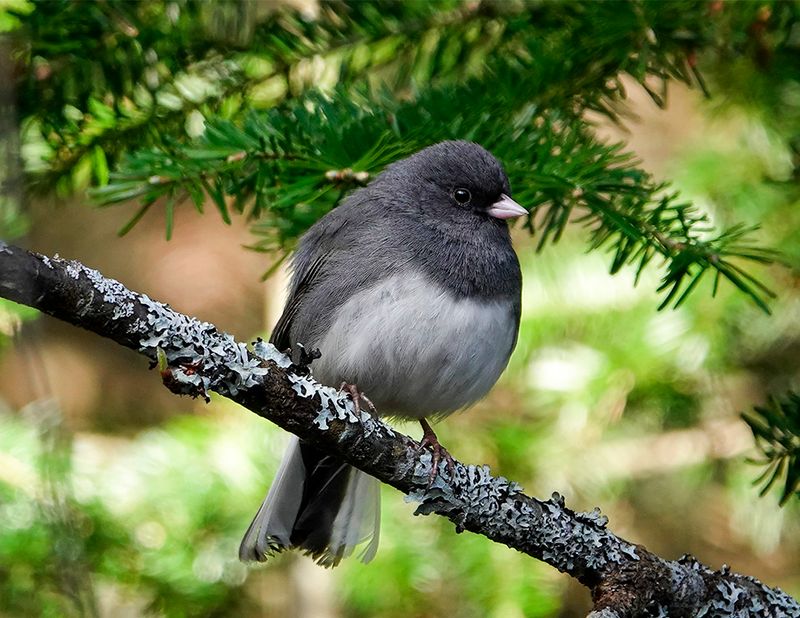
When a hawk swoops over the yard, juncos do not wait around to ask questions. They dart straight into the nearest thick shrub and freeze.
Cover is a big deal for a bird that spends so much time on the ground. Dense hedges, low evergreens, brush piles, and tall grasses all offer quick hiding spots.
Shelter matters at night too, when temperatures drop hard. Juncos often roost in conifer trees, tucked among needles that block wind and snow.
Eastern Red Cedar and Eastern Hemlock are two native Ohio trees that make excellent winter hideouts. Their thick branches act like a warm blanket during rough weather.
Placement makes a difference in your yard. Try keeping feeders within about ten feet of shrubs so juncos can reach safety fast.
A brush pile is another easy win, and it costs nothing. Stack fallen branches and trimmed limbs loosely in a quiet corner of the yard.
Juncos, sparrows, and cardinals will slip in and out of it all winter. On snowy days, you might spot little tracks leading right to the entrance.
Evergreens planted along a fence line do double duty by blocking cold winds for your house as well. Everyone stays a little cozier that way.
Even one well-placed shrub can turn an open lawn into a safer stop. Start small and add more plants as each season goes by.
6. Snowy Weather Can Push Them Toward Feeders
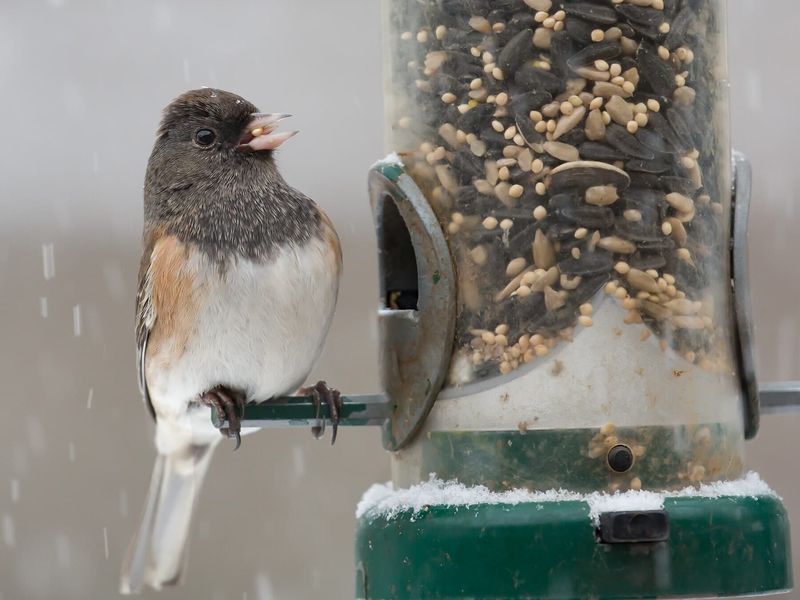
The morning after a big Ohio snowstorm, feeders can look like a busy airport. Juncos often lead the crowd, flocking in as their usual weed patches vanish under white.
Light snow does not slow them much, since they can scratch down to find seeds. Deeper drifts are another story, and that is when backyard feeders become a lifeline.
White proso millet ranks near the top of their wish list. Cracked corn, hulled sunflower chips, black oil sunflower seeds, nyjer, milo, oats, and safflower also go over well.
Remember that juncos like to eat low. They usually pick up spilled seed under hanging feeders or visit low platform feeders set close to the ground.
Scatter a handful of millet on a cleared patch of ground after the snow stops. A board or tray placed on top of the snow works nicely too.
Keep the menu fresh by tossing out seed that turns wet or clumpy. Moldy food can make birds sick, so a quick check after each storm helps.
Before a storm hits, fill feeders the evening ahead if you can. Birds tend to feed heavily right before bad weather rolls in.
Watching a flock of juncos gobble breakfast while snow falls is pure winter magic. It beats most shows on TV, and the snacks cost a lot less.
7. Clean Water Matters During Cold Spells
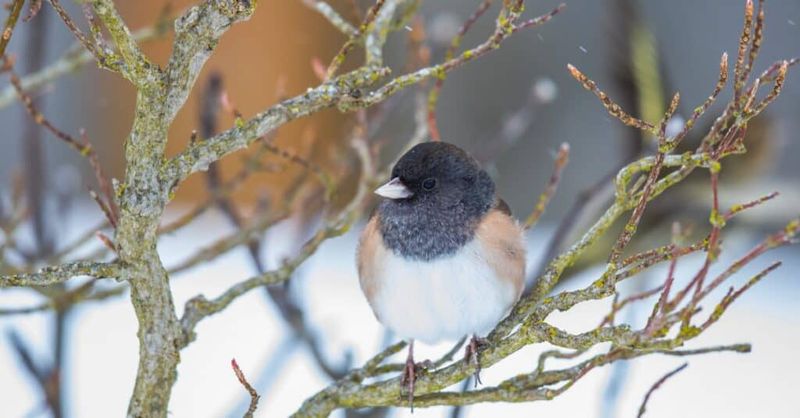
Snow is frozen water, so birds can just eat it, right? Not so fast, because melting snow uses up precious body heat that a tiny bird needs to stay warm.
Juncos need clean, fresh water all year for drinking and keeping feathers in good shape. In winter, finding liquid water can be one of the hardest jobs they face.
A heated bird bath solves that problem nicely. It keeps water from freezing solid, even on the coldest January mornings.
Since juncos spend most of their time on the ground, a low bath suits them best. Set it near dense shrubs so they can reach cover quickly if a hawk shows up.
Keep the water shallow, about one to two inches deep. A few flat stones in the basin give birds safe footing.
Scrub the bath every few days with a brush and plain water, or a weak vinegar mix. Rinse it well and refill it with fresh water.
Skip antifreeze, salt, or any chemicals meant to stop ice. These can harm birds and make their feathers less able to hold warmth.
Once word gets out, your bath may attract bluebirds, robins, and chickadees too. A single source of open water can turn your yard into the neighborhood hangout.
Keep an extension cord rated for outdoor use nearby. Safety matters for you as much as for the birds.
8. Native Plants Provide More Than Winter Food
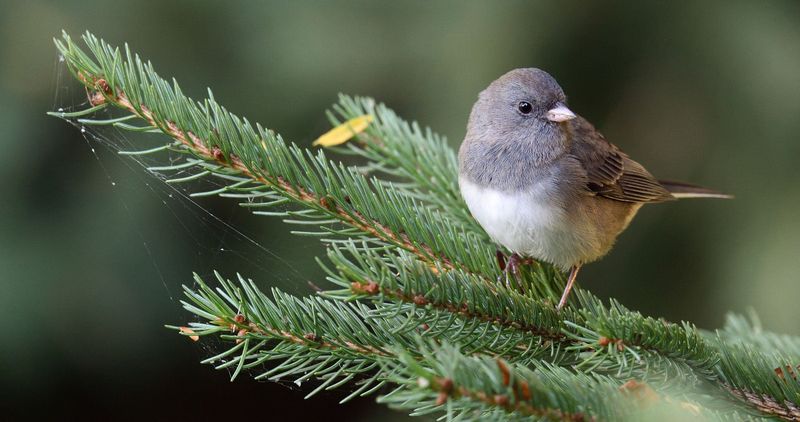
Long before anyone hung a plastic feeder, juncos wintered in Ohio on what the land offered. Native plants were their grocery store, and they still are today.
Goldenrod, asters, and black-eyed Susans drop seeds that juncos happily collect. Native grasses like little bluestem and switchgrass add even more to the pantry.
Berries round out the menu when seeds run low. Eastern Red Cedar, Serviceberry, Blueberry, Wintergreen, American Holly, and Spicebush all produce fruit that birds enjoy.
Food is only half the story, though. Native shrubs and grasses also offer shelter from wind, snow, and hungry predators.
These plants grew up alongside Ohio wildlife, so they tend to handle local weather with little fuss. Most need less water and fertilizer than many fancy imported shrubs.
They also support insects that feed other birds in spring and summer. That makes your yard helpful all year, not just during snowy months.
Start with one small bed of mixed natives near a window you use often. Add a cedar or holly in a corner for winter cover and bright berries.
Local nurseries and county soil and water offices often hold native plant sales in spring. Those events are great places to ask questions and find healthy starter plants.
Picture your grandkids someday watching juncos pick seeds from a garden you planted. That is a legacy worth growing.
9. Their Arrival Signals A Seasonal Shift
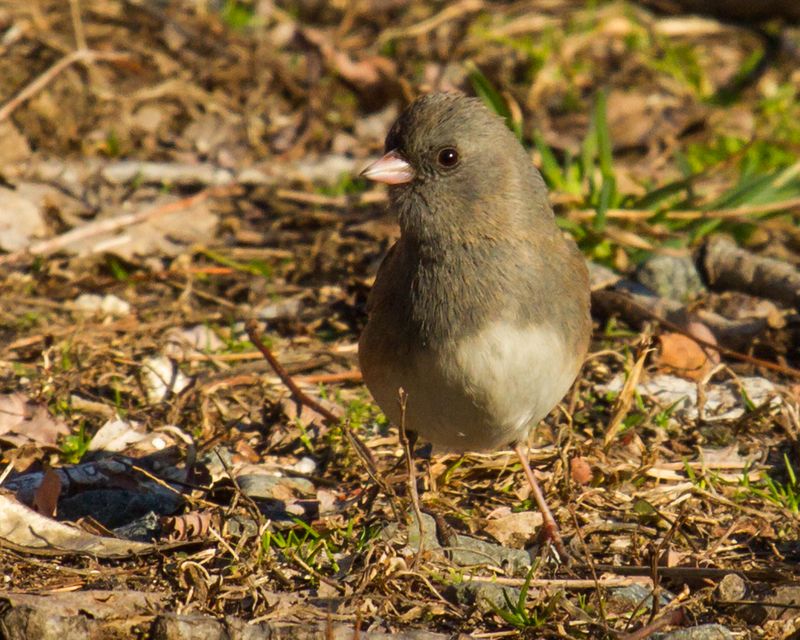
Weather forecasters use radar and satellites, but backyard birders have a simpler tool. When the first juncos hop across the lawn, many Ohioans know winter is knocking.
That is why folks call them snowbirds. Across much of North America, their arrival is seen as a reliable sign that the cold season is near or already here.
Of course, juncos cannot predict an exact snowfall date. They simply respond to the same shrinking days and cooling air that shape the whole season.
Still, their timing lines up so well that many people treat them like a friendly reminder. It might be time to find the snow shovel and swap out the car wipers.
Their appearance also marks a shift in your yard’s rhythm. Summer birds like orioles and hummingbirds have left, and winter regulars take over the stage.
Welcome juncos with a tidy feeding area, some open water, and plenty of cover. Those simple steps help them get through the toughest months in good shape.
Come spring, they will slip away north again, often by April. Their departure becomes another clue, this time hinting that warmer days are on the way.
So the next time a small gray bird flashes white tail feathers under your feeder, take a moment to smile. The seasons are turning, right on schedule.