What It Really Means When Your Texas Lawn Turns Gray-Blue In The Heat
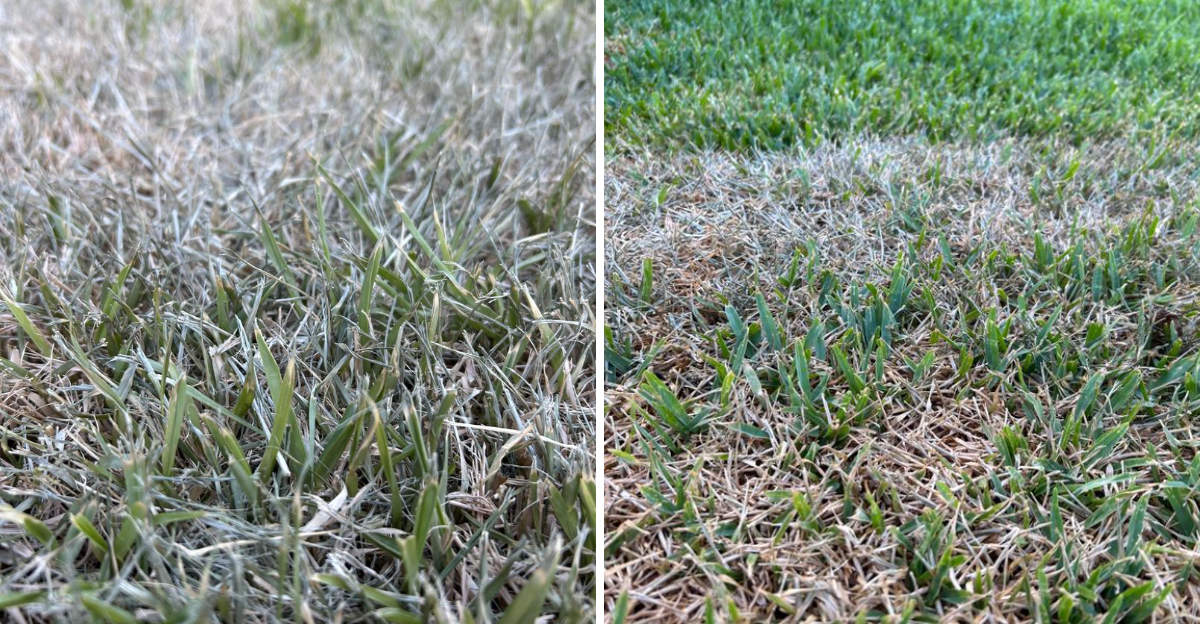
Texas lawns do not always turn brown before they ask for help. Sometimes they go quiet first.
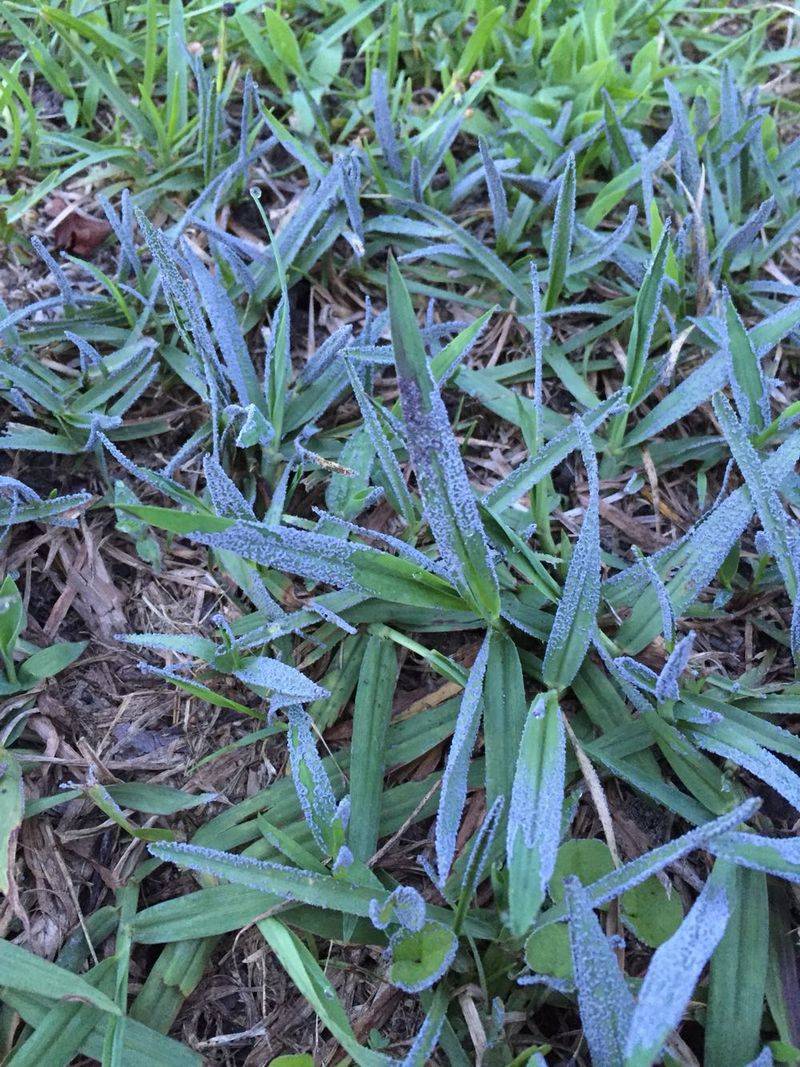
By midafternoon, the bright green fades into a dull gray-blue cast. Footprints linger longer than they should. Grass blades fold in on themselves.
The whole yard starts looking tired, even though nothing has technically turned crispy yet.
That color shift is a warning. Your lawn is trying to slow water loss before the heat pushes it too far. The roots may not be reaching deep moisture.
The soil may be drying faster than your watering schedule can handle. The turf may be sliding toward dormancy one hot day at a time.
So what is that gray-blue color really telling Texas homeowners?
Start by reading it as an early stress signal, not a lost cause. Catch it soon enough, and the fix may be as simple as deeper watering, better timing, smarter mowing, and a soil check before summer heat writes the next chapter in brown.
1. Turf Is Closing Stomata
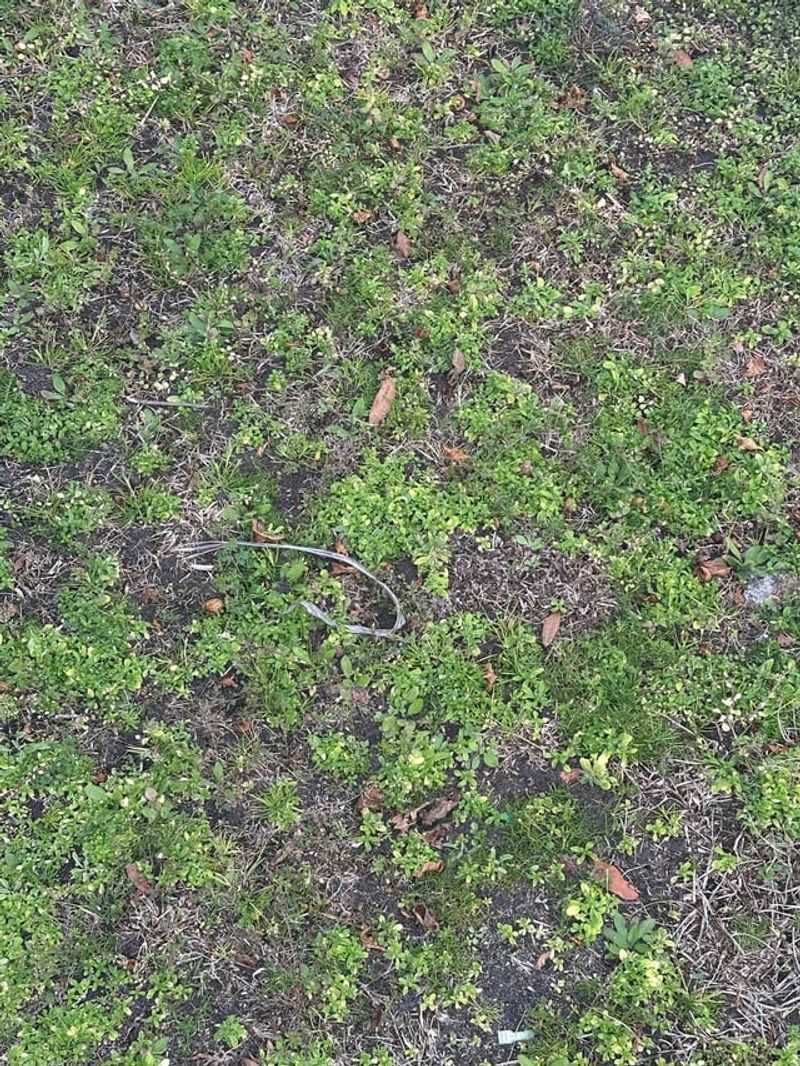
That gray-blue cast across the lawn is not random.
It is the grass shifting into protection mode. Turf blades have tiny pores called stomata that help control water movement. During extreme Texas heat, the plant closes those pores to reduce moisture loss.
That shutdown changes how the blade behaves.
As the grass loses internal water pressure, the leaf surface reflects light differently. The fresh green look fades into a dull, steel-blue tone that can spread across the yard during the hottest part of the day.
It is not pretty, but it is smart.
The lawn is trying to conserve moisture before the stress becomes worse. Think of it as turf putting itself on low-power mode while the afternoon sun acts like a spotlight with a grudge.
This sign often appears before full browning.
That is good news. Gray-blue turf still has a chance to recover once moisture returns to the root zone and temperatures ease. Brown, brittle grass is a much later warning with fewer easy options.
Watch the timing.
A lawn that turns gray-blue only during peak afternoon heat, then looks better by morning, may be coping with temporary stress. A lawn that stays dull after a cooler night needs attention.
The color is a signal to check soil moisture, irrigation depth, and root health.
Do not panic. Do not overwater blindly. Let the grass talk, then answer with facts from the soil.
2. Roots Need Deeper Moisture
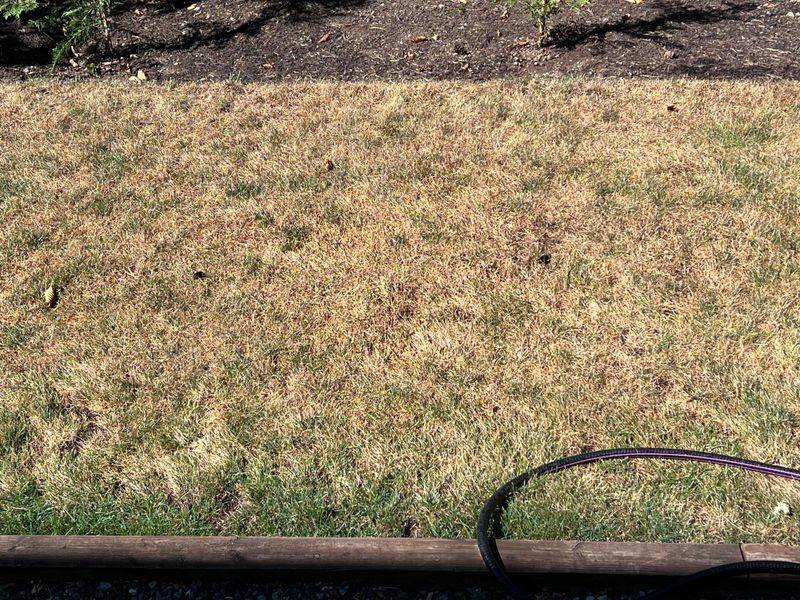
Gray-blue grass often means the roots cannot reach enough moisture.
That does not always mean the lawn received no water. It may mean the water never moved deep enough. A sprinkler can run often and still leave the lower root zone dry, especially during a Texas summer with hot wind and fast evaporation.
Roots follow moisture.
A lawn watered only at the surface develops shallow roots near the hottest part of the soil. That makes the grass more vulnerable every time temperatures climb. Deeper moisture encourages roots to move downward, where soil stays cooler and more stable.
Your Texas Garden Changes Every Week. Your Plan Should Too.
Gardening in Texas changes quickly throughout the season. Every Friday you’ll receive a simple weekly plan showing exactly what to plant, prune, fertilize, harvest, and protect so you never miss the right timing.
That deeper root zone becomes the lawn’s summer savings account.
During a dry stretch, grass with deeper roots can draw from stored moisture. Grass with shallow roots runs out fast and starts flashing that gray-blue warning earlier in the day.
Use a screwdriver or soil probe after watering.
Push it into the lawn. Easy movement several inches down usually means moisture reached deeper soil. Resistance after an inch or two means water stayed too shallow.
Aim for moisture six to eight inches deep when irrigating.
That may require longer watering, slower watering, or cycle-and-soak timing in areas where runoff starts quickly. The goal is not flooding the lawn. The goal is sending water where roots can actually use it.
A gray-blue lawn is not always asking for more watering days.
It may be asking for better watering depth.
Deep roots make tougher turf, and Texas heat respects toughness.
3. Footprints May Linger
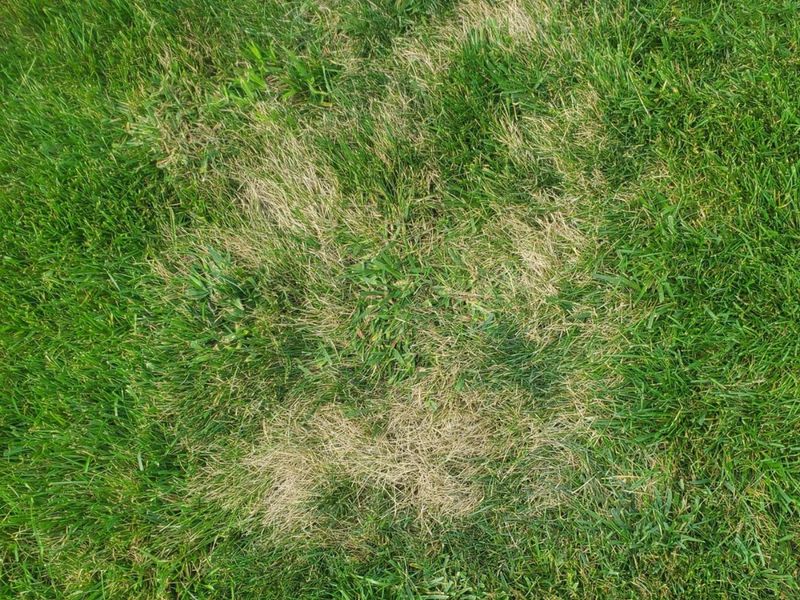
Footprints that stay pressed into the lawn are a classic heat-stress clue.
Healthy grass blades spring back quickly after someone walks across them. Stressed blades stay flattened because they do not have enough internal water pressure to stand upright again.
That is the footprint test.
Walk across the lawn during late morning or afternoon, then look behind you. Footprints that remain visible for several minutes suggest the turf is losing moisture faster than the roots can replace it.
This clue often appears before the color shift becomes obvious.
That makes it useful. A homeowner may notice footprints first, then see the gray-blue tone spreading later. Together, those signs point toward early drought stress rather than immediate permanent damage.
Timing matters here too.
Footprints during the hottest part of a brutal afternoon may not mean disaster. The lawn may recover overnight as temperatures drop and water demand slows.
Persistent footprints the next morning are more serious because the grass did not rebound during its easiest recovery window.
Pair the footprint test with a soil check.
Lingering footprints plus dry soil several inches down means irrigation is likely needed. Lingering footprints with moist soil may point toward compacted soil, root trouble, or another stress.
This test costs nothing and takes less than a minute.
It is lawn scouting in sneakers.
The grass may not speak, but it absolutely keeps receipts. Footprints are one of them, stamped right into the blades.
4. Shallow Watering Is Failing
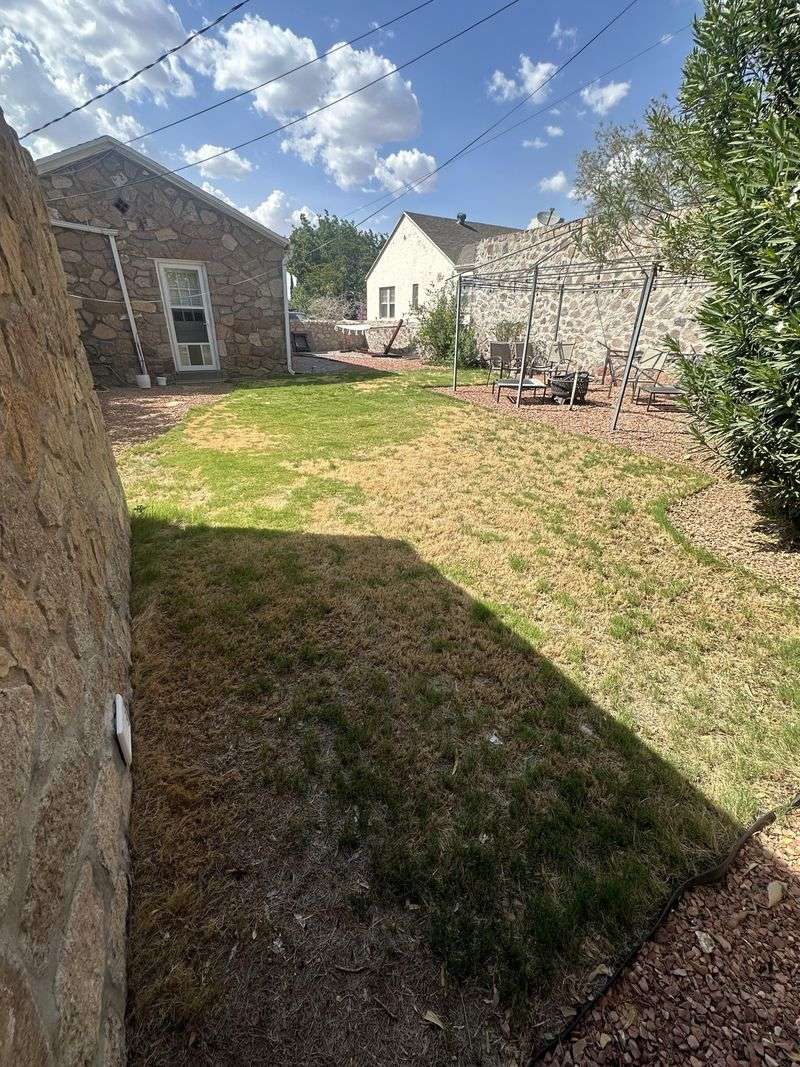
A quick sprinkler run can make a lawn look cared for while leaving the roots thirsty.
That is the trap.
Five or ten minutes of water may wet the surface, darken the grass briefly, and make the homeowner feel productive. During Texas heat, that shallow moisture can evaporate fast, sometimes before it reaches the root zone that matters most.
The lawn learns from the pattern.
Frequent shallow watering encourages roots to stay near the surface. That creates a weaker turf system that struggles as soon as the top layer dries. The gray-blue color then appears earlier because the plant has no deeper reserve.
Longer, less frequent watering usually works better.
The goal is to wet the soil deeply, then wait until the upper layer begins to dry before watering again. That rhythm encourages roots to grow downward and gives the grass more staying power between irrigation cycles.
Runoff can complicate the plan.
Some Texas soils, especially heavier clay, absorb water slowly. A long sprinkler cycle may send water down the curb instead of into the lawn. Cycle-and-soak watering helps by splitting one irrigation session into shorter rounds with breaks between them.
Test your current routine.
Water as usual, then push a probe into the soil. Shallow resistance means the schedule is not reaching deep enough. Adjust the timing before assuming the lawn needs more days of watering.
Shallow watering is like giving the lawn a sip through a straw during a barbecue.
Texas turf needs a real drink.
5. Soil Type Changes Timing
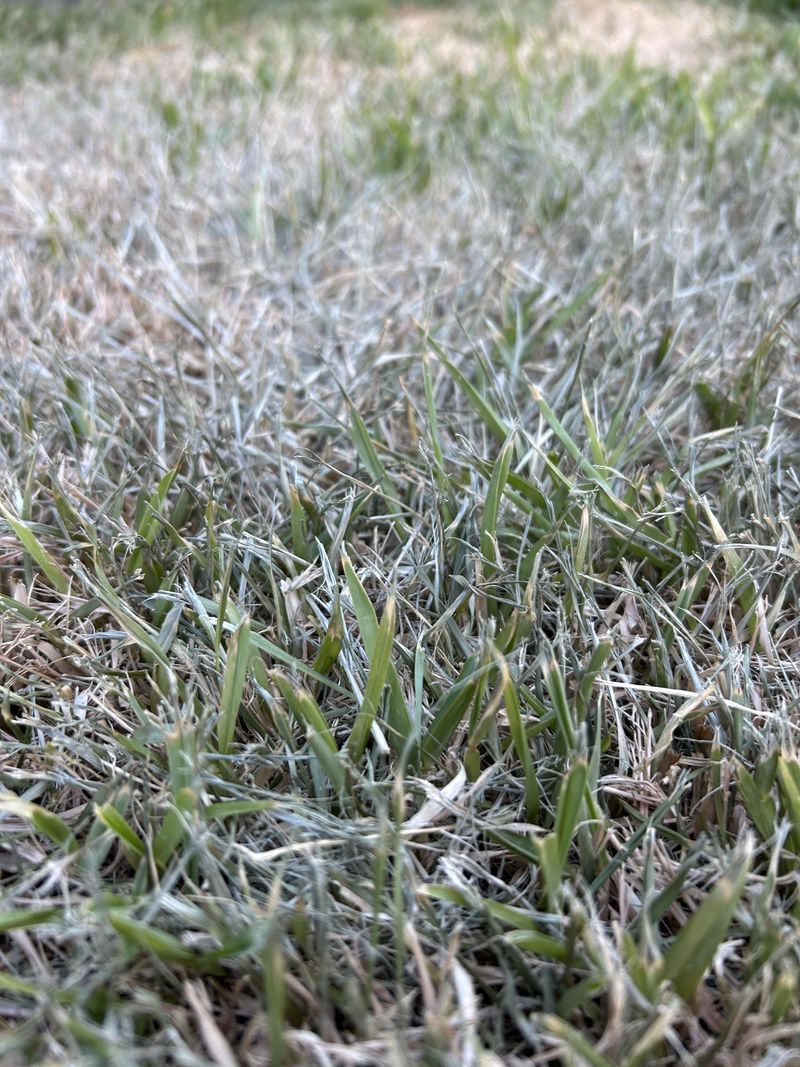
Texas soil does not follow one set of rules.
Sandy yards, clay-heavy lawns, and loamier patches all handle water differently. That means the same sprinkler schedule can help one lawn and fail another a few streets away.
Sandy soil drains fast.
Water moves through quickly, which can leave roots dry sooner during hot weather. A sandy lawn may need watering in shorter, carefully spaced sessions so moisture does not rush below the active root zone.
Clay soil brings the opposite challenge.
It holds moisture longer, but it also absorbs water slowly. Sprinklers can create puddles or runoff before the deeper soil gets enough moisture. That leaves the surface wet, the curb busy, and the roots still under-supplied.
Loam gives gardeners more forgiveness.
It holds moisture while still draining reasonably well. Even then, heat, slope, compaction, and grass type still change the timing.
A simple jar test can help.
Place soil and water in a clear jar, shake it, and let it settle. Sand drops quickly. Silt settles after that. Clay stays cloudy longer. The layers show what your lawn is working with.
Use that knowledge to tune irrigation.
Clay often benefits from cycle-and-soak watering. Sandy soil may need smaller but more responsive timing. Compacted soil may need aeration before watering can work properly.
Gray-blue grass is the visible clue.
Soil type is the backstage manager. Get that part right, and the lawn’s summer performance improves fast.
6. Heat Stress Is Building
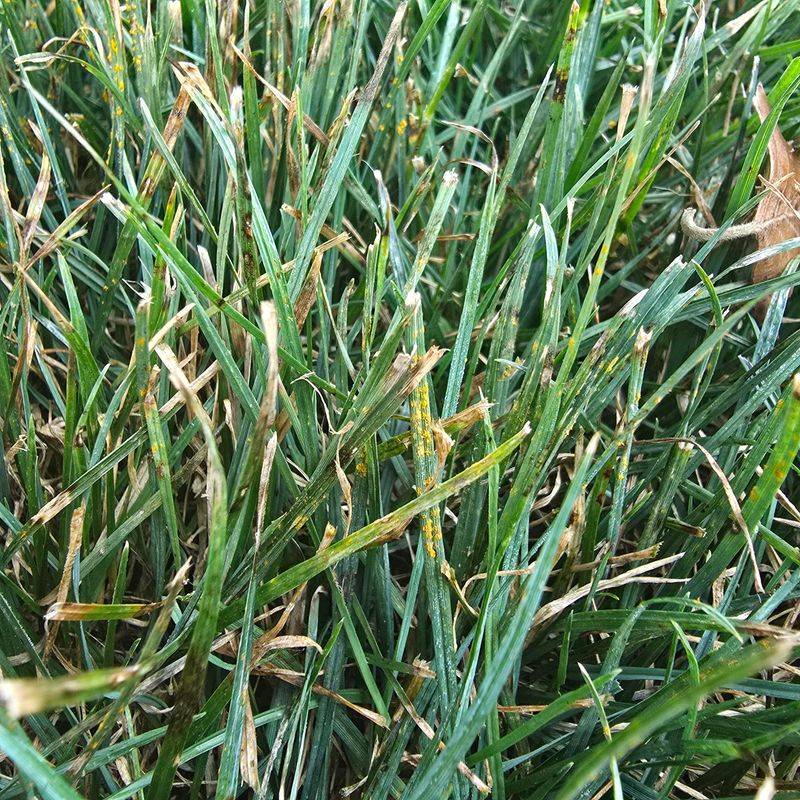
A gray-blue lawn may be showing several days of stress at once.
Texas heat builds pressure slowly, then suddenly makes it obvious. One hot afternoon may not cause major trouble, but repeated high temperatures, dry wind, intense sun, and shallow soil moisture can stack up until the grass starts losing ground.
Wind makes the problem worse.
Hot air moving across the lawn pulls moisture from grass blades faster. A south or southwest wind on a scorching day can push turf into stress even when the irrigation schedule looked fine last week.
Soil temperature matters too.
The ground can heat far beyond the air temperature, especially in full sun near pavement, driveways, sidewalks, and bare areas.
Roots slow down under extreme soil heat, which makes water uptake less efficient right when the plant needs it most.
Mowing height can help or hurt.
Cutting grass too short removes shade from the soil surface. Taller turf shades its own root zone, holds moisture better, and reduces heat buildup near the crown. Scalped grass has no summer dignity and very little protection.
Avoid heavy traffic during stress.
Footsteps, pets, equipment, and parked items press already-weakened grass down and can worsen compaction.
Heat stress is not one villain.
It is a committee of sun, wind, soil, mowing, and moisture. The gray-blue color shows up when the committee gets too loud.
Cooling the root zone starts with deeper watering, proper mowing, and less punishment during peak heat.
7. Dormancy May Be Starting
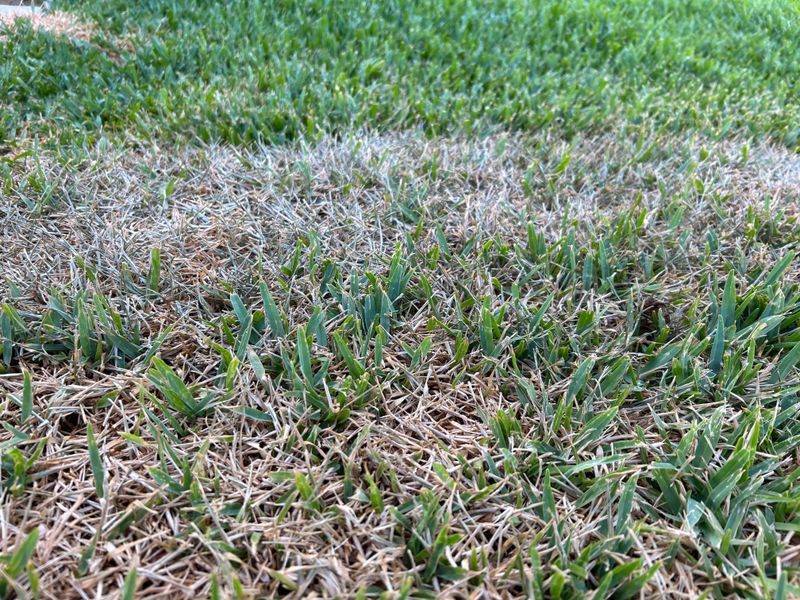
Gray-blue can be the doorway into dormancy.
Warm-season Texas grasses can slow down when heat and drought stretch too long. That is not failure. It is survival. The plant begins protecting the crown and roots while reducing energy spent on green top growth.
Early stress looks gray-blue.
Longer stress can shift turf toward tan, straw, or brown. At that stage, the grass may be dormant rather than permanently damaged, especially when the crowns remain alive and anchored.
A gentle tug tells part of the story.
Dormant grass usually stays rooted. Blades may look rough, but the plant still resists pulling. Grass that lifts easily with little resistance may have deeper injury, pest damage, or root decline.
Dormancy can be a valid water-saving strategy.
During extreme drought or watering restrictions, some homeowners allow warm-season lawns to rest rather than forcing active growth. The key is keeping the crown alive with occasional moisture, not abandoning the lawn completely.
Do not fertilize dormant or severely stressed turf.
Pushing growth during survival mode adds pressure. Wait until conditions improve and the lawn begins active recovery.
Watch for green-up after rain or proper irrigation.
A healthy dormant lawn can rebound once moisture and temperatures become more favorable. The recovery may not be instant, but steady green return is a good sign.
Dormancy is the lawn saying, “I am not thriving, but I am still here.”
That is not a victory lap, but it is not the end of the season either.
8. Irrigate Deeply Then Wait
The best summer watering rhythm is deep, then patient.
Texas lawns do better when water reaches the root zone and the soil gets time to partially dry before the next irrigation.
Constant shallow watering keeps roots weak. Long dry neglect pushes the lawn toward stress. The sweet spot sits between those mistakes.
Early morning is the best window.
Water between the very early hours and shortly after sunrise so less moisture is lost to evaporation. The lawn starts the day with moisture available, and grass blades dry before night, which helps reduce disease pressure.
Water to depth, not by habit.
Use a screwdriver, soil probe, or moisture meter to confirm water reached six to eight inches down. Timer settings are only guesses until the soil proves they worked.
Then wait.
Let the top couple of inches dry before watering again. That drying period encourages deeper roots and reduces waste.
The lawn should not stay soggy, and it should not be lightly sprinkled every day like a houseplant with a lawnmower subscription.
Adjust during heat waves.
More intense heat, wind, and sandy soil may shorten the interval. Cloudy weather, clay soil, shade, or recent rain may lengthen it. The schedule should follow the lawn, not the calendar.
A smart controller can help, but observation still matters. Gray-blue color, lingering footprints, folded blades, and soil resistance all tell you when stress is building.
Water deeply, pause wisely, and let the roots learn to chase moisture down. That is grass-roots strategy in the most literal Texas way.