The Native Michigan Tree That Drops Thousands Of Seeds Every Fall (In A Good Way)
Each October, something quietly spectacular unfolds across Michigan’s yards and forest edges. A common native tree begins releasing its seeds, thousands of them, each one twisting downward on a pair of papery wings like a tiny built-in propeller.
Those spinning seeds aren’t litter cluttering your lawn. They’re food for chipmunks and songbirds, future seedlings waiting for the right patch of soil, and a small but real thread connecting your backyard to the wider forest.
So which tree is behind this yearly spectacle, and what’s really going on inside those little whirling seeds? Let’s take a closer look.
A Familiar Yard Tree Sends Its Seeds Spiraling Down Every Fall
Walk outside on a breezy October morning and you will see them. Thousands of tiny winged seeds are spinning down from the sugar maple like nature’s own confetti.
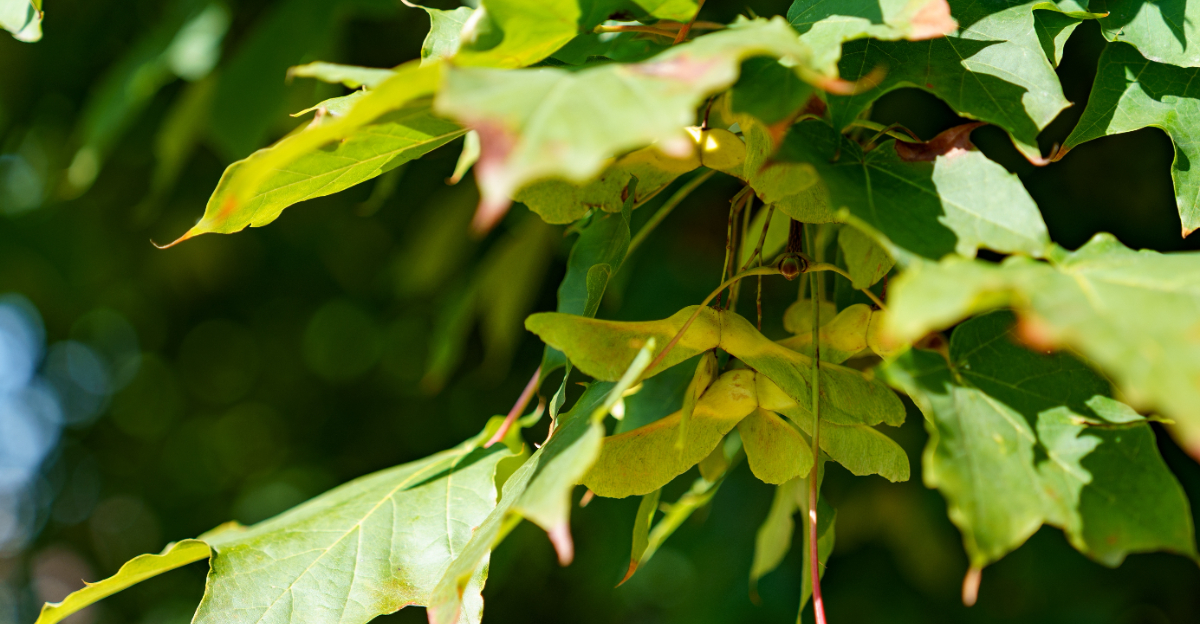
That native Michigan tree dropping seeds every fall is the sugar maple. Its seeds, called samaras, have a papery wing attached that makes them spin as they fall.
That spinning motion is not random at all. It slows the seed’s descent and lets the wind carry it far from the parent tree.
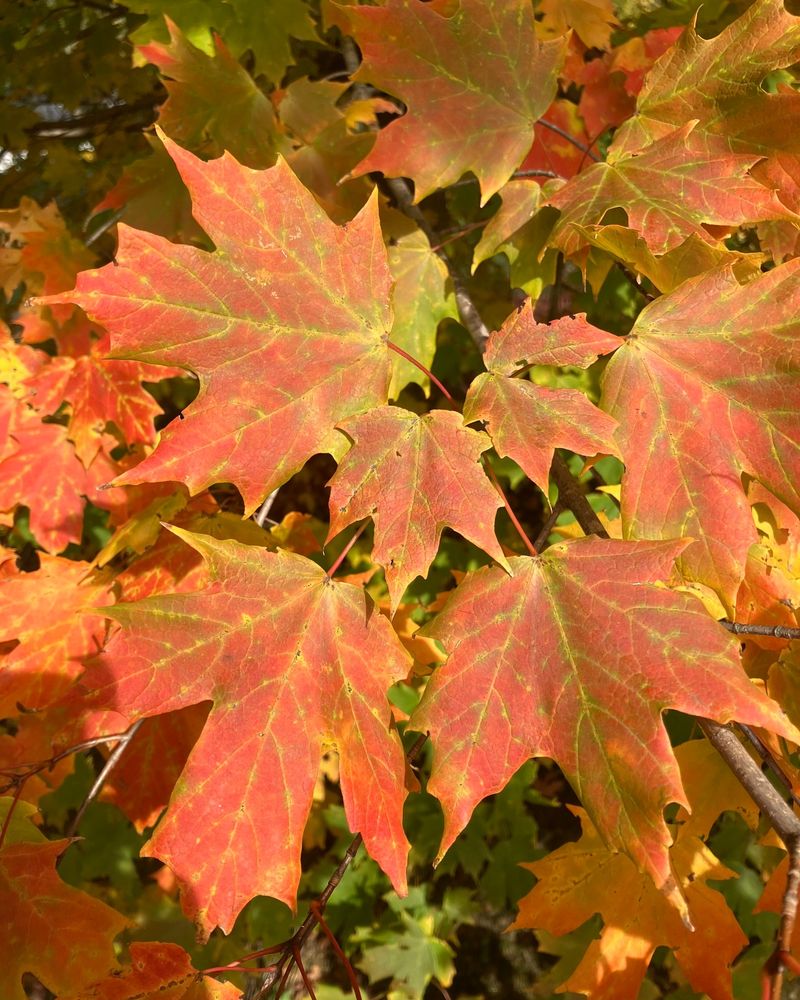
Sugar maples are one of the most iconic trees in Michigan. They line streets, fill forests, and turn backyards into gold and crimson every autumn.
Most people notice the leaves first, but the seed drop is just as impressive. A single mature maple can release tens of thousands of samaras in one season.
The seeds fall in a wave, usually between September and November. Timing depends on the tree’s age, health, and the season’s weather patterns.
Watching it happen feels almost choreographed. Every gust sends a fresh burst of spinning seeds twirling toward the ground below.
Homeowners often rake them up without a second thought. But those little helicopters are doing something far more important than making yard work harder.
The seed drop is the maple’s way of ensuring its survival. It is one of the most efficient reproduction strategies among wind-dispersed trees.
That small spinning seed carries the blueprint for a full-grown maple. Nature packed a whole forest’s future into something lighter than a paperclip.
Those Spinning Seeds Are Actually Feeding Local Wildlife
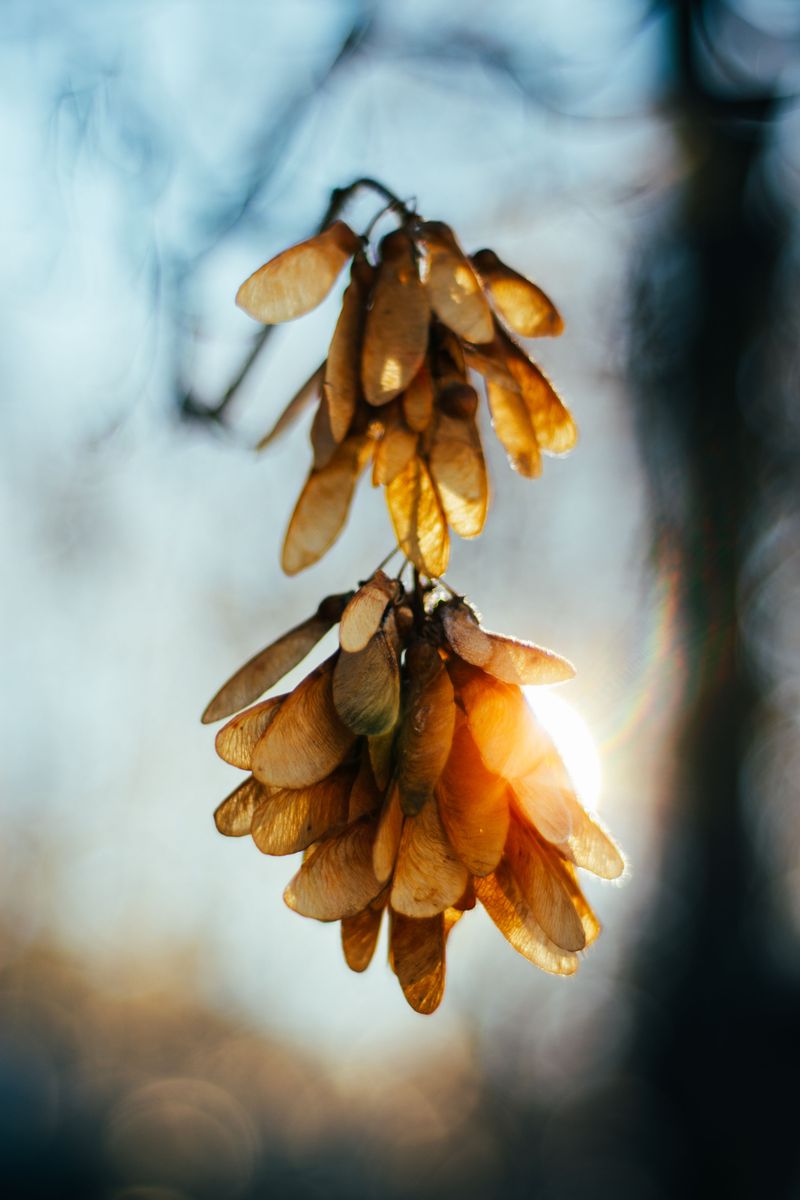
Before you sweep those seeds off your driveway, consider who else wants them. A surprising number of wild animals depend on maple samaras as a fall food source.
White-tailed deer occasionally browse on maple foliage and twigs near the seed drop. They forage along forest edges where fallen seeds and leaves collect beneath the branches.
Wild turkeys scratch through leaf litter looking for samaras. They can consume large quantities in a single morning of foraging.
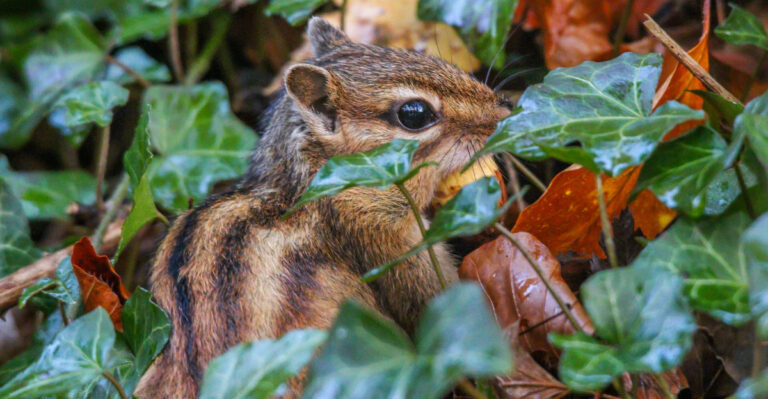
Chipmunks stuff their cheek pouches full of seeds and carry them to underground caches. Those hidden stashes fuel them through the cold months ahead.
Larger mammals occasionally forage on fallen seeds along with other fall mast. The extra calories come at a useful time heading into the colder months.
Your Michigan Garden Changes Every Week. Your Plan Should Too.
Gardening in Michigan changes quickly throughout the season. Every Friday you’ll receive a simple weekly plan showing exactly what to plant, prune, fertilize, harvest, and protect so you never miss the right timing.
Songbirds like finches and grosbeaks pick samaras off the ground and from low branches. The seeds provide fat and protein during fall migration.
That native Michigan tree dropping seeds every fall is not just decorating your lawn. It is running a free wildlife cafeteria for dozens of species.
Insects also benefit from the seed drop. Certain beetles and moth larvae feed on maple seeds as part of their life cycle.
This feeding activity supports a broader food web, from small mammals up to the predators that rely on them. Hawks and foxes are part of that same chain, drawn by the smaller animals gathering under the maple.
One tree becomes a whole ecosystem. The seed drop is the event that sets everything in motion each autumn.
The Maple’s Winged Seeds Are Built For Long-Distance Spread
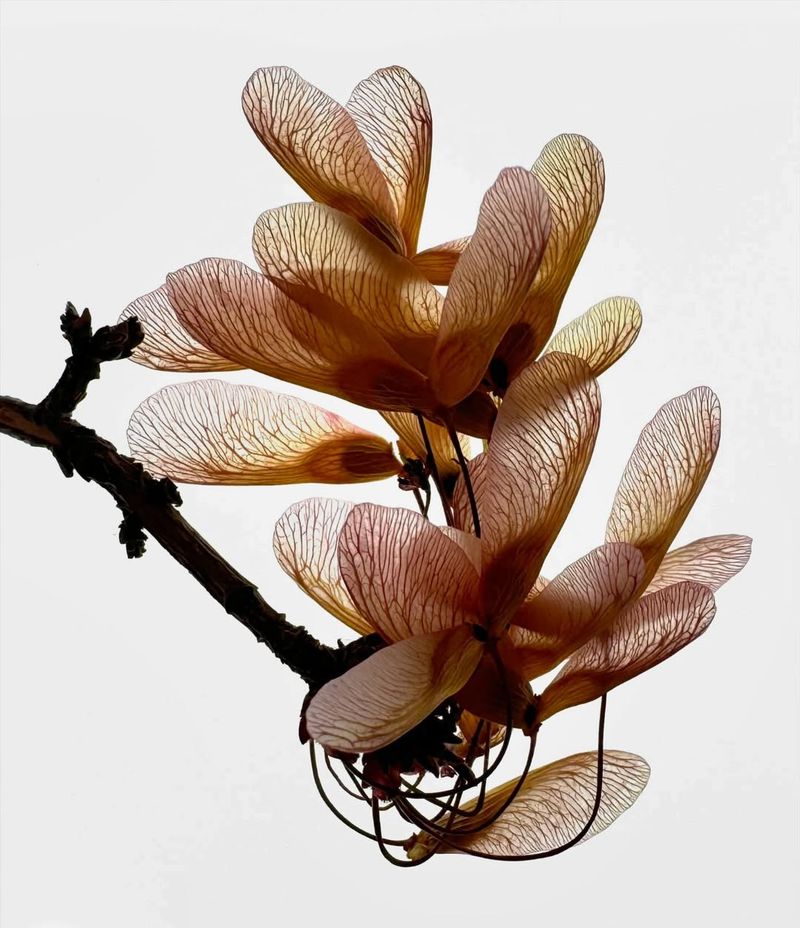
Engineers have actually studied maple samaras for aerospace design inspiration. The wing shape creates a controlled spin that maximizes air time during descent.
Each samara has one seed attached to a flat, curved wing. That wing generates lift as the seed rotates, working almost like a tiny helicopter rotor.
Under strong wind conditions, samaras have been recorded traveling well beyond 300 feet from the parent tree. Wind speed and height of release determine the final landing spot.
The spin is not just for show. It creates a stable, predictable fall pattern that keeps the seed upright and ready to germinate on contact with soil.
Sugar maple samaras typically grow in fused pairs, joined at the base. When the pair separates, each half spins independently.
This doubles the spread potential from a single seed structure. That native Michigan tree dropping seeds every fall has been perfecting this design for millions of years.
Cold stratification is required for the seed to sprout. It needs a period of freezing temperatures before it will germinate in spring.
Falling in autumn is perfectly timed for that reason. The seed lands, gets buried under snow, freezes, and wakes up ready to grow in April.
The maple relies on wind and wildlife, not people, to plant, time, and disperse its seeds. It handles the entire process each year without any help from a gardener’s hand.
Squirrels And Birds Rely On This Fall Seed Drop
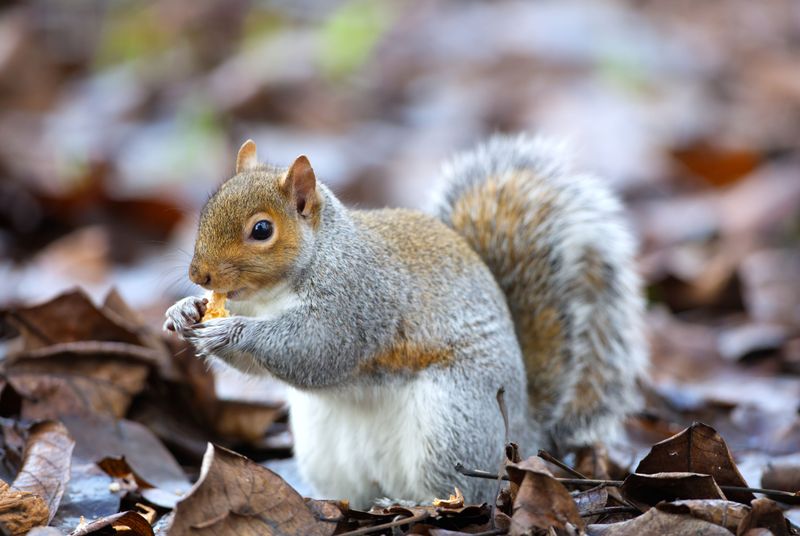
Gray squirrels treat the maple seed drop like an annual harvest festival. They begin collecting samaras as soon as the first ones hit the ground.
A single squirrel can bury hundreds of seeds in scattered caches across a yard or woodland. Most of those caches are never fully recovered.
Forgotten seeds become next year’s seedlings. Squirrels are, without knowing it, actively planting maple trees across entire neighborhoods.
Red squirrels are also active hoarders, often collecting samaras as soon as they hit the ground.
Birds also play a major role in seed spread. Evening grosbeaks are especially fond of maple seeds and carry them significant distances before eating or dropping them.
Purple finches peel the wing off the samara and eat the seed inside. Their precision feeding is almost surgical to watch up close.
That native Michigan tree dropping seeds every fall creates a reliable food calendar for local wildlife. Animals have adapted their behavior around the maple’s annual cycle.
Nuthatch birds forage along maple bark and branches. They often find seeds caught in crevices and help themselves to an easy meal.
The relationship between maples and local animals is ancient. Both species evolved together over thousands of years in the Great Lakes region.
When you protect a mature maple, you protect an entire web of wildlife. That one tree feeds, shelters, and supports more life than most people realize.
A Few Sprouted Seedlings Are Easy To Manage In The Yard
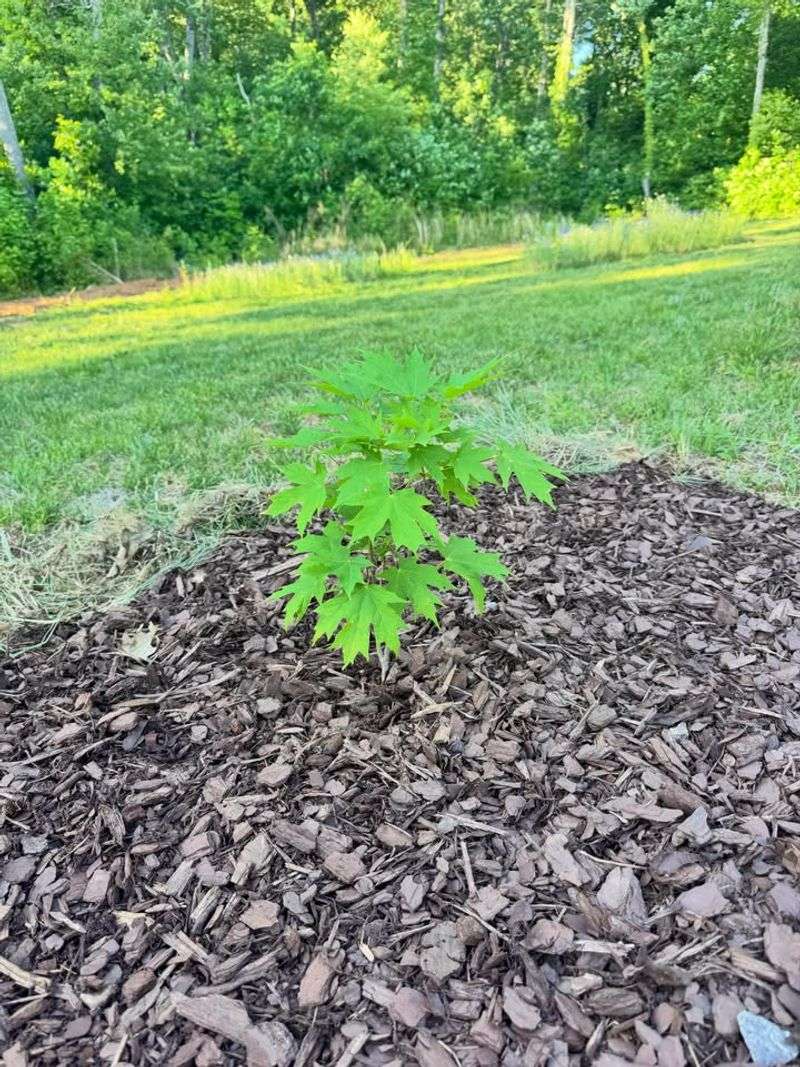
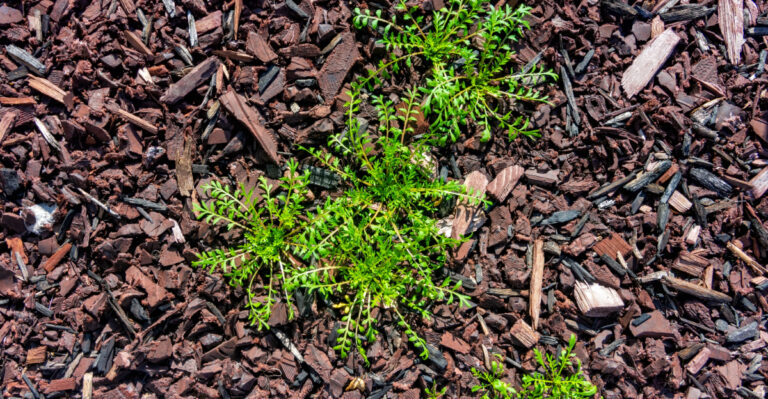
Spring arrives and suddenly your garden has a hundred tiny maple trees in it. Panic is understandable, but the situation is genuinely easy to handle.
Maple seedlings sprout quickly after the snow melts. They send up two small seed leaves first, followed by the classic maple leaf shape within days.
Young seedlings pull out of the ground effortlessly when the soil is moist. A light tug removes the whole root system before it has a chance to establish.
The best time to weed them is right after a rain. Dry soil makes roots cling, but wet soil releases them with almost no effort.
If you want to keep a few, pot them up and give them away. Maple seedlings make wonderful free gifts for neighbors starting new gardens.
Mulching garden beds in spring reduces germination significantly. A two-inch layer of wood chips blocks light and stops most seeds from sprouting.
That native Michigan tree dropping seeds every fall does create some extra spring cleanup. But the workload is minimal compared to the benefits the tree provides.
Mowing regularly keeps seedlings from establishing in lawn areas. Most will not survive repeated cutting before they develop a strong root system.
Larger seedlings that get overlooked can be transplanted to better spots in the yard. Maples moved before their second year adapt quickly to new locations.
Managing maple seedlings is a small price for a magnificent tree. A little spring weeding keeps the yard tidy without harming the maple at all.
This Native Tree Remains A Top Landscape Choice
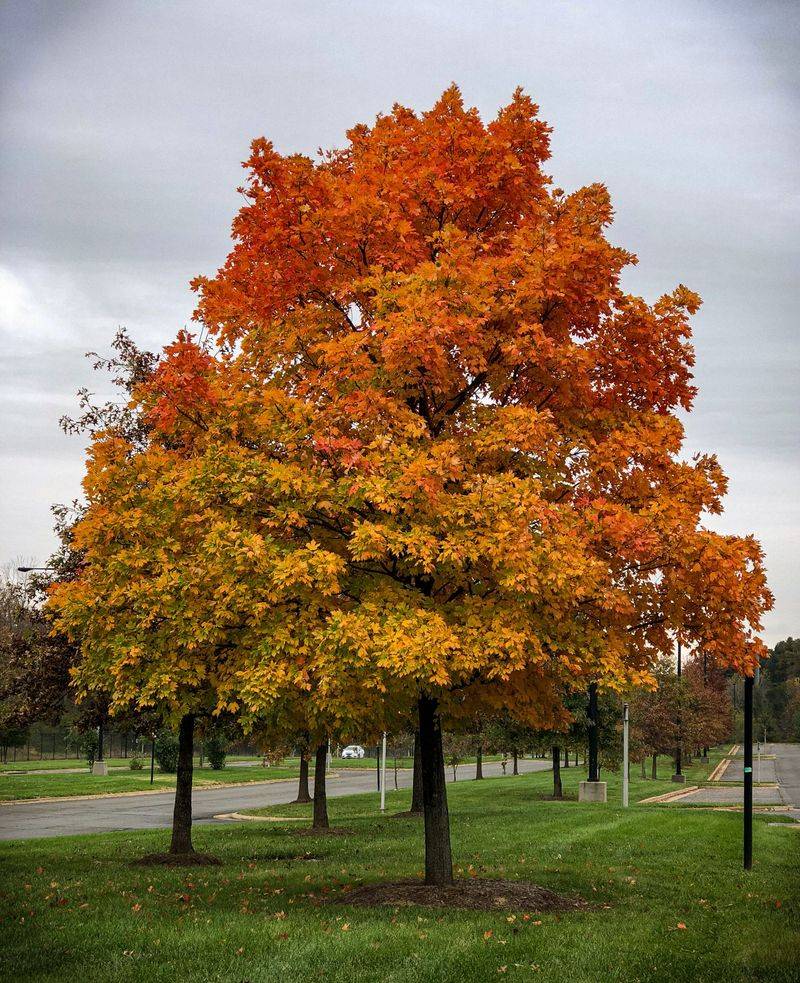
Few trees earn their place in a yard the way the sugar maple does. It gives shade in summer, blazing color in fall, and wildlife habitat year-round.
Native trees require far less maintenance than imported ornamental species. The sugar maple evolved to thrive in Michigan’s climate without extra watering or chemical treatments.
Its root system helps prevent soil erosion along slopes and near water features. Deep roots hold the ground together during heavy rain events.
Maples also improve air quality by absorbing carbon dioxide and releasing oxygen. A mature tree processes a significant amount of air pollution each year.
The canopy provides cooling shade that can lower home energy bills in summer. Studies show well-placed shade trees reduce cooling costs by up to 25 percent.
That native Michigan tree dropping seeds every fall also supports pollinators in spring. Maple flowers bloom early and offer one of the first nectar sources for bees.
Tapping sugar maples for syrup is a beloved tradition in the Great Lakes region. A single tree can produce enough sap for several bottles of syrup each season.
The wood is prized for furniture, flooring, and musical instruments. Hard maple lumber is among the most durable and beautiful in North America.
Planting a sugar maple today means leaving a legacy for future generations. These trees can live for 400 years under the right conditions.
That native Michigan tree dropping seeds every fall is not a nuisance. It is a tree that gives back to the land in ways most homeowners never fully see.