8 Creative Ways To Hide A Tree Stump In Your Tennessee Yard
That stump sitting in your yard refuses to just disappear. Mowing around it makes you relive that moment weekly. Tennessee yards seem to hide this same stubborn problem everywhere you look.
Nothing in your yard looks quite as awkward as a leftover stump. Removing it yourself could actually save you serious money. Grinding crews charge you steep fees for a single afternoon.
Creative homeowners across Tennessee already dodge that costly expense near your home. Clever tricks let you turn old wood into something beautiful. Paint, plants, or clever staging can transform your eyesore instantly.
Options range from whimsical to wildly practical, matching your exact patience level. Some fixes take you an afternoon, others take a weekend. Either way, your backyard soon stops distracting you and starts impressing.
Curious neighbors will surely ask where you found such a clever fix. You will not want to miss what happens to your yard.
1. Cover It With A Large Decorative Planter On Top
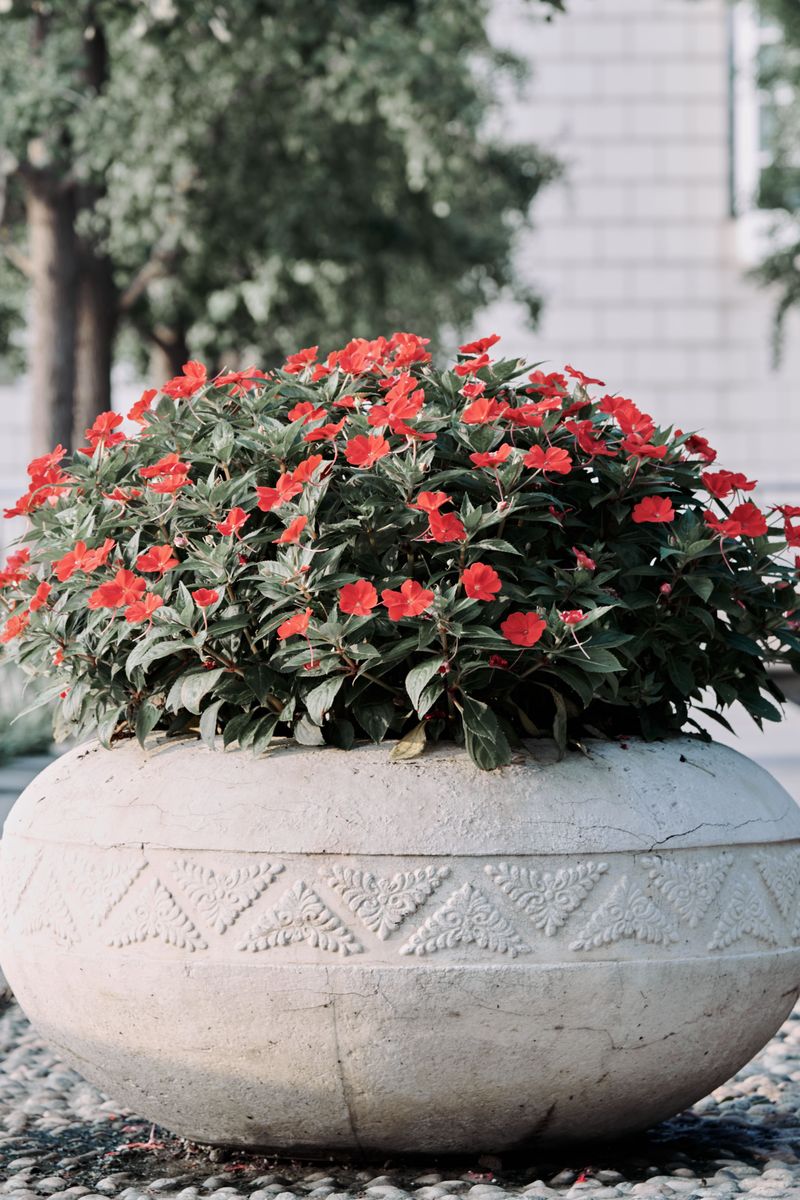
That stump is not a problem. It is a pedestal waiting for its moment. Placing a large decorative planter directly on top of a stump is one of the fastest fixes around. You skip the digging, skip the hauling, and skip the headaches.
Choose a heavy ceramic or concrete pot for stability. Lightweight plastic planters can tip over in wind, which is common during spring storms across the mid-South.
Fill your planter with soil and pick plants that thrive in your climate zone. Petunias, marigolds, and sweet potato vine all do well in the Tennessee heat and look stunning cascading over pot edges.
The stump beneath acts as a natural riser, giving your planter extra height. That elevation actually makes flower arrangements look more intentional and polished in any yard layout.
Make sure the pot has drainage holes so water does not pool underneath. Standing moisture can speed up stump decay faster than you want, causing the base to become unstable over time.
You can swap out seasonal plants to keep the display fresh all year. Mums in fall, pansies in winter, and bright zinnias in summer keep your yard looking alive every single month.
If the stump is uneven, use a flat paver stone underneath the pot to level it. A stable base keeps everything looking clean and prevents tipping after heavy rainfall.
Hiding a tree stump this way costs very little and takes under an hour. Your yard transformation starts the moment you set that first pot down.
2. Build A Small Raised Flower Bed Around It
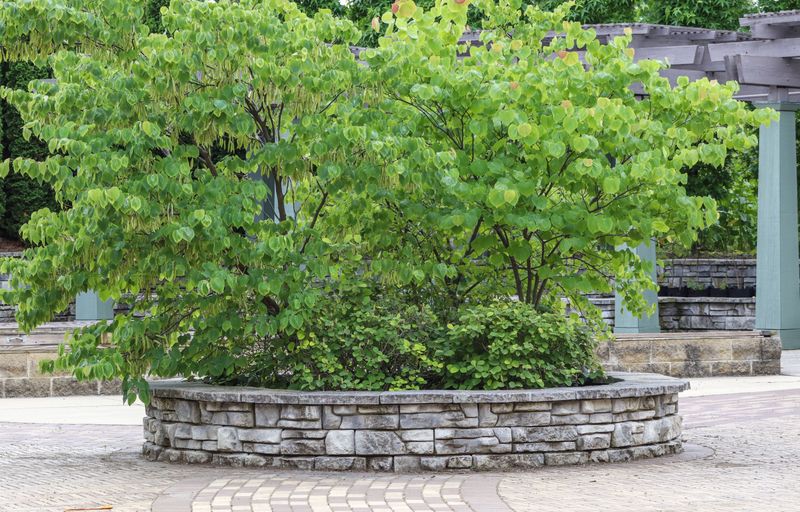
Some stumps are too wide for a single planter to cover. That is exactly when a raised flower bed becomes your best option.
Building a border around the stump frames it instead of fighting it. Suddenly the stump looks like part of the design rather than a mistake left behind.
Use landscape timbers, natural stone, or cedar boards to create the border. Cedar resists rot naturally, which matters a lot in humid Tennessee summers where wood breaks down quickly.
Your Tennessee Garden Changes Every Week. Your Plan Should Too.
Gardening in Tennessee changes quickly throughout the season. Every Friday you’ll receive a simple weekly plan showing exactly what to plant, prune, fertilize, harvest, and protect so you never miss the right timing.
Fill the enclosed space with quality garden soil mixed with compost. Good soil gives your plants the nutrients they need to establish quickly and grow strong through the season.
Plant low-growing perennials that come back each year without replanting. Black-eyed Susans, coneflowers, and daylilies all thrive across the state and need minimal care once they get established.
The stump itself can be left in place as the raised bed fills in around it. Over time, natural fungal decay will help break it down without any chemical help.
Add a thin layer of mulch on top of the soil to lock in moisture. Mulch also keeps weeds from taking over, which saves you time during the busy growing season.
Paint or stain the border wood to match your home exterior for a polished look. Coordinated colors make the whole setup look intentional rather than improvised.
Hiding a tree stump with a raised bed adds real curb appeal. Neighbors will ask who designed your garden, not where the old tree went.
3. Surround It With Mulch And Shade-Loving Ferns
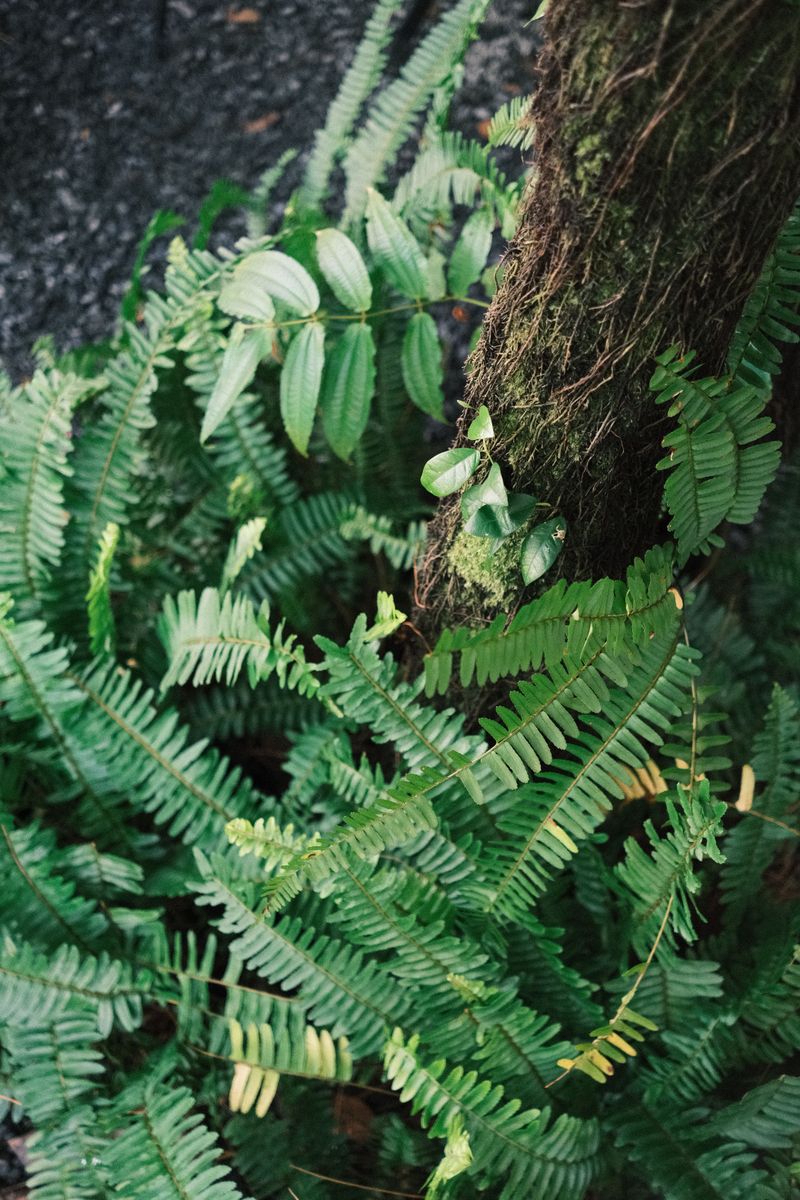
Ferns are practically made for moments like this. They spread, they soften, and they make everything around them look intentional.
Surrounding a stump with mulch and shade-loving ferns works especially well under existing tree canopy. Most Tennessee yards have at least one shady corner where grass refuses to grow anyway.
Start by spreading a generous ring of hardwood mulch around the base of the stump. Aim for a three-inch depth, which helps regulate soil moisture and suppresses weeds naturally.
Christmas fern is a native variety, while autumn fern is a non-native ornamental, and both perform beautifully across the state. Both handle heat, humidity, and occasional drought without much fuss from the gardener.
Plant ferns in clusters rather than single rows for a more natural appearance. Nature rarely lines things up neatly, and mimicking that randomness makes the whole scene look organic.
Water new ferns deeply twice a week until roots establish, usually within four to six weeks. After that, rainfall in most parts of the state handles the job for you.
The stump itself will slowly disappear beneath spreading fronds over one or two growing seasons. You do not need to remove it because the ferns do the concealing work for you.
Add a few smooth river rocks at the edges of the mulch ring for a finishing touch. Rocks anchor the mulch during heavy rain and give the bed a clean, defined border.
This low-maintenance approach proves that hiding a tree stump can noticeably improve your shaded yard space. Simple, natural, and completely beautiful.
4. Turn It Into A Mini Fairy Garden Display
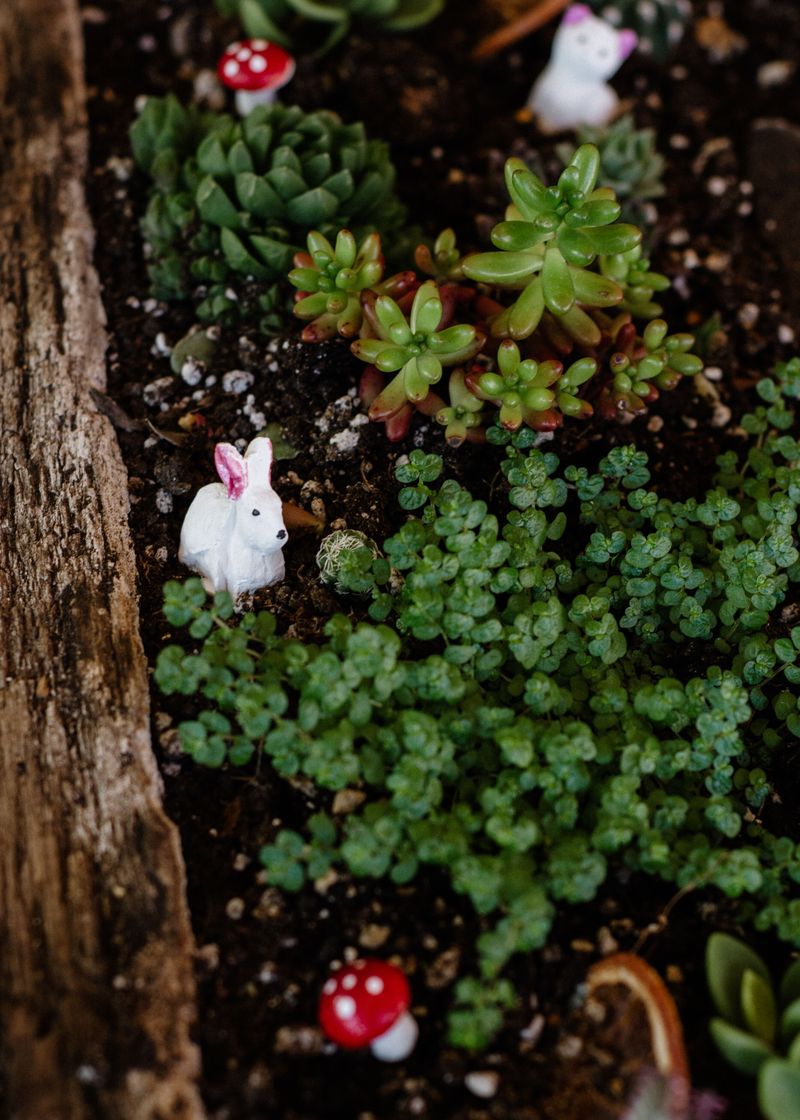
Kids tend to get really excited about this one. Adults secretly love it just as much. A mini fairy garden transforms a boring stump into a tiny magical world that becomes the centerpiece of your outdoor space.
All you need is a little creativity and a trip to a craft or garden store. Start by covering the top of the stump with a thin layer of potting soil and sheet moss. Moss anchors everything in place and gives the display that lush, enchanted forest feel right away.
Add miniature figurines like tiny mushrooms, fairy doors, and small wooden bridges. These accessories are widely available online and in most garden centers throughout the region.
Tuck in small succulent plants between figurines for living texture. Hens and chicks or sedum varieties stay compact and require almost no watering once established on the stump surface.
Use pebbles or tiny shells to create pathways across the top of the stump. Pathways make the scene feel like a real neighborhood rather than just a random collection of miniatures.
Seal any figurines with outdoor waterproof spray before placing them outside. Tennessee summers bring heavy afternoon rain, and sealed pieces last several seasons without fading or crumbling.
Refresh the display seasonally by swapping in holiday-themed miniatures or new plants. A tiny pumpkin display in October or a small snowman scene in December keeps the yard festive all year.
Hiding a tree stump this way sparks genuine joy for everyone who visits your yard. A little whimsy is always a good design choice.
5. Drape Climbing Vines Over The Exposed Surface
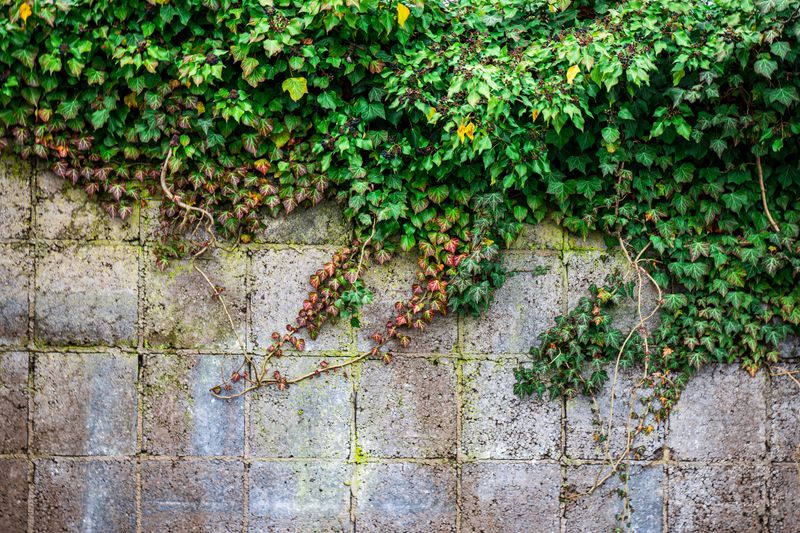
Vines are patient, persistent, and hard to stop. Give them a stump and they will do the rest themselves.
Draping climbing vines over an exposed stump is one of the most hands-off solutions available to any homeowner. You plant once, water occasionally, and watch nature take over the hard work.
Native trumpet vine is a bold choice that grows fast and blooms brilliantly in orange and red. Hummingbirds love it, which means your stump becomes a wildlife magnet as well as a visual fix.
Virginia creeper is another native option that turns a stunning deep red in autumn. The fall color display alone makes this vine worth planting anywhere in your yard.
Push a few small wire stakes into the ground around the stump base to guide early growth. Young vines need gentle direction at first before they figure out what to climb on their own.
Water new vine plantings deeply twice a week during the first growing season. Once established, most native vines handle drought well and require very little intervention from you.
Avoid invasive species like English ivy or kudzu, which can spread aggressively and damage nearby plants. Stick to native or well-behaved cultivars to keep your yard balanced and healthy.
The stump can disappear beneath a green cascade within a season or two, depending on vine growth and stump size. What was once an eyesore becomes a lush focal point that changes with every season.
Hiding a tree stump with vines proves that patience is a legitimate landscaping strategy. Let nature lead, and your yard will thank you for it.
6. Place A Birdbath Or Garden Statue Nearby
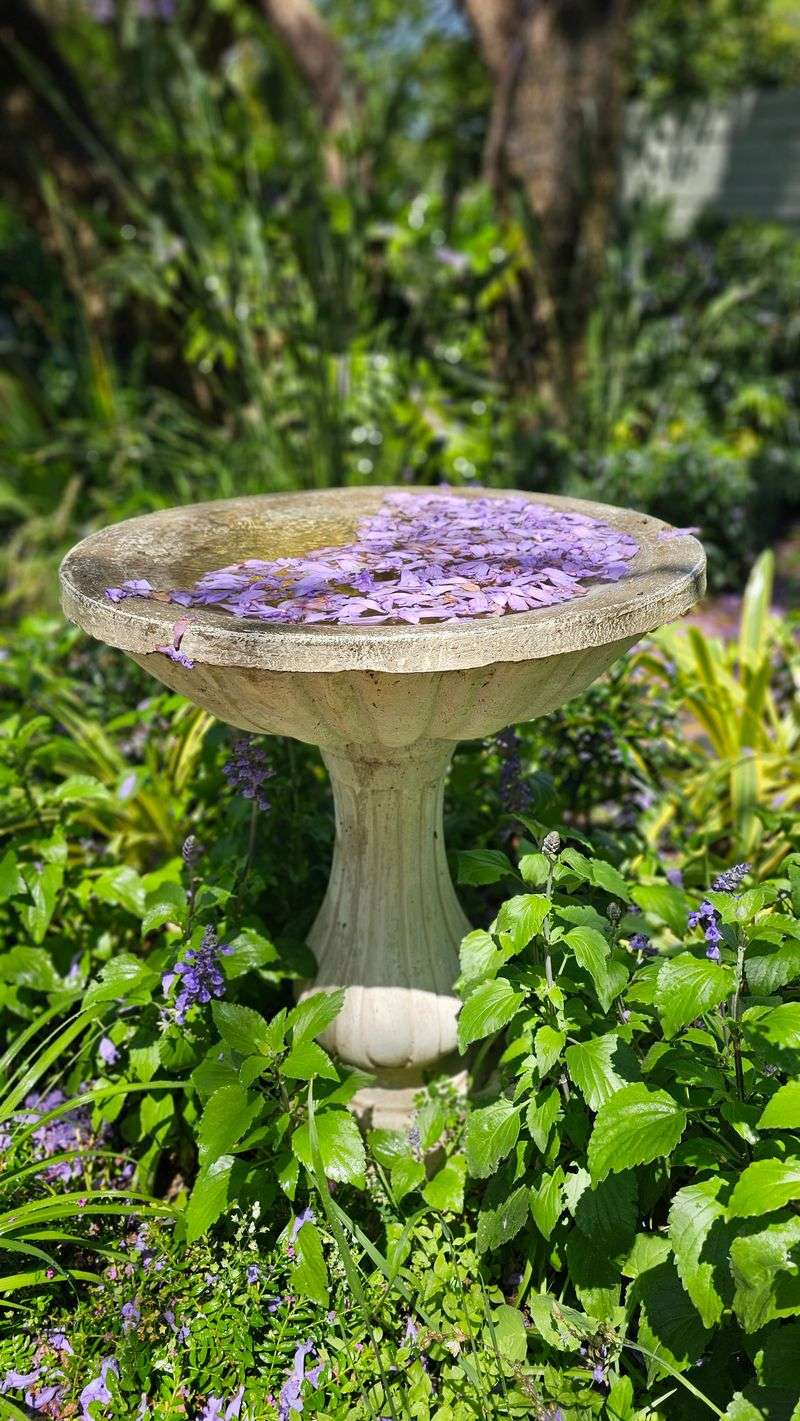
Sometimes the best trick is misdirection. Give the eye something beautiful to focus on, and it forgets all about the stump.
Placing a birdbath or garden statue near the stump shifts attention without requiring any heavy labor. You are not hiding the stump so much as outshining it with something more interesting nearby.
Choose a birdbath with a wide basin that holds enough water for multiple birds at once. A busy birdbath becomes a living attraction that draws the gaze away from anything imperfect around it.
Position the birdbath about two feet from the stump so both elements create a natural vignette. That small distance prevents the setup from looking crowded while still keeping focus away from the wood.
Garden statues made from cast stone or resin hold up well through humid summers and cold winters. Avoid painted ceramic pieces outdoors because they crack when temperatures drop below freezing overnight.
Surround the base of both the stump and the statue with low flowering groundcover. Creeping phlox or ajuga fills gaps quickly and blooms in spring with a carpet of vibrant color.
Refresh the birdbath water every two to three days to keep it clean and mosquito-free. Standing water in summer becomes a breeding ground fast, so a quick rinse makes a big difference.
Add solar-powered lights around the statue for evening ambiance. A softly lit garden corner looks intentional and elegant, especially when guests gather on warm summer nights.
Hiding a tree stump this way turns a yard flaw into a charming destination. Beauty draws the eye, and the stump simply fades away.
7. Stack Rocks Around It For A Natural Look
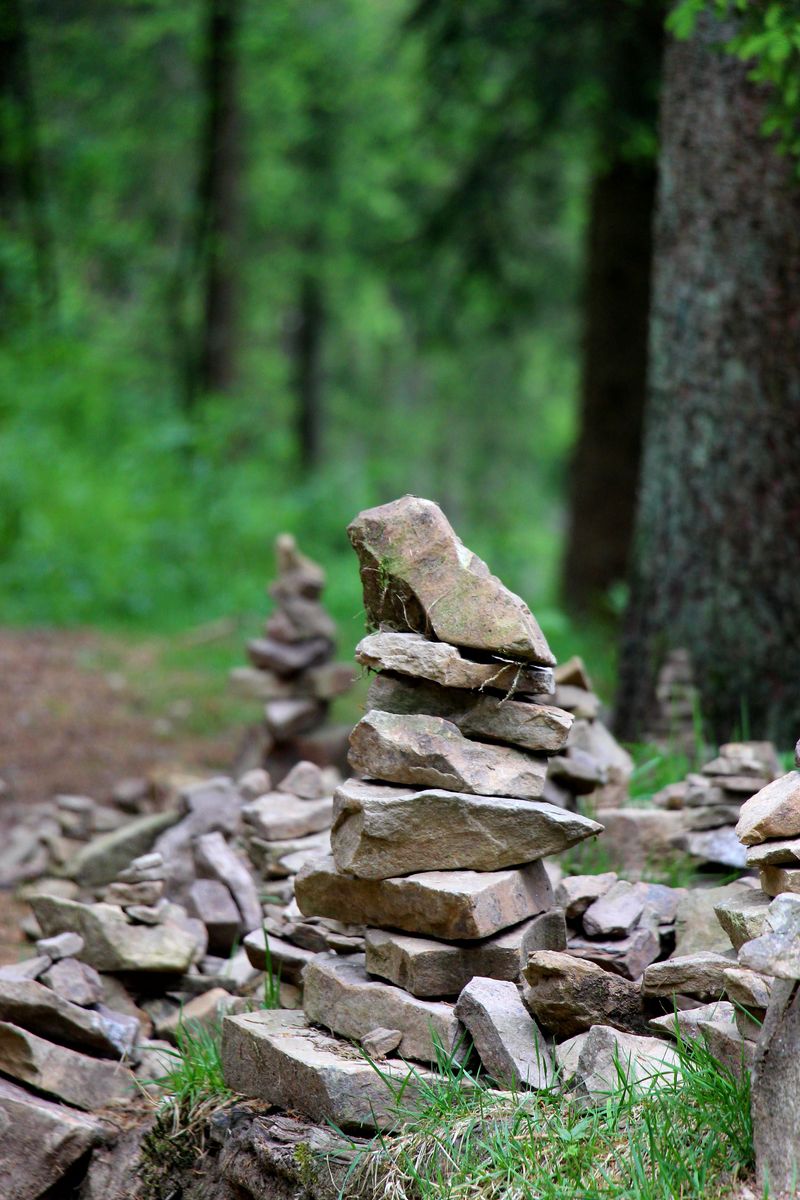
Rocks do not rot, fade, or need watering. They just sit there looking effortlessly rugged and completely at home in any natural yard setting.
Stacking rocks around a stump creates a look that feels like it belongs in a woodland garden or a mountain retreat. Tennessee has no shortage of beautiful fieldstone and river rock to source locally.
Visit a local landscape supply yard to find flat stacking stones that layer easily without mortar. Flat pieces create a stable structure that stays in place even after heavy rainfall soaks the ground.
Start with the largest, flattest stones on the bottom layer directly against the stump base. Work upward in a loose spiral, leaving small gaps between rocks for drainage and visual texture.
Tuck small plants into the crevices between rocks as you build the stack. Creeping thyme, sedum, and moss all root happily in rock gaps and soften the hard edges beautifully.
Leave the top of the stump exposed or cap it with a single large flat stone. A flat capstone gives the whole structure a finished, intentional appearance that looks like professional landscaping.
Spray the rocks lightly with water to bring out their natural color before finalizing placement. Wet stone reveals the full range of tones, helping you arrange colors in a way that looks cohesive.
This approach works especially well on sloped yards where erosion is already a concern. The rock ring stabilizes soil around the stump base while solving two yard problems at once.
Hiding a tree stump under stacked stone gives your yard a timeless, organic character. Some solutions look like they were always meant to be there.
8. Carve It Into A Rustic Seat Or Table
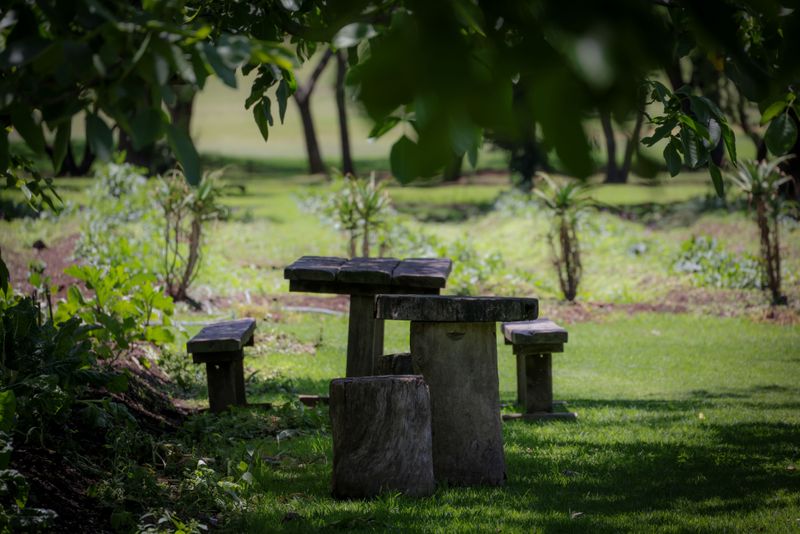
Why hide it when you can use it? A stump with good bones deserves a second life above ground.
Carving a stump into a rustic seat or small table is the most transformative option on this list. You stop seeing a problem and start seeing a piece of custom outdoor furniture.
A chainsaw and a belt sander are the two main tools needed for a basic stump seat. If you are not comfortable with power tools, a local carpenter or arborist can shape it for a reasonable fee.
Sand the top surface smooth enough to sit on comfortably without splinters. Aim for a finish similar to rough-cut lumber, which looks intentional and pairs well with natural yard aesthetics.
Apply an outdoor wood sealant to protect the surface from rain and humidity. Sealed wood resists cracking and mold far longer than untreated wood sitting exposed through wet seasons.
A stump table works beautifully next to a fire pit or garden bench. Set a lantern or a small potted plant on top to complete the look without overcomplicating the setup.
Some homeowners carve decorative patterns or initials into the stump sides for a personal touch. Simple geometric cuts or leaf shapes add character without requiring advanced woodworking skills.
Reapply sealant once a year before the rainy season hits to extend the life of your creation. A small annual effort keeps the piece looking sharp for many years ahead.
Hiding a tree stump by turning it into furniture proves that creativity beats removal every time. Sit down, relax, and enjoy what used to be your most stubborn yard project.