The Ohio Yard Feature That Moles Target Every Single Night
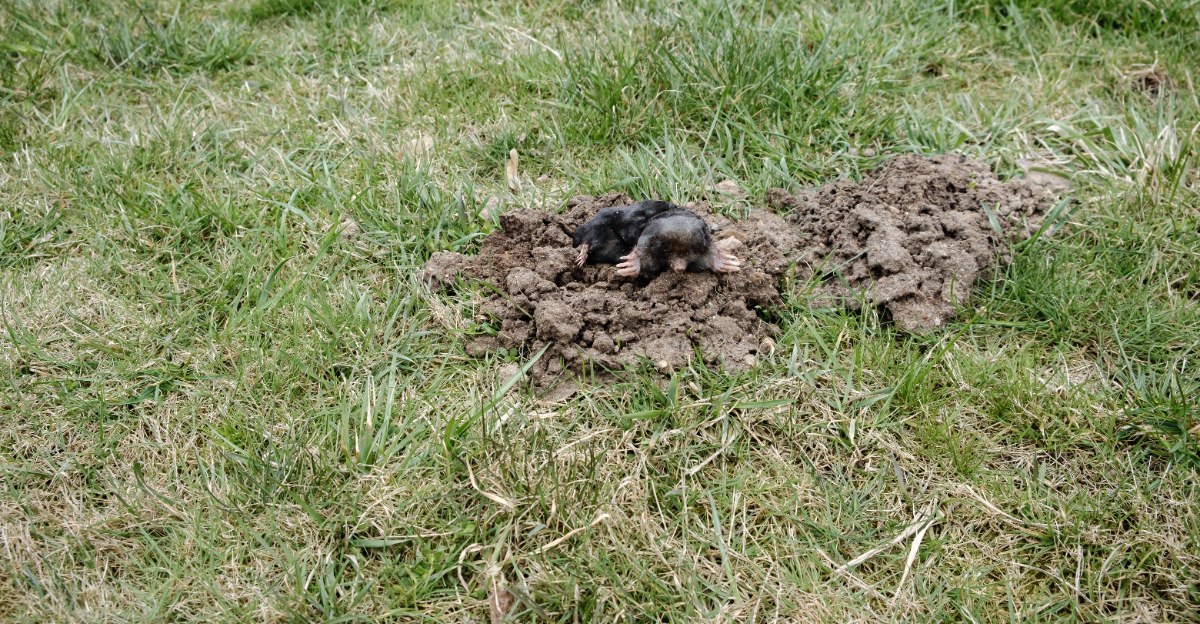
Moles do not wander into Ohio yards by accident. They follow food, and food follows moisture.
A yard that keeps getting hit night after night is not unlucky. It has something specific that moles find worth tunneling through, and it has it consistently enough to make the visit a reliable stop.
The raised ridges, the pushed up soil, the lawn that looked fine yesterday and needs raking today. That damage is obvious.
What created the conditions for it rarely gets examined. One yard feature is doing most of the work here.
It attracts the grub and earthworm populations that moles are actually after. It does it so reliably that the moles return until something about that feature changes.
Still blaming the neighbor’s yard? The answer is probably a lot closer to the house than that.
1. Blame The Moist Lawn Before The Garden Bed
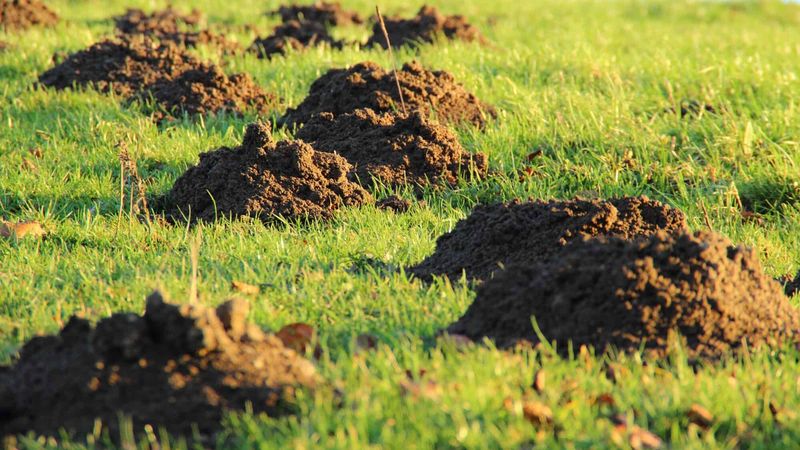
A soft, raised ridge cutting across your Ohio lawn the morning after heavy rain is one of the clearest signs that moles were active overnight. Before suspecting the garden bed, look at where those tunnels actually begin and end.
More often than not, they trace through the lawn itself, not through your flower borders.
Moles are drawn to moist soil because it holds earthworms, grubs, and other invertebrates near the surface.
OSU Extension wildlife guidance notes that the eastern mole, which is common across Ohio, feeds heavily on soil invertebrates found in soft, workable ground.
Lawns watered by irrigation or soaked by recent rain create exactly that kind of environment.
Check where new tunnels appear after a wet stretch of weather. If the ridges run through the turf and angle toward a bed, the lawn is likely the feeding zone and the bed is just a path.
Garden beds can look suspicious because the soil is loose and easy to dig, but the food supply in a well-maintained lawn is often richer and more active.
Tracking tunnel patterns after rainfall can help you map where moles are actually spending their time underground.
2. Know Moles Are Hunting Worms Not Roots
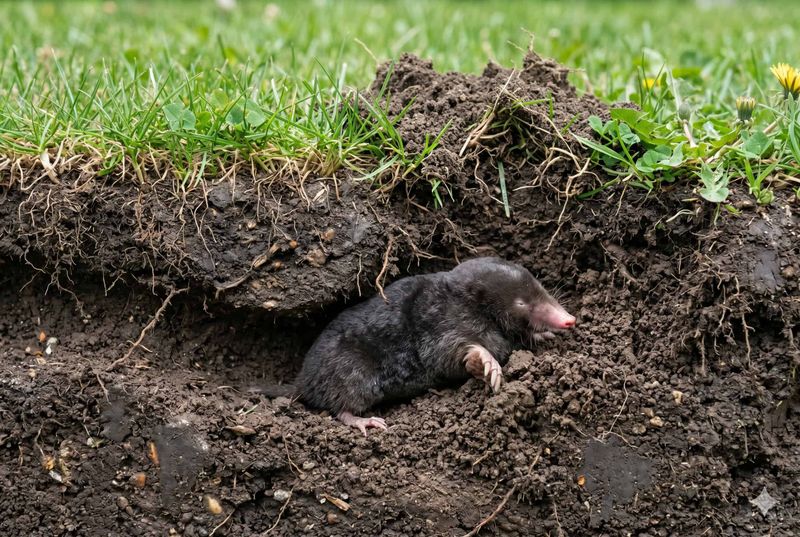
Picture a small, velvety animal with enormous digging claws moving through the dark, not looking for your tulip bulbs, but chasing worms. That is exactly what a mole is doing under your Ohio yard most nights.
Moles are insectivores, meaning their diet is built almost entirely on animal prey found in the soil.
University extension sources confirm that earthworms make up a large portion of the eastern mole’s diet, along with beetle grubs, millipedes, and other soil organisms. Moles do not eat grass, plant roots, or bulbs.
If you are finding chewed roots or missing bulbs, that damage likely points to a different animal entirely, possibly a vole.
Tunneling can disturb roots indirectly. When a mole pushes through the soil, small plants nearby may be uprooted or dried out as air pockets form along the tunnel wall.
That kind of indirect damage is real but different from an animal actually feeding on vegetation. Knowing the difference matters because the solution changes depending on what is actually causing the problem.
Your Ohio Garden Changes Every Week. Your Plan Should Too.
Gardening in Ohio changes quickly throughout the season. Every Friday you’ll receive a simple weekly plan showing exactly what to plant, prune, fertilize, harvest, and protect so you never miss the right timing.
Blaming moles for plant loss that a vole caused can send you in completely the wrong direction when trying to protect your yard.
3. Look For Raised Ridges Across Soft Soil
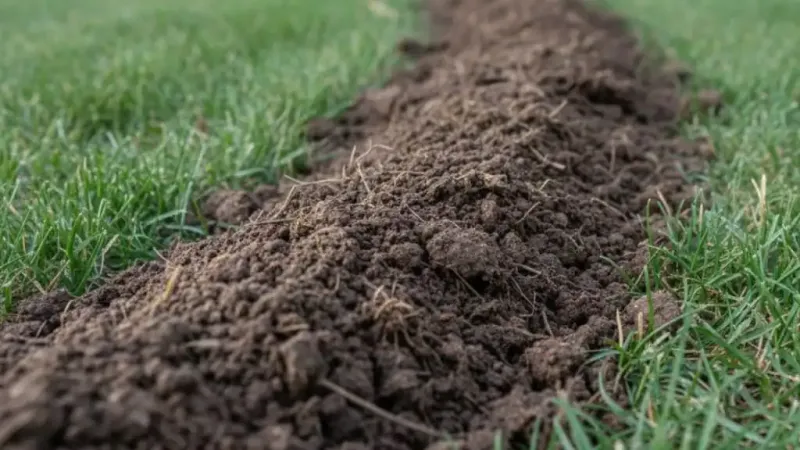
Soft ground underfoot where there should be firm turf is often the first clue something is tunneling below. Moles create two main types of tunnels.
Surface runs appear as raised ridges just below the grass and are usually feeding routes. Deeper tunnels are travel routes that connect feeding areas and are less visible from above.
Wildlife management resources describe molehills as small mounds of loose soil pushed up from deeper digging. They differ from the long, winding ridges of a surface run.
Both signs can appear in the same yard. Checking your lawn carefully after wet weather can reveal which areas are most active.
Walk the lawn slowly and press down gently on any ridges you find. Note which ones feel freshly pushed up and which ones seem older and compacted.
Mark the active areas with small flags or stakes before deciding on any action. Mapping the pattern helps you understand whether the mole is moving in a consistent direction or circling a particular zone.
Turfgrass guidance suggests avoiding unnecessary digging or destruction of tunnel systems at first. Wait until you have a clear picture of where activity is centered.
Random action can make identification harder later.
4. Check Grub Problems Without Assuming They Are The Cause
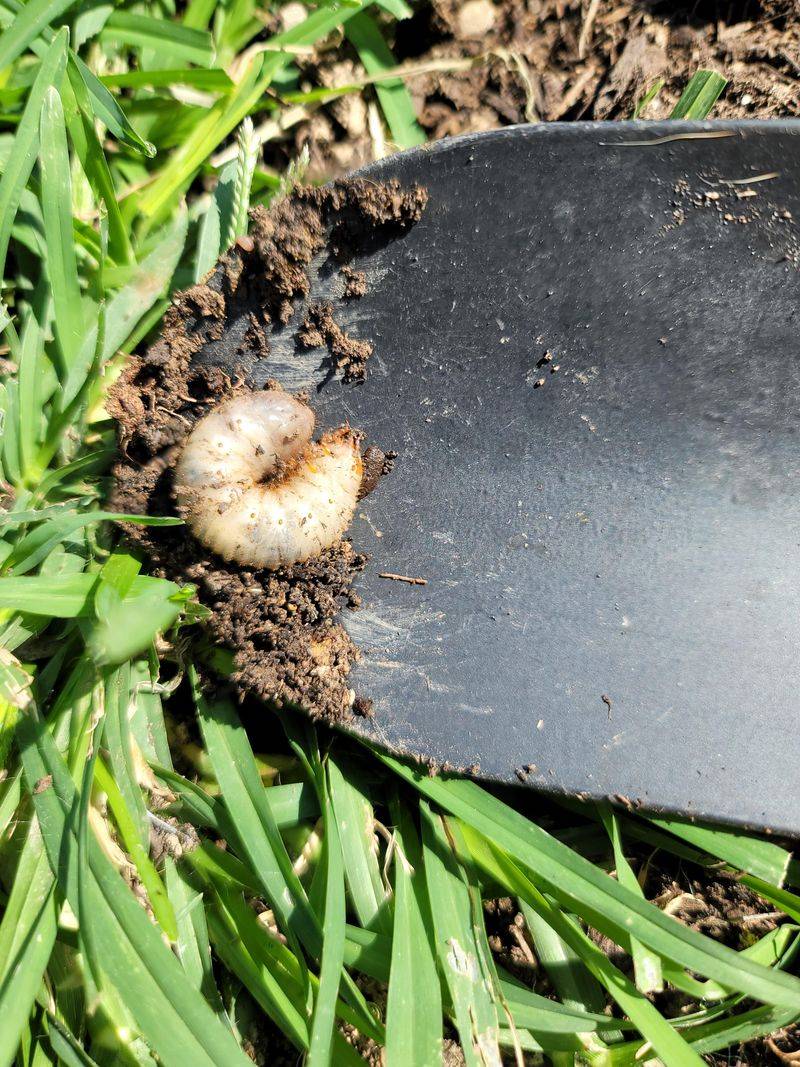
Grubs get blamed for mole problems more often than they deserve. Yes, beetle larvae living in the soil can be part of what attracts moles to a lawn, but they are not the whole story.
Earthworms are also a major food source, and a yard with very few grubs can still support regular mole activity if the worm population is strong.
OSU Extension pest management guidance recommends checking your turf for actual signs of grub damage before treating. Loose, spongy turf that peels back easily can point to a real grub problem.
So can brown patches that do not respond to watering or visible larvae under a square of sod. A threshold of around ten or more grubs per square foot is often used as a treatment guideline, though local extension advice should always guide that decision.
Treating for grubs without confirming a meaningful infestation can waste money and may not reduce mole activity at all if earthworms remain plentiful. Ohio extension guidance is the right starting point before any soil insect treatment.
The goal is accurate diagnosis, not a quick fix that addresses only one part of the food supply while leaving the rest untouched beneath the surface of your lawn.
5. Avoid Crushing Tunnels Before You Identify Them
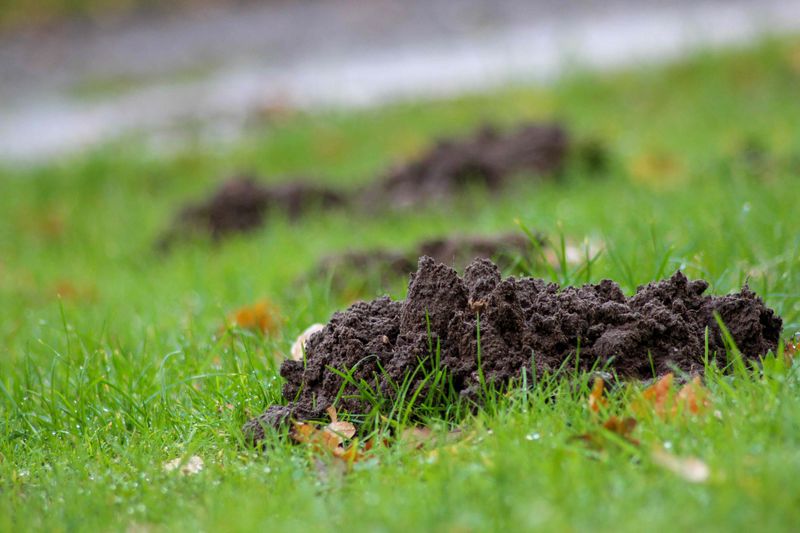
Stomping down every ridge you see might feel satisfying, but it can actually make things harder. Flattening tunnel systems before you know which ones are active removes the information you need to understand where the mole is spending its time.
Patience in the first few days of noticing damage pays off later.
A simple and effective technique involves pressing down just a short section of a surface ridge, maybe a foot or two, and then checking that same spot the next day. If the tunnel is raised again, that run is likely active.
Wildlife management resources suggest this kind of light observation as a way to identify productive feeding routes before any control action is taken.
Active tunnel location matters a great deal if professional trapping or management becomes necessary. A wildlife control professional needs to know which runs are being used regularly, not just where old tunnels exist.
Marking active spots with small flags or garden stakes makes that conversation much easier and more productive. Rushing to flatten everything can leave you with a yard full of old tunnels and no clear picture of where the mole is actually working.
Take a few days to watch the pattern before deciding on your next step.
6. Stop Confusing Mole Runs With Vole Damage
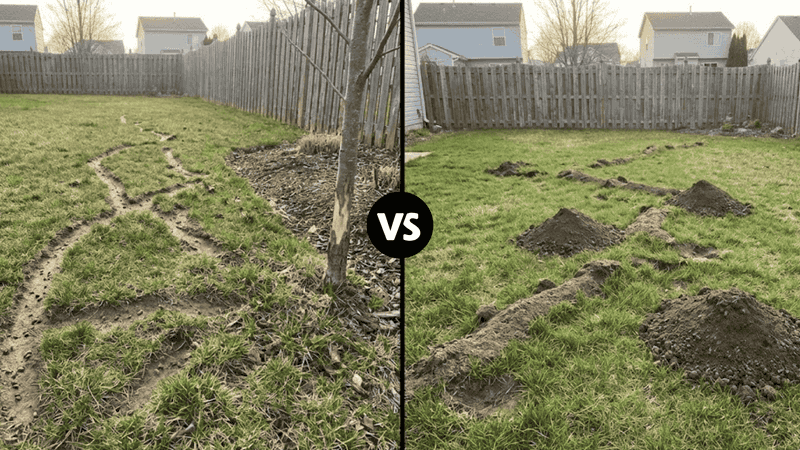
Not all lawn damage looks the same up close, and mixing up moles and voles leads to the wrong fix every time. Moles push soil upward as they tunnel underground, creating those raised ridges and occasional mounded hills.
Voles, which are small rodents, tend to create narrow surface runways just above the soil, often hidden beneath mulch, thick grass, or snow.
Ohio Department of Natural Resources guidance explains that voles may feed on plant material including grasses, roots, bulbs, and bark at the base of trees or shrubs. If you notice clipped stems, gnawed bark near the soil line, missing bulbs, or small surface paths through mulch or ground cover, suspect a vole instead of a mole.
Pest identification guidance warns that treating for moles when voles are the real problem will not protect your plants. Look carefully at the damage before acting.
Raised ridges with no surface path and no plant feeding signs point toward moles. Surface runways with plant loss or gnawing point toward voles.
Small entry holes near garden beds or along fence lines also suggest vole activity. Getting the identification right first is the most important step toward choosing a solution that will actually work for your specific situation.
7. Protect High Value Beds With Barriers

Raised beds, newly planted borders, and prized bulb collections deserve a little extra protection, especially in Ohio yards where mole activity has been consistent.
Managing every inch of a large lawn may not be practical, but targeted protection for high-value planting areas is a reasonable and achievable goal for most gardeners.
Hardware cloth with a small mesh opening, typically around a quarter inch, can be installed along the bottom of raised beds. It can also be buried along garden borders to block tunneling access.
University extension sources suggest burying barriers at least six to ten inches deep. Bend the bottom edge outward to reduce the chance of an animal digging underneath.
Raised beds built with wire mesh floors offer strong protection for bulbs and root vegetables.
Barriers work best when they are installed carefully and secured properly at the edges. A loosely fitted barrier with gaps can still allow access, especially for smaller animals.
Barriers do not stop moles from moving through the broader lawn area, so they are not a complete solution for a yard with active tunnel systems. Think of them as targeted protection for spots that matter most to you.
Pairing barriers with good lawn observation gives you a more complete picture of what is happening across your entire outdoor space.