The Daily Harvesting Trick That Keeps Arizona Summer Squash Producing
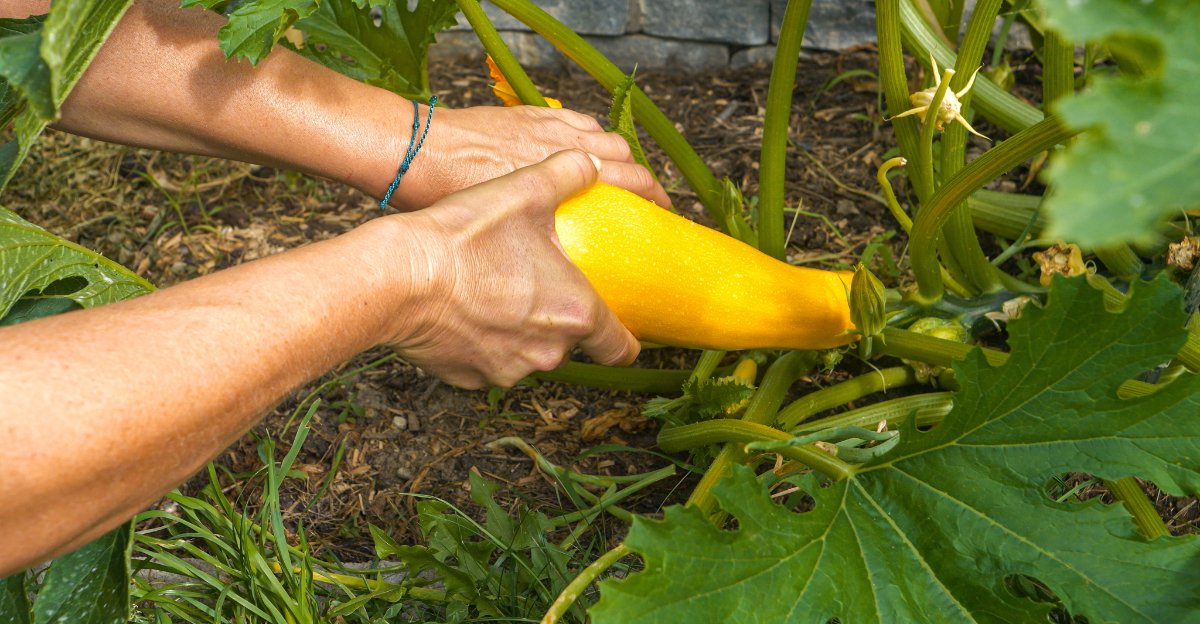
Think your summer squash is finished producing already? Do not blame the plant just yet.
One simple habit can make a surprising difference, and it takes only a minute each day.
If you have been leaving squash on the vine until they get bigger, you could be slowing down future harvests without realizing it.
Arizona gardens reward small changes, especially during the hottest part of the season. Pick your squash at the right time, and the plant often keeps putting its energy into growing more.
That is why experienced growers rarely let mature squash sit for long.
Before you assume your harvest is winding down, try changing your routine first. This easy daily trick can help your plants stay productive and keep fresh squash coming for much longer than you expected.
1. Pick Summer Squash While It Is Still Small
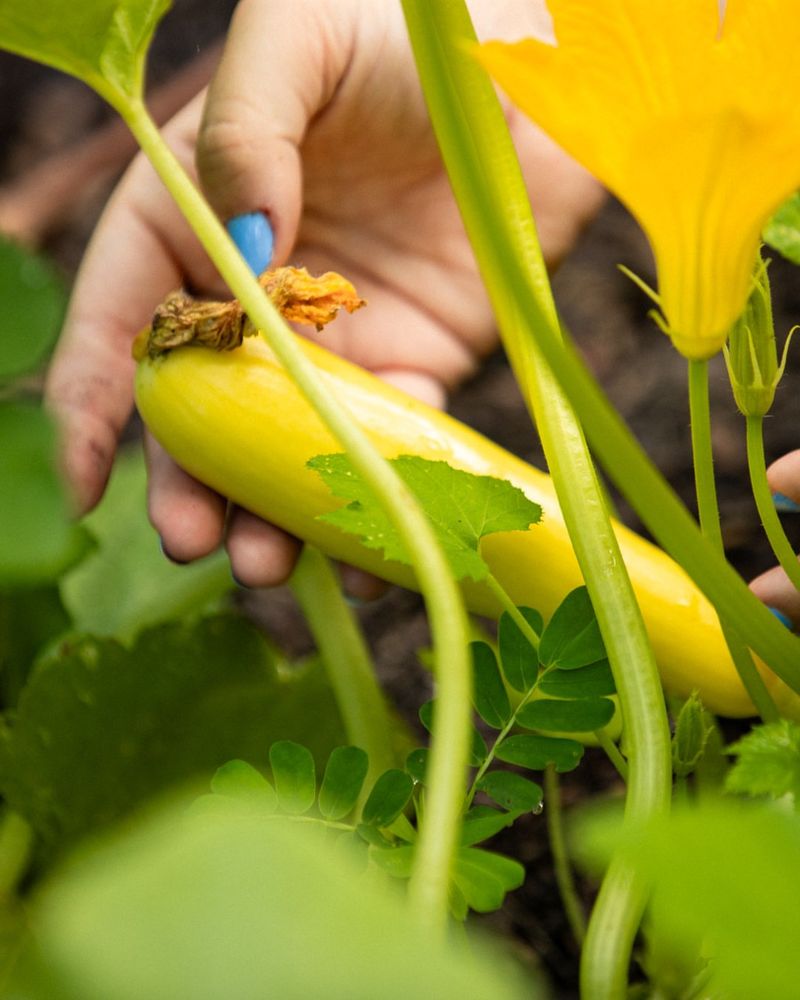
Small squash tastes better, cooks faster, and keeps your plants working harder. Most gardeners wait too long and end up with fruit the size of a baseball bat.
Zucchini and yellow squash are at their best when they measure around 6 to 8 inches long. At that size, the skin is still tender, the seeds are barely formed, and the flavor is mild and sweet.
Once squash grows past that point, the texture turns spongy and the taste gets bland. Bigger fruit also pulls a lot of energy from the plant, energy that could go toward making new flowers instead.
Picking small keeps that energy cycle moving. Plants sense when fruit has been removed, and they respond by pushing out more blossoms.
In the intense heat of an Arizona summer, that response can be the difference between a plant that keeps going and one that stalls out.
Check your plants every single day during peak season. Squash can grow several inches overnight in warm weather, so a fruit that looked perfect yesterday might be oversized by morning.
Bring a small basket or bag when you harvest. Gentle handling matters because bruised squash spoils faster.
Cut the stem cleanly rather than pulling, which can stress the vine and slow future production. Starting small and staying consistent is the smartest move you can make early in the season.
2. Harvest Daily During Peak Production
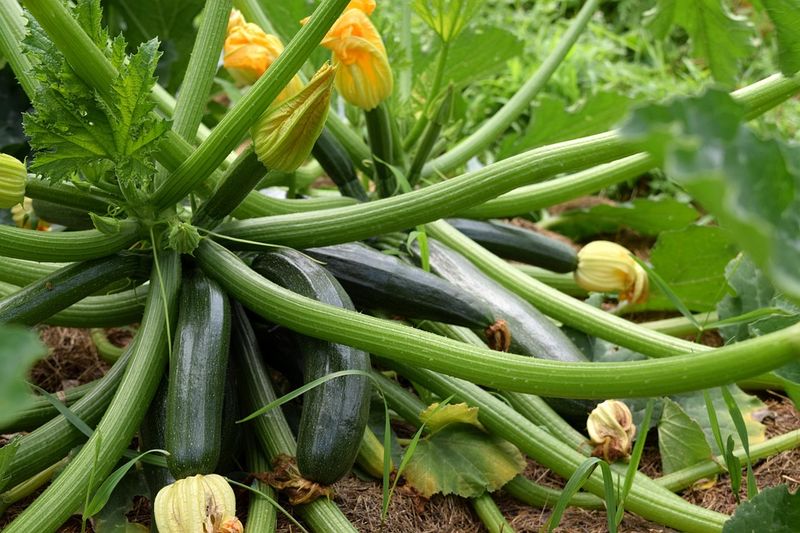
Skipping even one day during peak production can set your plants back in a way that takes time to recover from. Squash moves fast in warm weather, and the plants respond directly to what you do or do not remove.
When fruit is left on the vine too long, the plant shifts its focus. Instead of producing new flowers, it channels energy into maturing that existing fruit and forming seeds.
That reproductive shift slows everything down.
Daily harvesting keeps the plant in a constant state of producing. It sends a clear signal that the job is not finished, so the plant keeps pushing out new growth.
In hot-weather gardens, that momentum is hard to rebuild once it is lost.
Morning is the best time to harvest. Temperatures are cooler, the plant is less stressed, and the squash is firm and easy to handle.
Your Arizona Garden Changes Every Week. Your Plan Should Too.
Gardening in Arizona changes quickly throughout the season. Every Friday you’ll receive a simple weekly plan showing exactly what to plant, prune, fertilize, harvest, and protect so you never miss the right timing.
Harvesting in the midday heat is harder on both you and the plant.
Keep a simple routine. Walk the garden each morning with a small knife or garden scissors.
Look under the large leaves carefully because squash hides well. Missing fruit under foliage is one of the most common mistakes home gardeners make.
Consistency matters more than perfection.
Even if you grab just a few pieces each morning, that regular removal keeps the production cycle going strong through the hottest weeks of the season.
3. Cut Fruit Without Damaging The Stem
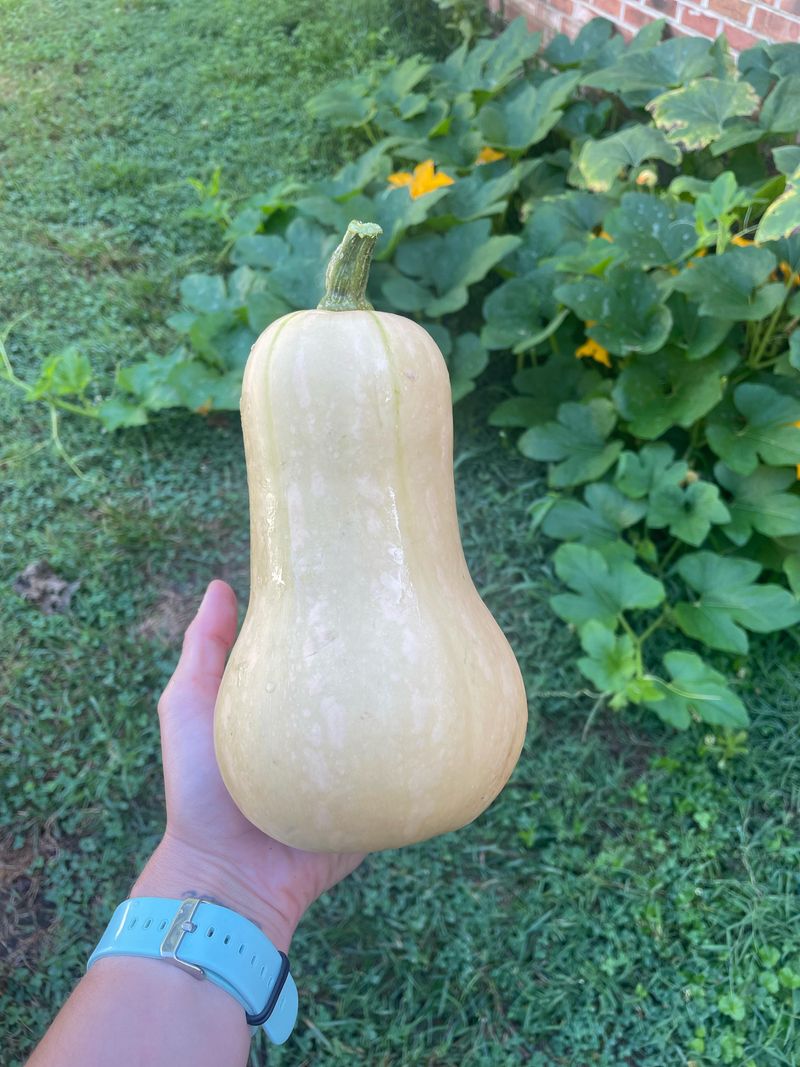
How you remove squash matters just as much as when you remove it. Yanking fruit off the vine by hand might seem quick and easy, but it often tears the stem or damages nearby tissue on the plant.
Torn stems create open wounds on the vine. In humid or wet conditions, those wounds can invite mold and bacterial issues that spread through the plant over time.
In dry desert heat, they can dry out and stress the vine in a different way.
A clean cut with sharp scissors or a small knife is the right approach. Cut the stem about an inch above where it connects to the squash.
That short stub helps protect the cut site and reduces the chance of damage spreading back into the main vine.
Sharp tools make a real difference. Dull blades crush plant tissue rather than cutting it cleanly, which causes more harm than a quick, precise snip.
Wipe your blades with a clean cloth between plants if you notice any signs of disease on a vine.
Take a second to look at the stem before you cut. If the squash is ready, the stem should look firm and green.
Soft or discolored stems sometimes signal that the fruit sat too long and stress may already be present in that section of the vine.
4. Keep The Soil Evenly Moist In Hot Weather
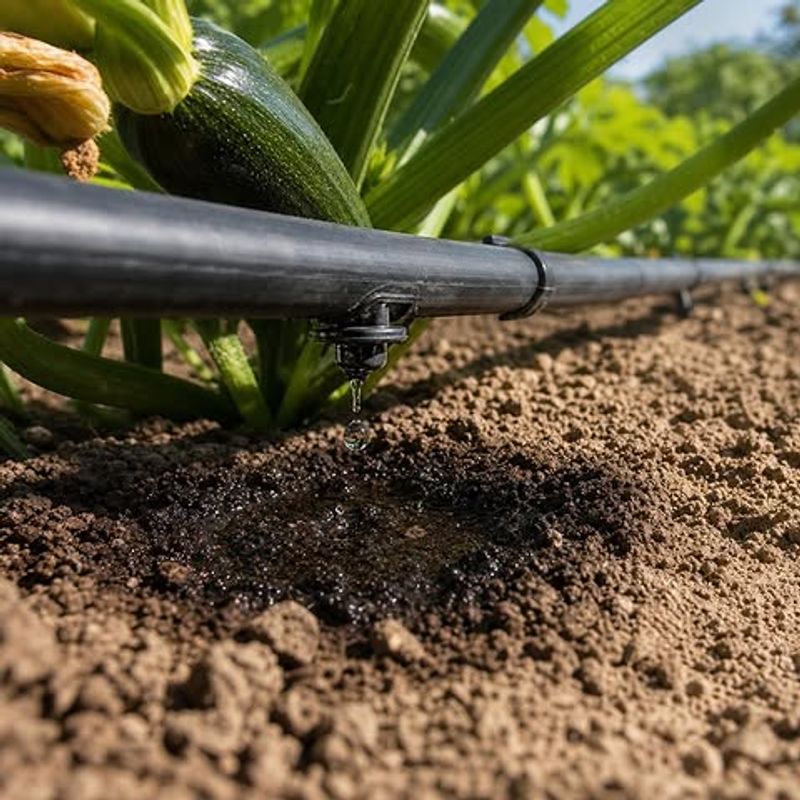
Uneven watering is one of the fastest ways to wreck a squash harvest. Plants that swing between soaking wet and bone dry show it quickly through wilting leaves, dropped flowers, and misshapen fruit.
Squash needs steady moisture, especially when temperatures climb above 100 degrees. At that heat level, the soil surface can dry out within hours of watering.
Roots need consistent access to moisture to keep the plant functioning and fruit developing properly.
Drip irrigation works well for squash in hot climates. It delivers water directly to the root zone, reduces evaporation, and keeps the leaves dry, which helps limit fungal problems.
Setting a consistent schedule matters more than watering deeply just once in a while.
Mulch is a strong partner to any watering routine. A 3-inch layer of straw or wood chips around the base of each plant slows moisture loss significantly.
It also keeps the soil temperature more stable, which roots appreciate during intense heat waves.
Check the soil a few inches below the surface before watering again. If it feels dry at that depth, it is time to water.
If it still feels slightly cool and damp, you can wait a bit longer without stressing the plant.
Overwatering causes its own problems, including root stress and poor drainage.
5. Remove Oversized Squash As Soon As Possible
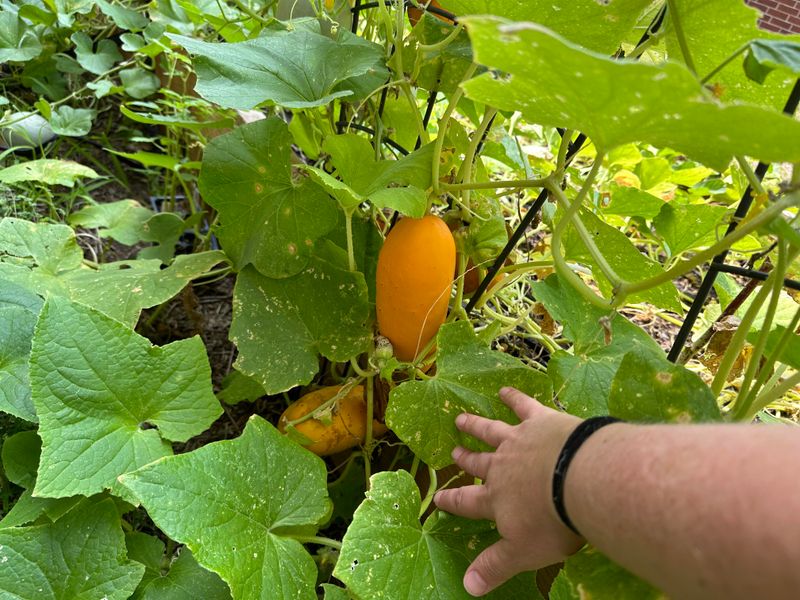
Giant squash on the vine is not a badge of honor. It is a sign that energy is being pulled away from the rest of the plant, and production is likely already slowing down.
Oversized squash happens fast. A fruit that looked manageable two days ago can balloon into something enormous almost overnight during a summer heat wave.
Once squash reaches that size, it becomes tough, seedy, and far less useful in the kitchen.
Remove oversized fruit right away, even if it feels wasteful. Leaving it on the vine signals to the plant that reproduction is complete, and it will begin to wind down flower and fruit production in response.
Getting that fruit off breaks that cycle.
If the squash is not too far gone, it can still be used. Scoop out the seeds, grate the flesh for baking, or cube it for soups and stews.
Larger squash often works fine in cooked recipes even when it is past its prime for fresh eating.
In Arizona gardens, oversized squash can show up especially fast during July and August when overnight temperatures stay warm. Plants do not slow down at night the way they do in cooler climates, so fruit sizing happens around the clock.
6. Control Squash Bugs Before They Spread
Squash bugs can go from a minor nuisance to a serious problem in less than two weeks. Catching them early is the only realistic way to keep them from overtaking your plants during the growing season.
These pests are flat, brownish-gray insects that tend to cluster on the undersides of leaves. They feed by piercing the plant tissue and drawing out moisture, which causes leaves to wilt, yellow, and eventually collapse.
A heavy infestation can weaken even a healthy, well-watered plant.
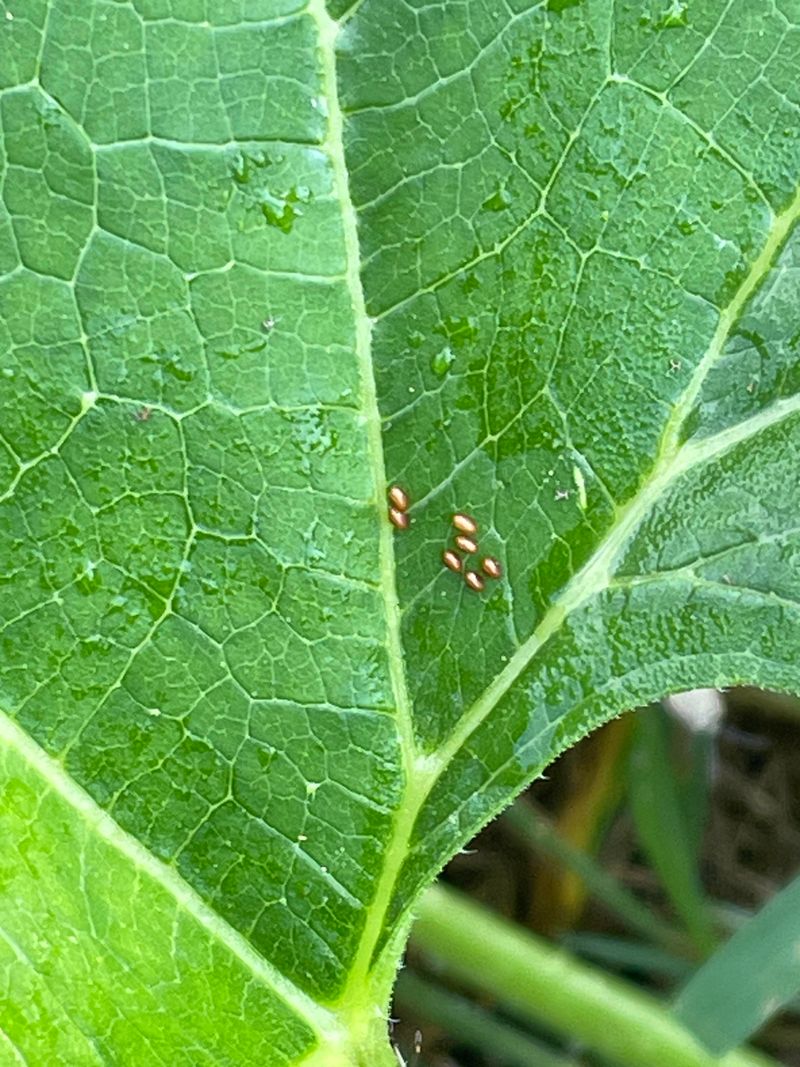
Check the undersides of leaves every time you harvest. Look for small, shiny bronze-colored egg clusters arranged in neat rows.
Removing those egg clusters by hand before they hatch is one of the most effective steps you can take without reaching for any spray.
Squash bug populations tend to build up fast in warm weather. In regions with extended summers, there can be more than one generation of bugs per season, so staying alert from early summer through fall is important.
Row covers placed over young plants can help block adult bugs from reaching the foliage before the plants are established. Remove the covers once flowering begins so pollinators can reach the blossoms.
Keeping the garden tidy also helps. Remove plant debris, old mulch piles, and any fallen leaves where bugs like to shelter overnight.
7. Feed Plants Lightly During Heavy Harvests
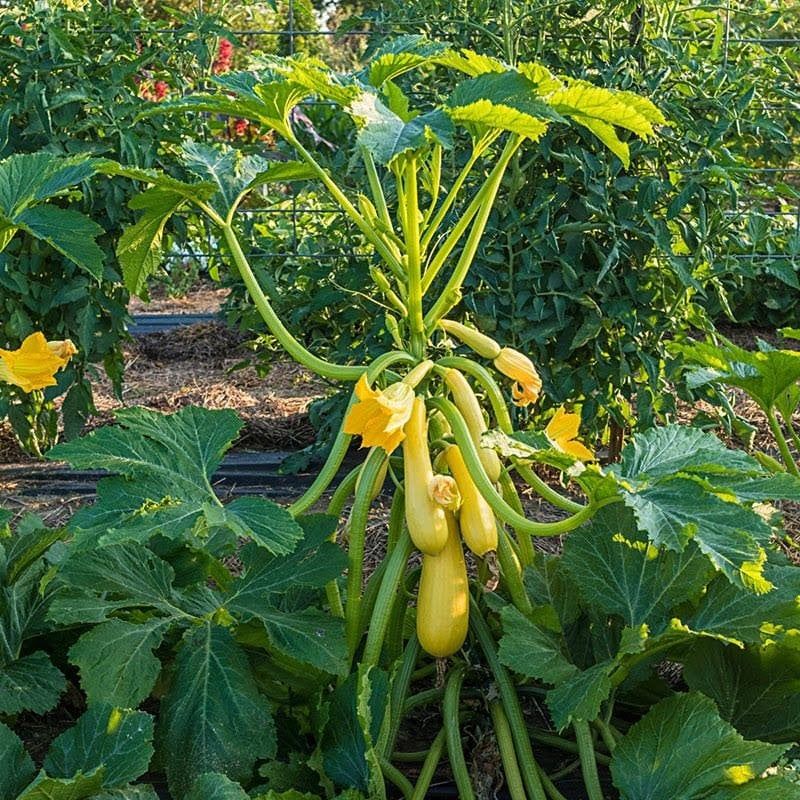
Squash plants working hard to produce fruit need fuel to keep going. But more fertilizer is not automatically better, especially when plants are already under heat stress.
Heavy feeding during peak production can actually backfire. Too much nitrogen pushes plants toward leaf growth rather than fruit development.
You end up with big, leafy vines and fewer squash on the stem, which is the opposite of what you want.
A light, balanced fertilizer applied every two to three weeks tends to work better than heavy doses given less often. Look for a fertilizer with moderate nitrogen and a slightly higher phosphorus level to support flowering and fruiting rather than just foliage.
Compost worked into the soil before planting gives plants a solid nutritional base that releases slowly over time. That slow release supports steady growth without pushing the plant too hard in one direction at once.
Liquid fertilizers can be useful during heavy harvest periods because they absorb quickly and give the plant a faster boost.
Apply them in the morning so the soil can absorb the nutrients before the heat of the afternoon sets in.
Watch the plant as you feed it. Pale yellow leaves might suggest a nitrogen shortage, while dark, overly lush leaves with few flowers could mean the plant is getting too much.