Never Remove Branches From Arizona Deciduous Fruit Trees In July
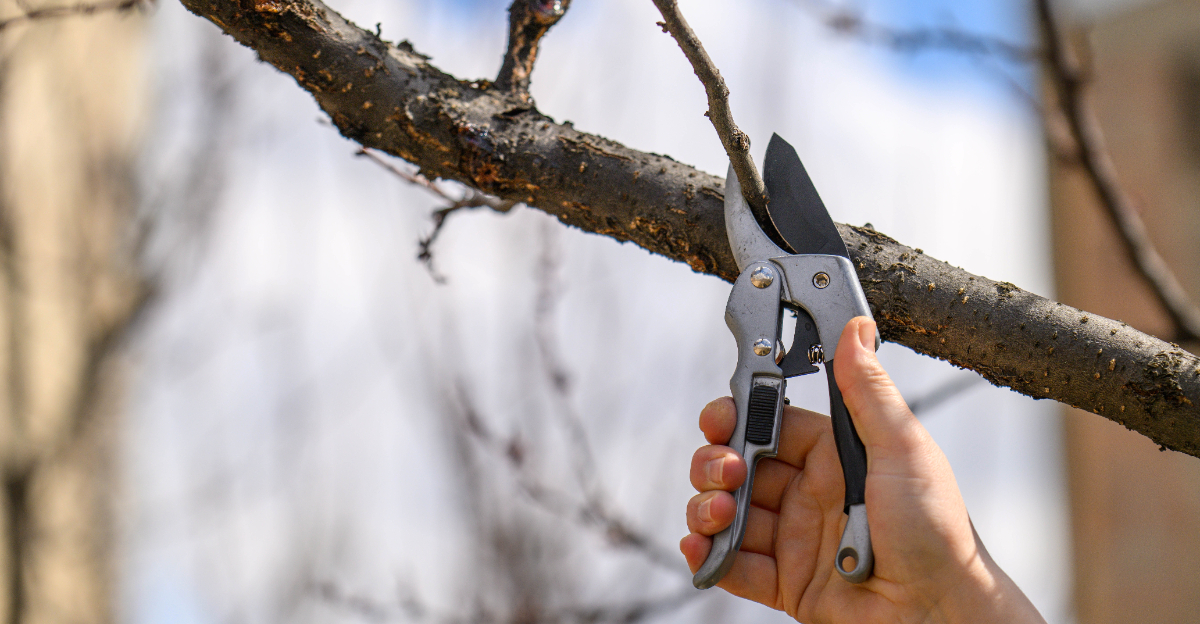
Your fruit tree does not always need another round of pruning just because a few branches look untidy. Before you reach for the pruners, stop and ask yourself if the timing is really worth the risk.
Arizona gardeners know the desert can punish small mistakes, yet this one still catches plenty of people by surprise. Give your trees the chance to handle summer on their own before deciding they need your help.
Sometimes doing less is the smartest move you can make. Take a closer look before making your next cut.
You may save your tree from unnecessary stress and avoid a decision you cannot undo once the branches are gone.
Keep your pruners parked for now and learn why patience often pays off for healthier trees next season instead.
1. Summer Pruning Can Trigger Sunburn
Cutting a branch exposes wood and bark that have been shaded all season long. Once that protection disappears, the intense desert sun hits the tissue directly.
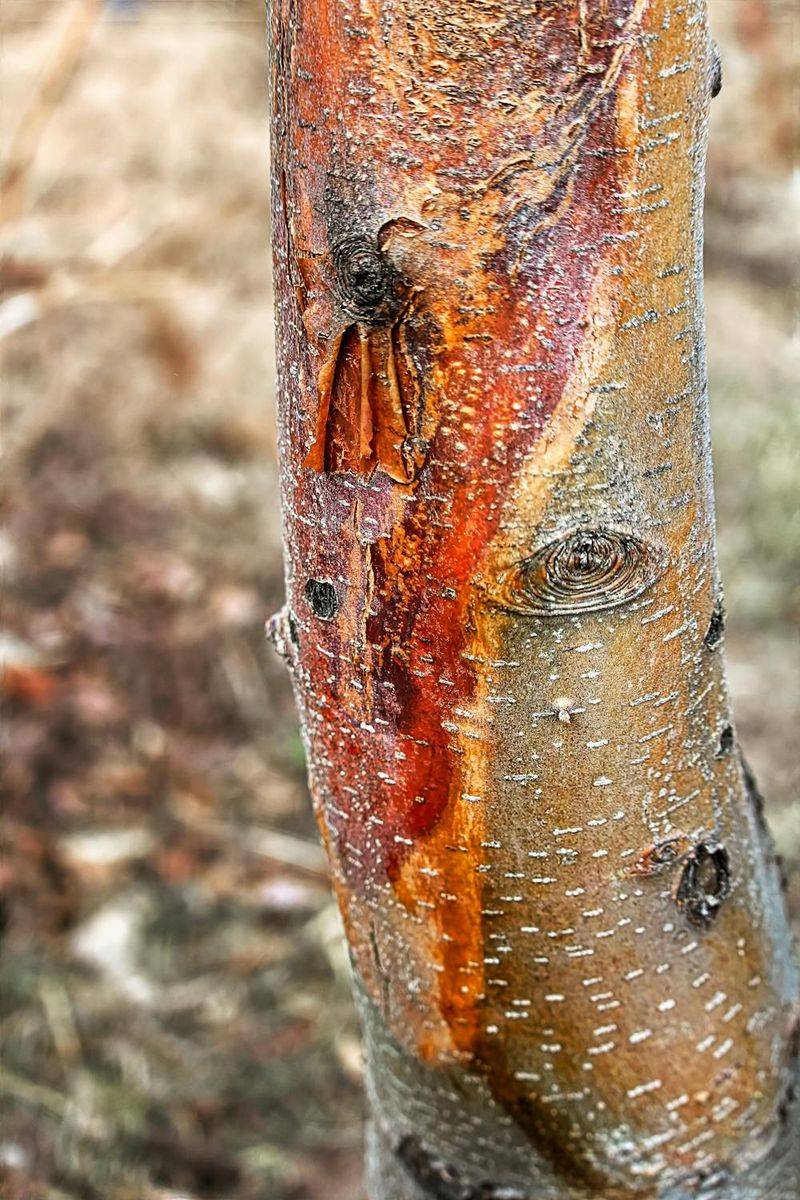
Bark that was never meant to face full sun can blister, crack, and discolor fast.
Sunburn on fruit trees is not just cosmetic. Damaged bark can split open and create entry points for pests and pathogens.
In Arizona summers, soil temperatures and air temperatures combine to push trees past their comfort zone, making recovery harder.
Peaches, apples, and plums are especially sensitive. Their thin bark absorbs heat quickly when suddenly exposed.
A branch removed in July can leave neighboring limbs unprotected and vulnerable to the same problem within days.
Shading is one of the most underappreciated forms of tree protection. Branches shield each other naturally.
Remove too many at once during summer, and you strip away that built-in defense system.
If sunburn does occur, avoid painting over it with anything not specifically designed for tree wounds. Some products trap moisture and cause more harm.
Letting the tree manage on its own is often the safer approach, especially mid-summer.
Waiting until late fall or winter keeps the canopy intact during the hottest months.
2. July Heat Makes Pruning More Stressful
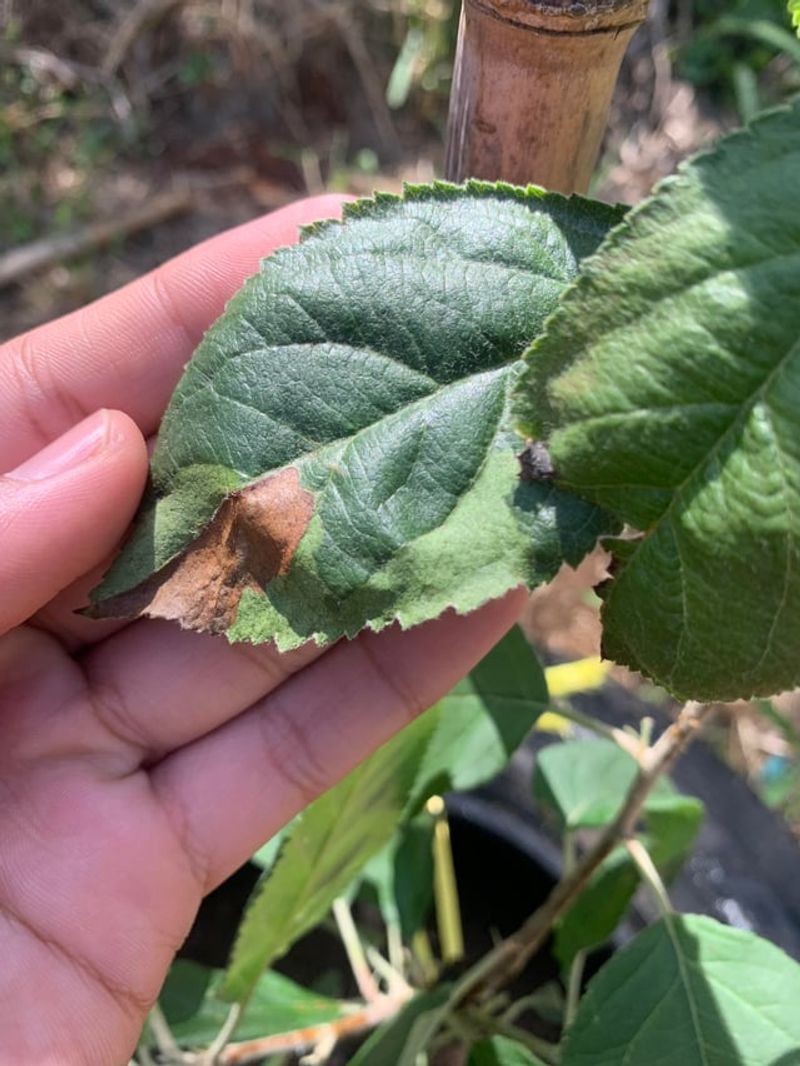
Triple-digit temperatures are hard on people and even harder on trees. When the thermometer climbs past 105 degrees, your fruit trees are already working overtime just to survive.
Adding a pruning wound on top of that stress is asking a lot from a plant already running on empty.
Fruit trees respond to pruning by pushing out new growth to replace what was removed. In July, that response costs the tree enormous energy.
New shoots that emerge mid-summer are tender and get scorched quickly by the heat.
Water loss is another real concern. Open wounds release moisture, and in low-humidity desert conditions, that moisture evaporates fast.
A tree losing water through its leaves and through fresh cuts at the same time struggles to maintain basic functions.
Root systems in the Southwest are often already stretched thin by the time July arrives. Soil temperatures underground can get surprisingly high, which affects how efficiently roots absorb water and nutrients.
A pruning cut adds one more demand to an already taxed system.
Your Arizona Garden Changes Every Week. Your Plan Should Too.
Gardening in Arizona changes quickly throughout the season. Every Friday you’ll receive a simple weekly plan showing exactly what to plant, prune, fertilize, harvest, and protect so you never miss the right timing.
Stress compounds in ways that are not always visible right away. A tree may look fine in August but show signs of weakness by the following spring.
Connecting that delayed reaction back to a July pruning decision is easy to miss.
3. Wait Until Dormancy For Major Pruning
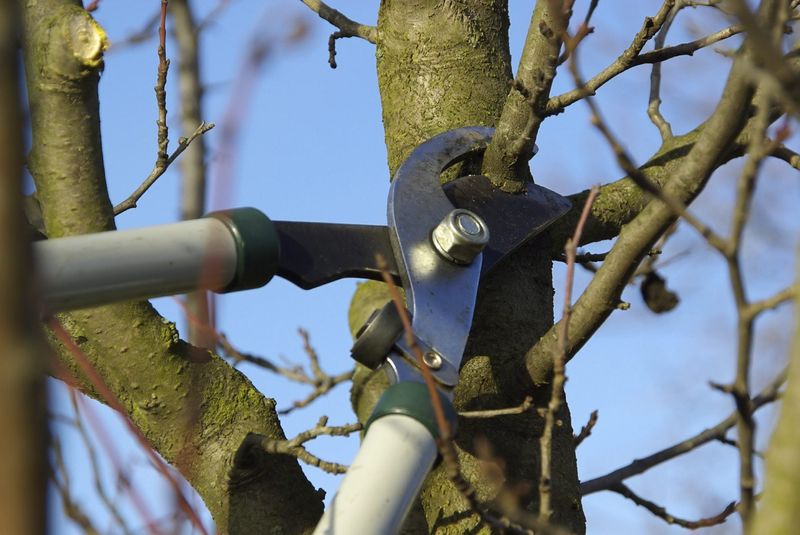
Dormancy is the sweet spot for serious pruning work. When leaves drop and growth slows, the tree shifts its energy inward.
Cuts made during this period are far less disruptive to the tree’s overall health.
In Arizona, deciduous fruit trees typically enter dormancy between late November and February, depending on the variety and elevation.
That window gives growers a solid stretch of time to shape trees, remove crossing branches, and open up the canopy for better airflow.
Pruning during dormancy also makes it much easier to see what you are working with. Without leaves blocking the view, branch structure becomes clear.
Bad angles, rubbing limbs, and crowded sections are all easier to spot and address properly.
Healing also happens more efficiently after dormant pruning. As temperatures warm in late winter, the tree naturally begins producing callus tissue over cuts.
Growth energy flows toward healing rather than competing with active leaf and fruit production.
Fruit set the following season tends to be better after a well-timed dormant pruning. Sunlight penetrates deeper into the canopy, improving fruit color and size.
Air circulation reduces humidity pockets where fungal issues sometimes develop.
Scheduling your pruning for January or February is a practical goal for most home growers. Cooler mornings make the work more comfortable, and the tree is in the best possible position to respond well.
4. Remove Only Broken Or Hazardous Branches
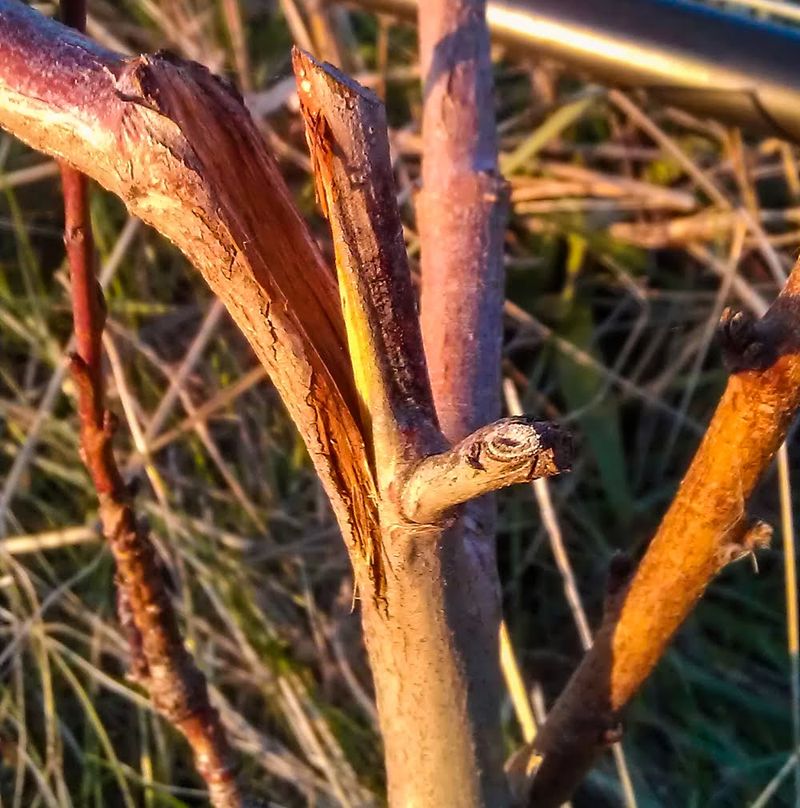
Not every pruning decision can wait until winter. Sometimes a branch snaps under the weight of fruit, cracks during a monsoon storm, or hangs at a dangerous angle over a walkway.
In those situations, removing the branch is the right call regardless of the month.
Safety-driven cuts are different from routine shaping cuts. When a limb is broken or poses a risk to people, property, or the tree itself, leaving it in place can create bigger problems.
A hanging branch is unpredictable and can fall at any moment.
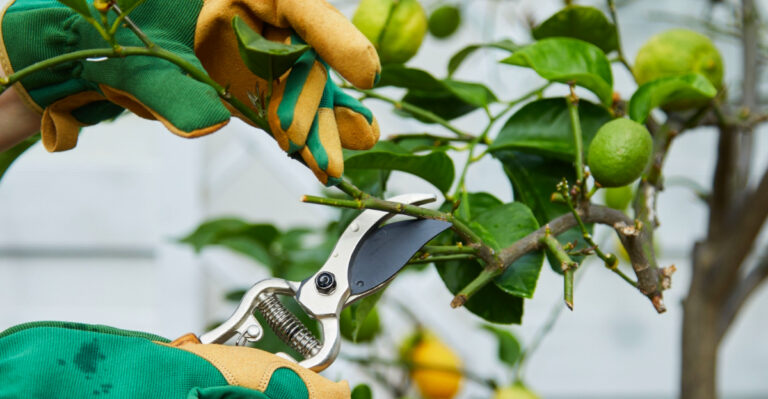
When you do make an emergency cut in July, keep it as clean and minimal as possible. Cut back to a healthy lateral branch or to the main branch collar.
Ragged cuts or stubs left behind create more surface area for problems to develop.
Avoid removing more than what is truly necessary. If only part of the branch is damaged, remove just that section.
Preserving as much healthy foliage as possible helps the tree continue shading itself and managing heat.
After an emergency cut, watch the area closely over the following weeks. Check for signs of stress like wilting, bark discoloration, or unusual leaf drop near the cut site.
Catching problems early gives you more options.
5. Protect Exposed Limbs From Intense Sun
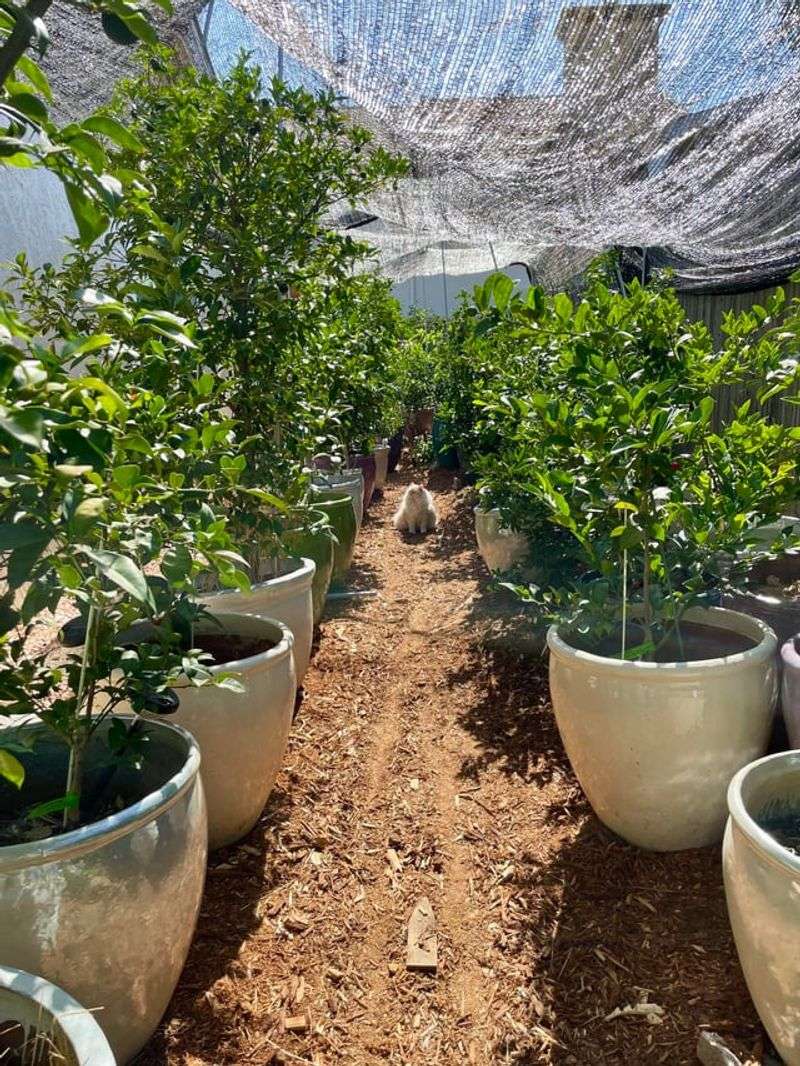
Bare bark baking under a desert sun is a recipe for trouble. When branches lose their leaf cover or get newly exposed after any summer cut, protecting that bark becomes a priority.
Ignoring it can lead to cracking, splitting, and long-term structural weakness.
One practical option is applying a diluted white interior latex paint to exposed trunks and limbs. It reflects sunlight and reduces bark temperature.
Some growers prefer kaolin clay spray, which creates a protective coating and is also used to manage certain insects during the season.
Shade cloth is another option for younger or smaller trees. Draping a light shade cloth over a vulnerable tree during peak afternoon hours reduces direct sun exposure significantly.
It is a temporary fix, but it buys the tree time to adjust.
Mulching around the base of the tree also helps. A thick layer of organic mulch keeps soil temperatures lower, reduces moisture loss, and gives roots a more stable environment during heat spikes.
Roots under less stress support a tree that handles surface stress better.
In Arizona, afternoon sun comes from a low angle in summer, hitting the southwest-facing sides of trunks and branches hardest. Pay extra attention to those areas when checking for heat damage.
6. Keep Trees Watered During Heat Stress
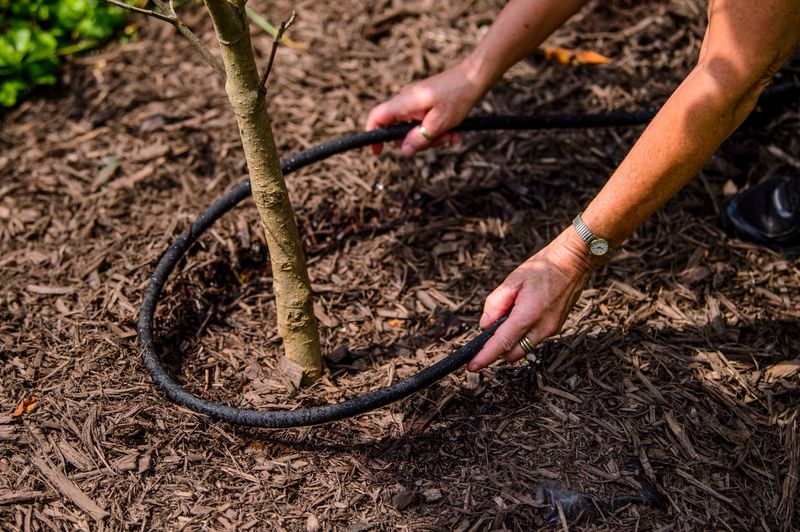
Water is the most important thing you can give a fruit tree in July. Hydration supports every function the tree performs, from moving nutrients through roots to keeping leaves from scorching.
Skipping or shortening irrigation during peak summer heat is one of the fastest ways to weaken a tree.
Deciduous fruit trees in hot, arid climates need deep, consistent watering. Shallow, frequent watering encourages roots to stay near the surface where soil temperatures are highest.
Deep watering pushes roots down into cooler, more stable soil layers.
Drip irrigation is widely used in the desert Southwest because it delivers water directly to the root zone with minimal evaporation. Running drip systems during early morning hours gives water time to soak in before afternoon heat peaks.
Watch your trees for early signs of water stress. Leaves that curl inward or look slightly dull before midday are telling you the tree needs more moisture.
Waiting for leaves to wilt and droop means the tree has already been struggling for a while.
Fruit quality drops when trees go through water stress during the growing season. Smaller fruit, bitter flavor, and premature drop are all connected to inconsistent irrigation.
Checking soil moisture at a depth of six to eight inches gives a better picture of actual root zone conditions than looking at the surface.
7. Focus On Fruit Harvest Instead Of Pruning
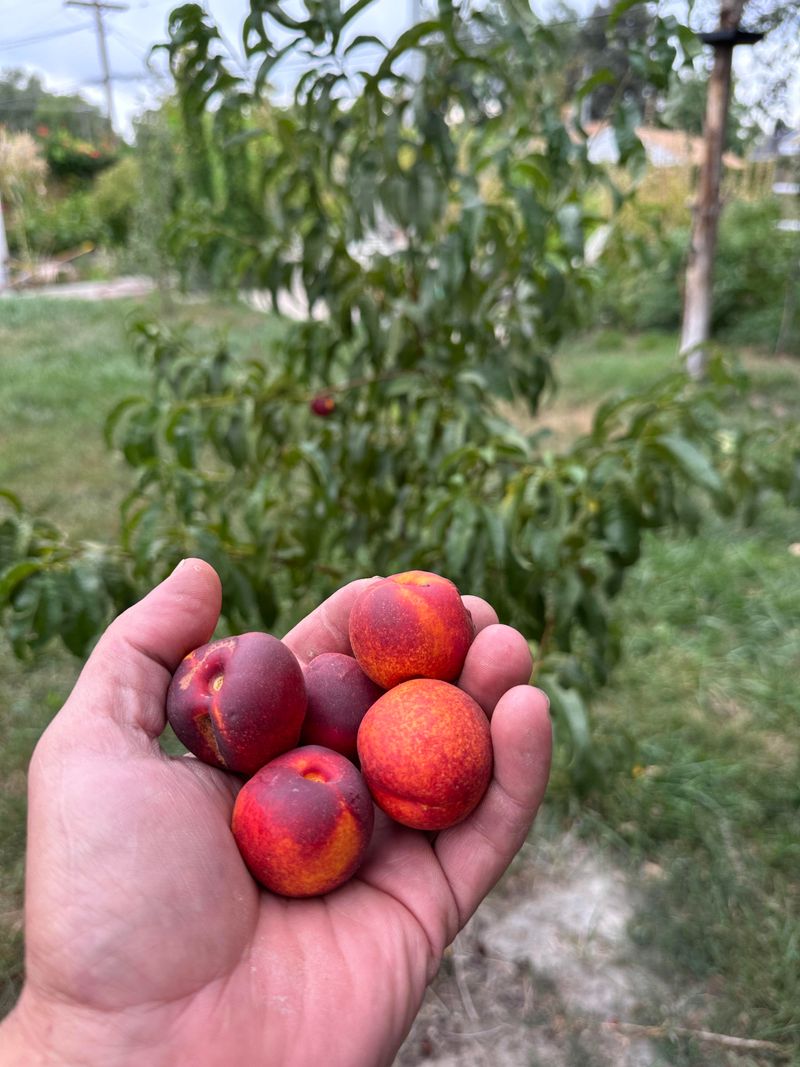
July is harvest season, not pruning season. Peaches, plums, and early apple varieties are often ready to pick right around this time of year in lower-elevation parts of the Southwest.
Your energy is better spent picking fruit at peak ripeness than reaching for your pruning saw.
Fruit left on the tree too long drops quality fast in summer heat. Overripe fruit attracts insects, adds unnecessary weight to branches, and can ferment on the ground below.
Staying on top of harvest protects both the fruit and the tree.
Picking fruit at the right time also encourages the tree to put energy into root development and storage rather than continuing to feed overripe produce. That stored energy feeds next season’s growth and flowering.
Checking trees every two to three days during peak ripeness keeps you ahead of the harvest window. Fruit does not always ripen evenly, so regular checks let you catch each piece at its best.
Once harvest wraps up, resist the urge to immediately start cutting. Give the tree a few weeks to recover from the season before any late-season assessment.
Dormancy is still the target window for major work.
Focusing on harvest also gives you a chance to evaluate branch performance. You can note which limbs produced well, which ones are crowded, and where airflow could improve.