The Texas Native Tree That Creates Dense Shade Without Constant Cleanup
Shade trees are one of the best investments a Texas homeowner can make. But not every shade tree earns its place without creating a whole new set of problems.
Messy seed pods, invasive surface roots, excessive leaf drop at the worst times, or constant cleanup that turns the area beneath the tree into a maintenance project of its own. The shade is welcome.
Everything else that comes with the wrong tree is not. There’s a native Texas tree that solves this problem beautifully.
It grows to provide the kind of dense, meaningful shade that genuinely changes how your outdoor space feels during the hottest months of the year, and it does it without the excessive mess that makes some shade trees more trouble than they’re worth.
It’s well adapted to the Texas climate, long lived, and ecologically valuable in ways that non-native shade trees simply cannot match.
For Texas homeowners who want serious shade without the constant cleanup that comes with so many popular choices, this native tree is exactly what they’ve been looking for.
Cedar Elm Develops A Broad Canopy For Substantial Summer Shade
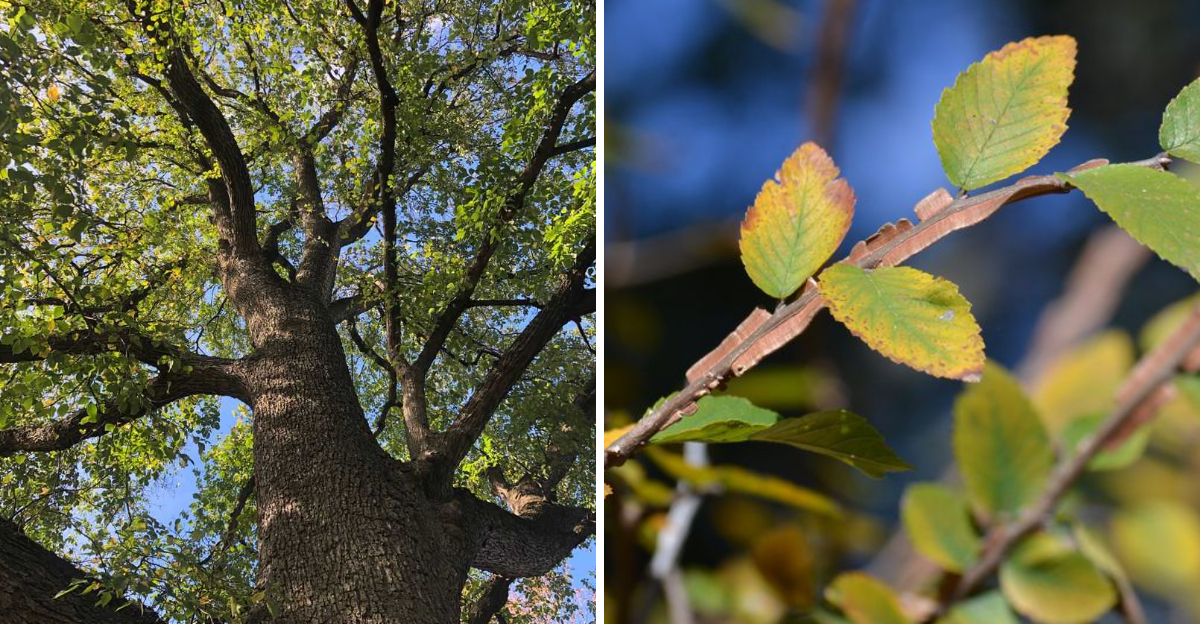
Most Texas homeowners know the struggle of finding a tree big enough to actually shade the house. Cedar elm steps up to meet that challenge in a serious way. It is a large, deciduous shade tree native to Texas, and it grows with real purpose.
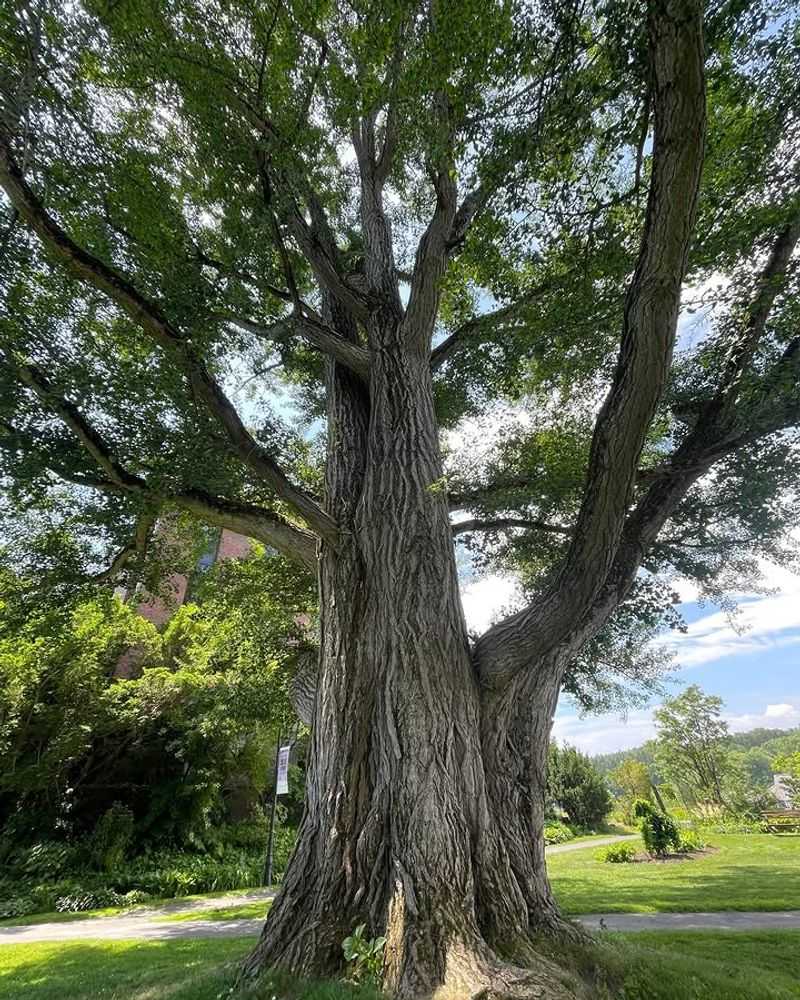
Mature cedar elm trees can reach roughly 50 to 70 feet tall, with canopies spreading around 40 feet wide under favorable growing conditions.
That kind of size means one well-placed tree can shade a lawn, a patio, and even part of a home’s exterior wall during the hottest summer months.
The oval-to-rounded crown fills in densely, blocking sunlight effectively and creating the kind of deep, cool shade that makes spending time outside bearable in July and August.
Because cedar elm grows to such an impressive size, placement matters a lot from the very beginning. Squeezing it into a narrow foundation bed or planting it too close to the house will create serious problems down the road.
Allow plenty of space for both the tree’s mature height and its full spread before you ever put a shovel in the ground.
Think of it like planning a room addition – you want the finished result to fit comfortably, not crowd everything around it. A cedar elm planted in the right spot becomes a long-term landscape asset that keeps delivering shade year after year.
It rewards smart planning with decades of cooling canopy coverage, making summer afternoons in a Texas yard genuinely enjoyable rather than something to avoid.
Its Small Leaves Create Less Bulky Debris Than Many Shade Trees
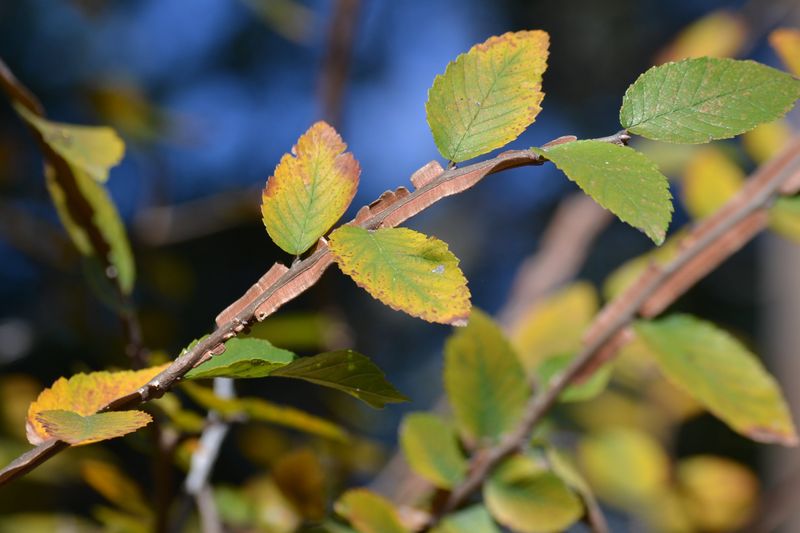
Here is a fun fact most people do not know: cedar elm has the smallest leaves of any elm species native to North America.
That small leaf size turns out to be a surprisingly big advantage when it comes to yard cleanup. Smaller leaves simply cause less of a mess.
Your Texas Garden Changes Every Week. Your Plan Should Too.
Gardening in Texas changes quickly throughout the season. Every Friday you’ll receive a simple weekly plan showing exactly what to plant, prune, fertilize, harvest, and protect so you never miss the right timing.
When autumn rolls around, cedar elm leaves turn a pleasant yellow before dropping. The foliage is fine-textured and lightweight, which makes a real difference in how much work cleanup actually takes.
Unlike the enormous leaves that fall from sycamores or cottonwoods, cedar elm leaves are easy to mow right over with a standard lawn mower.
Many homeowners find that the mower simply chops them up and lets them decompose into the grass without any raking needed at all.
If you prefer to collect them, the leaves are easy to mulch or compost because they break down quickly. They do not mat together and block water and air from reaching the soil the way large, waxy leaves sometimes do.
That means less frustration and less time spent on fall yard work. Cedar elm is still a deciduous tree, so it will drop its leaves every autumn without exception. Expecting zero leaf litter would be unrealistic.
But compared to the massive seasonal cleanup that comes with other large shade trees, the workload is noticeably lighter.
For busy families or anyone who wants a beautiful shaded yard without spending every weekend raking, that difference adds up to a lot of saved time and effort across the years.
Small Winged Seeds Replace Large Fruit, Nuts And Spiky Pods
Walk under a pecan tree after a windstorm and you know exactly what large-tree seed cleanup feels like. Hard nuts everywhere, cracking under your feet, rolling into the driveway, and jamming up the lawn mower.
Cedar elm takes a very different approach to reproducing, and your yard maintenance routine benefits directly from it.
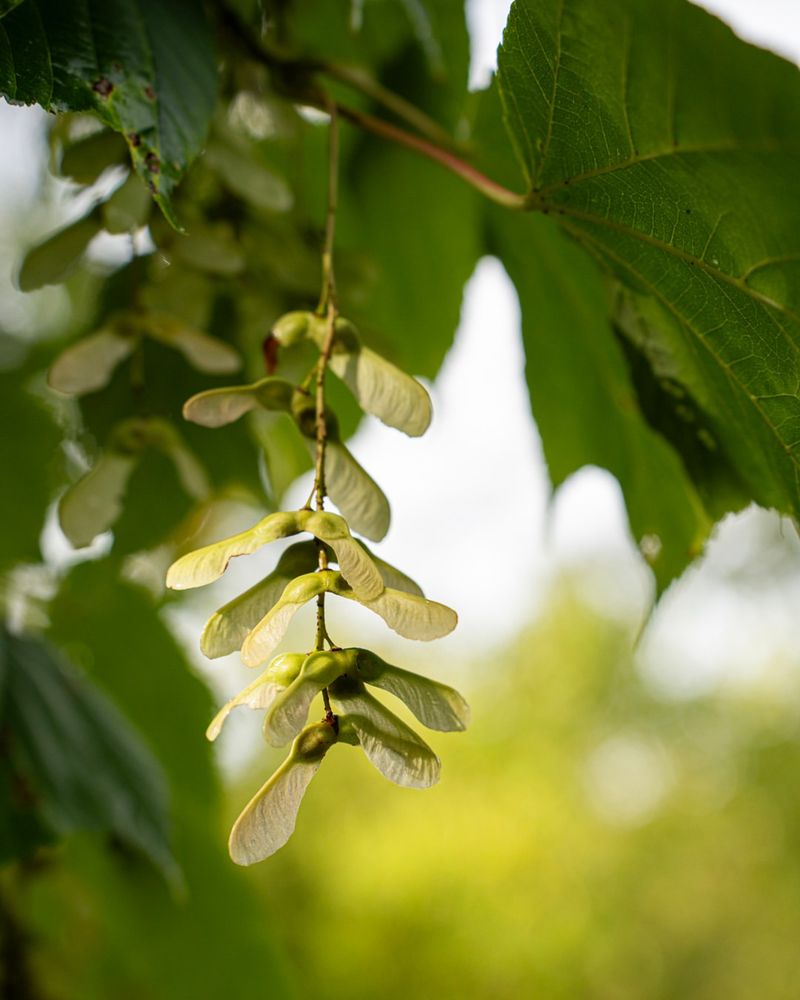
Cedar elm produces small, winged fruits called samaras. These are the same type of lightweight, papery seed structures you might recognize from maple trees, though cedar elm samaras are quite small.
They do not fall as fleshy fruit, massive nuts, or the hard, spiky seed balls that sweetgums and sycamores are infamous for dropping. There are no seed balls to twist your ankle on, no sticky fruit to track across the patio, and no heavy pods to bag up and haul away.
The seeds do scatter around the base of the tree, especially during windy weather. You might notice seedlings sprouting nearby if conditions are right.
But the overall debris created is lightweight and easy to deal with compared to what pecan, walnut, or large-fruited trees produce each season.
There is also a wildlife bonus worth mentioning. Several bird species actively seek out cedar elm seeds as a food source, which means some of that seed scatter gets cleaned up naturally.
Watching birds feed in a shade tree right outside your window is a genuinely pleasant reward. Cedar elm manages to support local wildlife while keeping your yard far cleaner than most comparable shade trees would.
Texas Heat, Drought And Alkaline Soil Do Not Easily Defeat It
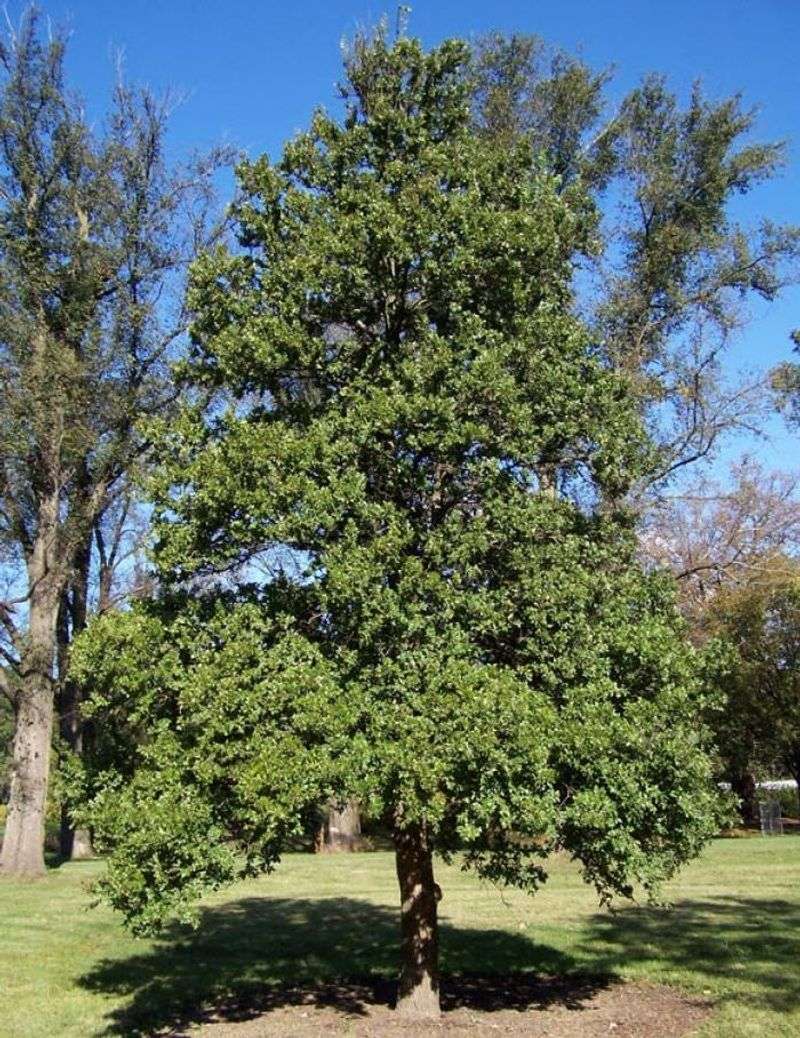
Texas summers are not gentle, and the soil in much of the state is not exactly cooperative either. Alkaline clay, rocky limestone, compacted ground, and months without meaningful rain – plenty of trees cannot handle that combination. Cedar elm was literally built for it.
As a native Texas species, cedar elm is well adapted to the state’s most challenging growing conditions. It tolerates alkaline soils without the leaf yellowing and nutrient deficiencies that plague non-native trees planted in high-pH ground.
It can handle salty conditions, poor drainage, and the kind of summer heat that sends other species into serious stress. That adaptability is not just convenient – it directly reduces the amount of corrective care a homeowner has to provide over the life of the tree.
When a tree is poorly matched to its environment, you end up repeatedly amending soil, treating nutrient deficiencies, and nursing it through every difficult summer. Cedar elm largely sidesteps those ongoing battles because it belongs in Texas naturally.
Its root system and physiology are tuned to local conditions in ways that no amount of soil amendment can replicate for a poorly adapted species.
One important clarification: newly planted cedar elms are not instantly drought-proof. Young trees still need consistent watering during their establishment period, typically the first two to three years after planting.
Once established, though, a cedar elm can handle dry stretches with far more resilience than most large shade trees. That long-term toughness is one of the strongest reasons to choose it for a Texas landscape.
Correct Placement Prevents Its Main Long-Term Maintenance Problem
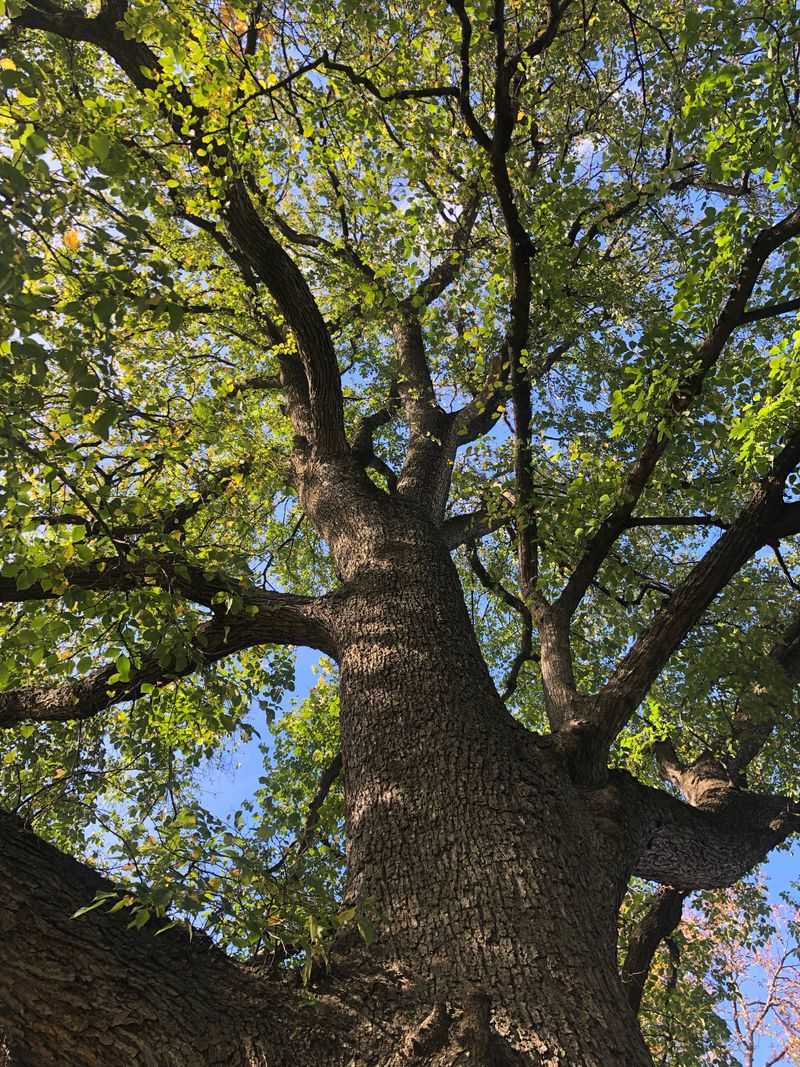
Every tree has at least one quirk, and cedar elm is no different. Its main long-term maintenance challenge comes from its branch habit.
As the canopy expands and fills out over the years, cedar elm can develop low, drooping branches that eventually create conflicts with the space around them.
Branches that hang over rooflines, driveways, sidewalks, or utility lines become a problem that only gets more expensive and complicated to fix the longer it goes unaddressed. The solution is straightforward, but it has to start before planting, not after.
Place cedar elm well away from structures, paved surfaces, overhead lines, and street edges where drooping or expanding limbs would eventually cause trouble.
Early structural pruning also plays an important role. When a cedar elm is young, selective pruning can establish strong branch spacing and build in adequate clearance from the ground up.
A few thoughtful cuts in the first several years can prevent a lot of reactive pruning work later on. A certified arborist can help you identify which branches to remove early for the best long-term structure.
Planting depth is another critical factor that sometimes gets overlooked. Texas A&M University identifies planting too deeply as one of the leading causes of young tree decline.
The root flare – the widened base where the trunk meets the roots – should be visible at or slightly above the soil surface. Burying it too deep stresses the tree and slows establishment significantly.
Getting these two things right from the start sets a cedar elm up for decades of healthy, low-maintenance growth.
Cedar Elm Is Low-Mess But Not Completely Maintenance-Free
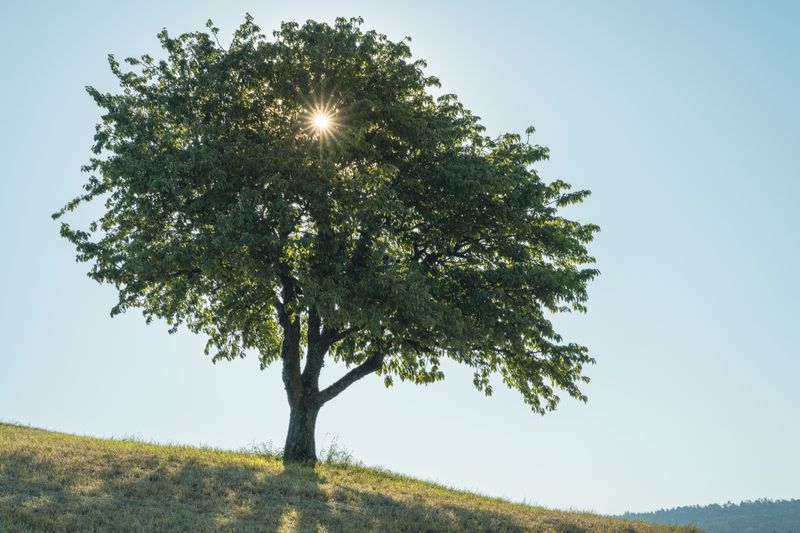
Cedar elm has earned a solid reputation as one of the lower-maintenance shade trees available to Texas homeowners, and that reputation is well deserved.
But calling it completely maintenance-free would be setting up unrealistic expectations, and unrealistic expectations lead to disappointed gardeners.
Every autumn, cedar elm drops its small leaves and tiny samaras. Occasional fallen twigs show up after storms, especially as the tree ages and the canopy fills in.
None of this debris is particularly bulky or difficult to manage, but it is still there. Plan for a seasonal cleanup routine rather than assuming the yard will stay spotless on its own.
Pest and disease issues are possible too, though cedar elm is generally considered a tough and resilient tree. Aphids can gather on new growth during spring and early summer, producing sticky honeydew that drips onto surfaces below.
Powdery mildew sometimes appears on leaves during humid stretches. Elm leaf beetles occasionally cause cosmetic damage to the foliage.
Mistletoe, a parasitic plant, can establish itself in the canopy and should be removed when spotted to prevent it from spreading.
Periodic inspections and selective pruning remain necessary as the tree matures, particularly to maintain clearance and remove any weak or crossing branches. None of this is overwhelming for a tree of this size, but it does require some attention.
Cedar elm earns its low-cleanup reputation honestly – by avoiding large fruit, fleshy seed pods, and bulky leaf litter – not by producing zero debris at all. Expect a manageable workload, and you will find cedar elm genuinely delivers on its promise.