Your Arizona Hibiscus Opens At Dawn And Is Gone By Dusk – Here’s The Strange Reason Why
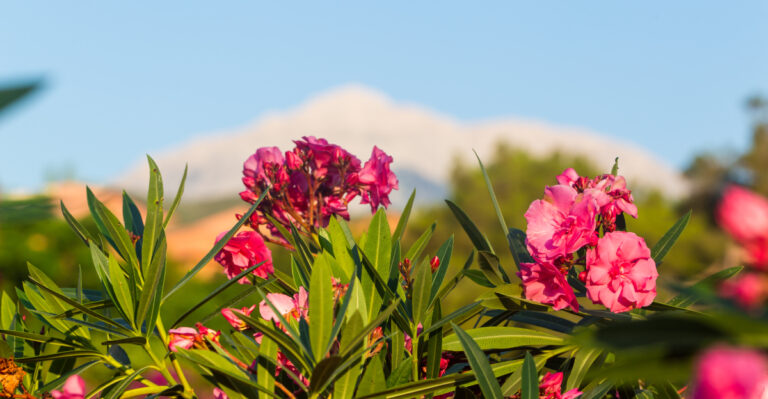
Walk outside on a summer morning in Phoenix or Tucson and your tropical hibiscus might be showing off a bloom the size of a dinner plate. By that same evening, the flower looks crumpled and spent, and you might wonder what went wrong.
Nothing did. That one-day lifespan is written into the plant’s biology, and understanding it changes how you read your whole hibiscus.
One flower fades while the plant keeps working
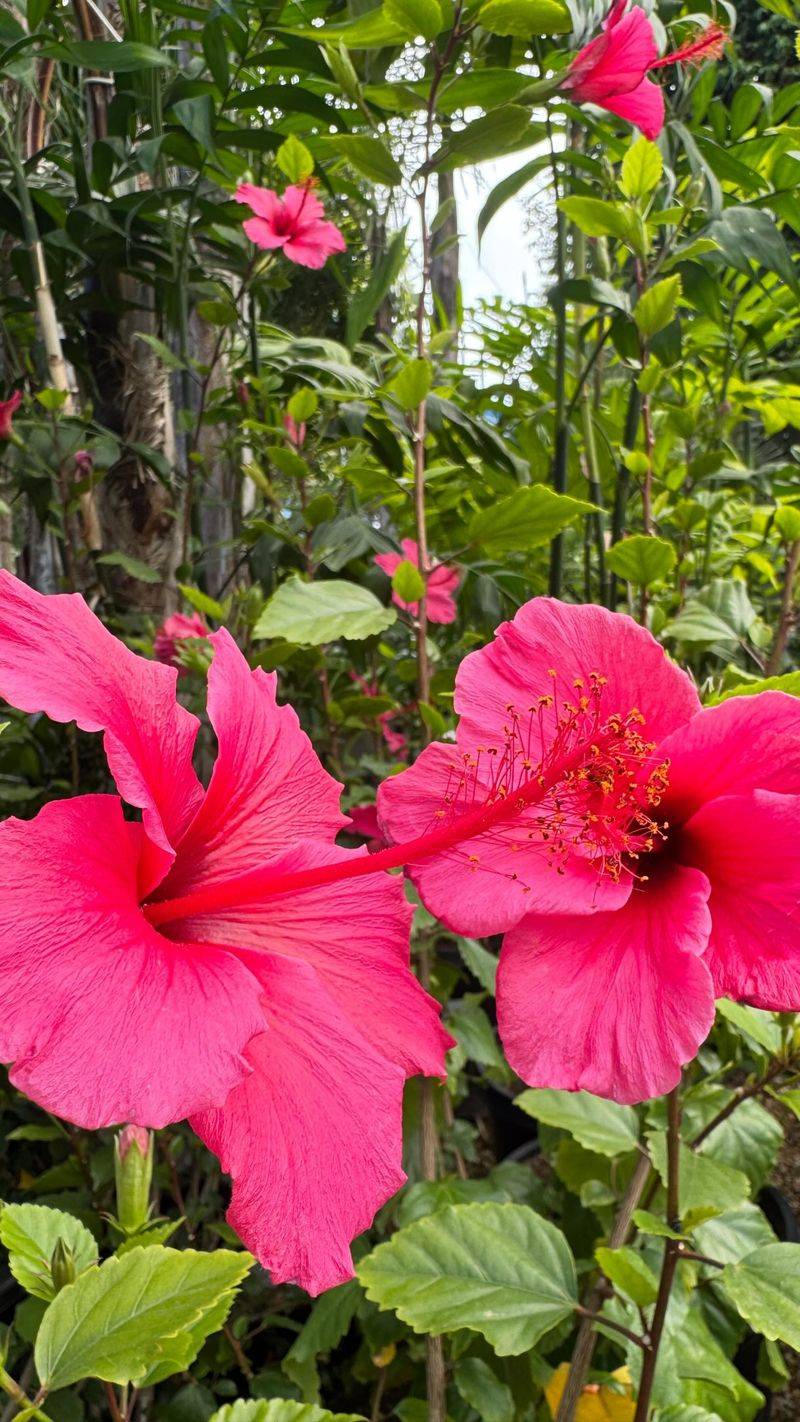
The headline grabs attention, but it overstates the case a little. Tropical hibiscus, especially Hibiscus rosa-sinensis, commonly called Chinese hibiscus, does produce flowers that open in the morning and begin senescing by late afternoon or sundown.
That part is accurate. But “dawn to dusk” as a precise, universal clock for every bloom on every plant is too tidy.
Timing shifts depending on species, cultivar, light conditions, and weather, and University of Hawaii extension research on hibiscus notes that some hibiscus flowers remain open for two days.
The more important correction is about scale. “One day” describes a single flower, not the plant itself. A healthy H. rosa-sinensis carries multiple buds at different stages of development at the same time.
While one bloom finishes its display, another bud is already swelling and preparing to open. Extension resources from the University of Illinois and the University of Florida both confirm that a well-cared-for tropical hibiscus can continue producing successive blooms for weeks or months when temperatures and growing conditions stay favorable.
So the plant keeps working long after any individual flower fades. Recognizing that distinction, one brief bloom versus an ongoing flowering plant, is the foundation for reading your hibiscus correctly and avoiding unnecessary alarm every time a spent flower drops to the ground.
Light and the plant’s internal clock set the schedule
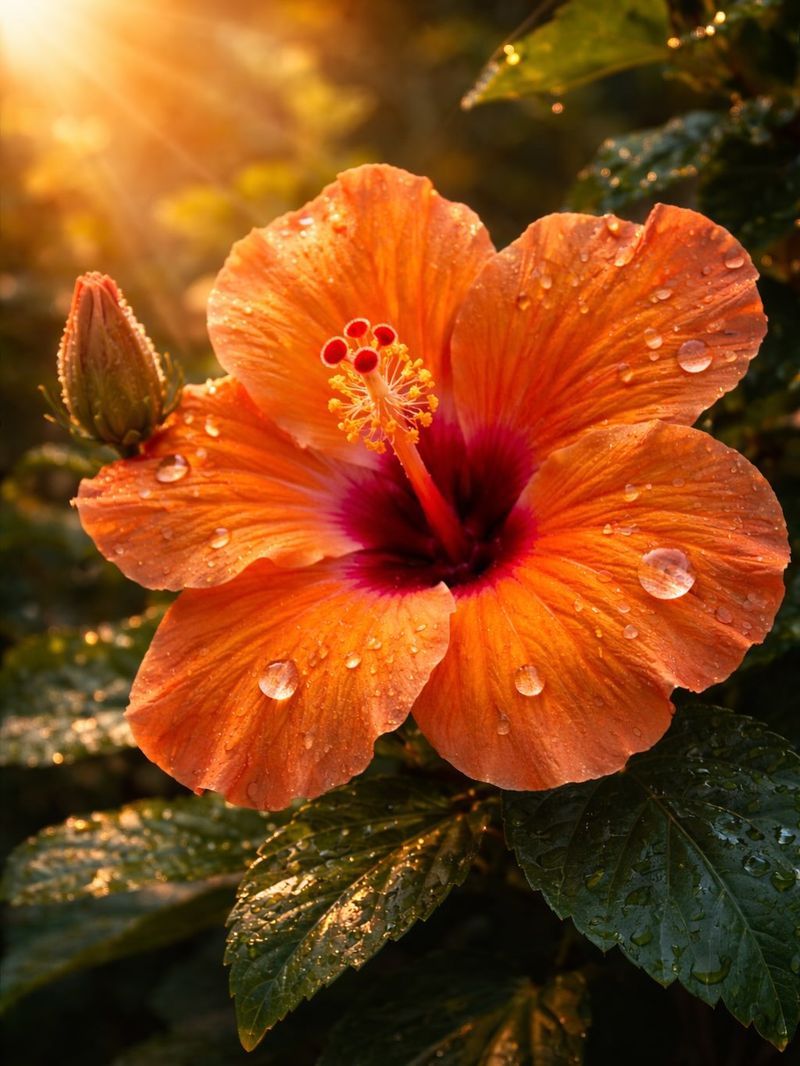
Afternoon heat in Phoenix is fierce enough to wilt almost anything, so it is easy to assume that the desert sun simply burns each hibiscus flower into submission by mid-afternoon. The actual mechanism is more interesting than that.
Research published in Frontiers in Plant ScienceH. rosa-sinensis examined the transcriptome of flowers through their opening and closing cycle. That study found that flower opening and senescence are synchronized with light and an internal circadian system, a biological clock that runs on roughly a 24-hour cycle.
The flower does not collapse because the temperature crossed a threshold. It follows a programmed developmental sequence tied to light signals and internal timing.
Petal opening in the morning and petal in-rolling later in the day are both active, regulated events, not passive responses to heat. Genes associated with cell expansion, pigment production, and tissue breakdown switch on and off in an ordered pattern across the day.
The flower is, in a sense, running a script it was given before it ever opened.
Critically, this same short lifespan appears in humid and temperate climates, not only in Arizona. Extension guides from Illinois and Mississippi State both describe the one-day bloom pattern for tropical hibiscus grown in very different conditions.
Your Arizona Garden Changes Every Week. Your Plan Should Too.
Gardening in Arizona changes quickly throughout the season. Every Friday you’ll receive a simple weekly plan showing exactly what to plant, prune, fertilize, harvest, and protect so you never miss the right timing.
Arizona’s heat can stress a plant and affect its overall flowering performance, but it is not the reason an individual opened flower closes by evening.
Successive buds create the long display
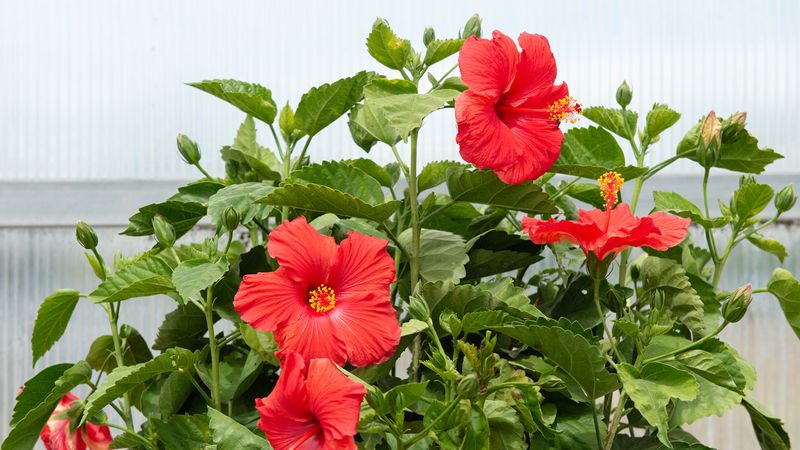
Picture a relay race where each runner carries the baton for only a short stretch before passing it forward. That image captures what a tropical hibiscus does across a season, though it is worth being clear that this is a useful comparison, not a proven evolutionary plan the plant hatched on purpose.
Each individual flower opens, displays for a matter of hours, then senesces. Meanwhile, the next bud in line advances toward its own opening day.
Mississippi State University extension notes that tropical hibiscus can produce a striking late-summer color show precisely because of this staggered bud development. The University of Florida similarly describes the plant as capable of flowering nearly continuously under warm conditions.
The impression of ongoing color comes from the rapid turnover of individual flowers rather than from any single bloom holding on.
One important qualification applies directly to low-desert Arizona: “all season” is not a guarantee. Warm conditions support repeated bud development, but frost, extreme heat, inconsistent moisture, soil problems, and cultivar differences can all interrupt the succession.
A plant that flowered freely in May might slow significantly in the peak of a Phoenix July, then pick back up as temperatures ease into September. The display can be long and generous, but it responds to conditions.
Expecting unbroken color through every Arizona extreme sets up disappointment. Expecting generous flowering during favorable stretches, with the understanding that individual blooms are brief, sets up accurate appreciation.
A finished bloom is different from a dropped bud
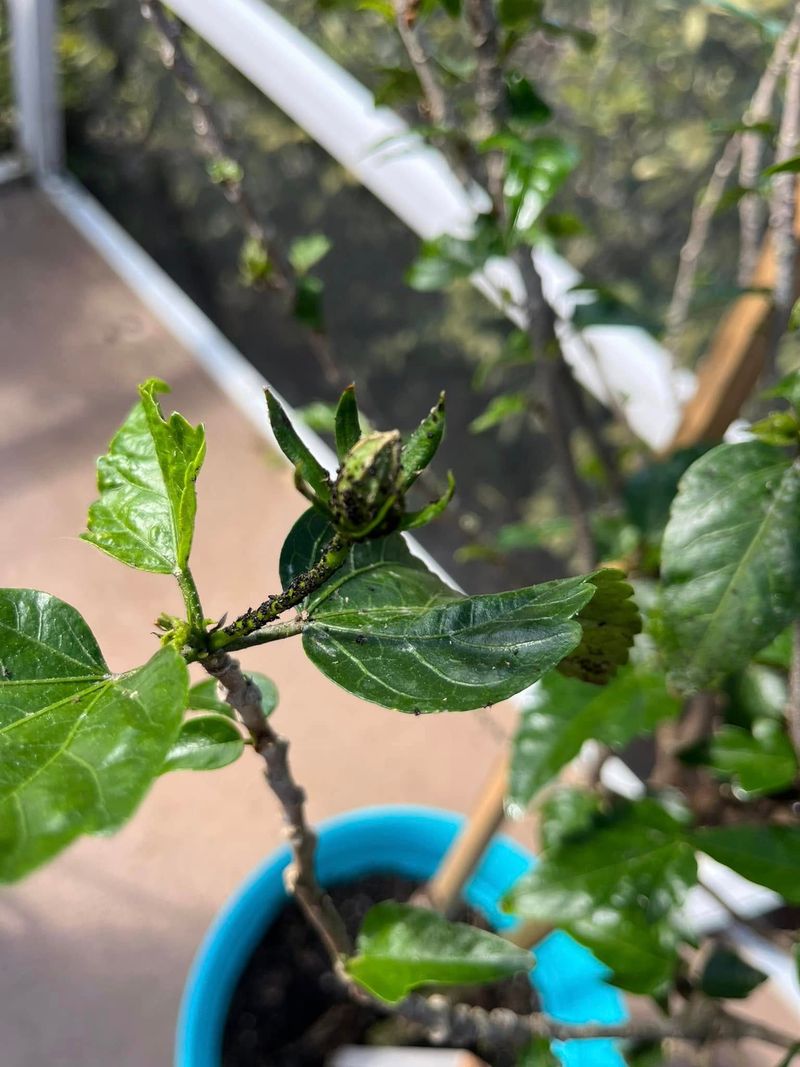
Knowing that a flower is supposed to fade the same day it opens is only useful if you can tell a normal spent bloom from a sign that something is actually wrong. The distinction is straightforward once you know what to look for.
An opened flower that closes and drops by evening has done exactly what it was built to do. An unopened bud that falls off the plant before it ever displays is a different situation entirely.
University of Florida extension resources on hibiscus bud drop identify several contributors: inconsistent watering, temperature extremes, low humidity, poor drainage, and sudden environmental changes such as moving a container plant. A related University of Florida resource points to nutrient imbalances and pest pressure as additional factors.
Mississippi State extension adds that tropical hibiscus needs consistent moisture to support bud development, and stress during that process can cause buds to abort.
Beyond individual dropped buds, watch for broader patterns. If the plant is producing noticeably fewer buds than it did in previous weeks, if leaves are yellowing or dropping, or if new growth looks stunted, those signals together suggest a growing-condition problem worth investigating.
Alkaline soil, excessive fertilizer, root rot from poor drainage, and pest infestations can all reduce overall flowering performance. None of those problems looks the same as a healthy flower completing its normal one-day lifespan.
Blaming Arizona heat for every wilted bloom skips the actual diagnosis.
Use containers to manage Arizona’s soil constraints
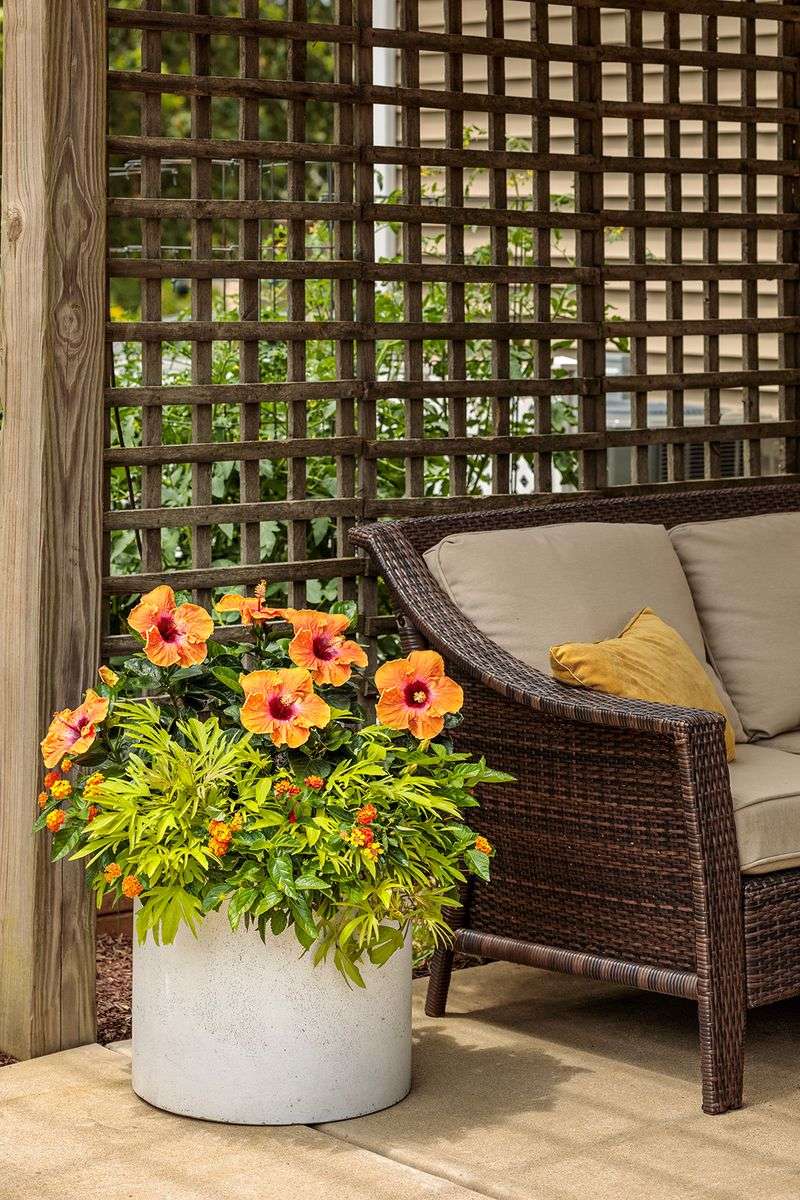
Tropical hibiscus is not a plant that thrives on neglect in Arizona’s native soil. Most low-desert soils are alkaline and often calcareous, meaning they contain calcium carbonate that raises pH and ties up nutrients that acid-loving plants need.
University of Arizona extension guidance specifically places hibiscus among acid-loving plants that often perform better in large patio containers filled with artificial potting mix, because that setup sidesteps the soil chemistry constraints that the ground presents.
That recommendation is not a blanket claim that containers beat every in-ground site. Some Arizona gardeners with amended, well-draining beds do grow tropical hibiscus successfully in the ground.
But for most low-desert homeowners working with typical caliche-influenced soil, a large container with a quality, well-drained potting mix removes one of the biggest obstacles to consistent flowering. University of Arizona guidance on choosing the right plants reinforces this approach for ornamentals with specific soil needs.
Container placement matters too. Tropical hibiscus wants bright light, and the University of Arizona Arboretum notes that Chinese hibiscus benefits from supplemental watering in hot, dry climates.
In Phoenix and Tucson, where summer afternoons can reflect intense heat off walls, pavement, and fencing, positioning the container to catch morning sun while reducing exposure to the harshest reflected afternoon heat can help the plant maintain steady bud development. This is not about keeping the plant in shade.
It is about managing the intensity of heat stress without sacrificing the light the plant genuinely needs to flower.
Keep roots steady through heat and drought
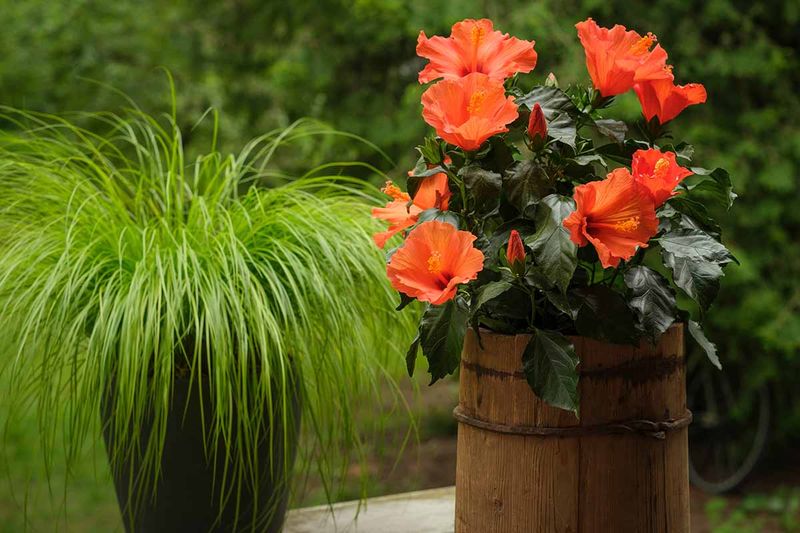
Moisture management is where many Arizona hibiscus growers run into trouble, partly because the plant’s needs do not fit neatly onto a fixed calendar. The root zone should stay consistently moist but never waterlogged.
Letting the soil dry out completely between waterings stresses the plant, reduces flowering, and can contribute to bud drop. Keeping the soil soggy or allowing water to pool in a container without drainage causes root problems that ultimately harm flowering just as much.
University of Arizona extension guidance on watering trees and shrubs emphasizes adjusting irrigation based on container size, plant maturity, soil type, heat, wind, and recent rainfall rather than watering on a rigid schedule. During Phoenix’s peak summer heat, a container hibiscus may need water daily or even twice daily.
During a cloudy monsoon stretch with recent rain, the same plant might need far less. Checking the soil an inch or two below the surface before watering gives a more reliable answer than the calendar does.
University of Arizona watering guidance also stresses deeper, thorough watering over frequent shallow applications, which encourages roots to develop more fully. For container hibiscus, this means watering until water flows from the drainage holes, then allowing the top layer to begin drying before the next irrigation cycle.
Getting this rhythm right does not extend the life of any single flower, but it keeps the plant generating the next round of buds that will become tomorrow’s brief, spectacular display.
Protect the next bloom from frost and reflected heat
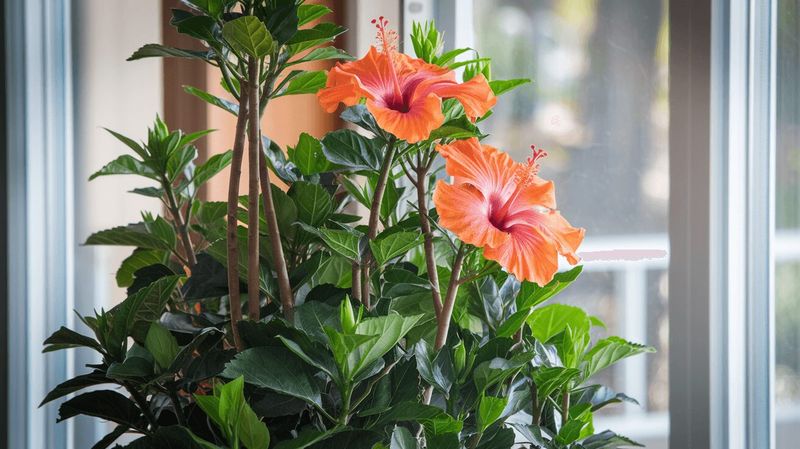
Even when individual hibiscus flowers are following their normal one-day schedule perfectly, two Arizona-specific threats can shut down the whole succession of buds: winter frost and extreme reflected heat. Tropical hibiscus is cold-sensitive.
University of Arizona extension materials on frost and freeze protection list tropical hibiscus among plants whose growing season can end abruptly when temperatures drop, and they specifically recommend moving containers or covering sensitive plants before a freeze arrives.
Low-desert Arizona winters are mild by most standards, but freezes do occur, particularly in inland valleys and at higher elevations around Tucson. University of Arizona frost protection guidance outlines how quickly temperatures can drop on clear, calm nights and how to use covers, thermal mass, and microclimate placement to protect tender plants.
A container makes this easier because the plant can be moved to a protected porch, garage, or interior space when a freeze is forecast.
Reflected heat from walls, concrete, and dark fencing is the summer counterpart to frost. Severe heat stress can slow bud development and reduce flowering even when temperatures are not literally burning the plant.
Combining attentive watering with thoughtful placement, away from the worst reflected surfaces, gives the plant the stability it needs to keep cycling through buds. Neither frost protection nor heat management changes how long any individual flower lasts.
Both preserve the conditions that allow the next flower to form and open at all.
Read the fading flower without blaming the desert
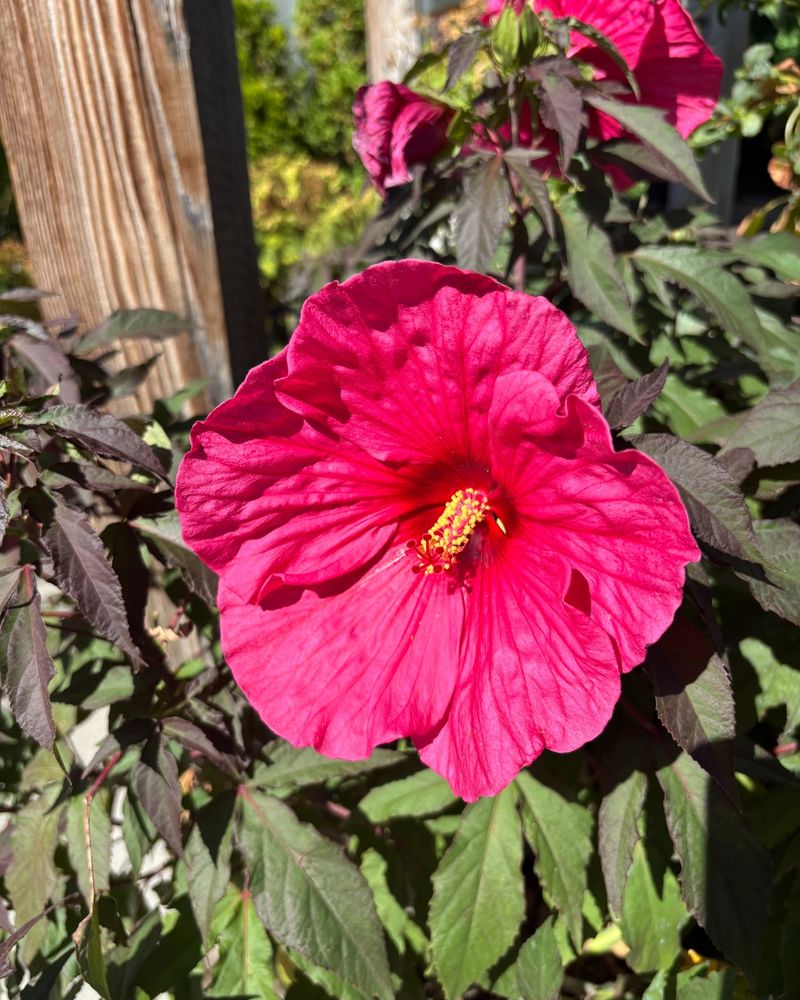
A tropical hibiscus flower that opens in the morning and finishes by late afternoon or sundown is behaving normally. The timing is shaped by light and an internal developmental clock, not by Arizona’s heat claiming another victim.
Exact timing varies by species and cultivar, and some flowers hold on longer than others, so the pattern is common rather than universal.
The more useful habit is reading the whole plant rather than reacting to one fading bloom. A plant generating steady new buds, with firm green growth and consistent moisture at the roots, is doing well.
A plant with dropping unopened buds, yellowing leaves, or a sharp decline in new bud production is telling you something about conditions, not about the normal lifespan of its flowers. Warm weather can support a generous and extended display, but Arizona’s frost risk, summer extremes, alkaline soil challenges, and cultivar variation mean that conditions cannot be ignored.
Container culture, well-drained potting mix, responsive watering, light management, and frost protection all work together to keep the succession of buds moving forward. Each individual flower is always going to be brief.
That brevity is not a flaw. A hibiscus in good health answers each short bloom with another one waiting just behind it.