The Truth About Opossums In Georgia Yards Most Homeowners Get Wrong
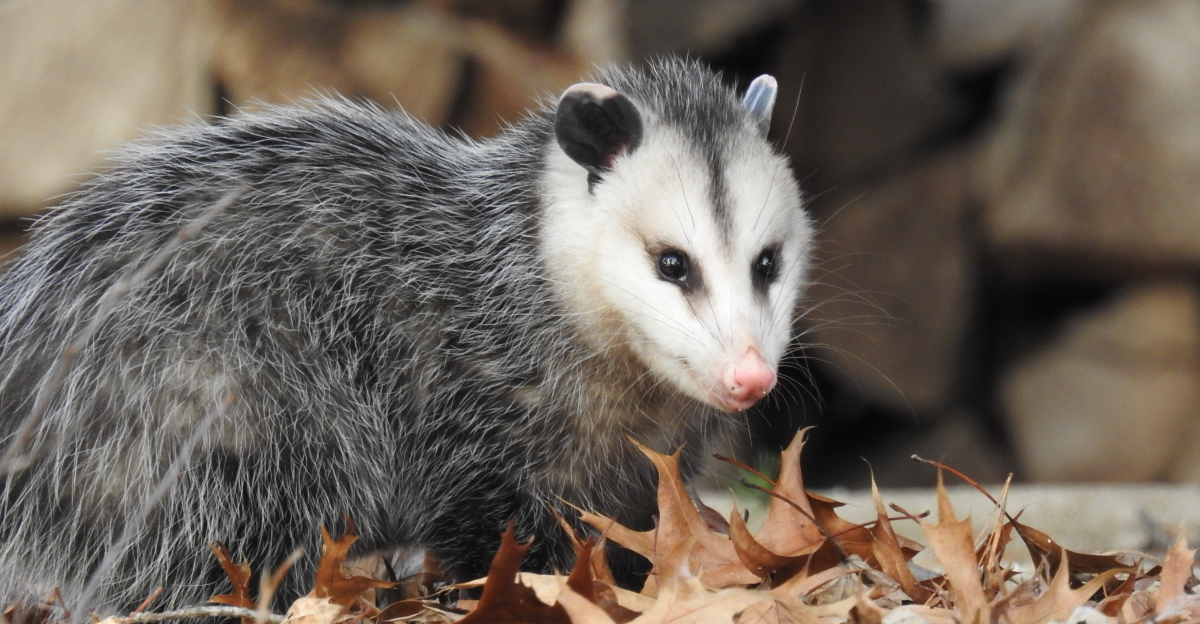
First impressions are not always right, especially when an opossum wanders through your yard after dark. Many people assume the worst before they know what they are actually looking at.
If that sounds familiar, it may be time to question a few common beliefs instead of trusting old stories.
Opossums show up in plenty of Georgia neighborhoods, yet they remain one of the most misunderstood backyard visitors. Before you decide what their presence really means, take a moment to separate facts from assumptions.
You might see them in a completely different way once you know the full picture.
Do not let myths shape your opinion. A closer look at these quiet nighttime visitors may change what you think every time one crosses your yard.
1. Most Opossums Are Harmless Visitors
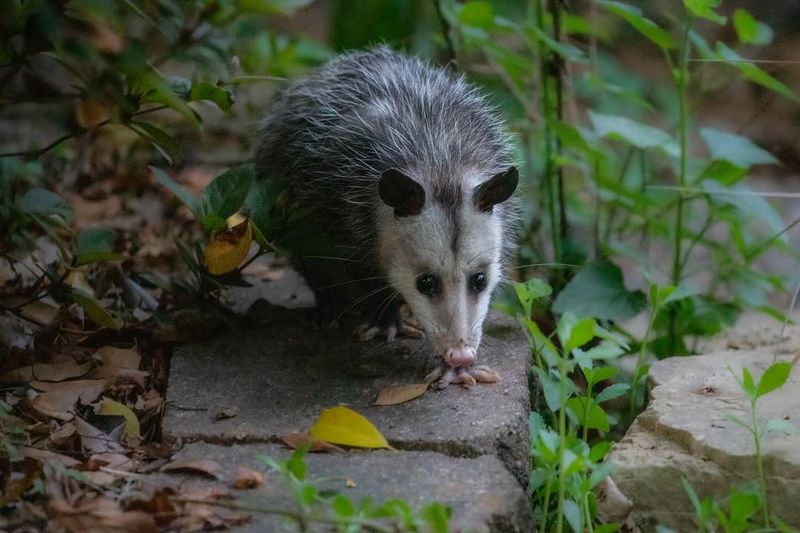
Opossums are not aggressive animals. Most of the time, they wander through yards looking for food and move on without causing any real trouble.
A threatening encounter is rare unless the animal feels cornered.
North America’s only native marsupial, the Virginia opossum, is the species you’ll find roaming Georgia neighborhoods. It carries its young in a pouch, just like a kangaroo.
That alone makes it one of the more fascinating animals a homeowner might spot outside.
When frightened, opossums sometimes go stiff and appear motionless. That involuntary response is not something they choose to do.
It happens automatically as a defense mechanism.
Opossums have a naturally low body temperature, which makes them far less likely to carry or transmit rabies compared to other wild mammals. Bites are uncommon since they prefer to avoid conflict entirely.
If you see one near your fence or garden, it is likely just passing through.
Chasing or trapping them often causes more problems than leaving them alone. Relocating wild animals without a permit may also be against local regulations.
Letting them move through on their own schedule is usually the simplest option.
2. Common Garden Pests Are Part Of Their Diet
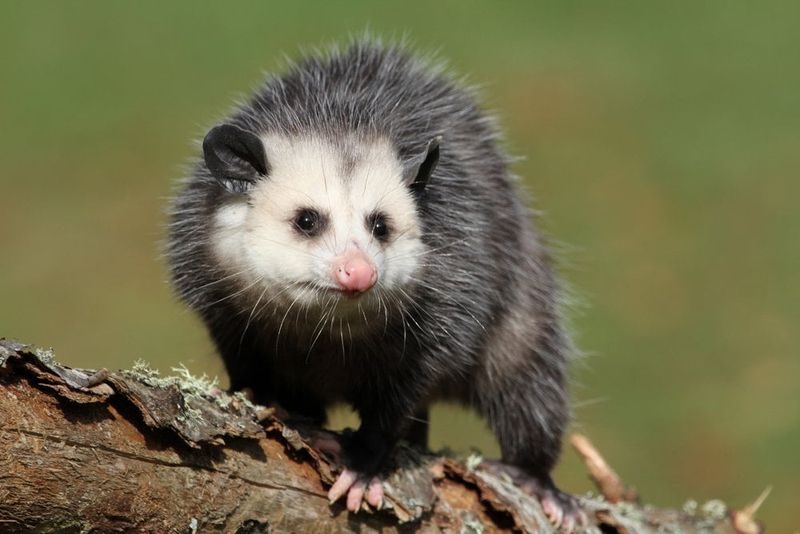
Opossums eat things most homeowners spend money trying to get rid of. Slugs, beetles, cockroaches, and even small rodents are all part of their regular diet.
Having one pass through your yard could actually reduce pest pressure over time.
Ticks are another item on their menu. Opossums tend to groom themselves frequently, and ticks they pick up during that process are often consumed.
Yards near wooded edges or tall grass in Georgia tend to have higher tick activity, so this habit can be genuinely useful.
Snails that damage vegetable gardens and flower beds are also targeted. An opossum foraging through your beds at night is not causing the damage you see in the morning.
Slugs and snails are far more likely responsible.
Opossums are opportunistic feeders, meaning they eat what is available. Fallen berries, overripe fruit, insects under mulch, and decaying plant matter all attract them.
A yard with healthy garden activity naturally draws them in.
Blaming an opossum for chewed plants or damaged seedlings is a common mistake. Rabbits, deer, and squirrels are far more likely culprits.
Your Georgia Garden Changes Every Week. Your Plan Should Too.
Gardening in Georgia changes quickly throughout the season. Every Friday you’ll receive a simple weekly plan showing exactly what to plant, prune, fertilize, harvest, and protect so you never miss the right timing.
3. Fallen Fruit Helps Keep Yards Cleaner
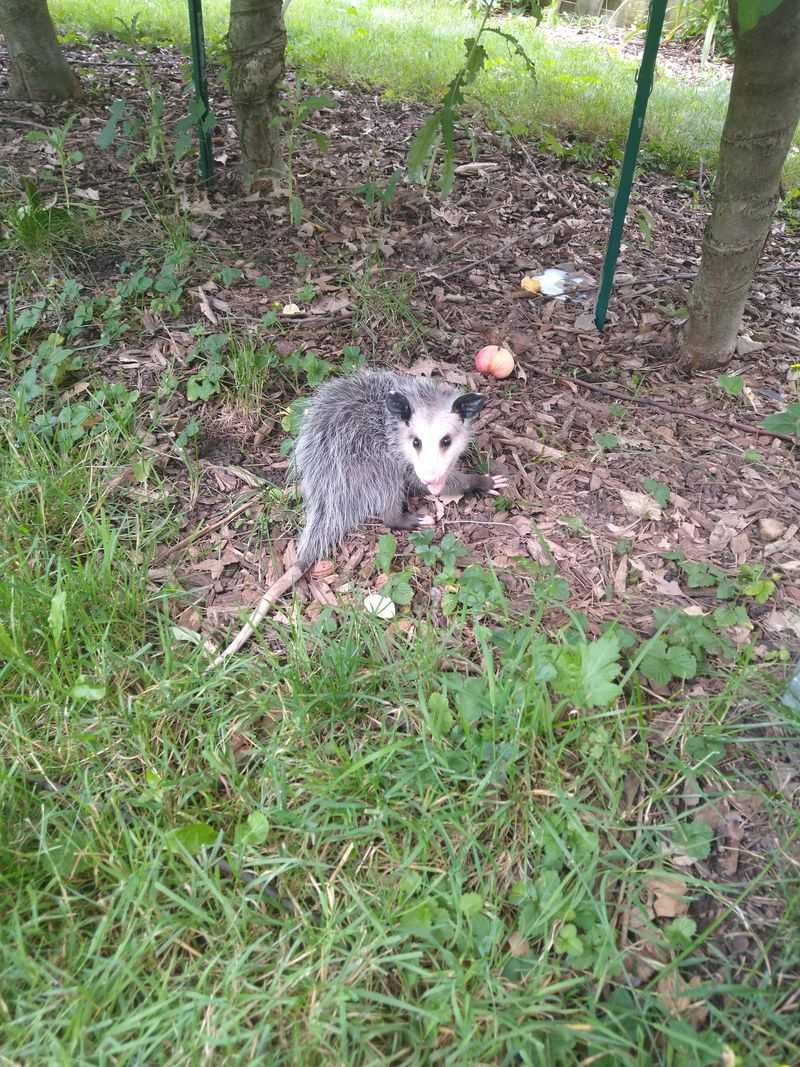
Fruit trees are a major draw for opossums, especially when fruit starts dropping in late summer and early fall. Peaches, apples, figs, and persimmons left on the ground quickly attract insects, mold, and small rodents.
Opossums help clean that up before the situation gets worse.
Rotting fruit left on the ground creates its own set of problems. Fruit flies multiply fast.
Mold spreads to nearby soil and roots. An opossum working through that mess at night is doing your yard a quiet favor.
Homeowners who pick up fallen fruit regularly tend to see fewer opossum visits. Removing the food source is the most reliable way to reduce their presence near the house.
It also keeps the yard healthier overall.
Fruit that falls near compost bins or garden borders is especially tempting. Opossums have a sharp sense of smell and can locate overripe produce from a distance.
A clean yard perimeter makes your property noticeably less attractive to them.
Raking under fruit trees every few days during peak season makes a real difference. Bag the fallen fruit or add it to a sealed compost bin.
Small habits like that shift the balance and keep wildlife from settling into a regular routine around your home.
4. Pet Food Left Outside Attracts Them
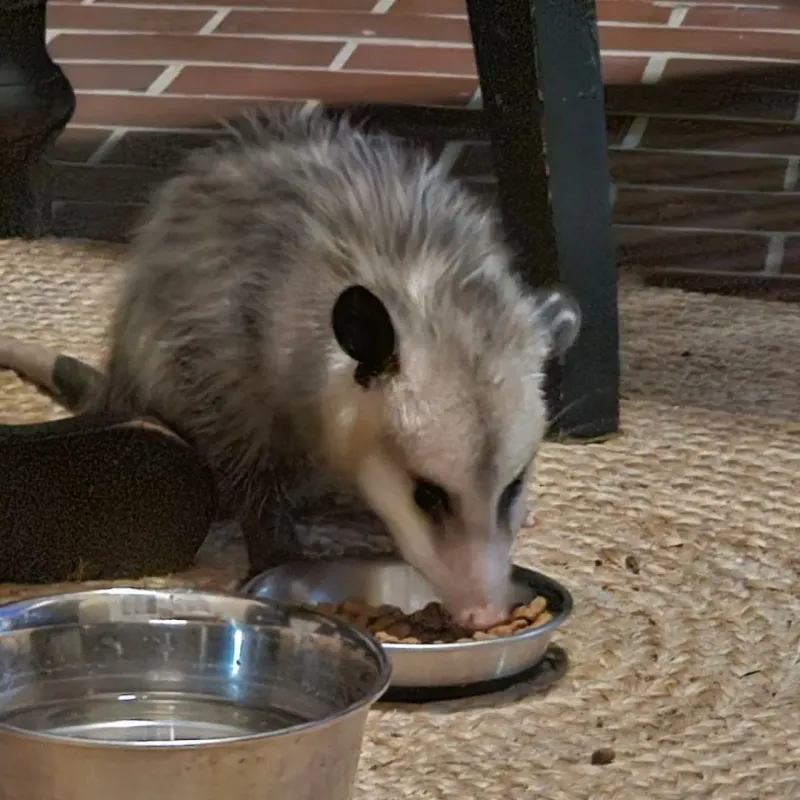
Leaving pet food outside overnight is one of the fastest ways to turn your yard into a regular opossum stop. Dry kibble, wet food, and even water bowls are strong attractants.
Once an opossum finds a reliable food source, it tends to return on a consistent schedule.
Cats that eat outside are often the reason opossums start visiting porches and patios. The food smells carry surprisingly far at night.
An opossum does not need much encouragement to investigate.
Bringing pet bowls inside after feeding time is a straightforward fix. It removes the reward that keeps drawing wildlife back.
Most animals, including opossums, will shift their routes when food sources disappear.
Bird feeders are another overlooked attractant. Seed that falls to the ground beneath a feeder creates an easy meal.
Opossums are not climbers in the same way squirrels are, but they will absolutely work the ground beneath a feeder all night.
Switching to a tray-style feeder that catches falling seed can help. Cleaning up spilled seed before nightfall also reduces foot traffic under the feeder.
Small adjustments like these tend to produce noticeable results within a week or two. Consistency matters more than any single action when you are trying to reduce wildlife visits to specific spots around the yard.
5. Open Spaces Under Decks Provide Shelter
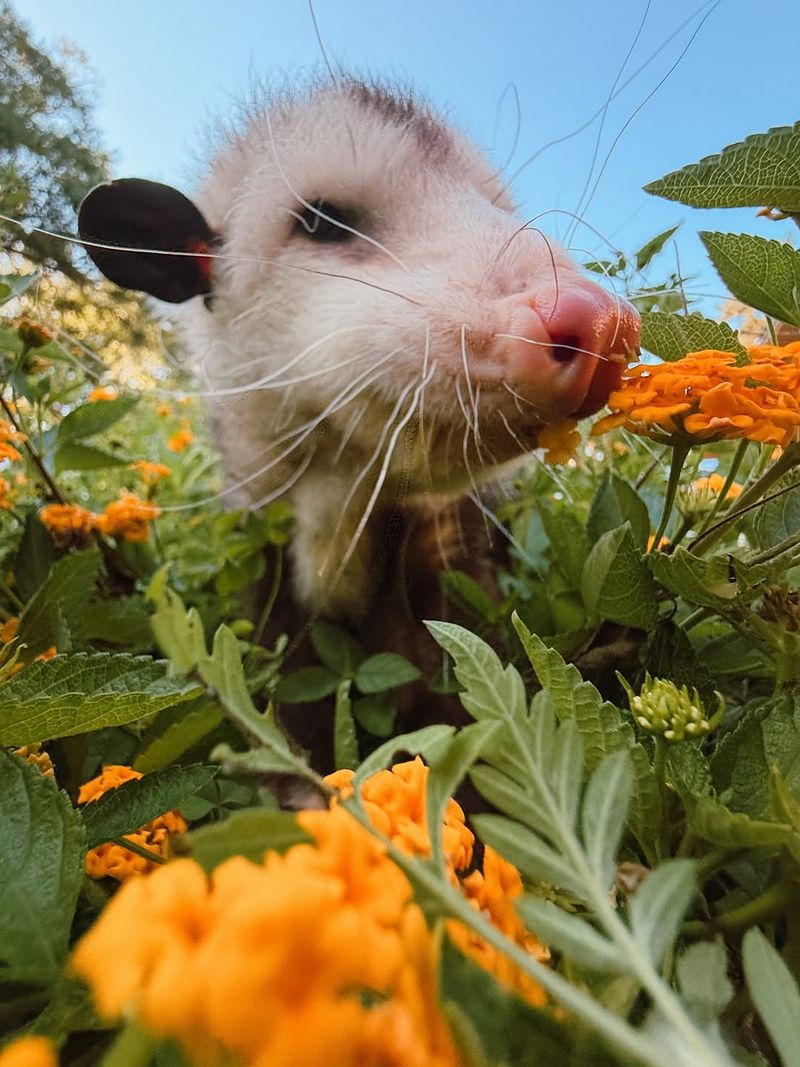
Opossums do not build nests from scratch. Instead, they look for ready-made spaces that offer protection from weather and predators.
The gap under a deck, porch, or shed is exactly what they are searching for.
Georgia’s warm seasons bring a lot of wildlife activity close to homes. Opossums are most active from spring through fall, and finding a dry, sheltered spot under a structure is a significant draw.
A female with young is especially motivated to find a stable location.
Blocking access points before an animal moves in is much easier than removing one that has settled. Hardware cloth or wire mesh attached to the base of a deck creates a barrier without harming the animal.
Gaps as small as four inches can be entry points.
Check for signs of activity before sealing anything. Look for tracks, droppings, or disturbed leaves near the opening.
Sealing an occupied space creates problems and may be handled differently depending on local wildlife regulations.
Lattice panels that look decorative but have openings wider than a few inches offer little real protection. Replacing them with a solid barrier or tight-gauge mesh is a more effective solution.
6. Secure Trash Helps Prevent Repeat Visits
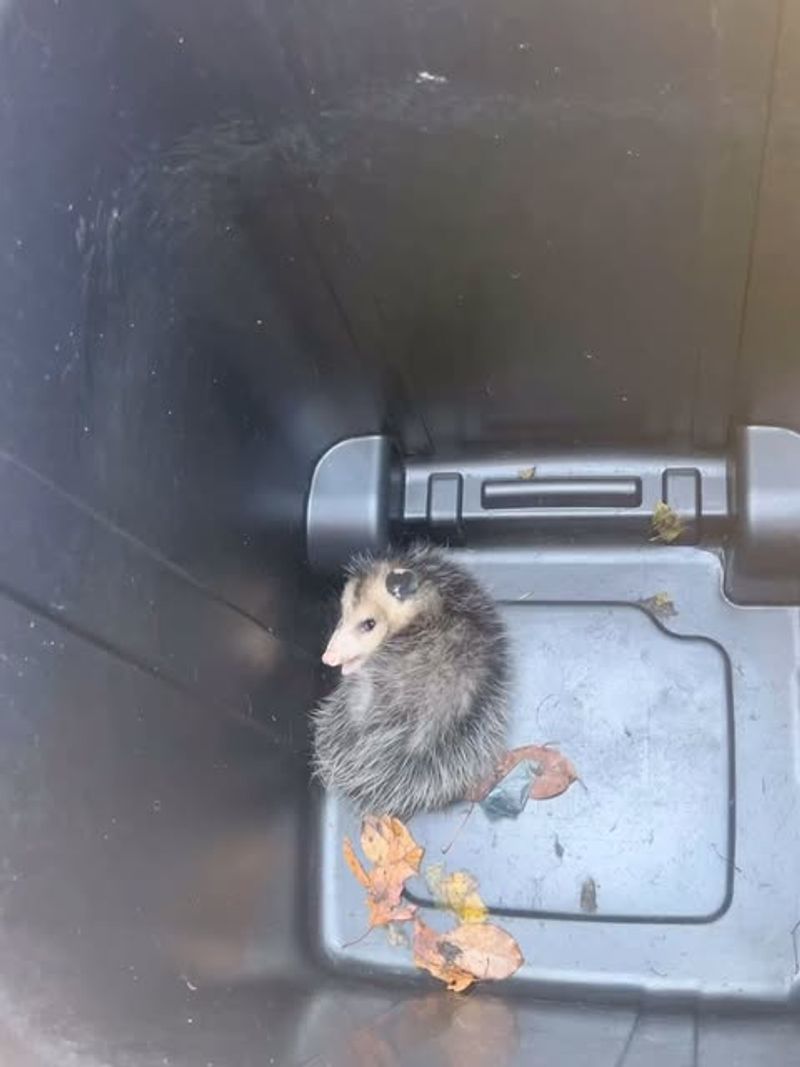
Unsecured trash cans are one of the top reasons wildlife keeps returning to the same yards. Opossums have a strong sense of smell and can detect food waste through standard plastic lids.
Once they find a reliable trash source, the visits become routine.
Locking trash can lids are widely available and reasonably priced. A simple latch or bungee cord across the lid can break the cycle of repeat visits.
It is a small change with a noticeable impact on nighttime wildlife activity around the house.
Rinsing food containers before tossing them reduces odor. Meat scraps and fish packaging are especially strong attractants.
Wrapping strong-smelling waste in a sealed bag before placing it in the bin cuts down on how far the scent travels.
Trash cans stored in a garage or enclosed area until collection day are the most effective solution. Outdoor cans left at the curb overnight give wildlife hours of access.
Even a single night of success teaches an animal that the location is worth revisiting.
Neighbors play a role too. A secured yard surrounded by unsecured ones will still see some traffic.
Talking to people nearby about wildlife-proofing trash is not overstepping.
7. Small Yard Changes Encourage Them To Move On
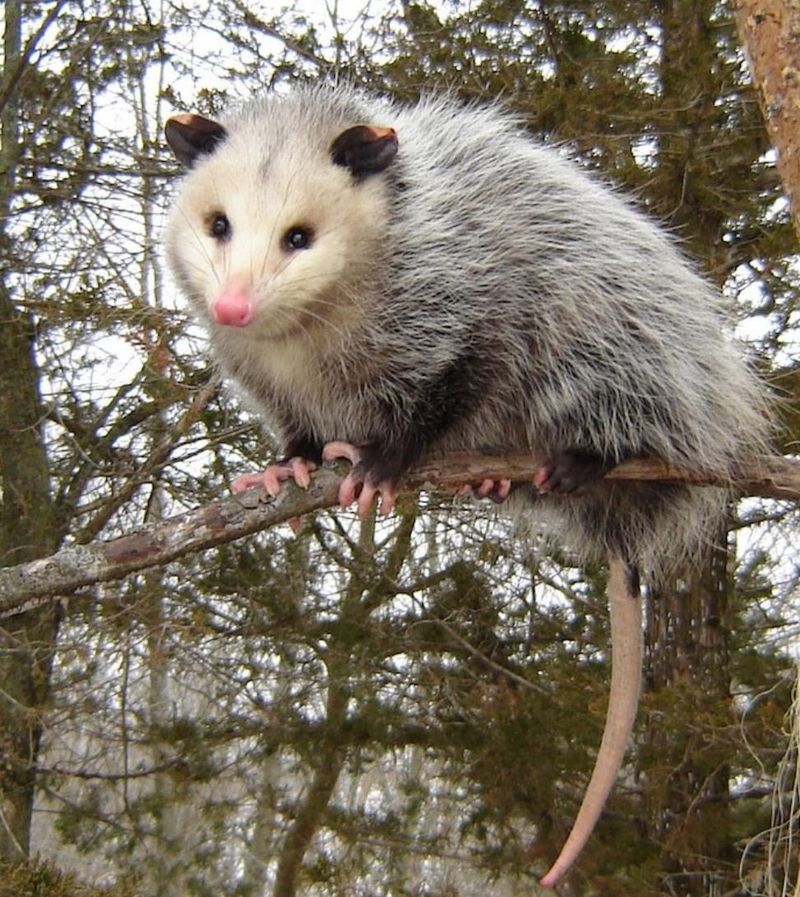
Opossums are adaptable, but they are also creatures of habit. Remove the things that make your yard comfortable, and most will shift their route without much resistance.
No dramatic action is needed in most cases.
Tall grass and dense brush near fences or garden edges give opossums places to rest during daylight hours. Keeping those areas trimmed reduces cover and makes the yard feel less sheltered.
A well-maintained perimeter sends a clear signal.
Motion-activated lights are a low-effort deterrent worth trying. Opossums prefer darkness and tend to avoid brightly lit areas when other options exist.
Placing a light near a known entry point can redirect their path over time.
Ammonia-soaked rags placed near entry points are sometimes suggested online, but results vary. Scent deterrents tend to lose effectiveness after rain or a few days of heat.
Physical barriers and food source removal are more reliable long-term strategies.
Consistency is what actually works. One week of effort followed by slipping back into old habits usually resets any progress.
Keeping pet food inside, sealing gaps, managing fallen fruit, and securing trash creates an environment that simply holds less appeal.