What To Do With Your Mums After They Finish Blooming in Georgia

Those potted fall flowers you bought for the porch have been garden favorites for thousands of years. Their colorful blooms have long been prized for their beauty and seasonal charm.
Most of us toss them into the trash by Thanksgiving. I used to do the same thing, and I cringe a little thinking about it now.
Here in Georgia, our mild winters give these plants a real shot at coming back. Many garden types are hardy perennials in Zones 7 and 8, which covers most of the state.
I love getting a free plant that grows bigger every year.
The difference between a one-season porch decoration and a backyard bloomer that returns each October often comes down to what you do in the next few weeks, and it’s easier than you might expect.
1. Faded Mum Pots Hold More Promise Than You Think
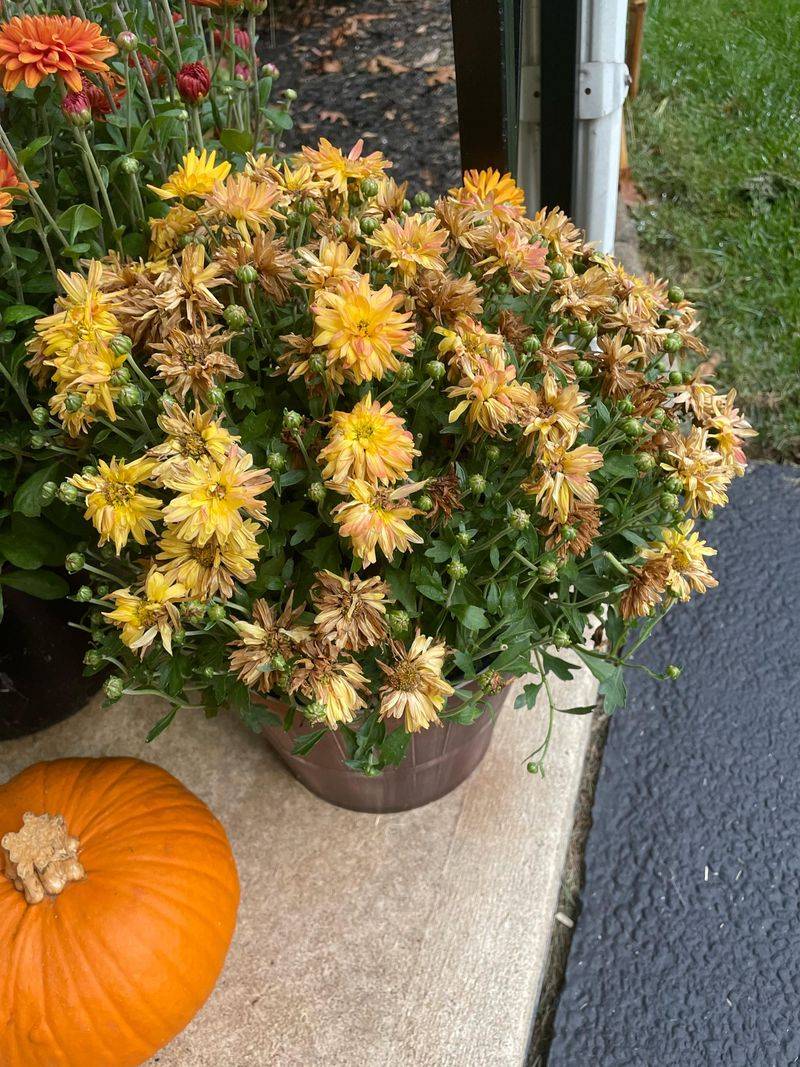
A brown, crispy mum on the porch steps looks like it’s finished. Underneath that tired top growth, though, the roots are often healthy and ready for another year.
The trick is knowing which kind of mum you have. Florist mums, the ones sold in foil-wrapped pots for gifts, were bred for indoor display and rarely survive outside.
Garden mums, often labeled hardy mums, are perennials that can return for years.
Most mums sold in big pots at Georgia garden centers in September are garden types. Check the plant tag if you still have it.
Words like hardy, garden mum, or Chrysanthemum x morifolium are encouraging signs.
Before you toss anything, give the plant a quick checkup. Gently tip it out of the pot and look at the roots.
White or tan roots that feel firm mean the plant is in decent shape.
Look at the base of the stems too. Small green shoots or leafy rosettes near the soil line are a strong hint the plant wants to keep going.
Mushy, black roots or a sour smell suggest rot. Those plants belong in the compost pile.
Everything else deserves a chance at a second season in your yard.
2. Get Those Mums Into the Ground Before Winter Settles In
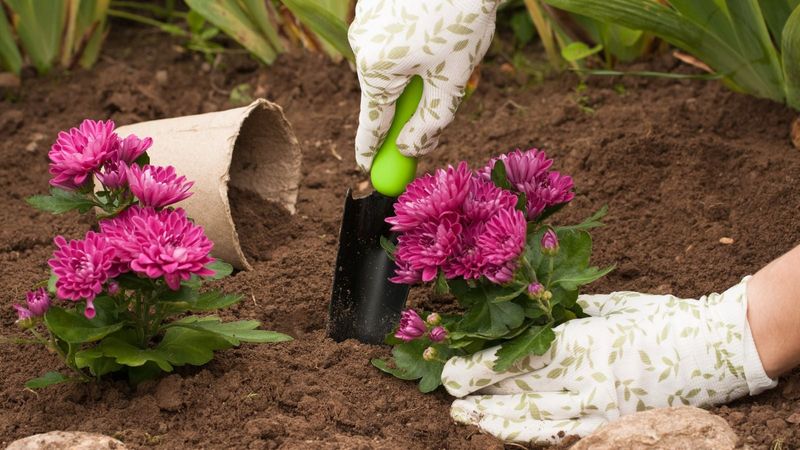
Planting is the single best move you can make for a potted mum. Roots in the ground stay warmer and more stable than roots trapped in a plastic pot.
Pick a spot with at least six hours of sun. Mums planted in shade tend to stretch, flop, and bloom poorly the next fall.
A sunny bed near the house or along a fence works well.
Drainage matters a lot in Georgia, where red clay can hold water like a bathtub. Work in compost or pine bark soil conditioner to loosen heavy ground.
Raised beds are a smart choice in very soggy yards.
Dig a hole a bit wider than the root ball and set the plant at the same depth it grew in the pot. Gently loosen circling roots with your fingers first.
Firm the soil and water deeply.
Timing helps too. Planting in October or early November gives roots several weeks to settle before the coldest weather.
In south Georgia, you have extra wiggle room, while north Georgia gardeners should move a little sooner.
Space plants about 18 to 24 inches apart. They will fill out quickly next summer.
3. Leave Those Brown Mum Stems Standing Until Spring
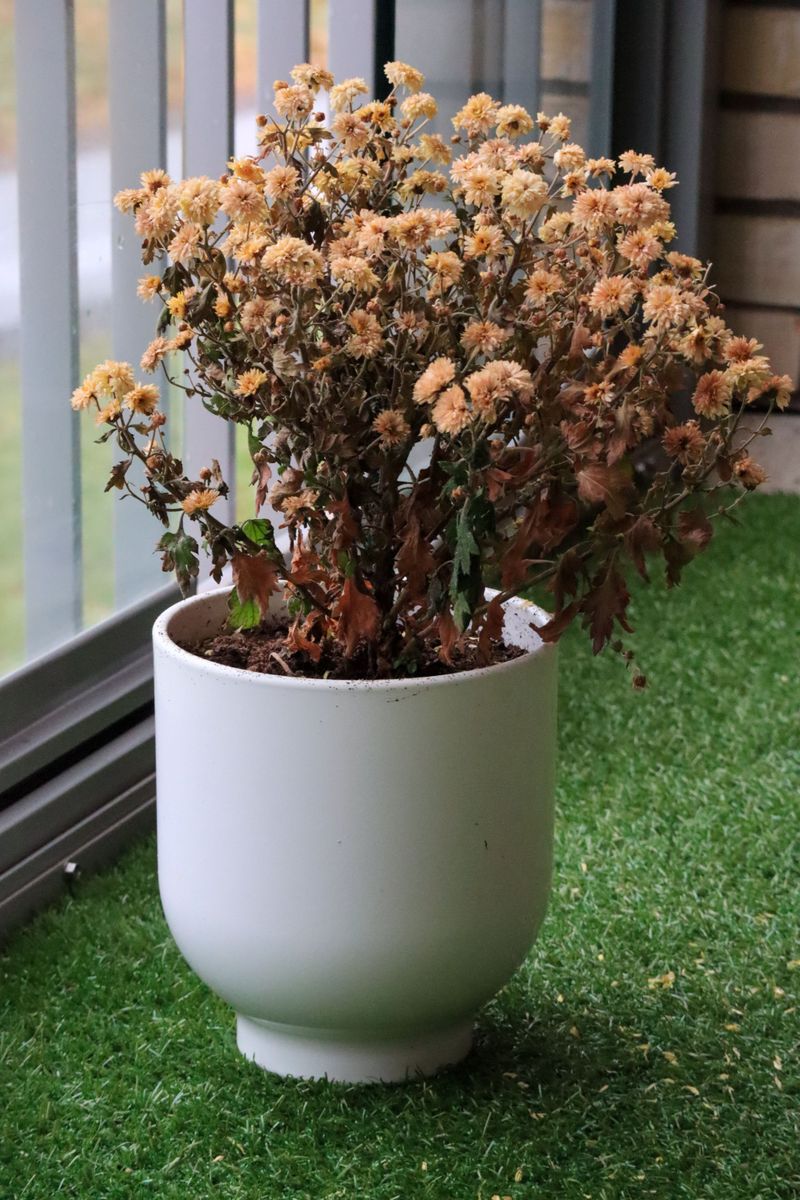
Tidy gardeners, brace yourselves. Those messy brown stems are better left alone through winter.
Old stems help trap leaves and protect the crown, the spot where next year’s shoots begin. Research from extension services has shown mums left unpruned over winter often survive better than ones cut to the ground in fall.
After a few hard freezes, add 2 to 4 inches of mulch around the base. Pine straw is easy to find across Georgia and works beautifully.
Shredded bark or chopped leaves are fine choices too.
Keep the mulch loose around the stems instead of packing it tight. Too much wet material against the crown can invite rot.
Mulch does more than keep things warm. It reduces the freeze and thaw cycles that push shallow roots out of the soil.
North Georgia mountain gardens see this heaving more often than coastal yards.
Water occasionally if winter turns dry, maybe once every few weeks. Dormant plants don’t need much, but bone-dry soil can still cause trouble.
Yes, the bed will look a little scruffy for a few months. I promise the payoff in spring is worth a winter of patience.
4. Potted Mums Can Ride Out Winter in a Garage
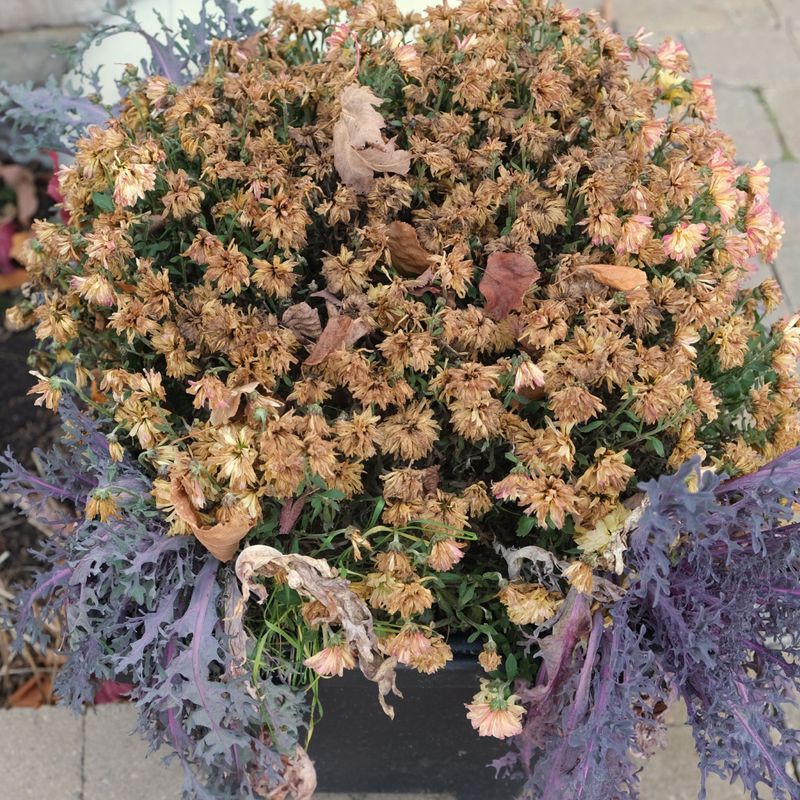
No garden space? No problem.
Container mums can still make it through winter with a little help.
Roots in pots feel cold faster than roots in the ground. A single hard freeze can damage them, especially in north Georgia where temperatures sometimes dip into the teens.
Option one is an unheated garage or shed. Aim for temperatures roughly between 32 and 50 degrees.
Cut stems back to a few inches before moving them inside, since the plant will be resting anyway.
Option two is the pot-in-the-ground trick. Dig a hole, sink the whole container to its rim, and cover the top with mulch.
The soil wraps the roots like a blanket.
Option three works for mild areas. Cluster pots together against a south-facing wall and pile mulch or straw around them.
In coastal and south Georgia, this is often enough.
Whichever route you choose, check the soil every few weeks. Water lightly when it feels dry an inch down.
Soggy soil during dormancy invites rot, so go easy.
Skip fertilizer through winter. Resting plants can’t use it, and the extra salts may harm tender roots.
5. Fresh Green Mum Shoots Signal Spring Cleanup Time
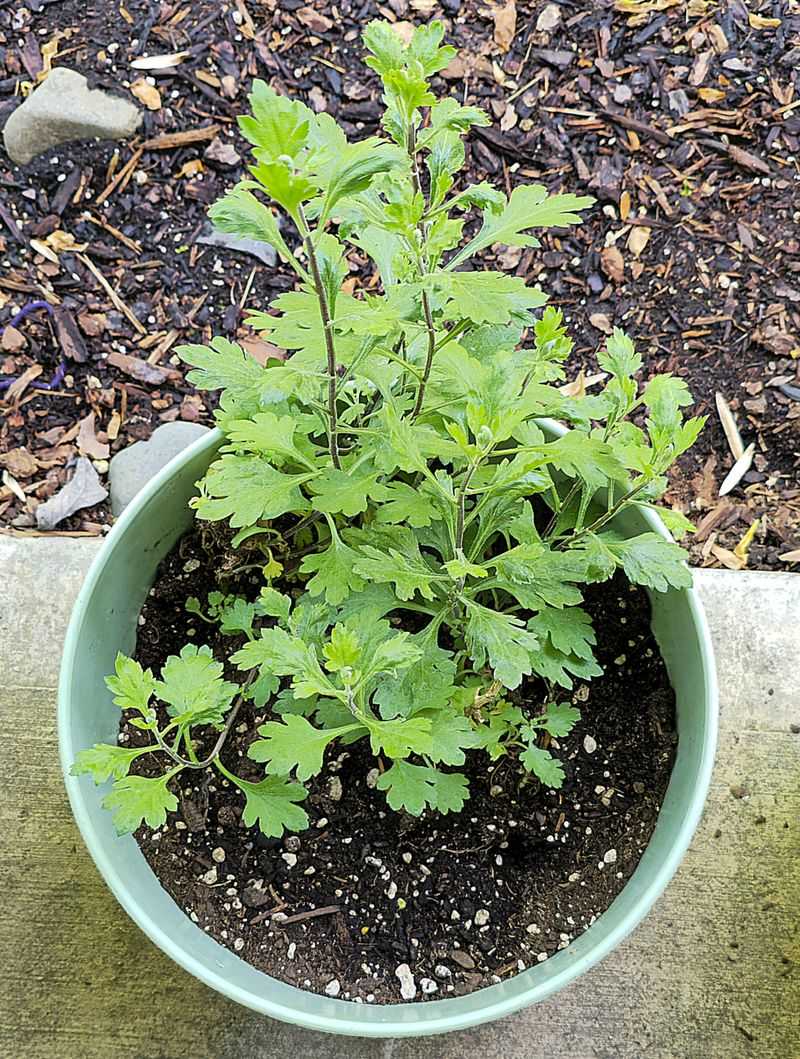
Spotting those first fuzzy green rosettes at the base of your mum feels like getting a letter from an old friend. That’s your cue to start the spring routine.
In much of Georgia, new growth shows up from late February through March. Mountain gardens may run a few weeks behind.
Once shoots appear, cut the old brown stems down to just above the new growth. Clean, sharp pruners make quick work of the job.
Rake away the old stems and pull mulch back slightly so the soil can warm up.
Garage-stored pots need a gentler wake-up. Move them outside for a few hours a day in a shady spot, then slowly increase their sun over a week or two.
Wait until your area’s last frost date has passed before leaving them out overnight.
Repot container mums into fresh potting mix if roots are crowded. A pot one size larger gives them room to grow.
Start light feeding now with a balanced fertilizer, following label rates. Regular water helps too, since growth speeds up fast once the weather warms.
By April, you’ll have a bushy green mound instead of a bare stick.
6. Pinching Mum Tips Builds a Rounder, Flower-Packed Plant

Here’s a habit that feels wrong but works wonders. Snipping off the growing tips makes your mum bushier and loaded with buds.
Every time you pinch a stem, the plant sends out two or more side branches. More branches mean more spots for flowers to form in fall.
Skip it, and you often end up with a tall, floppy plant that splits open in the middle.
Begin when new stems reach about 6 inches tall. Use your fingers or small snips to remove the top inch or so of each stem.
Repeat every two to three weeks as fresh growth reaches 4 to 6 inches.
Stop pinching by early to mid-July. University of Georgia guidance and many Southern gardeners use the Fourth of July as an easy reminder.
Pinching later can remove the buds that form as days shorten.
The pinched tips aren’t garbage either. Many of them will root in moist potting mix, giving you extra plants for free.
Honestly, pinching is my favorite summer chore. It takes five minutes with a cup of coffee, and October rewards you with a dome of color that looks like it came straight from the nursery.
7. Splitting Crowded Mum Clumps Gives You More Plants

After two or three years, many mums develop a bare, woody center with growth only around the edges. That hollow ring means the clump is ready to be divided.
Division refreshes the plant and multiplies your collection. One crowded clump can easily become four or five healthy new plants.
Early spring is the best time, when shoots are just 1 to 3 inches tall. The weather is cool, the soil is moist, and the plant has a full season to settle in before blooming.
Dig around the entire clump and lift it out with a garden fork. Shake off loose soil so you can see the roots clearly.
Pull or cut sections from the outer edges, since that’s where the youngest, strongest growth lives. Each piece needs healthy roots and a few green shoots.
Toss the old woody center.
Replant divisions 18 to 24 inches apart in soil improved with compost. Water well and keep the soil evenly moist for the next few weeks while roots take hold.
Extra divisions make wonderful gifts for friends and neighbors. Few things beat sharing a plant that started as a grocery store impulse buy.
8. Steady Summer Care Brings Your Mums Back Blooming Every Fall

Georgia summers can be rough on shallow-rooted plants. A little steady attention from May through September keeps mums healthy for their big fall return.
Water deeply about once or twice a week during dry spells. Aim at the soil instead of the leaves, and water in the morning so foliage dries quickly.
Wet leaves in humid weather often invite leaf spot and powdery mildew.
Feed with a balanced fertilizer like 10-10-10 about once a month during active growth. Stop feeding by August or when buds appear.
Late fertilizer can push leafy growth instead of flowers.
Keep an eye out for aphids and spider mites, especially in hot, dry stretches. A strong spray of water or insecticidal soap usually handles light infestations.
A fresh layer of mulch in early summer helps hold moisture and keeps roots cooler during heat waves.
Then comes the fun part. Buds start forming as days shorten in late summer, and color usually arrives in October.
My best advice is simple. Treat that fading porch mum as a long-term investment, not a seasonal decoration.
With sun, good drainage, and a few small chores, it can brighten your yard for many autumns ahead.