Why Your North Carolina Camellia Leaves Look Dull In Summer And What It Means For Fall Buds
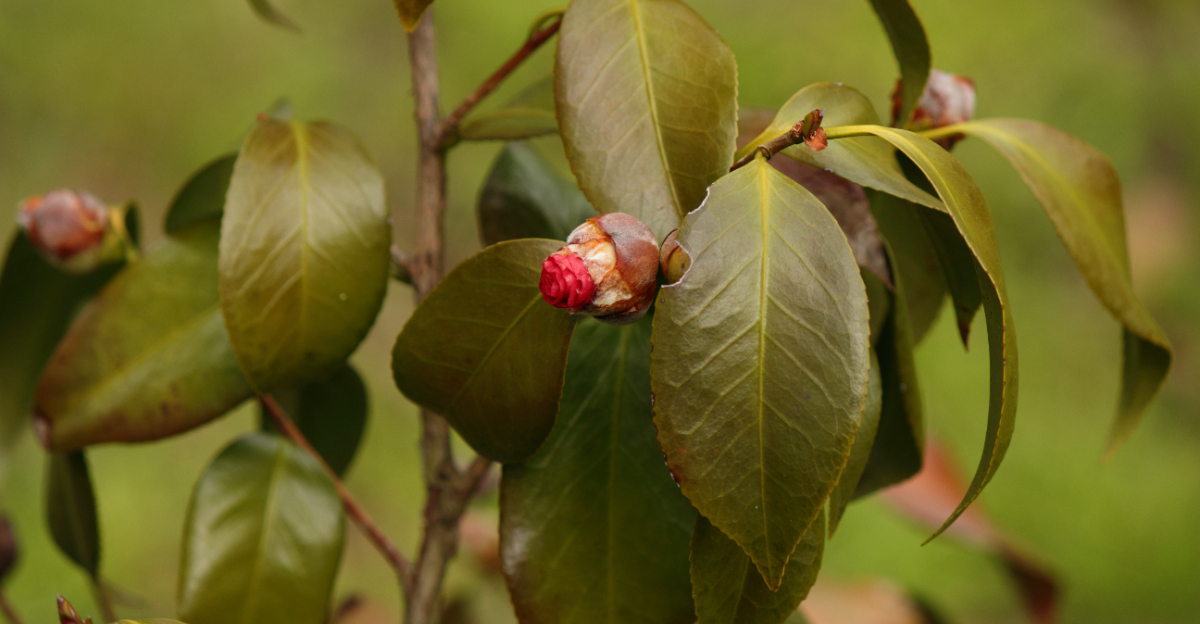
Dull looking camellia leaves in summer often worry North Carolina gardeners, but this change usually connects directly to how the plant prepares for fall blooming.
Intense summer heat and strong sun exposure can temporarily reduce leaf shine, especially in plants without adequate afternoon shade.
This stress response doesn’t necessarily harm bud development, though consistent watering during this stage remains important for healthy blooms later.
Nutrient deficiencies can also dull leaf color, particularly when soil lacks enough iron or magnesium for the plant to use effectively.
Checking new growth for healthy green color helps confirm whether dullness is isolated to older leaves. Mulching around the base helps regulate soil moisture and temperature during the hottest stretches.
Camellias putting energy into bud formation now will reward gardeners with strong blooms once cooler weather arrives. A little extra care through summer sets the stage for a beautiful fall display.
1. Yellow Mottling Often Points To Tea Scale
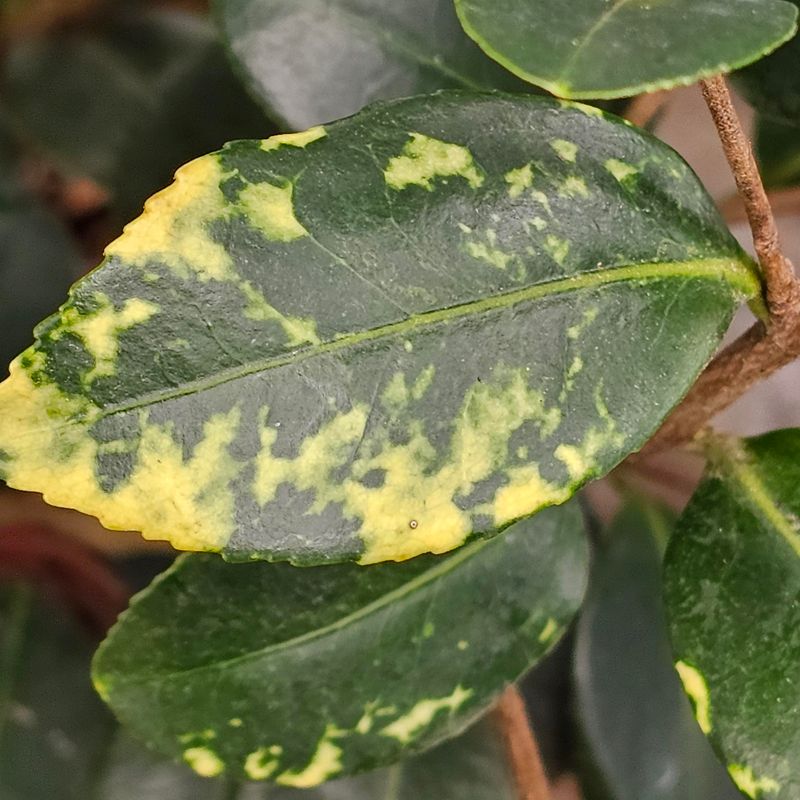
Tiny insects can cause big problems, and tea scale is one of the sneakiest troublemakers a camellia grower in North Carolina can face.
The yellow mottling you see on the upper side of the leaf is actually the plant reacting to feeding happening on the completely opposite surface.
The insects themselves stay hidden on the underside, which is exactly why so many gardeners miss them until the damage is widespread.
Flip a few interior leaves and look closely at the undersides. You may spot white, threadlike, cottony material mixed with small flattened brown coverings pressed against the leaf surface.
Tea scale tends to cluster most heavily on older interior foliage where air circulation is lower and conditions stay more sheltered.
A light infestation might cause only mild discoloration, but a heavy one can seriously reduce the plant’s overall energy.
When a camellia is working hard just to keep its leaves functioning, it has fewer resources left over for the flower buds already forming along the stems.
Reduced plant vigor can lead to premature leaf drop, which further limits the foliage available to fuel bud development. Fewer healthy leaves mean less energy reaching those buds before fall arrives.
Before reaching for any product, confirm that tea scale is actually the culprit. North Carolina Cooperative Extension recommends identifying the exact pest and checking the current life stage because treatment timing matters significantly.
Applying a product at the wrong stage wastes effort and may leave the infestation largely untouched. Accurate identification always comes first.
2. Sticky Black Leaves Suggest Cottony Camellia Scale
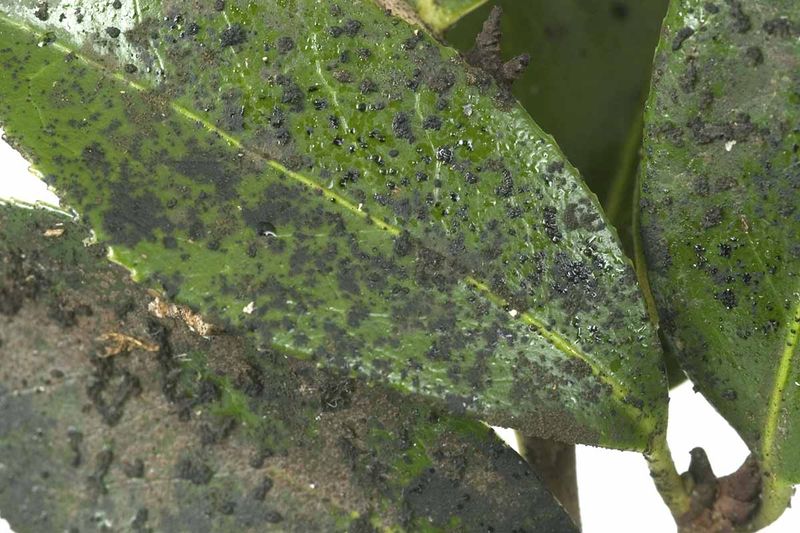
Something feels wrong the moment you notice your camellia leaves looking almost grimy, like they have been dusted with soot. That black coating is not dirt.
It is sooty mold, a fungus that grows on the sticky honeydew secreted by cottony camellia scale insects feeding on the plant below.
The mold itself does not attack the leaf tissue directly, but it blocks sunlight from reaching the surface, which is a serious problem for a plant trying to fuel bud development.
Cottony camellia scale feeds primarily along the veins on the lower surface of leaves. As the insects feed, they release honeydew that drips down and coats whatever is beneath, including lower leaves, stems, and even the soil surface.
Your North Carolina Garden Changes Every Week. Your Plan Should Too.
Gardening in North Carolina changes quickly throughout the season. Every Friday you’ll receive a simple weekly plan showing exactly what to plant, prune, fertilize, harvest, and protect so you never miss the right timing.
The most recognizable sign of this particular scale is the white, fluffy, cotton-like egg sacs that appear on the undersides of leaves, usually in late spring through early summer in North Carolina.
A shrub heavily coated in sooty mold has significantly less healthy, light-absorbing leaf surface available to support its own growth.
When foliage efficiency drops during the same period that flower buds are enlarging, the plant may struggle to provide what those buds need to develop fully and open beautifully in fall.
Preserving beneficial insects like parasitic wasps that naturally control scale populations is worth considering before applying any product.
Confirm the exact scale species first, then choose a labeled treatment appropriate for the life stage present. Timing and accuracy matter far more than speed when managing this pest.
3. Dry Roots Can Reduce Bud Development
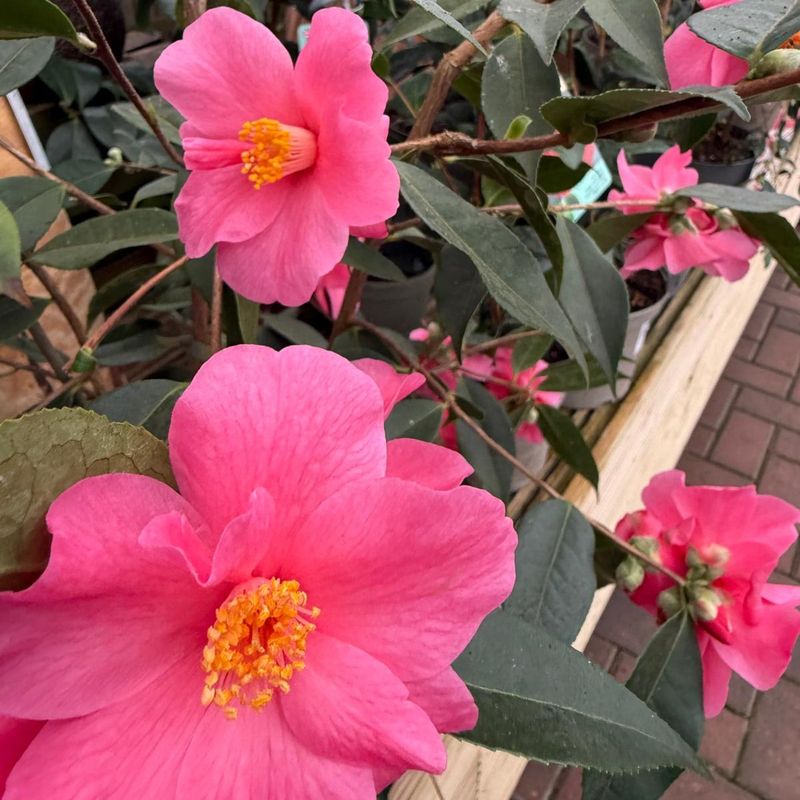
Summer heat in North Carolina can be relentless, and camellias feel every degree of it. When rainfall drops off and soil moisture runs low, one of the first signs you will notice is a loss of that characteristic glossy leaf surface.
The leaves may also curl slightly at the edges, develop brown tips, or begin dropping earlier than expected. These are not random quirks.
They are the plant communicating that its root system is struggling to pull enough water from dry soil.
What makes drought stress particularly important for camellia growers is the timing. By midsummer, most camellias are already in the process of forming and enlarging the flower buds that will open in fall or winter.
Those developing buds depend on the plant having both functioning leaves and a well-hydrated root system to deliver the energy and water they need. Stress during this window can lead to bud drop or smaller, weaker blooms later in the season.
Checking soil moisture is simple but often skipped. Push a finger or a thin wooden dowel several inches below the surface near the outer edge of the root zone.
If the soil feels dry at that depth, a slow, thorough watering across the entire root area will help far more than a quick spray at the base of the trunk. Soaker hoses and drip irrigation work well for this purpose.
Avoid overcompensating with too much water at once. Saturated soil creates its own set of problems, and camellias genuinely prefer consistent, moderate moisture over swings between dry and waterlogged conditions.
4. Wet Soil Can Create Similar Dull Foliage
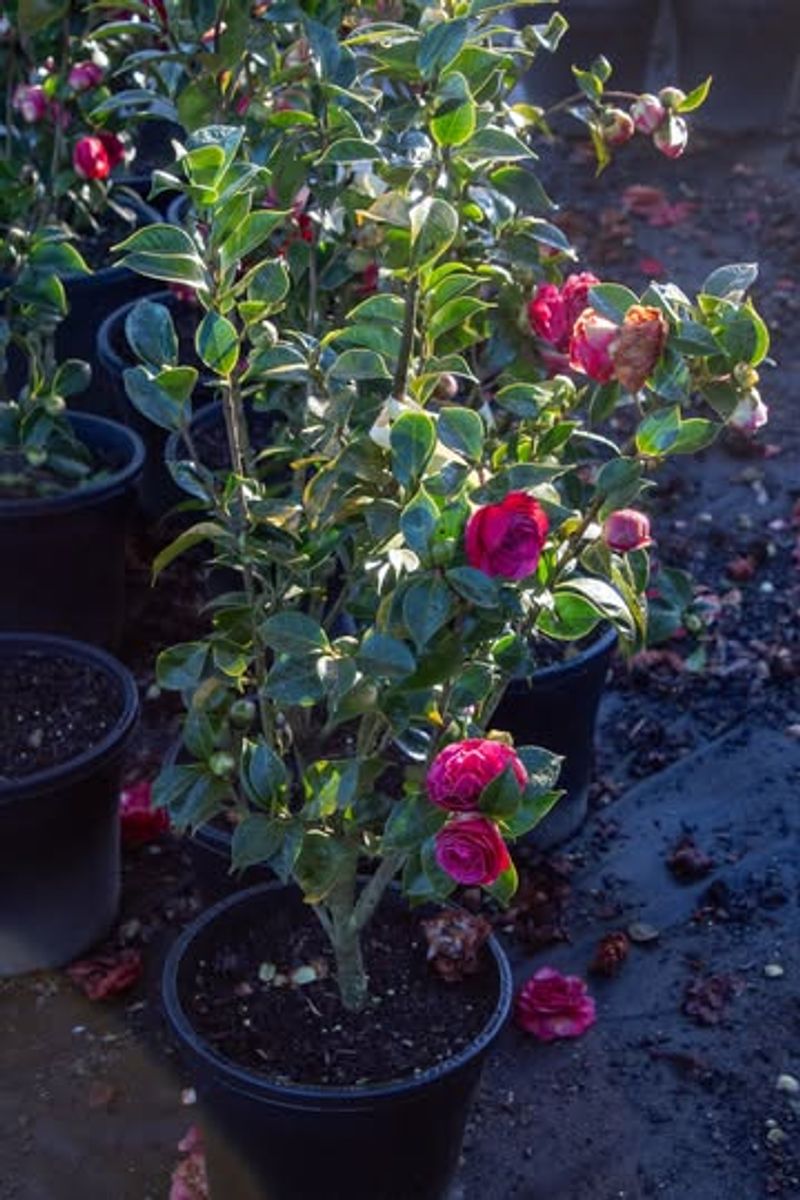
Here is something that surprises a lot of gardeners: a camellia sitting in wet soil can look almost identical to one suffering from drought. Both situations produce dull foliage, yellowing leaves, and a general lack of vigor.
If you live in an area with heavy North Carolina clay, low spots in the yard, or soil that was pushed up over the root flare at planting time, excess moisture may be the real issue even when you have not watered in days.
Clay soil compacts easily and drains slowly, which means rain from even a moderate summer storm can keep roots sitting in saturated conditions for several days afterward.
Roots need oxygen just as much as they need water, and when the air pockets in the soil fill up completely, root function suffers.
A plant with compromised roots cannot move water and nutrients upward efficiently, which is why the leaves end up looking dull and stressed despite sitting in wet ground.
Warning signs worth watching for include persistent wilting even after rain, leaves that yellow and drop without an obvious pest, and soil that stays visibly wet or muddy long after other areas of the garden have dried out.
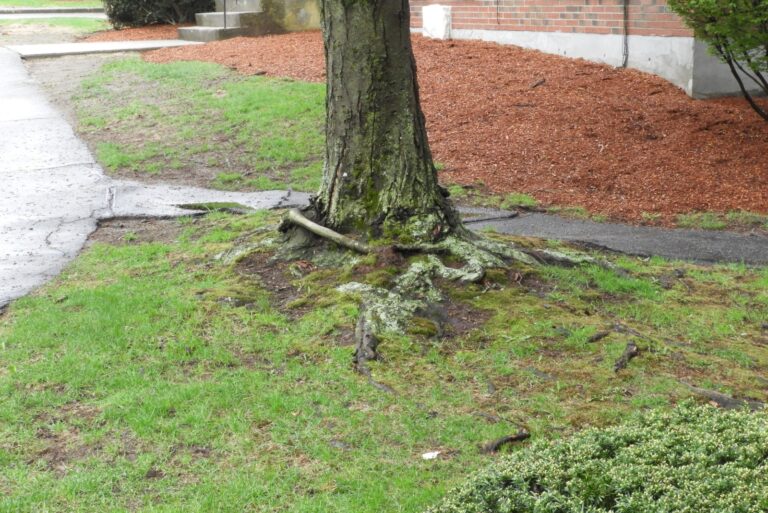
Planting depth also matters enormously. If the root flare is buried under several inches of soil or mulch, that alone can interfere with healthy function over time.
Stressed roots during summer have a harder time supporting the flower buds already forming on the shrub.
Improving drainage, correcting planting depth, and avoiding irrigation when soil is already moist are the most practical steps to take right away.
5. Harsh Afternoon Sun Can Scorch The Leaves
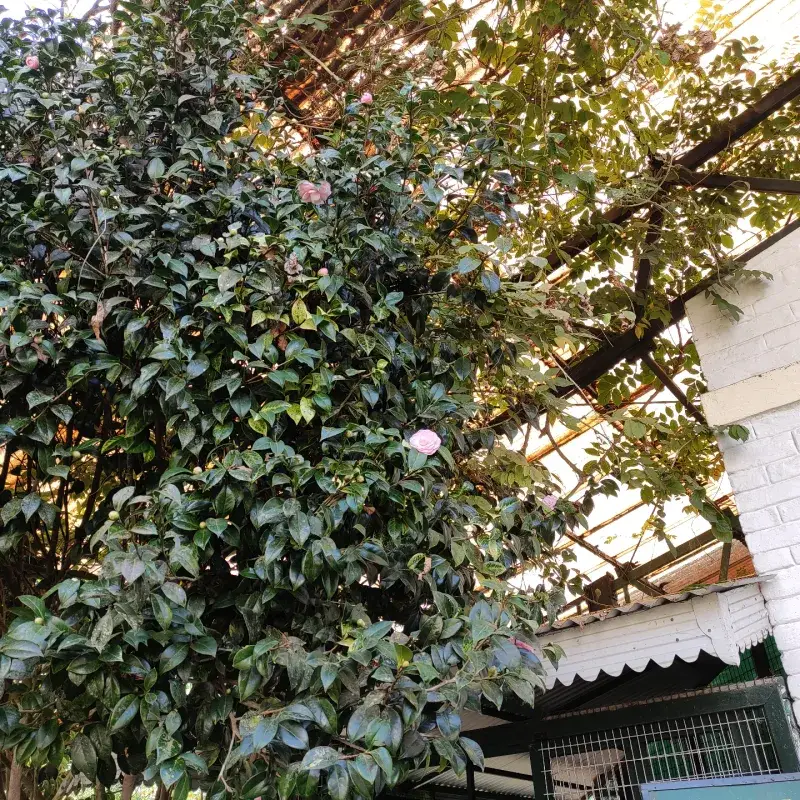
Not every camellia is built for full afternoon sun, and North Carolina summers put that fact to the test fast.
When strong sunlight hits camellia foliage during the hottest part of the day, the leaves can bleach out, develop pale or bronze patches, and show brown crispy edges concentrated on the most exposed side of the shrub.
The effect is often gradual, creeping across the foliage through June and July until the damage becomes hard to ignore.
Japanese camellias, which bloom in fall and winter, generally prefer morning sun with protection from intense afternoon light.
Sasanqua camellias are somewhat tougher and tolerate more direct sun, but even they can show stress when positioned near heat-reflecting surfaces like brick walls, white fences, concrete paths, or large windows that bounce additional warmth onto the plant.
It is worth walking around your shrub on a sunny afternoon to see exactly where the reflected heat is coming from.
Leaf scorch reduces the total healthy surface area available for photosynthesis. Less functioning leaf tissue means less energy produced during the critical midsummer period when flower buds are forming and growing.
A badly scorched plant may carry fewer buds into fall, or the buds it does carry may be smaller and less vigorous than they could have been with better protection. The encouraging part is that scorch does not mean every bud is lost.
Providing afternoon shade through strategic planting of taller shrubs or trees, or relocating container-grown camellias to a more sheltered spot, can make a meaningful difference in the health of both foliage and buds going forward.
6. Pale New Leaves May Reflect A Soil Problem
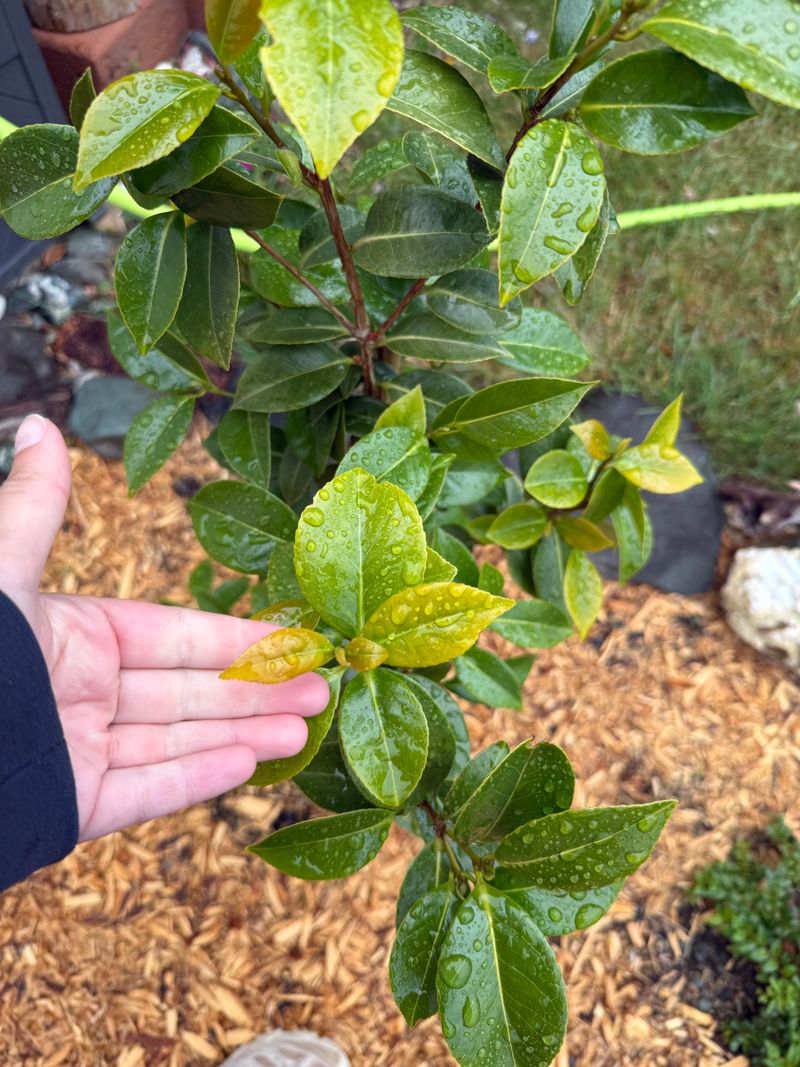
When the newest leaves on your camellia emerge looking pale yellow rather than a rich, healthy green, something is interfering with how the plant takes up nutrients.
One of the most common patterns to look for is yellow tissue between the veins while the veins themselves remain greener.
This symptom, called interveinal chlorosis, often shows up first on younger leaves and can signal that iron or other nutrients are not moving into the plant the way they should be.
The tricky part is that the problem is not always the soil itself. North Carolina soils vary widely in pH, and camellias thrive in acidic conditions, generally between 5.5 and 6.5 on the pH scale.
When soil becomes too alkaline, iron and other nutrients may be present in the ground but locked in a form the roots cannot absorb.
However, damaged or waterlogged roots can produce the exact same symptom even when soil pH is perfectly fine.
Reaching for iron supplements or acidifying fertilizers without testing first is a common mistake. Adding nutrients or adjusting pH without knowing the actual soil conditions can create new imbalances and stress the plant further.
A North Carolina soil test through the state’s cooperative extension service is inexpensive, reliable, and gives you specific recommendations based on your actual results.
Check planting depth at the same time. Roots buried too deeply struggle to function well regardless of soil chemistry.
Persistent nutrient stress through summer means weaker growth overall and fewer resources available to support the flower buds developing for the fall season ahead.
7. Dull Older Leaves May Be Normal Renewal
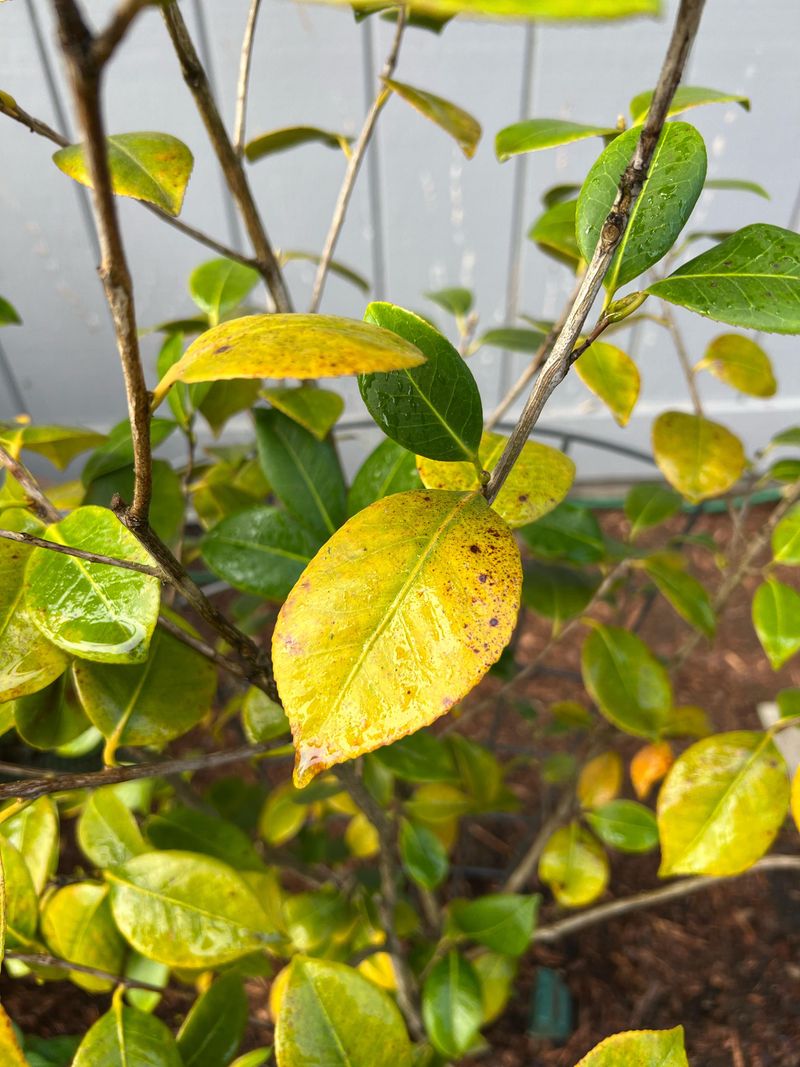
Before assuming something is seriously wrong, take a closer look at exactly which leaves are turning dull and where they sit on the plant. Camellias are evergreen, but that does not mean every single leaf lasts forever.
Like most broadleaf evergreens, camellias periodically shed older foliage as part of a completely normal renewal cycle, and this process often becomes most noticeable in summer when the plant is also dealing with heat and active growth.
The pattern of normal renewal has some reassuring characteristics. Typically, it affects a limited number of older leaves located on the interior of the shrub, closest to the main branches where light penetration is lowest.
The outer canopy, the part of the plant you see most easily from a few steps back, should still look full, green, and glossy.
If the glossy outer growth looks healthy and the dull or yellowing leaves are mostly tucked inside and older, chances are good that you are watching a natural process rather than a serious problem.
Other clues like firm, healthy tip buds and clear leaf undersides indicate normal plant renewal rather than a pest or disease issue. The absence of sticky residue or widespread discoloration on younger foliage confirms the situation is far less concerning.
Raking up and removing fallen leaves from beneath the shrub is still a smart habit. Leaving old foliage on the ground can encourage certain fungal issues over time.
Keep monitoring through the rest of summer rather than automatically applying fertilizer or a pest treatment that the plant may not actually need right now.
8. Protect The Buds By Avoiding Late Pruning And Feeding
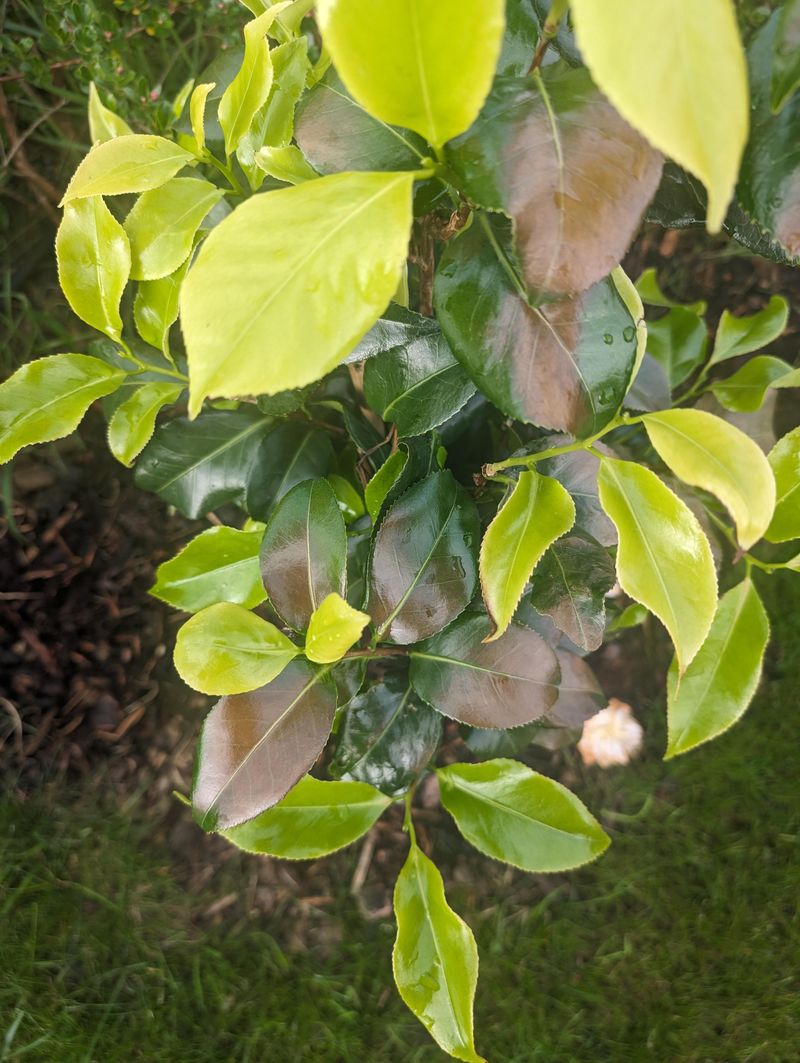
By late summer, your camellia has already been quietly working on next season’s show.
Flower buds form along the stems during the warmer months, and by August many North Carolina camellias are carrying a visible set of buds that will open in fall or winter depending on the variety.
Knowing this changes how you should approach the shrub for the rest of the season, especially when it comes to pruning and fertilizing.
Pruning at this point in the season carries a real cost. Every cut you make has the potential to remove buds that are already present on that branch, reducing the number of flowers you will see when the blooming season finally arrives.
Limit any cuts right now to branches that are clearly damaged or showing signs of disease.
Major shaping and size reduction should wait until after the plant finishes blooming, with timing adjusted based on whether you are growing a fall-blooming sasanqua or a winter-blooming Japanese camellia.
Heavy fertilizer applications in late summer create another risk. Pushing tender new growth late in the season gives that growth very little time to harden off before cooler temperatures arrive in fall.
Soft, immature stems are more vulnerable to cold injury, which can affect both the plant structure and the buds attached to it.
The most supportive things you can do right now are straightforward. Keep the root zone consistently moist but never waterlogged.
Maintain a layer of organic mulch pulled several inches away from the trunk to conserve moisture and moderate soil temperature. Inspect for scale insects regularly and protect the shrub from harsh afternoon sun.
Simple, consistent care through late summer pays off in a beautiful fall display.