What A Growing Green Anole Population Really Says About Your Louisiana Yard
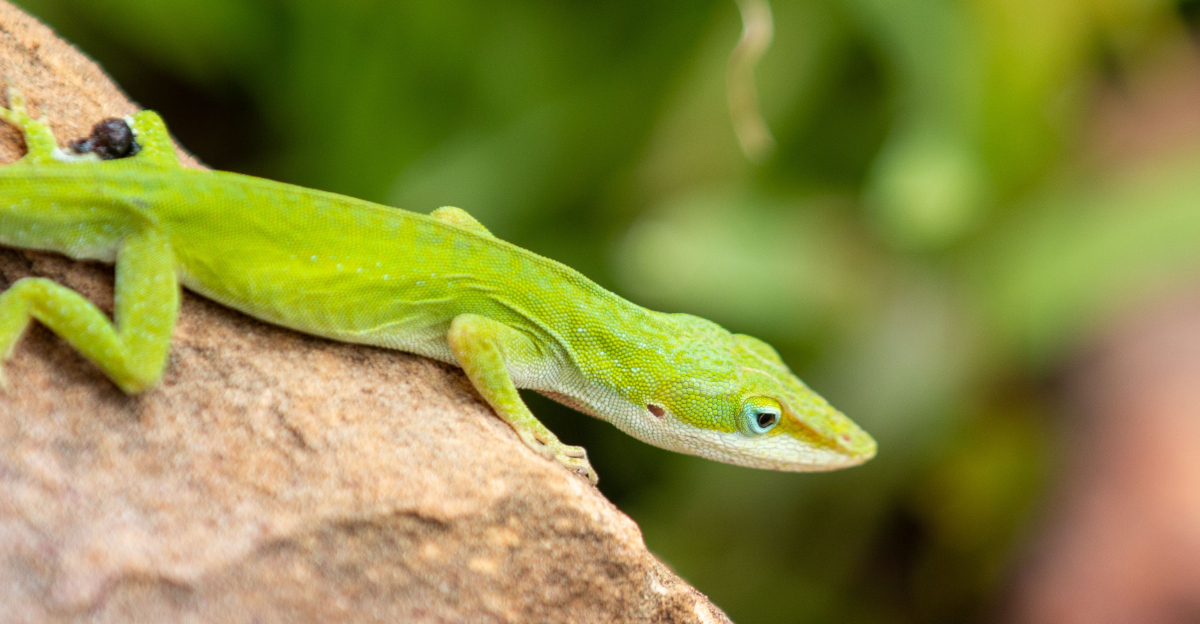
That streak of emerald cutting across your porch rail isn’t just a lizard passing through. It’s a tiny inspector, and your yard just passed or failed its exam.
So when you spot more of these color-shifting locals sunning on your fence than last summer, something in your garden’s ecosystem shifted too. Maybe your Louisiana native plants finally took hold, or the neighborhood stopped dousing lawns in pesticide.
Anoles don’t just tolerate a healthy yard, they broadcast it. Their presence hints at thriving bug populations, balanced moisture levels, and plants mature enough to offer real shelter.
Curious what your own green anole sightings might be revealing? Here’s how to read the signs your yard is quietly sending you.
A Thriving Yard Usually Means A Thriving Anole Population
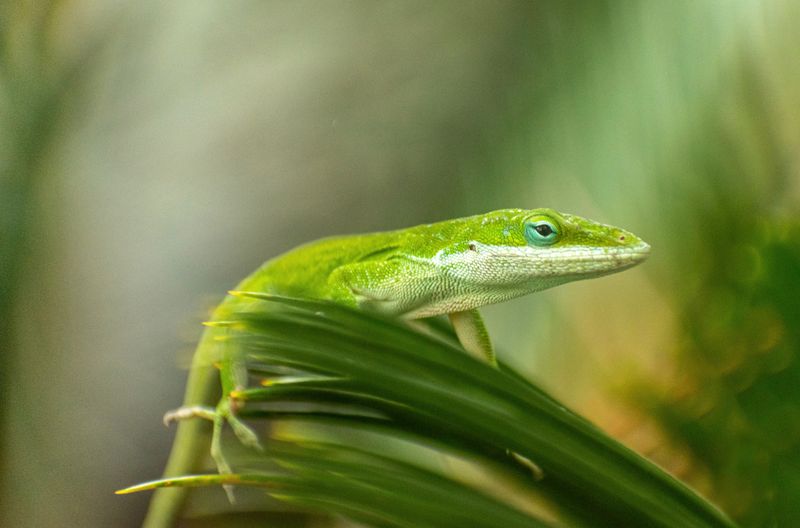
Healthy yards attract healthy wildlife. When a growing green anole population shows up in your outdoor space, it usually means your yard is doing something right.
Green anoles need three things to stick around: cover, warmth, and food. Dense shrubs, climbing vines, and tall grasses give them places to hide from birds and cats.
Bare, dry, or chemically treated yards rarely support anole colonies. The presence of multiple lizards signals that your plants are alive and layered enough to support a small ecosystem.
Anoles also need warm surfaces to regulate their body heat. Wooden fences, brick walls, and sun-soaked garden beds act like solar panels for these cold-blooded creatures.
If your yard has all of these features working together, you have essentially built a five-star resort for green anoles. Yards with poor drainage, heavy foot traffic, or too much concrete rarely see these lizards in large numbers.
Native plant species are especially attractive to anoles because they support the insects anoles eat. A yard full of native blooms is like a buffet sign for these quick little hunters.
Gardeners who skip harsh pesticides and let leaf litter accumulate tend to see more anoles over time. That natural messiness is actually a feature, not a flaw.
So if your yard feels a little wild and untamed, take it as a compliment. Your green anole guests are giving your outdoor space the highest rating possible.
Anole Numbers Spike In Louisiana Summers
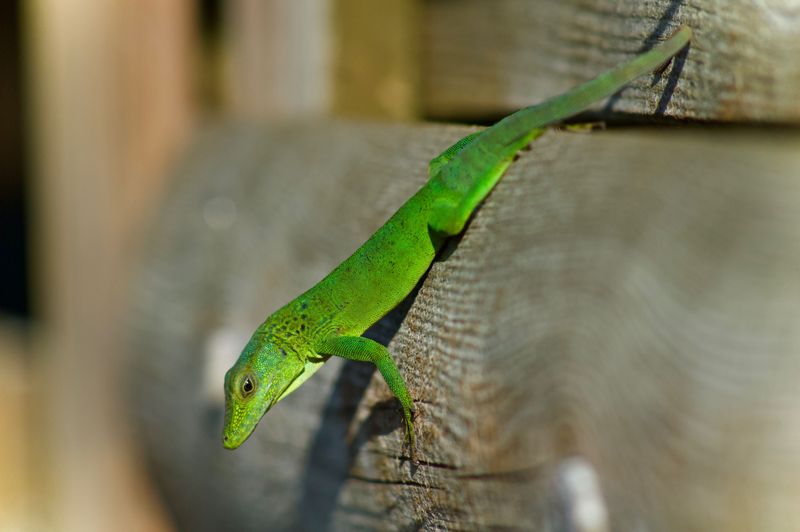
Summer in Louisiana hits different, and green anoles absolutely love it. The heat, humidity, and long days create near-perfect breeding conditions for these small reptiles.
Mating season runs from roughly April through August in the Gulf South region. Males puff out their bright pink throat fans, called dewlaps, to attract females and warn off rivals.
Females lay one egg at a time, tucking it into moist soil or leaf piles. That single egg hatches in about six weeks, and the cycle starts all over again.
A healthy female can produce up to ten eggs across one warm season. Do the math, and a small starting group can grow into a visible colony before fall arrives.
The steamy Louisiana climate is basically a growth accelerator for anole reproduction. Warm nights keep metabolisms running, which means more eating, more energy, and more successful breeding attempts.
Your Louisiana Garden Changes Every Week. Your Plan Should Too.
Gardening in Louisiana changes quickly throughout the season. Every Friday you’ll receive a simple weekly plan showing exactly what to plant, prune, fertilize, harvest, and protect so you never miss the right timing.
Heavy summer rains also boost insect populations, which directly feeds the anoles. More bugs mean better-fed lizards, and better-fed lizards reproduce more successfully.
Urban heat from concrete and asphalt actually extends the warm season for anoles in city and suburban yards. Neighborhoods with lots of pavement can see anole activity stretch well into October.
When you notice a population spike in your yard each July, you are witnessing a survival system that has been fine-tuned over millions of years. Summer is their season, and they make the most of every warm, humid day.
The Role They Play In Controlling Other Insects
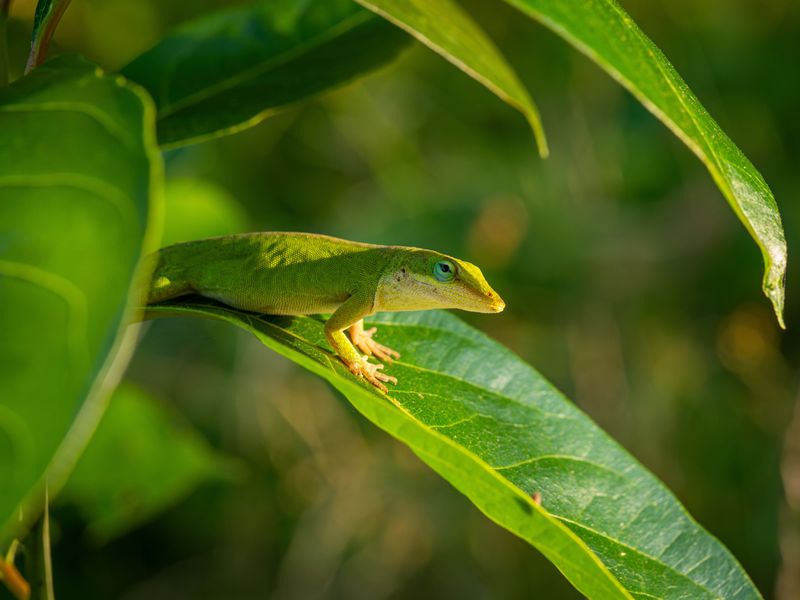
Green anoles are hungry little predators, and your Louisiana garden is their hunting ground. They eat a wide range of soft-bodied insects that can damage your plants and annoy your family.
Crickets, moths, small beetles, ants, and spiders all end up on the anole menu. A single lizard can consume a surprising number of insects each day during peak summer activity.
Gardeners who struggle with aphids or caterpillars often find that a healthy anole presence reduces those pest numbers naturally. No spray, no effort, just a lizard doing its job.
Mosquitoes are also fair game for these quick hunters, especially near standing water or shaded vegetation. Reducing even a small percentage of the local mosquito population makes outdoor time more enjoyable.
Unlike chemical pesticides, anoles target moving prey selectively. They mostly leave beneficial pollinators like bees and butterflies alone, which keeps your garden ecosystem balanced.
Organic gardeners especially appreciate the free pest control that comes with a thriving anole colony. Replacing one bottle of insect spray with a lizard population is a trade most gardeners would gladly make.
Anoles are also prey themselves, which keeps the food chain moving. Birds, larger lizards, and domestic cats all hunt them, spreading the ecological benefit even further up the chain.
Thinking of anoles as tiny, unpaid garden workers changes how you see them. Every flicker of green in your shrubs is essentially a pest control session happening in real time, at no cost to you.
Signs Your Yard Has Become An Anole Hotspot
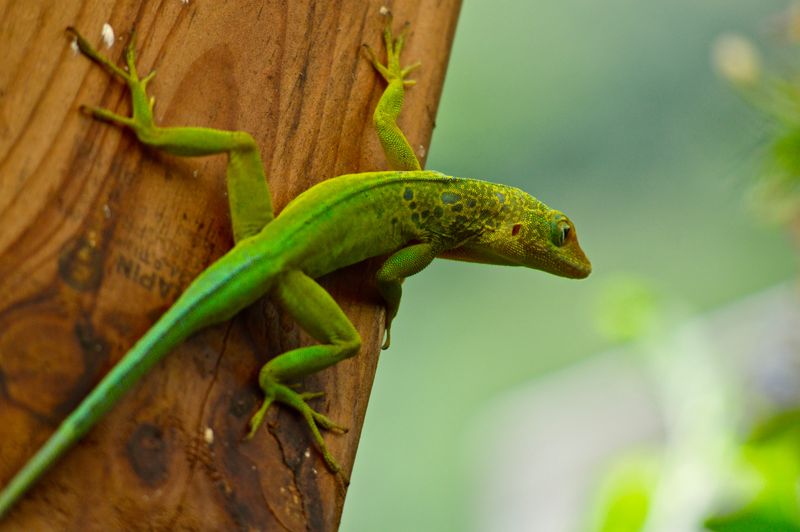
You might not count your anoles, but your yard will give you clear clues that a colony has settled in. Knowing the signs helps you understand just how healthy your outdoor space has become.
The most obvious signal is spotting multiple lizards at different times of day in different spots. Seeing one anole is lucky; seeing five in one afternoon means a population is established.
Male anoles are territorial and will stake out fence posts, garden borders, and tall shrub tops as their personal zones. If you notice lizards defending the same spots repeatedly, a colony structure is forming.
Tiny, pearl-sized eggs tucked into your mulch or soil are another strong indicator. Females hide eggs carefully, so finding one means breeding is actively happening in your yard.
Shed skin, which looks like a thin, papery film, sometimes appears on rough surfaces like bark or brick. Anoles shed as they grow, and finding shed skins means your resident lizards are healthy and growing.
A noticeable drop in small insect activity near your plants can also signal anole presence. When the hunters are active, the prey populations thin out in the areas they patrol most often.
Neighborhood cats that suddenly spend more time watching your fence line are another indirect clue. Cats notice anoles long before most humans do.
Once your yard earns hotspot status, maintaining it becomes the fun part. A few simple habits can keep your green anole population stable season after season.
The Competition Between Green And Invasive Brown Anoles
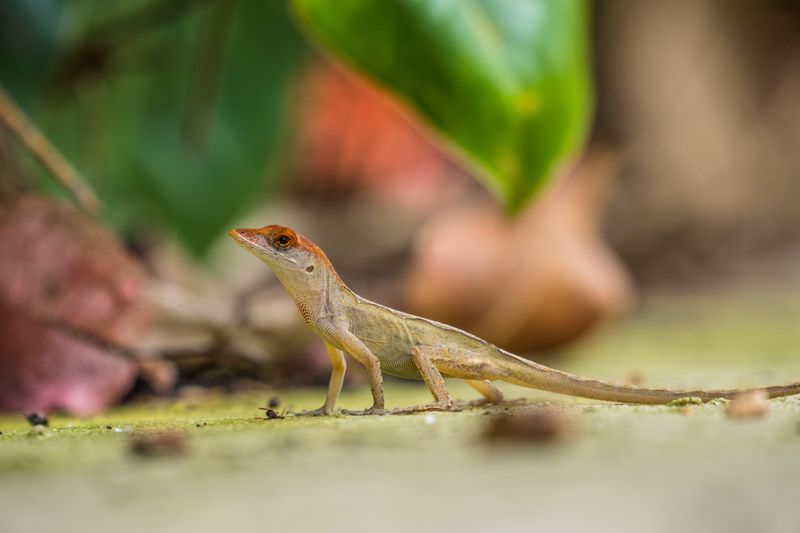
Not every anole in your yard is a native green one, and that distinction matters more than most homeowners realize. The brown anole, originally from Cuba and the Bahamas, has spread aggressively across the Gulf South.
Brown anoles arrived in Florida decades ago and have been moving west ever since. They are now common across coastal Louisiana and compete directly with the native green species for food and territory.
The biggest difference between the two is habitat preference. Brown anoles tend to stay low, hugging the ground and lower shrub layers, while green anoles prefer higher perches in trees and tall vegetation.
When brown anoles move into a yard, green anoles are often pushed upward into the canopy. This forced relocation is called competitive displacement, and it reduces the native population over time.
A yard with dense vertical plant layers, including trees, tall shrubs, and climbing vines, gives green anoles the elevated habitat they need to hold their ground. Flat, open yards favor the invaders.
Yards with mature trees and layered vegetation tend to support both species without one crowding out the other. The key is giving native anoles enough high ground to maintain their territory.
Removing low ground cover entirely can actually hurt green anoles by eliminating the transitional zones they use to move between feeding and resting spots. Balance matters more than choosing sides.
Supporting your native green anole population is one small but meaningful way to help balance the ecosystem in your neighborhood. Even minor habitat choices can shift the outcome for a species trying to hold its ground.
Simple Ways To Keep Your Yard Welcoming For Them
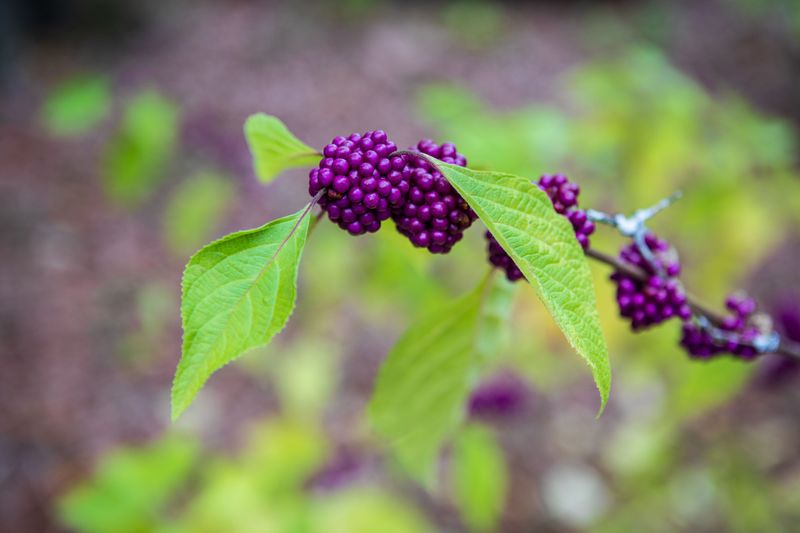
Keeping a growing green anole population happy does not require a major yard overhaul. A few thoughtful choices go a long way toward making your space a permanent lizard-friendly zone.
Start by planting native shrubs and flowering plants like beautyberry, yaupon holly, or native jasmine. These plants attract the insects anoles eat and provide the layered structure they need for cover.
Avoid broad-spectrum insecticides whenever possible. Spraying for bugs eliminates the food source that keeps your anole colony fed and thriving through the hottest months.
Leave some leaf litter along fence lines and garden borders. Decomposing leaves harbor the small invertebrates anoles snack on and also provide soft spots for females to bury eggs.
Add a shallow water dish near a shaded garden bed. Anoles drink water droplets from leaves, but a small dish gives them a reliable source during dry spells between summer storms.
Rough-textured surfaces like cedar fencing, stacked stone walls, or wooden garden trellises give anoles the grip they need to climb and bask comfortably. Smooth vinyl fencing offers very little traction.
Keep outdoor cats inside during peak anole activity hours, which are typically mid-morning and early afternoon. Cats are efficient hunters and can reduce a small colony quickly.
Yard built with anoles in mind is a yard built for biodiversity and natural pest control. Support your green anole population, and your whole outdoor space benefits.