Why Turnips Are One Of The Easiest August Crops For A North Carolina Fall Harvest
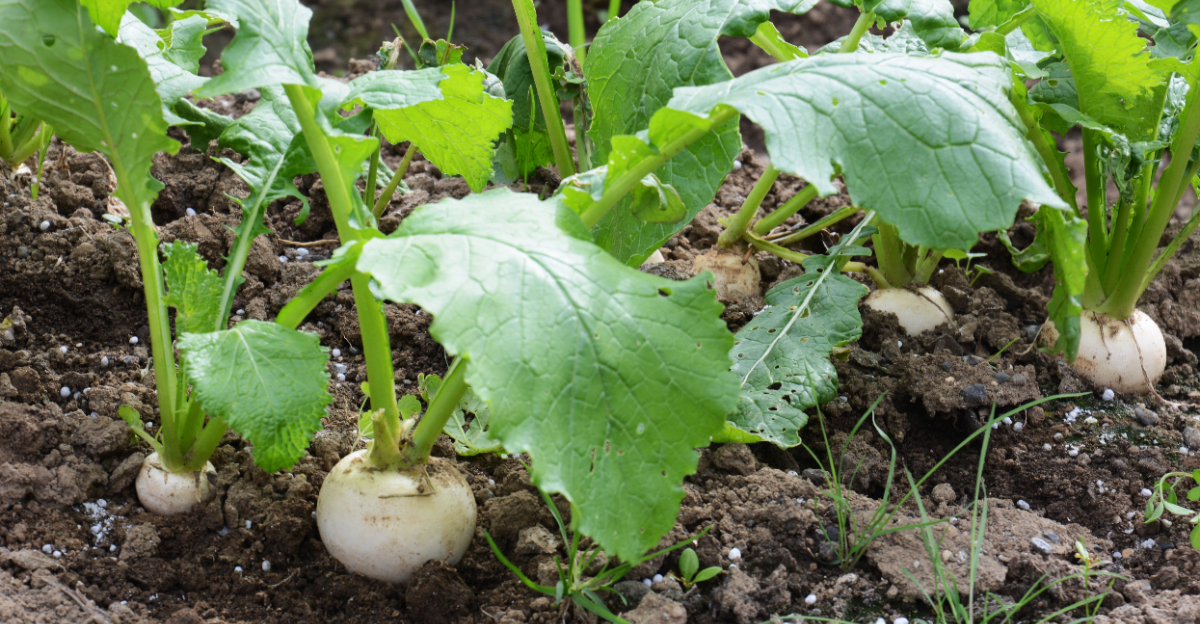
Turnips are about as low maintenance as fall crops get, making them a smart choice for North Carolina gardeners planting in August. These fast growing root vegetables often reach harvest size within just six to eight weeks after seeding.
Cooler temperatures later in the season actually sweeten their flavor, softening the sharper bite turnips can have during warmer months. Both the roots and leafy greens are edible, giving gardeners two harvests from a single planting.
Turnips also handle North Carolina’s unpredictable early frosts without much trouble at all. Their quick growth cycle makes them perfect for filling gaps left behind by finished summer crops.
Consistent watering during germination helps seeds sprout evenly in still warm August soil. For an easy, reliable fall harvest, turnips offer a lot of reward for very little effort.
1. Turnips Grow From Seed To Harvest Quickly
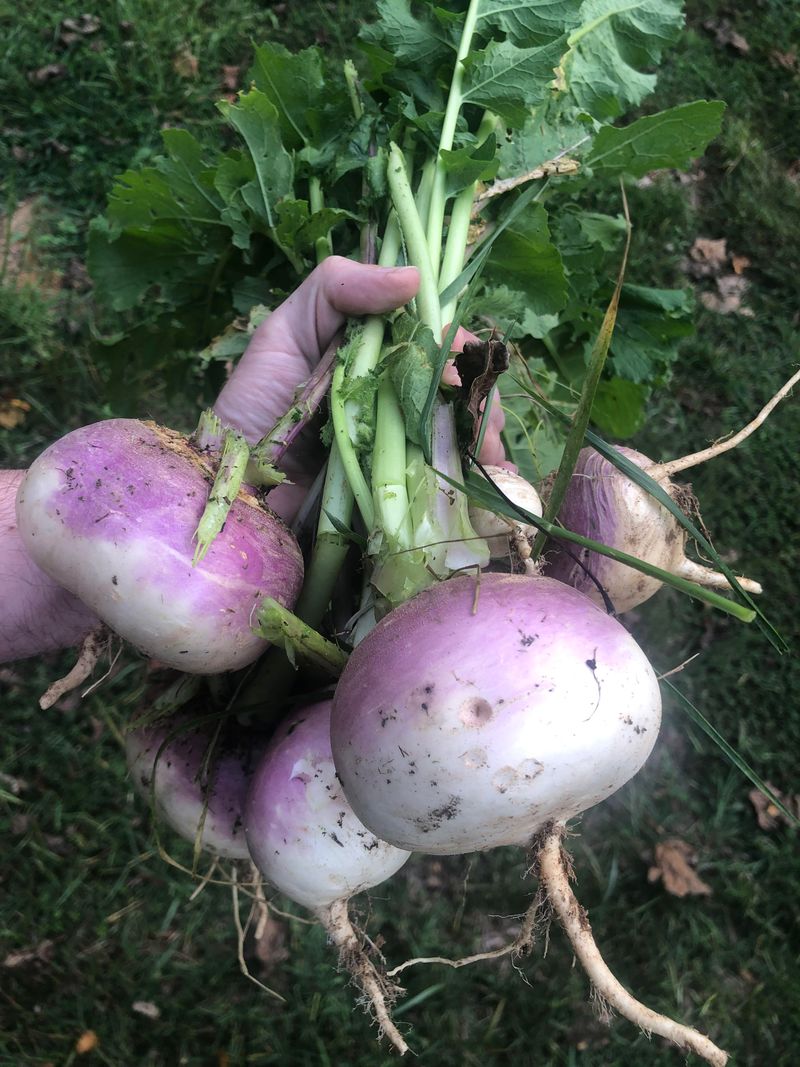
Few vegetables can go from a tiny seed to something you can actually eat as fast as a turnip. Many popular varieties reach a usable root size in roughly 55 to 60 days when growing conditions stay favorable.
That kind of speed makes turnips one of the smartest choices when you want a productive fall garden without a long wait.
Before the roots even finish sizing up, you can start gathering a few of the young outer leaves for fresh greens. This gives you something to enjoy from the garden earlier than most other fall crops.
Just keep in mind that pulling too many leaves before the roots are ready can slow things down a bit.
Actual harvest timing shifts depending on several factors working together. Your chosen variety, how well seeds germinated, the spacing you used, available moisture, sunlight hours, soil health, and the weather patterns in your specific region all play a role.
No two growing seasons are exactly alike, which is why staying flexible matters.
Checking your seed packet before planting is one of the most useful habits you can build. The packet lists the days to maturity for that specific variety, which you can then compare against your local fall planting window.
North Carolina gardeners generally have a solid window of opportunity when August planting lines up with the variety’s expected growth period. Matching those two details together sets you up for a smooth, well-timed harvest before the season changes.
2. Direct Seeding Keeps Planting Simple
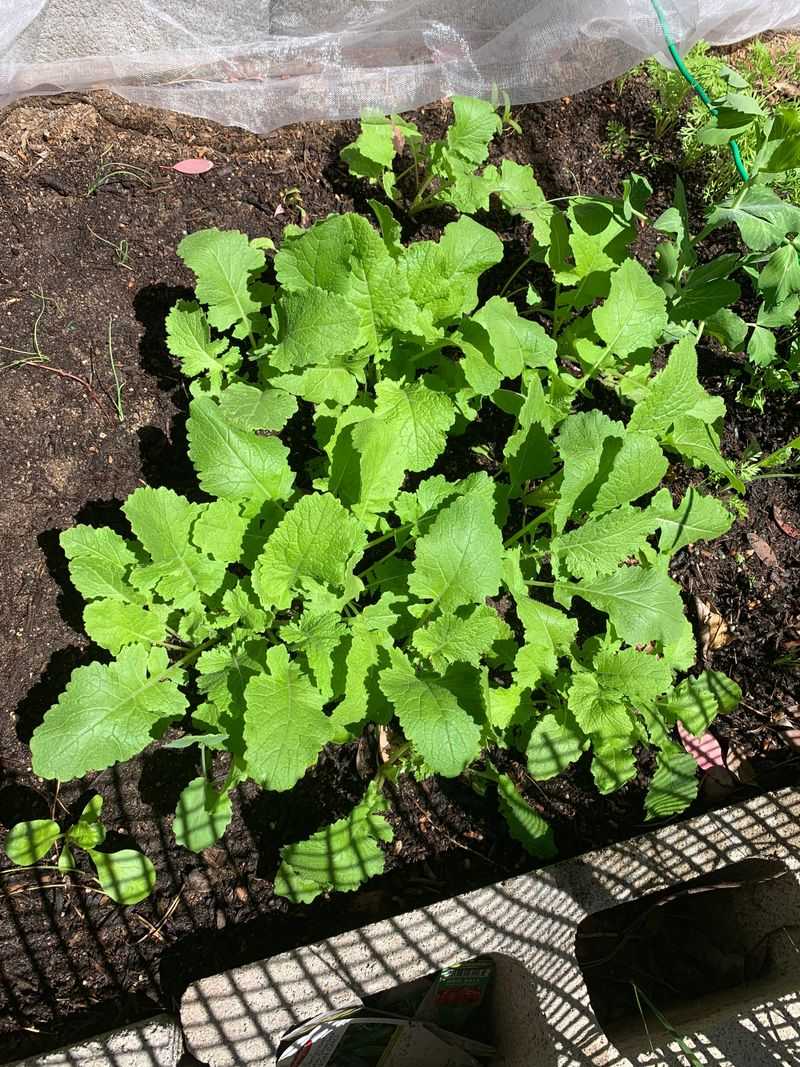
One of the best things about growing turnips is that you skip the whole indoor seed-starting process entirely.
Turnips are sown directly into a prepared garden bed, which means no grow lights, no seed trays, no hardening-off period, and no recovery time after transplanting. You just prepare your soil, sow your seeds, and let the garden do the work.
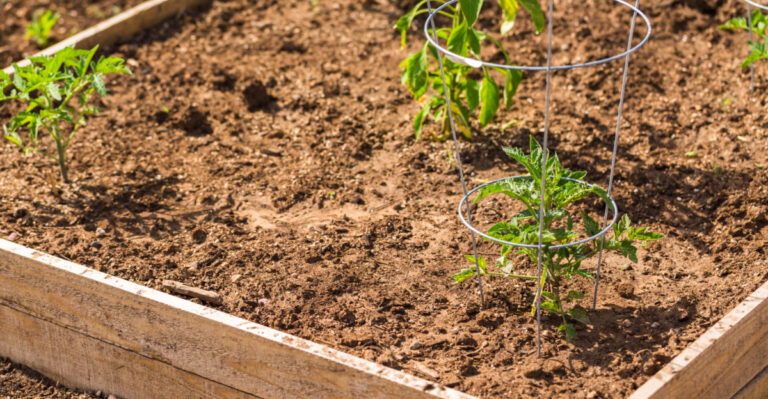
Getting the seedbed ready does take a little effort, but nothing complicated. Break apart any compacted clods, remove stones and debris, and loosen the top few inches of soil so it feels crumbly and open.
Sow at the depth recommended on your seed packet, since planting too deep can delay germination and planting too shallow can leave seeds exposed to drying out.
Your North Carolina Garden Changes Every Week. Your Plan Should Too.
Gardening in North Carolina changes quickly throughout the season. Every Friday you’ll receive a simple weekly plan showing exactly what to plant, prune, fertilize, harvest, and protect so you never miss the right timing.
August in North Carolina brings plenty of sunshine and warmth, which can cause a shallow seedbed to dry out faster than you might expect.
Keeping the soil evenly moist during germination is important, especially during those first several days when seeds are just beginning to crack open and send out tiny roots. A gentle watering routine helps a lot here.
One thing worth knowing is that working wet clay soil can create serious problems. When clay gets compacted after being worked while soggy, it dries into hard chunks that resist root growth and make it harder for seedlings to push through.
Give your soil a chance to reach a workable moisture level before you dig in. A little patience at the start pays off with healthier plants and easier root development throughout the growing season.
3. Gardeners Can Harvest Greens And Roots
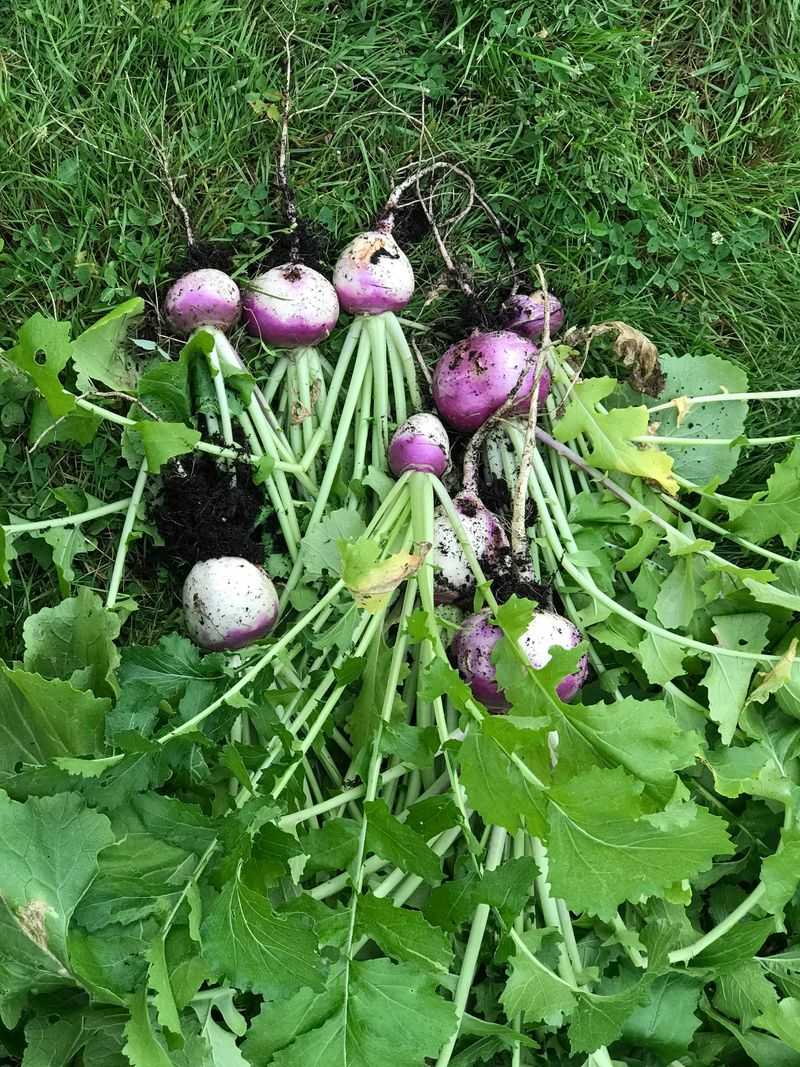
Turnips are generous in a way that most vegetables simply are not. Plant one crop and you get two useful harvests out of it, greens from the tops and roots from below ground.
That kind of value from a single planting is hard to beat, especially when garden space is limited or you want to stretch your harvest season.
Gathering the outer leaves while the plant is still actively growing works well, as long as you stay restrained about how many you take at once. The plant depends on its foliage to capture sunlight and produce the energy it needs to keep building that root underground.
Strip too many leaves too soon and the root development slows down noticeably.
Some seed companies offer varieties bred specifically for their greens, producing large, tender leaves with smaller roots. Others are bred for both, giving you a solid root along with edible tops.
Knowing what you want before you buy seeds helps you pick the right variety for your goals. Reading catalog descriptions or checking online reviews from other gardeners can make that choice a lot easier.
When you do harvest greens, focus on leaves that look clean, healthy, and fully formed. Skip any that show yellowing, damage, or signs of pest activity.
Always leave the central growing point at the top of the plant completely untouched, because that is where new growth emerges.
Protecting that area keeps the plant productive and allows it to keep sending energy into the roots right up until your final harvest day.
4. Warm Soil Helps The Seeds Emerge
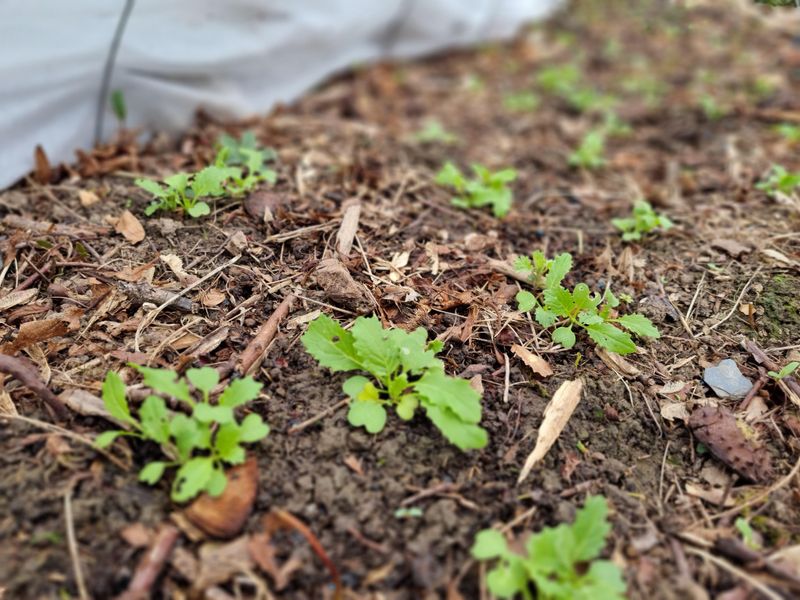
August soil in North Carolina holds a lot of warmth, and turnip seeds actually respond well to that heat when moisture levels stay consistent. Germination can happen surprisingly fast under the right conditions, sometimes within just a few days of sowing.
That quick emergence is one of the reasons so many gardeners enjoy starting turnips at this time of year.
The tricky part is that shallow seedbeds can dry out rapidly during sunny, breezy August afternoons. Seeds sitting in dry soil will stall, and if they dry out completely after germination begins, young seedlings can struggle before they ever get a real start.
Checking soil moisture daily and watering gently with a fine spray keeps things on track without disturbing the seeds.
During an unusually hot stretch, a little temporary shade can protect newly seeded beds from extreme surface drying. A light row cover or even a piece of shade cloth set a few inches above the soil can make a noticeable difference.
Once seedlings push up and develop a couple of true leaves, you can remove the shade and let them grow in full sun.
Keeping the bed consistently moist does not mean keeping it soaking wet. Young roots need oxygen just as much as they need water, and soil that stays waterlogged can actually slow things down or invite rot.
Finding that middle ground, moist but not soggy, is the goal. A quick finger-depth check each morning gives you a reliable read on whether the bed needs water or can wait another few hours before the next round.
5. Cooler Fall Weather Supports Better Quality
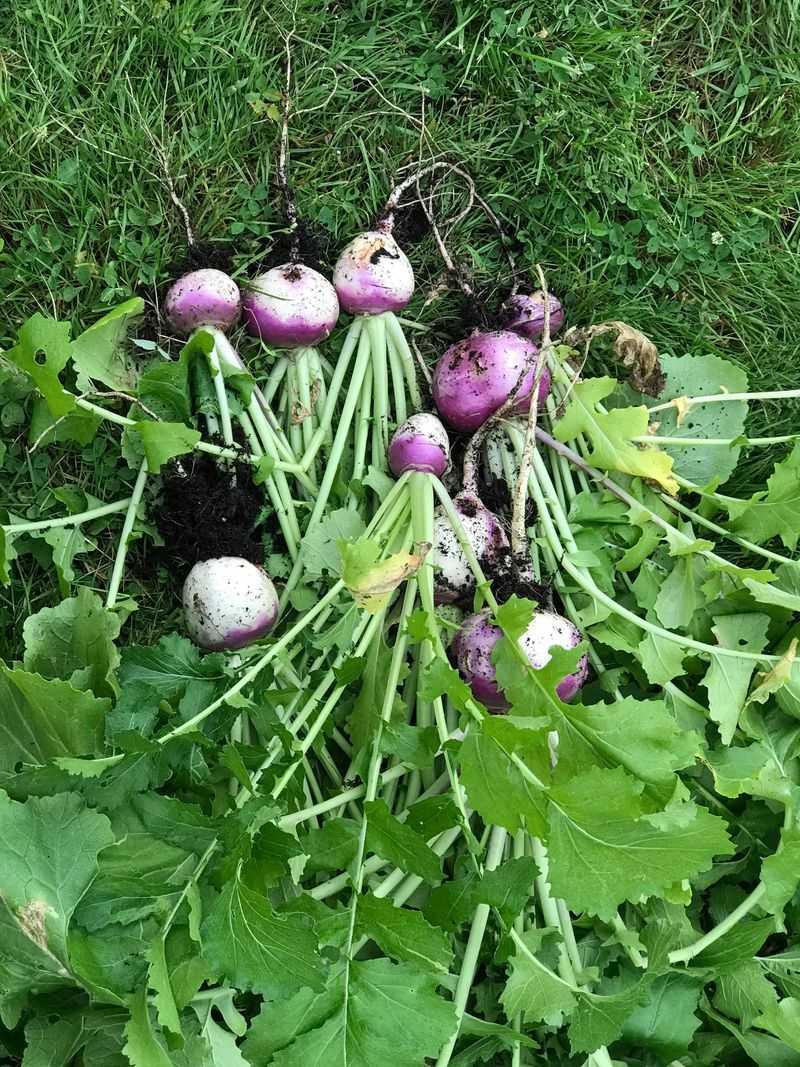
Something shifts in the garden when summer heat starts to ease and fall temperatures settle in.
Turnips planted in August get to experience both sides of that change, establishing themselves in the warmth and then continuing to develop as the days grow shorter and the air turns cooler.
That combination works in your favor more often than not. Steady growth during cooler conditions tends to produce greens that feel more tender and roots with a texture that holds up well in the kitchen.
Many gardeners notice a real difference in the eating quality of fall-grown turnips compared to those rushed through a warm spring season.
The slower, more even pace of cool-weather growth seems to let the plant develop more fully.
Prolonged heat, dry spells, crowding, or waiting too long to harvest can push turnip flavor in a stronger, more pungent direction. Roots left in the ground past their peak can also become tougher and less enjoyable to eat.
Paying attention to how your plants look and keeping an eye on the days-to-maturity number on your seed packet helps you catch them at their best.
Cool weather alone does not guarantee perfect results, and it would be misleading to suggest otherwise. Variety selection, consistent moisture, proper soil preparation, and smart harvest timing all work together to shape the final outcome.
Think of cool fall temperatures as one helpful piece of a larger puzzle rather than the only thing that matters. When all those pieces come together, the results are genuinely worth the effort you put in.
6. Thinning Creates Room For Roots To Expand
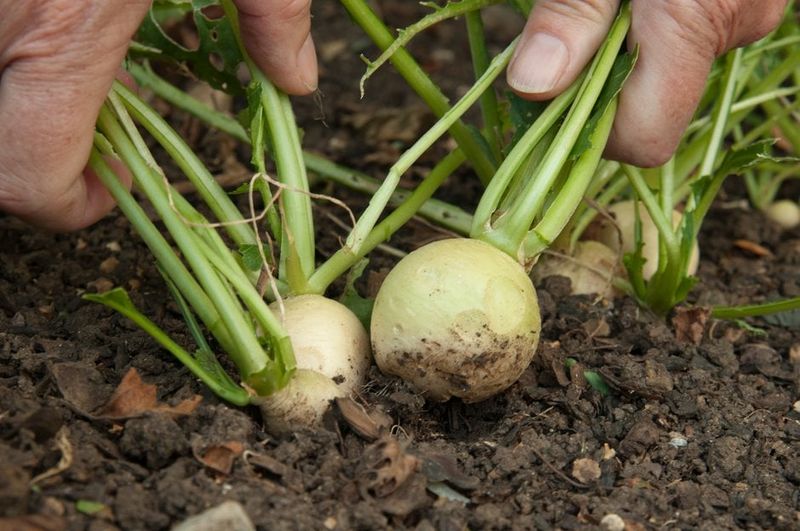
Turnip seeds are small, which makes it easy to sow a few too many in a row without realizing it. Once germination happens and the seedlings start standing up, thinning becomes one of the most important tasks you can do for your crop.
Skipping this step is one of the most common reasons gardeners end up with disappointing roots at harvest time.
Crowded plants compete with each other for everything they need, sunlight, moisture, nutrients, and physical space in the soil. When roots have no room to push outward, they stay small and misshapen.
Leaves that cannot get enough light grow weak and pale. The whole planting underperforms when plants are left too close together for too long.
Follow the spacing recommendation listed on your seed packet for the variety you chose. Varieties grown mainly for large roots generally need more room between plants than those grown primarily for greens.
Thinning while plants are still small, usually when they reach a couple of inches tall, causes the least disturbance to neighboring roots and gives the remaining plants the best possible start.
Here is the part that makes thinning feel a lot less wasteful. Those little seedlings you pull out are actually edible.
Clean healthy thinnings make a nice addition to salads or can be lightly sauteed just like any other young green. Instead of tossing them into the compost, bring them inside and use them right away while they are fresh and tender.
Getting food from the thinning process feels like a small bonus reward for doing the job right.
7. Regional Timing Gives Gardeners Flexibility
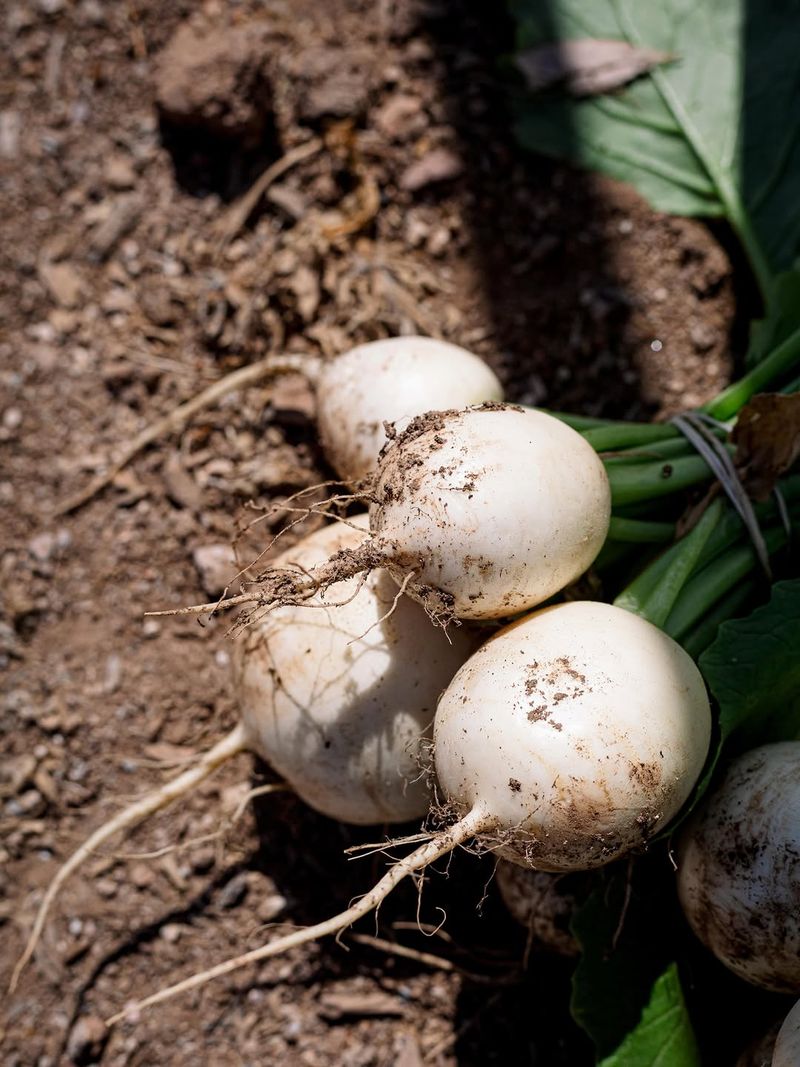
North Carolina stretches across a surprising range of climates and elevations, which means August planting is not a one-size-fits-all situation.
A gardener in the mountain region near Asheville works with a very different fall season than someone gardening in the Piedmont around Raleigh or down in the Coastal Plain near Wilmington.
That regional variety actually gives turnip growers across the state more flexibility than you might expect.
Mountain gardeners generally need to get their seeds in the ground on the earlier side of August because cooler temperatures arrive sooner at higher elevations.
Waiting too long in the mountains can mean plants do not have enough warm growing days to establish well before conditions become challenging for root development. Planting with a bit of urgency in early August makes good sense for those growers.
Piedmont and Coastal Plain gardeners usually have a wider window and can sow turnips a bit later into August or even push into early September depending on the variety and the specific year.
Checking your local frost history and using a North Carolina-specific planting calendar for your region gives you the most accurate timing guidance available.
Extension service resources from NC State are especially useful for this kind of planning.
Successive sowing is another strategy worth trying if you want fresh turnips over a longer stretch of fall. Sowing a short row every couple of weeks, rather than all at once, staggers the harvest and keeps things coming out of the garden steadily.
Just make sure your last sowing has enough days remaining in the season for the variety to fully mature before shorter days and colder nights slow growth to a crawl.