What It Really Means When Pollinators Suddenly Disappear From Your North Carolina Yard
A quiet North Carolina garden can feel strangely personal.
One morning, the flowers seem ready for traffic. The air is warm, the stems are steady, and you step outside expecting the usual wings, buzz, and tiny flashes of movement.
Instead, nothing.
No bees working the blooms. No butterflies drifting through. No hummingbird blur near the porch. Just still flowers sitting in the July heat like the whole yard forgot its assignment.
That silence usually means something changed.
Pollinators follow food, shelter, weather, safety, and timing. A yard can lose activity fast when blooms pause, heat shifts flight hours, sprays drift, shelter disappears, or too much lawn leaves very little to visit.
So what is your quiet garden really trying to tell you?
Start by reading the clues instead of assuming the pollinators are gone for good. North Carolina yards can bring the buzz back, but the fix begins with learning why the wings left the schedule in the first place.
1. Bloom Gaps May Have Opened
A green garden can still be an empty diner.
That is the problem with bloom gaps. Your yard may look full, leafy, and healthy from the porch, but pollinators need open flowers, not just good intentions in plant form.
A bloom gap happens when one round of flowers fades before the next round opens. In North Carolina, this can happen in midsummer after spring favorites finish, and again before fall bloomers hit their stride.
The garden stays attractive to people, but bees and butterflies read it differently.
No nectar. No pollen. No reason to linger.
Pollinators are efficient. They visit where food is available and build routes around dependable sources. A yard that goes quiet for two or three weeks can fall off that route fast.
The fix is a bloom calendar.
Walk through your garden month by month and note what actually flowers, not what looked promising on the tag.
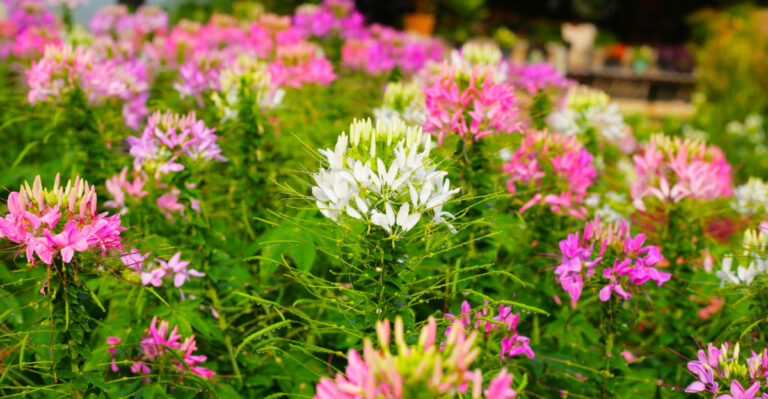
Spring, early summer, midsummer, late summer, and fall should each have something open. Aim for overlapping bloom windows so one plant hands the job to the next.
Plant in clusters too.
One lonely flower makes pollinators work too hard. A group of the same blooming plant is easier to find and more rewarding to visit.
Bloom gaps are not a garden failure. They are a scheduling problem with petals.
Fill the quiet weeks, and the yard can start sounding alive again.
2. Heat Is Changing Flight Times
A still garden at noon may not be empty.
It may be between shifts.
North Carolina summer heat can push pollinators into cooler parts of the day. By midday, flowers may slow nectar production, leaves may wilt slightly, and insects may pull back to conserve energy.
The yard looks quiet because the busiest hours already happened before breakfast.
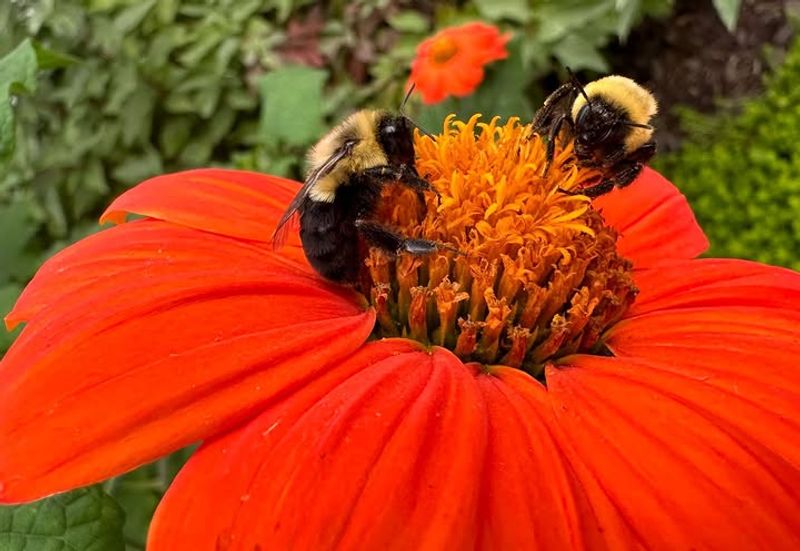
Bumblebees and many small native bees often work early.
Hummingbirds may visit most heavily at dawn and again near evening. Butterflies need warmth to fly, but extreme heat can send them into shade until conditions settle. A gardener checking only during the harshest part of July may miss the real action.
Your North Carolina Garden Changes Every Week. Your Plan Should Too.
Gardening in North Carolina changes quickly throughout the season. Every Friday you’ll receive a simple weekly plan showing exactly what to plant, prune, fertilize, harvest, and protect so you never miss the right timing.
Change the observation time.
Step outside around 7 a.m. and watch for five quiet minutes. Then check again near 5 or 6 p.m. The same flowers that looked abandoned at noon may suddenly have bees, skippers, and hummingbirds working them with purpose.
Heat also changes which flowers stay useful.
Some blooms close, droop, or stop offering much during peak heat. Plants with sturdy flowers and steady nectar through warm weather can keep more activity in the yard, especially when paired with shade, water, and shelter nearby.
A shallow water dish with pebbles can help.
Bees need safe footing, not a swimming pool. Keep the water fresh and shallow.
Pollinators did not send a calendar invite. They simply moved their hours.
The buzz may still be there, just on summer time.
3. Pesticides May Have Pushed Them Away
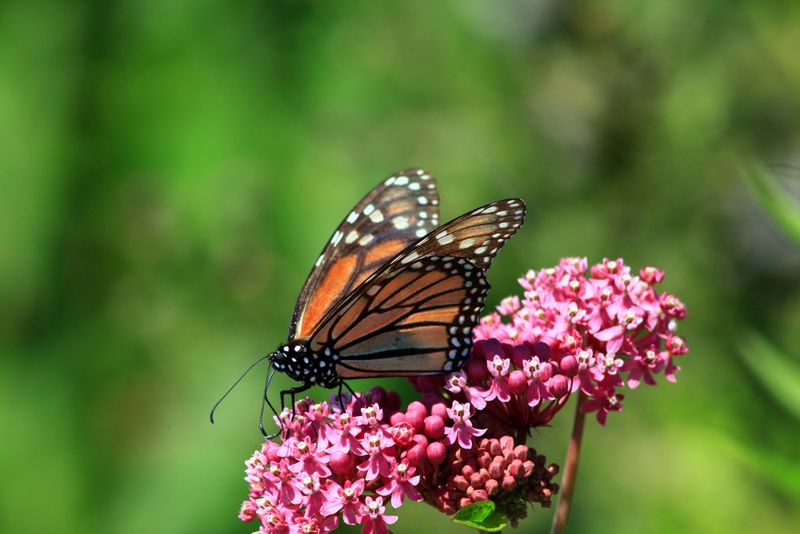
A quiet garden sometimes starts with a spray bottle.
Pesticides can change pollinator activity quickly, even when the damage does not look dramatic. A yard may still have flowers, but bees and butterflies may avoid it after exposure to insecticides, drifting treatments, or residues on blooms.
Broad-spectrum products create the biggest concern.
They do not sort pests from pollinators. A spray meant for one insect can affect many others moving through the garden. Some products can also linger on leaves, flowers, pollen, or nectar longer than gardeners expect.
Neighboring yards can play a role too.
Mosquito treatments, lawn sprays, and pest control applications can drift on warm, breezy days. Pollinators do not understand property lines. A plant at the edge of a yard may become less attractive after exposure from nearby spraying.
The first step is pausing routine treatments.
Look for the actual pest before applying anything. Many garden insects are harmless, temporary, or already being handled by predators. A few chewed leaves do not always need a chemical response.
Use targeted options only when needed.
Treat in the evening after pollinators have left flowers, avoid open blooms, and follow the label exactly. More product does not mean better control. It often means more risk.
A yard can recover from over-spraying habits, but it needs time.
Reduce exposure, add clean blooms, and watch for return visits over the next few weeks. Pollinators notice safer food sources.
The garden buzz may come back once the warning scent fades.
4. Lawns Offer Too Little Food
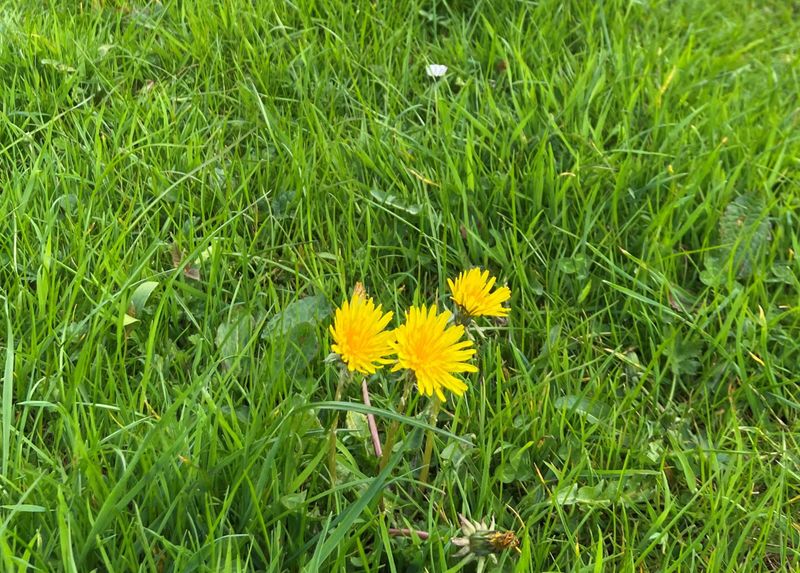
A perfect lawn can be a pollinator desert.
The grass may look clean, green, and well-kept, but most turf offers almost nothing for bees, butterflies, or hummingbirds. No nectar. No pollen. No host plants. Just a wide green stretch with very little wildlife value.
That matters in North Carolina neighborhoods.
Many yards have a large lawn with one narrow flower bed near the house. From a pollinator’s view, that setup provides a tiny snack bar surrounded by acres of nothing useful.
Pollinators need abundance.
A bee visiting flowers is collecting food for survival and reproduction. A butterfly passing through needs nectar and, in many cases, nearby host plants.
A hummingbird needs repeated nectar stops through the day. A lawn-heavy yard rarely offers enough reason to return.
Start by shrinking turf in one place.
Turn a strip along the fence, a sunny corner, a mailbox bed, or a hard-to-mow slope into a flowering patch. Even a small reduction in grass can change how much food your yard offers.
Let low flowers stay in some lawn areas when practical.
Clover, violets, and other low-growing blooms can support small bees when managed thoughtfully. A less sterile lawn often has more life.
Layering matters too.
Use flowers, shrubs, and small trees so pollinators find food at different heights. A flat yard with only grass and one pot of blooms cannot compete with a layered garden.
Less lawn does not mean chaos.
It means more food where wings can actually use it.
5. Host Plants May Be Missing
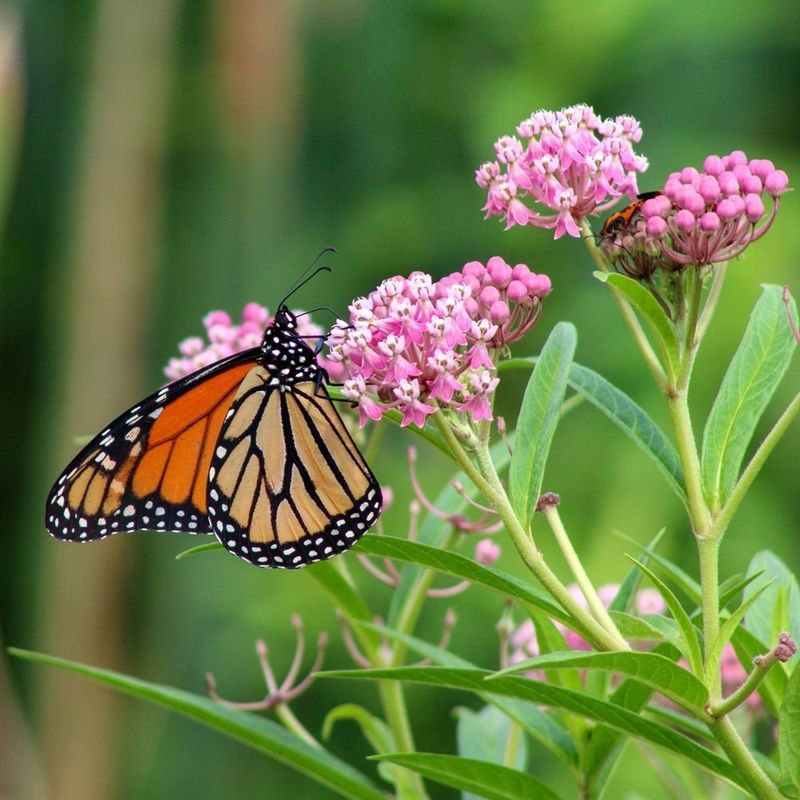
Nectar brings pollinators in.
Host plants help them stay.
Many butterflies and moths need specific plants for their caterpillars. Adults may visit many flowers for nectar, but they lay eggs only on plants their young can eat. A yard without host plants may get occasional visits without becoming real habitat.
That is why a flower-filled garden can still feel quiet over time.
Adult butterflies may sip and move on because the yard does not offer the next step in their life cycle. A true pollinator yard feeds both adults and young, even when that means accepting a few chewed leaves.
Chewed leaves are not always damage.
They can be proof that the garden is working. Caterpillars often feed for a short window, then move on to the next stage. The plant usually recovers, and the yard gains a deeper role in supporting wildlife.
Choose host plants for local species.
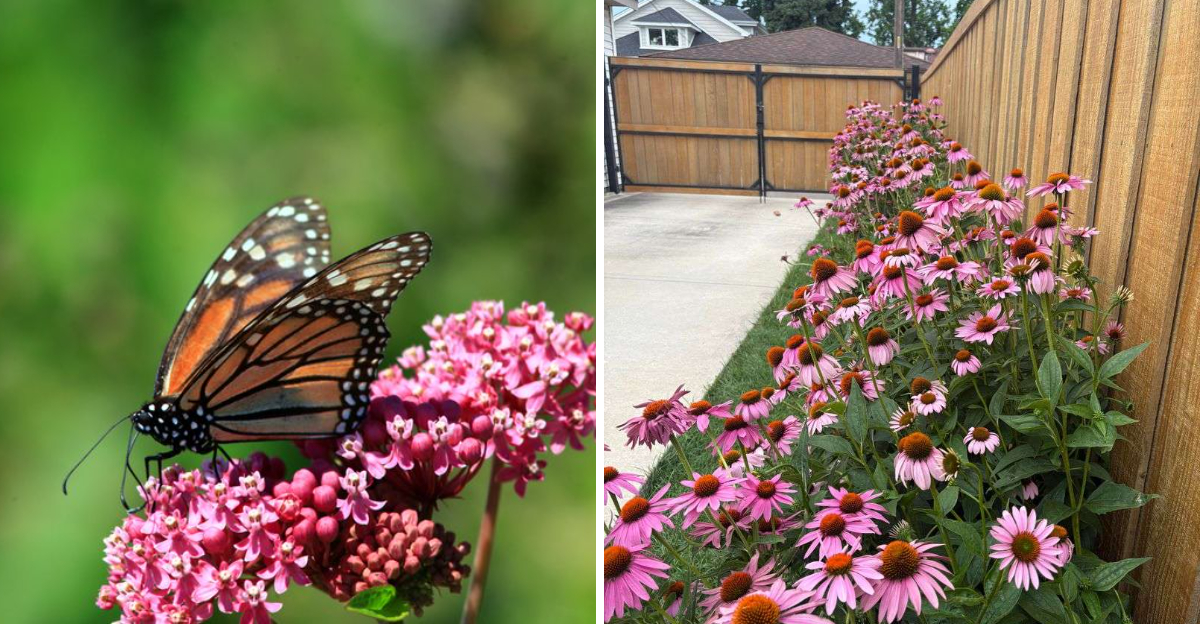
Milkweed supports monarchs. Spicebush and sassafras support spicebush swallowtails. Wild cherry and tulip poplar support eastern tiger swallowtails. Passionvine supports gulf fritillaries in many parts of the region.
Add a few rather than overhauling everything.
One small host plant patch can make a noticeable difference. Place it where some leaf feeding will not bother you, such as a side bed, back border, or naturalized corner.
A nectar garden is a rest stop.
A host-plant garden is a nursery too. That is where pollinator activity becomes more stable, more seasonal, and much more interesting.
6. Shelter May Be Too Sparse
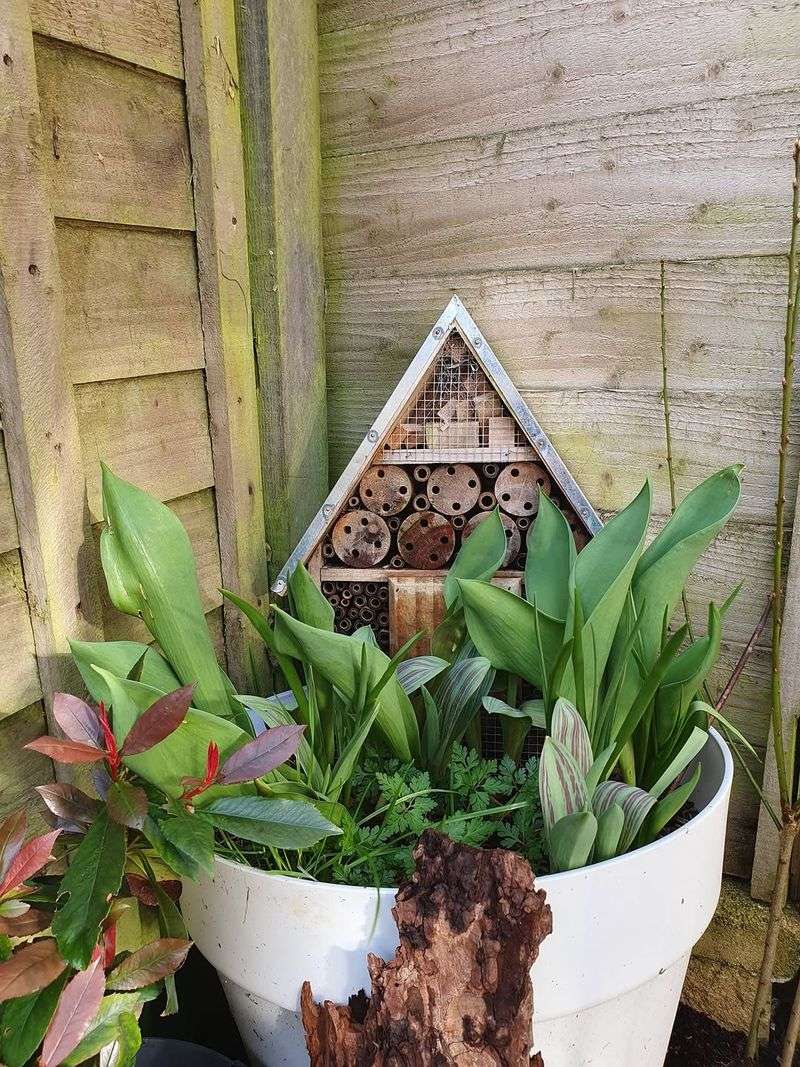
A spotless yard can feel unsafe to pollinators.
Too much cleanup removes the places they rest, nest, and spend the cold months. The flowers may be there, but the garden may still lack the shelter that makes pollinators settle in.
Many native bees nest in the ground.
They need sunny patches of bare or lightly covered soil, not every inch sealed under thick mulch, turf, or landscape fabric. Other bees use hollow stems, pithy stalks, old wood cavities, and plant debris.
Butterflies need shelter too.
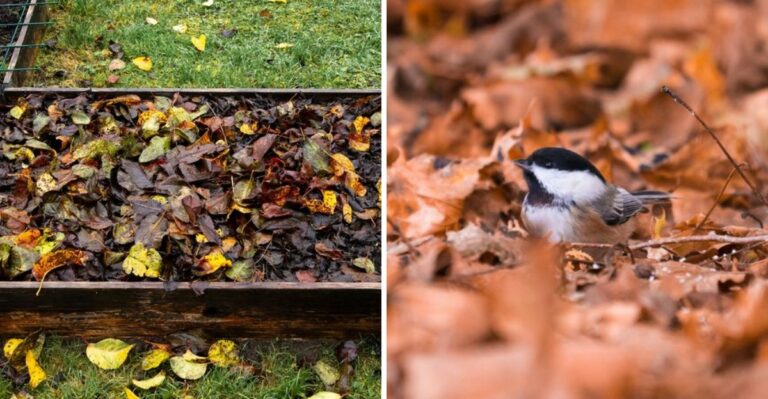
Some tuck into leaf litter. Some use shrubs or dense vegetation during rain, wind, or extreme heat. A garden cleared to the ground every fall can remove protection before those hidden lives finish their seasonal work.
The fix is controlled messiness.
Leave a small sunny patch of open soil where ground-nesting bees can dig. Keep some perennial stems standing through winter. Wait until late spring to cut them back, giving overwintering insects time to emerge.
Save leaves in the right places.
A thin leaf layer behind shrubs or in a back corner can support overwintering pollinators without making the whole yard look neglected. Keep paths, patios, and high-use areas tidy while allowing habitat where it makes sense.
Shelter does not need to look sloppy.
It can look intentional, layered, and alive. The goal is a garden with hiding places, nesting places, and weather protection.
Pollinators do not just visit flowers. They need somewhere to live between visits.
7. Rain Can Pause Foraging
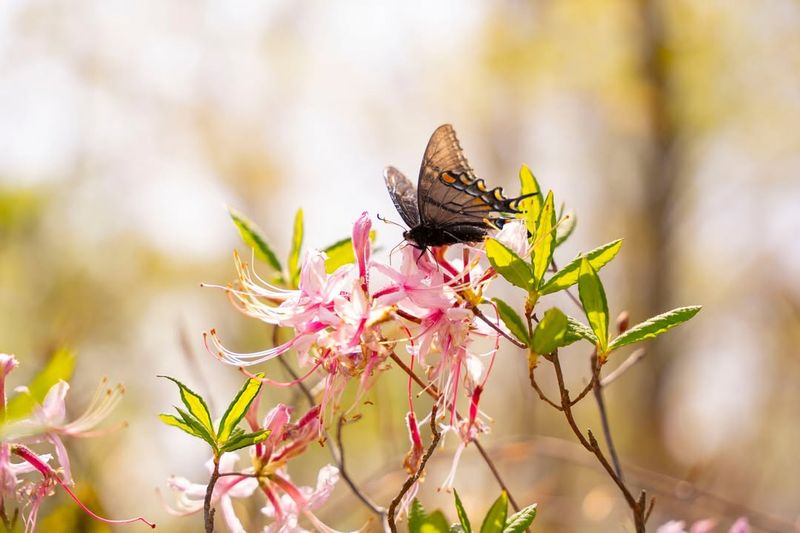
A rainy stretch can make a good garden go silent.
That does not always mean something is wrong. North Carolina storms can clear bees, butterflies, and hummingbirds from flowers fast, especially when heavy rain knocks blooms around and soaks wings.
Bees fly poorly in rain.
Butterflies often shelter under leaves or in shrubs until conditions improve. Hummingbirds may still appear between showers, but even they may shift routes during rough weather.
Wet flowers can also offer less reward because nectar becomes diluted or washed away.
The quiet after a storm can feel alarming.
Usually, it is temporary. Pollinators are waiting for warmth, dry wings, and useful flowers. Once the sun returns and blooms recover, activity often picks back up within a day or two.
Watch what happens after good weather returns.
A healthy yard should begin drawing visitors again when the air is warm, dry, and calm. Continued silence after several pleasant days points to other clues, such as bloom gaps, pesticide exposure, missing shelter, or too much lawn.
Storm damage can create short bloom gaps too.
Flattened flowers, battered petals, and broken stems may need light cleanup. Remove collapsed blooms, but avoid cutting back too aggressively. New flowers may open soon, and pollinators will find them.
Rain is not rejection.
It is a pause button. Give the garden a little time after the weather clears before declaring the buzz gone.
North Carolina pollinators know how to wait out a storm. Gardeners can learn that trick too.
8. Native Plants Bring Them Back
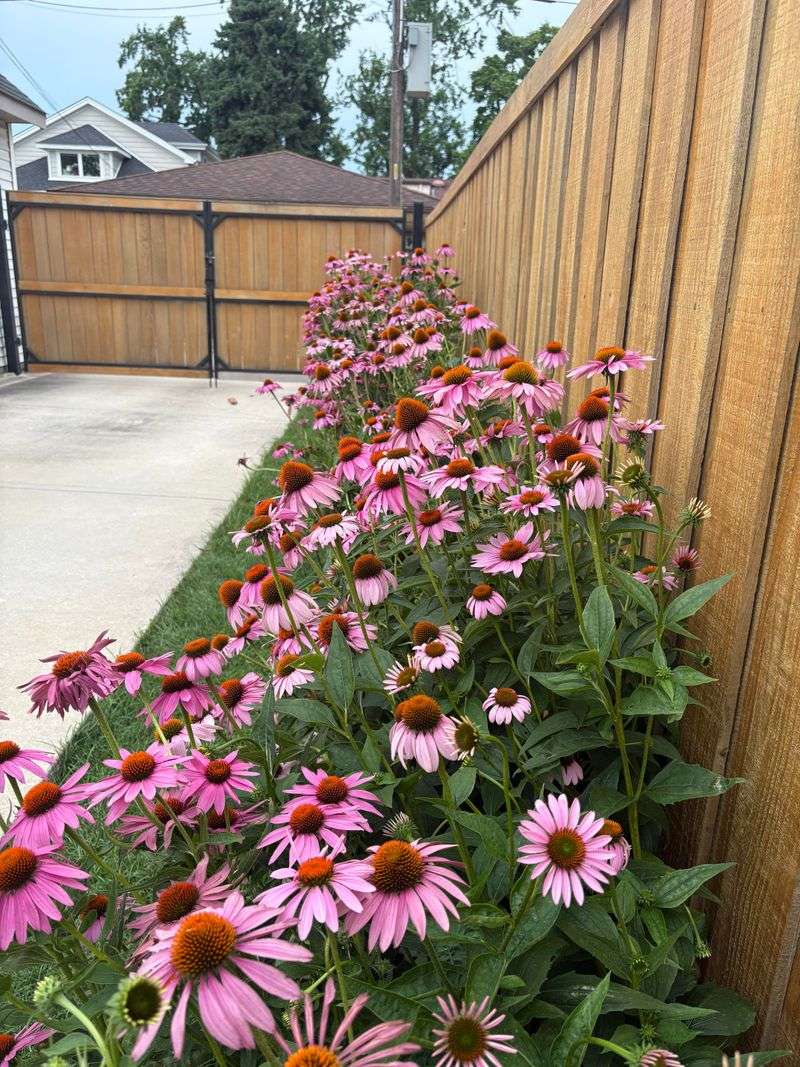
Native plants can change a quiet yard faster than almost anything else.
They match the needs of local pollinators because they developed in the same region over long periods of time.
Their flowers often provide accessible nectar and pollen, and many also serve as host plants for native butterflies and moths.
That local fit matters.
A non-native flower may look beautiful but offer little usable food. Some highly bred ornamentals have extra petals that block pollinators from reaching nectar. Others provide color without much reward. Pollinators may inspect them once and keep moving.
North Carolina has native options for nearly every yard condition.
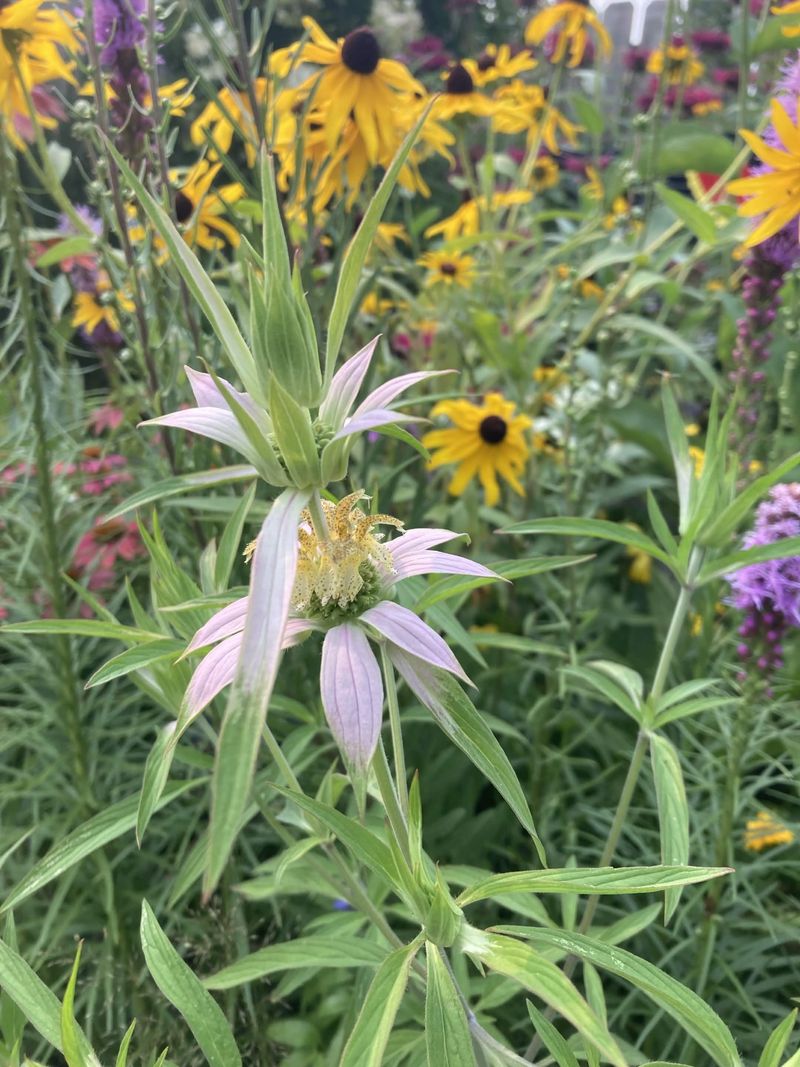
Sunny beds can support coneflowers, black-eyed Susans, bee balm, mountain mint, native sunflowers, goldenrod, and asters.
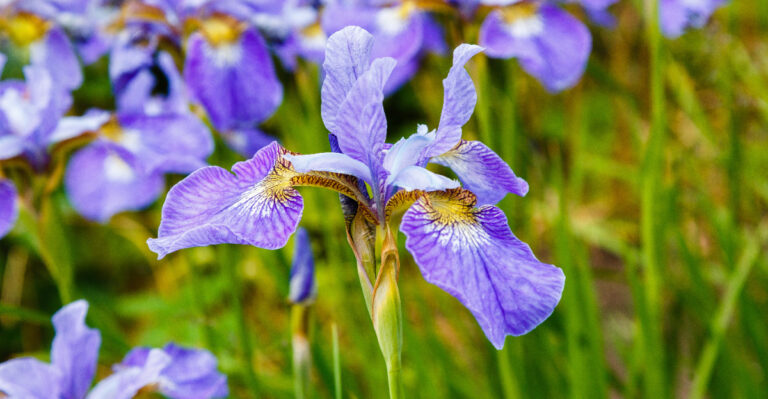
Shadier spaces can use woodland phlox, foamflower, wild ginger, coral bells, or Solomon’s seal. Wet areas can support buttonbush, swamp milkweed, and blue flag iris.
Start small and plant in groups.
Three to five species with different bloom times can begin rebuilding the food schedule. A cluster is easier for pollinators to find than scattered single plants dotted around the yard.
Give natives time.
Many spend the first year building roots and look more impressive in the second and third seasons. That patience pays off with stronger plants and steadier wildlife visits.
A quiet yard is not hopeless.
It may be asking for better food, better shelter, and better timing. Native plants answer in a language North Carolina pollinators already understand.