This Is The Invasive Insect Targeting Texas Pecan Trees At An Alarming Rate
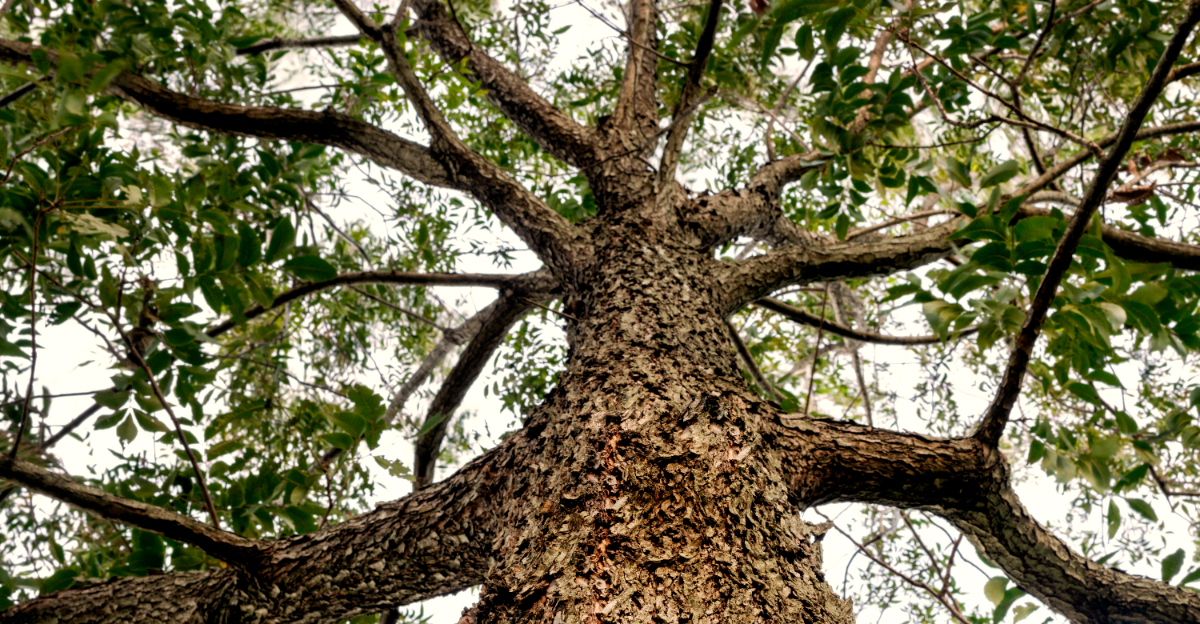
This tiny invader hides inside the shell while your pecan looks perfectly healthy from the outside. It has been spreading into Texas counties where it did not exist before.
Quarantine rules from the Texas Department of Agriculture show how seriously the state treats this threat. The larvae spend months feeding inside the kernel while growers wait for a harvest that falls far short of what it should be.
By the time you spot tiny holes in the shell or nuts dropping early, the damage underground is already done. This pest ignores county lines and often goes unnoticed until it is too late.
If you have pecan trees, in a commercial orchard or your own backyard, now is the time to learn the warning signs before they catch up with you.
The Tiny Pest Putting Texas Pecan Harvests At Risk
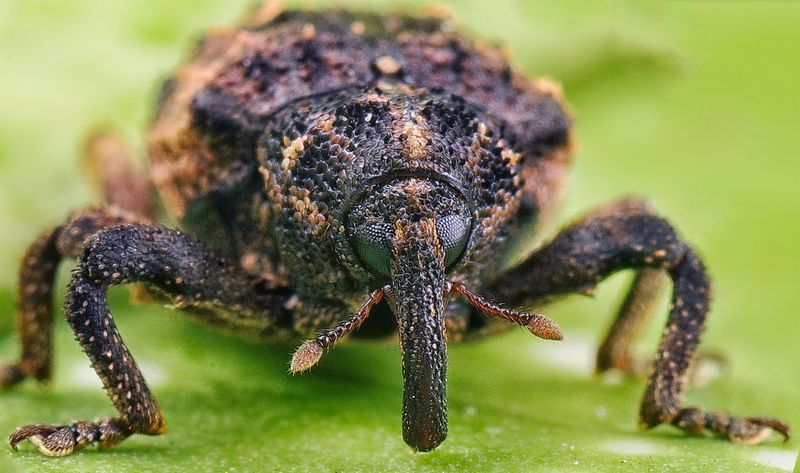
Meet the pecan weevil, a small brown beetle with a long curved snout. It has become one of the costliest pests in Texas orchards.
Adults puncture developing nuts to feed and lay eggs inside them. This activity begins in late summer, right as the shells start to harden.
Texas A&M AgriLife Extension has documented orchards losing up to 95 percent of their crop. That level of loss happens when no management is applied for several seasons in a row.
The damage often stays hidden, since infested nuts can look normal from the outside. A tree can carry a serious infestation while still appearing green and healthy from a distance.
Female weevils lay two to four eggs per kernel once the nut reaches the gel stage. That timing usually falls around mid-August across most of Texas.
The larvae then feed inside the nut for about a month. Afterward, they chew an exit hole and drop into the soil below.
Because the damage happens inside the shell, growers rarely catch it by looking at the tree. Cracking open a sample of fallen nuts gives a much clearer picture of what is really going on.
Waiting until harvest to check often means finding out too late. Regular scouting throughout late summer remains the best defense against this fast-spreading pest.
Why This Insect Has Spread To Nearly Every County In The State
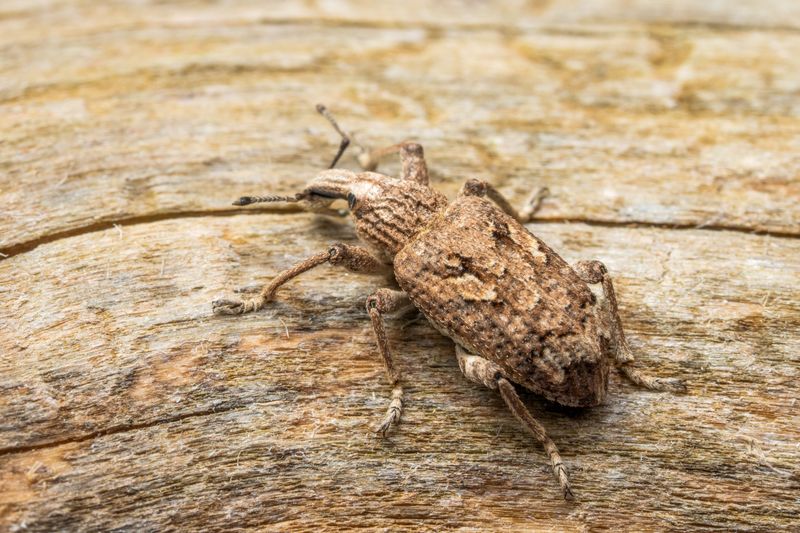
Pecan weevils do not travel far on their own. People moving infested nuts between counties have made it far easier for the pest to spread.
Once nuts carrying larvae reach a new area, populations can establish within a few seasons. This is how the weevil has slowly expanded its range across the state.
Texas A&M AgriLife Extension reports outbreaks in roughly 130 of the state’s 254 counties. New detections keep appearing farther west than in past decades.
To slow that movement, the Texas Department of Agriculture quarantines 249 of the state’s 254 counties. Only five counties in the far west currently sit outside the restricted zone.
The quarantine covers in-shell pecans, cracked pecans, and any shipment containing shell pieces. Larvae can hide inside shell fragments, which makes shipped nuts a common pathway for spread.
Your Texas Garden Changes Every Week. Your Plan Should Too.
Gardening in Texas changes quickly throughout the season. Every Friday you’ll receive a simple weekly plan showing exactly what to plant, prune, fertilize, harvest, and protect so you never miss the right timing.
Equipment moved between orchards without cleaning is another way the pest travels. A single piece of machinery can carry larvae from an infested site to a clean one.
Growers near the quarantine boundary face the highest risk of new infestations. Even one bag of untreated nuts can introduce the pest to a previously clear area.
Staying informed about local outbreak reports helps growers catch new populations early. That awareness often makes the difference between a contained problem and a spreading one.
How To Spot The Damage Before Your Harvest Is Ruined
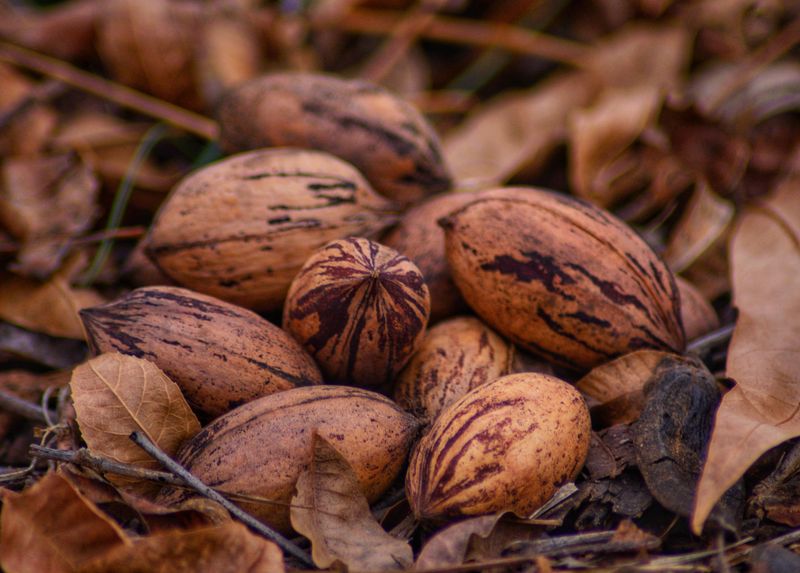
Tiny round holes on the shell are the clearest early sign of an infestation. Once that hole appears, the kernel is no longer suitable for eating or selling.
Adult weevils become most active from late July through September. Emergence often happens within days of a heavy summer rain.
Checking fallen nuts during this window gives growers their best chance to catch a problem early. Waiting until closer to harvest usually means the damage is already widespread.
Nuts attacked before the shell hardens tend to drop early. These nuts often show dark staining on the shuck, which is a useful early warning sign.
Nuts attacked later in the season may stay on the tree. However, they can still carry larvae feeding inside the kernel, even if the shell looks fine.
A healthy-looking nut on the tree is not always a safe one. That is why visual inspection alone often misses active infestations.
Cracking open a sample of nuts from the ground remains one of the most reliable checks. It shows directly whether larvae are present, rather than relying on outward appearance.
Growers who catch the problem early still have time to act. Applying insecticide before the next generation drops into the soil can protect the rest of the season’s crop.
The Weevil’s Life Cycle And Why Timing Matters So Much
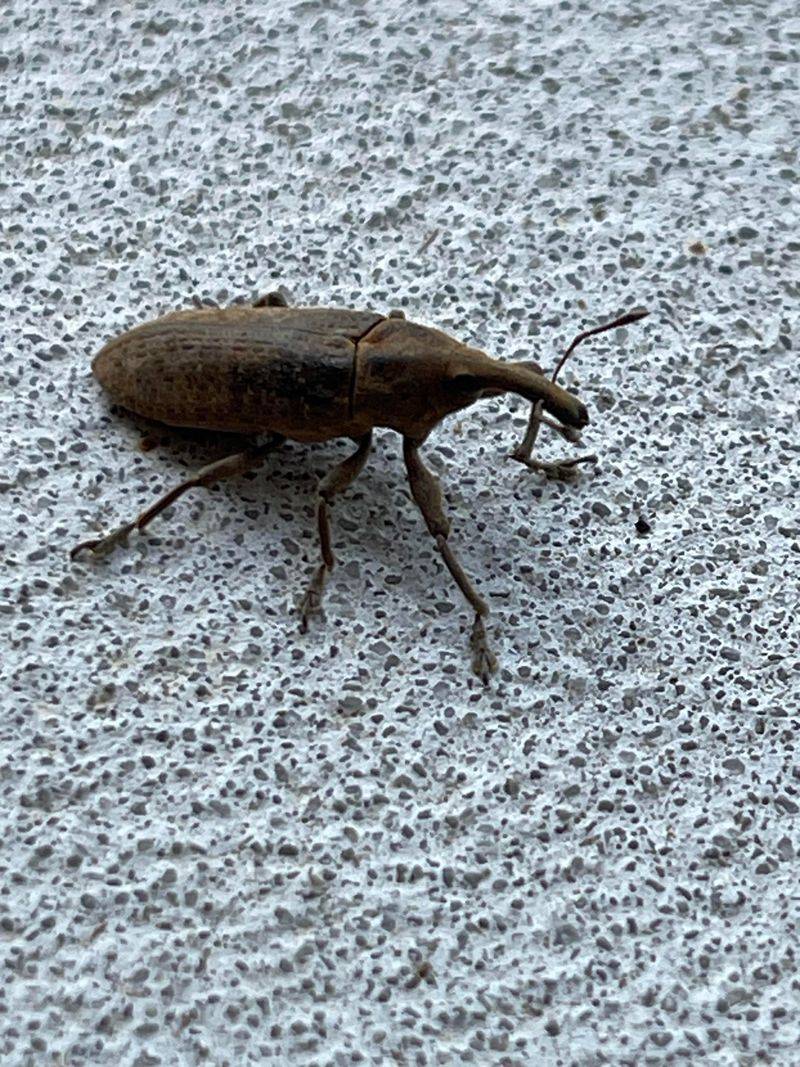
Adult weevils emerge from the soil in late summer. This usually happens right as pecans reach the soft gel stage inside the shell.
Females chew a hole through the shell to lay their eggs. Each nut typically receives two to four eggs from a single female.
The larvae then feed inside the nut for roughly a month. Afterward, they chew an exit hole and drop to the ground below.
Once underground, most larvae settle into an earthen cell for one to two years. A smaller portion spends a third year below ground before becoming adults.
This means a single generation can take two to three years to complete its cycle. That long, staggered timeline is part of what makes the pest so difficult to control.
Because emergence spreads out over several weeks, timing depends heavily on rainfall patterns. Growers often need more than one insecticide application to cover the full active period.
Missing the treatment window during peak emergence allows a new wave of larvae to settle underground. That generation will then continue the cycle two or three years later.
Tracking local emergence patterns each season gives growers a much better shot at timing treatments correctly. Consistent record-keeping from year to year makes those patterns easier to predict.
Quarantine Rules Every Texas Pecan Grower Should Know
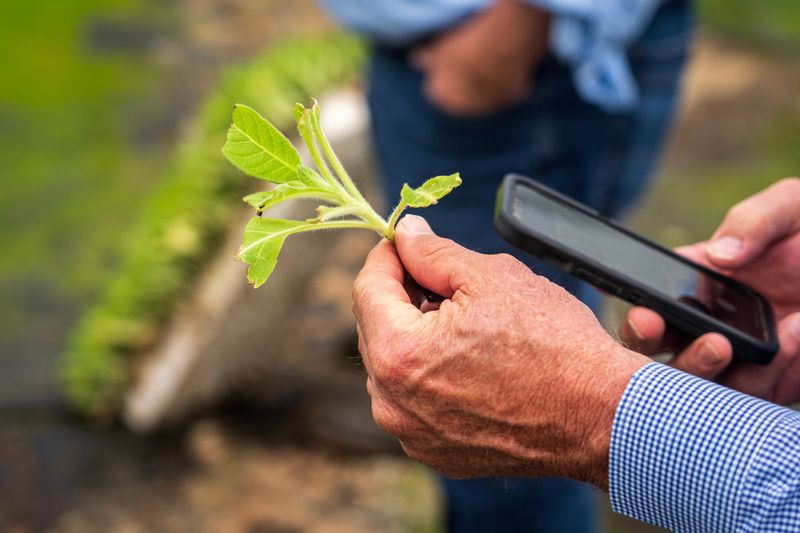
Texas maintains a pecan weevil quarantine across 249 of its 254 counties. Only five counties in the far west currently fall outside the restricted zone.
The rule restricts in-shell pecans, cracked pecans, and any shipment containing shell pieces. Larvae can travel hidden inside these products, which is why the rule targets them specifically.
Growers who ship pecans to New Mexico, Arizona, or California face additional treatment requirements. These states have their own rules designed to keep the pest from crossing their borders.
Equipment moved between orchards can also carry larvae from one site to another. Cleaning tools and machinery between farms helps limit this kind of unintentional spread.
Violating quarantine rules can result in fines and increases the risk of spreading the pest further. Even a small, overlooked shipment can introduce weevils into a previously clear orchard.
Many homeowners are less aware of these restrictions than commercial growers tend to be. That gap in awareness makes backyard trees an easy, overlooked source of new infestations.
Staying current with county-level outbreak reports through Texas A&M AgriLife Extension is genuinely useful. Knowing which nearby counties have active infestations makes it easier to judge personal risk.
Planning nut sales and shipments around these rules helps growers avoid fines and delays. It also protects neighboring orchards from an infestation they never had to deal with.
Protecting Your Pecan Trees Season After Season
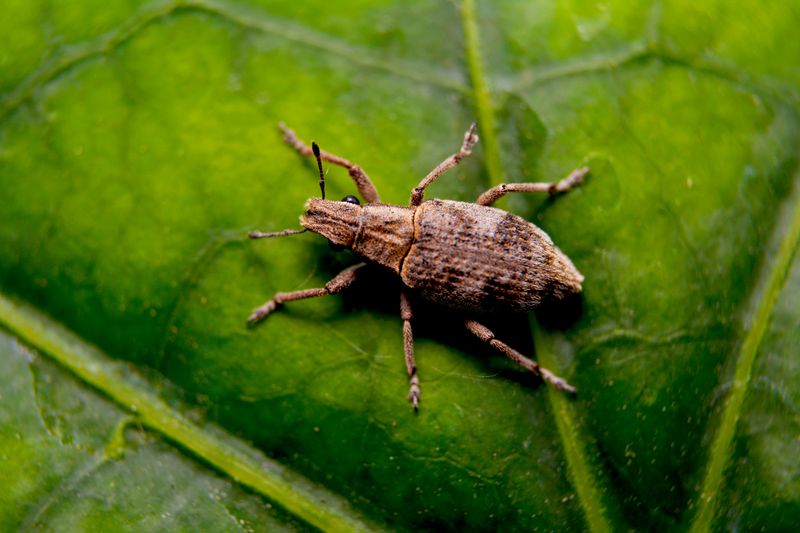
Consistent monitoring remains one of the most effective tools against pecan weevil damage. Setting up ground cloth traps helps growers track adult activity as it happens.
Inspecting fallen nuts weekly during peak emergence catches problems while they are still manageable. This habit works best when paired with careful record-keeping from season to season.
Keeping detailed notes makes it easier to spot patterns over time. Growers often notice which weeks tend to bring the heaviest emergence after a rain.
Approved insecticide treatments, applied during the right window, can meaningfully reduce weevil populations. Timing those applications against local emergence data makes them far more effective.
Good orchard hygiene works alongside chemical control rather than replacing it. Clearing fallen nuts regularly reduces the chances of larvae settling into the soil nearby.
Keeping equipment clean between sites also lowers the risk of introducing the pest to new areas. This is especially important for growers working across multiple orchards or plots.
A local extension office can confirm whether a monitoring schedule matches actual emergence patterns in the area. Timelines can shift slightly from one county to the next.
Younger trees often need closer attention, since a heavy infestation can affect them more noticeably than older, established trees. Checking them on a tighter schedule helps catch problems early.
Pairing accurate timing with steady monitoring gives pecan trees their best shot at a healthy season. Small, consistent habits over several years tend to matter more than any single treatment.